

Hindu Kush
Discover Hindu Kush, the pure indica landrace from the mountains of Afghanistan.
What Is Hindu Kush?
Hindu Kush is one of the foundational pure indica landrace strains, named after the rugged mountain range that stretches between Afghanistan and Pakistan. Few cultivars carry the historical weight of Hindu Kush, a strain that has survived for centuries in some of the harshest growing conditions on the planet. Its reputation for deep physical relaxation and dense, resinous flowers has made it a cornerstone of cannabis breeding worldwide.
Unlike modern hybrids engineered in greenhouses, Hindu Kush developed through natural selection in high-altitude valleys where summers are short and winters are brutal. This wild heritage gave the plant a remarkable resilience and a thick coat of trichomes that originally evolved to protect it from intense ultraviolet radiation and cold. Today those same trichomes are prized for the potent, sedating experience the strain delivers.
What makes Hindu Kush so distinctive is its genetic purity. As a true landrace, it has not been crossed with sativa varieties, meaning it expresses the classic indica traits in their most concentrated form. For anyone seeking to understand where modern cannabis comes from, studying this strain offers a window into the original gene pool that breeders have drawn from for generations.
Hindu Kush Origins and History
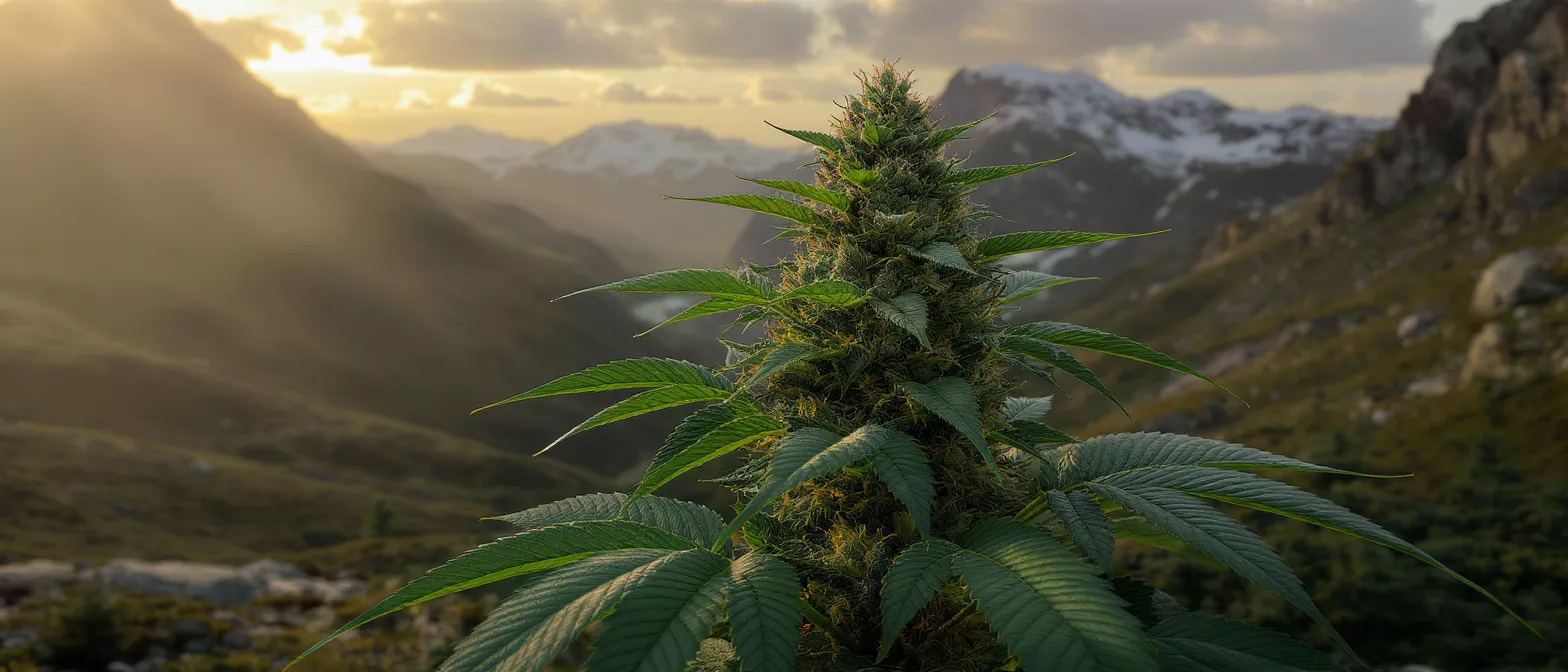
The mountain heritage behind the name: The Hindu Kush mountain range gives this strain both its name and its identity. Spanning roughly 800 kilometers, these mountains created isolated pockets where cannabis plants adapted to extreme elevation and dramatic temperature swings. Generations of farmers in the region cultivated these plants primarily for hashish production, selecting for the resin-heavy phenotypes that thrived in the climate.
How Hindu Kush reached the West: During the 1960s and 1970s, the so-called "Hippie Trail" brought Western travelers through Afghanistan, Pakistan, and India. Many returned home carrying seeds from these legendary landrace plants. This influx of pure indica genetics transformed cannabis cultivation in North America and Europe, where breeders quickly recognized the value of a stable, potent, and fast-flowering strain. According to RxList, cannabis has a long documented history of use across cultures for both recreational and therapeutic purposes, and Hindu Kush represents one of the oldest preserved examples of that lineage.
The preservation of authentic Hindu Kush genetics remains a point of pride among seed banks and heritage growers. Because the original landrace adapted to a very specific environment, maintaining its purity requires careful, deliberate breeding away from the cross-pollination that defines most of the contemporary market.

Hindu Kush Appearance and Aroma
Hindu Kush plants are unmistakable once you know what to look for. The buds grow dense and chunky, packed tightly together in the compact structure typical of mountain-adapted indicas. A heavy frosting of trichomes coats the flowers, giving them a silvery, almost crystalline sheen that signals the high resin content this strain is famous for.
Color and structure: Expect deep green foliage often accented by purple hues when nighttime temperatures drop during flowering. The leaves are broad and dark, a hallmark of indica genetics, and the calyxes swell substantially as the plant matures. Orange and amber pistils weave through the buds, adding visual contrast to the dense green and frosty white.
The aroma is where Hindu Kush truly announces itself. The strain carries a rich, earthy scent layered with notes of sandalwood, pine, and sweet hashish. When the buds are broken apart or ground, that earthy backbone deepens into something almost incense-like, a fragrance that many longtime enthusiasts describe as the definitive smell of old-school indica. The flavor follows suit, delivering a smooth, woody smoke with subtle sweet undertones on the exhale.
What Are the Effects of Hindu Kush?
The effects of Hindu Kush are profoundly physical and relaxing, exactly what you would expect from a pure indica landrace. Within minutes of consumption, a warm, heavy sensation begins to settle over the body, melting away tension and encouraging a state of deep calm. This is not a racing, cerebral high but rather a grounded, tranquil experience that pulls you toward stillness.
The body and mind experience: Mentally, Hindu Kush tends to quiet the chatter of a busy mind without fogging it entirely. Many users report a mild euphoria early in the experience that gradually gives way to drowsiness as the body high deepens. This makes the strain particularly well suited to evening and nighttime use, when the goal is to unwind rather than stay productive.
What to expect over time: As the experience progresses, the sedating qualities become more pronounced. Hindu Kush is the kind of strain that pairs naturally with a quiet evening, a comfortable chair, and minimal demands on your attention. Some common effects reported by users include:
- 😌 Deep relaxation: A heavy, full-body calm that loosens muscles and eases physical tension.
- 🛌 Sleepiness: Strong sedative qualities that make it a favorite for nighttime and insomnia relief.
- 🍽️ Increased appetite: A pronounced case of the munchies is common, helpful for those struggling to eat.
- 😀 Mild euphoria: An early lift in mood that softens into mellow contentment.
- 🧘 Stress relief: A quieting of mental tension that helps the day's worries fade.

Hindu Kush THC and CBD Content
Hindu Kush typically tests with a THC content ranging from roughly 15 to 20 percent, though some carefully grown phenotypes can push higher. While these numbers are modest by the standards of today's hyper-potent hybrids, the strain's effects feel stronger than the percentages might suggest, thanks to the way its cannabinoids and terpenes work together.
Why the CBD profile matters: Hindu Kush is not a high-CBD strain; its cannabidiol content usually sits below one percent. This means the experience is driven primarily by THC and the strain's robust terpene content. For users specifically seeking high CBD ratios, Hindu Kush is not the ideal choice, but for those who want classic, THC-forward indica effects, it delivers reliably.
The relatively balanced and predictable cannabinoid profile is part of why Hindu Kush remains so popular for both consumers and breeders. You know what you are getting: a dependable, deeply relaxing experience rooted in centuries of natural selection rather than aggressive modern hybridization. This consistency makes it an excellent baseline for understanding how potent traditional indica genetics behave.
Hindu Kush Terpene Profile
The terpene profile of Hindu Kush is responsible for much of its signature earthy, woody character and contributes meaningfully to its relaxing effects. The dominant terpene is typically myrcene, a compound known for its sedating, couch-lock-inducing qualities and a musky, herbal aroma.
The supporting cast of terpenes: Beyond myrcene, Hindu Kush contains notable levels of limonene, which adds a subtle citrus brightness, and caryophyllene, which contributes a spicy, peppery edge and may interact with the body's endocannabinoid system in unique ways. Pinene rounds out the profile with its fresh, coniferous notes that echo the mountain pine forests of the strain's homeland.
These terpenes do more than shape aroma and flavor. Through what researchers call the entourage effect, they work alongside THC to influence the overall character of the high. The heavy myrcene presence in particular helps explain why Hindu Kush feels so sedating despite its moderate THC levels. Here is a quick breakdown of the key terpenes and what they contribute:
- 🌿 Myrcene: Earthy and musky, drives the deep sedation and relaxation Hindu Kush is known for.
- 🍋 Limonene: A bright citrus note that lifts mood and softens the heavy body effects.
- 🌶️ Caryophyllene: Spicy and peppery, may support stress and tension relief.
- 🌲 Pinene: Fresh pine aroma that adds clarity and echoes the strain's mountain origins.
How to Grow Hindu Kush
Hindu Kush is widely regarded as one of the more beginner-friendly strains to cultivate, a direct result of its hardy landrace genetics. Centuries of adaptation to harsh mountain conditions produced a plant that tolerates temperature swings, resists mold reasonably well, and bounces back from grower mistakes that might devastate more delicate hybrids.
Indoor and outdoor considerations: The plant stays short and bushy, rarely exceeding a manageable height, which makes it an excellent candidate for indoor grows with limited vertical space. Its compact, dense structure also responds well to techniques like topping and low-stress training. Outdoors, Hindu Kush thrives in warm, dry climates that mimic its native environment, though its resilience lets it handle cooler conditions better than many strains.
Flowering time and yield: One of the strain's most attractive features for growers is its relatively short flowering period, typically around seven to nine weeks indoors. This quick turnaround, combined with generous resin production and respectable yields, makes Hindu Kush a practical choice for cultivators at every experience level. A few key growing tips worth keeping in mind:
- 🌱 Climate: Favors warm, dry conditions but tolerates cooler mountain-like temperatures better than most.
- 📏 Height: Stays short and bushy, ideal for indoor tents and discreet outdoor grows.
- ⏱️ Flowering: A fast seven-to-nine-week flowering window indoors gets you to harvest quickly.
- 🛡️ Resilience: Naturally resistant to mold and pests thanks to rugged landrace genetics.
Hindu Kush Medical Uses
The deeply sedating and physically relaxing nature of Hindu Kush has made it a longtime favorite among medical cannabis patients. Its profile lends itself naturally to conditions where the goal is calming the body, quieting the mind, and promoting rest. While cannabis affects everyone differently, the strain's consistent indica character makes its therapeutic potential fairly predictable.
Common therapeutic applications: Patients dealing with chronic pain often turn to Hindu Kush for its powerful full-body relaxation, which can help take the edge off persistent discomfort. The strain is also widely used to combat insomnia, as its sedative qualities encourage deep, restful sleep. Those experiencing stress and anxiety may find that its grounding effects help quiet a racing mind in the evening hours.
Beyond pain and sleep, the strain's reliable appetite stimulation makes it useful for individuals whose conditions or treatments suppress hunger. As always, anyone considering cannabis for medical purposes should consult a qualified healthcare provider, particularly because individual responses to THC vary and the strain's strong sedative profile is not suited to daytime functioning. Used thoughtfully, however, Hindu Kush remains a dependable option for evening symptom relief.

Hindu Kush Strains and Lineage
As one of the original landrace indicas, Hindu Kush sits near the root of countless modern strains. Breeders have prized its stable genetics, fast flowering, and heavy resin production for decades, using it as a building block to introduce indica characteristics into new hybrids. Tracing its influence reveals just how foundational this strain has been to the broader cannabis family tree.
Famous descendants and crosses: Perhaps the most celebrated strain to emerge from Hindu Kush genetics is OG Kush, whose name itself nods to that Kush heritage. Other notable relatives include Bubba Kush, Master Kush, and Purple Kush, all of which inherited the dense buds, earthy aromas, and sedating effects of their landrace ancestor. The "Kush" designation that appears across so many menus traces directly back to this mountain lineage.
Because Hindu Kush passes its traits so reliably, it continues to serve breeders working to stabilize new varieties or reinforce indica dominance in a cross. Its enduring presence in seed catalogs reflects both its standalone appeal and its irreplaceable role as genetic raw material. For anyone exploring the history of popular Kush strains, the trail almost always leads back to these original Afghan and Pakistani mountains.
Is Hindu Kush Right for You?
Hindu Kush is an ideal match for anyone who values deep relaxation, restful sleep, and a connection to cannabis history. If your goal is to unwind after a long day, ease physical tension, or drift off to sleep more easily, this strain delivers exactly that kind of experience. Its moderate THC level also makes it approachable for those who find ultra-potent modern hybrids overwhelming.
On the other hand, Hindu Kush is probably not the strain for daytime productivity or social, energetic activities. Its sedating, couch-locking effects are best reserved for evenings and quiet settings where there is nothing demanding your full attention. Anyone sensitive to drowsiness or seeking a clear-headed creative boost may want to explore sativa-leaning options instead.
Ultimately, Hindu Kush endures because it does one thing exceptionally well: it relaxes you completely while connecting you to the original roots of the cannabis plant. Whether you are a longtime indica devotee, a grower seeking a reliable and forgiving cultivar, or simply someone curious about where today's Kush strains began, this landrace legend offers a genuine and rewarding experience grounded in centuries of natural heritage.