Tangie
Discover the Tangie strain — a bright, tangerine-forward sativa with uplifting effects.
What Is the Tangie Strain
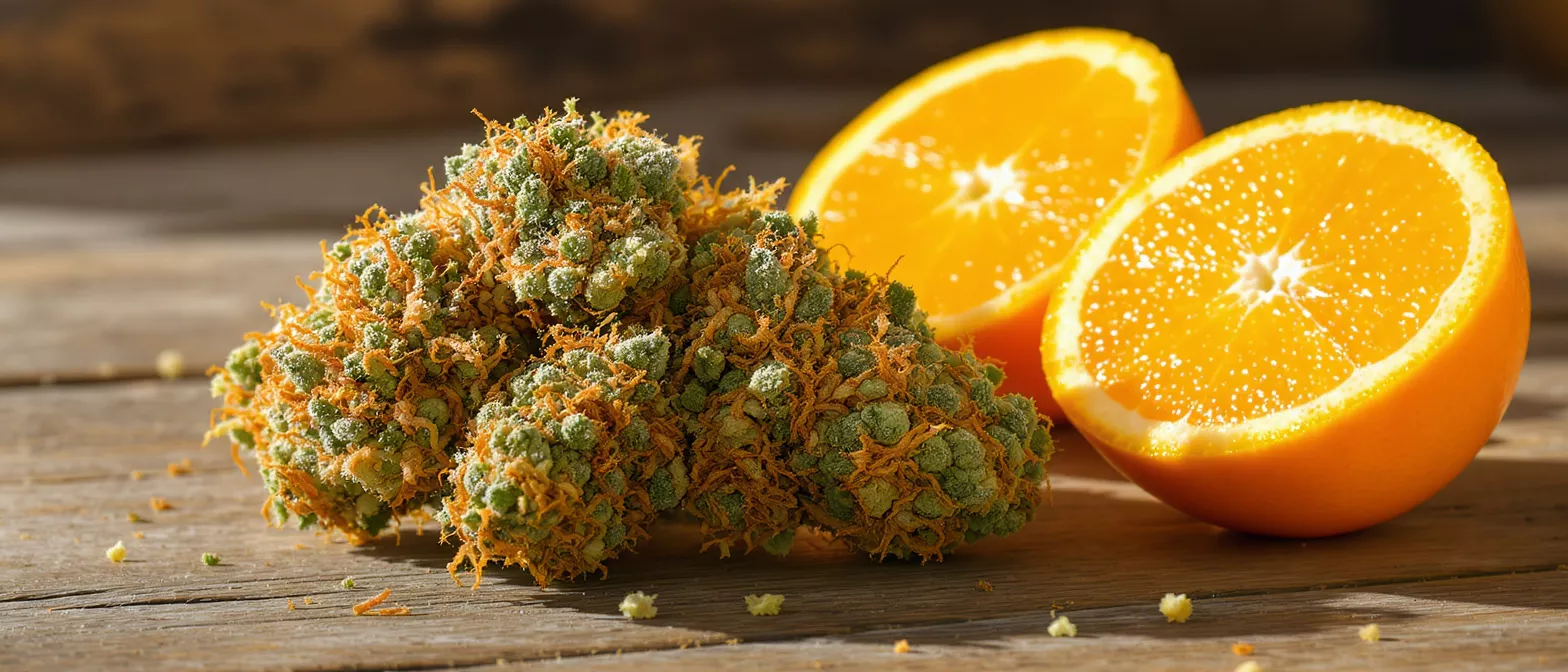
The Tangie strain is a sativa-dominant hybrid celebrated for one defining trait: an unmistakable burst of fresh tangerine that fills the room the moment a jar is cracked open. If you have ever peeled a ripe citrus fruit and caught that bright, slightly sweet spray of oils in the air, you already have a sense of what Tangie delivers. It rose to prominence in the early 2010s as Amsterdam and California breeders rediscovered a citrus-forward lineage that had been quietly circulating for decades, and it quickly became a benchmark for what a flavorful sativa could be.
Beyond the aroma, Tangie earned its reputation through a balanced, uplifting high that suits creative work and social settings without tipping into overwhelming intensity for most users. It is the kind of strain people reach for when they want energy and clarity rather than couch-lock. That combination of memorable flavor and approachable effects is exactly why it has spawned countless crosses and remains a staple on dispensary menus and seed catalogs alike.
Understanding Tangie means looking at three things together: where it comes from, how it smells and tastes, and how it actually makes you feel. Each of those threads connects back to its genetics and its rich terpene content. The sections below break each down so you can decide whether this citrus classic deserves a spot in your rotation.
Tangie Strain Genetics and Lineage
The California Orange connection: Tangie is most commonly credited to DNA Genetics, who crossed California Orange with a Skunk hybrid to lock in that signature citrus profile. California Orange itself dates back to the 1980s and was prized for its juicy, orange-peel aroma, so Tangie is best understood as a modern refinement of a much older citrus line rather than a brand-new invention. The Skunk influence adds backbone, vigor, and the resinous structure that makes the strain a reliable performer.
A sativa-leaning hybrid: Most phenotypes lean roughly 70% sativa, which shows up in the plant's tall, stretchy growth and in the head-forward effects users report. That sativa dominance is a direct inheritance from its parent stock, and it explains why Tangie feels more energizing than sedating. According to Cannigma, the interplay between a strain's genetic lineage and its chemical output shapes far more of the experience than indica-versus-sativa labels alone, which is why Tangie's specific parentage matters.
Because Tangie is so flavor-driven, breeders have used it as a building block for an enormous family of descendants. Crosses like Tangie variants and citrus hybrids carry forward its terpene signature while blending in new effects. This makes the original Tangie not just a strain to enjoy on its own, but a foundational genetic that has shaped a whole category of fruit-forward cannabis.
What Does Tangie Smell and Taste Like
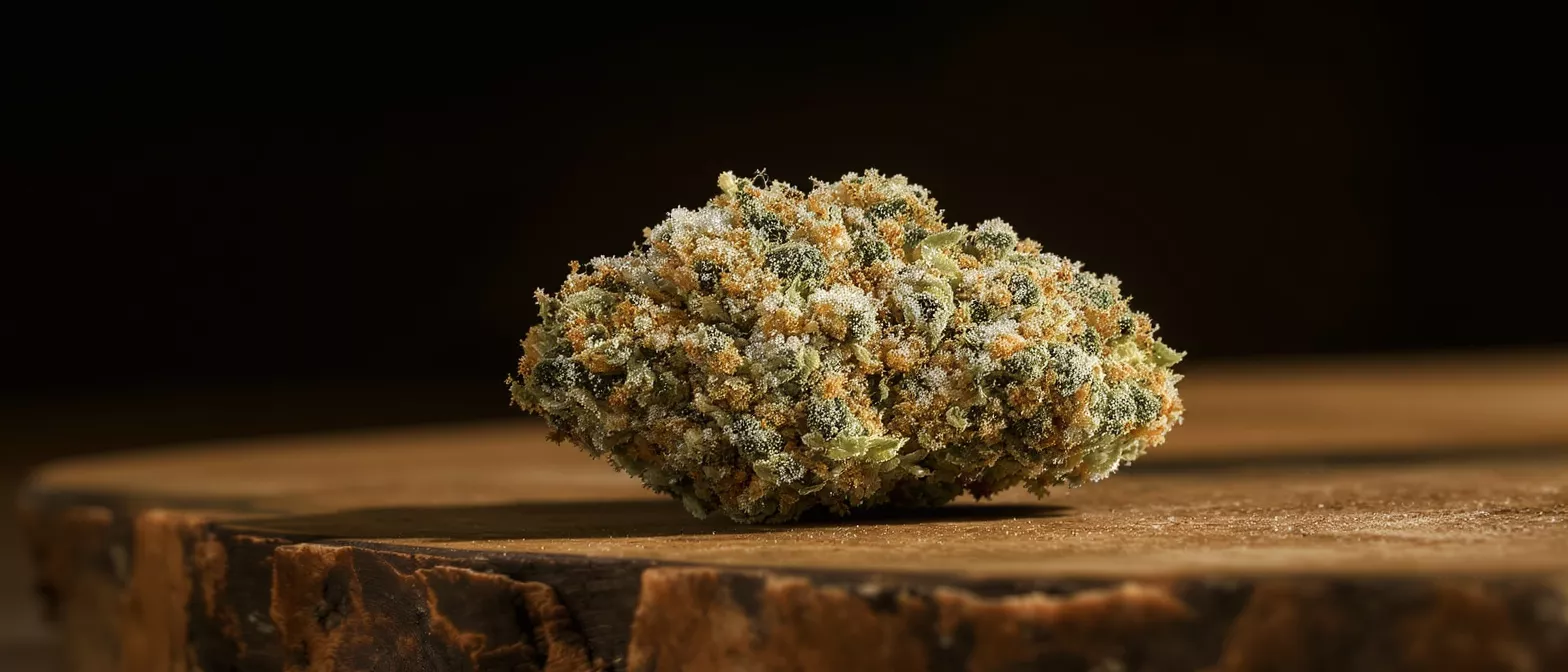
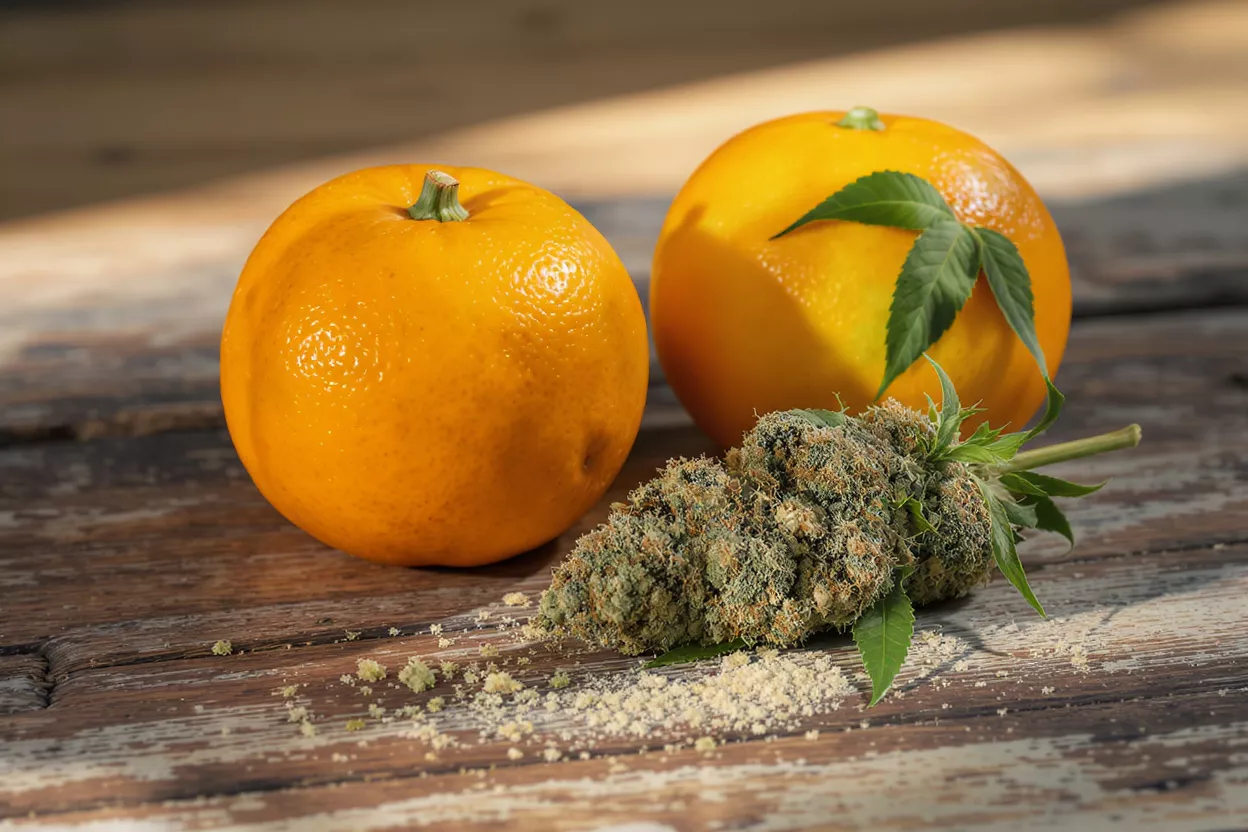
The aroma is where Tangie justifies its name and its fame. Snap open a fresh bud and you get a wave of sweet tangerine that is genuinely closer to fresh fruit than to the artificial citrus candy found in some other strains. Underneath that top note sits a layer of subtle skunk and a faint herbal earthiness that keeps the profile from being one-dimensional. It is bright without being sharp, sweet without being cloying.
How the flavor carries through: What makes Tangie special is that the smell translates almost perfectly to taste. On the inhale, a clean orange-citrus flavor dominates, and on the exhale you often catch a slightly sweeter, tangerine-zest finish. The skunky undertone shows up more in vapor than in smoke, but in both cases the citrus stays front and center. This flavor fidelity is rare and is a big reason the strain remains so beloved among flavor chasers.
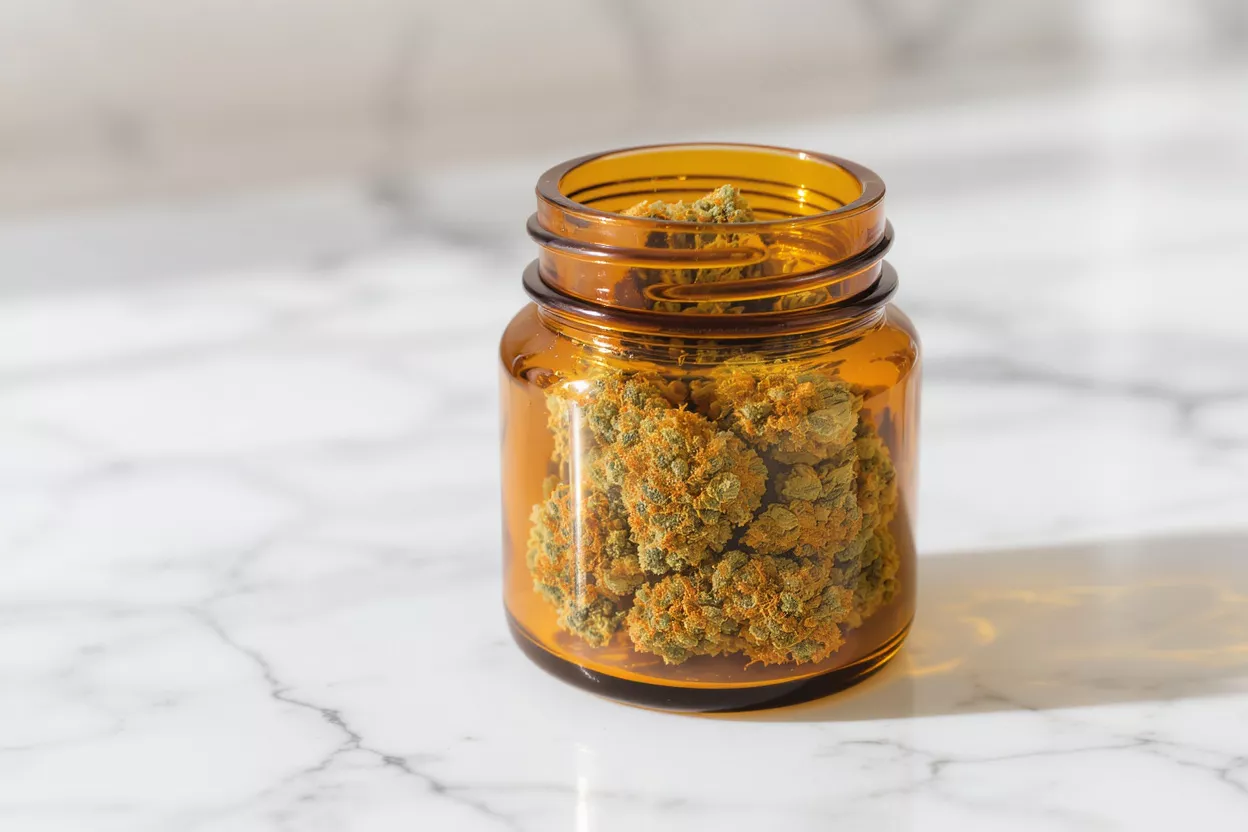
Proper curing matters enormously here. Tangie's volatile citrus terpenes degrade if flower is dried too fast or stored carelessly, so well-handled batches smell dramatically louder than neglected ones. If you ever sample Tangie and find it muted, it is more often a storage issue than a genetic one.
Tangie Strain Effects and How It Feels
An uplifting, cerebral onset: The Tangie strain effects come on relatively quickly with a bright, head-focused lift. Many users describe an immediate mood boost, a sense of mental clarity, and a gentle wave of energy that makes it well suited to daytime activities. This is not a strain that buries you in the couch; it nudges you toward conversation, music, and movement instead.
Creativity and focus: One of the most consistently reported benefits is a heightened sense of creative flow. Artists, writers, and anyone facing a mentally engaging task often gravitate toward Tangie because it can quiet distraction without dulling the mind. Pair that with its sociable, talkative quality and you have a strain that shines at gatherings as much as it does during a solo creative session.
The body effects are present but subtle. Rather than heavy sedation, Tangie tends to deliver a light, relaxed warmth that takes the edge off tension without slowing you down. As the experience tapers, some users notice a mellow softening that can ease into restfulness later in the evening, but the dominant character throughout remains bright and clear.

Tangie Terpene Profile Explained
Tangie's personality is written into its terpene chemistry, and the dominant player is almost always limonene, the same citrus-forward compound found in the rinds of oranges and lemons. Limonene is responsible for that unmistakable tangerine punch and is widely associated with mood elevation, which dovetails perfectly with the strain's uplifting reputation.
The supporting cast: Beyond limonene, Tangie typically carries meaningful amounts of myrcene and pinene. Myrcene adds a mild relaxing softness that rounds out the otherwise racy sativa character, while pinene contributes a fresh, slightly piney sharpness and is thought to support mental alertness. Together these terpenes shape the strain's distinctive balance of energy and ease.
This is the entourage effect in action: the interplay of cannabinoids and terpenes produces an experience that no single compound delivers alone. The key terpenes to look for in a quality Tangie batch include:
- 🍊 Limonene: the dominant citrus note, linked to elevated mood and stress relief.
- 🌿 Myrcene: a softening, mildly relaxing influence that tempers the sativa rush.
- 🌲 Pinene: a fresh, piney edge associated with focus and clear-headedness.
- 🌸 Caryophyllene: a peppery, spicy accent that adds depth on the exhale.
Tangie THC Content and Potency
Where the numbers usually land: Tangie THC content typically falls in the moderate-to-high range, with most lab tests reporting somewhere between 19% and 22%, and select premium batches climbing higher. That puts it firmly in respectable potency territory without being a sledgehammer, which suits its reputation as a functional daytime strain. The high is felt clearly but tends to stay manageable for experienced users.
Because the effects are so cerebral, even a moderate dose can feel quite active. Newcomers should respect that energy and start low, since an uplifting head high can tip into anxiousness if you overdo it. The CBD content in Tangie is generally minimal, so the experience is driven almost entirely by THC working alongside the terpene profile.
Potency also varies with cultivation quality and harvest timing. Flower harvested at peak trichome maturity and properly cured will test higher and hit harder than carelessly grown batches. As always, the lab number on the label is a guide, not a guarantee of how any given session will feel.
Growing the Tangie Strain at Home
What to expect from the plant: Growing Tangie is moderately challenging, making it better suited to cultivators with a little experience under their belt. The plant inherits its sativa parents' tendency to stretch tall, often doubling in height during the flowering stretch, so indoor growers need to plan for vertical space and consider training techniques to keep the canopy manageable.
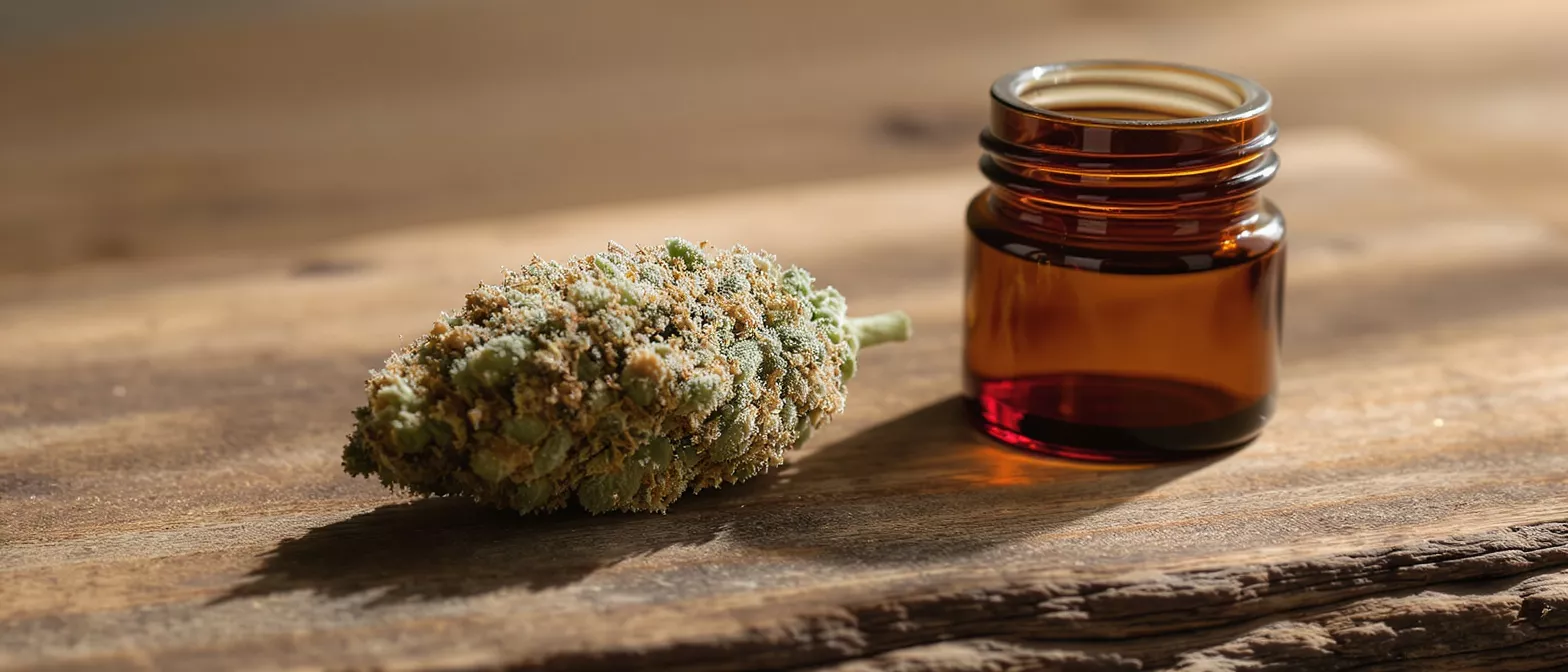
Flowering time typically runs around 9 to 10 weeks, which is on the longer side and reflects the strain's sativa heritage. The reward for that patience is dense, resinous, lime-green buds wrapped in a heavy coat of trichomes. Tangie responds well to warm, sunny, Mediterranean-style conditions, which is why it thrives in California and similar outdoor climates.
A few practical pointers help growers get the most out of this cultivar:
- 📏 Manage height early: use topping or low-stress training before the flowering stretch to control the tall growth.
- 🌡️ Keep it warm and dry: Tangie prefers lower humidity in flower to protect its dense, resin-heavy buds from mold.
- ⏳ Be patient with harvest: let trichomes mature fully to maximize both potency and that signature citrus aroma.
- 🍃 Cure slowly: a slow, careful cure preserves the volatile limonene that defines the strain's smell.
Best Time of Day to Use Tangie
Given its energizing, cerebral profile, Tangie is firmly a daytime strain. Morning and early-afternoon sessions tend to play to its strengths, supplying a clean lift that pairs naturally with productivity, errands, exercise, or creative projects. Using it too late in the evening can leave some people feeling wired rather than relaxed, so timing matters more with Tangie than with a sedating indica.
Pairing it with activities: Tangie shines when matched to engaged, active pursuits. A hike, a brainstorming session, a workout, or a social hangout all benefit from the strain's talkative, upbeat character. It is far less suited to winding down before sleep, where a heavier, body-focused strain would serve you better.
That said, individual tolerance plays a big role. Seasoned consumers sometimes enjoy a small amount of Tangie in the early evening to lift their mood without flattening their energy. The safest approach is to learn how your own body responds during daylight hours first, then adjust the timing to fit your routine.

Tangie Strain vs Other Citrus Sativas
Tangie sits in a crowded field of citrus-forward sativas, and understanding how it compares helps clarify what makes it distinctive. While many strains advertise orange or lemon notes, few deliver the fresh tangerine fidelity that Tangie does, and fewer still pair it with such an approachable, functional high. The strain's flavor purity is its defining edge.
How it differs from its relatives: Compared with sharper, more lemon-leaning strains, Tangie reads as sweeter and rounder, thanks to its California Orange heritage. Against heavier sativas that can spike anxiety, Tangie's myrcene content keeps it grounded enough for most users to stay comfortable. Here is a quick snapshot of where it stands:
- 🍊 Flavor: sweet tangerine rather than sharp lemon, with a clean fruit-forward profile.
- ⚡ Energy: uplifting and creative without the racy edge of more intense sativas.
- 🌿 Balance: a touch of myrcene softness keeps the experience friendly for newer users.
- 🧬 Legacy: a foundational genetic behind countless modern citrus crosses.
That blend of memorable flavor, manageable potency, and genetic influence is why Tangie remains a reference point for the entire citrus category rather than just another orange-flavored option.


Is Tangie Right for You
Tangie is an easy recommendation for anyone who values flavor as much as effect and wants an uplifting, daytime-friendly experience. If you love bright citrus aromas, enjoy creative or social sessions, and prefer a clear-headed high over heavy sedation, this strain checks every box. Its moderate-to-high potency rewards experienced users while still being approachable enough for the curious, provided they start with a modest dose.
Who might want to look elsewhere: Those seeking deep physical relaxation, nighttime sedation, or relief that pins them to the couch will find Tangie too energizing for the job. People prone to THC-related anxiety should also pace themselves carefully, since the cerebral lift can feel intense if overconsumed. Matching a strain to your goals always beats chasing potency alone.
Ultimately, Tangie endures because it does one thing exceptionally well: it captures the joy of fresh tangerine and pairs it with a bright, functional high. Whether you grow it, sample it from a trusted source, or simply appreciate it as the backbone of a whole family of citrus crosses, Tangie earns its enduring place among the great flavor strains. Treat it as a daytime companion, store it well to protect that aroma, and it will reward you with one of the most satisfying citrus experiences cannabis has to offer.