

Mochi
Discover the Mochi strain — a creamy, potent hybrid with rich dessert flavors.
What Is the Mochi Strain
The Mochi strain — sometimes labeled Mochi Gelato or simply Gelato #47 — is a balanced hybrid that has earned a devoted following among connoisseurs who chase complex flavor and a layered, even-keeled high. Named after the chewy Japanese rice dessert, this cultivar lives up to its sweet, creamy reputation while delivering a potency that rewards experienced consumers. It sits firmly in the modern dessert-strain lineage, a family of cultivars bred specifically for indulgent terpene profiles and eye-catching bag appeal.
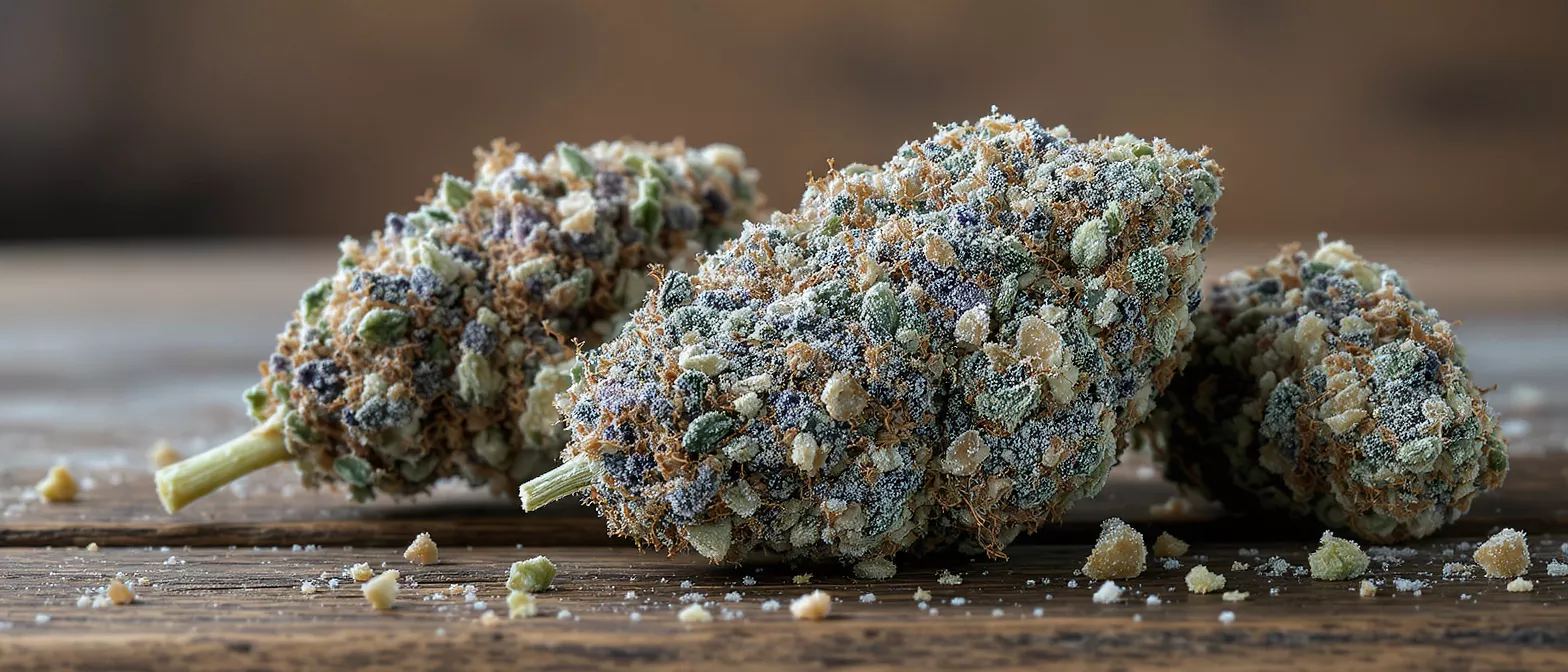
Where Mochi sits in the hybrid spectrum: Mochi typically presents as a slightly indica-leaning hybrid, though phenotype variation means some cuts feel more balanced or even sativa-forward. The flowers are dense and frosty, often showing deep purple hues against forest-green leaves, a trait inherited from its colorful parentage. Trichome coverage is heavy, which signals the resin density that recreational and medical users alike look for.
Part of Mochi's appeal is its versatility. It is potent enough to satisfy seasoned smokers yet smooth enough in flavor that it rarely overwhelms the palate. Because it carries the dessert lineage so prominently, it has become a benchmark cultivar against which other sweet hybrids are measured. Understanding what makes Mochi tick starts with its genetics, which we will unpack in the next section.
Mochi Strain Genetics and Lineage
The Sherbinski connection: Mochi was bred by the renowned cultivator Mario Guzman, the man behind the Sherbinski brand and the broader Gelato family. It is a cross of Sunset Sherbet and Thin Mint Girl Scout Cookies, two cultivars famous in their own right for resinous flowers and dessert-like terpenes. This pairing places Mochi within one of the most celebrated genetic dynasties in modern cannabis, sharing roots with Gelato, Sunset Sherbet, and the wider Cookies family.
The Sunset Sherbet parent contributes the creamy, fruity sweetness and the tendency toward purple coloration, while the Thin Mint GSC side brings structure, potency, and a faint minty-herbal undertone. The result is a cultivar that feels refined rather than chaotic — its flavors and effects layer cleanly rather than competing. Breeders studying cannabis genetics often point to this kind of intentional pairing when explaining why some hybrids feel coherent while others feel muddled.
Because of its prestigious parentage, Mochi has spawned numerous offshoots and crosses. Growers frequently use it as breeding stock to pass along its color, resin production, and dessert profile. When you understand the lineage, the strain's characteristics stop feeling random and start reading like a family resemblance, as documented across cannabis databases like Examine and breeder archives.
What Effects Does Mochi Produce
The Mochi strain delivers a high that builds gradually and settles into a comfortable, well-rounded experience. Early on, users typically report a lift in mood and a gentle cerebral buzz — a wave of euphoria that can spark conversation and creativity. As the minutes pass, a relaxing body presence rolls in, smoothing tension without immediately pinning you to the couch. This balance is precisely why so many people gravitate toward Mochi for daytime-into-evening use.
The cerebral onset: Many consumers describe the opening phase as bright and slightly heady, useful for shaking off mental fog or sparking a creative session. The euphoria tends to be clear rather than disorienting, making Mochi approachable for those who dislike the racy edge of pure sativas.
The body transition: Within thirty to forty-five minutes, the physical effects deepen. Muscles loosen, stress dissolves, and a pleasant heaviness settles over the limbs. At higher doses this can tip into sedation, so newer users should pace themselves carefully.
- 😌 Mood lift: An early wave of euphoria that brightens outlook and eases mental tension.
- 🧠 Gentle focus: A clear-headed creative spark before the body effects take hold.
- 🛋️ Body relaxation: Deep muscle ease that builds gradually rather than hitting all at once.
- 😴 Evening wind-down: At higher doses, a sedative pull that suits the end of the day.
Mochi Strain Aroma and Flavor Profile
If there is one trait that defines Mochi, it is the flavor. True to its dessert namesake, the strain greets you with a creamy sweetness layered over fruity, slightly tart notes. Cracking open a jar releases an aroma that blends vanilla and berry with a subtle minty-herbal background — a complexity that hints at the Thin Mint GSC genetics working underneath the Sunset Sherbet sweetness.
On the inhale: Most users taste a smooth, creamy sweetness reminiscent of frosting or whipped dessert. The smoke is generally soft and easy on the throat, which makes Mochi a pleasant choice for those sensitive to harsher cultivars.
On the exhale: The fruity layer comes forward — think berries and citrus zest — finishing with that faint cool, minty note that lingers on the palate. This evolving flavor arc is part of why tasters return to Mochi rather than treating it as a one-note sweet strain.
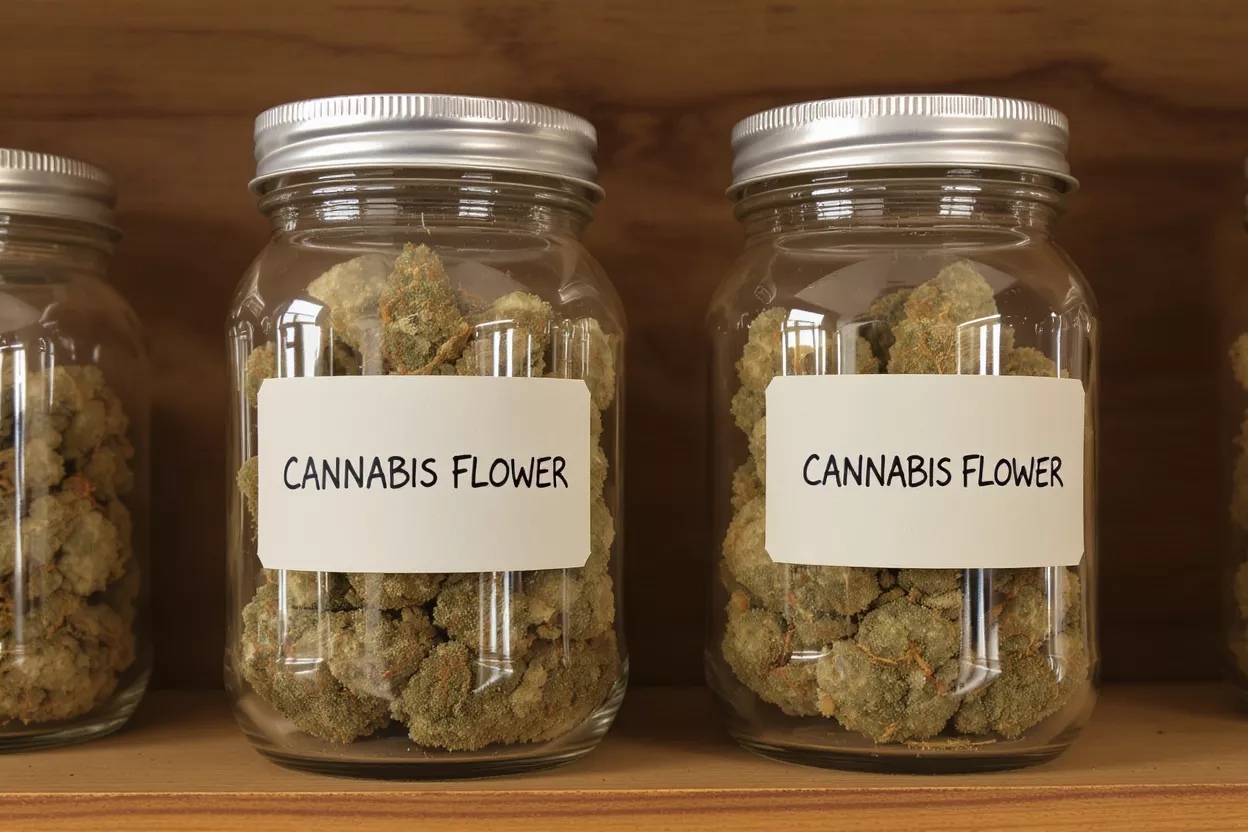
Aroma intensity depends heavily on curing. Well-cured Mochi flower can fill a room quickly, while a rushed cure dulls the terpenes and flattens the experience. Proper storage in airtight glass preserves these volatile compounds and keeps the dessert profile vivid for months.
Mochi Strain THC and Cannabinoid Content
Mochi is a potent cultivar, with THC levels commonly testing between 19% and 25%, and select phenotypes pushing higher. This places it firmly in the upper tier of modern flower, which is why even experienced users feel its presence. The high THC content explains both the rapid mood lift and the pronounced body effects that arrive as the session matures.
Beyond THC: Like most dessert hybrids, Mochi carries only trace amounts of CBD, typically well under 1%. Because of this, it is not the cultivar to reach for if your goal is non-intoxicating relief. Its value lies in the THC-driven experience and the supporting cast of terpenes that shape how that THC feels.
Lab variation matters here. Cultivation conditions, harvest timing, and curing all influence the final cannabinoid numbers, so two batches of Mochi can test several points apart. Reading a current certificate of analysis is the only reliable way to know the potency of a specific harvest rather than trusting a strain-average figure.
- 🔬 THC range: Commonly 19–25%, with premium cuts testing higher.
- 🌱 CBD content: Minimal, usually under 1% — not a therapeutic CBD source.
- 📋 Batch variation: Always check the COA for the specific harvest you are buying.
How to Grow the Mochi Strain
Growing Mochi is a rewarding project for cultivators who already have a few cycles under their belt. It is not the most beginner-friendly cultivar — it appreciates attentive feeding and stable conditions — but the payoff is dense, colorful, resin-coated flower that photographs as beautifully as it smokes. The plant tends to stay medium in height with a bushy structure, making it well suited to indoor tents and controlled environments.
Indoor cultivation: Indoors, Mochi flowers in roughly eight to nine weeks. Growers often use techniques like topping and low-stress training to open the canopy and encourage even light penetration, which improves yield and bud uniformity. Maintaining moderate humidity during flowering helps protect the dense colas from mold, a real risk with tightly packed buds.
Coaxing the purple: The signature purple hues emerge most vividly when nighttime temperatures dip slightly during late flowering. This cool-night cue triggers anthocyanin expression inherited from the Sunset Sherbet line. The effect is cosmetic rather than potency-related, but it contributes significantly to Mochi's premium reputation.

Outdoor growers in warm, Mediterranean-style climates can also succeed with Mochi, harvesting in early to mid October. Whatever the setup, a careful slow cure is non-negotiable — it is the final step that locks in the dessert terpenes and separates exceptional Mochi from merely good Mochi.
Mochi Strain Terpenes Explained
The personality of any cultivar is written largely in its terpenes, and Mochi's profile is what gives it that unmistakable dessert character. The dominant terpenes typically include caryophyllene, limonene, and linalool, a combination that produces the sweet, spicy, and softly floral notes Mochi is known for.
How the terpenes shape the experience: Caryophyllene lends a peppery warmth and is the only terpene known to interact directly with the body's cannabinoid receptors, which may contribute to Mochi's relaxing edge. Limonene brings the bright, citrus-forward lift that supports the early euphoria, while linalool adds the calming, lavender-like softness that smooths the come-down.
This terpene trio illustrates the entourage effect — the theory that cannabinoids and terpenes work together to shape a strain's overall impact rather than acting in isolation. It is why Mochi feels distinct from another 22% THC strain with a different terpene makeup. The numbers on a label tell only part of the story; the aromatic compounds fill in the rest.
- 🌶️ Caryophyllene: Peppery and warming, with a direct affinity for cannabinoid receptors.
- 🍋 Limonene: Bright citrus notes tied to the uplifting opening phase.
- 💜 Linalool: Floral, lavender-like softness that mellows the experience.
Mochi Strain Medical and Wellness Uses
Beyond recreational enjoyment, many medical patients turn to the Mochi strain for its balanced relief. The combination of an uplifting mental onset and a relaxing body presence makes it a flexible option for several common complaints. Its mood-elevating qualities are frequently cited by people managing stress, low mood, and the mental weight of chronic conditions.
Stress and mood support: The early euphoria can provide a welcome mental reset, helping users step back from racing thoughts and anxious spirals. Because the high is generally clear rather than disorienting, it tends to soothe rather than amplify anxiety when used in moderate doses.
Physical discomfort and rest: As the body effects deepen, Mochi may ease muscle tension and minor aches, and at higher doses its sedative pull can support those struggling with restless evenings. As always, cannabis affects everyone differently, and anyone using it therapeutically should consult a qualified healthcare provider rather than self-prescribing.
It is worth emphasizing that Mochi's near-absent CBD means its therapeutic value comes almost entirely from THC and terpenes. Patients seeking non-intoxicating symptom relief may be better served by a high-CBD cultivar, while those comfortable with THC often find Mochi's balanced profile genuinely versatile.

Best Time of Day to Use Mochi
Timing your Mochi session well makes a real difference in how the experience lands. Because the strain opens with cerebral brightness and finishes with body relaxation, it works across a surprisingly wide window — but matching dose and time to your goals is key. Used lightly in the afternoon, Mochi can lift mood and support creative work; used generously in the evening, it eases you toward rest.
Daytime and social use: A modest dose earlier in the day taps the euphoric, conversational side of Mochi without dragging you into sedation. This makes it a solid companion for social settings, light chores, or unwinding after work while still staying functional.
Evening and bedtime: Larger doses lean into the indica-leaning heaviness, making late evening the natural home for a fuller Mochi experience. Many users find it pairs well with a relaxed night in, settling the body as the day winds down.
- ☀️ Afternoon: Light dosing for mood, creativity, and social energy.
- 🌆 Early evening: Moderate use to decompress without full sedation.
- 🌙 Night: Generous dosing for deep relaxation and easier rest.
Is the Mochi Strain Right for You
Deciding whether Mochi belongs in your rotation comes down to what you want from a session. If you value rich, dessert-forward flavor paired with a balanced high that flexes between uplift and relaxation, Mochi is an outstanding choice. Its potency means it rewards experience, while its smooth flavor keeps the experience approachable for anyone stepping up from milder cultivars.
Who Mochi suits best: Flavor chasers, balanced-hybrid fans, and consumers who want versatility across the day will find a lot to love. Those who specifically need a non-intoxicating, CBD-forward option, or who are highly sensitive to THC, may want to start with a smaller dose or look elsewhere.
Ultimately, Mochi has earned its standing by delivering on the promise of its lineage — combining the color and creaminess of Sunset Sherbet with the structure and punch of Thin Mint GSC. It is a cultivar that looks the part, tastes the part, and backs it up with a genuinely well-rounded effect profile. For anyone exploring the modern dessert-strain landscape, Mochi remains a benchmark worth experiencing for yourself.