

Mango Kush
Discover the Mango Kush strain — tropical aroma, relaxing indica effects, and rich terpene profile.
Few cannabis varieties capture the imagination quite like Mango Kush, a strain that delivers exactly what its name promises — a tropical burst of sweet mango wrapped around the earthy backbone of classic Kush genetics. For both newcomers and seasoned enthusiasts, this indica-leaning hybrid has earned a loyal following thanks to its approachable effects, mouthwatering flavor, and relaxed disposition. Whether you are exploring it for unwinding after a long day or simply chasing that signature fruity profile, understanding what makes Mango Kush special starts with looking past the marketing and into the genetics, chemistry, and real-world experience behind the buds.
This guide takes a grounded, evidence-informed approach to everything Mango Kush. We will trace its lineage, decode its terpene-driven aroma, examine its effects and potency, and walk through cultivation tips for anyone considering growing it. The goal is not hype but clarity — a resource you can return to whenever you want honest insight into one of the most flavorful strains in the modern catalog.
What Is Mango Kush Strain?
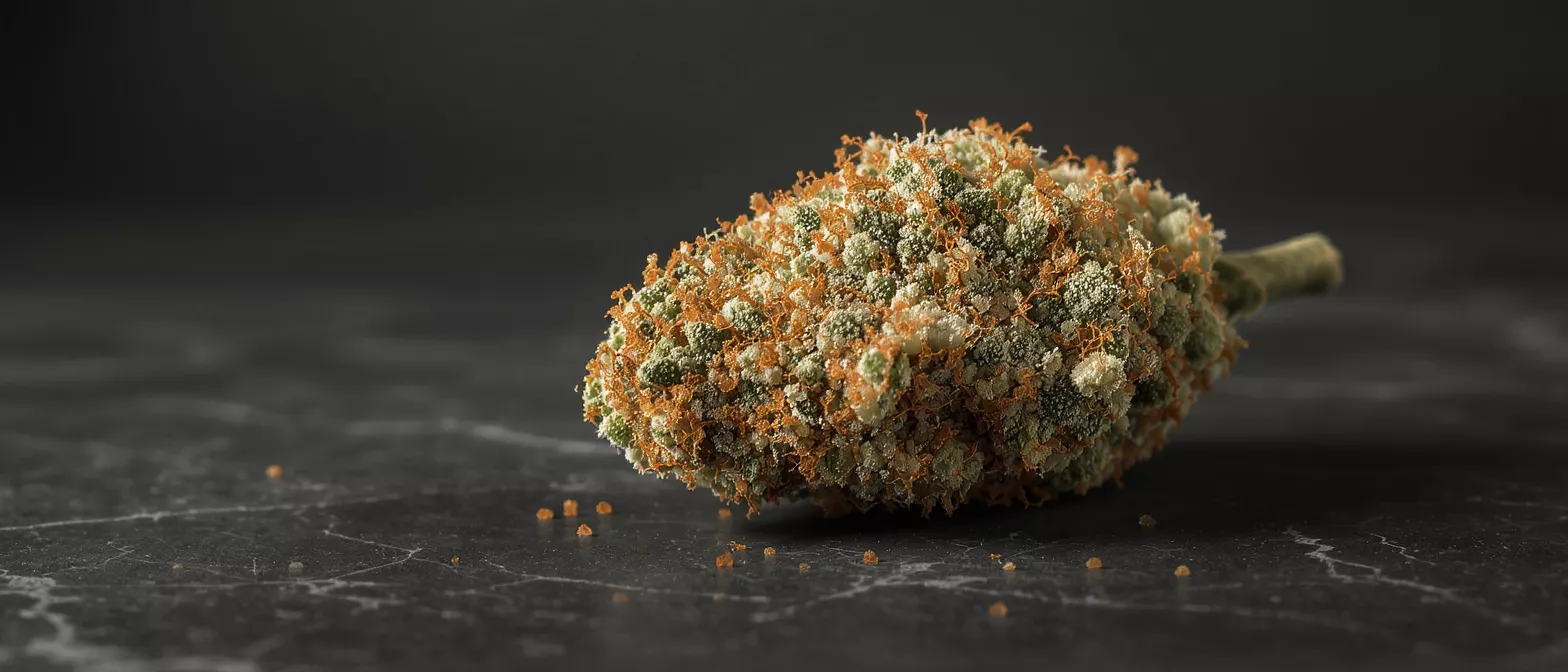
Mango Kush is an indica-dominant hybrid cannabis strain best known for its unmistakable tropical fruit aroma and gently sedating effects. It typically leans around 65 to 75 percent indica, which means its influence tends toward physical relaxation rather than racing mental stimulation. The buds themselves are dense and chunky, frequently coated in a generous layer of resinous trichomes, with orange pistils threading through deep green flowers.
Why Mango Kush stands out: Many fruit-named strains overpromise on flavor and underdeliver, but Mango Kush genuinely carries a sweet, mango-forward taste that lingers on the exhale. This consistency has helped it remain a staple on dispensary shelves and a favorite among home growers who want a reliable, flavorful harvest without chasing extreme potency.
Who Mango Kush suits best: Because its effects are mellow rather than overwhelming, it tends to appeal to people seeking a calm, manageable experience. The complementary health and wellness interest in cannabis continues to grow, and resources from the National Center for Complementary and Integrative Health reflect that mainstream curiosity. Mango Kush often serves as an entry point for those exploring relaxation-focused varieties.
Mango Kush Genetics and Lineage
The genetic story of Mango Kush is a tale of two well-established parents. It is widely understood to be a cross between the Mango strain — a sweet, fruit-forward variety with roots stretching back decades — and Hindu Kush, one of the foundational landrace indicas originating from the mountainous regions between Afghanistan and Pakistan. This pairing explains the strain's split personality: tropical sweetness on the nose and a heavy, grounding body effect inherited from its Kush ancestry.
The Hindu Kush influence: Hindu Kush contributes the dense bud structure, resin production, and deeply relaxing physical effects that define the Kush family. As a pure landrace indica, it brings genetic stability and hardiness that make Mango Kush more forgiving to cultivate than many finicky modern hybrids.
The Mango parent, meanwhile, supplies the fruit-driven terpene profile and a touch of uplift that softens the otherwise sedative Kush qualities. The result is a balanced indica that relaxes without completely flattening the user, a quality that has kept it relevant across changing cannabis trends and consumer preferences.
Mango Kush Aroma and Flavor Profile
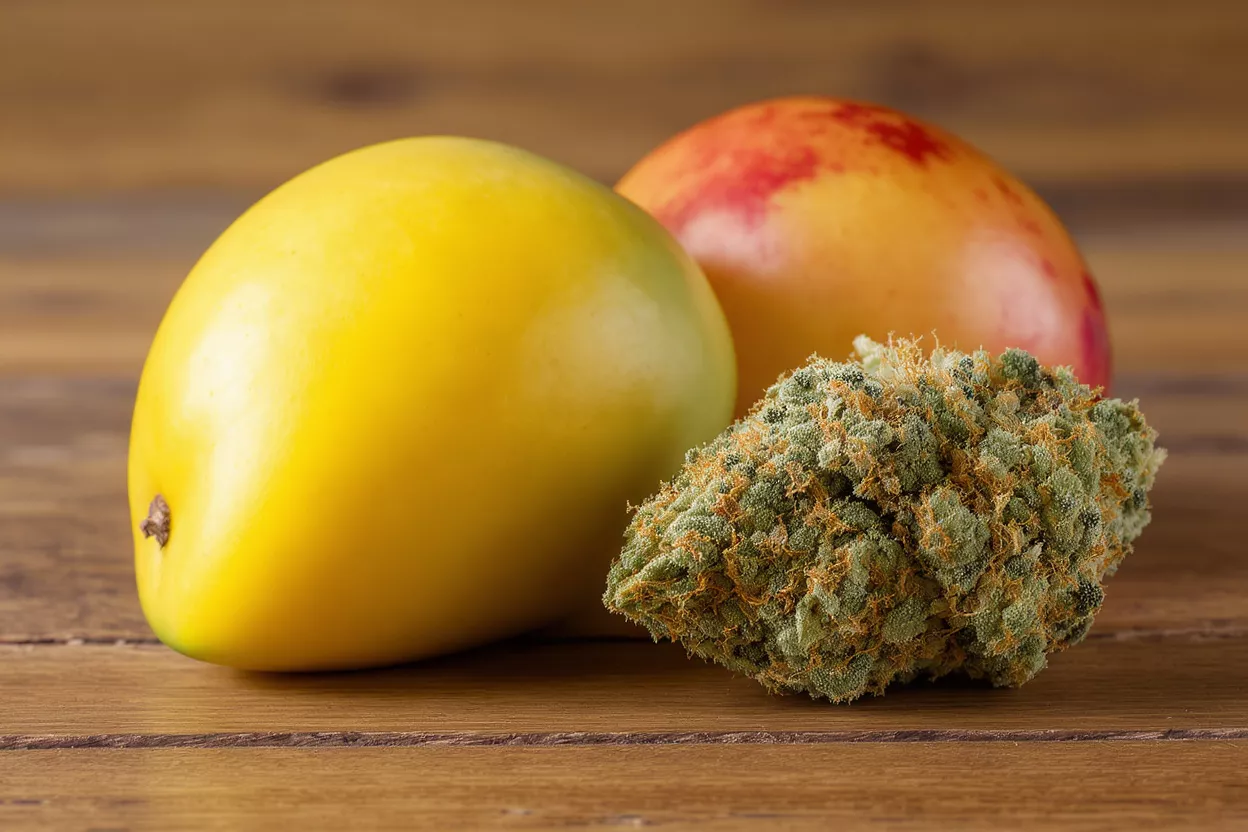
The sensory experience is where Mango Kush truly earns its name. Cracking open a fresh jar releases a wave of ripe mango sweetness layered over earthy, slightly piney undertones. It is not an artificial candy sweetness but something closer to actual tropical fruit, with a banana-like richness occasionally noted by experienced tasters.
What the flavor delivers on the palate: When smoked or vaporized, Mango Kush carries its aromatic promise through to taste. The inhale brings sweet fruit, while the exhale reveals the characteristic Kush earthiness and a subtle herbal spice. This balance keeps the flavor interesting rather than one-dimensional, and the smooth smoke makes it accessible even for those sensitive to harsher strains.
Here is a quick breakdown of the dominant sensory notes you can expect:
- 🥭 Mango: The headline note, sweet and unmistakably tropical from first whiff to final exhale.
- 🌍 Earthy: A grounding base inherited directly from the Hindu Kush lineage.
- 🌲 Pine: Subtle resinous undertones that add depth and complexity.
- 🍌 Banana: A soft, creamy richness that emerges on slower, cooler draws.
- 🌿 Herbal spice: A faint peppery finish that lingers after exhale.
What Are Mango Kush Effects?
Mango Kush effects unfold gradually, beginning with a gentle wave of mental ease that settles into pronounced physical relaxation. Users frequently describe an initial mood lift — a light, happy headspace — before the indica characteristics take over and encourage the body to unwind. This makes it less of a knock-you-out strain and more of a slow, comfortable descent into calm.
The typical Mango Kush experience: Most people report feeling relaxed, content, and pleasantly sleepy as the session progresses. Conversation may flow easily in the early stages, while later effects lend themselves to quiet activities, music, or simply resting. As with any cannabis variety, individual responses vary based on tolerance, dosage, and personal chemistry.
Common effects associated with Mango Kush include:
- 😌 Relaxation: A full-body calm that eases tension without total sedation.
- 😊 Happiness: An early-onset mood lift that brightens the experience.
- 🛋️ Sleepiness: Deepening drowsiness as the indica effects mature.
- 🍽️ Appetite stimulation: A noticeable case of the munchies for many users.
- 🗣️ Sociability: A talkative, easygoing window before the heavier body effects.

Mango Kush THC Content and Potency
Mango Kush sits comfortably in the moderate potency range, with THC levels typically falling between 16 and 20 percent. This places it below the strongest modern hybrids while still offering plenty of strength for both recreational and wellness-oriented users. The moderate ceiling is part of what makes it so approachable — it delivers satisfying effects without the overwhelming intensity that can accompany very high-THC varieties.
Why moderate potency matters: For newer consumers or those who prefer a manageable experience, a 16 to 20 percent THC range hits a comfortable sweet spot. It provides clear, noticeable effects while reducing the likelihood of anxiety or discomfort that some people experience with stronger strains. This balance has contributed significantly to Mango Kush's enduring popularity.
The strain's CBD content is generally low, usually under one percent, meaning its character is driven primarily by THC and its rich terpene profile rather than significant cannabidiol presence. Anyone seeking high-CBD options would look elsewhere, but for a classic THC-forward indica experience, Mango Kush delivers reliably.
How to Grow Mango Kush
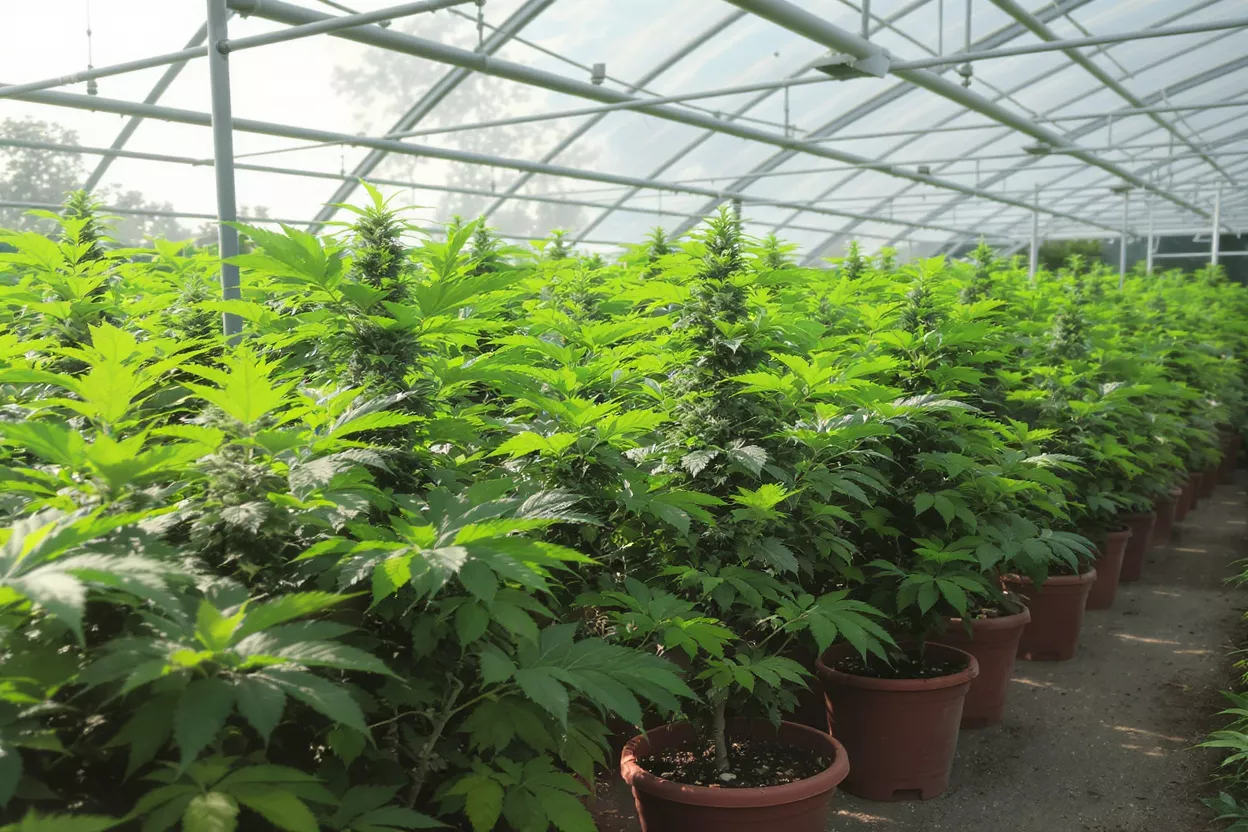
Mango Kush has a reputation as a beginner-friendly strain, thanks largely to the hardy genetics it inherits from its Hindu Kush parent. It adapts well to both indoor and outdoor environments and tends to forgive minor cultivation mistakes better than many sensitive hybrids. Plants typically grow to a medium height with a bushy, classic indica structure that responds well to topping and light training.
Flowering time and yield expectations: Indoor growers can generally expect a flowering period of around 8 to 9 weeks, with respectable yields of dense, resin-coated buds. Outdoor cultivation usually wraps up harvest in early to mid-October in northern hemisphere climates, where the plant rewards growers with even larger yields under full sun.
Key cultivation considerations for Mango Kush include:
- 🌡️ Climate: Thrives in warm, Mediterranean-style conditions but tolerates moderate variation.
- ✂️ Training: Responds well to topping and low-stress techniques for improved light penetration.
- 💨 Airflow: Dense buds benefit from good ventilation to prevent moisture issues.
- 📅 Flowering: Roughly 8 to 9 weeks indoors for a complete cycle.
- 🌞 Outdoor harvest: Early to mid-October in temperate northern regions.
Mango Kush Terpenes Explained
The signature aroma and many of the subjective effects of Mango Kush trace back to its terpenes, the aromatic compounds that give every cannabis strain its distinct personality. In Mango Kush, the dominant terpene is typically myrcene, the same compound abundant in actual mangoes and known for its earthy, musky character and association with relaxation.
The role of myrcene: Myrcene is frequently the most prevalent terpene in indica-leaning strains, and it is widely thought to contribute to the heavy, body-focused effects that Mango Kush is known for. Its presence helps explain why the strain leans so naturally toward calm and physical ease rather than cerebral stimulation.
Beyond myrcene, secondary terpenes round out the profile. Caryophyllene adds a peppery, spicy edge and is the only terpene known to interact directly with the body's endocannabinoid receptors. Pinene contributes the subtle pine notes and a touch of mental clarity, while limonene lends a bright citrus lift that complements the dominant mango sweetness. Together, these compounds create the entourage effect that shapes the full Mango Kush experience.
Mango Kush Medical Uses and Benefits
Many people turn to Mango Kush for its potential wellness applications, drawn by its relaxing profile and gentle onset. While cannabis research continues to evolve and individual results vary widely, the strain's indica-dominant character lends itself to several commonly reported uses among those who incorporate it into a wellness routine.
Reported relaxation and stress relief: The most frequently cited reason people reach for Mango Kush is its calming, tension-easing quality. The combination of moderate THC and myrcene-rich terpenes tends to promote a sense of mental and physical decompression, which many users associate with winding down after stressful days.
Sleep and appetite support: As the effects deepen toward drowsiness, some people find Mango Kush helpful for easing into rest at the end of the evening. Its tendency to stimulate appetite is also noted by users navigating low appetite. None of this constitutes medical advice, and anyone considering cannabis for a health concern should consult a qualified healthcare provider familiar with their situation. Common wellness-oriented reasons people choose Mango Kush include stress relief, evening relaxation, appetite support, and a calmer transition toward sleep.

Best Time to Use Mango Kush
Timing makes a meaningful difference with an indica-dominant strain like Mango Kush. Because its effects trend toward relaxation and eventual drowsiness, it is generally better suited to the latter half of the day rather than morning use when productivity and focus matter most. Understanding this rhythm helps you get the most out of each session.
Evening and wind-down use: The strain shines in the hours after responsibilities are handled, when its calming embrace can be fully appreciated. Many users reserve it for relaxing at home, enjoying entertainment, or preparing for restful sleep. The gentle early mood lift makes it pleasant for low-key social settings before the heavier effects settle in.
When deciding whether Mango Kush fits a given moment, consider that its initial sociable window gives way to comfortable sedation, so plans requiring sustained alertness are best scheduled elsewhere. Light activities, creative downtime, music, and quiet evenings all pair naturally with the strain's relaxed trajectory.
How Mango Kush Compares to Similar Strains
Mango Kush occupies a specific niche among fruit-forward indica hybrids, and understanding how it stacks up against relatives helps clarify what makes it worth choosing. Compared to its own Hindu Kush parent, Mango Kush is considerably more flavorful and slightly less sedating, trading some of the pure landrace heaviness for tropical complexity and an early mood lift.
Mango Kush versus other fruit strains: Against varieties like Mango Haze or other mango-named hybrids, the Kush version leans far more toward the relaxing indica end of the spectrum. Where haze-style strains often deliver energetic, cerebral highs, Mango Kush prioritizes body relaxation and calm, making the two suited to very different occasions despite sharing fruit in their names.
For consumers weighing options, the deciding factors usually come down to desired intensity and effect profile. Mango Kush makes the most sense for someone who wants genuine fruit flavor paired with manageable, relaxation-focused effects and moderate potency. Those chasing extreme THC numbers or daytime energy will find better matches elsewhere, but for a flavorful, easygoing indica experience, Mango Kush remains a dependable and rewarding choice.
Mango Kush endures because it delivers on a simple, well-executed promise: real tropical flavor wrapped around the dependable relaxation of classic Kush genetics. From its landrace-rooted lineage and myrcene-driven terpene profile to its approachable moderate potency and beginner-friendly cultivation, every aspect reinforces its reputation as a balanced, flavorful indica. Whether you value it for unwinding in the evening, exploring its rich aroma, or growing a forgiving and rewarding plant, Mango Kush offers a consistently satisfying experience that has stood the test of changing cannabis trends. Use it thoughtfully, appreciate its character, and it will reward you with the kind of laid-back enjoyment that has made it a lasting favorite.