

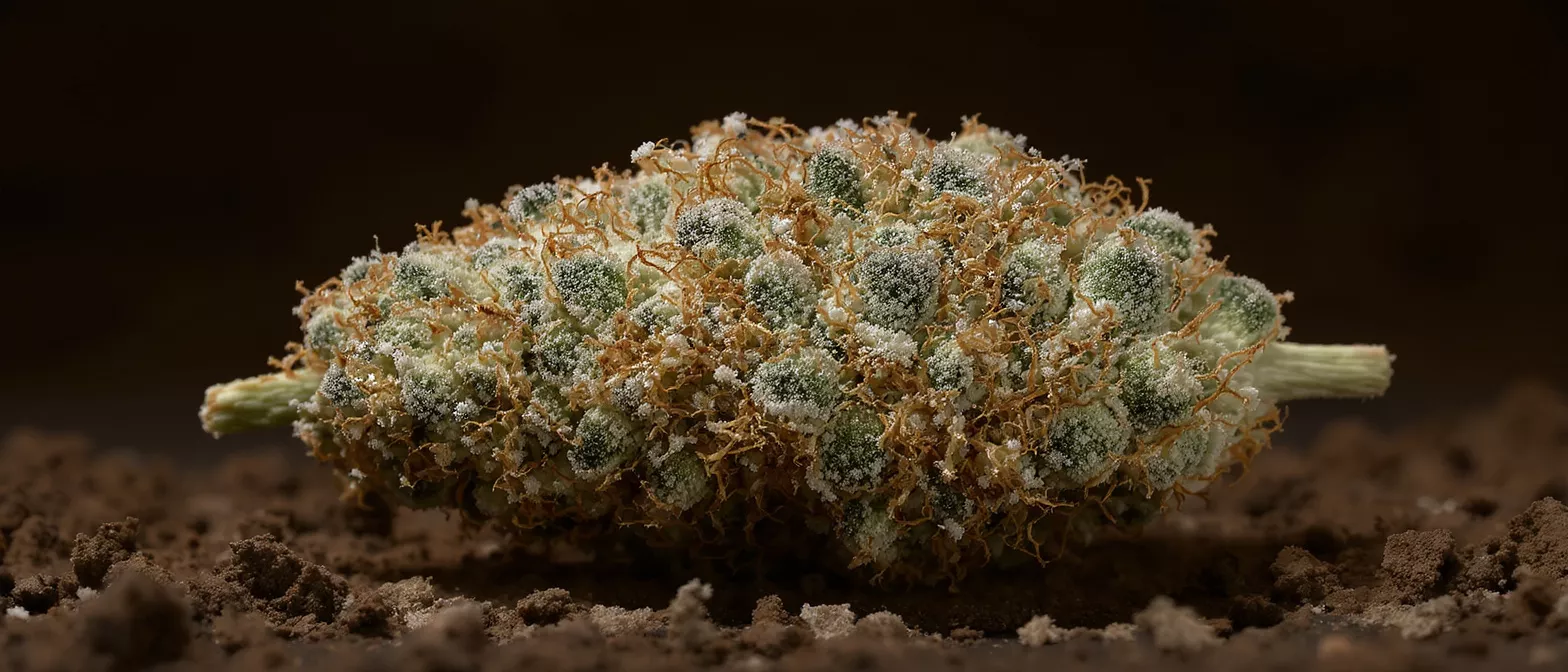
Mango
Explore the Mango strain — a tropical indica with sweet flavour and deep relaxation.
What Is the Mango Strain
The Mango strain is an indica-dominant cannabis variety celebrated for its unmistakable tropical fruit aroma and its deeply calming body effects. As the name suggests, this cultivar carries the sweet, juicy scent of ripe mango — a sensory signature that has made it a long-standing favorite among growers and consumers who prize flavor as much as potency. For anyone exploring fruit-forward indicas, the Mango strain often sits near the top of the list.
Part of what makes this cultivar so enduring is its accessibility. The Mango strain tends to produce a heavy, soothing experience that leans toward physical relaxation rather than racing cerebral energy. This makes it a natural choice for evening use, quiet downtime, and anyone seeking relief from the tension of a long day. Its reputation has been built over decades of word-of-mouth appreciation rather than fleeting hype.
Why the Mango strain still matters: In a market flooded with novelty crosses and limited-run hybrids, the Mango strain represents a kind of dependable classic. It delivers a consistent flavor, a predictable indica lean, and an approachable profile that suits both newcomers and seasoned enthusiasts. Understanding where it comes from and how it behaves helps you decide whether it belongs in your personal rotation.
Mango Strain Genetics and Lineage
The genetic history of the Mango strain stretches back further than most modern cultivars. Often credited to breeder K.C. Brains, the lineage is frequently traced to older landrace and heirloom genetics, with some accounts placing its roots in cultivars circulating as far back as the 1960s. This long pedigree is part of why the Mango strain carries such a stable, recognizable character generation after generation.
As an indica-dominant variety, the Mango strain typically expresses the classic traits of its family: broad leaves, dense flower structure, and a relatively compact stature. Its heritage gives it resilience and a forgiving nature in cultivation, which has helped it spread widely across seed banks and home gardens. According to the Mayo Clinic, the way different cannabis varieties are bred and labeled can vary significantly, so understanding a strain's documented lineage offers helpful context for what to expect.
Landrace influence on the modern Mango strain: Many fruit-flavored cultivars today are engineered for flavor through aggressive selective breeding. The Mango strain, by contrast, draws much of its tropical character from naturally occurring terpene-rich ancestors. This older genetic backbone is part of what gives it an authentic, full-bodied profile that feels rooted rather than manufactured.
What Does the Mango Strain Taste Like
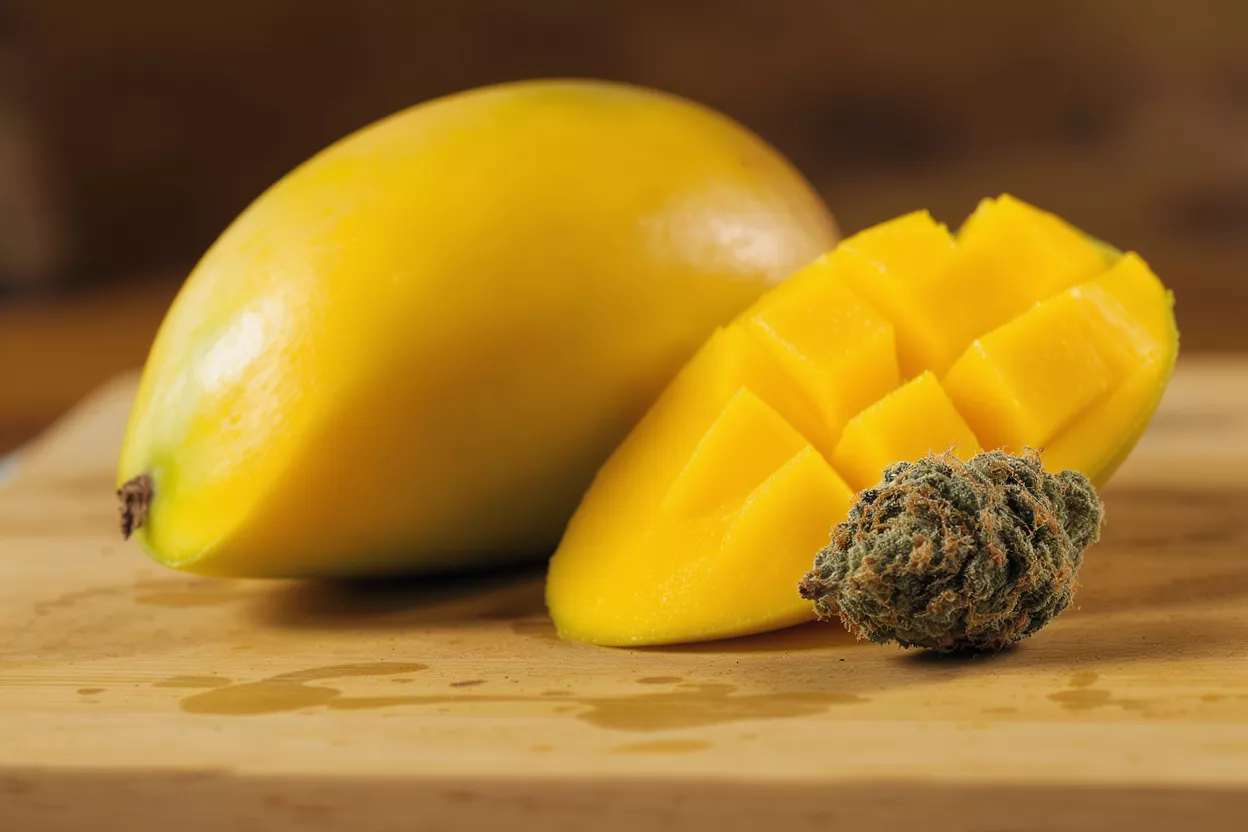
Flavor is the headline feature of the Mango strain, and it rarely disappoints. The dominant note is exactly what you would expect — sweet, ripe mango with a tropical juiciness that lingers on the palate. Underneath that lead aroma sits a gentle earthiness and subtle notes of other fruits, creating a layered profile that feels indulgent without being artificial or cloying.
The aroma announces itself the moment a jar is opened. Expect a burst of sugary tropical fruit, sometimes accompanied by floral and slightly spicy undertones depending on the specific phenotype and how it was grown. This bouquet comes from the cultivar's terpene makeup, particularly its high concentration of Myrcene, which is also found in actual mangoes.
On the inhale and exhale, the Mango strain tends to deliver a smooth, fruit-forward smoke that many describe as dessert-like. Here is what shapes its signature taste:
- 🥭 Ripe mango sweetness: The defining flavor, full and tropical on every draw.
- 🌿 Earthy undertones: A grounding base that keeps the sweetness balanced.
- 🌸 Floral hints: Subtle perfume-like notes that emerge in well-grown batches.
- 🍯 Honeyed finish: A smooth, lingering sweetness on the exhale.
Mango Strain Effects and Feelings
The Mango strain is best known for a relaxing, body-centered experience that settles in gradually and deepens over time. Consumers often describe an initial wave of gentle euphoria and uplifted mood, which softens into a heavy, comfortable physical calm. This arc makes it a classic example of indica-leaning effects, where the body unwinds even as the mind drifts into ease.
Because the onset is relatively mellow, the Mango strain can feel approachable rather than overwhelming. Many users report a happy, slightly dreamy headspace early on, followed by the kind of couch-friendly heaviness that pairs well with rest. It is the sort of cultivar people reach for when they want to decompress rather than stay productive.
What the Mango strain experience typically includes: reported effects commonly center on relaxation, mood elevation, and physical comfort. As with any cannabis variety, individual responses differ based on tolerance, dose, and personal chemistry, so starting modestly is always the wiser approach.

Mango Strain THC and Cannabinoid Profile
In terms of potency, the Mango strain generally lands in the moderate range, with THC levels that commonly fall somewhere in the high teens to low twenties by percentage. This puts it in comfortable territory for a wide audience — strong enough to satisfy experienced consumers, yet not so overwhelming that newcomers cannot enjoy it with sensible dosing.
The cannabinoid profile is dominated by THC, with typically minimal CBD content. This balance reinforces its reputation as a recreational and relaxation-focused cultivar rather than one prized for high-CBD applications. The interplay between cannabinoids and terpenes — often called the entourage effect — is what gives the Mango strain its characteristic feel.
Here is a quick snapshot of what to expect from a typical Mango strain sample:
- 🌡️ THC range: Generally moderate, often in the high-teen to low-twenty percent range.
- 🧪 CBD content: Usually low, keeping the experience THC-forward.
- 🍃 Dominant terpene: Myrcene, driving both flavor and the relaxing body effects.
- ⚖️ Overall balance: Indica-dominant with a smooth, accessible potency.
The Myrcene Connection: Mango and Relaxation
One of the most fascinating aspects of the Mango strain is its connection to myrcene, the terpene responsible for much of its tropical aroma and sedating character. Myrcene is abundant in actual mango fruit, hops, lemongrass, and thyme, and it is frequently associated with the relaxing, "couch-lock" quality found in many indica varieties. This shared chemistry is more than poetic coincidence — it directly shapes how the strain feels.
There is a popular belief that eating a ripe mango shortly before consuming cannabis can intensify or extend the effects, thanks to the myrcene content in the fruit. While this idea is widely circulated in cannabis culture, robust scientific confirmation remains limited, so treat it as an interesting anecdote rather than established fact. Still, it speaks to how central myrcene is to the Mango strain identity.
Why myrcene matters for the experience: beyond aroma, this terpene is thought to contribute to muscle relaxation and an overall calming sensation. In the Mango strain, its prominence helps explain why the cultivar leans so reliably toward physical ease and evening enjoyment rather than energetic stimulation.
How to Grow the Mango Strain
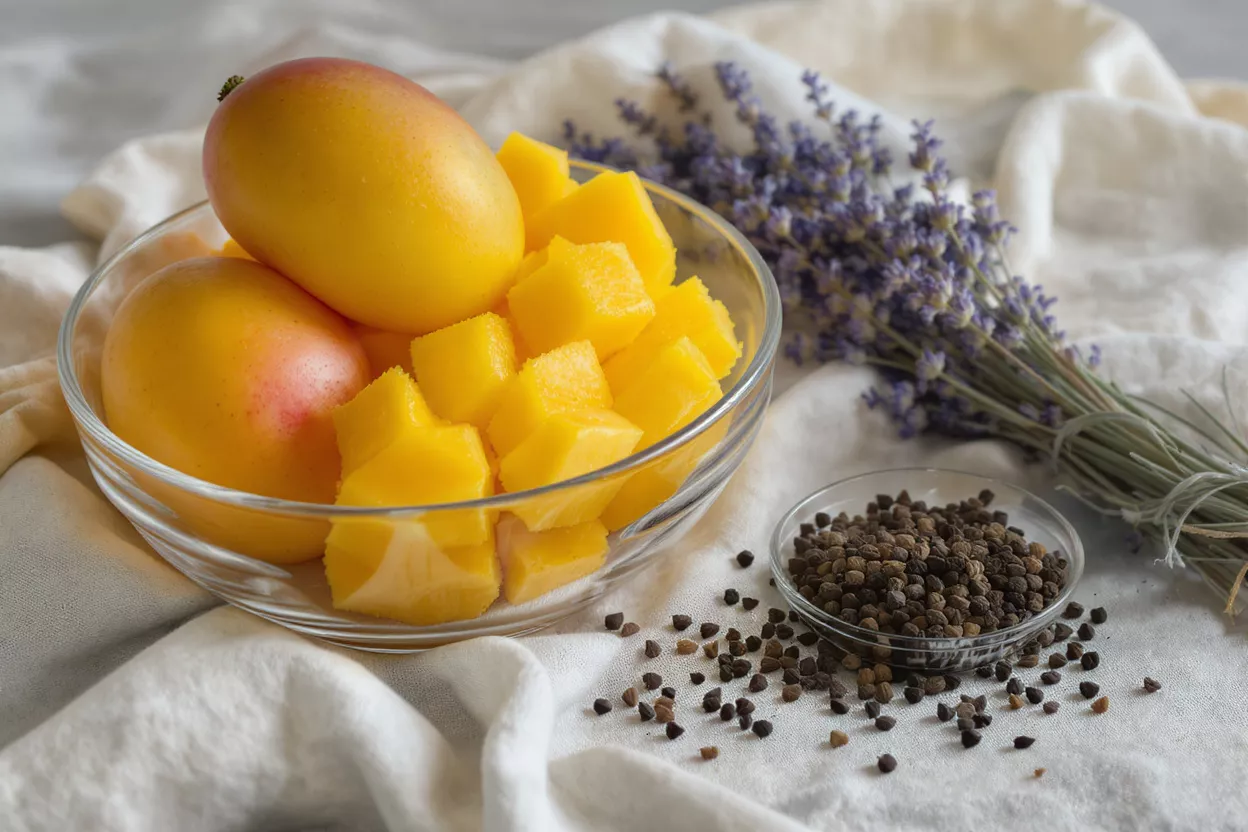
For home cultivators, the Mango strain offers a rewarding and relatively forgiving growing experience. Its indica genetics produce compact, sturdy plants that handle a range of conditions well, making it a reasonable choice for growers who are still building their skills. The plant tends to develop dense, resinous buds that carry the cultivar's signature tropical aroma even during the flowering stage.
This variety can be grown both indoors and outdoors, though it appreciates warm, sunny conditions that echo the tropical climates of its landrace ancestors. Flowering time typically falls in a moderate range of roughly eight to ten weeks, and attentive growers are often rewarded with generous yields of fragrant flower. Proper airflow and humidity control help preserve the delicate terpene profile that makes this strain special.
Key cultivation considerations for the Mango strain include:
- ☀️ Climate preference: Thrives in warm, sunny environments reminiscent of its tropical roots.
- 📏 Plant structure: Compact and bushy, suiting both indoor tents and outdoor gardens.
- ⏳ Flowering window: Roughly eight to ten weeks before harvest.
- 🌬️ Airflow needs: Good ventilation protects dense buds from moisture issues.
Best Uses for the Mango Strain
Given its relaxing, body-centered effects, the Mango strain shines in scenarios where unwinding is the goal. It is a natural fit for evening and nighttime use, when the gentle euphoria and deepening physical calm can help ease the transition from a busy day into restful downtime. Many people reserve it for the hours when productivity is no longer the priority.
Beyond simple relaxation, the Mango strain is frequently chosen for quiet social settings, creative wind-down sessions, or solo enjoyment paired with music, a film, or a good meal. Its dessert-like flavor makes it especially satisfying as an after-dinner treat, complementing the indulgent, sweet experience that the cultivar is known for.
Pairing the Mango strain with the right moment: because the effects favor calm over stimulation, this cultivar is less suited to tasks demanding sharp focus or physical energy. Reaching for it during downtime rather than a busy afternoon allows its strengths to come through fully, turning an ordinary evening into something more restful.

Mango Strain Potential Side Effects
Like any cannabis variety, the Mango strain can produce side effects, particularly when consumed in larger amounts. The most common are mild and familiar: dry mouth and dry eyes top the list, both easily managed by staying hydrated and keeping eye drops on hand. These minor discomforts are typical of THC-forward cultivars and rarely cause significant trouble.
Some consumers may experience occasional dizziness, mild anxiety, or a touch of paranoia, especially with higher doses or if they are particularly sensitive to THC. Because the Mango strain leans toward sedation, overconsumption can also lead to feeling overly drowsy or sluggish. Starting with a modest amount and increasing slowly remains the safest way to gauge your personal tolerance.
Consuming the Mango strain responsibly: moderation is the key to a comfortable experience. Choosing a relaxed setting, having water nearby, and avoiding combining it with alcohol or other substances all help minimize the chance of unwanted effects. If you have underlying health concerns or take medications, consulting a healthcare professional before use is always sensible.
Is the Mango Strain Right for You
The Mango strain earns its lasting popularity through a combination of irresistible tropical flavor, dependable indica relaxation, and an approachable potency that welcomes a broad range of consumers. If you appreciate a fruit-forward profile and value calming, body-centered effects over racing cerebral energy, this cultivar deserves a place in your consideration. Its classic genetics give it a sense of authenticity that many newer crosses simply cannot match.
Whether you are a grower drawn to its forgiving nature, a flavor chaser seeking that signature ripe-mango sweetness, or someone looking for a reliable evening companion, the Mango strain delivers on its reputation. Its moderate THC content and low CBD profile make it especially well suited to relaxation, rest, and the kind of mellow downtime that bookends a long day.
Ultimately, the Mango strain stands as a tropical classic that has earned its place through consistency rather than gimmickry. Approach it thoughtfully, start with a sensible dose, and let its sweet aroma and soothing effects guide you toward a calmer, more restful experience. For anyone building a well-rounded cannabis rotation, it remains a worthy and timeless choice.