

Afghan Skunk
Discover Afghan Skunk, a classic indica hybrid with rich Afghani roots and Skunk power.
What Is Afghan Skunk?
Afghan Skunk is a classic indica-dominant hybrid that bridges two foundational corners of cannabis history: the rugged landrace genetics of the Hindu Kush mountains and the pungent, high-yielding Skunk lines that revolutionized Western cultivation in the late twentieth century. For growers and enthusiasts who appreciate heritage strains, Afghan Skunk represents a dependable, deeply relaxing experience wrapped in an unmistakable aroma. It has earned a lasting place in countless seed catalogs precisely because it delivers consistency without sacrificing character.
The appeal of Afghan Skunk lies in its balance. The Afghan parentage contributes heavy resin production, short stature, and a body-focused sedation that has defined indica varieties for decades. The Skunk side adds vigor, resilience, and that famous sour-sweet punch that announces itself the moment a jar is opened. Together, these traits create a strain that feels both nostalgic and reliably potent.
Because it descends from some of the most stable genetic lines available, Afghan Skunk has become a popular starting point for new cultivators. It tolerates beginner mistakes, finishes quickly, and rewards patience with dense, frosty buds. Whether you are exploring cannabis genetics for the first time or revisiting an old favorite, this strain offers a grounded, approachable introduction to indica-leaning hybrids.
Afghan Skunk Genetics and Lineage
The lineage of Afghan Skunk reads like a condensed history of modern cannabis breeding. On one side sits pure Afghani, a landrace indica shaped over centuries in the harsh, arid climate of Central Asia. On the other side is Skunk, itself a hybrid of Afghani, Mexican, and Colombian genetics that became the backbone of European seed banks.
Why the Afghani parent matters: Afghani landrace plants evolved to survive cold nights and short seasons, producing thick coats of trichomes as natural protection. That resin density carries directly into Afghan Skunk, giving it the sticky, hash-friendly quality prized by concentrate makers and traditionalists alike.
What the Skunk side contributes: Skunk genetics introduced hybrid vigor, faster flowering, and a more reliable structure than many pure landraces. The result is a plant that keeps the sedating depth of its Afghani roots while flowering with the efficiency and aroma intensity that made Skunk a household name. According to the Cleveland Clinic, the cannabinoids and terpenes produced by plants like these are responsible for both the therapeutic and recreational qualities people associate with cannabis.

What Does Afghan Skunk Look Like?
Afghan Skunk plants are easy to recognize once you know what to look for. They tend to grow short and bushy, a classic indica silhouette inherited from the Hindu Kush. The plant rarely stretches dramatically during flowering, making it well suited to indoor tents and discreet outdoor gardens where vertical space is limited.
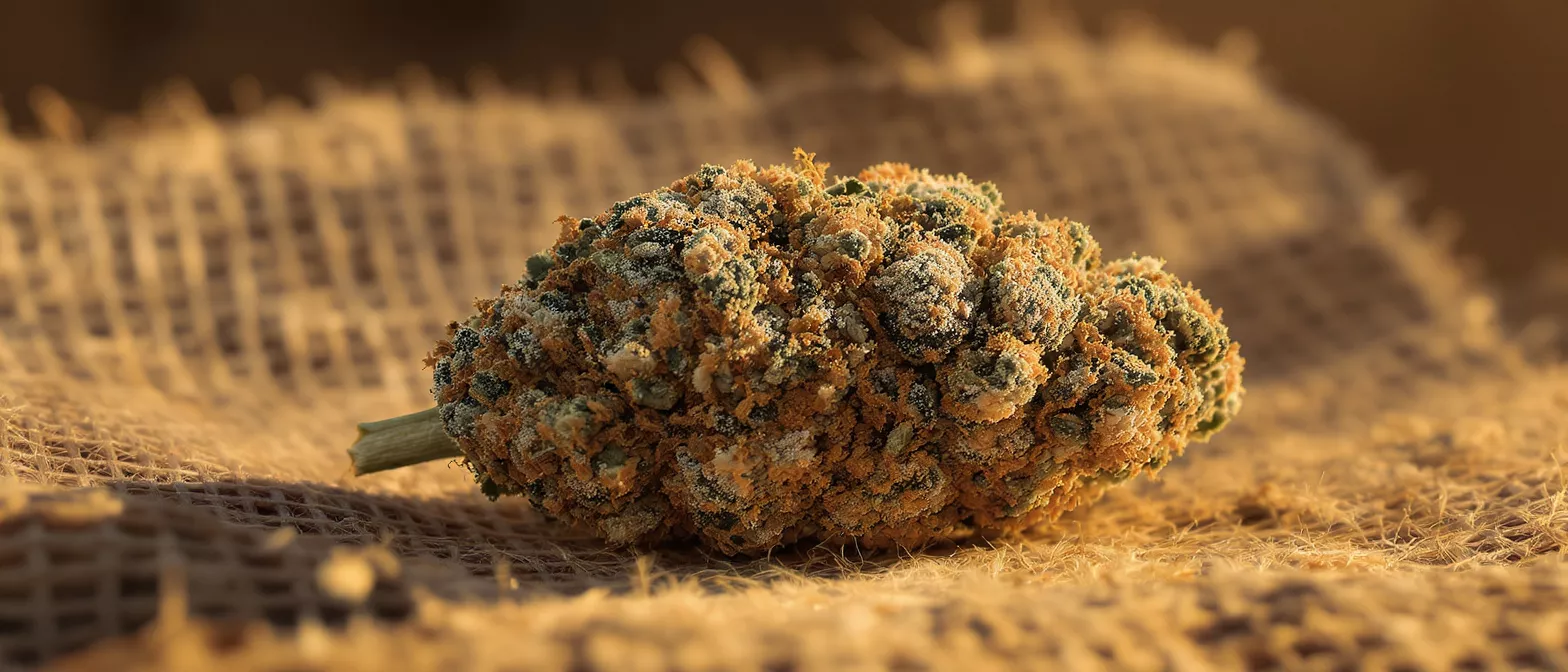
The buds themselves are dense and chunky, packed tightly along sturdy branches. A generous coating of milky trichomes gives the flowers a frosted, almost crystalline appearance that signals their high resin content. Pistils range from burnt orange to deep amber, weaving through the green calyxes and adding warm contrast.
Color and trichome development: In cooler finishing conditions, some Afghan Skunk phenotypes express purple and deep indigo hues, a trait carried from cold-adapted Afghani ancestors. Watching the trichomes shift from clear to cloudy to amber is the most reliable way to judge ripeness and dial in the effect you want from each harvest.
Afghan Skunk Aroma and Flavor Profile
The aroma of Afghan Skunk is its calling card. Crack open a jar and you are met with a thick, pungent wave that blends earthy hash notes with the unmistakable sour funk of its Skunk parent. It is bold and lingering, the kind of smell that fills a room and clings to fingertips.
On the palate, that intensity mellows into something richer and more rounded. Smokers often describe a sweet, almost dessert-like undertone beneath the funk, with hints of sandalwood, spice, and dark earth. The smoke is smooth and full-bodied, easy to appreciate slowly.
Why the smell is so strong: Afghan Skunk's pungency comes from a dense concentration of terpenes, particularly myrcene and caryophyllene. These aromatic compounds are produced in the same trichomes that hold the plant's cannabinoids, which is why frostier buds almost always smell more intense.
For those who value discretion, the aroma is worth planning around. Curing in airtight containers and using carbon filtration during cultivation help manage the powerful scent without dulling the flavor you ultimately enjoy.
Afghan Skunk Effects and Experience
Afghan Skunk delivers a deeply physical, relaxing experience that leans firmly toward its indica heritage. The onset is typically warm and gradual, settling into the body before the mind has fully caught up. Tension in the shoulders and limbs tends to melt away, replaced by a heavy, comfortable calm.
As the experience develops, many users report a gentle mental quietness rather than racing thoughts or anxious energy. This makes Afghan Skunk a popular choice for unwinding in the evening, easing into a slow night, or simply decompressing after a long day. It is rarely described as a productivity strain.
Common reported effects: The community consensus around Afghan Skunk centers on a handful of dependable sensations that make it a go-to indica.
- 😌 Deep relaxation: A heavy, full-body calm that anchors you to the couch and quiets restlessness.
- 😴 Sleep support: Many users reach for it in the evening to ease the transition into rest.
- 🍽️ Appetite stimulation: A classic indica trait, often bringing on noticeable hunger.
- 🧘 Mental decompression: A quieting of mental chatter that helps the day's stress fade.
As always, effects vary by individual, tolerance, and dose. New users should start low and slow to gauge their own response before settling into a routine.

Afghan Skunk THC and Cannabinoid Content
Afghan Skunk typically tests in the moderate-to-high range for THC, usually landing somewhere between 15 and 20 percent depending on phenotype and growing conditions. This places it comfortably in potent territory without venturing into the overwhelming highs of some modern hybrids, which is part of its enduring, approachable appeal.
The role of CBD and minor cannabinoids: Like most traditional indicas, Afghan Skunk carries relatively low CBD levels, generally under one percent. The experience is driven primarily by THC, though minor cannabinoids and the full terpene profile shape the overall character of the high through what enthusiasts call the entourage effect.
Because cannabinoid content varies with cultivation practices, harvest timing, and curing, lab testing is the only way to know precise numbers for a given batch. For home growers, watching trichome color offers a practical guide: harvesting at peak cloudiness tends to maximize the strain's signature heavy, body-centered effect.
Growing Afghan Skunk at Home
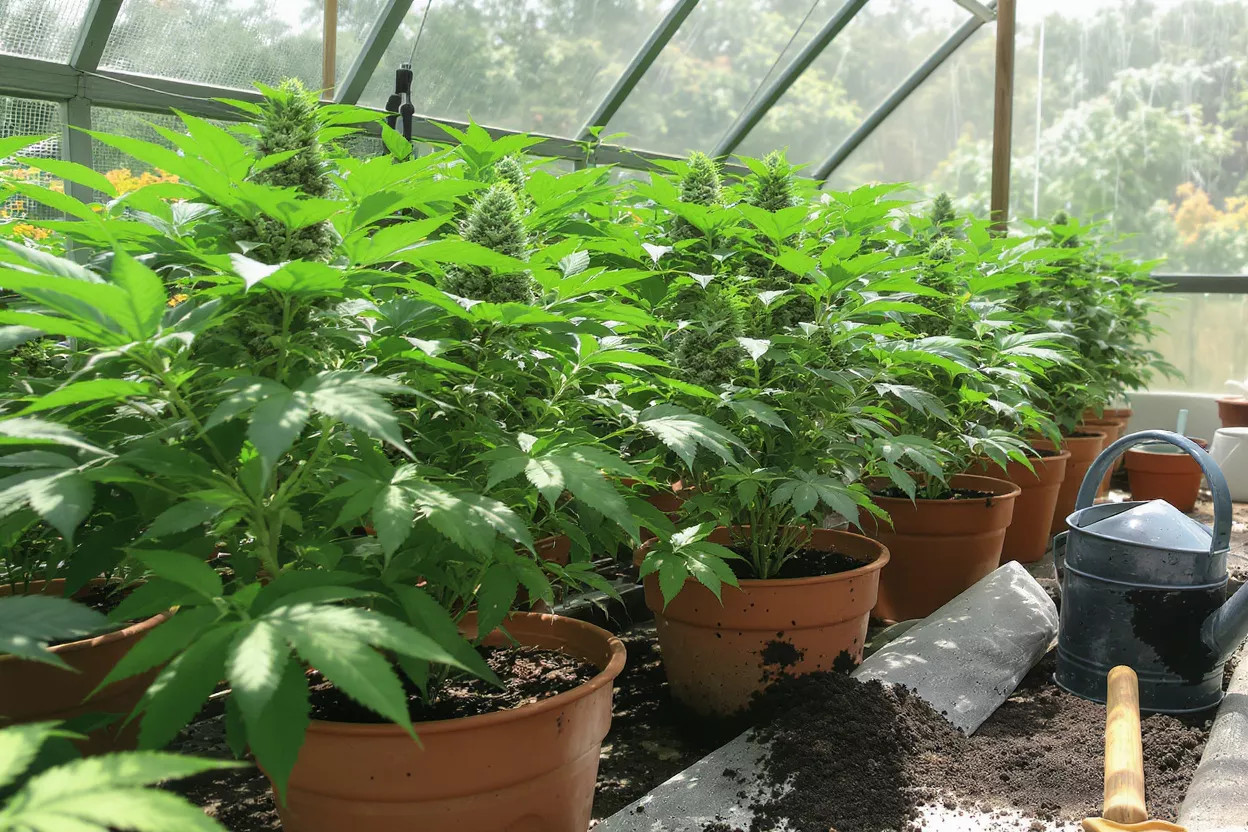
One of the reasons Afghan Skunk remains a catalog staple is how forgiving it is to grow. Its compact, sturdy structure and fast flowering time make it an excellent choice for beginners and a reliable workhorse for experienced cultivators who value predictable results.
Flowering time and yield: Afghan Skunk generally finishes flowering in around 7 to 9 weeks indoors, with outdoor harvests landing in early to mid autumn. Despite its short stature, it produces respectable yields of dense, resin-heavy buds thanks to its efficient bud-to-leaf ratio.
Climate and resilience: The Afghani heritage gives this strain notable resistance to mold, pests, and temperature swings, a legacy of ancestors that survived harsh mountain conditions. It thrives in both soil and hydroponic setups and responds well to light training techniques that open up the canopy.
- 🌱 Beginner friendly: Tolerates minor mistakes and recovers quickly from stress.
- ⏱️ Fast flowering: Roughly 7 to 9 weeks indoors keeps cycles short.
- 🏔️ Hardy genetics: Strong resistance to mold and cooler climates.
- ✂️ Compact growth: Ideal for tents, small spaces, and discreet gardens.
For best results, maintain steady airflow and moderate humidity during flowering to protect those dense, trichome-rich buds from moisture buildup. A careful slow cure afterward preserves the strain's full aroma and smoothness.
Afghan Skunk Terpenes Explained
Terpenes are the aromatic compounds responsible for Afghan Skunk's powerful smell and they also help shape its physical, sedating character. Understanding the dominant terpenes in this strain offers insight into why it feels and smells the way it does.
Myrcene leads the profile: Myrcene is typically the most abundant terpene in Afghan Skunk, known for its earthy, musky aroma and its association with the relaxing, couch-locking quality common to heavy indicas. It is often credited with reinforcing the body-focused nature of the high.
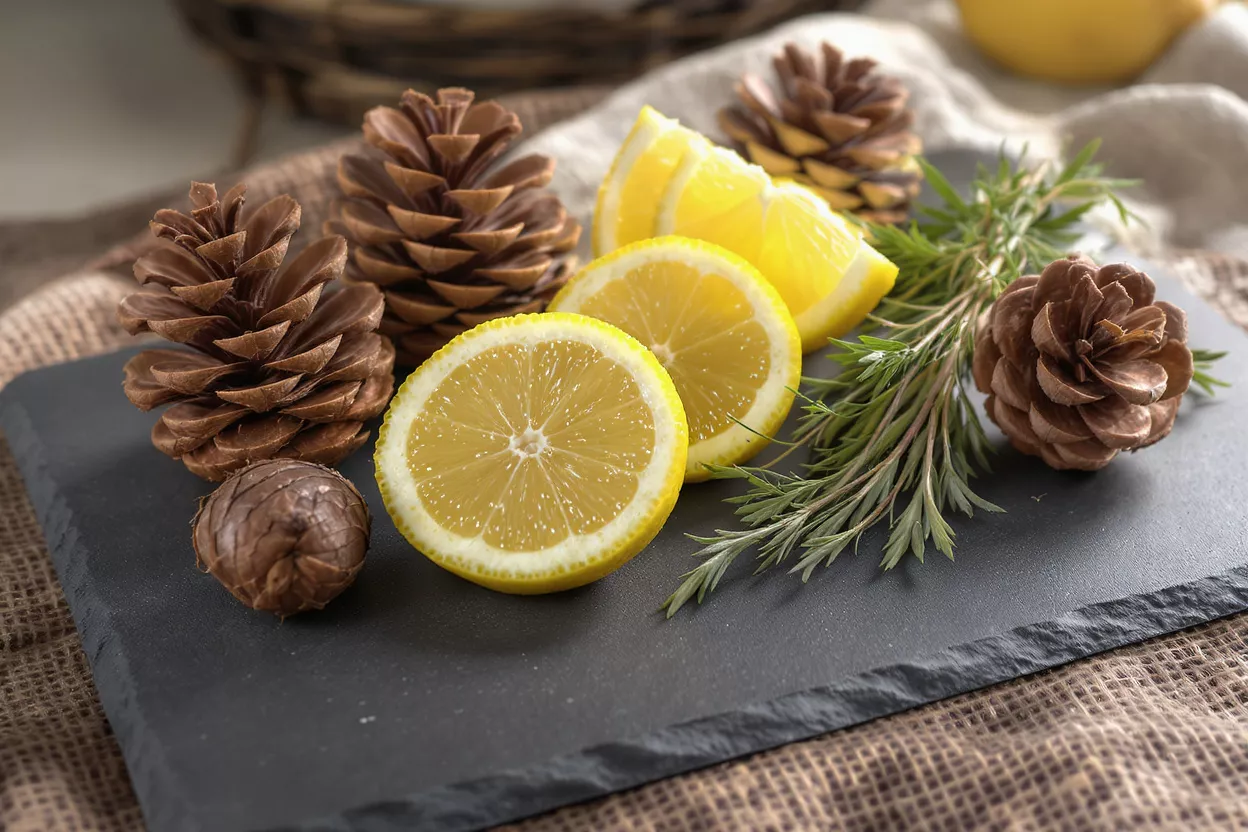
Supporting players: Caryophyllene adds a peppery, spicy edge and is unique among terpenes for interacting with the body's endocannabinoid system. Limonene and pinene appear in smaller amounts, lending faint citrus and pine notes that brighten the otherwise earthy bouquet.
- 🌿 Myrcene: Earthy and musky; linked to deep relaxation and sedation.
- 🌶️ Caryophyllene: Peppery and spicy; interacts with endocannabinoid receptors.
- 🍋 Limonene: Subtle citrus brightness that lifts the aroma.
- 🌲 Pinene: A light pine note rounding out the profile.
The interplay of these terpenes with THC and minor cannabinoids is what gives Afghan Skunk its layered, satisfying experience. It is a reminder that potency numbers alone never tell the whole story of a strain.

Is Afghan Skunk Right for You?
Afghan Skunk is best suited to those who want deep relaxation rather than energizing stimulation. If your goal is to unwind in the evening, ease physical tension, or settle into a calm night, this strain delivers exactly that with classic indica reliability. It is less ideal for daytime tasks that demand sharp focus or sustained motivation.
Who tends to love it: Fans of heritage genetics, hash and concentrate makers, and anyone nostalgic for old-school Skunk aromas gravitate toward Afghan Skunk. Its forgiving cultivation profile also makes it a favorite among first-time growers who want a confidence-building harvest.
As with any cannabis variety, your individual response depends on tolerance, mindset, and dosage. Starting with a small amount lets you find your comfortable level and decide whether Afghan Skunk's heavy, grounding character fits your routine and goals.
Afghan Skunk Frequently Asked Questions
Is Afghan Skunk an indica or sativa? Afghan Skunk is an indica-dominant hybrid. Its effects, structure, and aroma all lean heavily toward its Afghani indica heritage, with the Skunk side contributing vigor and pungency rather than sativa-style stimulation.
How strong is Afghan Skunk? Most phenotypes test between 15 and 20 percent THC, placing it in the moderate-to-high potency range. It is potent enough to satisfy experienced users while remaining approachable for those with lower tolerance, especially when dosed carefully.
Is Afghan Skunk good for beginners to grow? Yes. Its hardy genetics, short flowering time, compact size, and resistance to mold and pests make Afghan Skunk one of the more forgiving strains for new cultivators to learn on.
In summary, Afghan Skunk endures because it offers the best of two legendary lineages: the resinous, sedating depth of Afghani landrace genetics and the bold aroma and vigor of classic Skunk. Whether you are drawn to its powerful scent, its deeply relaxing effects, or its beginner-friendly cultivation, this strain remains a timeless choice that continues to earn its place among cannabis classics.