

Cherry Pie
Discover the Cherry Pie strain — a balanced hybrid with sweet cherry aroma and mellow effects.
What Is the Cherry Pie Strain?
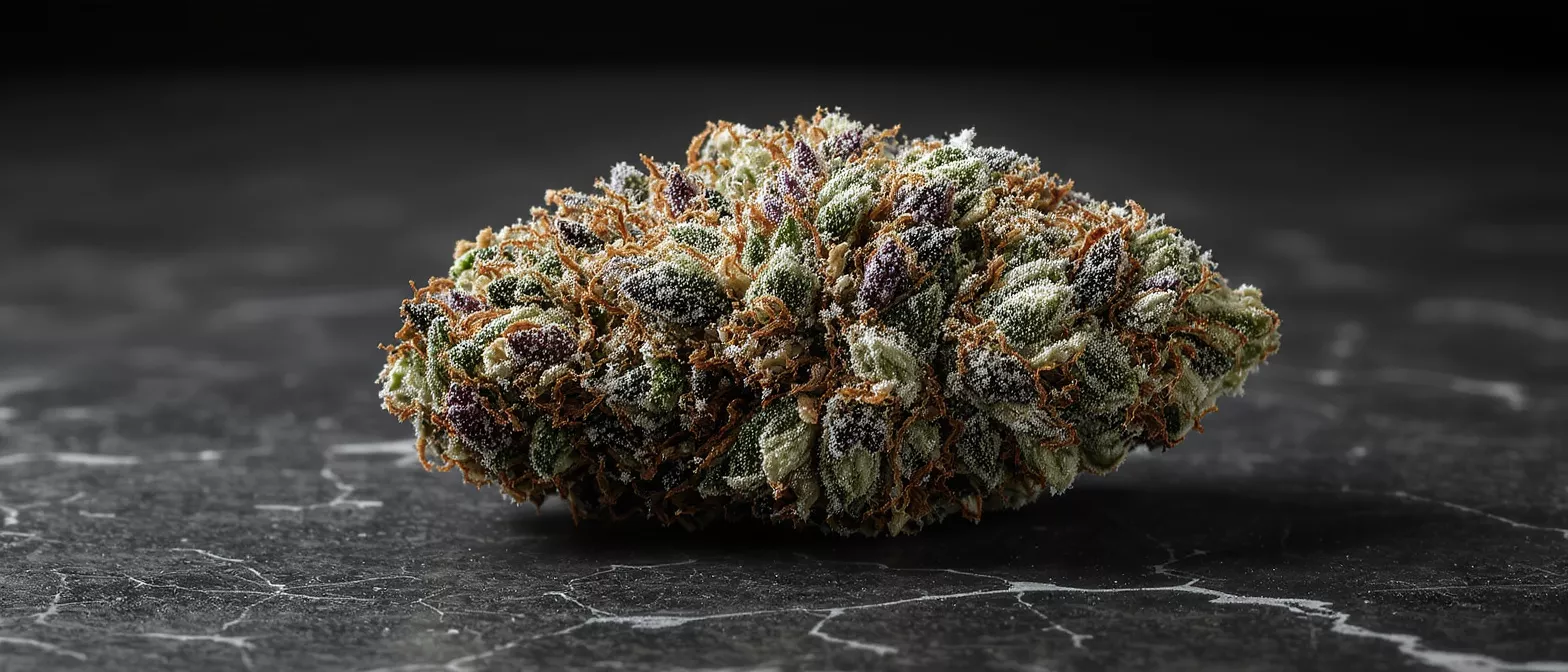
The Cherry Pie strain has earned a devoted following among cannabis enthusiasts who crave a balanced hybrid that delivers relaxation without complete sedation. Also known as Cherry Kush in some circles, this variety has become a fixture on dispensary menus thanks to its dessert-like aroma, approachable effects, and richly colored buds. If you have ever wondered why this particular cultivar keeps appearing in best-of lists, the answer lies in a genetic heritage that pairs two legendary parents into something greater than the sum of its parts.
Cherry Pie occupies the middle ground between the cerebral lift of a sativa and the body-heavy calm of an indica, which makes it a versatile choice for both seasoned consumers and curious newcomers. Its reputation rests on a combination of flavor, potency, and a mellow, mood-lifting experience that many describe as social yet soothing.
Why the name resonates: The flowers genuinely smell like sweet baked cherries with a hint of earthy dough, an aromatic signature that distinguishes Cherry Pie from countless other hybrids on the market. That sensory hook, combined with consistent effects, explains why growers and consumers alike continue to seek it out year after year.
Cherry Pie Genetics and Lineage Explained
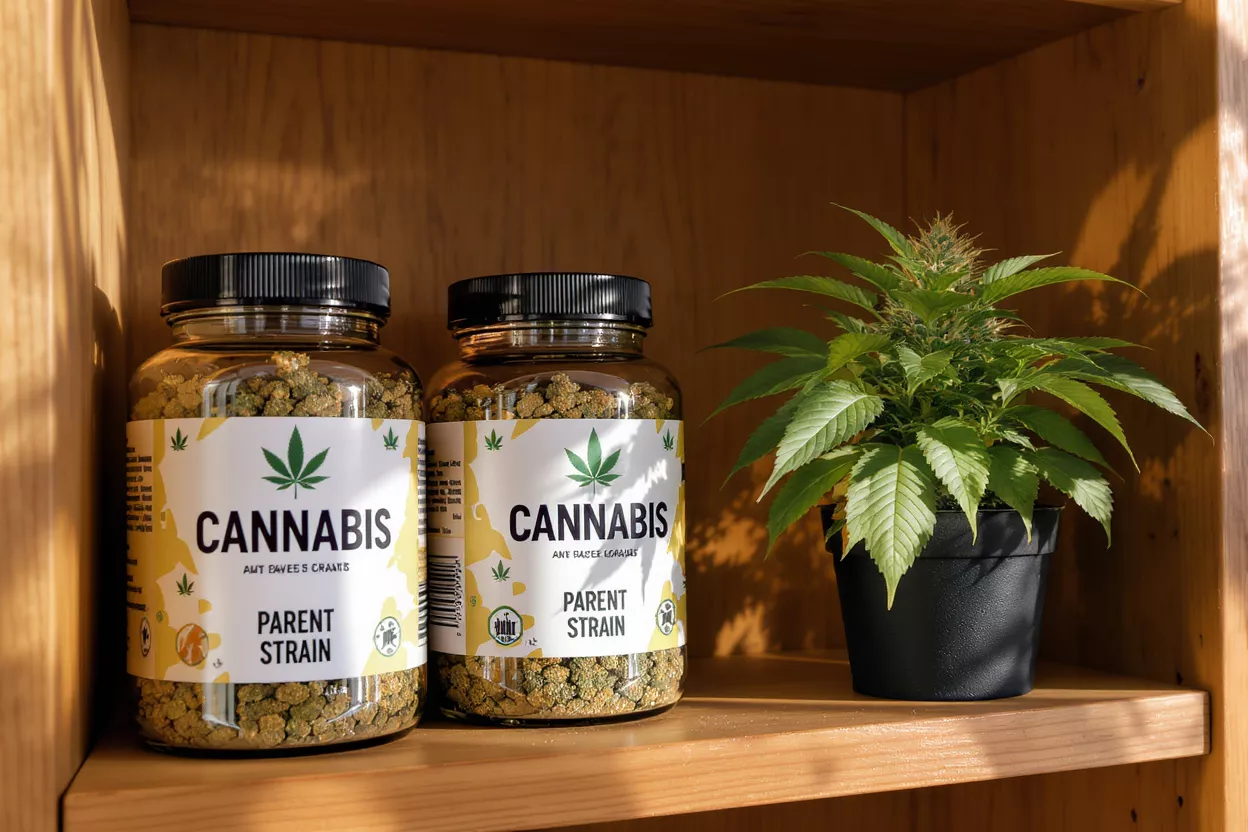
Cherry Pie is the offspring of two heavyweight cultivars: Granddaddy Purple and Durban Poison. From Granddaddy Purple it inherits deep relaxation, vivid coloration, and a fruity sweetness, while Durban Poison contributes an energetic, clear-headed lift and a spicy backbone. The result is a roughly balanced hybrid that leans slightly indica-dominant in most phenotypes.
Understanding lineage matters because it predicts much of what a strain will deliver. The pairing here is intentional: breeders sought to temper Granddaddy Purple's heaviness with Durban Poison's brightness, producing a cultivar that relaxes the body while keeping the mind engaged. Modern cannabis science continues to map how parent genetics shape cannabinoid and terpene expression, and outlets like Analytical Cannabis have documented how heritable chemotypes influence the final product a grower harvests.
A note on phenotype variation: Because Cherry Pie has been bred and re-bred across many gardens, you may encounter slightly different expressions under the same name. Some lean more toward the grape-forward Granddaddy side, while others carry the peppery, upbeat Durban character. Always check lab results and grower notes when consistency matters to you.
Cherry Pie Aroma and Flavor Profile
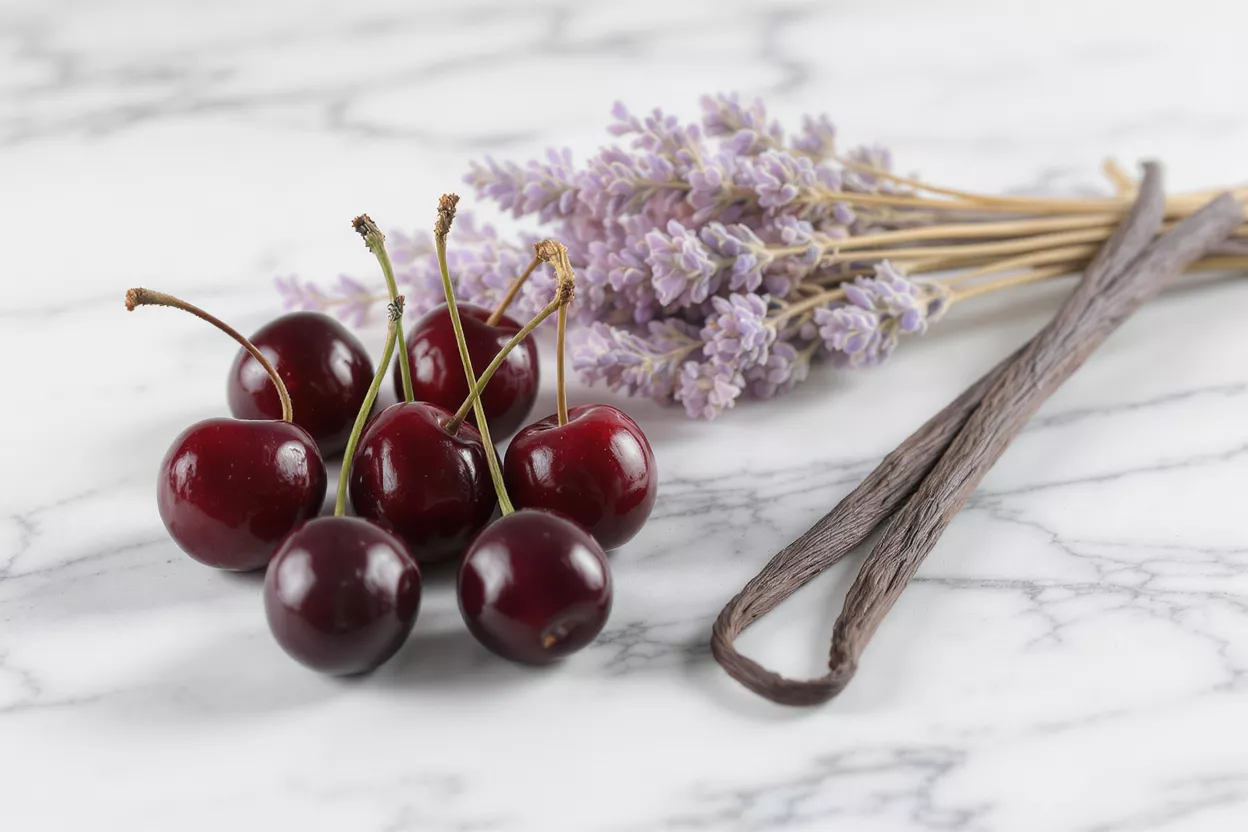
True to its name, Cherry Pie greets you with a sweet and sour cherry aroma layered over earthy, doughy undertones. Crack open a jar and you will often notice hints of vanilla and a subtle herbal spice that nods to its Durban Poison parentage. The bouquet is one of the most recognizable in the hybrid category, and it tends to fill a room quickly.
On the inhale, the flavor mirrors the nose: tart cherry sweetness up front, followed by a smooth, slightly nutty finish. Many consumers report a lingering berry aftertaste that makes the strain especially pleasant in a vaporizer, where lower temperatures preserve the delicate fruit notes.
Here is what the typical sensory experience breaks down to:
- 🍒 Aroma: Sweet cherry and berry with an earthy, baked-dough base.
- 👅 Flavor: Tart fruit on the inhale, smooth and nutty on the exhale.
- 🌿 Undertones: Faint vanilla, herbal spice, and a touch of pepper.
- 💨 Best medium: Vaporizing at lower temperatures to protect terpenes.
What Effects Does Cherry Pie Produce?
Cherry Pie is prized for an onset that arrives gently rather than overwhelming the user. Within minutes, many people feel an uplifting wave of euphoria that brightens mood and eases mental tension. This cerebral lift is what makes the strain feel social and conversational, a trait passed down from its Durban Poison lineage.
As the experience settles, a warm physical relaxation spreads through the body without locking you to the couch in moderate doses. This balance is the hallmark of Cherry Pie: enough calm to release stress, enough clarity to stay functional. The strain is frequently chosen for afternoon and early-evening use when the goal is to unwind without falling asleep.
What to expect at higher doses: Push past your tolerance and the indica side asserts itself, bringing heavier sedation and a pull toward rest. New consumers should start low and go slow, giving the gradual onset time to reveal itself before redosing. Set and setting still matter, and a comfortable environment will always improve the experience.

Cherry Pie THC and CBD Content
Most Cherry Pie samples test in the moderate-to-high range for THC, typically landing between 16 and 24 percent depending on the phenotype and growing conditions. That places it comfortably above mild and squarely in territory that experienced consumers appreciate, while still being manageable for those with some familiarity.
The strain's CBD content is generally low, often under one percent, which means the experience is driven primarily by THC and the supporting cast of terpenes. If you are specifically seeking high-CBD relief, Cherry Pie is not the cultivar for that purpose, though its balanced effects still offer plenty of value for stress and mood.
Because potency varies, here is a quick reference for how Cherry Pie typically measures up:
- 🔬 THC range: Roughly 16–24%, moderate to high for a hybrid.
- 🌱 CBD range: Usually below 1%, minimal therapeutic CBD.
- ⚖️ Overall balance: THC-forward with a slight indica lean.
- 📋 Best practice: Confirm numbers on the lab COA before purchase.
Cherry Pie Terpene Breakdown
The signature scent of Cherry Pie comes from its terpene profile, the aromatic compounds that shape both flavor and the nuances of the high. The dominant terpene is usually myrcene, which contributes earthy, musky notes and is associated with relaxation. Supporting it you will commonly find caryophyllene, lending a peppery spice, and limonene, which brings a bright citrus lift.
These terpenes do more than smell pleasant. Through what researchers describe as the entourage effect, they appear to modulate how cannabinoids interact with the body, potentially smoothing the edges of THC and shaping the strain's signature balance. The interplay between myrcene's calming influence and limonene's uplift may help explain why Cherry Pie feels both relaxing and mood-elevating at once.
Why terpene awareness pays off: If you are sensitive to certain effects or aromas, learning to read a terpene panel helps you predict your experience before you buy. Two batches labeled Cherry Pie can feel noticeably different if their terpene ratios diverge, so the COA terpene section is just as informative as the cannabinoid numbers.
Growing Cherry Pie: A Cultivation Guide
Cherry Pie is considered a moderately challenging strain to grow, rewarding attentive cultivators with dense, resin-coated buds that often show purple hues when finished in cooler temperatures. It thrives both indoors and outdoors, though it performs best in a Mediterranean-style climate with warm days and mild nights.
Indoor growers typically see a flowering period of around 8 to 9 weeks, with plants that respond well to topping and low-stress training to manage height and open up the canopy. Outdoors, harvest usually lands in early to mid October. Yields are moderate, so technique and environmental control matter more than with some forgiving high-yield commercial strains.
Keep these cultivation pointers in mind:
- 🌡️ Climate: Warm, semi-humid Mediterranean conditions are ideal.
- ✂️ Training: Topping and LST improve airflow and light penetration.
- 🗓️ Flowering: About 8–9 weeks indoors; early-to-mid October outdoors.
- 💜 Color: Cooler night temps coax out the signature purple tones.
Cherry Pie Medical Uses and Potential Benefits
Medical cannabis patients often turn to Cherry Pie for its capacity to ease stress and elevate mood without the heavy fog associated with stronger indicas. The gentle cerebral lift can be welcome for those navigating low mood or daily tension, while the body relaxation that follows helps quiet physical restlessness.
Some users report relief from mild aches and muscular tension, attributing this to the strain's myrcene and caryophyllene content. Caryophyllene in particular interacts with the body's CB2 receptors, a mechanism that has drawn interest from researchers studying inflammation and discomfort. As always, individual results vary, and cannabis affects each person differently based on physiology and tolerance.
Appetite and relaxation: Like many THC-forward hybrids, Cherry Pie can stimulate appetite, which some patients find useful when nausea or low food interest is a concern. For evening use, its relaxing tail end may also assist with winding down before sleep, especially at higher doses. None of this replaces medical advice, so consult a healthcare professional about your specific situation.

Cherry Pie vs Similar Hybrid Strains
Cherry Pie sits within a family of fruit-forward, dessert-named hybrids, and comparing it to its relatives sharpens your understanding of what makes it distinct. Its direct descendant, Girl Scout Cookies, shares the Durban Poison parentage and a similarly balanced character, though GSC tends to hit harder and sweeter.
Against pure indicas, Cherry Pie offers far more mental clarity, making it a better daytime option than its Granddaddy Purple parent. Compared to energetic sativas, it provides more body relaxation and a softer, less racy head experience. This middle-path positioning is precisely why it appeals to such a broad audience.
Here is how Cherry Pie generally stacks up:
- 🍪 Vs Girl Scout Cookies: Lighter and more balanced; GSC is sweeter and more potent.
- 🍇 Vs Granddaddy Purple: More clear-headed and daytime-friendly.
- ⚡ Vs pure sativas: Calmer body feel with less mental racing.
- 🎯 Sweet spot: A versatile all-rounder for stress and mood.
Is Cherry Pie Right for You?
Choosing the right strain comes down to matching its profile with your goals. Cherry Pie is an excellent fit if you want a flavorful hybrid that relaxes without immobilizing you, particularly for afternoon stress relief, creative downtime, or relaxed social settings. Its dessert-like aroma is a bonus that elevates the whole ritual.
It may be less ideal if you require a high-CBD strain for specific therapeutic needs, or if you are extremely sensitive to THC and prone to anxiety at higher doses. In those cases, starting with a very small amount or selecting a milder cultivar makes more sense. As with any cannabis product, your tolerance, environment, and intentions shape the outcome more than any label.
To sum up, Cherry Pie endures because it delivers a genuinely well-rounded experience: a memorable cherry-forward flavor, a balanced lift that suits a wide range of users, and a heritage backed by two iconic parents. Whether you are exploring hybrids for the first time or adding a reliable favorite to your rotation, this strain earns its place as a thoughtful, approachable choice worth getting to know.