

Appleberry
Explore the Appleberry strain — a balanced hybrid with sweet apple-berry flavor and mellow effects.
Few cannabis cultivars manage to balance dessert-like sweetness with a relaxing, easygoing high quite like the Appleberry strain. Named for its unmistakable bouquet of crisp orchard apple and ripe summer berries, this hybrid has quietly built a loyal following among growers and consumers who appreciate flavor as much as effect. Whether you are a seasoned connoisseur or simply curious about what makes a fruit-forward hybrid worth seeking out, this guide unpacks everything from genetics and terpenes to growing tips and real-world effects, giving you a complete picture before you ever pack a bowl.
What Is the Appleberry Strain
The Appleberry strain is a balanced hybrid cannabis variety celebrated for its rich fruit flavors and mellow, mood-lifting effects. It sits comfortably in the middle of the indica-sativa spectrum, which is part of why it appeals to such a wide audience. People who find pure sativas too racy and pure indicas too sedating often land on Appleberry as a comfortable compromise that delivers gentle relaxation without flattening you against the couch.
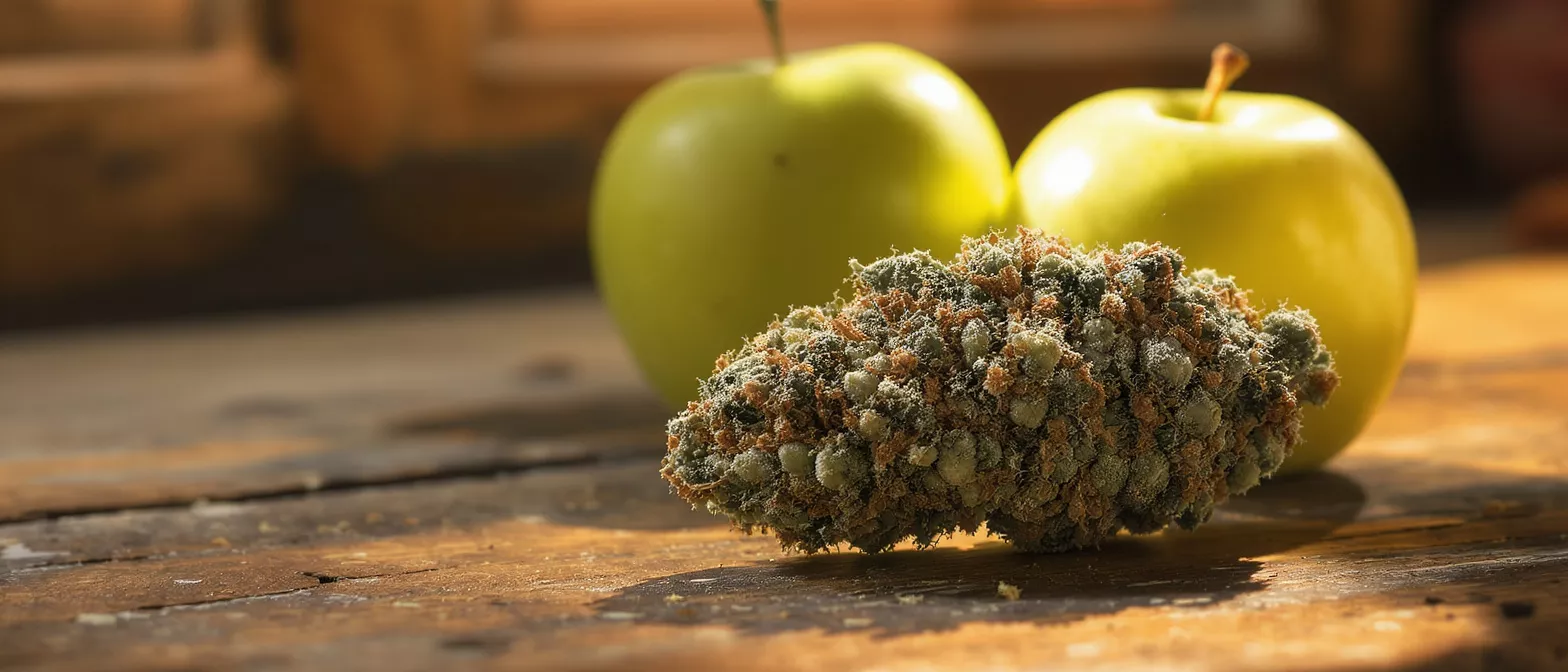
Where the name comes from: The "Appleberry" label is no marketing gimmick. The buds genuinely express a layered aroma reminiscent of freshly sliced apples folded into a bowl of mixed berries. This sensory signature is driven by a specific blend of terpene compounds that we will explore in detail later in this guide.
Who gravitates toward this strain: Appleberry tends to attract flavor chasers, casual evening users, and anyone looking for a balanced experience that does not demand a cleared schedule. Its approachable potency and forgiving nature make it a frequent recommendation for those still calibrating their tolerance, while its complexity keeps experienced users coming back.
Appleberry Strain Genetics and Lineage
Understanding the genetics behind the Appleberry strain helps explain its flavor and effect profile. Most phenotypes trace back to a cross involving fruit-forward parents, frequently citing Afghani and Sour Berry or comparable berry-heavy lineage. This combination layers the deep resin production and body relaxation of classic indica genetics over the bright, tangy character of berry-dominant strains.
Why lineage matters for flavor: A strain's parentage determines which aromatic compounds it inherits and in what proportions. Appleberry's apple-and-berry signature is not accidental; it is the predictable outcome of breeding two flavor-rich lines and selecting the phenotypes that expressed the most pronounced fruit notes. Breeders who stabilize these traits over multiple generations produce the most consistent Appleberry crops.
Because cannabis is regularly bred and rebred, you may encounter slightly different Appleberry variations depending on the breeder. Some lean more indica-dominant with heavier body effects, while others tilt toward a more cerebral hybrid balance. Reading the specific genetic notes from your source is always worthwhile, since the same name can describe meaningfully different plants.
Appleberry Aroma and Flavor Profile
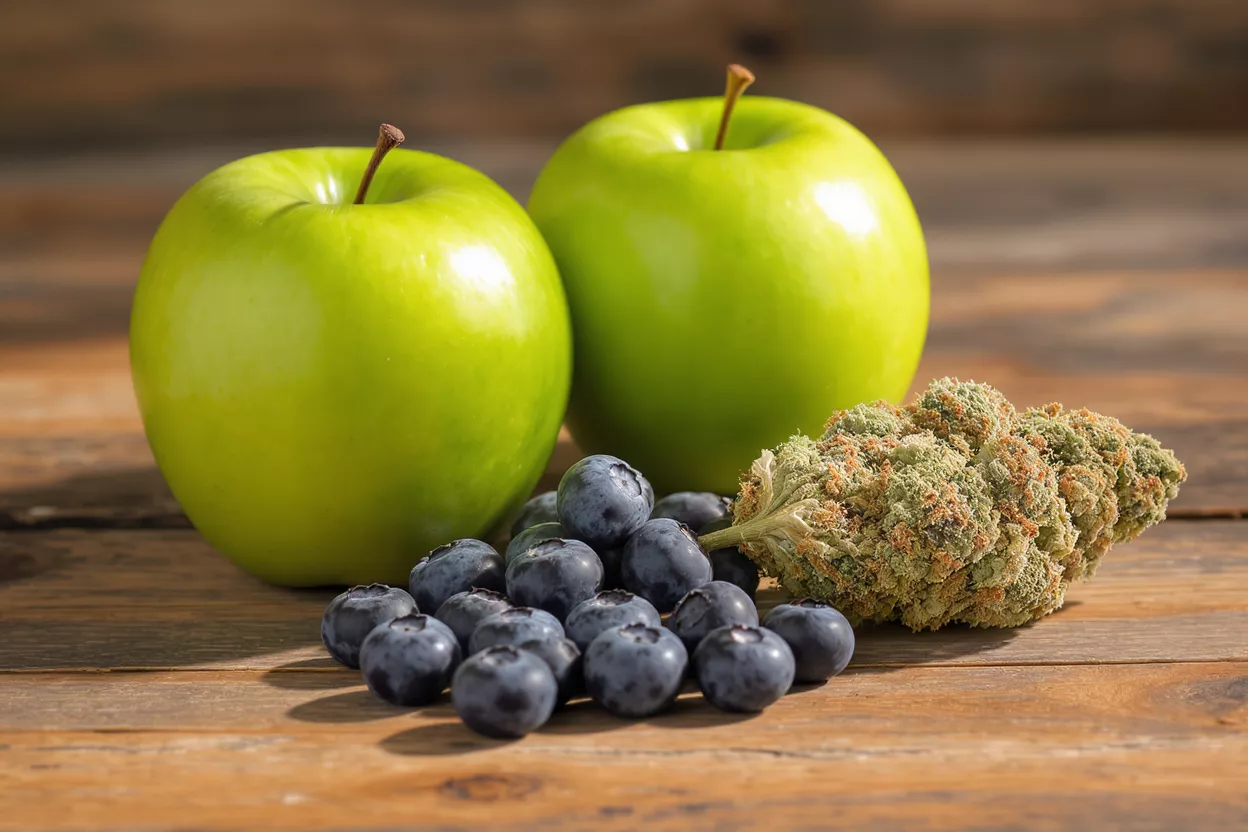
The aroma is where Appleberry truly earns its name. Cracking open a jar releases a wave of sweet apple skin and ripe berry, underscored by a subtle earthy and floral foundation. It is one of those strains that fills a room quickly, and the smell alone is enough to explain its popularity among flavor-focused consumers.
Taste on the inhale and exhale: On the draw, Appleberry delivers a smooth, fruity sweetness that mirrors its smell almost exactly. The exhale often brings a slightly tart berry finish with a faint spicy or woody undertone, the kind of layered complexity that keeps the experience interesting rather than one-dimensionally sugary. Smoking it through clean glass or a dry herb vaporizer preserves these nuances best.
If you appreciate strains that engage the palate, Appleberry rewards slow, mindful consumption. Many users describe it as dessert-like without being cloying, a balance that pairs nicely with relaxed evening settings. The aromatic intensity also means a little goes a long way when it comes to sensory satisfaction.
- 🍎 Apple: Crisp, sweet orchard apple dominates the first impression.
- 🫐 Berry: Ripe mixed-berry tartness rounds out the mid-palate.
- 🌿 Earth: A grounding floral and earthy base keeps the sweetness in check.
- 🌶️ Spice: A faint peppery exhale adds welcome complexity.
Appleberry Effects and Experience
Appleberry's effects are best described as gently uplifting at the start and progressively relaxing as the session continues. The opening minutes often bring a light mood boost and a subtle clarity that many users find pleasant for unwinding without becoming unfocused or anxious.
The arc of the high: As the experience develops, a warm body relaxation settles in, easing physical tension without locking you in place. This makes Appleberry a versatile choice for late afternoons and evenings when you want to decompress but stay functional enough to cook dinner, watch a film, or hold a conversation. According to Harvard Health, individual responses to cannabis vary widely based on personal physiology, so your mileage may differ from a friend's.
Because the effects build gradually, Appleberry suits people who prefer a measured experience over an immediate, overwhelming hit. Pacing your consumption lets you find the sweet spot, and many enjoy the mellow, social-friendly headspace it produces at moderate doses.

Appleberry THC and Cannabinoid Content
Most Appleberry samples test in the moderate-to-high range for THC, typically landing somewhere between the high teens and low twenties as a percentage. This positions it as potent enough to satisfy experienced users while remaining manageable for those with moderate tolerance, especially when consumed thoughtfully.
Beyond THC: While THC drives most of Appleberry's psychoactive punch, the strain usually carries only trace amounts of CBD. The overall character of the high owes as much to its terpene content as to raw cannabinoid numbers, a phenomenon often referred to as the entourage effect.
Always check the lab results for the specific batch you are purchasing. Cannabinoid percentages fluctuate based on growing conditions, harvest timing, and curing technique, so two jars labeled Appleberry can vary noticeably in strength. Treating the printed numbers as a guide rather than a guarantee is the smart approach.
How to Grow the Appleberry Strain
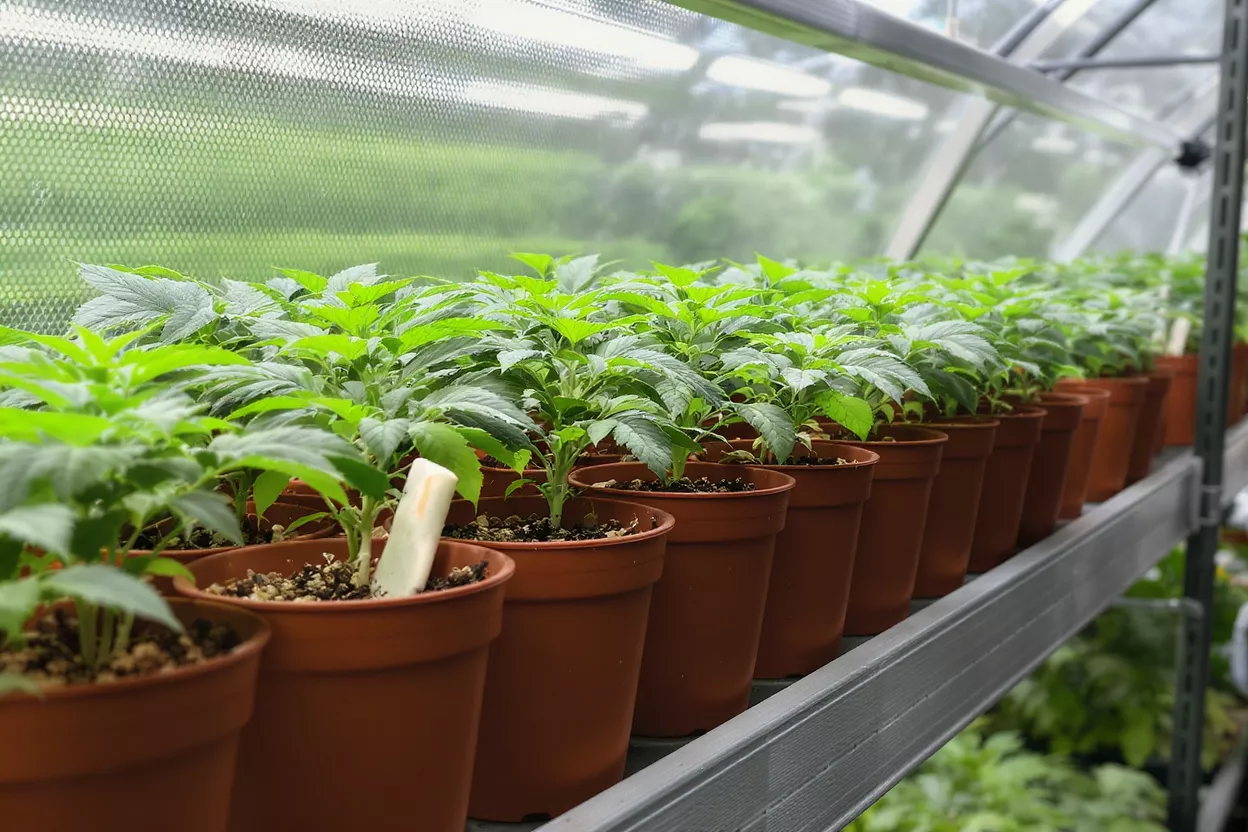
For cultivators, the Appleberry strain is generally regarded as moderately easy to grow, making it accessible to growers who have a season or two under their belt. The plants tend toward a compact, bushy structure that responds well to training techniques designed to maximize light penetration and airflow.
Indoor versus outdoor: Appleberry performs well in both environments. Indoors, growers can control humidity and lighting to coax out the densest, most resinous buds, with flowering typically wrapping up in roughly eight to nine weeks. Outdoors, the plant prefers a warm, temperate climate and rewards patient growers with a generous late-season harvest.
Maximizing flavor in the grow: Because Appleberry's appeal hinges on its aromatic profile, careful attention during the final weeks pays dividends. A proper flush, controlled environmental conditions, and a slow, low-humidity cure all help preserve the delicate terpenes responsible for that signature apple-and-berry bouquet.
- 🌱 Difficulty: Moderate, friendly to growers with some experience.
- ⏱️ Flowering time: Roughly 8–9 weeks indoors.
- 💧 Climate: Thrives in warm, temperate outdoor conditions.
- ✂️ Training: Responds well to low-stress training for better yields.
Appleberry Terpene Profile Explained
The terpenes in Appleberry are the molecular architects of both its aroma and a meaningful portion of its effects. These aromatic compounds work alongside cannabinoids to shape the overall experience, and Appleberry's particular blend is what produces its distinctive fruity-yet-grounded character.
The dominant players: Appleberry frequently expresses myrcene, which contributes earthy, musky notes and is associated with relaxation. Caryophyllene adds the subtle peppery spice on the exhale, while fruitier terpenes like pinene and limonene lend brightness that rounds out the apple-and-berry top notes.
Understanding a strain's terpene makeup helps you predict how it will smell, taste, and feel before you ever try it. For Appleberry, the interplay of relaxing and uplifting terpenes mirrors its hybrid effect arc perfectly: bright and cheerful up top, calm and grounded as the session unfolds.
Potential Benefits of the Appleberry Strain
Many people reach for the Appleberry strain not just for enjoyment but for the relief its balanced effects may provide. While cannabis affects everyone differently and nothing here should be taken as medical advice, anecdotal reports and the strain's profile point toward a few commonly cited reasons users choose it.
Stress and mood support: The gentle, uplifting onset makes Appleberry a popular pick for melting away the tension of a long day. Its mellow character tends to quiet a busy mind without tipping into heavy sedation, which is why so many users slot it into their evening wind-down routine.
Physical comfort and rest: As the body relaxation deepens, some find Appleberry helpful for easing minor aches and settling into a restful state before sleep. The combination of moderate potency and soothing terpenes makes it a sensible candidate for nighttime use, though responses vary from person to person.

Are There Side Effects With Appleberry
Like any cannabis strain, Appleberry can produce side effects, particularly when consumed in larger quantities than your tolerance comfortably handles. The most common complaints are mild and manageable, but knowing what to expect helps you prepare and consume responsibly.
The usual suspects: Dry mouth and dry eyes top the list of typical effects and are easily addressed by staying hydrated and keeping eye drops on hand. Some users may notice slight dizziness or a touch of paranoia if they overindulge, which is a reminder that starting low and going slow remains the wisest strategy with any potent hybrid.
Responsible consumption goes a long way toward keeping the experience pleasant. Choosing an appropriate setting, avoiding mixing with alcohol, and respecting your personal limits all help you enjoy Appleberry's strengths while sidestepping its downsides. If you are new to cannabis or have underlying health concerns, consulting a healthcare professional first is always sensible.
- 💧 Dry mouth: Keep water nearby and sip throughout your session.
- 👁️ Dry eyes: Moisturizing drops offer quick, easy relief.
- 😵 Dizziness: More likely at higher doses; pace yourself.
- 🧠 Anxiety: Overconsumption can trigger it; start low and slow.
Is the Appleberry Strain Right for You
Deciding whether the Appleberry strain belongs in your rotation comes down to what you want from your cannabis. If you prize flavor, appreciate a balanced hybrid that relaxes without overwhelming, and prefer an experience you can ease into, Appleberry checks a remarkable number of boxes.
Best-fit scenarios: This strain shines in low-key evening settings, casual social gatherings, and quiet nights at home when you want to decompress while staying engaged. Its forgiving potency makes it suitable for a broad range of tolerance levels, and its standout aroma makes every session feel a little more indulgent.
Ultimately, the Appleberry strain stands out as a flavorful, versatile hybrid that delivers genuine character alongside its mellow effects. Between its rich apple-and-berry profile, approachable potency, and balanced high, it earns its reputation as a strain worth trying. Source from a reputable provider, mind the lab results, start with a modest dose, and let Appleberry's unique personality speak for itself.