

Raspberry Kush
Explore Raspberry Kush weed: fruity indica genetics, calming effects & wellness uses.
What Is Raspberry Kush Weed?
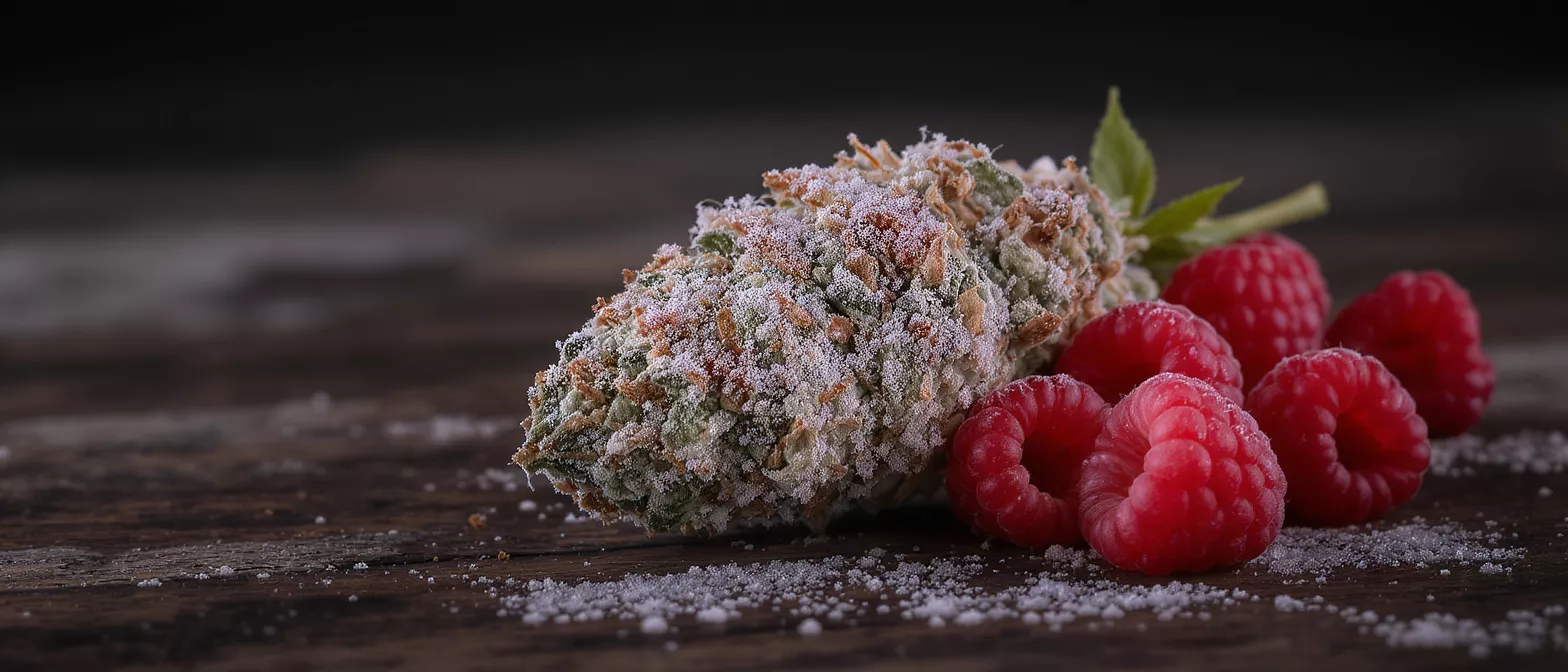
Raspberry Kush is an indica-dominant strain that has quietly built a loyal following among people who want a relaxing, fruit-forward experience without an overwhelming punch. The name itself tells you most of what you need to know: a sweet berry aroma sits on top of the earthy, resinous backbone that defines classic Kush genetics. For anyone exploring the wider world of weed, this strain offers an approachable entry point that balances flavor and effect rather than chasing raw potency.
What makes this variety stand out is its restraint. Where some modern hybrids push THC numbers into the high twenties, Raspberry Kush tends to land in a more moderate range, which means the experience feels grounded and manageable. That moderation is part of its appeal for casual evening users and people who find stronger flower overwhelming.
Where Raspberry Kush fits in the indica spectrum: This is a body-leaning strain first and foremost. Expect a gentle physical heaviness rather than a racing, cerebral high, which places it alongside other relaxing nighttime cultivars. It is the kind of flower you reach for when the day is winding down, not when you need to be sharp and productive.
Raspberry Kush Genetics and Lineage
Understanding the parentage of any strain helps explain why it behaves the way it does. Raspberry Kush descends from the broader Kush family, a lineage rooted in the Hindu Kush mountain region that gives the world many of its most durable, resin-heavy indicas. The berry notes are typically introduced through a fruity crossing partner, and the result is a genotype that expresses both ruggedness and sweetness.
Because cultivators have crossed this line in several directions, you may encounter slight variations from one grower to another. The underlying genotype stays recognizable, but phenotype expression — the actual plant you end up with — can shift in color, density, and aroma depending on selection and environment. Reputable seed banks usually offer it as feminized seeds, which removes the guesswork of culling males and makes the grow far more predictable.
Why lineage matters for new growers: Kush-derived genetics tend to be forgiving. They evolved in harsh mountain climates, so they handle temperature swings and minor neglect better than many delicate hybrids. If you are just starting out and want beginner-friendly cannabis seeds, a stable Kush cross like this one is a smart place to begin because the plant does much of the heavy lifting for you.
Research into cannabis genetics continues to expand our understanding of how lineage shapes both flavor and effect, and resources like Everyday Health have helped bring evidence-based perspectives on cannabis into mainstream conversation.
What Does Raspberry Kush Weed Taste Like?
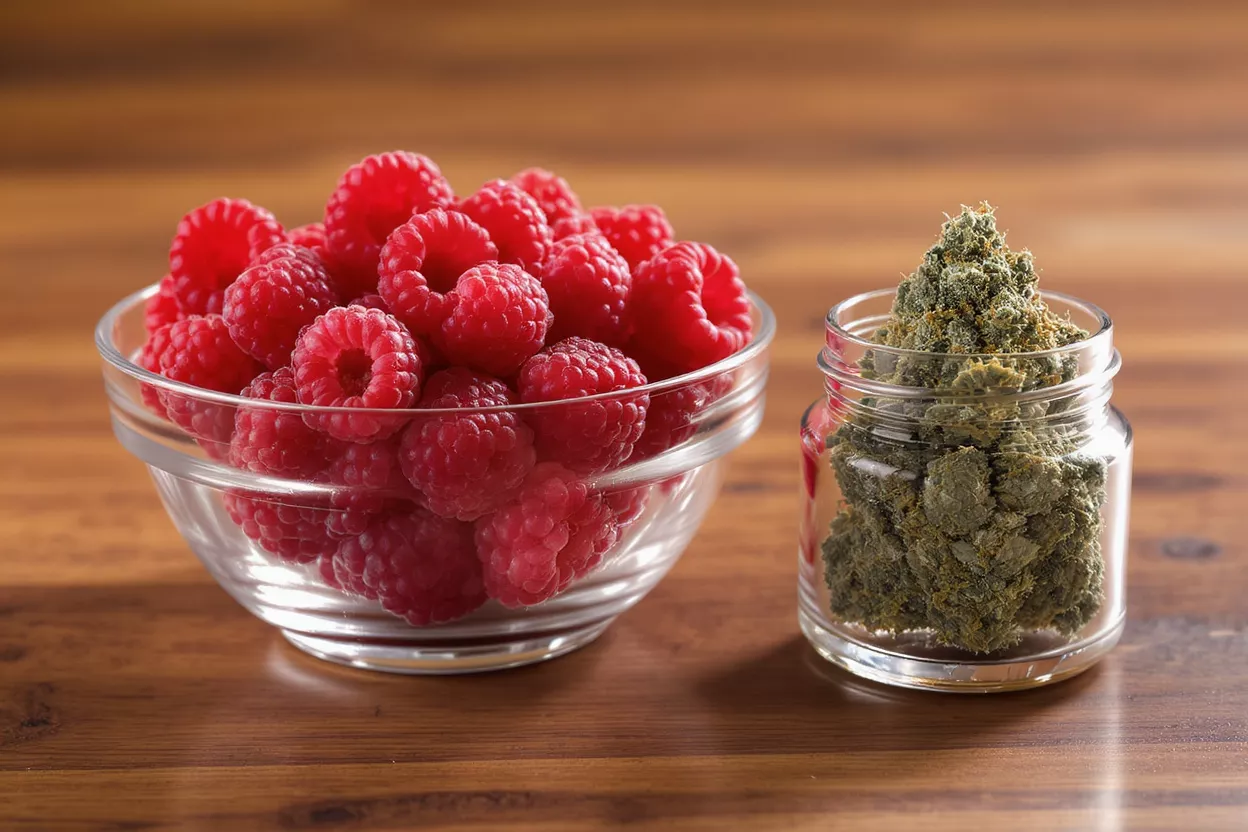
The flavor is the headline feature here. On the inhale, most people pick up a bright raspberry sweetness, almost like ripe summer fruit, that quickly gives way to a deeper earthy and slightly piney exhale. This contrast between fruity top notes and grounded base notes is what keeps the strain from feeling one-dimensional.
Aroma and flavor are driven by terpenes, the same aromatic compounds found throughout the plant world. In this strain, the sweet-berry impression often comes alongside subtle floral and herbal hints. A trace of geranyl-style rose character can sneak through in well-cured batches, adding complexity that rewards slow, deliberate tasting.
The way you consume it changes how much flavor survives. Lower-temperature methods preserve the delicate berry terpenes far better than harsh combustion, which tends to scorch the most fragile aromatics. If flavor is your priority, gentle vaporization is the route that lets the raspberry character truly shine. 🫐
Raspberry Kush Effects and How They Feel
The effects of this strain follow its indica lineage closely. Most users describe a warm, settling body relaxation that begins in the shoulders and slowly works outward. It is rarely sedating to the point of being couch-locked at moderate doses, which makes it versatile for an evening of low-key activity rather than an immediate trip to bed.
The mental side of the experience: While the body effects dominate, there is a gentle mood lift that accompanies the relaxation. Many people report a quieting of mental chatter, the kind of soft mental reset that makes it easier to unwind after a stressful day. This is not a strain that sparks intense creativity or focus; it is one that invites you to slow down.
Managing your dose: Because effects build gradually, patience pays off. Taking too much too fast is the most common way new users end up greening out — that uncomfortable wave of dizziness and anxiety that comes from overconsumption. Start low, wait, and let the gentle nature of this strain reveal itself before reaching for more.
Personal tolerance plays a huge role in how any cannabis variety feels, and effects can differ dramatically between an experienced consumer and a newcomer. Keeping a simple journal of dose and response helps you find your own sweet spot over time.
How to Grow Raspberry Kush Weed
Growing this strain rewards both beginners and seasoned cultivators. It tends to stay relatively compact and bushy, a trait inherited from its Kush ancestry, which makes it well-suited to indoor tents where vertical space is limited. The plant responds well to gentle training techniques that improve light penetration and overall yield.
Germination sets the stage for a healthy grow. Starting with quality feminized seeds and a reliable germination method — whether the paper towel approach or direct planting in a starter cube — gives your plants the best possible beginning. Once established, the plant's natural vigor takes over and it requires less hand-holding than many finicky modern hybrids.
Training and canopy management: Techniques like topping and FIMing encourage the plant to grow multiple colas instead of one dominant top. Removing the occasional large fan leaf that shades lower bud sites can also improve airflow and light distribution. These small interventions add up to a noticeably better harvest.
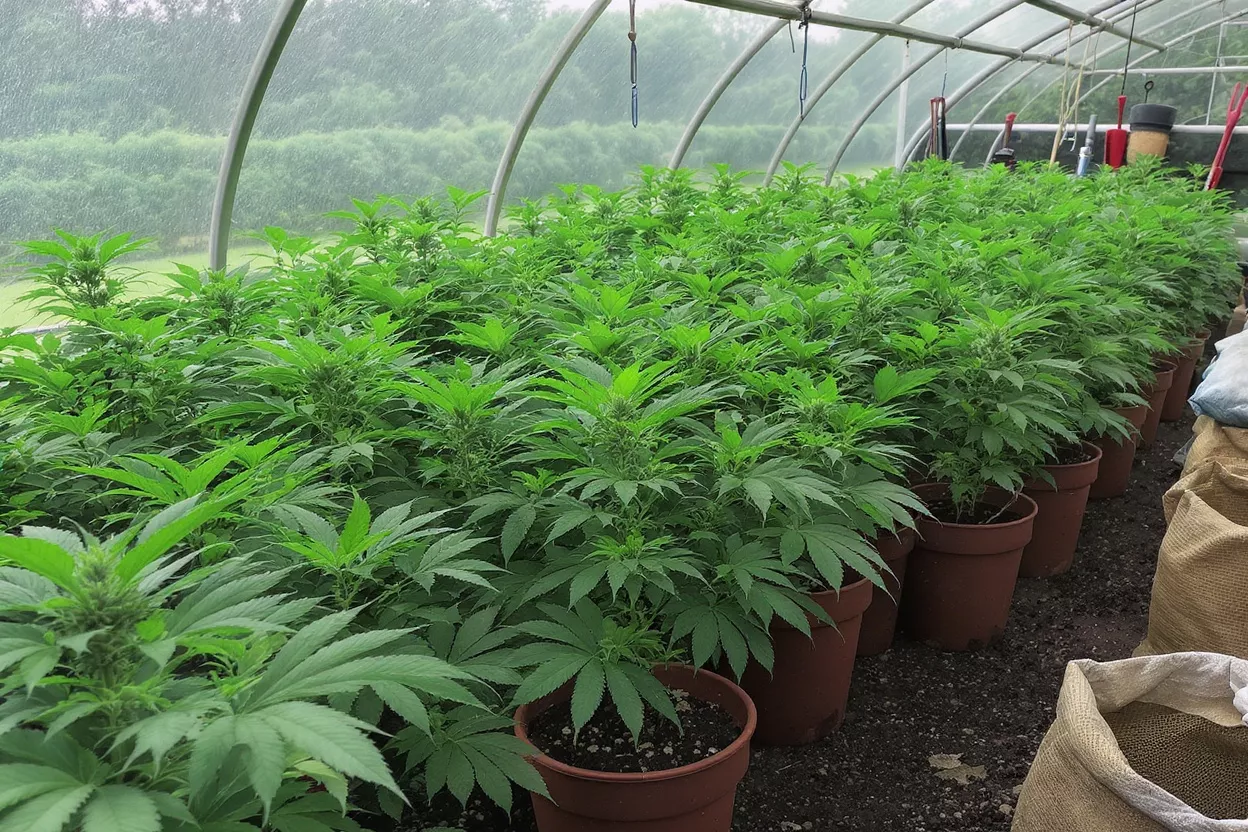
Toward the end of the grow cycle, flushing the plant with plain water for the final week or two helps clear out residual nutrients, which many growers believe results in a smoother, cleaner final smoke. Pair that with good airflow and you set yourself up for high-quality flower. A quality complete grow tent kit removes a lot of the guesswork for first-time growers managing light, humidity, and ventilation in one package.
Raspberry Kush Cannabinoid and Terpene Profile
On paper, Raspberry Kush typically tests in a moderate THC range, often somewhere in the mid-teens to low twenties depending on the phenotype and how carefully it was grown. This moderation is a feature, not a flaw — it gives the strain its approachable, manageable character that so many evening users appreciate.
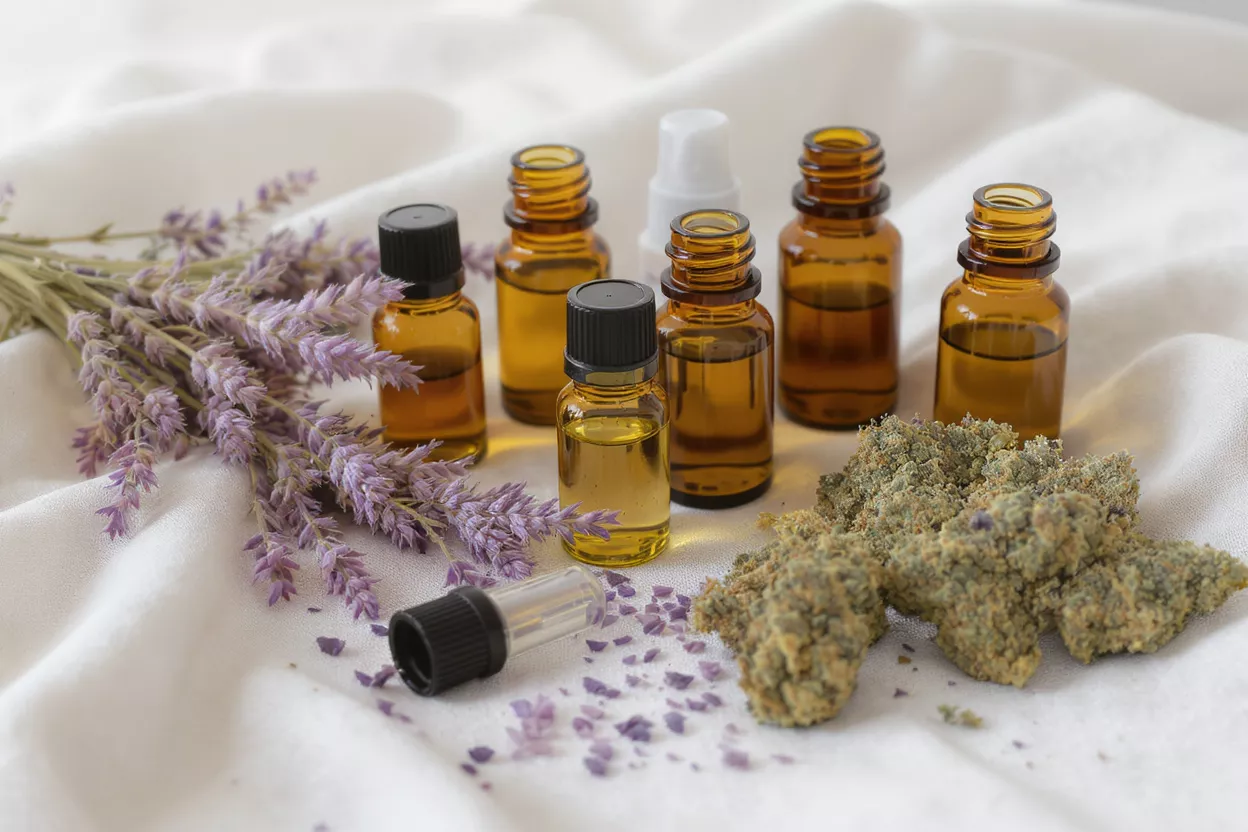
The terpene profile is where the personality lives. A blend of fruity and earthy terpenes produces that signature raspberry-meets-Kush impression. Compounds like fenchol contribute subtle piney and camphor-like notes, while other aromatics round out the sweetness with herbal depth.
- 🫐 Fruity top notes: the raspberry sweetness that gives the strain its name and immediate appeal.
- 🌲 Earthy base: classic Kush soil and pine character that grounds the flavor.
- 🌸 Floral accents: faint rose and herbal hints in well-cured batches.
- 🧊 Cooling undertone: a slight camphor edge from fenchol-style terpenes.
Newer hemp-derived cannabinoids such as H4CBD and HHC have broadened the wider market, but a traditional flower strain like this one earns its place through balance rather than novelty. The interplay between modest cannabinoids and a rich terpene bouquet is exactly what gives it staying power.
Best Ways to Consume Raspberry Kush
How you consume this strain shapes the entire experience. Each method emphasizes different aspects of its flavor and effect, so it is worth understanding your options before settling into a routine.
- 💨 Dry-herb vaporizing: the best choice for preserving those delicate berry terpenes and getting clean flavor.
- 🔥 Classic flower: rolled or packed in a bowl, this is the traditional, convenient route most people know.
- 🌊 Gravity bong: delivers a much larger, more intense hit — best reserved for seasoned users who understand their limits.
- 🍯 Concentrates: products like ethanol hash oil (EHO) and other extracts concentrate both potency and flavor for experienced consumers.
For flavor purists, low-temperature vaporization remains the gold standard. It keeps the most fragile aromatics intact and produces a far smoother experience than combustion. If you are chasing the full raspberry character, this is where the strain truly shines and a quality portable dry-herb vaporizer makes a noticeable difference.
Concentrates and the role of the extraction artist: When this strain is processed into hash or oil, the skill of the extraction artist matters enormously. Fractionated extracts and carefully made hash holes capture the strain's terpene profile in concentrated form, but quality varies widely, so source from reputable producers who prioritize clean inputs.
Raspberry Kush Medical and Wellness Uses
Many people turn to indica-leaning strains like this one for wellness rather than recreation. Its gentle, body-focused relaxation makes it a popular evening choice for those looking to decompress, and its moderate potency means the experience stays comfortable rather than overwhelming.
Common wellness reasons people choose it: The relaxing physical effects lead some to use it for occasional sleep difficulty or general end-of-day tension. The accompanying mood lift can also make the wind-down period feel more pleasant. As always, cannabis affects everyone differently, and what works beautifully for one person may not suit another.
It is worth emphasizing that none of this constitutes medical advice. If you are considering cannabis for a specific health concern, a conversation with a qualified healthcare provider is the responsible first step, especially if you take other medications. Individual response, dosing, and timing all deserve professional input rather than guesswork.
Is Raspberry Kush Weed Right for You?
Deciding whether this strain fits your needs comes down to what you want from your weed. If you prioritize bold flavor, gentle relaxation, and a manageable potency level, it ticks all the right boxes. If you are chasing maximum THC or an energizing daytime buzz, you will likely want to look elsewhere.
Who this strain suits best: Evening users, flavor enthusiasts, and people who find stronger hybrids uncomfortable tend to love it. Its forgiving genetics also make it a favorite among home growers who want a reliable, low-drama plant. Newcomers benefit from its moderate nature, which lowers the risk of an unpleasant first experience.
Who might want something different: Heavy daily consumers with high tolerance may find it too mild, and anyone seeking a stimulating, creative sativa head-high should steer toward a different category entirely. Matching the strain to your intended use is the single most important factor in a satisfying experience.
The beauty of today's market is the sheer variety available, so there is no need to settle. Understanding what a strain like this offers helps you make an informed choice rather than buying on hype alone.


Kingpin Blue Razz Indica Prerolls 1.5g / 3pcs – Westcoast Smoke Co.
Raspberry Kush Storage and Curing Tips
Proper storage is the difference between flower that tastes vibrant and flower that has gone flat. Because so much of this strain's appeal lives in its delicate berry terpenes, careful handling pays real dividends in flavor and smoothness over time.
The fundamentals of good storage: Keep your flower in an airtight glass container, away from light, heat, and excess humidity. A stable, cool, dark cupboard is ideal. Maintaining relative humidity around the 58 to 62 percent range protects the trichomes and prevents the harsh dryness that destroys flavor and burns the throat.
Curing matters just as much as storage. A slow, patient cure after harvest allows chlorophyll to break down and the terpene profile to fully develop, which is why properly cured flower from a careful grower always outperforms rushed product. If you keep a small head stash for special occasions, give it the same airtight, climate-controlled treatment you would give the rest of your supply.
In the end, Raspberry Kush earns its following through balance rather than extremes. Its sweet raspberry flavor, gentle indica relaxation, forgiving grow profile, and moderate potency combine into a strain that is genuinely enjoyable and approachable. Whether you are growing your own from feminized seeds or simply looking for a flavorful evening companion, this is a variety that rewards anyone who appreciates character over raw power — and with thoughtful storage, every jar stays as vibrant as the day it was cured.