

Durban Poison
Discover Durban Poison, South Africa's legendary pure sativa.
What Is Durban Poison?
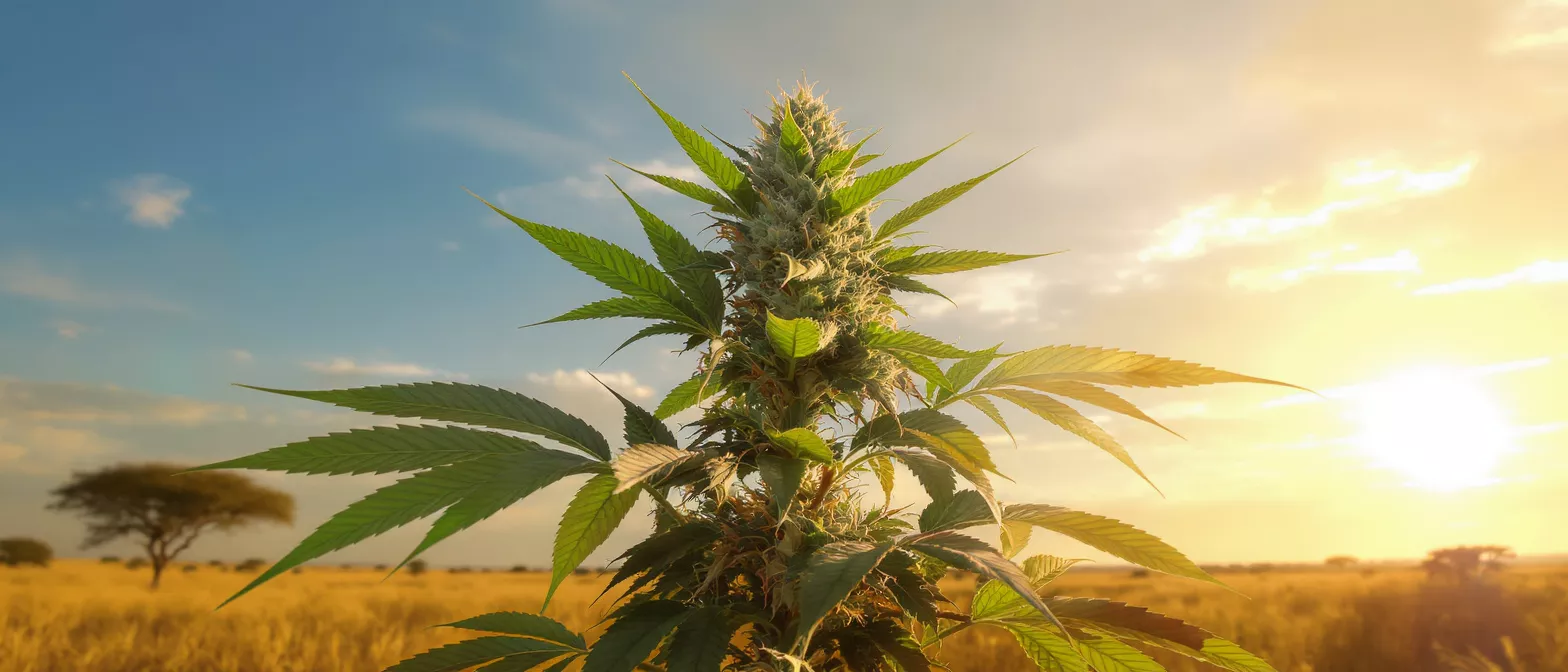
Durban Poison is one of the cannabis world's true landrace originals, a pure sativa that traces its roots to the port city of Durban on the eastern coast of South Africa. Unlike the countless hybrids crowding modern dispensary menus, this strain has remained remarkably faithful to its original genetic blueprint for decades, prized for an energizing, clear-headed high that has earned it a devoted global following. If you have ever heard someone describe a sativa as "the espresso of cannabis," there is a strong chance Durban Poison was the inspiration.
The name itself can be slightly misleading, since there is nothing poisonous about it. The "poison" descriptor is folklore more than warning, hinting at the strain's potent, fast-acting nature. What makes Durban Poison genuinely special is its purity. As a landrace, it evolved in relative isolation, adapting to the South African climate without the deliberate crossbreeding that defines most contemporary varieties.
This authenticity is exactly why Durban Poison remains a cornerstone of cannabis breeding programs and a benchmark against which other daytime sativas are measured. Growers and connoisseurs treat it almost like a heritage seed bank in living form, a genetic resource worth preserving in an era of relentless hybridization.
Durban Poison Origins and Genetics
From South Africa to the world: Durban Poison's journey to international fame began in the 1970s, when American cannabis activist and breeder Ed Rosenthal encountered the strain during travels through South Africa. Recognizing its unique qualities, he brought seeds back to the United States, where breeders refined and stabilized the genetics over subsequent years. The result is a strain that retains its wild landrace vigor while performing reliably in cultivation.
What makes a landrace strain different: A landrace is a cannabis variety that developed naturally in a specific geographic region over many generations, shaped by local climate, soil, and isolation rather than human-directed breeding. These strains are the genetic ancestors of nearly every modern hybrid, which is why pure landraces like Durban Poison are treasured by breeders seeking stable, predictable traits to pass into new crosses.
Because of this genetic stability, Durban Poison has lent its DNA to a number of well-known descendants. It is a parent of the popular Girl Scout Cookies lineage, among others, demonstrating how a single heritage strain can ripple outward and shape an entire generation of cultivars enjoyed today.

Durban Poison Effects and Experience
A clear, energetic head high: Durban Poison is celebrated for producing an uplifting, cerebral experience almost entirely free of the heavy sedation associated with indica varieties. Users frequently report a surge of creative energy, sharpened focus, and an elevated mood that makes it a favorite for productivity, artistic projects, and social settings. There is little of the couch-lock or mental fog that some strains deliver.
Onset and duration: The high tends to arrive quickly and hit with noticeable intensity, which is part of what earned the strain its evocative name. Most users describe a fast climb into an alert, buzzing state, followed by a sustained plateau that can last a couple of hours before tapering off gently without a harsh comedown. Harvard Medical School notes that cannabis affects each person differently depending on dose, tolerance, and individual physiology, so your mileage may vary. For balanced perspective on how cannabinoids interact with the body, the experts at Harvard Health Publishing offer a measured, research-grounded overview.
Because the effects lean so strongly toward stimulation, newcomers should approach with a degree of respect. Starting low and going slow is sound advice with any potent sativa, and Durban Poison's reputation for a swift, energetic onset makes moderation especially worthwhile for those still calibrating their tolerance.
Durban Poison Terpene and Cannabinoid Profile
THC content and potency: Durban Poison typically tests in the range of 15 to 25 percent THC, placing it firmly in the moderately-to-highly potent category. Its CBD content is generally low, which means the experience is driven primarily by THC and the strain's distinctive terpene blend rather than the balancing effects of CBD.
The terpenes behind the buzz: The strain's signature character comes largely from its dominant terpene profile. Key contributors shape both its aroma and the texture of its effects:
- 🌿 Terpinolene: The dominant terpene in Durban Poison, responsible for its piney, herbal, faintly citrus aroma and often associated with uplifting energy.
- 🍋 Myrcene: A common cannabis terpene contributing earthy, musky notes that round out the flavor.
- 🌲 Ocimene: Adds sweet, woody, herbaceous undertones that give the strain complexity.
- 🌶️ Pinene: Lends a sharp, fresh pine character and may contribute to mental clarity.
This terpinolene-forward profile is relatively uncommon and helps explain why Durban Poison smells and feels distinct from the myrcene-heavy strains that dominate so many menus. The interplay between cannabinoids and terpenes, often called the entourage effect, is part of what gives this landrace its singular signature.
Durban Poison Aroma and Flavor
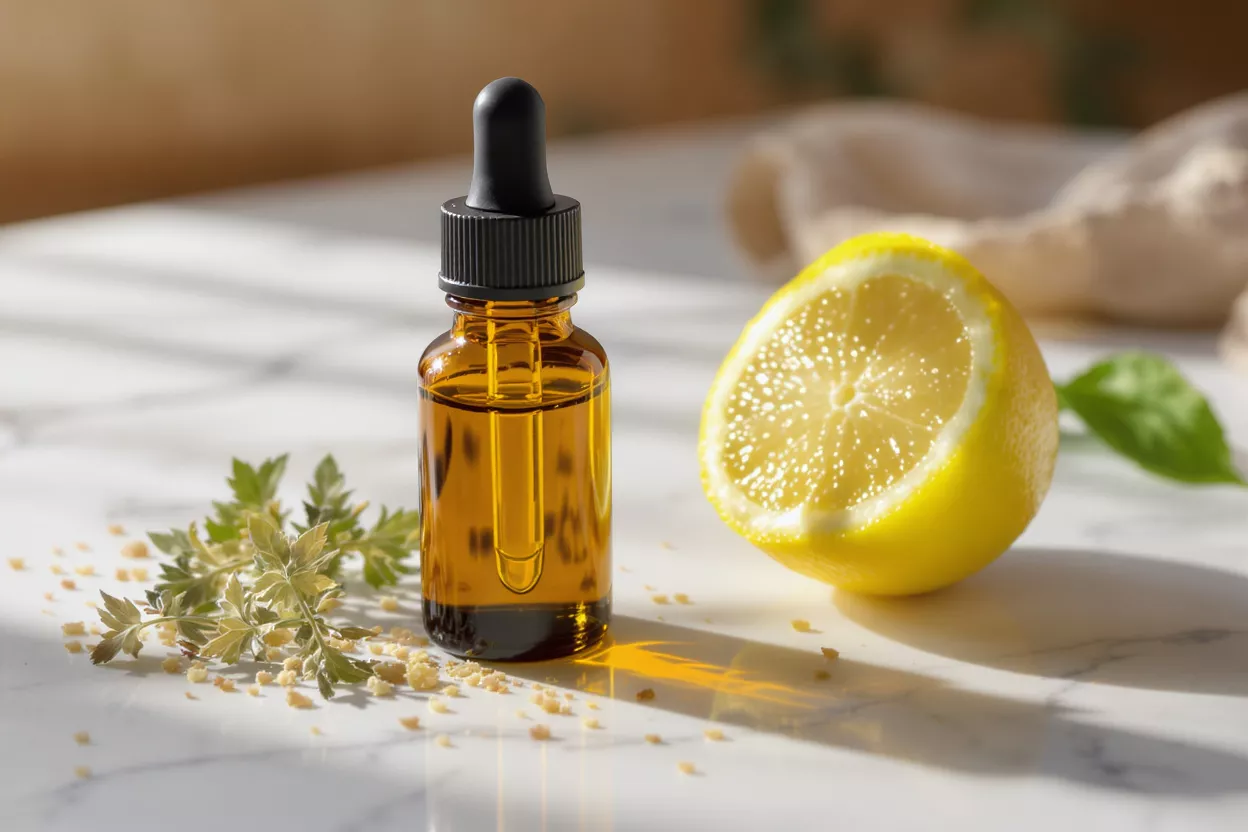
A sweet, spicy, piney bouquet: Crack open a jar of Durban Poison and you are greeted by an aroma that is at once sweet and sharp, layered with notes of pine, anise, and a subtle licorice spice. It is a fragrance that announces the strain's landrace heritage, distinct from the candy-sweet and fuel-heavy profiles of many modern hybrids.
Taste on the inhale and exhale: On consumption, the flavor follows the nose closely. Expect an earthy, slightly sweet pine character on the inhale, giving way to spicy, herbal undertones on the exhale. Many users single out a distinctive licorice or anise note that sets Durban Poison apart and lingers pleasantly on the palate.
The overall sensory experience is clean and invigorating rather than cloying, which suits the strain's daytime, energizing personality. For those who appreciate cannabis as much for its flavor complexity as its effects, Durban Poison rewards a slow, attentive approach.
Growing Durban Poison: Cultivation Guide
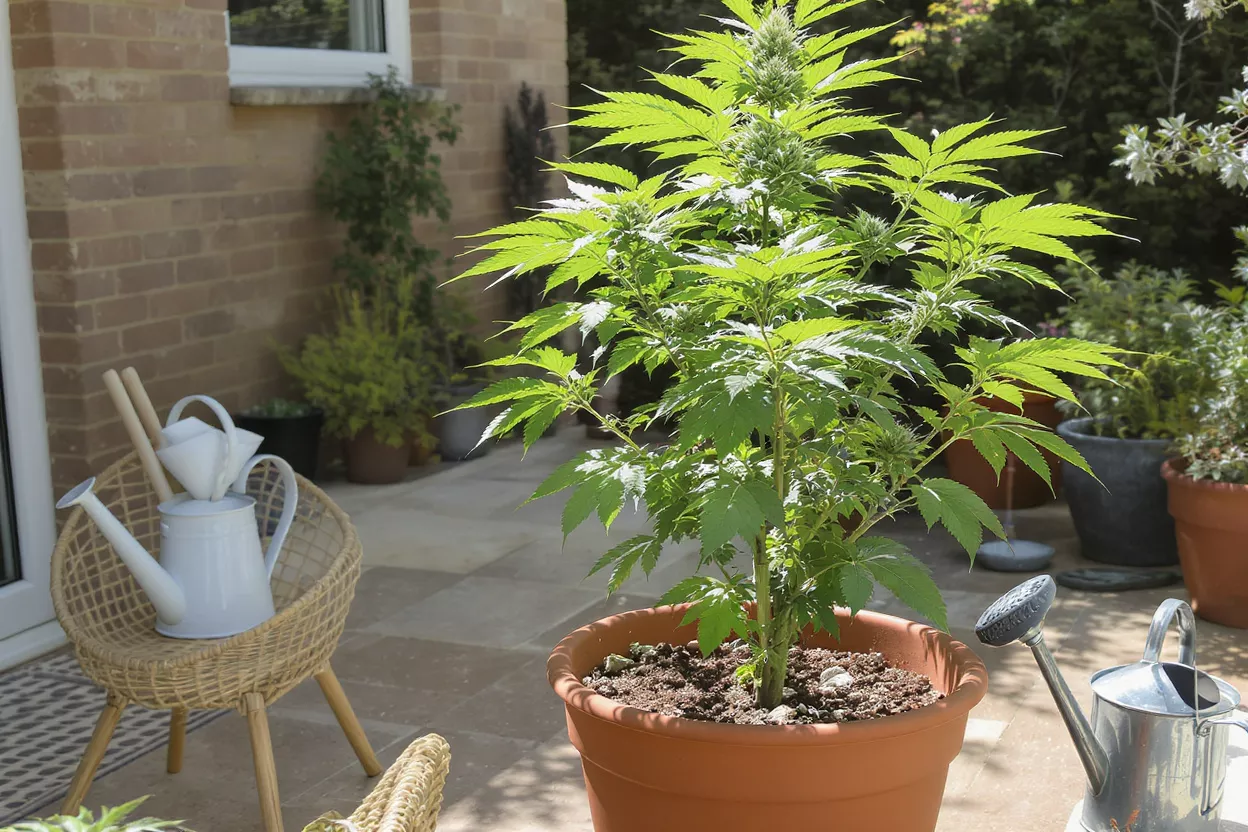
A resilient, grower-friendly strain: One of Durban Poison's most appealing traits for cultivators is its hardiness, a direct inheritance from its wild landrace origins. It tends to resist common molds and pests better than more delicate hybrids, making it a forgiving choice for growers still developing their skills. Its sturdy genetics translate to consistent, dependable plants.
Flowering time and yield: Durban Poison generally flowers in around 8 to 9 weeks and produces a generous yield of resin-coated buds. The plants can grow tall, in keeping with their sativa lineage, so indoor growers should plan for adequate vertical space or employ training techniques to manage height.
- 🌱 Climate preference: Thrives in warm, sunny conditions reminiscent of its South African homeland but adapts well to varied environments.
- ⏱️ Flowering window: Roughly 8 to 9 weeks, relatively quick for a pure sativa.
- 📏 Plant structure: Tall, vigorous growth that benefits from training indoors.
- 🛡️ Resilience: Strong natural resistance to mold, mildew, and pests.
- ✨ Resin production: Abundant trichome coverage prized for concentrates and extracts.
Whether grown indoors or outdoors, Durban Poison's combination of resilience, reasonable flowering time, and heavy resin output makes it a satisfying project for hobbyists and commercial growers alike. Its landrace stability means the seeds reliably express the traits that made the strain famous.
Durban Poison Medical and Wellness Uses
Daytime relief without sedation: Many medical cannabis users gravitate toward Durban Poison precisely because it delivers therapeutic potential without the drowsiness that can make daytime use impractical. Its energizing, mood-lifting character has made it a frequent choice for those managing fatigue, low mood, and stress while remaining functional throughout the day.
Focus and creativity support: The clear-headed nature of the high leads some users to reach for Durban Poison when they need sustained mental engagement, whether for creative work, problem-solving, or simply staying present and motivated. The sharpened focus reported by many enthusiasts is one of the strain's signature wellness draws.
As always, cannabis is not a substitute for professional medical care, and individual responses vary widely. Anyone considering cannabis for a specific health concern should consult a qualified healthcare provider, particularly when other medications or conditions are involved. Durban Poison's stimulating profile may not suit those prone to anxiety, so personal experimentation with modest doses is the wisest path.
Best Time to Use Durban Poison
A morning and afternoon strain: Given its energizing, alert-producing effects, Durban Poison is best enjoyed during daylight hours. Many users treat it as a wake-and-bake favorite or an afternoon pick-me-up, comparing its effect to a strong cup of coffee that fuels productivity rather than relaxation.
When to avoid it: The flip side of that stimulation is that Durban Poison is rarely a good nightcap. Consuming it too close to bedtime can leave you wired and restless, working against sleep rather than supporting it. Those seeking a wind-down strain should look toward indica-dominant options instead.
- ☕ Wake-and-bake: Pairs naturally with a productive morning routine.
- 🎨 Creative sessions: Supports focus and flow for artistic or detailed work.
- 🏃 Active days: Complements hikes, errands, and social outings.
- 🌙 Not for nighttime: Best avoided in the hours before sleep.
Matching the strain to the right moment is the key to enjoying everything Durban Poison has to offer. Used thoughtfully during active hours, it shines; used as a nightcap, it tends to disappoint.

Durban Poison vs Other Sativas
How it stacks up against popular sativas: Compared with widely available sativas like Sour Diesel, Green Crack, or Jack Herer, Durban Poison stands out for its landrace purity and its terpinolene-driven character. Where many modern sativas are hybrids carrying some indica genetics, Durban Poison offers a near-uncut sativa experience that feels notably clean and clear.
The landrace advantage: That purity translates to a more predictable, consistent high than you might get from a heavily crossed hybrid. Enthusiasts who want to understand what a "true" sativa feels like often use Durban Poison as their reference point, since it expresses sativa traits without the muddying influence of indica lineage.
None of this makes Durban Poison objectively superior to every alternative, of course. Strain preference is deeply personal, and some users may favor the slightly different energy of other daytime varieties. What Durban Poison reliably provides is an authentic, heritage-grade sativa experience that has stood the test of decades.
Is Durban Poison Right for You?
The ideal Durban Poison user: This strain suits anyone seeking an energetic, uplifting, focus-friendly experience for daytime use. Creatives, busy professionals, and social butterflies tend to appreciate its clear-headed buzz, as do those who find heavy indicas leave them feeling sluggish. If you want cannabis that keeps you moving rather than melting into the couch, Durban Poison deserves a spot on your shortlist.
Who might want to look elsewhere: Those who are highly sensitive to THC, prone to anxiety, or specifically seeking sedation and pain-focused body relief may find Durban Poison's stimulating profile less ideal. As with any potent sativa, starting with a small amount lets you gauge how the strain's swift, energetic onset suits your individual chemistry.
In the end, Durban Poison endures as a landmark strain for good reason. Its pure South African heritage, distinctive sweet-and-spicy terpene profile, and reliably energizing effects make it a benchmark sativa and a genuine piece of cannabis history. Whether you are a curious newcomer, a creative seeking inspiration, or a grower drawn to its hardy genetics, this landrace classic offers a clean, invigorating experience that has more than earned its enduring reputation.