

Candyland
Discover the Candyland strain — its sweet flavour, uplifting effects, and award-winning genetics.
Few strains carry a name as evocative as Candyland, and fewer still live up to the sweet promise that name makes. This sativa-dominant hybrid has earned a loyal following among cultivators and consumers alike, thanks to a bright, sugary flavor profile and an uplifting energy that suits daytime use without overwhelming the senses. Whether you are a curious newcomer exploring craft cannabis or a seasoned enthusiast hunting your next favorite cultivar, the Candyland strain offers a balanced, approachable experience worth understanding in detail.
In this guide we will trace Candyland from its award-winning roots through its aroma, effects, cannabinoid content, and cultivation quirks. The goal is not hype but clarity: real information you can use to decide whether this cultivar belongs in your rotation, and how to get the most from it once it does.
What Is the Candyland Strain?
A sativa-leaning hybrid with a famous pedigree: Candyland is a sativa-dominant cannabis strain, typically cited at roughly 75% sativa and 25% indica. It was bred by the well-known cultivator Ken Estes and rose to prominence when it took home a gold medal at the 2012 KO Kush Cup in California. That recognition cemented its reputation as a strain that delivers both flavor and balanced effects, qualities that keep it relevant more than a decade later.
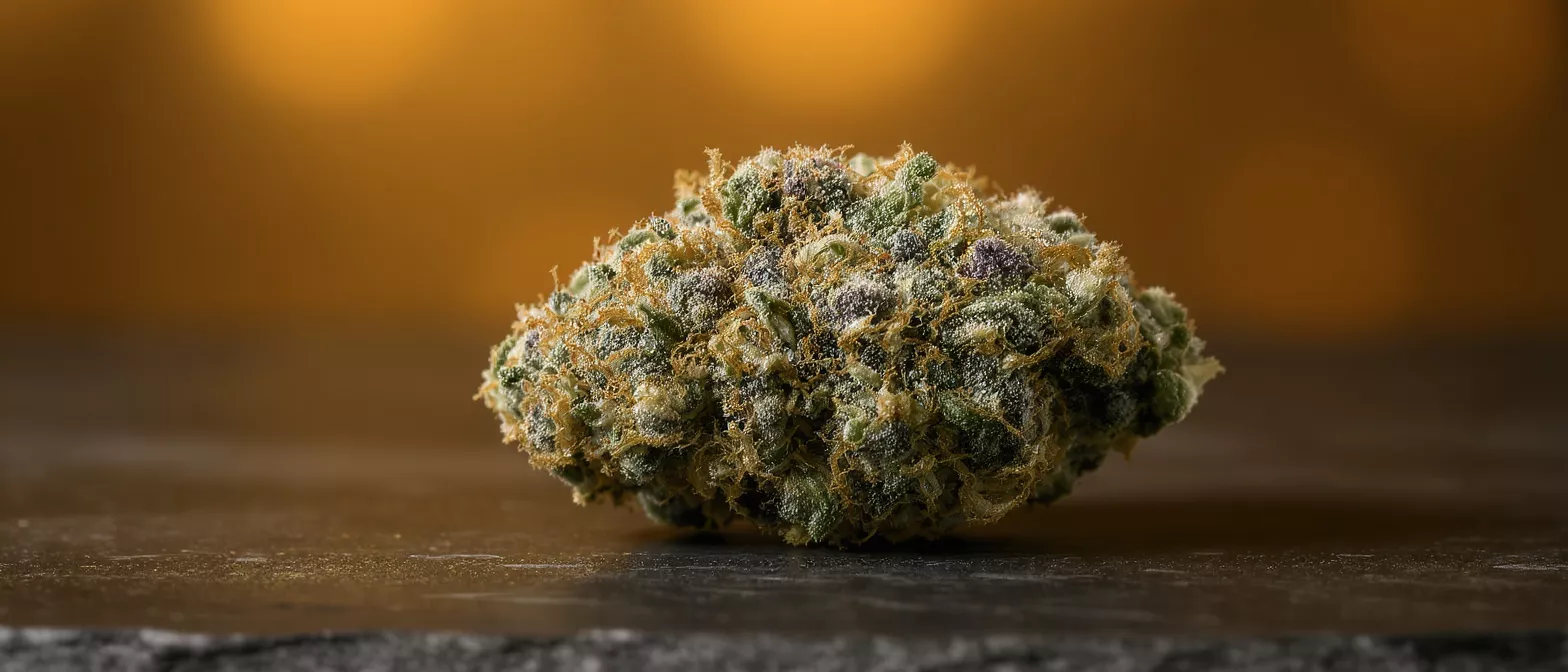
The cultivar is prized for producing dense, spade-shaped buds dressed in deep green hues, occasional purple accents, and a generous coat of amber-tinted trichomes. Those crystalline glands hint at the strain's respectable potency, while the orange pistils threading through the flower add to its visual appeal. It is the kind of bud that photographs well and performs even better.
What sets Candyland apart from the sea of modern hybrids is its lineage, which connects it to some of the most influential genetics in cannabis history. That heritage shapes everything from its candy-sweet terpene profile to the clear-headed, sociable high that has become its signature.
Candyland Strain Genetics and Lineage
The parent strains behind the sweetness: Candyland is the product of crossing Granddaddy Purple with Bay Platinum Cookies, a pairing that blends two distinct legacies. Granddaddy Purple contributes its iconic grape and berry notes along with a relaxing indica backbone, while Bay Platinum Cookies—itself related to the celebrated Girl Scout Cookies family—lends dessert-like sweetness and a stimulating lift.
This genetic marriage explains why Candyland reads as energetic rather than sedating despite the heavy indica influence on one side of its family tree. The Cookies lineage tends to dominate the experience, pushing the cultivar toward a clear, cerebral high while the Granddaddy Purple heritage rounds out the body sensation and deepens the flavor.
Understanding a strain's parentage is more than trivia. Lineage offers a reliable preview of what to expect, because the dominant traits of parent plants often carry forward. As research on the cannabis plant continues to mature, resources like Harvard Health have noted how variable cannabis chemistry can be from plant to plant, which is exactly why knowing the genetic foundation gives consumers a meaningful starting point.
What Does Candyland Smell and Taste Like?
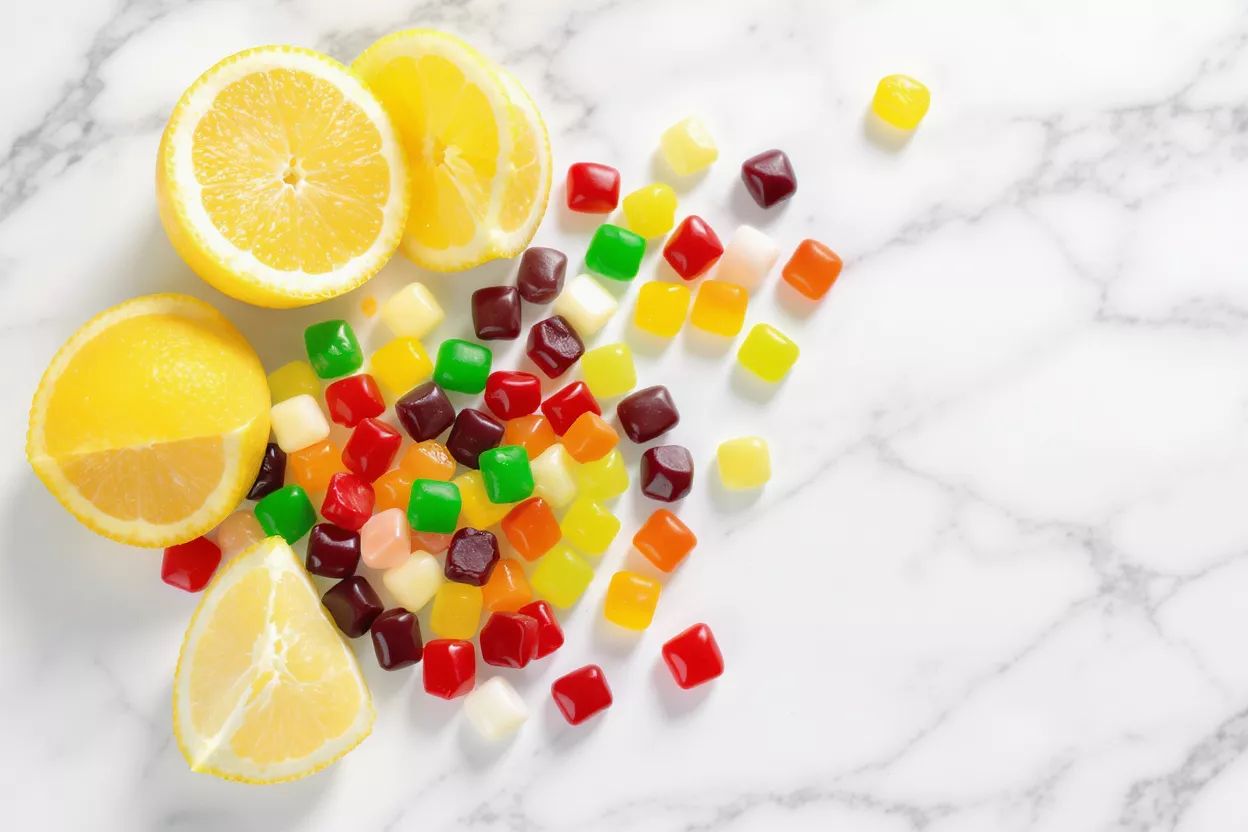
The name is not marketing fluff—Candyland genuinely smells and tastes like its namesake. Crack open a jar and you are greeted with a wave of sugary sweetness layered over earthy, spicy undertones. There is a distinct candy-shop quality to the nose, reminiscent of confectionery treats, balanced by subtle hints of pepper and pine that keep it from becoming cloying.
Flavor on the inhale and exhale: When consumed, Candyland carries forward that sweet, dessert-like character with a smooth smoke that finishes with a mildly spicy, earthy aftertaste. Many describe a berry or grape note tucked beneath the sweetness, a clear nod to its Granddaddy Purple ancestry. The interplay between sugary top notes and a grounded, earthy base is what makes the flavor feel complete rather than one-dimensional.
For those who appreciate sensory nuance, here is a quick breakdown of the aroma and flavor highlights:
- 🍬 Sweet candy: The dominant note, evoking sugary confections and dessert.
- 🌿 Earthy depth: A grounding base that balances the sweetness.
- 🌶️ Peppery spice: A subtle warmth that adds complexity on the exhale.
- 🍇 Berry and grape: Fruity undertones inherited from Granddaddy Purple.
Candyland Strain Effects and Experience
An uplifting, sociable high: Candyland is celebrated for an energizing, mood-boosting effect that arrives quickly and settles into a comfortable, focused headspace. Because of its sativa dominance, the experience leans cerebral, often described as creative, talkative, and well-suited to social gatherings or daytime activities that benefit from a little extra motivation.
The high tends to begin with a wave of euphoria and mental clarity, gently lifting mood without the racing anxiety that some potent sativas can trigger. As the experience develops, a mild physical relaxation rounds out the edges, courtesy of the indica genetics, leaving most users feeling balanced rather than overstimulated. This makes Candyland a versatile choice for both productivity and unwinding.
Many consumers reach for Candyland when they want to stay functional. It is a popular pick for creative projects, light chores, conversation, or simply enjoying a sunny afternoon. The effect profile rewards moderate dosing—a little goes a long way, and overconsumption can tip the experience from pleasantly energetic into restless territory.
Candyland THC and Cannabinoid Profile
A potency that commands respect: Candyland typically tests between 18% and 24% THC, placing it firmly in the moderately strong to potent range. Some phenotypes and well-grown batches push toward the upper end of that scale, so newcomers should approach with measured doses until they understand how their body responds.
Beyond THC, Candyland generally carries only trace amounts of CBD, usually well below 1%. This means the strain offers little of the CBD-driven counterbalance found in more therapeutic, high-CBD cultivars, and its character is shaped overwhelmingly by THC working in concert with the strain's terpenes.
That cannabinoid balance matters for setting expectations. With minimal CBD to temper the psychoactivity, the THC takes center stage, which is part of why Candyland delivers such a clear, pronounced cerebral effect. Consumers seeking a more subdued, less intoxicating experience may want a higher-CBD option, while those chasing a bright, energetic sativa high will find Candyland delivers reliably.

Candyland Terpene Breakdown
The personality of any strain lives largely in its terpenes, the aromatic compounds responsible for flavor, scent, and a meaningful share of the experience. Candyland's signature sweetness and balanced effects trace directly to its dominant terpene lineup.
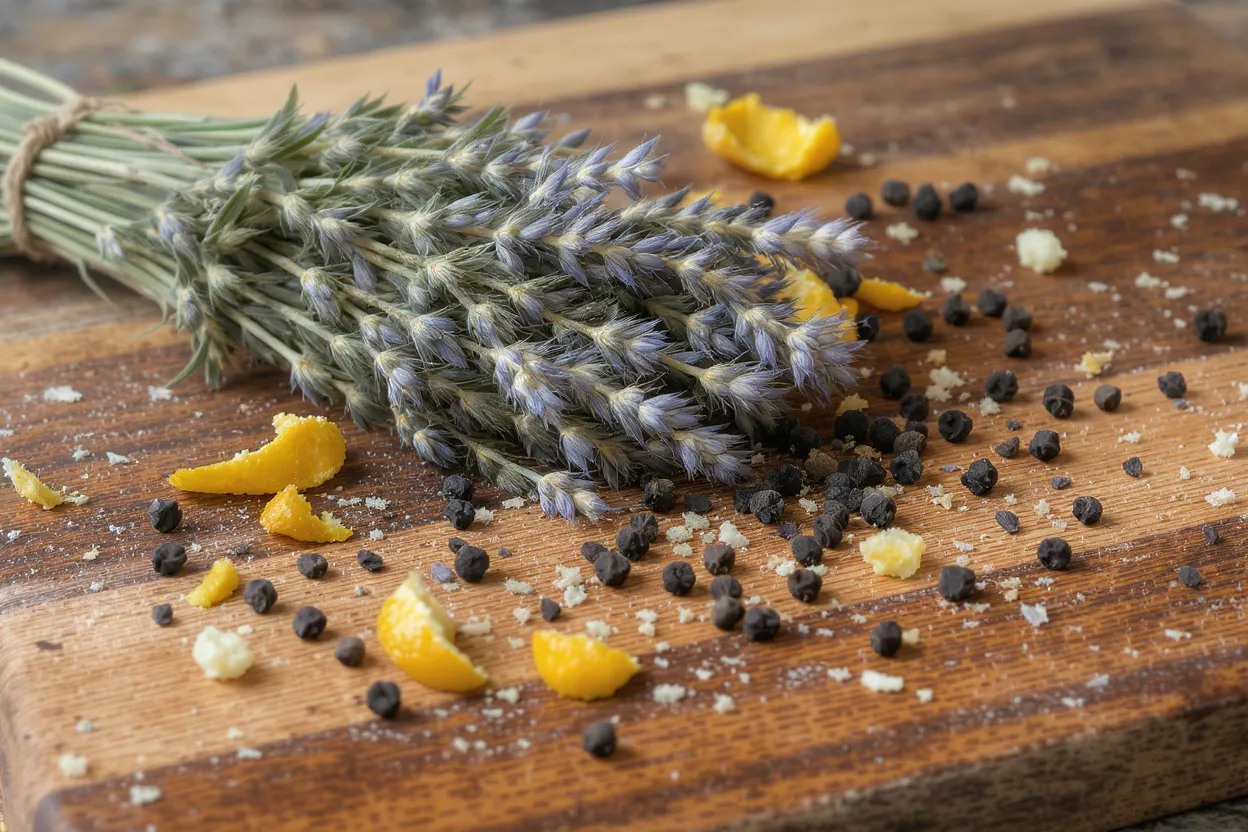
The key aromatic players: Caryophyllene often leads in Candyland, bringing the peppery, spicy edge that grounds the strain's sweetness. Limonene contributes bright citrus tones and is widely associated with mood elevation, while myrcene adds an earthy, slightly fruity softness that supports the body relaxation.
Here is how Candyland's primary terpenes typically break down by character:
- 🌶️ Caryophyllene: Peppery and spicy, the dominant terpene shaping its grounded edge.
- 🍋 Limonene: Citrus-forward and uplifting, reinforcing the energetic mood lift.
- 🌍 Myrcene: Earthy and herbal, contributing subtle relaxation and depth.
- 🌲 Pinene: A piney accent that adds clarity and freshness to the profile.
Together these terpenes create what enthusiasts call the entourage effect, where the combined action of cannabinoids and aromatic compounds produces an experience richer than THC alone could deliver.
How to Grow Candyland at Home
A grower-friendly cultivar with moderate demands: Candyland is generally considered a manageable strain for those with some cultivation experience, though attentive beginners can succeed with it too. It thrives both indoors and outdoors, rewarding growers with dense, resinous buds when given proper care and a stable environment.
Outdoors, Candyland prefers a warm, sunny, Mediterranean-style climate and is typically ready for harvest in early to mid October. Indoors, the plant tends to flower within roughly 8 to 9 weeks and responds well to techniques like topping and low-stress training, which help manage its height and encourage even canopy development for bigger yields.
Cultivators should keep the following essentials in mind for a healthy Candyland crop:
- ☀️ Light and warmth: Provide ample, consistent light and a warm climate to maximize resin and bud density.
- 💨 Airflow and humidity: Maintain good ventilation and moderate humidity to protect dense buds from mold.
- ✂️ Training techniques: Use topping and low-stress training to control height and improve yields.
- 🌡️ Nutrient balance: Feed steadily without overfeeding, watching for nutrient burn during flowering.
Best Uses for the Candyland Strain
Daytime energy and creative focus: Because Candyland leans uplifting and clear-headed, it shines as a daytime companion. Many reach for it before creative work, social outings, or active pursuits where a gentle energy boost and elevated mood are welcome. Its balanced nature means the high rarely tips into the foggy, couch-locked territory associated with heavy indicas.
Some consumers also turn to Candyland in a wellness context, citing its mood-lifting qualities as a welcome respite during stressful stretches or low-energy afternoons. While cannabis affects everyone differently and individual results vary widely, the strain's energetic profile makes it a logical candidate for those seeking motivation rather than sedation.
Candyland adapts well across consumption methods, too. Whether enjoyed in flower form, as a concentrate, or infused into other products, its terpene-rich character tends to translate nicely. Those new to the strain should start low and slow, sampling a modest amount before settling into a comfortable routine.

Candyland Strain Potential Side Effects
Common, manageable reactions: Like virtually all THC-rich cannabis, Candyland can produce dry mouth and dry, irritated eyes—two of the most frequently reported effects. Staying hydrated and keeping eye drops on hand goes a long way toward keeping these minor annoyances in check.
Overindulgence is the more relevant concern with a potent sativa like this one. Because Candyland's energetic effects can intensify with higher doses, consuming too much may lead to anxiety, paranoia, or a racing mind, particularly among those sensitive to THC or new to cannabis. The remedy is almost always restraint: moderate dosing keeps the experience pleasant and avoids tipping into discomfort.
A small number of users may also experience mild dizziness or a brief headache, typically when consuming on an empty stomach or beyond their tolerance. As with any cannabis product, anyone with underlying health conditions or who is taking medication should consult a healthcare professional before use, since individual responses can vary considerably.
Is Candyland Right for You?
Matching the strain to your goals: Candyland makes the most sense for consumers who want an uplifting, flavorful, daytime-friendly experience without heavy sedation. If you value mental clarity, creative energy, and a genuinely delicious candy-sweet profile, this cultivar checks those boxes with ease. Its balanced effects also make it forgiving enough for thoughtful intermediate users.
On the other hand, those seeking deep relaxation, strong sedation, or relief that leans on CBD may find Candyland's energetic, THC-forward character less than ideal. Newcomers and the THC-sensitive should be especially mindful of dosing, since the strain's potency can surprise those who underestimate it. As always, knowing your own tolerance is the single best guide.
Ultimately, the Candyland strain endures because it does something simple exceptionally well: it pairs a memorable, dessert-like flavor with a bright, balanced high that fits seamlessly into an active day. From its award-winning pedigree to its terpene-rich profile and grower-friendly nature, Candyland remains a standout choice for anyone craving sweetness with a clear-headed lift. Approach it with reasonable expectations and modest doses, and it rewards you with one of the more enjoyable sativa-leaning experiences in the modern cannabis catalog.