


Afghan Sour Kush
Discover Afghan Sour Kush: a balanced hybrid with earthy indica roots and tangy citrus notes.
What Is Afghan Sour Kush?
Afghan Sour Kush is a hybrid cannabis strain that bridges two very different worlds: the heavy, resinous heritage of ancient Afghan landrace plants and the bright, tangy character of sour-forward modern genetics. The result is a cultivar that delivers the grounding body sensation classic indicas are known for, layered with a lively citrus-fuel aroma that keeps the experience from feeling one-dimensional. For anyone exploring the deep end of the strain catalog, this is one of those names that rewards a closer look.
What makes this strain worth understanding is its balance. Many heritage-leaning hybrids lean so hard into sedation that they become difficult to use outside the evening. Afghan Sour Kush, by contrast, tempers its mountainous indica foundation with a sour edge that adds a touch of mental clarity early in the experience before the relaxation settles in. That arc—uplift first, calm later—is a big part of its appeal.
Where the name comes from: The "Afghan" half points to the Hindu Kush mountain region, the cradle of indica genetics and the source of the thick, hash-friendly resin profile this strain inherits. "Sour" signals the citrus and diesel notes contributed by its sour-side parentage, while "Kush" reaffirms its grounding in classic landrace stock. Each word in the name is doing real descriptive work rather than serving as marketing decoration.
Afghan Sour Kush Genetics and Lineage
The genetic story of Afghan Sour Kush is a conversation between two lineages that sit at opposite ends of the cannabis spectrum. On one side is the Afghani landrace, an indica population shaped over centuries by the harsh, high-altitude climate of Central Asia. These plants evolved to be short, sturdy, and absolutely caked in trichomes—traits that made them the historical backbone of hashish production.
The sour contribution: The other half of the equation comes from sour-diesel-style genetics, a family prized for its pungent, fuel-forward aroma and its more cerebral, energizing tilt. When breeders cross a mellow Afghani base with a sharp sour parent, the goal is to keep the dense bud structure and resin output while injecting brightness and complexity into the smell and the high. Afghan Sour Kush is a textbook example of that breeding philosophy paying off.
Understanding lineage matters because it predicts so much about how a plant behaves—both in the garden and in the body. The indica side explains the compact growth habit and the relaxing physical effects, while the sour side accounts for the longer flowering complexity and the more layered aroma. Reading a strain's parentage is the single most reliable shortcut to knowing what to expect before you ever open the jar.
Afghan Sour Kush Aroma and Flavor Profile
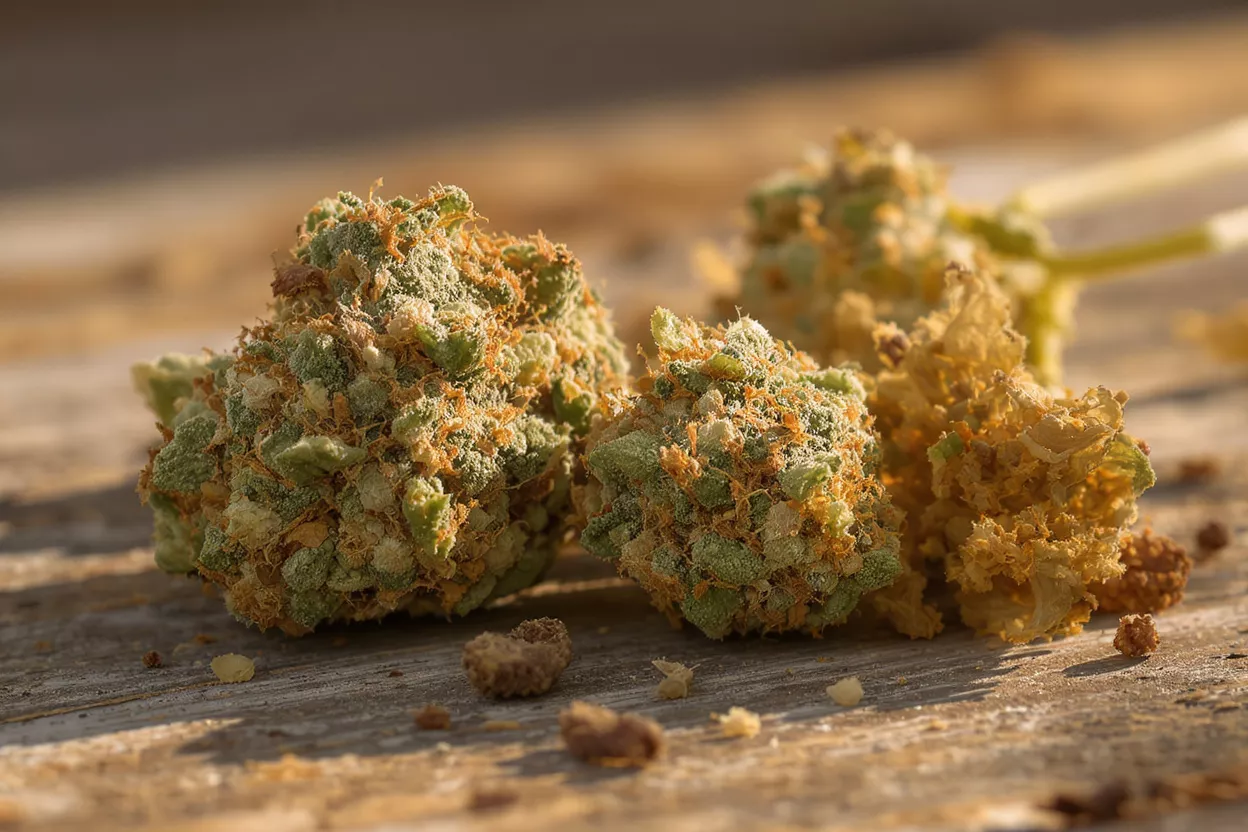
Crack open a jar of Afghan Sour Kush and the first thing that hits is contrast. There's an immediate sour-citrus snap—think lemon zest and grapefruit pith—riding on top of a deeper, earthier base of pine, sandalwood, and the faint sweetness of hash. As the aroma settles, a diesel undertone emerges, the unmistakable fuel note that sour-lineage strains are famous for. It's a complex bouquet that shifts as the flower warms in your hand.
How the flavor differs from the smell: Aroma and taste are related but rarely identical, and that holds true here. On the inhale, the citrus brightness leads, sharp and almost tart. The exhale, however, rounds out into the earthy, slightly spicy Kush character—woody and smooth with a lingering hash-like sweetness. This two-stage flavor experience is one reason enthusiasts find the strain so memorable; it doesn't taste the same from start to finish.
Aroma is more than a pleasant bonus—it's a window into chemistry. The compounds responsible for these smells, called terpenes, also shape the way a strain feels. The citrus notes hint at limonene, the pine at pinene, and the earthy depth at myrcene and caryophyllene. Learning to read aroma as a preview of effect is a skill that makes every session more intentional.
Afghan Sour Kush Effects and Experience
The Afghan Sour Kush experience tends to unfold in stages, which is part of what makes it interesting. The opening minutes often bring a gentle mental lift—a clearing of mental fog and a mild sense of upliftment courtesy of the sour genetics. This isn't a racy, anxious head high; it's more of a soft brightening that lets you stay engaged before the body effects arrive.
The transition into relaxation: As the initial cerebral phase eases, the indica heritage takes the wheel. A warm, heavy relaxation spreads through the body, loosening tension in the shoulders, back, and limbs. Many users describe a sinking-into-the-couch sensation that builds gradually rather than crashing down all at once. This makes the strain a popular choice for unwinding at the end of a long day.
Set and setting still matter enormously. Because the back half of this strain leans sedative, it pairs best with low-key environments—a quiet evening, a good movie, or a relaxed meal rather than a demanding social event. Effects also depend heavily on dose and individual tolerance. According to the Cleveland Clinic, cannabis affects everyone differently based on factors like body chemistry, frequency of use, and the specific cannabinoid profile of the product. Starting low and going slow remains the smartest approach.

Afghan Sour Kush THC and Cannabinoid Content
Afghan Sour Kush typically lands in the moderate-to-high range for THC, with most reported phenotypes falling somewhere between the high teens and mid-twenties by percentage. That range is potent enough to satisfy seasoned consumers while remaining manageable for those who dose carefully. As always, lab numbers vary from batch to batch and grower to grower, so the figure printed on the label is your most reliable guide.
Beyond THC—the supporting cast: THC is only one player in the cannabinoid lineup. Many Afghan-heritage strains carry small but meaningful amounts of CBD and trace cannabinoids like CBN, which tends to accumulate as flower ages and is often associated with the deeply sedating quality of older indica genetics. These minor compounds work alongside THC to round out and soften the overall experience.
The interplay between cannabinoids and terpenes is frequently described as the entourage effect—the theory that the whole plant produces effects greater than any single compound in isolation. While research is still maturing, this concept helps explain why two strains with identical THC percentages can feel completely different. The takeaway is to look past the THC number alone and consider the full chemical picture.
How to Grow Afghan Sour Kush
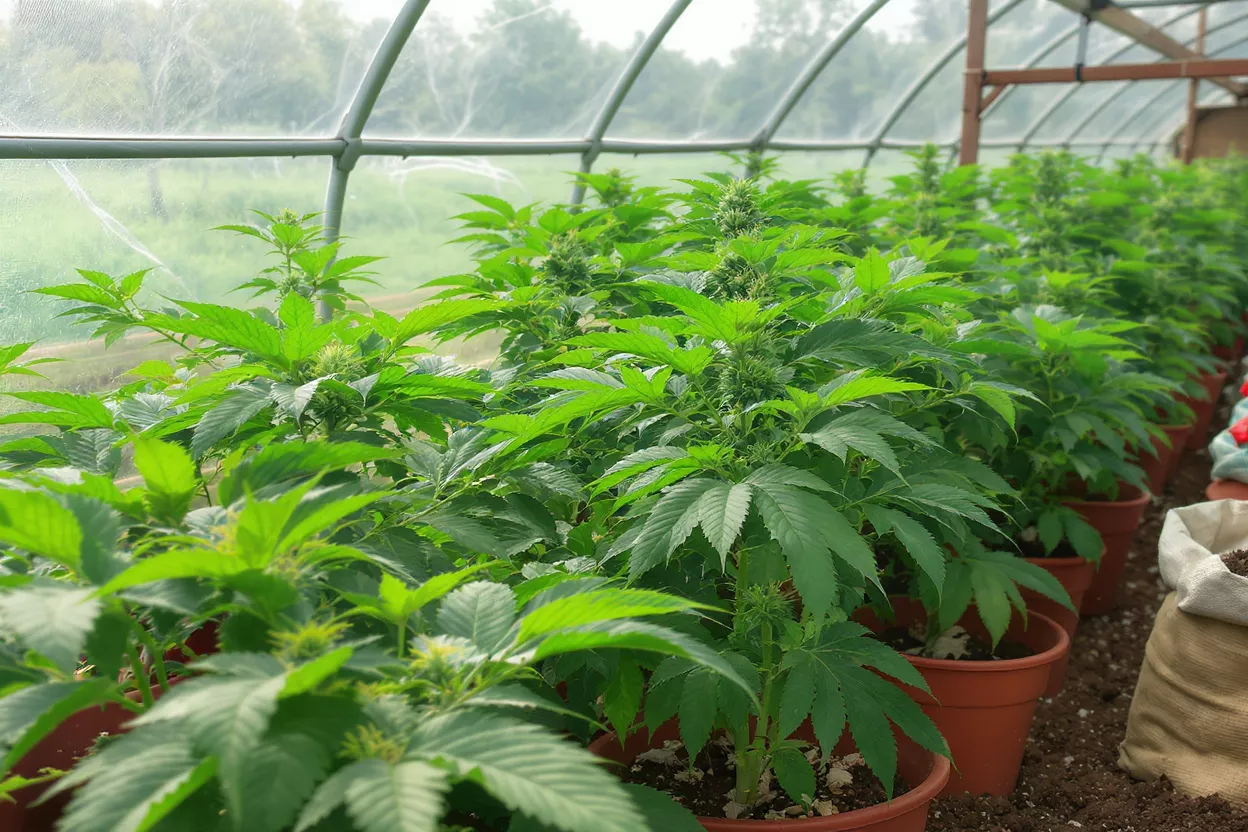
For cultivators, Afghan Sour Kush is a relatively forgiving plant thanks to its sturdy Afghani backbone. It tends to grow short and bushy with thick stems and dense internodal spacing—a structure inherited from landrace ancestors that evolved to withstand mountain winds. This compact stature makes it a strong candidate for indoor grows and discreet outdoor setups alike.
Flowering time and yield expectations: The indica dominance generally translates to a reasonably quick flowering window, often in the range of eight to nine weeks indoors. The sour genetics can add a little complexity and occasionally a slightly longer finish, so patience pays off when the plant asks for it. Yields are typically solid, with dense, resin-coated buds that reward proper trichome-timing at harvest.
Resin production is where this strain truly shines. The heavy trichome coverage that makes Afghan genetics ideal for hash also makes Afghan Sour Kush appealing for concentrate makers and flower connoisseurs alike. A few practical points worth keeping in mind:
- 🌱 Climate preference: Thrives in warm, dry conditions that mirror its mountainous heritage; watch humidity to protect the dense buds from mold.
- ✂️ Training response: Responds well to low-stress training and topping to open up the bushy canopy and boost light penetration.
- 🔬 Harvest timing: Watch trichomes closely—cloudy heads signal peak THC, while amber heads lean toward heavier, more sedative effects.
- 💧 Feeding: Tolerant of moderate nutrient loads but prone to nutrient burn if overfed; restraint produces cleaner flavor.
Afghan Sour Kush Terpene Breakdown
Terpenes are the aromatic engine behind Afghan Sour Kush's distinctive character, and its profile reads like a map of its dual heritage. The dominant players typically include myrcene, limonene, caryophyllene, and pinene—a combination that produces the strain's signature blend of earthy depth and citrus brightness. Each contributes both to the smell and, potentially, to the way the strain feels.
The key terpenes and what they bring: Understanding the major terpenes helps decode why this strain behaves the way it does. Here's a quick breakdown of the usual suspects:
- 🍋 Limonene: The source of the bright citrus-sour aroma; often associated with mood elevation and the uplifting front end of the experience.
- 🌿 Myrcene: Earthy and herbal, this is the workhorse terpene behind the relaxing, couch-leaning body effects common to indica genetics.
- 🌲 Pinene: Sharp and fresh like a pine forest; thought to contribute clarity and counterbalance some of the heavier sedation.
- 🌶️ Caryophyllene: Peppery and spicy, the only terpene known to interact with the body's cannabinoid receptors directly.
The way these terpenes combine is what gives Afghan Sour Kush its layered, two-stage personality. Limonene and pinene drive the bright opening, while myrcene and caryophyllene anchor the relaxing finish. This interplay is a real-world illustration of how aroma chemistry shapes the lived experience of a strain far beyond simple THC content.
Potential Benefits of Afghan Sour Kush
Many people who reach for Afghan Sour Kush do so for its potential to ease the body into a state of calm. The strong indica foundation makes it a frequent choice among those seeking relief from everyday physical tension and the kind of restless evenings that make winding down difficult. Its gradual onset is part of the appeal—it eases you in rather than overwhelming.
Why the balanced profile matters: The sour-genetics lift on the front end means the strain doesn't immediately flatten mood the way some heavy indicas can. That brief mental brightening can be welcome for people who want relaxation without feeling instantly foggy. As the experience progresses, the deepening body calm makes it a candidate for evening or nighttime use when the goal is genuine rest.
It's important to frame all of this responsibly. Cannabis is not a substitute for professional medical care, and individual responses vary widely. Anyone considering cannabis for a specific health concern should consult a qualified healthcare provider, especially when other medications are involved. Reported benefits are anecdotal and personal; what works beautifully for one person may not suit another.
Is Afghan Sour Kush Right for You?
Deciding whether Afghan Sour Kush belongs in your rotation comes down to matching the strain's character to your goals. If you gravitate toward evening relaxation, enjoy complex sour-and-earthy aromas, and want a body-forward experience with a touch of early mental lift, this strain checks a lot of boxes. It's particularly well suited to people who appreciate classic Kush effects but want a little more aromatic intrigue.
Who might want to look elsewhere: Because the back half leans sedative, this is probably not the strain to reach for when you need to stay productive or sharp. Daytime users, newcomers with low tolerance, and anyone sensitive to heavier indica effects may prefer something lighter or more balanced. As with any potent cultivar, the moderate-to-high THC range warrants a cautious first approach.
Tips for a great first session: Start with a small dose and wait a full fifteen to twenty minutes before deciding whether to consume more—the staged onset means the full effect takes time to reveal itself. Choose a comfortable, low-pressure setting, keep water nearby, and have a light snack on hand. Treating the first experience as a careful introduction rather than a marathon is the surest way to enjoy what this strain has to offer.
Afghan Sour Kush Final Thoughts
Afghan Sour Kush stands out because it refuses to be just one thing. It honors the ancient, hash-rich legacy of Afghani landrace genetics while folding in the bright, fuel-forward energy of sour lineage, producing a hybrid that feels both familiar and fresh. That duality runs through everything—its two-stage aroma, its uplift-then-relax effect arc, and its layered terpene profile.
For growers, it offers the rewards of sturdy, resin-heavy plants with a manageable flowering window. For consumers, it delivers a thoughtful evening experience that begins with mental clarity and settles into deep physical calm. The strain's balance is its defining trait, and it's the reason it continues to earn a place in so many discerning rotations.
Ultimately, the best way to understand Afghan Sour Kush is to approach it with curiosity and respect. Read its lineage, read its aroma, start low, and let the experience unfold on its own timeline. Do that, and you'll discover exactly why this blend of mountain heritage and sour brightness has carved out such a loyal following among cannabis enthusiasts.