White Widow
Explore the legendary White Widow strain — genetics, effects, terpenes & growing tips.
Few cannabis strains carry the kind of legendary reputation that White Widow has earned over three decades. Born in the Netherlands in the early 1990s, this balanced hybrid became a coffeeshop staple almost overnight and has since spread to gardens and dispensaries across the globe. The name alone evokes the strain's signature feature: a thick coat of white crystal resin that blankets the buds like fresh frost. Whether you are a seasoned connoisseur or simply curious about one of the most influential strains ever bred, this guide breaks down everything that makes White Widow a timeless classic.
White Widow occupies a sweet spot in the cannabis world. It is potent without being overwhelming, energizing without being frantic, and relaxing without locking you to the couch. That careful equilibrium is exactly why so many growers, smokers, and breeders still reach for it today. Below, we explore its genetics, aroma, effects, growing characteristics, and the practical question every reader eventually asks: is it the right strain for you?
What Is the White Widow Strain?
A balanced hybrid icon: White Widow is a roughly 60% indica, 40% sativa hybrid that has become one of the benchmark strains of the modern cannabis era. First bred by Green House Seeds in Amsterdam, it quickly won the 1995 High Times Cannabis Cup and cemented its place in cannabis history. Its enduring popularity comes from a rare combination of accessibility and reliability—it grows well, produces consistently, and delivers an effect that suits a wide range of users.
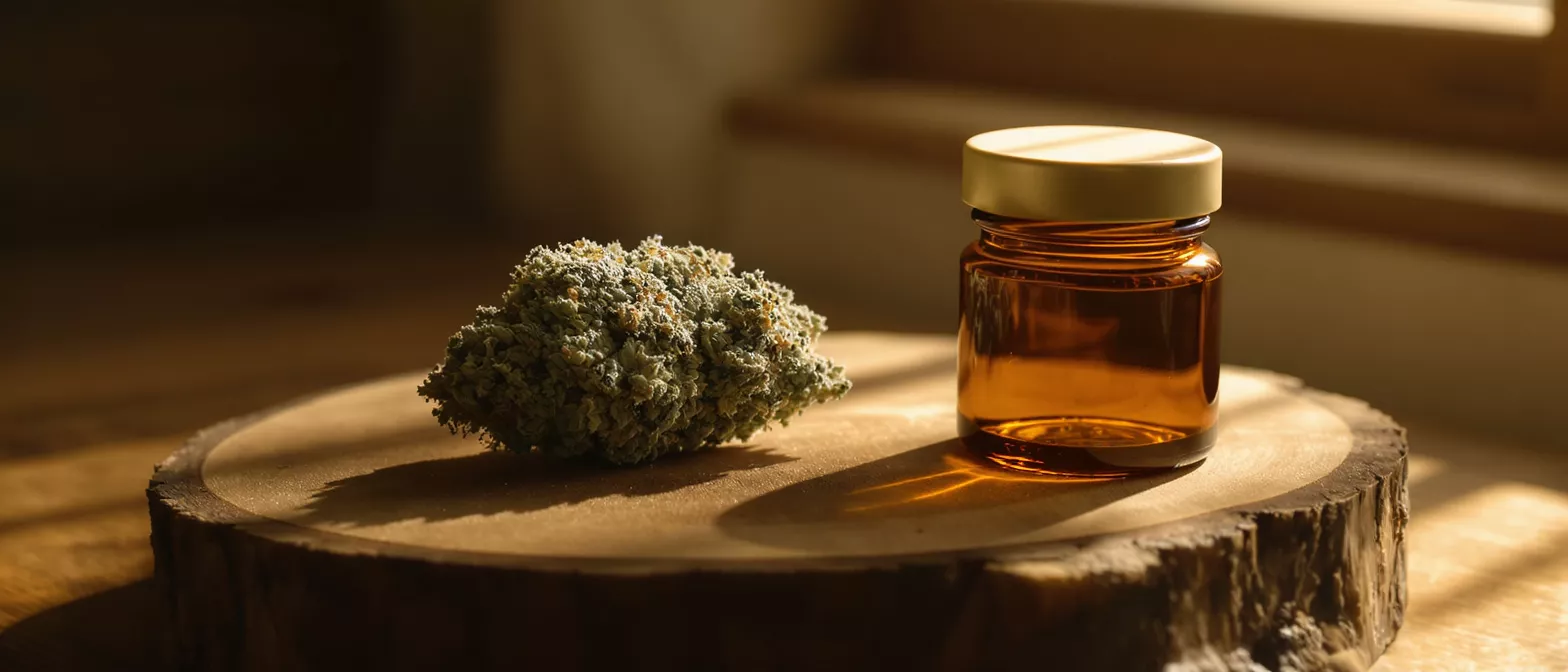
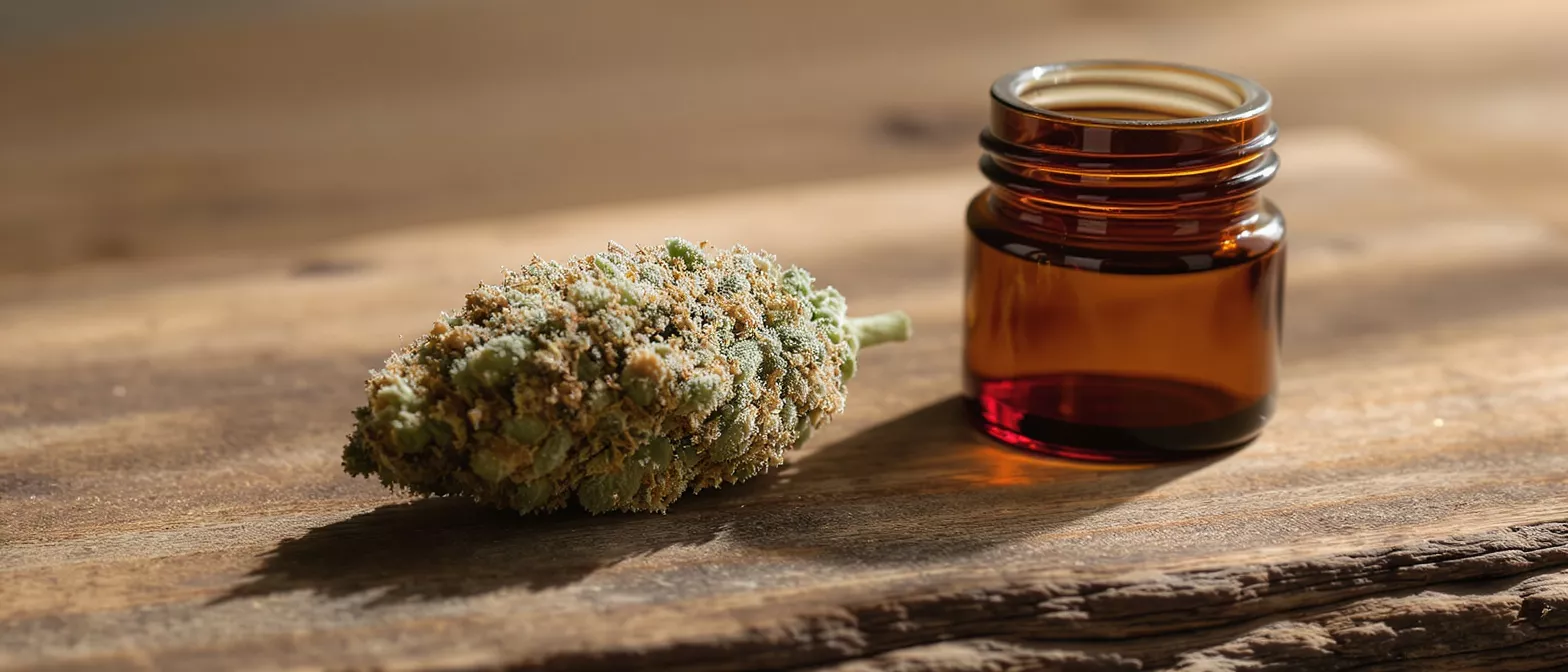
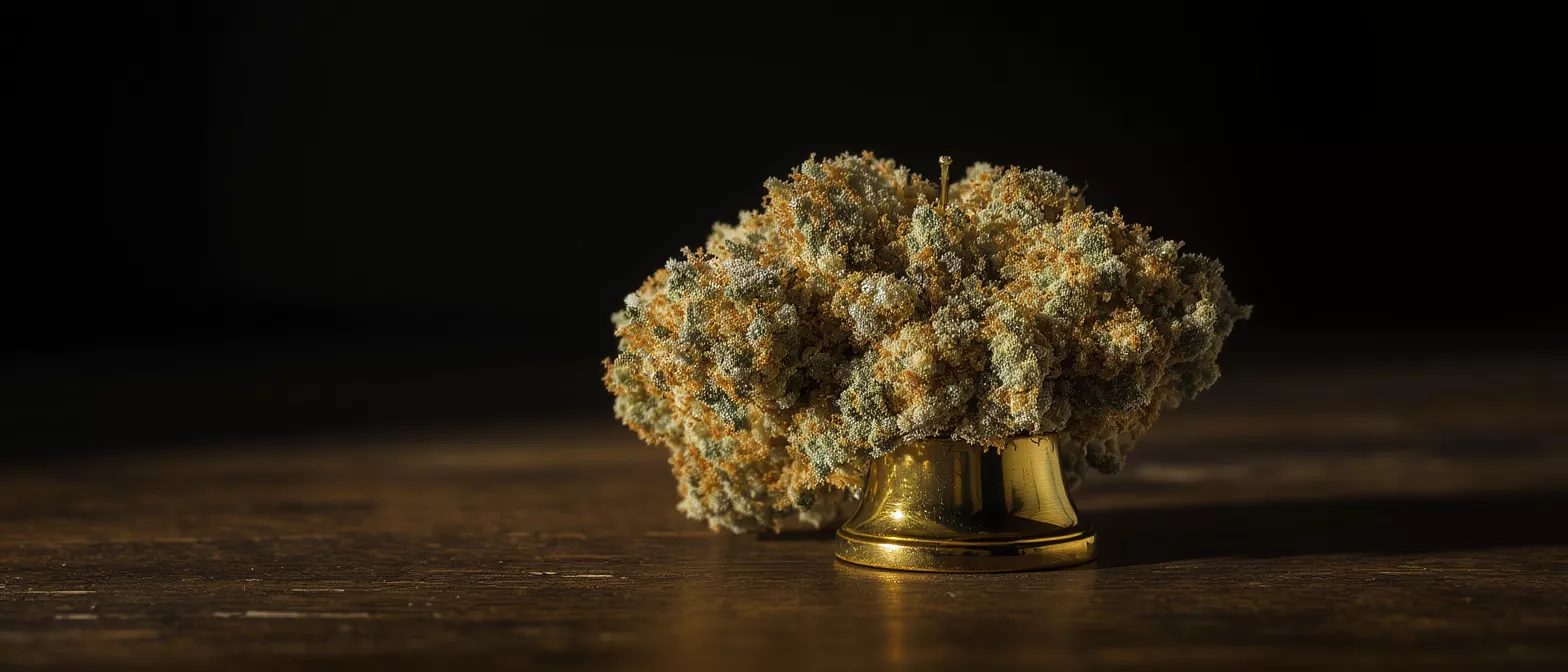
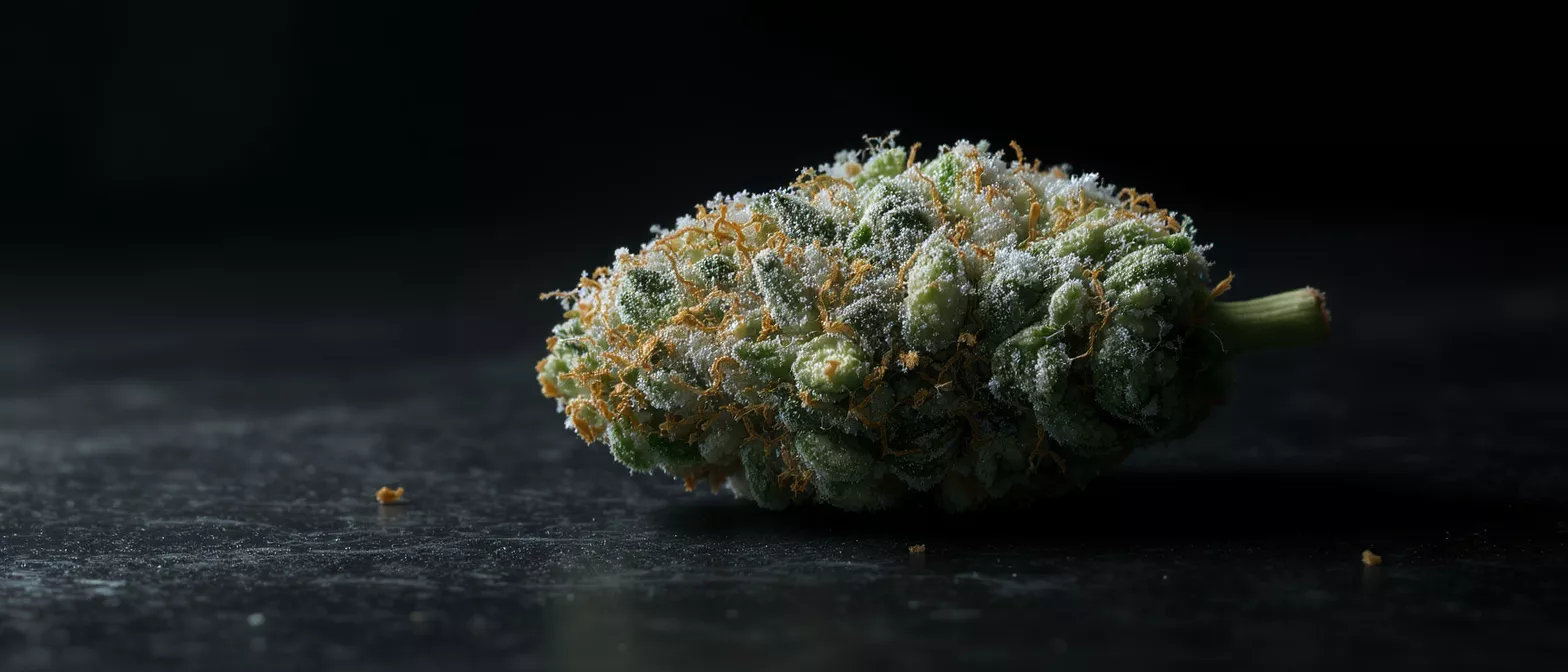
The strain takes its name from the dense layer of trichomes that gives the buds a frosty, silvery-white appearance. These resin glands are where the plant concentrates its cannabinoids and terpenes, so a heavy frosting is often a visual cue for potency and aromatic richness.
What sets White Widow apart from the wave of trendy strains that come and go is its staying power. It has been a parent to countless modern hybrids, including White Russian, Blue Widow, and many others. Understanding White Widow is, in many ways, understanding the foundation of contemporary cannabis breeding.
White Widow Genetics and Lineage
Landrace roots: White Widow's genetics trace back to two landrace parents—a Brazilian sativa and a resin-heavy South Indian indica. This pairing combined the uplifting, cerebral qualities of equatorial sativas with the dense structure and heavy resin production of indica landraces. The result was a hybrid that captured the best of both genetic worlds and proved remarkably stable across generations.
The Brazilian sativa contributed the strain's energetic head buzz and sweet undertones, while the South Indian indica delivered its characteristic trichome blanket and grounding body relaxation. Landrace strains—cannabis varieties that developed naturally in specific regions over centuries—are prized by breeders for their genetic purity and predictable traits, which is part of why White Widow turned out so consistent.
A genetic cornerstone: Because of its balanced profile and easy cultivation, White Widow became a go-to parent strain for breeders. Its DNA lives on in dozens of popular descendants, making it one of the most genetically influential cultivars in cannabis history. When you enjoy a modern frosty hybrid, there is a reasonable chance White Widow appears somewhere in its family tree.
What Does White Widow Look and Smell Like?
Visual signature: The most striking feature of White Widow is its appearance. The buds are typically medium-sized, dense, and tightly packed, with a chunky, compact structure inherited from its indica side. What truly defines them is the heavy coating of white trichomes that gives the flower an almost sugar-dusted look. Underneath the frost, you will find pale to medium green coloring accented by occasional amber pistils.
The aroma is earthy and pungent with a distinctive spicy, peppery edge. Many describe undertones of pine and a faint sweetness that hints at its Brazilian sativa heritage. When the buds are broken apart, the scent intensifies, releasing a fresh, woodsy bouquet that fills a room quickly.
The flavor follows the nose closely. On the inhale, White Widow tends to be earthy and slightly floral, while the exhale carries a peppery spice with subtle sweet notes. It is not an overpowering flavor profile, which makes it approachable for newcomers who can find some modern strains harsh or chemically intense.
White Widow Effects and Experience
The balanced high: White Widow delivers a fast-acting, cerebral rush that gradually settles into a comfortable body relaxation. The onset is energizing and mood-lifting, often sparking conversation, creativity, and a general sense of euphoria. This makes it a favorite for social settings and creative work where you want stimulation without anxiety.
As the experience develops, the indica genetics introduce a warm, soothing body sensation that relaxes muscles without producing heavy sedation. This balance is the strain's defining trait. You feel clear-headed and functional while also pleasantly relaxed, which is why so many users consider it an ideal all-purpose strain. According to Harvard Health, cannabis affects each person differently based on individual physiology, so start low and gauge your own response.
Some users report a slight increase in focus and sociability, making White Widow a popular choice for daytime or early evening use. The effects are generally described as uplifting and manageable, though as with any potent strain, overconsumption can lead to dry mouth, dry eyes, or mild dizziness.

White Widow THC and Cannabinoid Profile
Potency range: White Widow typically tests between 18% and 25% THC, placing it firmly in the moderately-to-highly potent category. Older phenotypes sat closer to the 18% mark, while modern selections and careful cultivation can push it toward the upper end. This makes it strong enough to satisfy experienced users while remaining manageable for those with some tolerance.
Beyond THC, White Widow contains modest amounts of CBD—generally well under 1%. While this is not a high-CBD strain, the trace cannabinoids still contribute to the overall experience through the entourage effect, in which compounds work together to shape how the high feels.
The relatively predictable potency is part of White Widow's appeal. Because the genetics are so stable, you generally know what to expect from batch to batch—a reliability that newer, more variable strains cannot always match. For beginners testing their tolerance, this consistency is genuinely valuable.
White Widow Terpenes Explained
The aromatic engine: White Widow's signature earthy, spicy aroma comes from its terpene profile. The dominant terpene is typically myrcene, which contributes earthy, musky notes and is associated with relaxing effects. Working alongside it, caryophyllene adds the peppery spice that defines the strain's distinctive kick.
Rounding out the profile, pinene contributes the subtle fresh-pine notes and may support mental clarity, helping explain why White Widow feels alert rather than foggy. Together these terpenes do more than flavor the smoke—they shape the texture of the high through their interaction with cannabinoids.
- 🌿 Myrcene: Earthy and musky, linked to relaxation and the strain's grounding body feel.
- 🌶️ Caryophyllene: Spicy and peppery, the source of White Widow's signature bite.
- 🌲 Pinene: Fresh pine aroma associated with alertness and mental clarity.
- 🍋 Limonene: Present in smaller amounts, adding a faint citrus lift and mood support.
How to Grow White Widow at Home
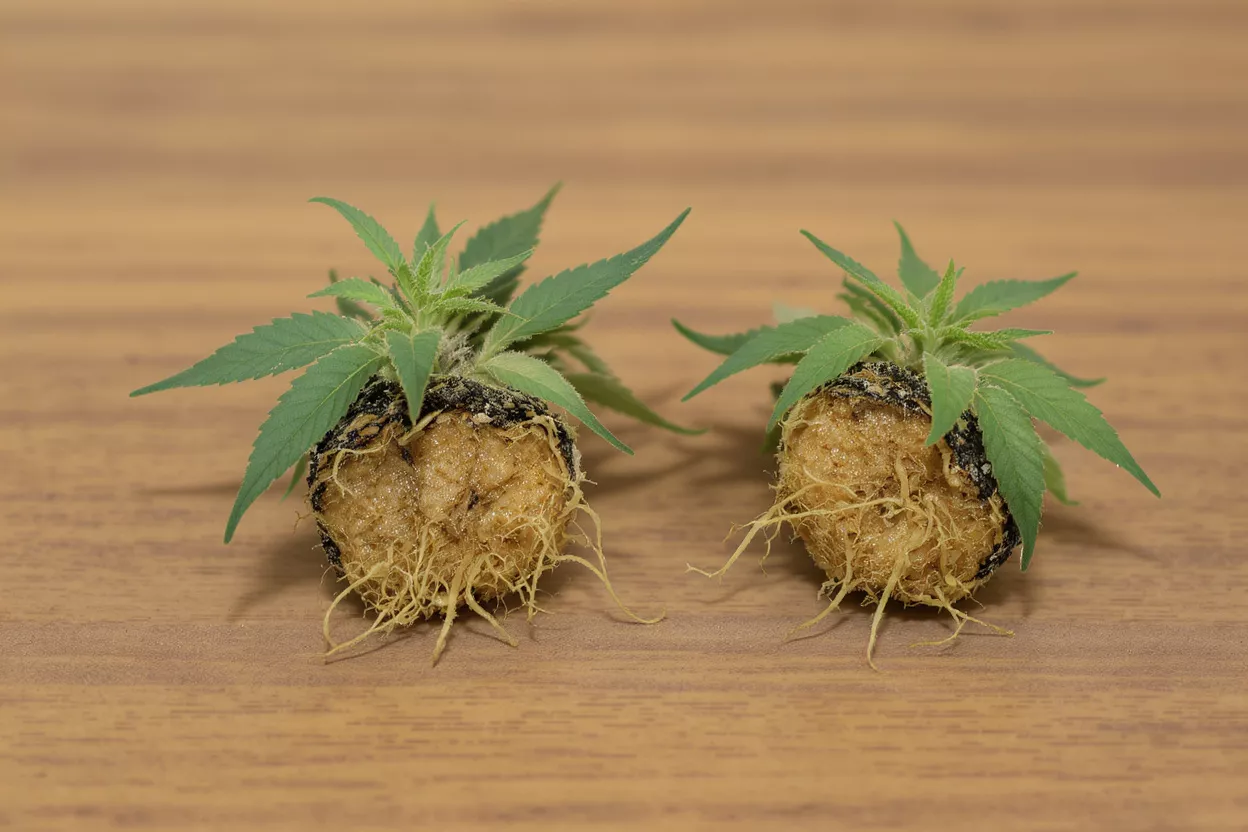
Beginner-friendly cultivation: One reason White Widow remains so popular is that it is forgiving and rewarding to grow. It thrives both indoors and outdoors, resists mold and pests reasonably well thanks to its hardy genetics, and tolerates beginner mistakes better than many high-maintenance strains. For first-time growers, it is one of the most commonly recommended starting points.
Indoors, White Widow flowers in roughly 8 to 9 weeks and produces generous yields of resin-heavy buds. Outdoors in the Northern Hemisphere, it is typically ready for harvest around the end of October. It responds well to training techniques like topping and low-stress training, which can boost yields by opening up the canopy to light.

The plant stays relatively compact, making it suitable for indoor tents and smaller spaces. Its dense, trichome-rich buds require attention to humidity during late flowering to prevent moisture from settling in the tight colas, but overall it is among the more manageable strains for home cultivation.
- 🌱 Choose your environment: White Widow adapts to indoor tents, greenhouses, and outdoor gardens alike.
- 💡 Manage light and training: Use topping or low-stress training to open the canopy and maximize resinous bud sites.
- 💧 Watch late-flower humidity: Keep airflow steady to protect the dense colas from moisture buildup.
- ✂️ Harvest at 8–9 weeks indoors: Monitor trichomes for the milky-to-amber window that signals peak potency.
White Widow Medical and Wellness Uses
Mood and stress support: Many medical cannabis users turn to White Widow for its uplifting, euphoric qualities. The energizing cerebral effects can offer temporary relief from stress and low mood, while the balanced body relaxation helps ease physical tension without total sedation. This combination makes it versatile for daytime symptom management.
Some users also report that White Widow helps with fatigue and low motivation, thanks to its energizing sativa-leaning onset. Others appreciate the gentle body relief for minor aches and muscle tension. As always, individual results vary, and cannabis should complement rather than replace professional medical care.
It is worth noting that because White Widow is THC-forward with minimal CBD, users who are sensitive to THC or prone to anxiety should approach with care. Starting with a small dose and increasing gradually is the safest way to find your comfortable threshold and avoid the discomfort that can come with overconsumption.

Best Time to Use White Widow
Daytime versatility: Thanks to its balanced, energizing onset, White Widow is well-suited to daytime and early-evening use. The clear-headed cerebral lift makes it a strong companion for social gatherings, creative projects, or simply enjoying an afternoon without feeling weighed down. Unlike heavy indicas that demand a free schedule, this strain leaves room for productivity.
That said, the gradual body relaxation that follows the initial buzz also makes White Widow a reasonable choice for winding down in the early evening. It bridges the gap between a wake-and-bake energizer and a nighttime relaxer, which is exactly why so many users keep it as their all-day, all-purpose option.
For those new to the strain, weekends or low-pressure days are ideal for the first session. This gives you space to learn how your body responds to its particular blend of stimulation and relaxation before integrating it into a busier routine.


Is White Widow Right for You?
The ideal candidate: White Widow suits a remarkably broad audience. If you want a balanced experience that lifts your mood and sharpens your sociability without erasing your afternoon, it is an excellent fit. Its moderate potency and predictable effects make it approachable for those with a little tolerance, while its rich heritage appeals to enthusiasts who appreciate genuine cannabis history.
If you are an experienced grower or a curious beginner, the strain's hardy, forgiving nature makes it one of the most rewarding plants to cultivate at home. And if you simply want a versatile, do-it-all strain that performs from morning creativity to evening relaxation, few options have stood the test of time quite like this one.
White Widow remains a benchmark for a reason. It blends potency, balance, aroma, and reliability into a single package that has influenced an entire generation of cannabis breeding. Whether you are exploring its frosty buds for the first time or revisiting an old favorite, this strain continues to earn its legendary status one balanced, crystal-coated session at a time. Approach it thoughtfully, start low if you are new, and you will discover exactly why White Widow has remained a beloved classic for over thirty years.