

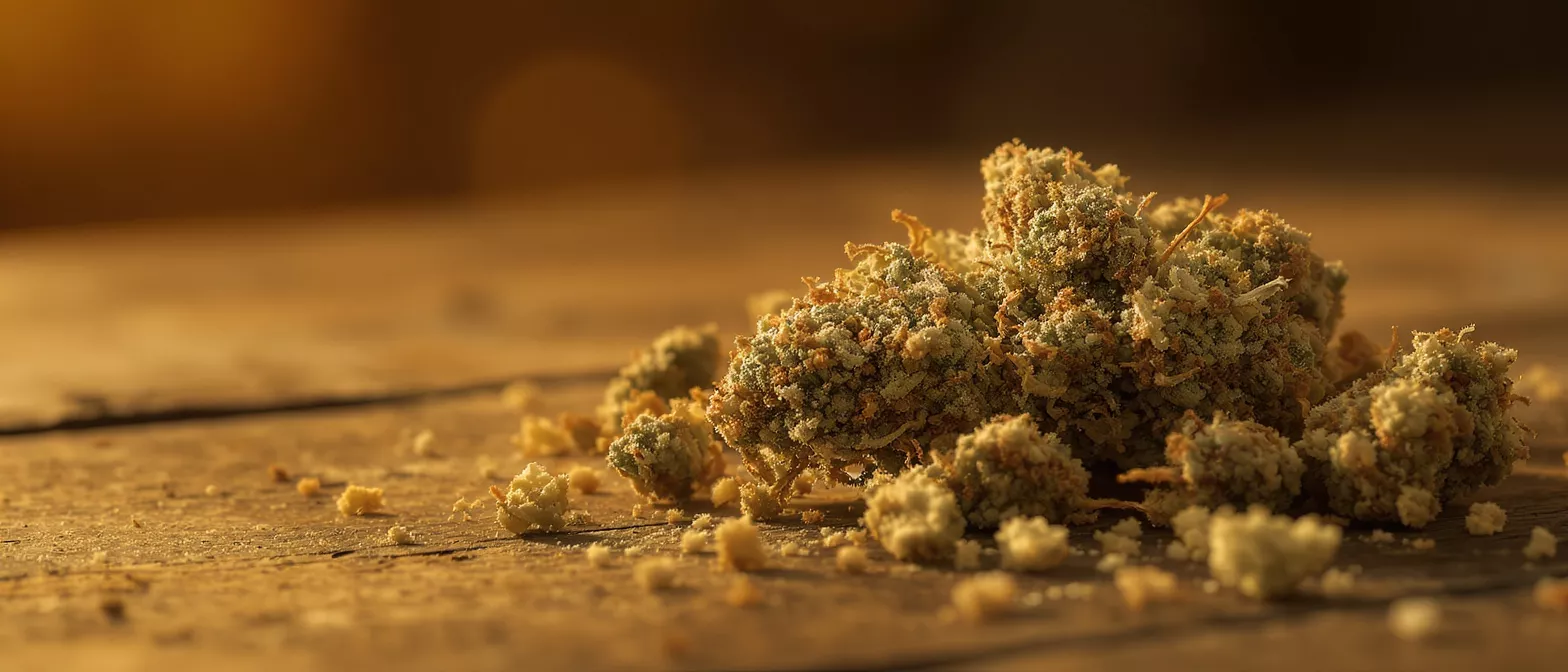
Headband
Discover the Headband strain — its unique crown-pressure effect, genetics, terpenes & uses.
The Headband strain has earned its place among the most recognizable hybrids in modern cannabis culture, and its name is more than marketing flair. Users frequently describe a gentle pressure around the crown of the head, a sensation that feels like wearing an invisible band — hence the name. This guide breaks down everything worth knowing about Headband, from its celebrated genetic roots to its effects, growing requirements, and the cannabinoid and terpene chemistry that makes it tick. Whether you are a curious newcomer or a seasoned cultivator hunting your next garden project, understanding what sets this strain apart will help you decide where it fits in your routine.
What Is the Headband Strain?
A balanced hybrid with cerebral leanings: Headband is a hybrid cannabis strain that leans slightly toward the Sativa side for many phenotypes, though the balance shifts depending on the breeder and growing conditions. It blends the dense, resinous structure of Indica genetics with the heady, uplifting clarity prized by sativa enthusiasts. The result is a versatile strain that has become a staple in dispensaries across North America.
The strain takes its name from its most distinctive sensation. After a few minutes, many consumers report a subtle, encircling pressure at the temples and forehead — a feeling so consistent that it became the strain's identity. This is not discomfort but rather a relaxing, grounding sensation that anchors an otherwise expansive mental high.
Headband first gained traction on the West Coast, where its parent strains were already cult favorites. It has since spread widely and now appears under several closely related names and phenotypes, including 707 Headband and Sour Diesel Headband, each carrying its own slight twist on the original recipe.
Headband Strain Genetics and Lineage
Royal cannabis bloodlines: Headband is most commonly credited as a cross between OG Kush and Sour Diesel, two of the most influential strains in cannabis history. This pairing brings together OG Kush's earthy, piney depth and full-bodied relaxation with Sour Diesel's pungent fuel aroma and energetic cerebral lift. Some breeders also point to Master Kush as a contributing parent in certain lineages.
The combination of these heavyweight parents explains why Headband punches above its weight. Both OG Kush and Sour Diesel are themselves descendants of legendary landrace and hybrid genetics, giving Headband a deep and stable gene pool. Research published through outlets like Frontiers continues to explore how cannabis genetics shape the chemical profiles that define each strain's character.
Because Headband descends from such well-documented parents, its phenotypes tend to be relatively consistent compared to newer, less stabilized hybrids. Growers can generally expect predictable structure, aroma, and potency, which is part of why the strain has remained popular among both commercial cultivators and home growers for well over a decade.
What Effects Does Headband Produce?
The signature head sensation: The defining experience of Headband is the gentle pressure that settles around the upper head and temples, often within fifteen minutes of consumption. This is accompanied by a clear-headed, uplifting euphoria that many users find ideal for creative work, conversation, or simply unwinding without falling asleep.
The high tends to build in two phases. Initially, the sativa-leaning genetics deliver a bright mental buzz that can spark focus and sociability. As the experience matures, the indica side emerges, layering in physical relaxation that spreads through the body and eases tension in the shoulders and limbs. This balanced arc is what makes Headband appealing to a wide range of consumers.
Many people reach for Headband during the late afternoon or early evening, when they want mental engagement without the wired edge of a pure sativa. Below is a quick summary of the effects most commonly reported by Headband users.
- 🧠 Mental clarity: An uplifting cerebral buzz that supports focus and creativity early in the experience.
- 😌 Body relaxation: A gradual physical calm that loosens muscle tension as the high progresses.
- 💫 Crown pressure: The strain's namesake sensation, a soft encircling feeling around the head.
- 😄 Mood lift: A warm sense of euphoria that brightens social settings and quiet moments alike.
Headband Aroma and Flavor Profile
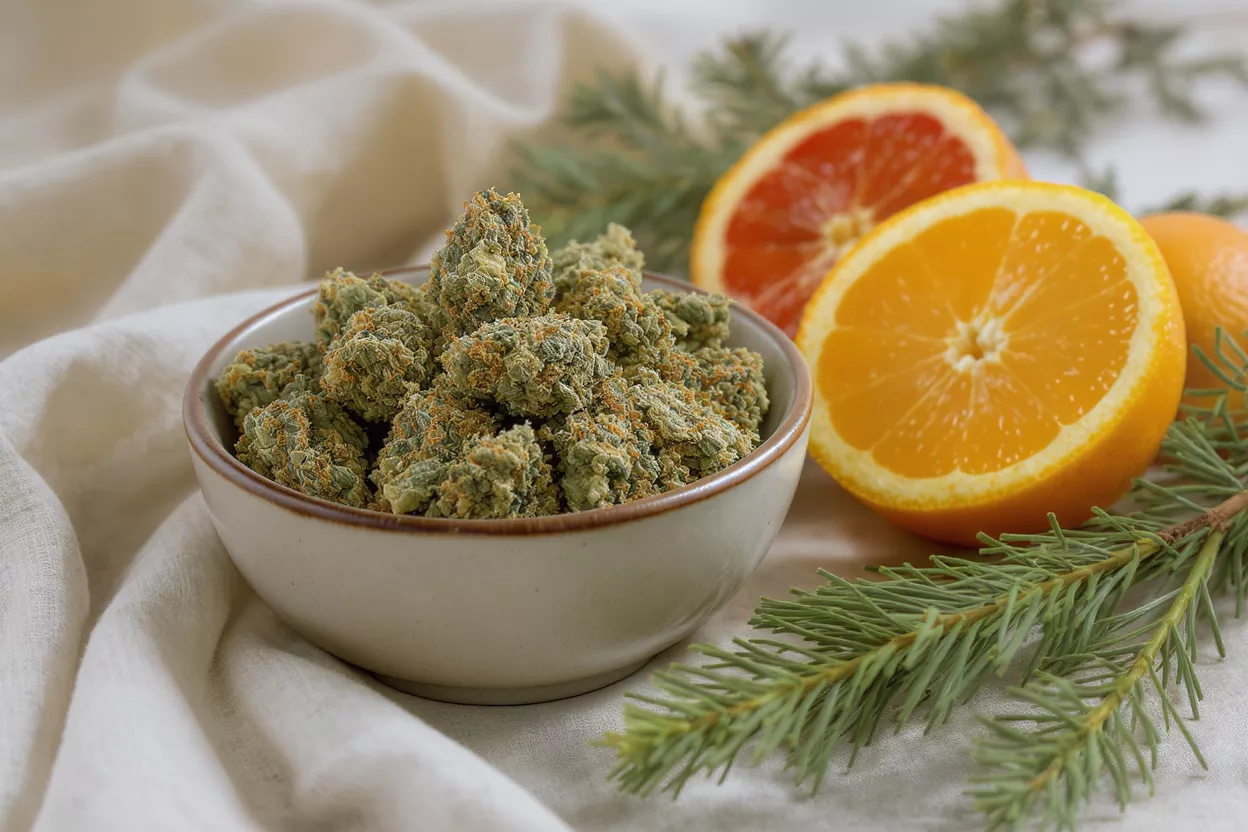
Fuel meets lemon and earth: Headband inherits a complex sensory profile from its parents. The dominant notes are diesel and fuel, a sharp pungency that announces the strain the moment a jar is opened. Beneath that is a layer of earthy, piney depth from the OG Kush side, rounded out by a bright citrus tang reminiscent of fresh lemon.
On the inhale, many users taste a creamy lemon-diesel blend that softens into something almost dessert-like on the exhale, with hints of pepper and spice lingering on the palate. This contrast between sharp aroma and smoother flavor is one of the reasons connoisseurs return to Headband again and again.
The intensity of the aroma also makes proper storage important. Headband's volatile terpenes can fade quickly when exposed to light and air, so airtight containers kept in a cool, dark place help preserve both the smell and the potency over time.
Headband THC, CBD, and Cannabinoid Content
A potent THC profile: Headband is known for substantial THC levels, typically ranging from 18% to 24%, with some well-grown batches testing even higher. This places it firmly in the potent category, which is why newcomers are usually advised to start with a small amount and wait before consuming more.
The CBD content in Headband is low, usually well under 1%, which is typical of strains bred primarily for THC-driven effects. As a result, the strain delivers a pronounced psychoactive experience rather than the subtler, non-intoxicating profile of high-CBD cultivars.
Beyond the headline cannabinoids, Headband contains a supporting cast of minor compounds like CBG and CBN that contribute to the overall experience through what researchers call the entourage effect. Here is a snapshot of the strain's typical cannabinoid range.
- 🔬 THC: Commonly 18–24%, occasionally higher in premium harvests.
- 🌱 CBD: Minimal, usually below 1%.
- ⚗️ Minor cannabinoids: Trace amounts of CBG and CBN that round out the effects.
- 📊 Potency tier: High — best approached with measured dosing.
Headband Terpene Profile Explained
The chemistry behind the aroma: Terpenes are the aromatic compounds responsible for Headband's distinctive fuel-and-citrus character, and they also influence how the strain feels. The dominant terpene in most Headband samples is myrcene, which contributes earthy, musky notes and is associated with relaxing, body-heavy sensations.
Supporting myrcene is caryophyllene, a peppery terpene that interacts uniquely with the body's endocannabinoid system, and limonene, which brings the bright citrus lift that balances the strain's heavier diesel tones. Together these terpenes create Headband's layered, multidimensional aroma.
Understanding a strain's terpene profile helps consumers predict how it might affect them and choose products that suit their preferences. The interplay between Headband's terpenes and its high THC content is a textbook example of how cannabis chemistry shapes the lived experience far beyond a single number on a lab report.
How to Grow the Headband Strain
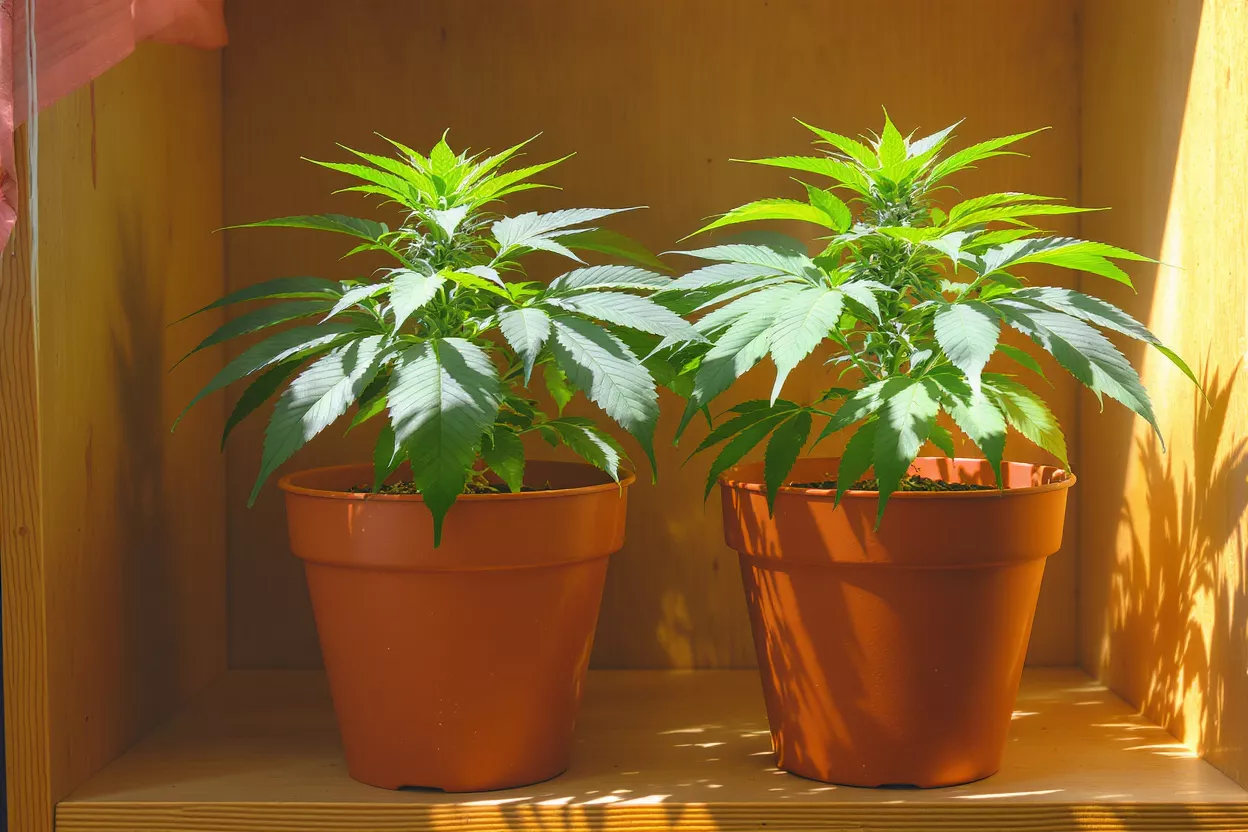
A rewarding grow for intermediate cultivators: Headband is considered moderately easy to grow, making it accessible to those who have a grow or two under their belt. The plant develops a sturdy, branchy structure and responds well to training techniques like topping and low-stress training, which help maximize light exposure and yield.
Indoors, Headband typically flowers in about nine to ten weeks and rewards growers with dense, frosty buds coated in trichomes. Outdoors, it thrives in a warm, Mediterranean-style climate and is usually ready for harvest in early to mid October. Because of its pungent aroma during flowering, indoor growers should invest in good carbon filtration to manage the smell.
Yields are generally solid, landing in the moderate-to-high range when the plant is given adequate nutrients, light, and space. Keeping humidity in check during the flowering stage is important, as the dense buds can be susceptible to mold if airflow is poor. Below are key considerations for a successful Headband grow.
- ⏳ Flowering time: Roughly 9–10 weeks indoors.
- 🌡️ Climate: Prefers warm, dry, Mediterranean-like conditions outdoors.
- ✂️ Training: Responds well to topping and low-stress training for bigger yields.
- 💨 Odor control: Strong aroma during bloom calls for carbon filtration indoors.
Headband Strain Medical Uses and Benefits
Relief without heavy sedation: Many medical cannabis patients turn to Headband because it offers meaningful relief while keeping the mind relatively clear. The balanced effects make it a candidate for managing chronic pain, where the body relaxation eases discomfort without forcing immediate drowsiness, allowing daytime use for some individuals.
The strain's uplifting cerebral qualities also make it popular among those dealing with stress and low mood. The initial euphoric lift can provide a temporary sense of mental lightness, while the gradual physical calm helps dissolve the tension that often accompanies anxiety. As always, individual responses vary, and high-THC strains can occasionally heighten anxiety in sensitive users.
Some consumers report that Headband helps with headaches and migraines, which is notable given the strain's name, though scientific evidence on cannabis for headache relief remains preliminary. Anyone considering cannabis for a specific medical condition should consult a qualified healthcare provider familiar with their history.

Headband Side Effects and What to Expect
Common and manageable reactions: Like most potent cannabis strains, Headband can produce a few predictable side effects. The most common is dry mouth, sometimes called cottonmouth, along with dry or red eyes. Both are easily managed by staying hydrated and keeping eye drops on hand.
Because of its high THC content, Headband may cause dizziness, mild paranoia, or heightened anxiety in those who consume too much or who are particularly sensitive. The best way to avoid these effects is to start low and go slow, especially for newcomers or anyone trying the strain for the first time.
A small number of users may experience mild headaches as the high fades, though this is far from universal. Overall, when consumed responsibly, Headband's side effect profile is typical of high-quality hybrids and rarely poses problems for experienced consumers who respect their own tolerance.
Is the Headband Strain Right for You?
Matching the strain to your goals: Headband is an excellent choice for consumers who want a balanced hybrid that engages the mind while gradually relaxing the body. If you appreciate clear-headed creativity early in a session followed by gentle physical ease, this strain delivers that arc reliably thanks to its OG Kush and Sour Diesel heritage.
It may be less ideal for those who are highly sensitive to THC or who specifically want a non-intoxicating, CBD-forward option. Its potency demands respect, and beginners should approach it with modest doses until they understand how their body responds to its particular blend of effects.
Ultimately, the Headband strain has earned its enduring reputation through a combination of memorable effects, robust genetics, and a sensory profile that keeps consumers coming back. Whether you are drawn to its signature crown pressure, its versatile daytime-to-evening flexibility, or simply its storied lineage, Headband remains a benchmark hybrid worth exploring for anyone building a well-rounded understanding of modern cannabis.