

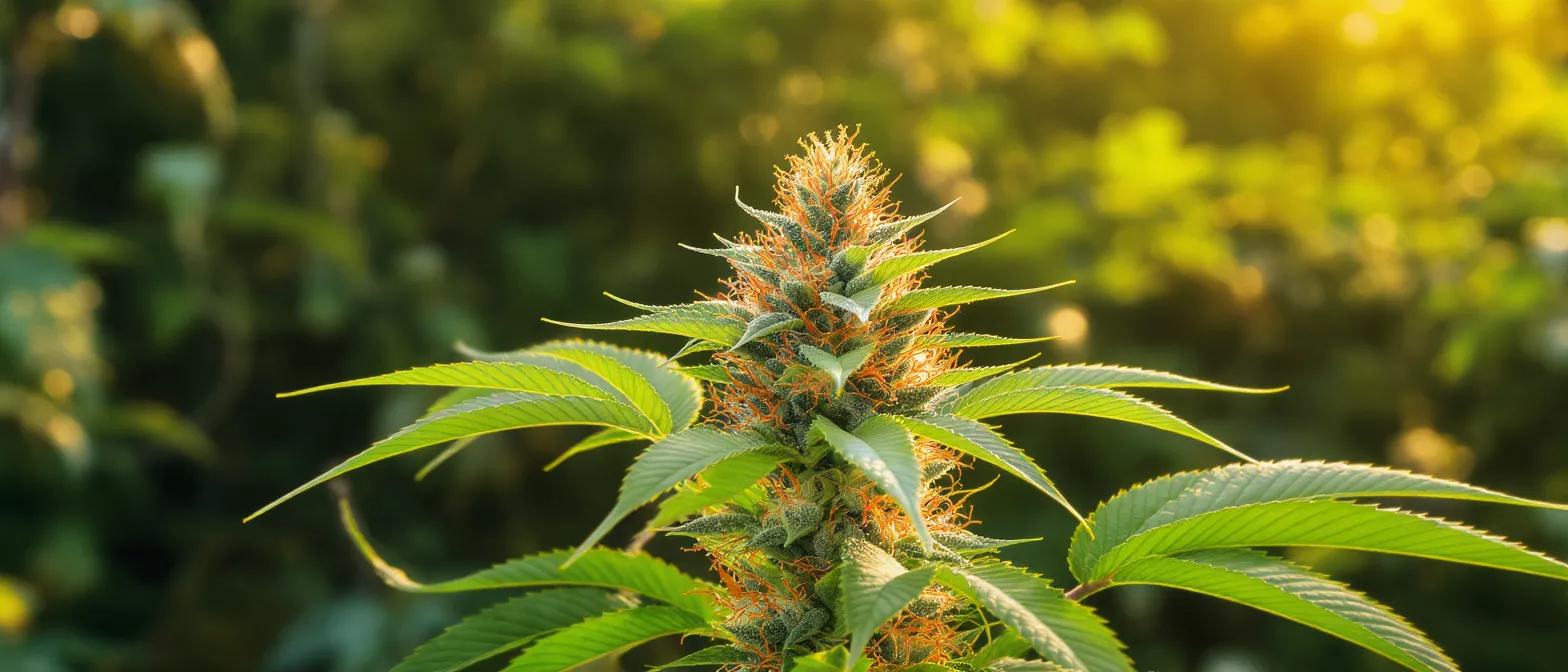
Hawaiian Sativa
Discover Hawaiian Sativa weed — a tropical landrace with uplifting effects.
Few strains carry the mystique of Hawaiian Sativa. Born from the volcanic soils and relentless tropical sun of the Pacific islands, this landrace lineage represents one of the purest expressions of sativa genetics you can find. Whether you are a longtime enthusiast or simply curious about why this particular weed has earned a cult following, understanding its origins, effects, and cultivation quirks will give you a richer appreciation for what lands in your jar.
Hawaiian Sativa is more than a tropical novelty. It is a strain shaped by isolation, climate, and decades of careful selection by island growers who prized its bright, energetic character. In this guide we will unpack everything from its genetic backstory to the practical realities of growing, consuming, and integrating it into your life.
What Is Hawaiian Sativa Weed?
Hawaiian Sativa weed is a landrace strain that traces its roots to the equatorial regions of the Hawaiian islands. Landrace simply means it developed in relative geographic isolation, adapting to its local environment over many generations without deliberate crossbreeding. The result is a plant with stable, predictable traits and a flavor profile that tastes distinctly of its homeland — sweet, citrusy, and unmistakably tropical.
Where did Hawaiian weed come from? Cannabis is not native to Hawaii. Seeds likely arrived through Pacific trade routes and migration during the 19th and 20th centuries, then naturalized in the islands' warm, humid microclimates. Over time, local cultivators selected for the brightest, most uplifting phenotypes, producing the energetic sativa we recognize today.
What makes it a true sativa? Unlike many modern hybrids labeled "sativa-dominant," Hawaiian Sativa expresses classic equatorial sativa morphology: tall stature, long internodal spacing, slender leaflets, and an extended flowering window. These are the structural hallmarks that distinguish authentic tropical weed from heavily hybridized commercial stock, according to research summarized by Prevention.
How Does Hawaiian Weed Grow?
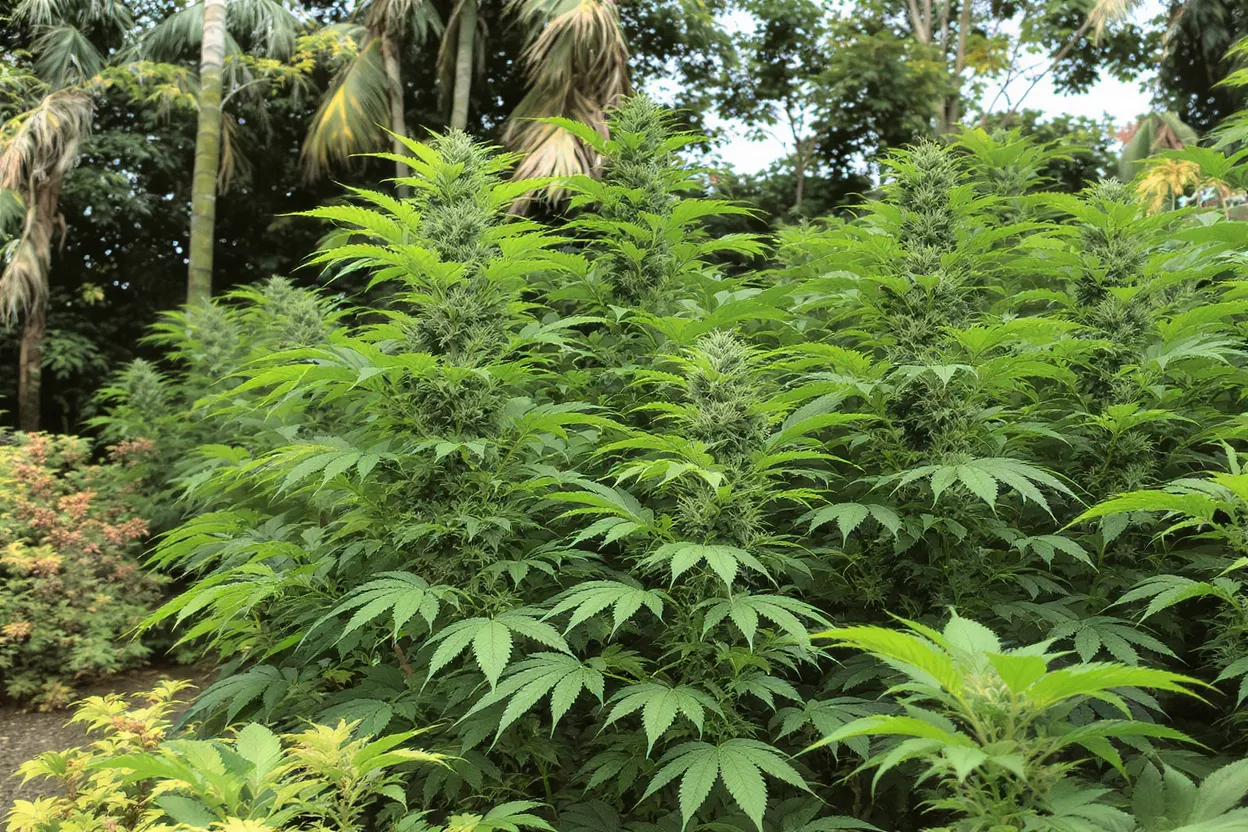
Hawaiian Sativa is a vigorous, sprawling grower that wants space and warmth. In its native climate it can stretch well over ten feet, reaching skyward with the enthusiasm only a true equatorial sativa can muster. This vertical ambition makes it a more demanding plant than compact indicas, but the payoff is generous yields of fluffy, resin-flecked flower.
Because the strain evolved near the equator, it is accustomed to consistent light cycles and high humidity. It thrives in tropical and subtropical outdoor settings where the growing season is long. Indoor cultivators can succeed too, but they must commit to managing its height through training techniques and accept a longer flowering period than fast indica hybrids require.
One trait that separates Hawaiian weed from temperate strains is its resistance to heat and moisture. Decades of adaptation gave it natural defenses against the mold pressures of a humid island climate, making it a forgiving choice for growers in warm, wet regions.
What Effects Does This Weed Produce?
The Hawaiian Sativa experience is famously bright and cerebral. Users describe an uplifting, almost euphoric head buzz paired with a clear-minded creative spark — the kind of weed that invites conversation, laughter, and movement rather than couch lock. It is a daytime strain in the truest sense.
Mood and energy: Many consumers reach for Hawaiian Sativa when they want a motivational lift. The energizing quality can make mundane tasks feel lighter and social settings feel warmer. Some describe a gentle "Crossfade" of euphoria and focus when it is paired thoughtfully, though moderation matters since the head-forward intensity can build quickly.
Creative and social effects: Artists, writers, and anyone chasing flow often gravitate toward this strain. The mental clarity it provides tends to favor open, divergent thinking rather than the sedation associated with heavy indicas. For newcomers exploring uplifting options, a balanced daytime sativa flower like this is an approachable entry point.
Hawaiian Sativa Terpene Profile
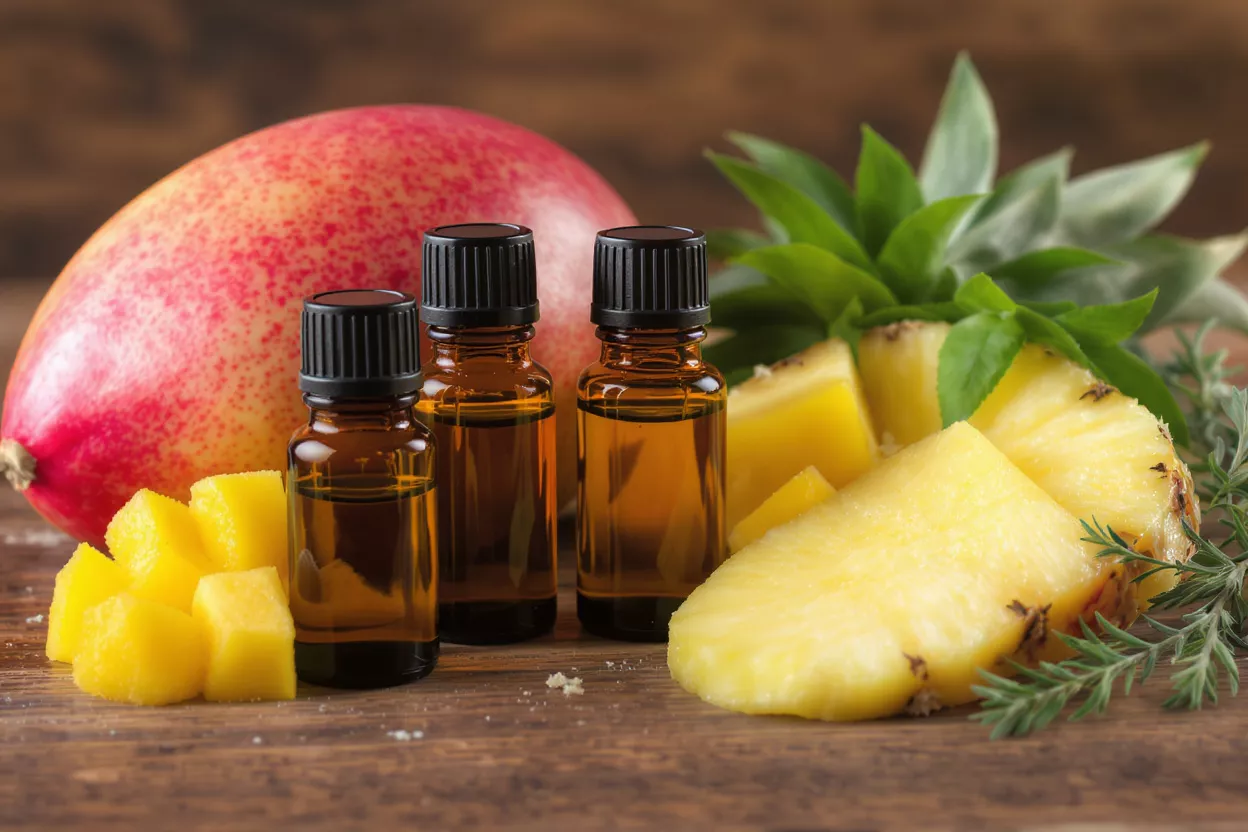
The aroma of Hawaiian Sativa is a sensory postcard from the tropics: ripe pineapple, sweet citrus, and a faint floral edge. These scents are not accidental — they are the product of a specific terpene blend that defines the strain's character and contributes to its uplifting effects.
Citronellol lends a soft, rose-like floral note, while subtler compounds add complexity beneath the dominant fruity sweetness. Trace terpenes like Cymene can contribute a faint herbal-spicy undertone that rounds out the bouquet. Together these aromatic molecules shape not just the smell but the overall experience, a phenomenon often called the entourage effect.
Understanding terpenes also helps you shop smarter across categories. A terpene-rich vape cartridge that preserves these volatile compounds will deliver a flavor much closer to the living plant than products that strip them during processing.
Best Weed for Daytime Use
When people search for the best weed for daytime activity, sativa-forward strains like this one consistently rise to the top. The reason is simple: the cerebral, energizing profile complements a busy schedule rather than derailing it. You can enjoy a measured session and still tackle errands, creative projects, or a hike.
Why daytime suits this strain: The absence of heavy sedation means you are less likely to feel foggy or sluggish afterward. That said, individual tolerance varies, and overconsumption of any potent sativa can tip energy into anxiety. Start low and observe how your body responds before adjusting upward.
Here are situations where Hawaiian Sativa tends to shine:
- 🌅 Morning motivation: a small dose can add brightness to a slow start without the grogginess of an indica.
- 🎨 Creative sessions: the clear-headed buzz favors brainstorming, art, and music.
- 🏃 Active outings: energizing effects pair well with light exercise and outdoor exploration.
- 💬 Social gatherings: the uplifting mood makes conversation flow easily.
Types of Hawaiian Sativa Products
Hawaiian Sativa shows up across the entire product spectrum, from raw flower to concentrates and infused goods. Each format delivers the strain's signature character a little differently, so the right choice depends on your routine, discretion needs, and desired onset speed.
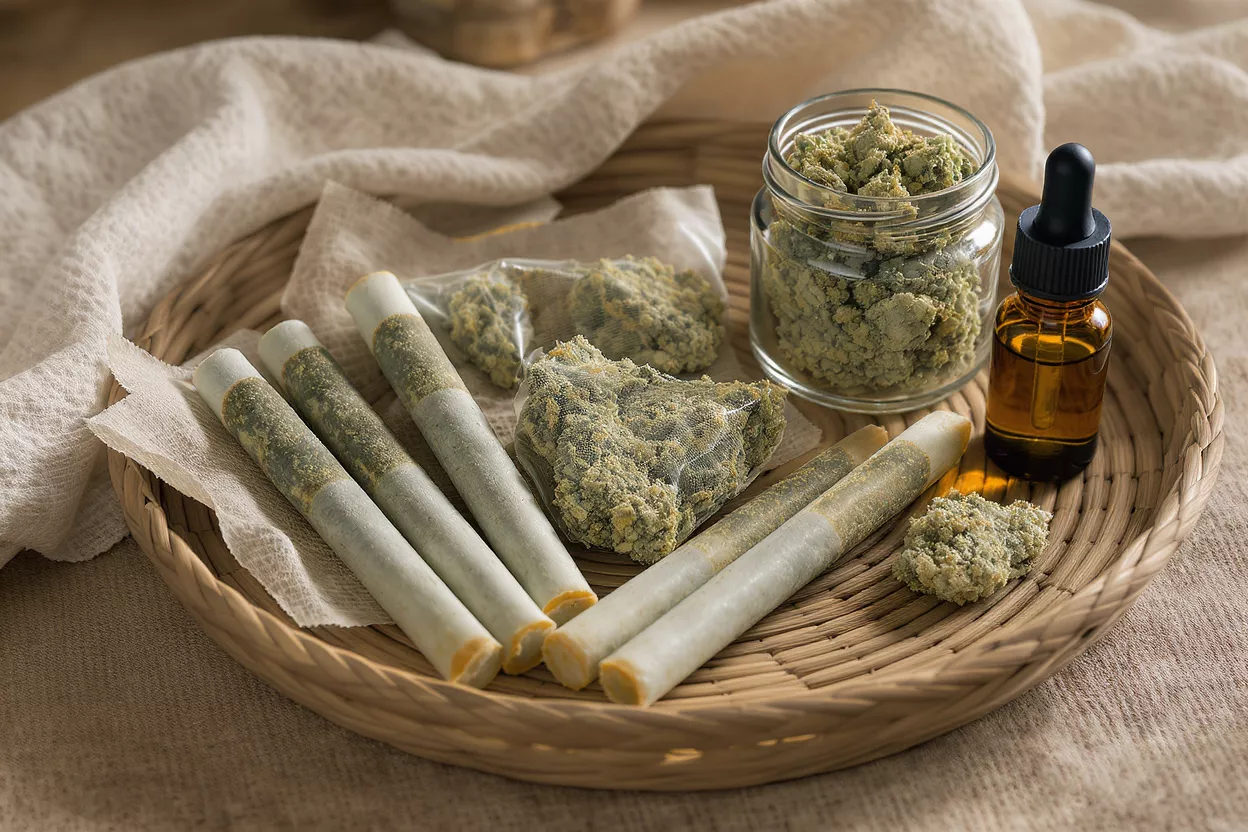
Flower and pre-rolls: The most traditional way to enjoy this weed is by smoking the flower itself. Cigarette style pre rolls offer convenience for those who do not want to grind and pack, while loose flower gives connoisseurs control over their session. Both preserve the full tropical terpene experience.
Concentrates and infusions: For potency seekers, extracts deliver an intense, fast-acting hit. Processing methods like Dewaxing remove plant fats to yield a cleaner concentrate. Infused topicals also exist — products such as a cbd infused face oil or cbd topical roll-on borrow cannabis-derived ingredients for localized, non-intoxicating use.
- 🌿 Flower: the purest expression of the strain's aroma and effect.
- 💨 Vape cartridges: portable, discreet, and terpene-forward when made well.
- 🍯 Concentrates: high-potency dabs for experienced users.
- 🍬 Edibles: longer onset, longer duration, easy dosing.
How to Consume Hawaiian Weed
The method you choose shapes the experience as much as the strain itself. Inhalation delivers near-instant effects that fade within a couple of hours, while edibles take longer to arrive but linger far beyond. Matching the method to your goal is the secret to a satisfying session.
Smoking and dabbing gear: Flower lovers can use anything from a simple pipe to a water pipe with a Circ perc for smoother draws. Concentrate fans often favor a Domeless nail or modern e-rig for efficient vaporization. A small Dugout keeps ground flower portable and ready for on-the-go sessions.
Edibles deserve special care because their delayed onset tempts impatient users into overconsumption. Wait at least sixty to ninety minutes before considering more. An edible hangover the next morning is usually a sign you went past your comfortable dose, so respect the timeline and a low-dose tropical edible can keep things gentle and predictable.
Is Hawaiian Sativa Weed Safe?
For most healthy adults, Hawaiian Sativa is well tolerated when used responsibly. As with any cannabis, the most common side effects are mild and temporary — dry mouth, dry eyes, and occasional racing thoughts if you overshoot your tolerance. Hydration and pacing solve most discomfort.
Because this strain leans energetic and cerebral, sensitive users may experience anxiety or a racing heart at high doses. If you are prone to those reactions, starting with a minimal amount and choosing high-terpene, balanced products can soften the edges. Soothing options like cbd cough drops or a calming cbd pet balm for your companion animals exist in the broader wellness market for those seeking non-intoxicating relief.
Anyone who is pregnant, nursing, taking prescription medication, or managing a serious health condition should speak with a healthcare professional before using cannabis. Responsible use always begins with informed decisions and honest self-assessment.
Hawaiian Sativa Growing Tips
Cultivating Hawaiian Sativa rewards patience and planning. Because the plant stretches dramatically, growers should prepare for height management from the very start. Topping, low-stress training, and a screen of green setup help tame the vertical sprawl and keep canopy light distribution even.
Directional airflow is essential in any grow space hosting a humidity-loving tropical strain. Good ventilation prevents the stagnant pockets where mold takes hold, and while Hawaiian genetics carry natural mold resistance, no plant is invincible in a poorly managed room. Pair airflow with steady temperatures and you will reward yourself with healthy, resinous colas.
Patience is the final ingredient. This strain's extended flowering window can test growers used to quick indica turnarounds, but the bright, aromatic harvest justifies the wait. Outdoor growers in warm climates often achieve the most authentic expression of its tropical character.

Where Hawaiian Weed Fits Your Routine
Hawaiian Sativa earns its place as a versatile daytime companion. Its uplifting, creative profile suits mornings, social afternoons, and active outings far better than a sedating nighttime strain. Knowing when and how to reach for it is what transforms a good strain into a reliable part of your wellness toolkit.
Think of this weed as a brightening accent rather than a sledgehammer. A measured approach lets you enjoy the focus and euphoria without tipping into overstimulation. Keep your gear clean, your dosing modest, and your environment comfortable, and the strain consistently delivers.
Whether you grow it yourself, smoke the flower, or explore terpene-rich extracts, Hawaiian Sativa offers a vivid window into authentic landrace genetics. Treat it with respect, match the method to your moment, and this tropical classic will reward you with one of the most genuinely uplifting experiences in cannabis.