

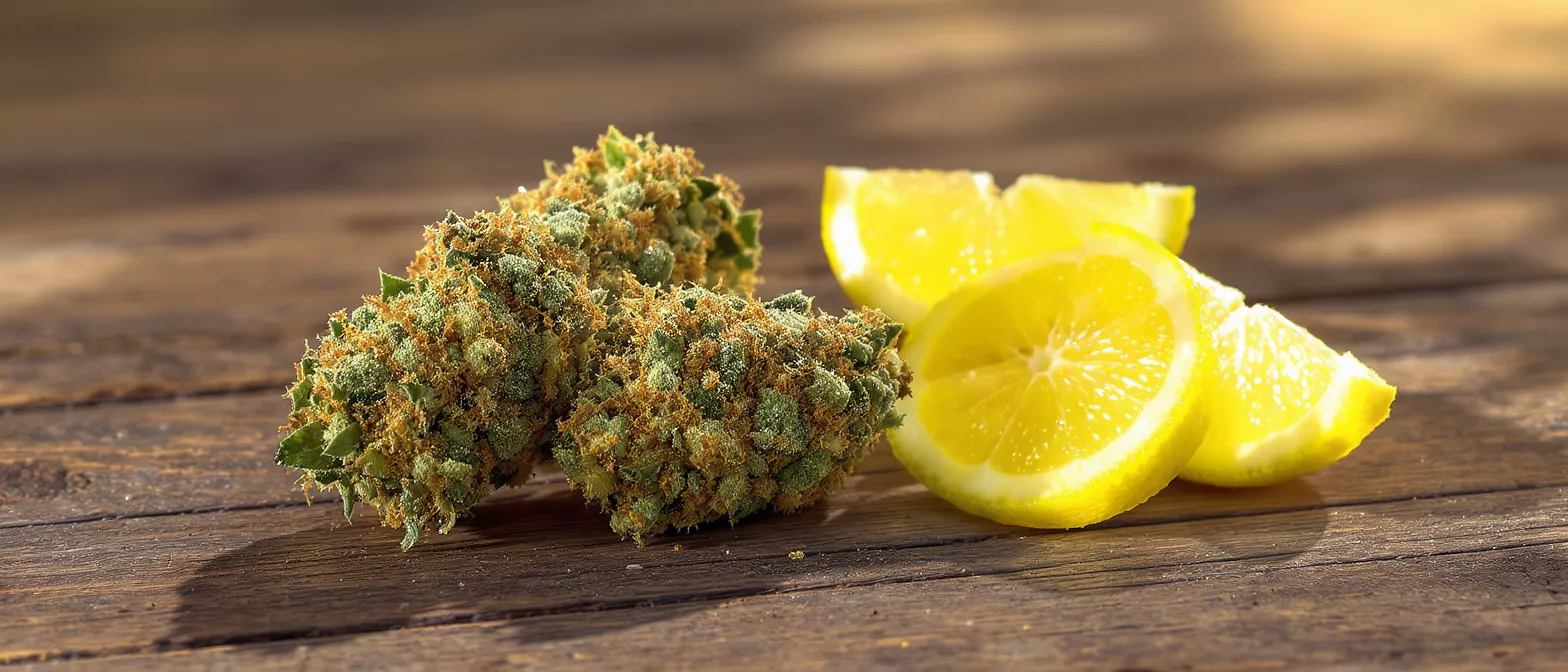
Lemon Drop
Discover the Lemon Drop strain — a citrusy, sativa-leaning cultivar with uplifting effects.
What Is the Lemon Drop Strain?
The Lemon Drop strain has earned a loyal following among cannabis enthusiasts who crave a bright, citrus-forward experience paired with an uplifting, energizing high. Named after the classic hard candy, this cultivar delivers exactly what its name promises: a punchy lemon zest aroma and a sweet-tart flavor that lingers on the palate. For anyone exploring sativa-leaning varieties, Lemon Drop is often one of the first recommendations from budtenders and growers alike.
This strain sits comfortably in the daytime category, making it a favorite for people who want the mental lift of cannabis without sinking into the couch. Its reputation is built on a balance of flavor, aroma, and clear-headed effects that suit social settings, creative work, and active lifestyles. Unlike some heavy indica cultivars, Lemon Drop tends to keep the mind engaged rather than fogged.
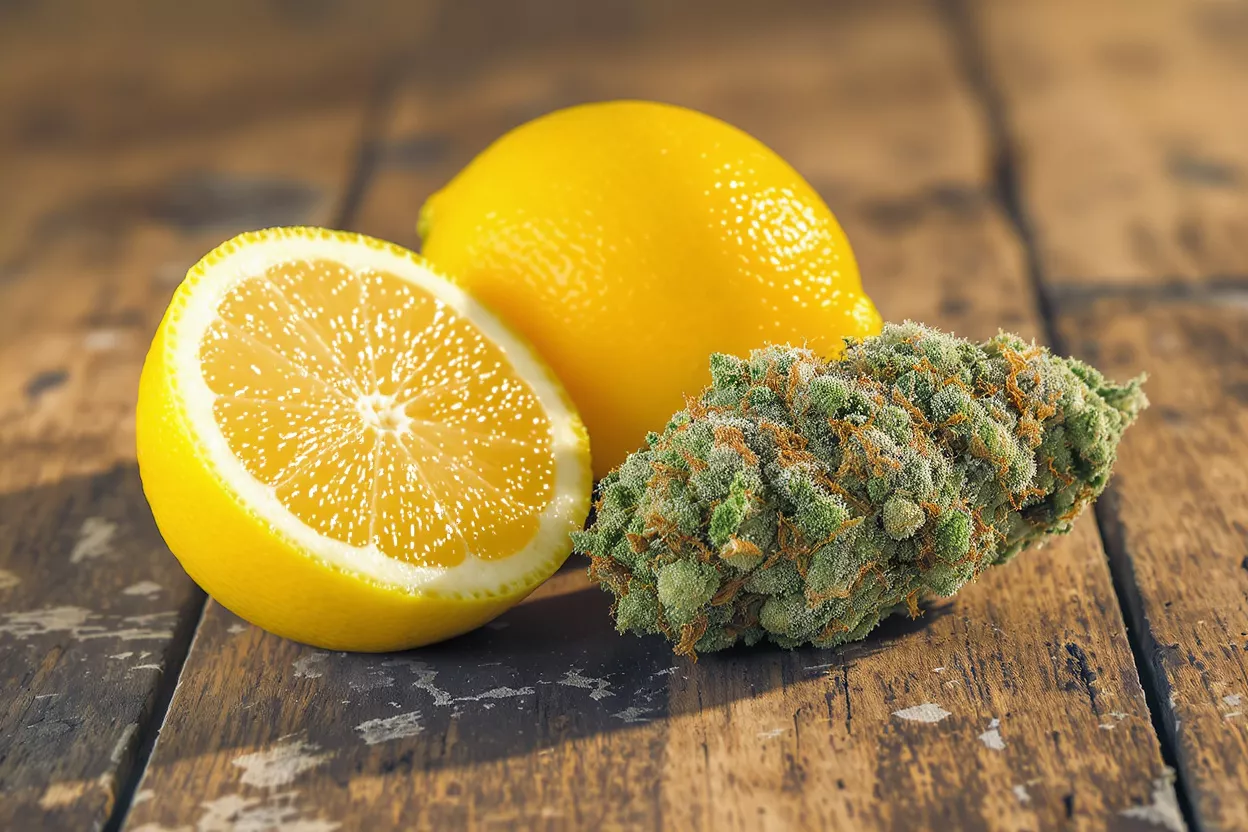
Where the Lemon Drop strain gets its name: The naming convention is no accident. Breeders chose "Lemon Drop" specifically to signal the dominant terpene profile, which is rich in limonene. This citrus terpene gives the flower its unmistakable scent and contributes to the bright, mood-lifting character that defines the experience. When you crack open a jar of properly cured Lemon Drop, the room fills with a fragrance reminiscent of fresh lemon peel and sugar.
Lemon Drop Strain Genetics and Lineage
Understanding the genetics behind the Lemon Drop strain helps explain its flavor and effect profile. While exact lineage varies by breeder, most versions trace back to citrus-heavy parent strains such as Lemon Skunk, Super Lemon Haze, or other Haze-dominant lineages. These ancestors are renowned for their pungent lemon aromas and sativa-leaning highs, traits that pass directly to their Lemon Drop offspring.
Sativa-dominant heritage: Most phenotypes of the Lemon Drop strain lean heavily sativa, typically expressing a ratio somewhere around 70 percent sativa to 30 percent indica. This genetic makeup explains why the high tends to be cerebral and energizing rather than sedating. Some hybrid versions blend in more indica genetics to soften the edges, but the classic Lemon Drop experience remains uplifting.
Because cannabis genetics are not standardized across the industry, you may encounter Lemon Drop variations that differ in potency, aroma intensity, and growth structure. This is common with popular strain names, where multiple breeders develop their own interpretations. According to the experts at Johns Hopkins Medicine, the chemical composition of cannabis can vary significantly between cultivars and even between harvests, which is why lab testing matters when you want consistency.
Lemon Drop Strain Aroma and Flavor Profile
The sensory experience is where the Lemon Drop strain truly shines. From the moment you open the container, an unmistakable citrus burst fills the air. This is not a subtle lemon note buried under earthy undertones; it is bright, zesty, and front-and-center, much like biting into the candy that inspired its name. 🍋
Tasting notes on the inhale and exhale: On the draw, expect a sweet-tart lemon flavor that coats the tongue, often accompanied by faint herbal or floral undertones. The exhale tends to bring out a slightly sugary finish, rounding out the tartness into something dessert-like. Smokers frequently describe the smoke as smooth and easy on the throat, especially when the flower has been cured properly.
Beyond the dominant lemon character, attentive palates may detect secondary notes of lime, grapefruit, or even a whisper of pine. These supporting flavors come from the strain's complex terpene blend, which we will explore in detail later. The overall impression is clean, refreshing, and energizing, a flavor profile that pairs well with morning use or midday breaks.
- 🍋 Primary aroma: Sharp, fresh lemon peel with sugary sweetness
- 🌿 Secondary notes: Subtle herbal, floral, and pine undertones
- 💨 Smoke quality: Smooth inhale with a smooth, tart-sweet exhale
- 🍊 Citrus relatives: Hints of lime and grapefruit on the finish
Lemon Drop Strain Effects: What to Expect
The effects of the Lemon Drop strain align closely with its sativa-dominant genetics. Users typically report an immediate lift in mood, followed by a wave of mental clarity and gentle energy. This makes the strain particularly appealing for daytime activities where focus and motivation matter. Rather than clouding the mind, Lemon Drop tends to sharpen it.
The onset and progression of effects: The high usually begins within minutes of consumption, opening with a euphoric head rush that many describe as cheerful and bright. As this initial buzz settles, it transitions into a sustained sense of focus and creativity. The body experience stays relatively light, which is why so few users report the heavy sedation associated with indica-dominant strains.
Because the energizing effects can be pronounced, newcomers should approach Lemon Drop with modest doses. Sativa-leaning strains like this one can occasionally heighten anxiety in sensitive individuals or those prone to racing thoughts, so starting low and going slow remains the wisest approach. Experienced users often appreciate the way the strain keeps them productive and engaged without tipping into restlessness.

Lemon Drop Strain THC and Cannabinoid Content
Potency is an important consideration for anyone choosing a strain, and the Lemon Drop strain generally lands in the moderate-to-high range. Most lab-tested samples show THC levels between 15 and 22 percent, though some particularly well-grown batches push beyond that. This range delivers a noticeable, satisfying high without being overwhelming for most consumers.
Why THC percentage is not the whole story: While the THC number grabs attention, the overall experience depends heavily on the interplay of cannabinoids and terpenes, a phenomenon often called the entourage effect. Lemon Drop typically contains only trace amounts of CBD, usually below one percent, which means it leans toward psychoactive effects rather than the balanced, mellow profile of CBD-rich strains.
Minor cannabinoids such as CBG and CBN may also appear in small quantities, contributing subtle nuances to the overall effect. For consumers tracking their tolerance or dosing carefully, choosing lab-tested Lemon Drop flower ensures you know exactly what you are getting. Consistency in cannabinoid content is one of the strongest arguments for buying from reputable, transparent sources.
Terpenes in the Lemon Drop Strain
Terpenes are the aromatic compounds responsible for the Lemon Drop strain's signature scent and much of its character. The dominant terpene is almost always limonene, the same compound found in citrus rinds. Limonene is widely associated with mood elevation and stress relief, which aligns perfectly with the strain's uplifting reputation.
The supporting terpene cast: Beyond limonene, Lemon Drop often carries notable levels of myrcene and pinene. Myrcene contributes a faintly herbal, musky depth and may soften the edges of the high, while pinene adds those subtle forest-floor notes and is thought to support mental clarity and alertness.
This terpene combination explains why Lemon Drop feels so balanced despite its energetic profile. The interplay between bright, mood-lifting limonene and the grounding presence of myrcene creates an experience that is stimulating yet rarely jittery. Understanding the terpene makeup helps consumers predict how a strain will make them feel, often more reliably than the THC percentage alone.
- 🍋 Limonene: Dominant citrus terpene linked to elevated mood
- 🌿 Myrcene: Herbal, musky note that adds depth and balance
- 🌲 Pinene: Pine-like aroma associated with focus and clarity
- 🌸 Trace terpenes: Small amounts of caryophyllene and terpinolene

Lemon Drop Strain Potential Benefits and Uses
Many consumers turn to the Lemon Drop strain not only for recreation but also for its potential wellness applications. The uplifting, mood-enhancing qualities make it a popular choice among those seeking a natural way to brighten their outlook during the day. While cannabis affects everyone differently, the patterns reported by Lemon Drop users are notably consistent.
Reported daytime support: Because the strain promotes mental clarity and gentle energy, it is frequently used by people who want to stay productive. Some report that it helps them push through creative blocks, maintain focus during repetitive tasks, or simply feel more sociable in group settings. The clear-headed nature of the high makes it less likely to interfere with daily responsibilities.
Others appreciate the strain for its potential to ease everyday tension and low mood. The combination of limonene-driven mood elevation and a manageable body experience appeals to those who find heavier strains too sedating. As always, anyone considering cannabis for specific wellness goals should consult a healthcare professional, since individual responses and medical circumstances vary widely.
How to Grow the Lemon Drop Strain
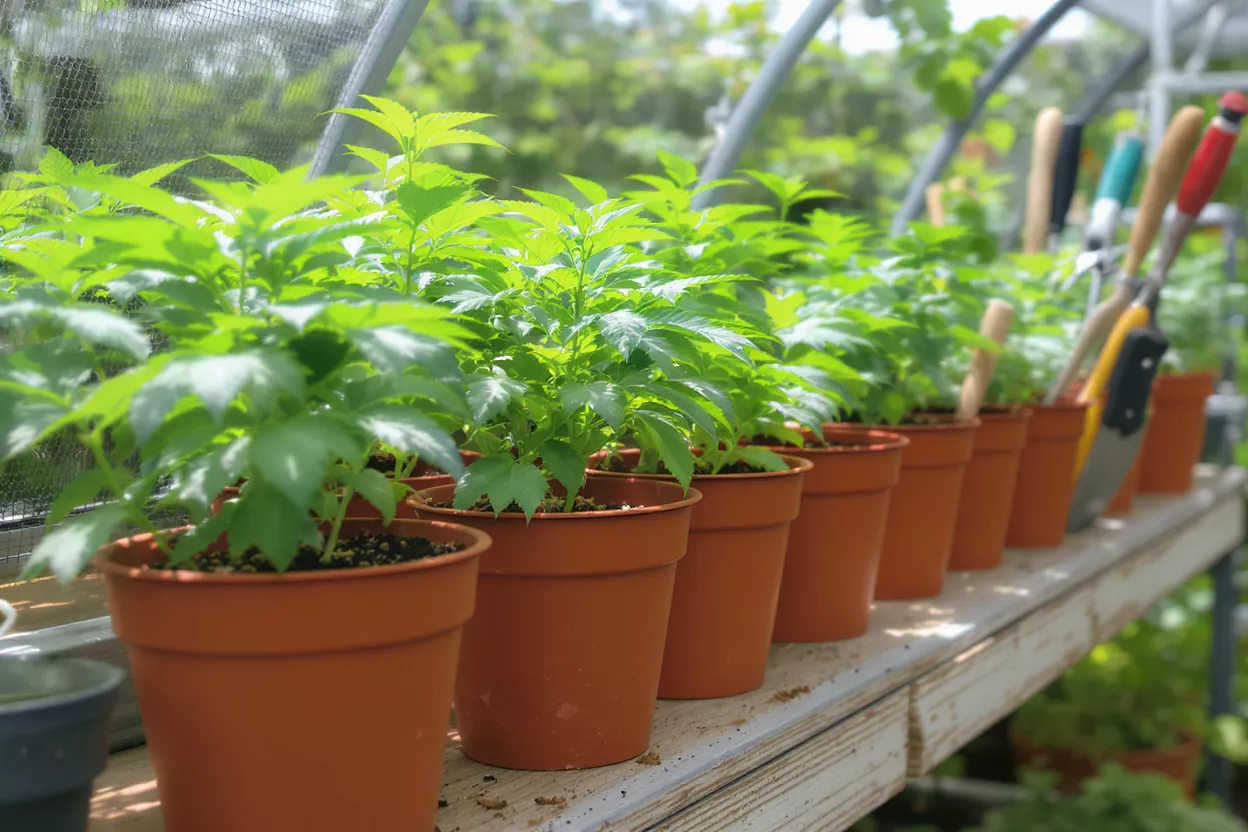
For cultivators, the Lemon Drop strain offers a rewarding growing experience with a few important considerations. Thanks to its sativa-dominant genetics, plants tend to stretch tall and develop elongated colas, which means growers need to plan for adequate vertical space, especially indoors. Training techniques such as topping and low-stress training help manage height and maximize yields.
Indoor versus outdoor cultivation: Lemon Drop adapts well to both environments, though it thrives in warm, sunny climates that mimic its Mediterranean-leaning heritage. Outdoor plants can grow vigorously and produce generous harvests, while indoor setups benefit from careful humidity control to preserve the delicate citrus terpenes. Flowering time typically falls between nine and ten weeks for most phenotypes.
To preserve the strain's signature aroma, proper drying and curing are essential. Rushing the cure can dull the bright lemon notes that make this strain special, so patience pays off in the final product. Growers who maintain stable temperatures and humidity during curing are rewarded with flower that captures the full zesty character Lemon Drop is known for.
- 🌱 Vertical space: Plan for tall, stretchy sativa growth indoors
- ☀️ Climate: Favors warm, sunny Mediterranean-style conditions
- ✂️ Training: Use topping and LST to manage height and boost yield
- ⏳ Flowering: Expect roughly nine to ten weeks before harvest
- 🫙 Curing: Slow, careful curing protects the citrus terpenes
Best Time to Use the Lemon Drop Strain
Timing matters when it comes to getting the most from the Lemon Drop strain. Given its energizing, clear-headed profile, this cultivar shines brightest during the morning and early afternoon. A small dose with your morning routine can set an upbeat, focused tone for the day without the grogginess some strains leave behind.
Pairing the strain with activities: Lemon Drop complements activities that benefit from mental engagement and a positive mood. Many users enjoy it before creative pursuits, light exercise, social gatherings, or outdoor adventures. The strain's ability to keep the mind sharp while lifting the spirits makes it a versatile companion for active, productive hours.
On the flip side, using Lemon Drop too late in the evening may interfere with sleep for some people, since the stimulating effects can linger. Those sensitive to energizing strains should reserve it for daytime use and choose something more sedating when winding down. Listening to your own body remains the best guide for timing any cannabis experience.
Is the Lemon Drop Strain Right for You?
Deciding whether the Lemon Drop strain fits your needs comes down to what you want from your cannabis experience. If you value bright citrus flavor, an uplifting mental buzz, and the ability to stay functional and engaged, this strain checks all the right boxes. It is an excellent match for sativa lovers and anyone seeking daytime-friendly effects.
Who should approach with caution: Newcomers, those with low THC tolerance, and individuals prone to anxiety should start with small amounts and observe how their bodies respond. While the strain is generally well-tolerated, its energizing nature can feel intense for the uninitiated. Beginning conservatively allows you to enjoy the upside without overdoing it.
Ultimately, the Lemon Drop strain stands out for its memorable flavor, balanced sativa effects, and broad versatility. Whether you are a grower drawn to its rewarding harvests, a flavor chaser seeking that candy-like citrus punch, or a daytime user looking for clean energy, Lemon Drop delivers a consistently bright experience. As with any cultivar, choosing lab-tested flower from a trusted source ensures you enjoy everything this beloved strain has to offer.