

Blue Hawaiian
Discover Blue Hawaiian weed — a tropical sativa hybrid with fruity flavour and uplifting effects.
Blue Hawaiian is one of those strains that earns its name the moment you crack open the jar — tropical, sweet, and unmistakably bright. As a sativa-leaning hybrid with a loyal following, this weed has built a reputation for daytime clarity wrapped in a fruity, vacation-in-a-bowl aroma. Whether you are a seasoned connoisseur cataloging your favorite cultivars or a curious newcomer browsing the strain shelf for the first time, understanding what makes Blue Hawaiian distinct helps you decide if it belongs in your rotation. This guide walks through its genetics, flavor, effects, cultivation quirks, and the smartest ways to enjoy it.
What Is Blue Hawaiian Weed
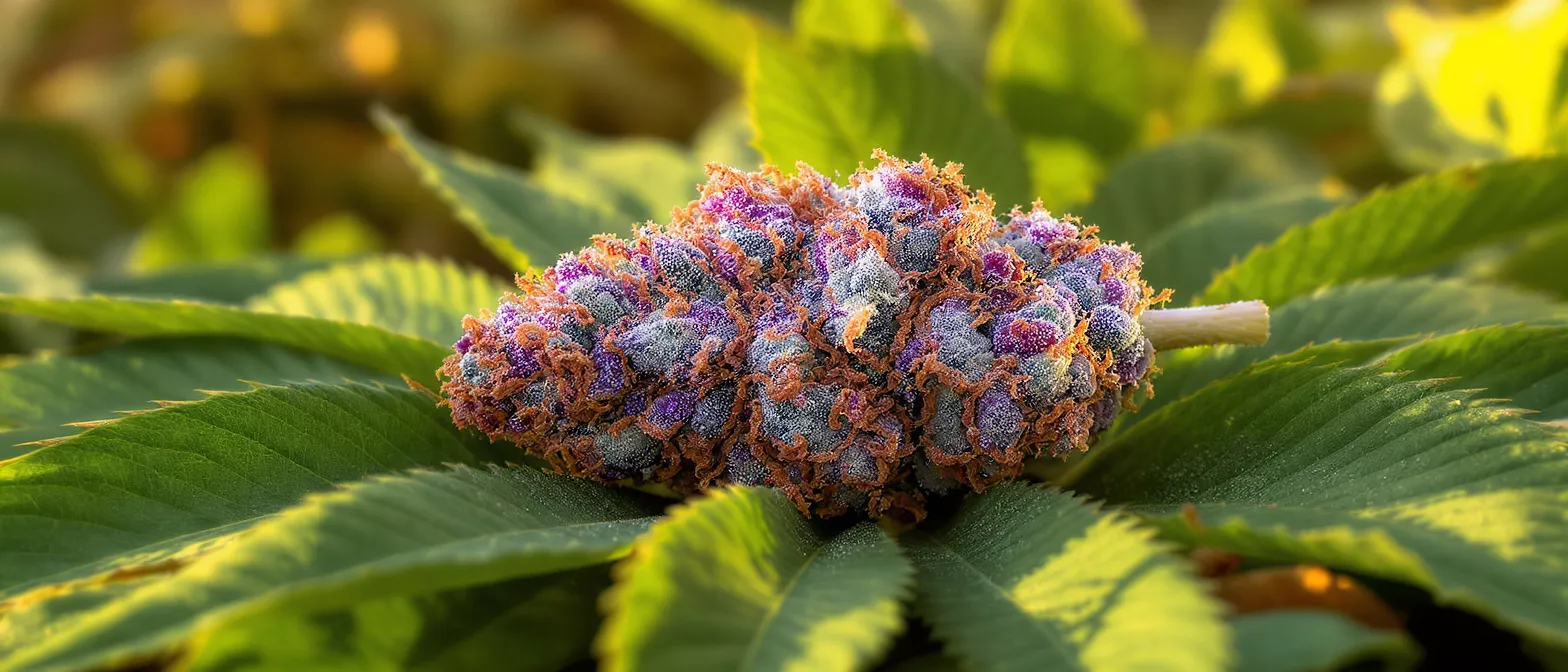
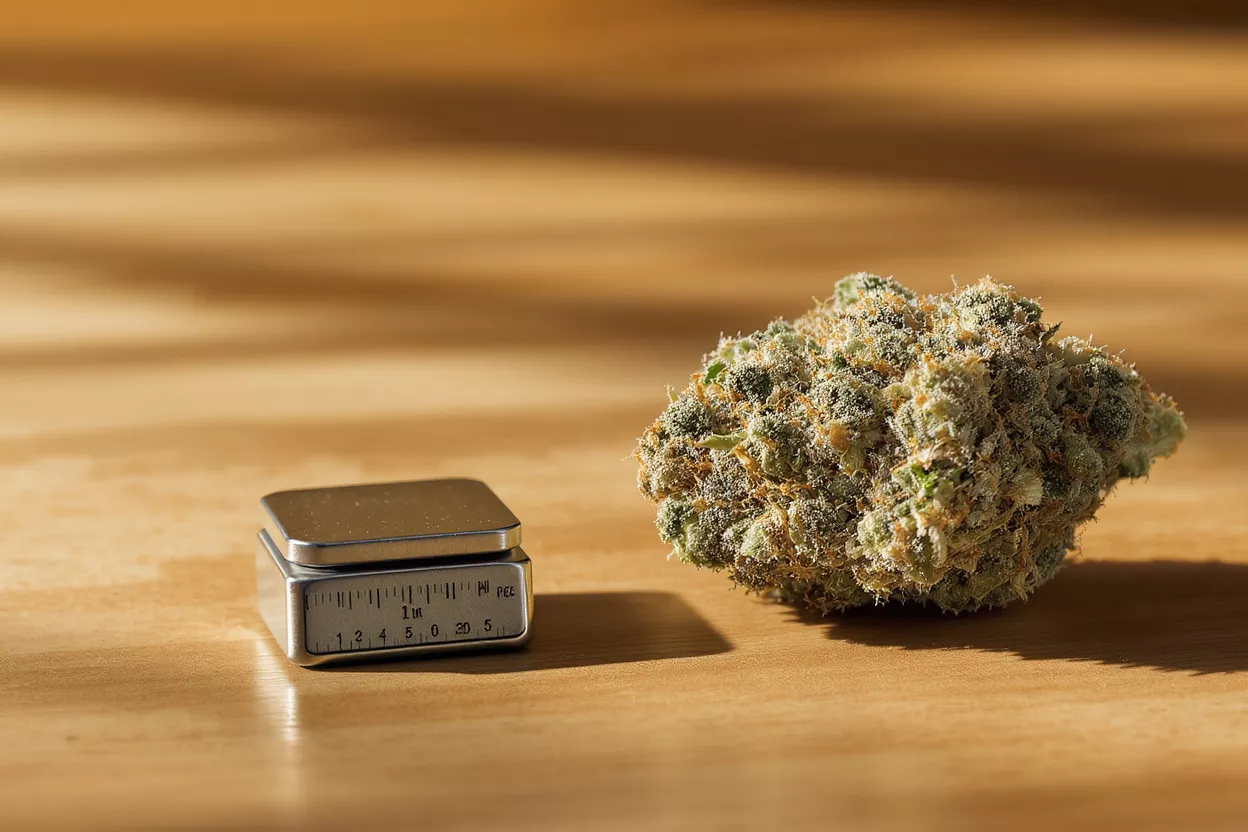
Blue Hawaiian is a sativa-dominant hybrid prized for its uplifting head buzz and dessert-like sweetness. The flower typically presents dense, frosty buds streaked with purple and blue undertones, capped by a thick layer of trichomes that hints at its potency. It is the kind of weed that performs equally well as an afternoon pick-me-up and a social companion, which is why it shows up so often in conversations about feel-good sativa hybrids.
Why the name matters: The "Blue Hawaiian" label is a nod to both its coloration and its tropical cocktail flavor, but names in cannabis can be inconsistent across dispensaries. Two jars labeled identically may differ in lineage and lab numbers, so always check the certificate of analysis rather than trusting the branding alone. The visual cues — the blue-violet hues and pineapple-forward nose — are usually the most reliable identifiers.
Consumers gravitate toward this cultivar because it delivers an energetic experience without the racy edge that some pure sativas carry. According to Prevention, individual responses to cannabis vary widely based on body chemistry, tolerance, and dosing, so treat any strain description as a starting point rather than a guarantee.
Blue Hawaiian Weed Genetics and Lineage
The genetic backbone of Blue Hawaiian traces to a cross between Blueberry and a Hawaiian sativa landrace, a pairing that fuses Blueberry's resinous indica structure with the soaring, citrus-tropical energy of island genetics. This combination explains the strain's balanced architecture: compact, colorful buds from the Blueberry side and the bright, cerebral lift from the Hawaiian parent.
Understanding hybrid balance: Despite its sativa lean, Blue Hawaiian carries enough Blueberry influence to soften the edges of its high. That genetic tug-of-war is what gives it a smooth, manageable character rather than a one-note rush. Breeders have stabilized several phenotypes over the years, and a Crossfade of these expressions can appear within a single batch — some leaning sweeter, others more piney and sharp.
If you enjoy tracing family trees, Blue Hawaiian sits comfortably among the classic Blueberry descendants. Its lineage makes it a natural gateway for fans of fruity hybrids who want a bit more daytime functionality. For a curated starting point, many shops point newcomers toward tropical sativa-hybrid flower that mirrors this genetic profile.
What Does Blue Hawaiian Weed Taste Like
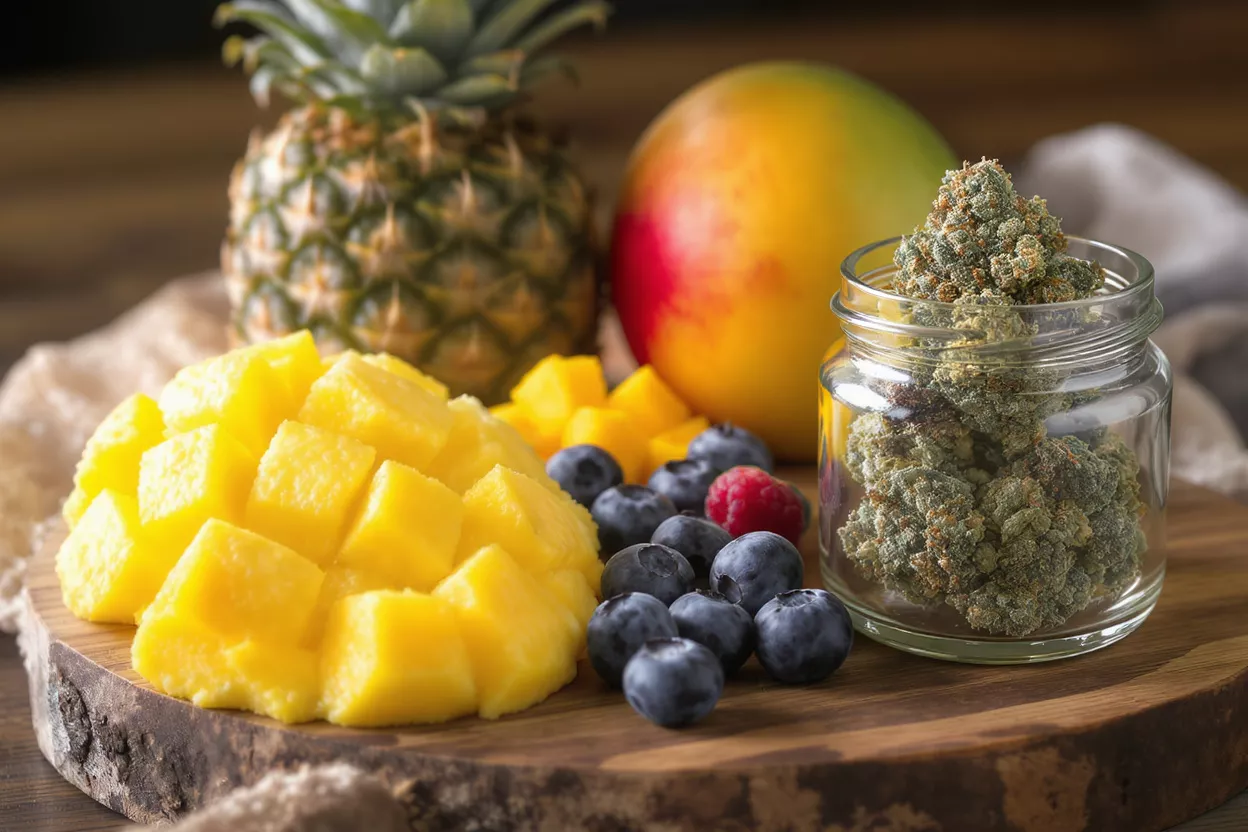
Flavor is where Blue Hawaiian truly distinguishes itself. The first impression is overwhelmingly tropical — ripe pineapple, mango, and a splash of blueberry sweetness, all riding on a creamy, almost coconut-like exhale. It tastes the way its name promises, and that consistency is part of why it has such a devoted fan base.
Beneath the obvious fruit notes sits a subtle herbal complexity. A faint Cymene-like peppery spice and a whisper of cedrene terpene effects round out the profile, keeping it from tasting flat or candy-simple. The smoke is generally smooth, especially from properly cured flower, though a harsher draw can signal rushed curing or excess moisture.
Getting the most flavor: Terpenes are volatile and degrade with heat and time, so storage matters. Keep your flower in airtight glass away from light and warmth to preserve those tropical top notes. Vaporizing at lower temperatures also showcases the sweeter terpenes before the heavier, earthier compounds take over.
Blue Hawaiian Weed Effects and Feeling
The Blue Hawaiian high opens with a bright, cerebral lift — a clear-headed wave of optimism that pairs well with conversation, creative work, or an afternoon walk. Users frequently describe an initial buzz of mental energy that gradually settles into a relaxed, comfortable body ease as the experience matures.
Energy without the jitters: Unlike some high-octane sativas that can tip into anxiety, Blue Hawaiian's Blueberry heritage tempers the rush. That makes it a friendlier option for people who want function and focus without an overstimulated, racing-heart feeling. The arc is gentle: uplifting at first, mellow toward the tail end.
Because the effects lean social and upbeat, this strain shines at gatherings, music sessions, or light physical activity. Some users report a mild Edible hangover only when they pair flower with concentrates or edibles late at night — moderation keeps the next morning crisp. For mellow evenings, pairing it with a soothing CBD topical roll-on can complement the body relaxation as the high winds down.
Terpene Profile of Blue Hawaiian Weed
The aromatic signature of Blue Hawaiian comes from a terpene blend dominated by myrcene, pinene, and caryophyllene, with supporting notes that build its tropical bouquet. Myrcene contributes the soft, fruity sweetness and a touch of relaxation, while pinene adds that crisp, slightly piney lift that keeps the experience alert.
Smaller players shape the nuance. Citronellol lends a faint floral-citrus brightness, and trace cedrene terpene effects bring a woody depth underneath the sugar. Collectively these compounds illustrate the entourage concept — the idea that terpenes and cannabinoids work together to influence the overall feel rather than acting in isolation.
The most common terpenes you may notice in Blue Hawaiian include:
- 🍋 Myrcene: earthy-sweet base note tied to relaxation and the fruity core.
- 🌲 Pinene: sharp, fresh pine that supports alertness and clarity.
- 🌶️ Caryophyllene: peppery spice that adds warmth and complexity.
- 🌸 Citronellol: delicate floral-citrus accent rounding out the nose.
How to Grow Blue Hawaiian Weed
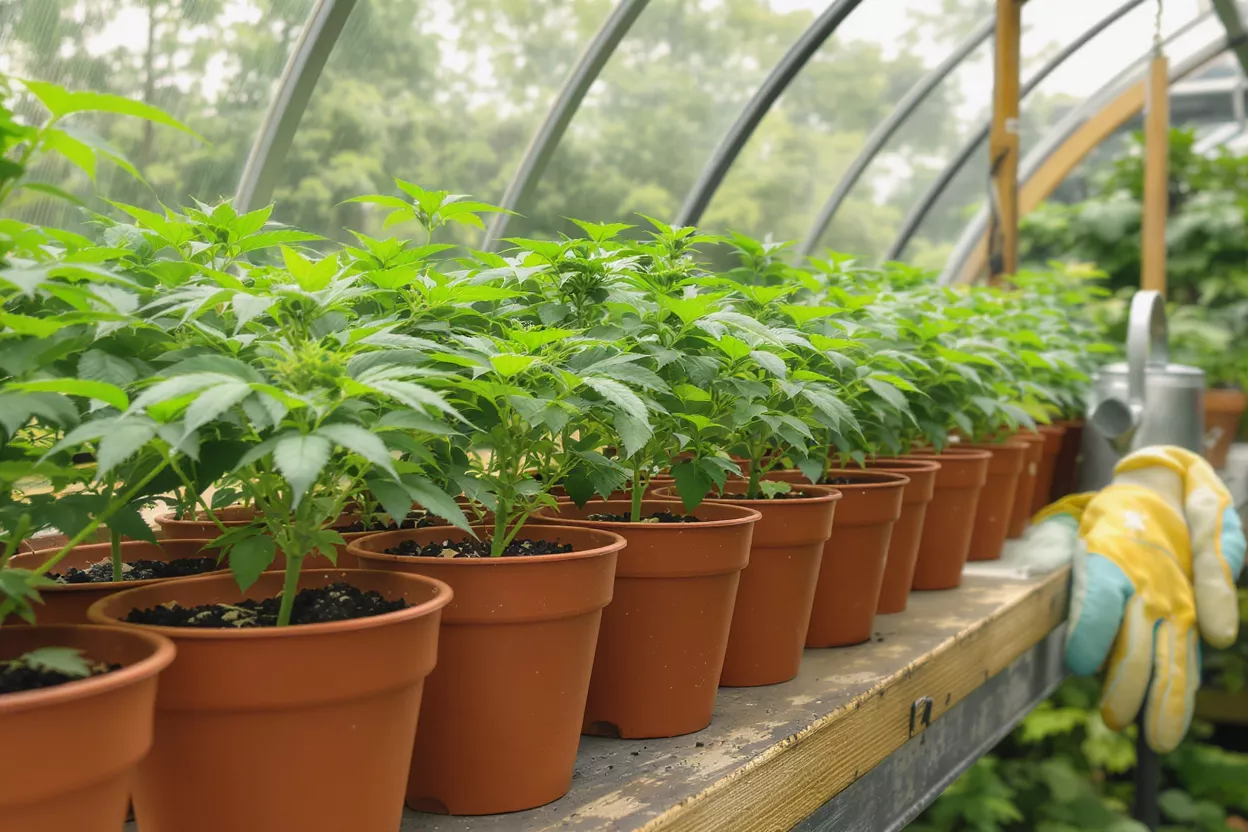
Blue Hawaiian is considered moderately easy to cultivate, rewarding growers with colorful, resin-heavy buds when given the right environment. It thrives in warm, sunny conditions that echo its Hawaiian lineage, making it a strong candidate for outdoor gardens in temperate-to-tropical climates and equally productive indoors under controlled lighting.
Climate and airflow: Because the buds grow dense, good ventilation is essential to prevent mold and mildew. Directional airflow across the canopy keeps humidity in check during the dense flowering stretch, and low-stress training opens the plant up so light reaches the lower bud sites. Growers in humid regions should watch late-flower moisture especially closely.
Flowering typically lands around eight to nine weeks indoors, with outdoor harvests arriving in early-to-mid autumn. The blue and purple hues deepen as nighttime temperatures drop near harvest, a cosmetic bonus that makes finished flower especially photogenic. Beginner cultivators often find it more forgiving than finicky landrace sativas.
Best Ways to Consume Blue Hawaiian Weed
How you consume Blue Hawaiian shapes how much of its tropical character you actually taste. Combustion in a pipe, bong, or rolled format is the classic route, and many fans favor cigarette style pre rolls for convenience and an even, predictable burn. A Dugout filled with ground flower is a tidy option for on-the-go single hits.
Vaporizing for flavor: Dry-herb vaporizers preserve the delicate pineapple and blueberry terpenes that high-heat combustion can scorch. Starting at lower temperatures and stepping up gradually lets you taste the sweet top notes before the richer, earthier compounds emerge. Concentrate fans may explore dabs through a Domeless nail or Circ perc rig for a more intense, terpene-forward hit.
If you prefer a smoke-free approach, infused options carry the experience in other directions. Quality matters most here — look for products with transparent lab testing and clean extraction, including lab-tested vape cartridges that capture the strain's signature flavor profile without additives.
Blue Hawaiian Weed Potency and THC
Blue Hawaiian generally tests in the moderate-to-high THC range, commonly landing between 18% and 22%, though individual batches can swing higher or lower depending on the grower and phenotype. That places it firmly in modern-potency territory while staying short of the most overwhelming heavy-hitters.
Beyond THC, minor cannabinoids contribute to the full experience. Trace amounts of CBL and CBLA (cannabicyclolic acid) can appear as THC and CBC degrade over time, which is one reason older flower sometimes feels subtly different from fresh. Some modern hybrids are also bred to express novel cannabinoids like Delta-10, though that is not a defining trait of classic Blue Hawaiian.
Reading a lab report: Total THC matters more than the THCA number printed in large font on packaging. Check the full cannabinoid panel and the terpene breakdown if available — those two numbers together tell you far more about the experience than potency alone. A balanced terpene profile often makes a 19% flower feel more satisfying than a poorly grown 24% one.
Is Blue Hawaiian Weed Good for Beginners
For newcomers, Blue Hawaiian strikes a reasonable balance. Its uplifting, anxiety-light character makes it more approachable than aggressive sativas, and the moderate THC range is manageable when you start low and go slow. The pleasant flavor also makes the first experiences more enjoyable, which matters when you are still learning your tolerance.
That said, "beginner-friendly" is relative. Even a 20% flower can overwhelm someone with zero tolerance, so a single small inhalation followed by a fifteen-minute wait is the sensible approach. The Crossfade risk — mixing cannabis with alcohol — hits new users hardest, so keep the two separate until you know how each affects you independently.
A few quick tips to keep early sessions comfortable:
- 💧 Hydrate first: dry mouth is the most common minor side effect.
- ⏳ Wait between hits: effects build over several minutes, so patience prevents overdoing it.
- 🍃 Choose your setting: a calm, familiar environment makes the experience far more pleasant.
- 📋 Read the label: verify THC content and lab testing before you buy.

Blue Hawaiian Weed FAQ and Tips
One of the most common questions is whether Blue Hawaiian is a true sativa or a hybrid. The honest answer is that it is a sativa-dominant hybrid — the Blueberry parentage adds enough indica structure to keep the high grounded, which is exactly why so many people enjoy it for daytime use without the jittery downside.
Storage and shelf life: Properly stored in airtight glass, away from light and heat, Blue Hawaiian flower keeps its flavor and potency for many months. Humidity packs help maintain ideal moisture, preventing both the harsh dryness of stale weed and the mold risk of overly damp buds. Good storage is the cheapest way to protect your investment.
Blue Hawaiian remains a standout for anyone chasing tropical flavor with balanced, functional effects. From its Blueberry-meets-island genetics to its bright pineapple terpenes and approachable potency, it delivers a consistently feel-good experience that works for both newcomers and veterans. Check the lab report, store it well, start with a modest dose, and this weed will reward you with a sunny, mellow ride every time.