

Clementine
Discover the Clementine strain — a bright, energizing citrus sativa perfect for daytime use.
What Is the Clementine Strain
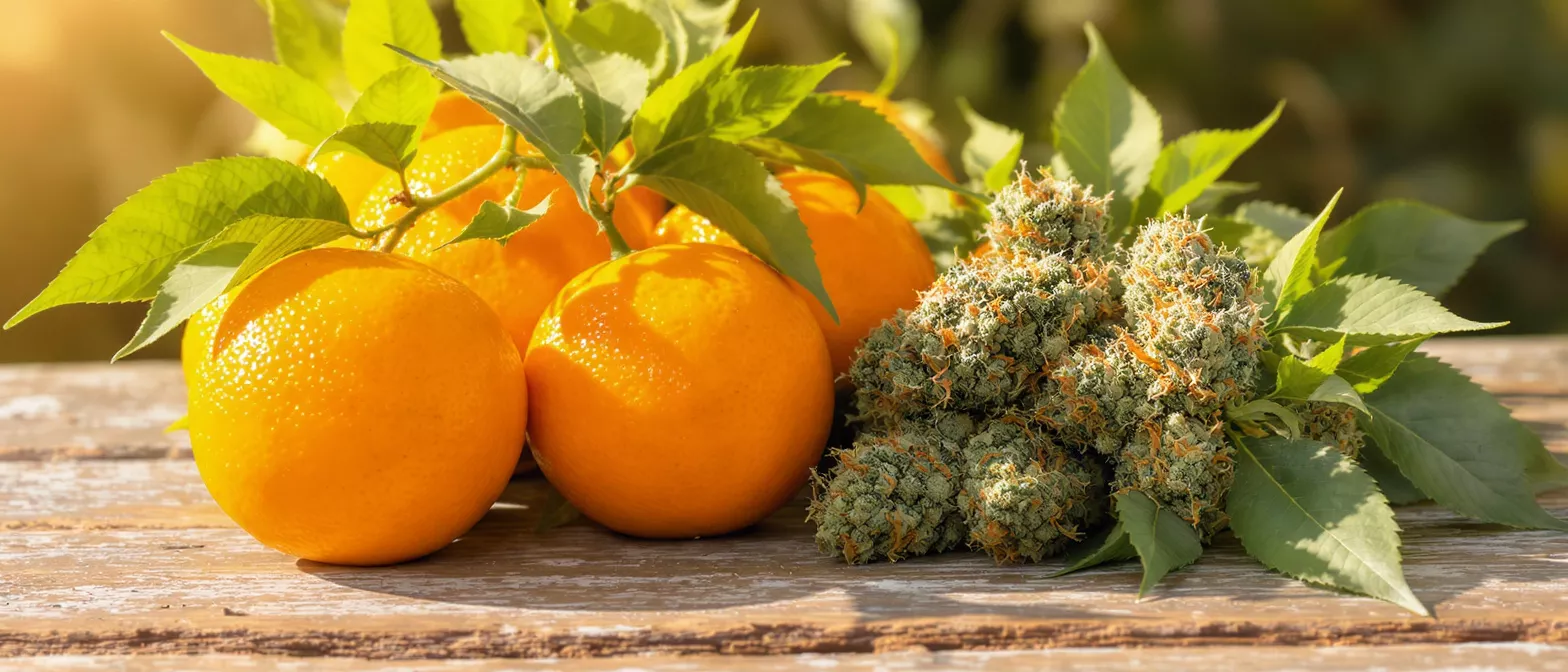
The Clementine strain is a sativa-dominant hybrid that has earned a devoted following for one simple reason: it tastes and smells exactly like its namesake. Pop open a jar and you are met with a bright wave of fresh citrus zest, the kind that makes you think of peeling a tangerine on a sunny morning. Beyond the aroma, Clementine delivers a clear-headed, energizing experience that has made it a staple for daytime users who want function alongside their flower.
Bred by the renowned Crockett Family Farms, Clementine quickly distinguished itself in a crowded field of fruit-forward cultivars. It took home awards on the competition circuit and became a reference point for what a citrus sativa should taste like. Its reputation rests not on gimmickry but on a genuinely exceptional terpene expression that few other strains match.
Why Clementine stands out among sativas: Many energizing strains trade flavor for potency or come with a jittery, anxious edge. Clementine threads the needle, offering a stimulating buzz that stays balanced and approachable. The combination of an authentic orange-creamsicle taste and an uplifting, productive head space is what keeps growers and consumers returning to this cultivar year after year.
Clementine Strain Genetics and Lineage
Clementine is the product of crossing Tangie with Lemon Skunk, two cultivars already celebrated for their citrus character. Tangie contributes the deep tangerine sweetness and sativa-leaning structure, while Lemon Skunk adds a sharp, tart lemon bite and reliable vigor. The result is a hybrid that leans roughly seventy percent sativa, carrying forward the best traits of both parents.
Understanding the Tangie influence: Tangie itself descends from California Orange and a Skunk hybrid, giving Clementine a pedigree rooted in some of the most famous citrus lines in cannabis history. This ancestry explains why the strain expresses such a pronounced orange profile rather than a generic "fruity" note. The genetics were deliberately selected to amplify limonene production, the compound responsible for that signature zest.
Stabilizing this lineage took careful breeding work. Crockett Family Farms phenotype-hunted to lock in the most expressive citrus and the most consistent growth pattern. Reputable cannabis clinicians and educators, including resources from the Society of Cannabis Clinicians, emphasize that consistent genetics matter for anyone trying to predict how a strain will affect them, and Clementine's well-documented lineage makes it easier to anticipate.
Clementine Terpene Profile and Aroma
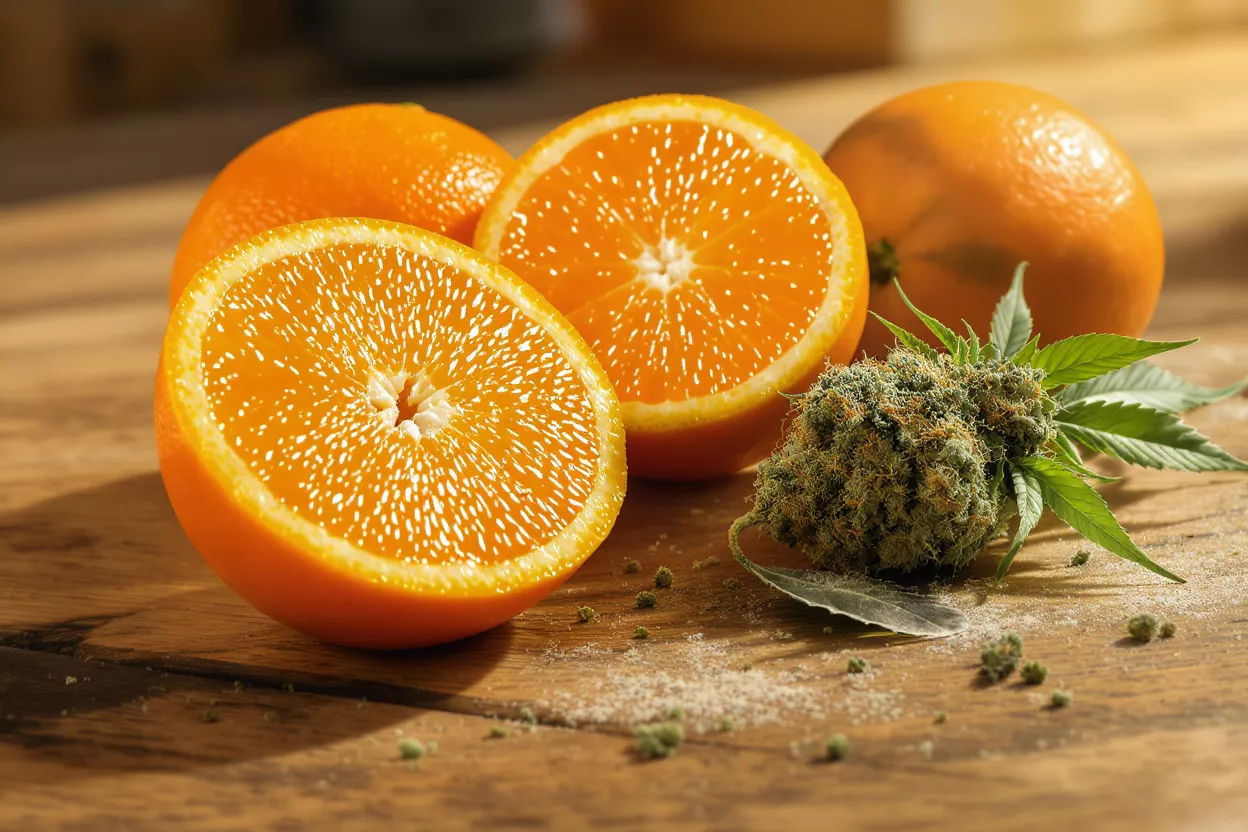
The aromatic heart of Clementine is its dominant limonene content. This terpene, also found in actual citrus rind, produces the unmistakable orange-and-lemon character that defines the strain. When you grind a bud, the smell intensifies into something close to fresh-squeezed juice, with a faint sweetness underneath that recalls candy or sorbet.
Limonene is not working alone. Secondary terpenes round out the profile and shape both the aroma and the felt experience:
- 🍊 Limonene: The headliner, delivering bright citrus zest and an uplifting, mood-elevating quality.
- 🌿 Myrcene: Adds a subtle herbal, slightly musky base that softens the sharpness and lends a touch of body relaxation.
- 🌲 Pinene: Contributes a faint pine-forest crispness that supports the clear-headed, alert sensation.
- 🌸 Caryophyllene: Brings a gentle peppery warmth that complements the sweetness on the exhale.
How the terpene blend shapes the high: The interplay of these compounds with cannabinoids is often called the entourage effect. In Clementine, limonene's energizing tendency pairs with just enough myrcene to keep the experience smooth rather than frantic. This balance is a large part of why the strain feels so polished compared to harsher, one-note sativas.
Clementine Strain Effects and Experience
The Clementine strain delivers a fast-acting cerebral lift that arrives almost as soon as the citrus flavor fades. Users frequently describe an immediate brightening of mood, a sense of mental clarity, and a gentle surge of motivation. It is the kind of high that nudges you toward activity rather than the couch, making it a favorite for getting things done.
As the experience settles, the energy mellows into a sustained, comfortable focus. Conversation flows more easily, creative tasks feel less daunting, and the world generally takes on a sunnier tint. Because the sativa influence dominates, heavy sedation is rare; instead, most people report staying functional and engaged throughout the duration of effects.
Managing the energetic edge: For sensitive users or those prone to anxiety, Clementine's stimulating nature can occasionally feel like too much in large doses. Starting with a modest amount lets you enjoy the upbeat clarity without tipping into raciness. As with any potent sativa, knowing your own tolerance is the key to a consistently pleasant session. 🌞

Clementine THC Content and Potency
Clementine is a genuinely potent cultivar, with THC levels commonly testing between nineteen and twenty-seven percent. The exact figure depends heavily on growing conditions, harvest timing, and curing, but even at the lower end this strain delivers a robust, unmistakable effect. Newcomers should treat it with respect.
Why potency varies between batches: Cannabinoid content is not fixed by genetics alone. Light intensity, nutrient management, and the moment of harvest all push THC numbers up or down. Two jars of Clementine from different growers can differ by several percentage points, which is why lab testing on the label is worth reading before you buy.
Beyond THC, Clementine typically carries only trace amounts of CBD, so it is not the strain to reach for if you want a cannabinoid-balanced, mellow experience. Its value lies in that high-THC, terpene-rich combination that produces a vivid, flavorful, energizing session rather than a subtle one.
What Is Clementine Strain Good For
Many people gravitate toward Clementine for daytime use precisely because it does not slow them down. The uplifting, clear-headed profile makes it a natural companion for tasks that benefit from a positive mood and steady focus, whether that is creative work, social gatherings, or simply moving through a busy afternoon.
Anecdotally, users turn to Clementine for a range of wellness goals, though it is important to frame these as personal experiences rather than medical guarantees:
- ☀️ Mood support: The limonene-driven lift is often described as helpful for shaking off a gray, sluggish morning.
- 💡 Focus and motivation: Many reach for it before creative or detail-oriented work that benefits from mental energy.
- 🗣️ Social ease: The talkative, upbeat headspace can make gatherings feel more relaxed and engaging.
- 🍽️ Appetite: Like many cannabis strains, it can gently encourage hunger as the effects mature.
Setting realistic expectations: Individual responses to cannabis vary enormously based on biology, tolerance, and mindset. What feels energizing for one person may feel overstimulating for another. Treating these reported benefits as a starting point for your own careful experimentation is the most honest way to approach any strain.

How to Grow Clementine Cannabis
Growers appreciate Clementine for being relatively cooperative while still rewarding skill. The plant tends toward the tall, stretchy structure typical of sativa-dominant genetics, so vertical space and a bit of training go a long way. Topping and low-stress training help manage height and open the canopy for better light penetration.
Indoor versus outdoor cultivation: Indoors, Clementine flowers in roughly nine to ten weeks and responds well to a controlled environment where humidity and airflow can be dialed in. Outdoors, it thrives in a warm, Mediterranean-style climate and is typically ready for harvest in early to mid October. Outdoor plants can grow impressively large, producing generous yields of frosty, citrus-soaked buds.
Pest and mold vigilance matters, as the dense colas can trap moisture if airflow is poor. Keeping humidity in check during late flowering protects both yield and that prized terpene content. Growers who pay attention to environmental detail are rewarded with sticky, resinous flowers that fill a room with orange aroma the moment the jar opens.
Clementine Flavor and Best Consumption Methods
If the aroma sells Clementine, the flavor seals the deal. On inhale, the taste is pure sweet citrus, like biting into a ripe tangerine, with a tart lemon edge inherited from its Lemon Skunk parent. The exhale carries a smooth, faintly creamy finish that has earned comparisons to an orange creamsicle.
How you consume Clementine influences how much of that flavor you capture:
- 💨 Vaporizing: Low-temperature vaping preserves the delicate limonene, delivering the cleanest, most vivid citrus expression.
- 🔥 Smoking flower: A classic joint or bowl emphasizes the fuller, slightly skunky depth of the strain.
- 🫙 Concentrates: Live resin and rosin made from Clementine capture an intense, terpene-rich burst of orange.
Preserving the terpene experience: Heat is the enemy of fragile aromatic compounds. Whether you vape or smoke, lower temperatures protect the very terpenes that make Clementine special. Proper storage in a cool, dark, airtight container also keeps that citrus profile vibrant for far longer than a loosely sealed jar ever could.
Clementine Strain vs Other Citrus Sativas
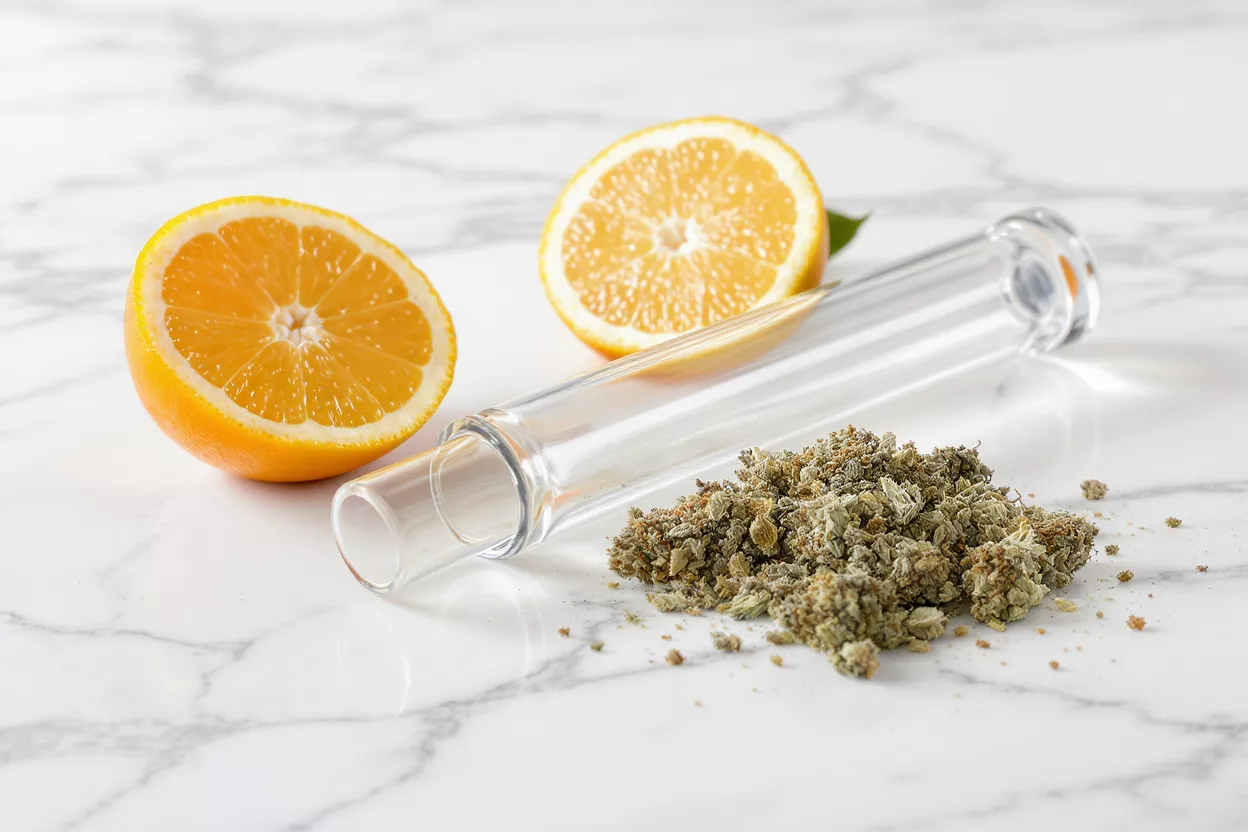
The citrus sativa category is crowded, and Clementine shares shelf space with relatives like Tangie, Super Lemon Haze, and Agent Orange. What separates it is the authenticity and balance of its profile. Where some citrus strains lean purely sharp and lemony, Clementine offers a rounder, sweeter orange character that many find more pleasant.
How Clementine compares to its parent Tangie: Because Tangie is in its lineage, the two share obvious DNA. Clementine, however, tends to express a brighter, more candy-like sweetness thanks to the Lemon Skunk contribution, and its effects often feel a touch more clear-headed and less hazy than straight Tangie.
Against an energizer like Super Lemon Haze, Clementine generally delivers a smoother, more approachable ride. Super Lemon Haze can be intensely racy for some, whereas Clementine's myrcene content tempers the edge. For consumers who want citrus energy without the wired feeling, Clementine frequently wins the comparison on comfort alone.

Is Clementine Strain Right for You
Clementine is an excellent match for anyone who prizes flavor as much as effect and wants a daytime strain that keeps them functional. If your ideal session involves a bright mood, a clear mind, and an aroma that genuinely smells like fresh fruit, this cultivar belongs on your shortlist. It rewards both casual enjoyment and discerning terpene chasers.
That said, it is not for everyone. Those who are highly sensitive to THC, prone to anxiety from energetic sativas, or specifically seeking heavy sedation for sleep will likely find Clementine a poor fit. In those cases, an indica or a balanced hybrid would serve better, and that is perfectly fine; the goal is matching the plant to your needs.
Ultimately, Clementine endures because it does one thing exceptionally well: it captures the joy of citrus in cannabis form while delivering a reliable, uplifting experience. Approach it with a sense of your own tolerance, store it properly to protect those terpenes, and you have a strain capable of brightening an ordinary afternoon. For most fans of citrus sativas, that is exactly what they were looking for. 🍊