

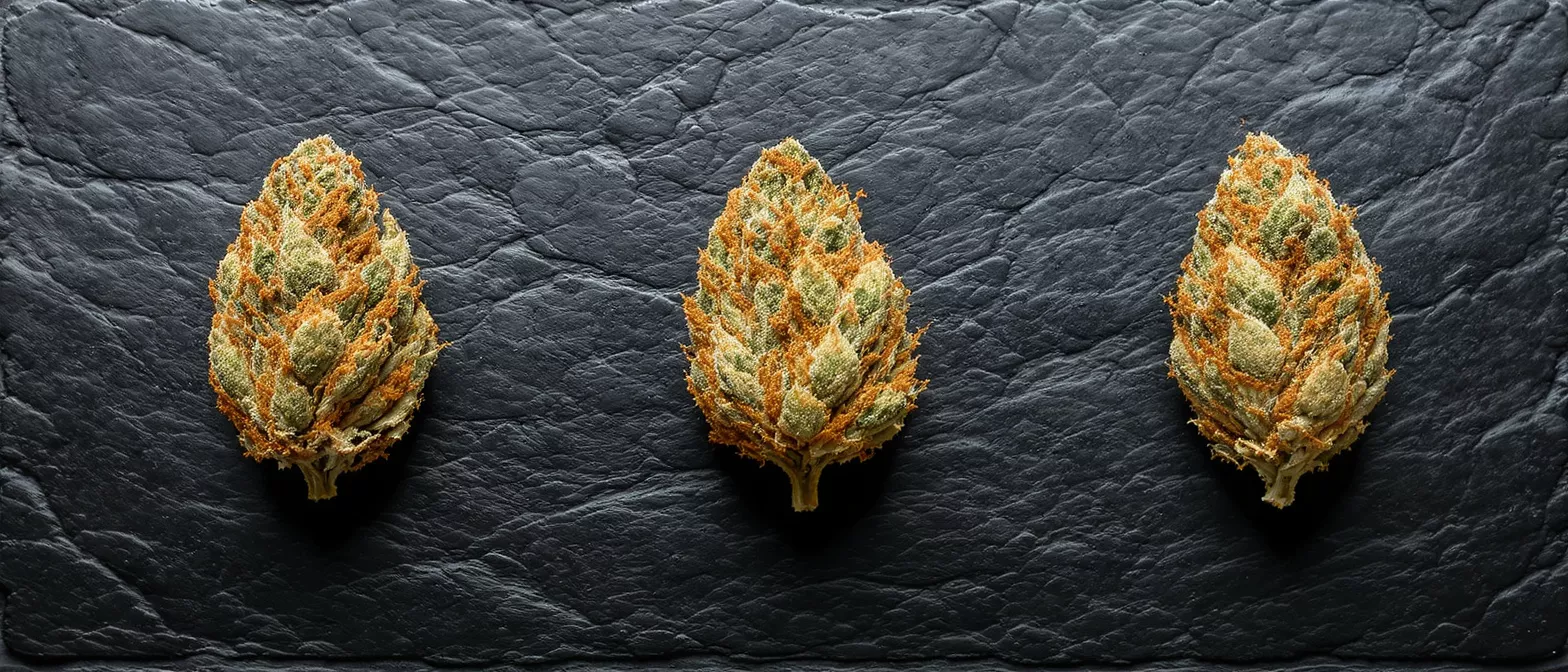
Indica vs Sativa vs Hybrid: How to Read Any Strain Guide
Learn what indica vs sativa vs hybrid really means.
If you have ever stood in front of a menu wondering whether an indica will glue you to the couch or a sativa will send your mind racing, you are not alone. The indica vs sativa vs hybrid framework is the first thing most people learn about cannabis, and it is also the most misunderstood. These three labels promise a shortcut to predicting how a strain will feel, yet the reality is far more nuanced. This guide unpacks what those categories genuinely tell you, where they fall short, and how to read any strain guide with real confidence rather than marketing shorthand.
By the end, you will understand the botanical roots of these terms, the chemistry that actually drives your experience, and a practical method for matching a strain to your goals. Whether you want to wind down at night, stay productive during the day, or find something balanced in between, knowing how to interpret the indica vs sativa vs hybrid spectrum turns guesswork into informed choice.
What Does Indica vs Sativa vs Hybrid Actually Mean
The botanical origin of the labels: The terms indica and sativa began as taxonomic descriptions of the plant's physical structure, not its effects. Cannabis indica plants are traditionally short, bushy, and broad-leaved, adapted to the harsh mountain climates of regions like the Hindu Kush. Cannabis sativa plants grow tall and lanky with narrow leaves, suited to warmer equatorial zones. This distinction described how the plant looked and grew long before anyone linked it to a specific high.
Why the effect associations emerged: Over decades of cultivation, growers and consumers began pairing indica with relaxing, body-heavy sensations and sativa with uplifting, cerebral ones. There is a grain of truth here, because certain landrace populations did carry consistent chemical profiles. But modern breeding has blended these lineages so thoroughly that a plant labeled indica may produce effects a strict botanist would call atypical. The label survives largely because it is convenient, not because it is scientifically precise.
A hybrid, meanwhile, is simply a cross between indica and sativa genetics. Because almost every commercial strain today descends from generations of crossbreeding, the truth is that nearly everything on the market is a hybrid to some degree. Pheno-hunting, the practice of selecting standout individual plants from a batch of seeds, further diversifies what any given name delivers. Understanding this history helps you treat the labels as a loose starting point rather than a guarantee.
What Is an Indica Strain and What Are Its Effects
The classic indica profile: When people ask what is an indica strain, they usually mean the deeply relaxing, sedating experience associated with evening use. Indica strains effects are commonly described as a heavy body sensation, muscle relaxation, and a pull toward rest. This is why so many consumers reach for indica for sleep, treating it as a natural wind-down at the end of a long day. According to Prevention, the sedating reputation of certain cannabis varieties has real anecdotal backing, though individual responses vary widely.
The compounds behind that couch-lock feeling are not exclusive to indica genetics. The presence of myrcene, a terpene common in mango and hops, correlates strongly with sedation regardless of whether a plant is labeled indica or sativa. Phenolic compounds and other phytochemicals also contribute to the overall character. This is why two indicas can feel dramatically different from one another despite sharing a category.
If you are shopping for downtime, a good starting point is to look for a high-myrcene nighttime indica and note how your body responds. Keep a simple journal of what you tried and how you felt an hour later. Over time this personal data will teach you far more than any label. Many people find that indica-leaning options pair well with a quiet evening, a warm room, and no obligations waiting.
What Is a Sativa Strain and How Does It Differ
The energizing reputation: Asking what is a sativa strain typically points toward the opposite end of the spectrum. Sativa strains effects are described as uplifting, cerebral, and sometimes creativity-enhancing. People often choose sativa for energy during daytime activities, social gatherings, or focused creative work. The contrast between indica vs sativa effects is the entire reason these labels persist in dispensary culture.
The reality, as with indica, is chemistry over category. Sativa-leaning strains often carry higher levels of terpenes like limonene and pinene, which some users associate with alertness and mood elevation. A single Pinner joint of a bright, citrus-forward sativa can feel completely unlike a dense indica flower, even at comparable potency. The plant's terpene fingerprint, not its taxonomic name, drives that difference.
That said, sativa effects come with a caveat worth respecting. For some people, especially those new to cannabis, strongly cerebral strains can tip into anxiousness rather than pleasant stimulation. If you are prone to racing thoughts, start with a low dose and consider a balanced option instead. A thoughtfully chosen daytime energizing sativa can be wonderful for the right person, but self-awareness matters more than the marketing on the jar.
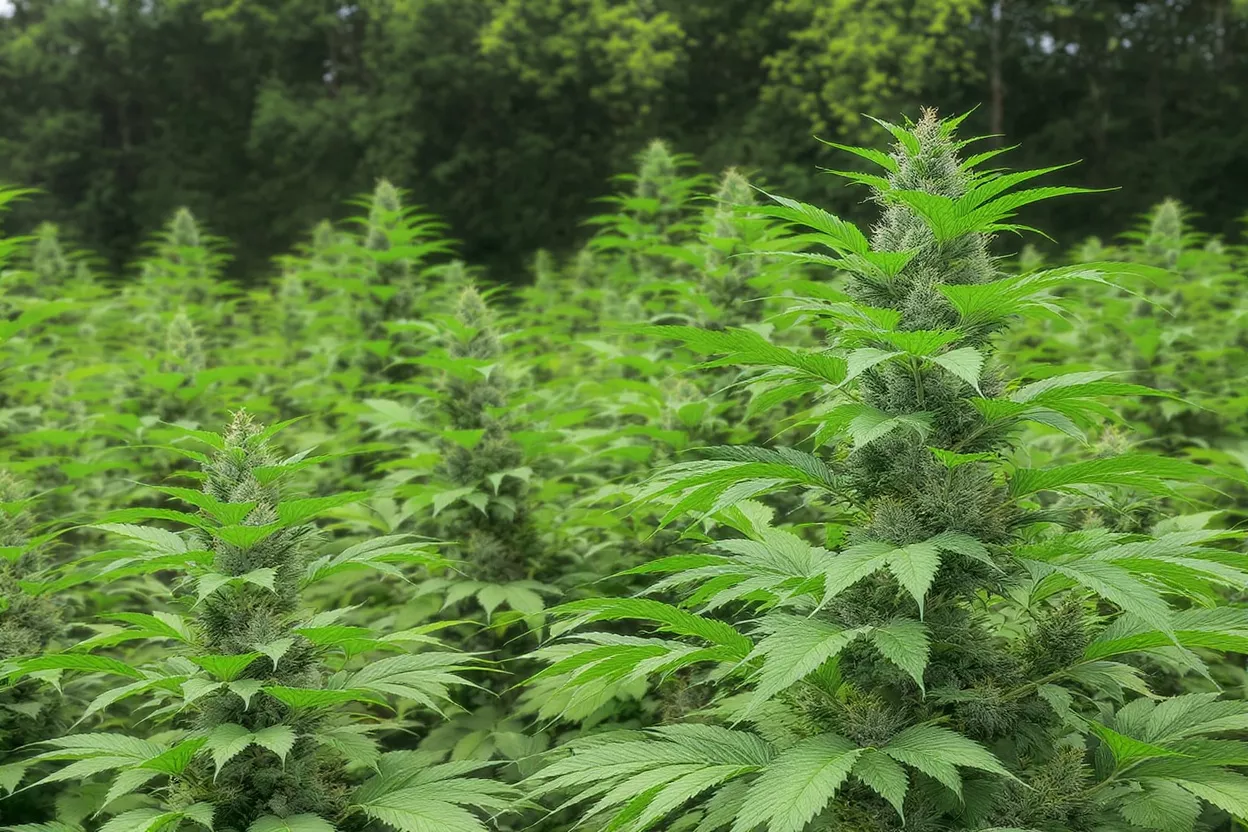
What Are Hybrid Cannabis Strains and Why They Dominate
Hybrids as the modern default: When you ask what is a hybrid strain, the honest answer is that it describes the overwhelming majority of cannabis grown today. Hybrid cannabis strains combine indica and sativa lineages in varying ratios, and breeders label them by which parent dominates. An indica-dominant hybrid leans toward relaxation while retaining a touch of head clarity; a sativa-dominant hybrid does the reverse. This flexibility is exactly why hybrid strains effects are so appealing to a broad audience.
Balanced hybrids for versatility: A true 50/50 hybrid aims to deliver the best of both worlds, a manageable body ease paired with gentle mental lift. Many consumers looking for hybrid for anxiety gravitate toward these balanced profiles because they avoid the extremes that can trigger discomfort. The strain Abusive OG is one example of a heavily indica-leaning hybrid that fans praise for its grounding, mellow character, illustrating how far a hybrid can tilt in one direction while still technically being a cross.
Breeding for specific outcomes has produced some genuinely remarkable results, including Moon rocks, which are flower buds coated in concentrate and rolled in pollen for extreme potency. Techniques from the wider cannabis world, from Open blasting extraction to careful Permaculture growing, all feed into the diversity of hybrid genetics available. The takeaway is that hybrid is not a vague middle ground but a deliberate design space where cultivators fine-tune the experience.
Indica vs Sativa vs Hybrid Effects Chart Explained
Nearly every dispensary features some version of an indica vs sativa effects chart, and while these visuals are useful for orientation, they should be read as generalizations rather than rules. Here is a simplified breakdown of the classic associations, with the honest caveat that your mileage will vary based on chemistry and personal biology.
- 🌙 Indica: Body-focused relaxation, sedation, appetite stimulation, best suited to evenings and rest.
- ☀️ Sativa: Cerebral energy, mood elevation, creativity, generally paired with daytime and social activity.
- ⚖️ Balanced hybrid: A blend of both, offering moderate relaxation without heavy sedation, flexible for many times of day.
- 🌿 Indica-dominant hybrid: Leans relaxing but keeps some mental clarity, popular for early evening.
- 💡 Sativa-dominant hybrid: Leans uplifting but tempers the edge, favored for functional daytime use.
The problem with treating any chart as gospel is that it ignores dose, tolerance, and the specific terpene and cannabinoid ratios of the exact batch you buy. Two jars labeled the same strain from different grows can diverge noticeably. Use the chart to narrow your search, then rely on product-specific lab data and your own notes to refine your choices.
This is also where a quality retailer earns its reputation. A menu that lists detailed terpene profiles and cannabinoid percentages lets you go beyond the three-word label. When you pair chart-level intuition with real numbers, you make far better decisions than someone shopping on category alone.
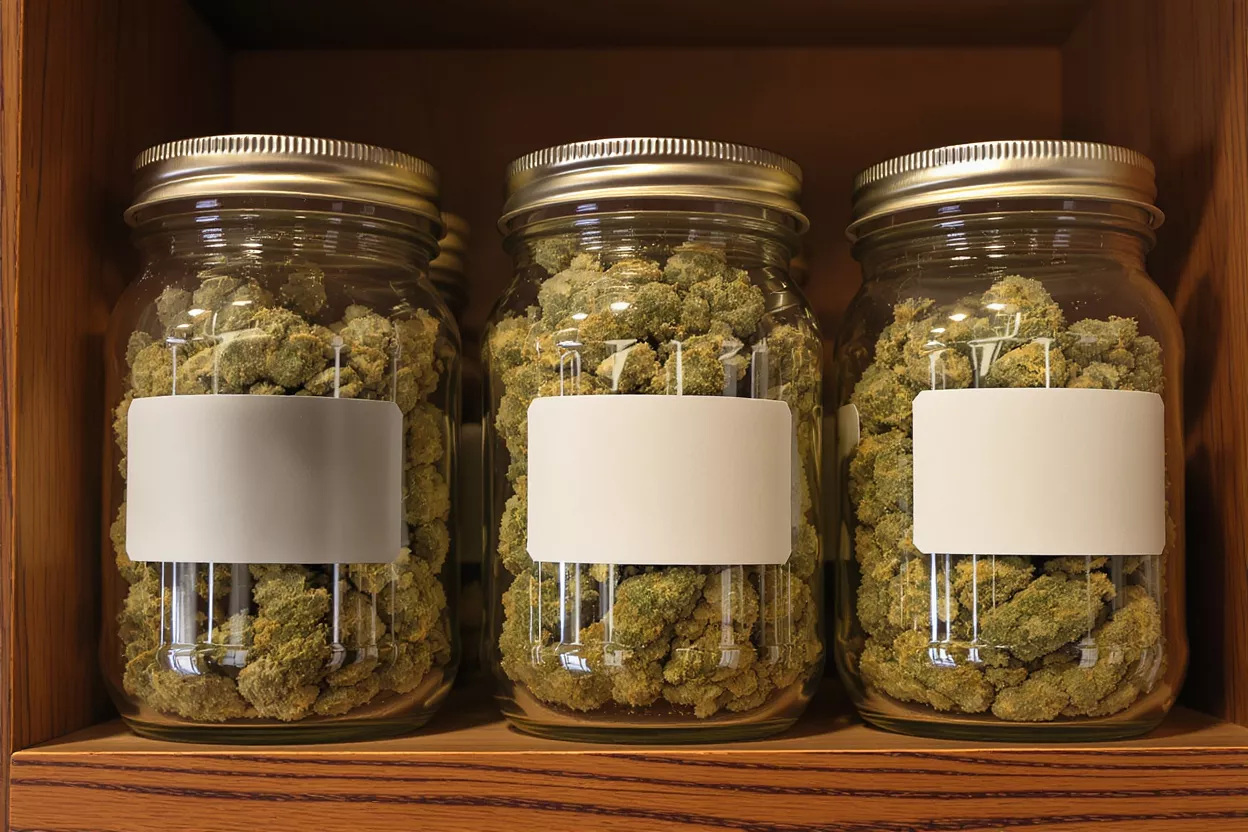
How to Choose a Cannabis Strain for Your Goals
Start with intent, not category: The smartest approach to how to choose a cannabis strain flips the usual order. Instead of asking indica or sativa, ask what you actually want the experience to accomplish. Do you want to fall asleep, socialize, create, ease physical tension, or simply relax without feeling foggy? Naming the goal first lets the category and chemistry serve you rather than dictate to you.
Match potency to experience level: Potency matters as much as type. A high-THC strain can overwhelm a newer consumer regardless of whether it is indica or sativa, while a moderate option delivers a pleasant effect with more control. Beginners are often better served by a balanced low-dose starter flower that leaves plenty of room to explore. You can always take more; you cannot take less once it is consumed.
Format is the final variable. Flower, vapes, edibles, and concentrates all deliver the same underlying genetics differently in terms of onset and duration. A pinner of flower offers quick onset and easy control, while edibles last longer and hit harder. Consider how a Plug or Percolator on a water pipe changes the smoothness of inhalation, or how a Micron screen keeps unwanted plant matter out of your bowl. Matching format to your lifestyle rounds out a genuinely informed purchase.
How Terpenes Shape Indica and Sativa Effects
The entourage effect: Terpenes are the aromatic compounds responsible for cannabis's smell, and mounting evidence suggests they meaningfully shape effects. The idea that terpenes and cannabinoids work together, sometimes called the entourage effect, helps explain why indica strains effects and sativa strains effects vary so much within a single category. Myrcene leans sedating, limonene leans uplifting, and pinene may support alertness and counteract some memory fog.
Beyond the headline terpenes, compounds like Phytol and various Phenolic compounds contribute subtle layers to the overall profile. Piperine, the pungent compound in black pepper, is sometimes discussed for its interaction with certain terpenes, an example of how plant chemistry extends well beyond THC content. This complexity is exactly why two strains with identical THC percentages can feel worlds apart.
The practical lesson is to read terpene data whenever it is available. If a product lists high myrcene and you want sleep, that is a stronger signal than the word indica alone. Interestingly, the terpene conversation has spilled beyond cannabis, with wellness enthusiasts exploring functional mushrooms like Lion's Mane for cognitive support, reflecting a broader curiosity about how natural compounds influence how we feel and function.

Reading Any Strain Guide: Labels and Percentages
A strain guide is only as useful as your ability to interpret it. Beyond the indica vs sativa vs hybrid tag, the most valuable information sits in the numbers: THC percentage, CBD percentage, and the dominant terpenes. Learning to scan these quickly transforms a confusing menu into a readable map. Here is what to prioritize when you evaluate any listing.
- 🔬 Cannabinoid percentages: Check THC and CBD first; a higher CBD ratio often softens intensity and anxiousness.
- 🍋 Dominant terpenes: These predict character better than the indica or sativa label alone.
- 📅 Harvest or packaging date: Fresher flower generally offers a fuller terpene profile and better experience.
- 🏷️ Producer reputation: An established MSO or craft grower with consistent testing is worth trusting.
- 💧 Format details: Note whether extraction used clean methods and whether the product is free of unwanted residue.
Industry jargon can be intimidating at first. Terms like MSO for a multi-state operator, LST for low-stress training in cultivation, and Octobowl for a specific accessory all pop up in guides and forums. You do not need to memorize every bit of slang, but recognizing the vocabulary helps you separate substantive information from marketing noise.
Packaging matters too, though not in the way marketing suggests. Some materials like Polyethylene are common in cannabis packaging, and proper airtight storage preserves potency and terpenes far longer than a decorative jar left half open. Small handling details, from storage to how you grind, add up to a noticeably better session over time.
Common Myths About Indica vs Sativa Effects
Myth: indica always sedates and sativa always energizes. This is the single most persistent misconception. While the general tendencies hold often enough to be useful, plenty of indica-labeled strains feel bright and plenty of sativas feel mellow. The chemistry of the specific plant overrides the category. Treating the label as an ironclad rule sets you up for surprises, both pleasant and unpleasant.
Myth: the plant's shape predicts your high. A broad-leaf plant does not guarantee a body-heavy experience. Because modern genetics are so thoroughly hybridized, physical appearance tells you almost nothing reliable about effects for the average consumer. What matters is the finished flower's cannabinoid and terpene content, verified by testing.
Another common misunderstanding is that higher THC automatically means a better or stronger experience. In practice, the interplay of terpenes and cannabinoids, along with your personal tolerance, shapes satisfaction far more than a single percentage. Sometimes a moderate-THC flower with a rich terpene profile outperforms a THC-heavy one that feels one-dimensional. Slang words like Ouid float around online, but chasing hype numbers rarely delivers the experience people actually want.
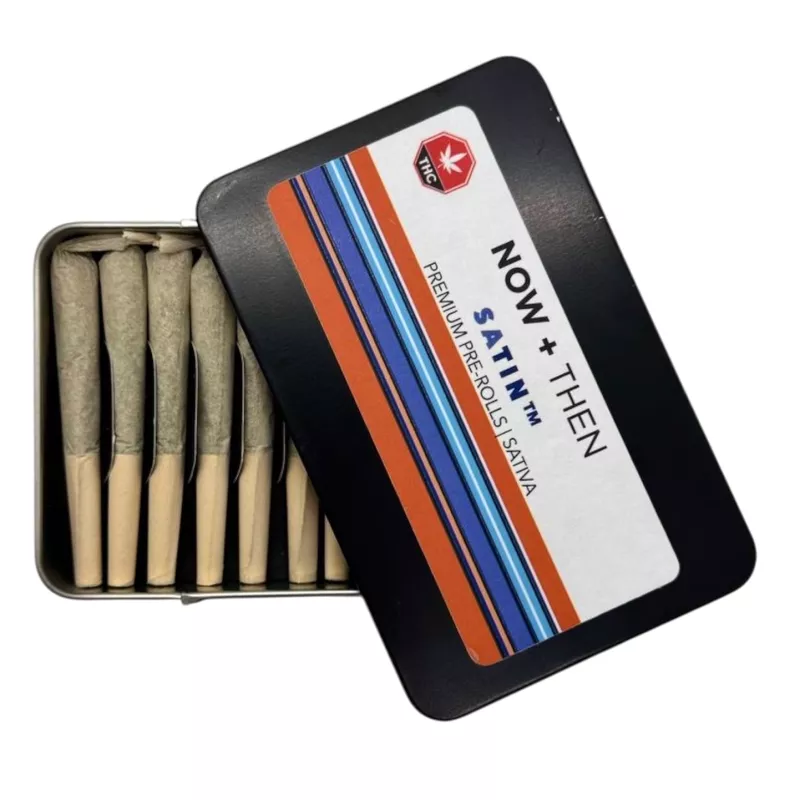

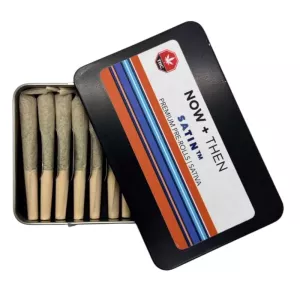
SATIN Sativa Prerolls 6g / 12pcs – NOW+THEN
Smooth as its namesake, energizing as sunshine. NOW+THEN's SATIN prerolls are twelve refined 0.5g sativa joints — gentle, anxiety-free uplift with no harsh edges. Silky and consistent, they suit morning, noon, or a social night out. Twelve easy sessions of clean, head-forward energy whenever you need a lift.
- Smooth Energy : Gentle, refined stimulation
- Anxiety-Free Uplift : No harsh edges
- Consistent Quality : Silky smooth every time
- Versatile Use : Morning, noon, or night
- Social Enhancement : Perfect for gatherings
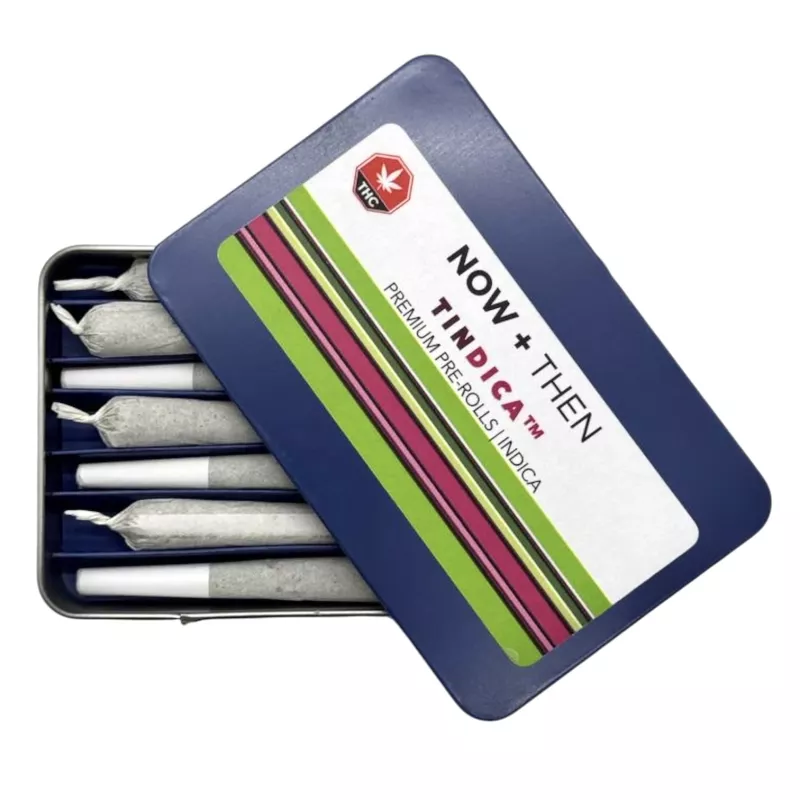
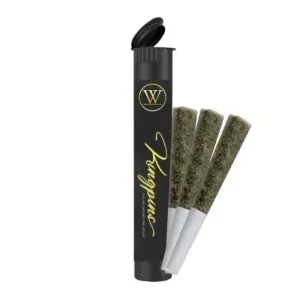
INDICA Prerolls 7g / 7pcs – NOW+THEN
No clever name needed. NOW+THEN's INDICA prerolls are seven full-gram joints of pure indica flower — classic, deep relaxation for those who know exactly what they want. Each one quiets the mind, settles the body, and eases you toward sleep. Seven straightforward sessions of honest, heavy indica calm.
- Pure Indica Effects : Classic deep relaxation
- Full Body Relief : Complete physical calm
- Mental Calm : Helps quiet racing thoughts
- Sleep Support : Natural sedation
- Pain Management : Effective relief
Strain Guide for Beginners: Getting Started Safely
Start low and go slow: For anyone new to cannabis, this strain guide for beginners rests on one foundational principle: begin with a small amount and wait before taking more. Onset varies dramatically by format, from minutes with inhalation to over an hour with edibles. Patience prevents the most common beginner mistake, which is redosing before the first dose has fully arrived.
Favor balance over extremes: New consumers generally do best with balanced hybrids or higher-CBD options that soften the psychoactive edge. These reduce the odds of the anxious, overwhelmed feeling that can sour a first experience. Once you understand how your body reacts, you can branch toward more indica-leaning or sativa-leaning products with confidence built on real experience rather than guesswork.
Finally, buy from a source that publishes lab results and offers clear product information. Whether you prefer classic flower, convenient vapes, or precisely dosed edibles, transparency is your best protection and your best teaching tool. In summary, the indica vs sativa vs hybrid framework is a helpful entry point, but the real skill lies in reading terpene and cannabinoid data, matching products to your goals, and learning from your own notes. Master that, and you can decode any strain guide you encounter, turning an intimidating menu into a confident, personalized choice.


Comments