Lemon Skunk
Discover the Lemon Skunk strain: citrus aroma, uplifting effects, and balanced hybrid genetics.
What Is the Lemon Skunk Strain
Lemon Skunk is a bright, citrus-forward cannabis strain that earned its reputation through a genuinely standout aroma and a balanced, uplifting character. Bred by DNA Genetics, this slightly sativa-leaning hybrid has become a staple in dispensary menus and home gardens alike, prized for the unmistakable lemon zest that hits you the moment a jar is opened. If you have ever wondered why this strain keeps showing up on "best citrus cannabis" lists, the answer lives in its careful breeding and a terpene profile that delivers exactly what the name promises.
The strain occupies an interesting middle ground in the cannabis world. It is energizing enough for daytime use yet gentle enough that it rarely tips into the racy, anxious territory some pure sativas reach. That balance is a big part of why both newcomers and seasoned consumers gravitate toward it. It functions as a reliable mood-lifter without demanding that you clear your entire afternoon.
Why the "Skunk" name matters: Skunk genetics form one of the foundational pillars of modern cannabis breeding. The original Skunk #1 stabilized hybrid vigor and predictable potency in a way that reshaped the industry, and Lemon Skunk inherits that dependability. The lemon overlay simply gives those rugged Skunk roots a fresh, approachable face that makes the strain feel modern rather than dated.
Lemon Skunk Genetics and Lineage
The parent strains behind Lemon Skunk: Lemon Skunk is the product of two distinct Skunk phenotypes, both of which carried unusually strong citrus traits. DNA Genetics selected and crossed these lemony cuts specifically to amplify the bright, sharp aroma, and the result was a strain that breeds remarkably true. That stability is one reason it has remained a parent for newer hybrids that want to borrow its zesty backbone.
The lineage traces back to landrace and heirloom Skunk material, giving Lemon Skunk a deep genetic foundation. This heritage shows up in the plant's vigor, resin production, and resistance to common stressors. According to Medical News Today, the chemical diversity within cannabis cultivars stems from exactly this kind of selective breeding, where growers stack desirable traits across generations.
Because Lemon Skunk descends from such well-documented parents, its behavior is highly predictable. Growers know what to expect in terms of flowering time, structure, and yield, while consumers can count on a consistent experience from one harvest to the next. That reliability is rare and valuable in a market where many newer strains shift character batch to batch.
What Does Lemon Skunk Taste Like
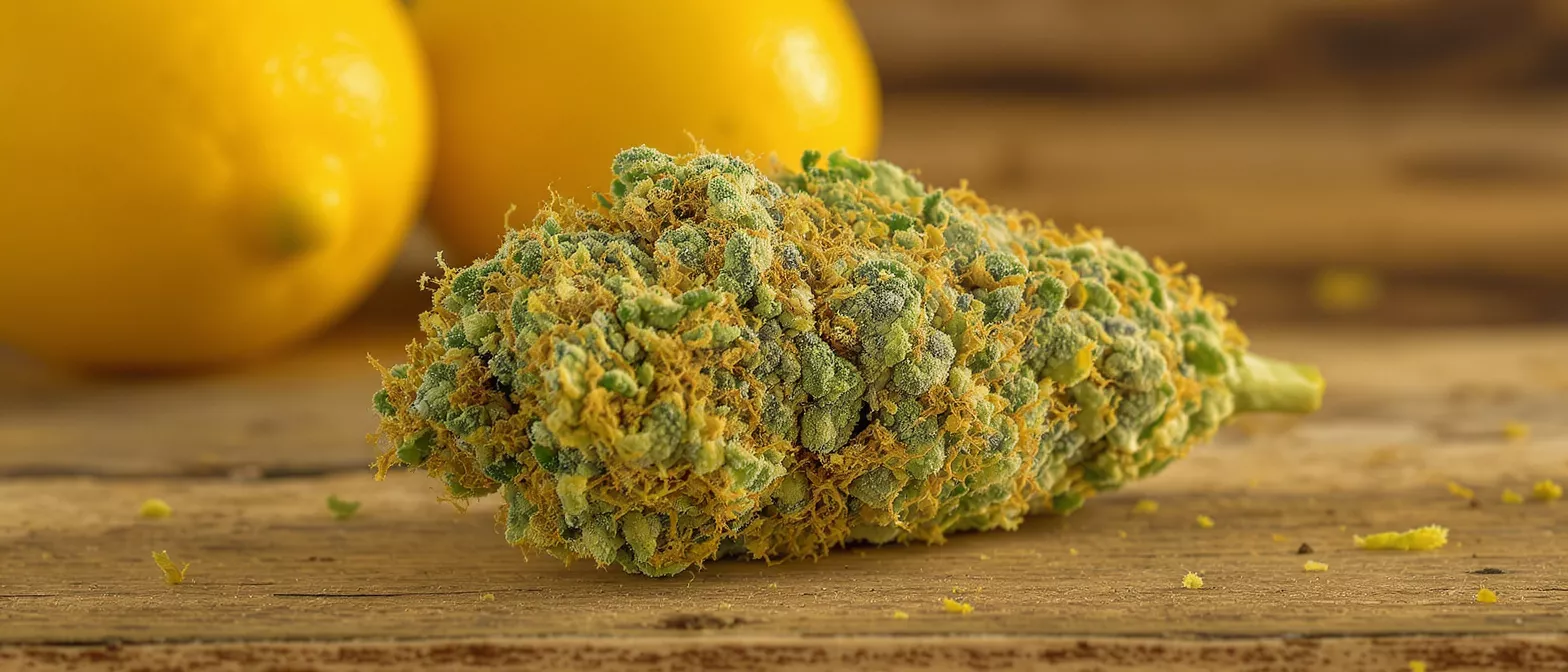
The flavor of Lemon Skunk is the headline act, and it does not disappoint. On the inhale, you get a vivid burst of fresh lemon, almost like zesting a citrus peel directly under your nose. It is sweet rather than sour, closer to lemon candy than to a raw fruit, and that sweetness keeps the experience pleasant rather than astringent.
The skunk undertone: Beneath the citrus brightness sits the classic Skunk funk, a slightly earthy, pungent base note that grounds the whole profile. This interplay between sweet lemon and dank skunk is what gives the strain its complexity. Without that undertone, the lemon could read as one-dimensional; with it, the flavor feels layered and satisfying.
On the exhale, many people notice a subtle herbal or piney finish that lingers on the palate. The aroma in the room mirrors the taste, filling a space with citrus and a hint of skunk that is noticeable but rarely overwhelming. For consumers who chase flavor as much as effect, this strain consistently ranks among the most aromatic options available.
- 🍋 Inhale: sweet, bright lemon candy with sharp citrus zest
- 🌿 Mid-palate: earthy skunk funk that adds depth and balance
- 🌲 Exhale: soft herbal and pine notes that linger pleasantly
- 💨 Aroma: a room-filling citrus scent with subtle dank undertones
Lemon Skunk Effects and How It Feels
The effects of Lemon Skunk lean toward the uplifting and cerebral, which fits its slightly sativa-dominant genetics. Most consumers describe an early wave of mental brightness, a lift in mood, and a gentle surge of sociable energy. It is the kind of experience that pairs well with conversation, creative projects, or simply shaking off a sluggish morning.
The body component: While the head effects lead, there is a mild physical relaxation that rounds out the experience. This is not a heavy, couch-locking body load. Instead, it tends to ease tension without sedating you, which is why so many people consider it a versatile daytime option that does not interfere with staying productive.
As the experience settles, the energy mellows into a comfortable, even-keeled state. The transition is smooth rather than abrupt, and the strain rarely produces the foggy crash that some potent hybrids leave behind. For people who want clarity alongside their relaxation, that gentle arc is a meaningful selling point.

Lemon Skunk THC and CBD Levels
Typical potency range: Lemon Skunk usually tests in the moderate-to-high range for THC, commonly landing between 15% and 22% depending on the grower and the harvest. That puts it comfortably in approachable territory: potent enough to satisfy experienced users yet not so overwhelming that it scares off those with lower tolerance.
The CBD content in Lemon Skunk is typically low, often well under 1%. This means the strain leans on THC and its terpene supporting cast rather than CBD for its character. If you are specifically seeking high-CBD relief, this is not the strain to chase, but for a classic THC-forward experience it delivers cleanly.
Because potency can vary, checking lab results on any given batch is always worthwhile. Two jars of Lemon Skunk from different producers can sit several percentage points apart, and that difference matters when you are dialing in your dose. Starting low and going slow remains sound advice, especially with the higher-testing phenotypes.
Lemon Skunk Terpene Profile
Limonene leads the way: The dominant terpene in Lemon Skunk is limonene, the same compound found in citrus rinds. It is responsible for that signature lemon aroma and is often associated with mood-elevating, stress-easing qualities. Limonene is the chemical fingerprint that makes this strain instantly recognizable.
Supporting the limonene is a measure of myrcene, the earthy terpene that contributes to the relaxing body undertones and rounds off the sharper citrus edges. A touch of caryophyllene adds a peppery, spicy nuance that deepens the overall profile and may interact with the body's endocannabinoid receptors.
These terpenes do more than shape aroma. The prevailing theory of the entourage effect suggests that terpenes and cannabinoids work together to influence the overall experience, modulating everything from the texture of the high to its emotional tone. In Lemon Skunk, that synergy is part of why the strain feels balanced rather than chaotic.
- 🍋 Limonene: dominant citrus terpene tied to uplift and stress relief
- 🌍 Myrcene: earthy, relaxing note that softens the citrus sharpness
- 🌶️ Caryophyllene: peppery spice that adds depth and complexity
Growing Lemon Skunk at Home
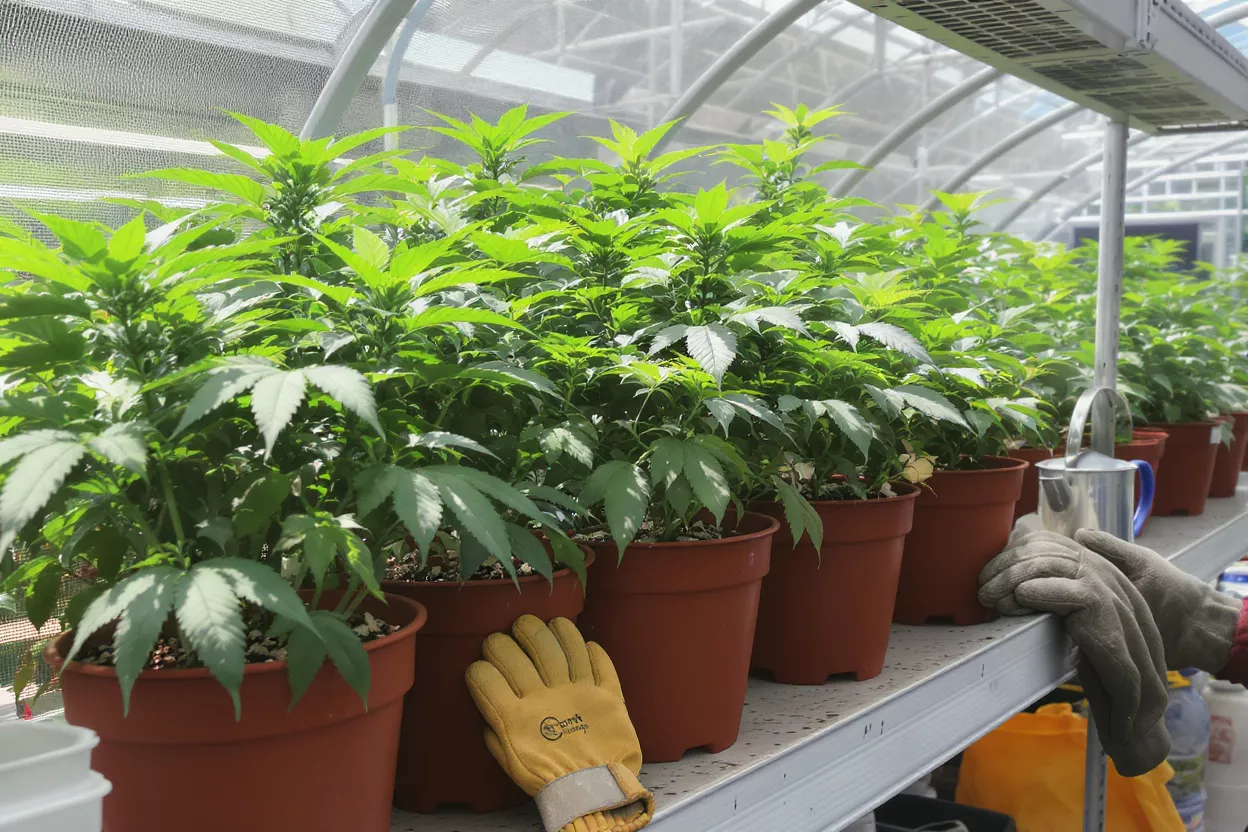
Difficulty and structure: Lemon Skunk is considered a moderately easy strain to grow, making it a solid choice for cultivators who have a grow or two under their belt. The plants tend to stretch significantly during flowering, often doubling in height, so growers need to plan for that vertical surge with adequate space or training techniques.
The strain performs well both indoors and outdoors, though outdoor plants in a sunny, Mediterranean-style climate can reach impressive sizes. Flowering time typically runs around eight to nine weeks indoors, with yields that reward attentive feeding and good airflow. Its Skunk heritage lends decent resilience against common molds and pests, though the dense, resinous buds still benefit from humidity control.
To get the most from a Lemon Skunk plant, many growers use low-stress training and topping to manage the stretch and open up the canopy. Doing so improves light penetration to lower bud sites and boosts overall yield. The reward for that effort is a harvest of frosty, citrus-soaked flowers that carry the strain's signature aroma all the way through the dry and cure.
- 🌱 Manage the stretch: use topping or LST to control the dramatic vertical growth
- 💨 Prioritize airflow: dense buds need good circulation to avoid moisture issues
- ☀️ Maximize light: open the canopy so lower bud sites develop fully
- 🌸 Time the harvest: watch trichomes around weeks eight to nine for peak potency
Best Uses for Lemon Skunk
Daytime and social settings: The uplifting, clear-headed nature of Lemon Skunk makes it a natural fit for daytime activities. Many people reach for it before social gatherings, creative work, or light physical activity because it lifts mood without dragging the body into deep relaxation. It is the kind of strain that keeps you engaged rather than glued to the couch.
For wellness-minded consumers, the strain is often chosen for occasional stress and low mood, thanks largely to its limonene-rich profile. While cannabis affects everyone differently, the bright, energizing character tends to suit people looking for a gentle pick-me-up rather than heavy sedation. As always, individual response varies, and personal experimentation is the only way to know how it sits with you.
The flavor also makes Lemon Skunk a favorite for flavor-focused consumption methods. Vaporizing at lower temperatures preserves the delicate limonene, letting the lemon notes shine before any combustion harshness creeps in. Concentrates and live resin made from the strain capture that citrus intensity especially well, offering an amplified version of what the flower delivers.
Lemon Skunk vs Similar Strains
How it compares to other lemon strains: The cannabis market is full of citrus-named cultivars, but Lemon Skunk stands apart through its specific balance of sweet lemon candy and authentic skunk funk. Strains like Super Lemon Haze lean more aggressively sativa and energetic, while Lemon Skunk keeps a gentler, more rounded character that suits a wider range of consumers.
Compared to its Skunk relatives, Lemon Skunk trades some of the raw pungency for that defining citrus brightness. If you appreciate the classic Skunk effect profile but find the aroma too dank for everyday use, this strain offers a more palatable entry point without abandoning the dependable genetics that made Skunk famous.
Choosing between similar strains ultimately comes down to your priorities around flavor, intensity, and intended use. Lemon Skunk wins for people who want a flavorful, balanced daytime hybrid, while heavier sativas or indicas may better serve those chasing extreme energy or deep relaxation respectively.
- 🍋 vs Super Lemon Haze: Lemon Skunk is gentler and less racy
- 🌿 vs original Skunk #1: brighter citrus aroma, less raw funk
- ⚖️ vs heavy indicas: uplifting and clear rather than sedating



Is Lemon Skunk Right for You
Who this strain suits best: Lemon Skunk is an excellent match for consumers who value flavor as much as effect and want a balanced, daytime-friendly hybrid. Its moderate potency, approachable character, and bright citrus profile make it equally suitable for newcomers building confidence and experienced users who appreciate a reliable, well-bred classic.
If your goal is heavy sedation, deep pain relief, or high-CBD support, you may find better matches elsewhere in the cannabis spectrum. Lemon Skunk shines brightest as a mood-lifting, social, flavorful experience rather than a knockout nighttime option. Knowing what you want from a session is the surest way to land on the right strain.
Ultimately, Lemon Skunk has earned its lasting popularity through a rare combination of standout flavor, dependable genetics, and a balanced effect that fits seamlessly into everyday life. Whether you are growing it, vaping it, or sharing it with friends, the strain rewards you with that unmistakable lemon-zest experience every single time. For anyone curious about citrus-forward cannabis, it remains one of the most satisfying and accessible places to start.