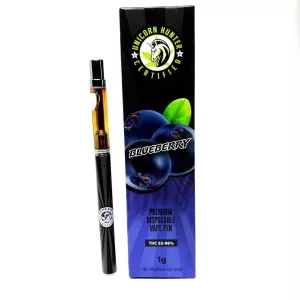
The blueberry strain represents one of cannabis culture's most iconic achievements, delivering authentic sweet berry flavors alongside deeply relaxing indica-dominant effects. 🫐 Created by legendary breeder DJ Short through decades of careful selection, this award-winning variety has influenced countless hybrids while maintaining its reputation as the gold standard for fruit-flavored cannabis with genuine therapeutic value.
What is Blueberry Cannabis Strain
Strain Classification and Potency
Cultural Impact and Recognition
The blueberry cannabis strain is an indica-dominant hybrid (typically 80% indica, 20% sativa) featuring 16-24% THC content that provides moderate potency suitable for diverse experience levels. This legendary variety produces genuine blueberry flavors through naturally occurring terpenes rather than artificial additives, creating an authentic fruit experience that distinguishes it from countless imitators. The strain has earned multiple High Times Cannabis Cup awards and spawned popular descendants including Blue Dream, cementing its influence on modern cannabis genetics. Users experience gentle euphoria followed by progressive body relaxation, making it ideal for evening unwinding and natural sleep preparation. 🏆
How Blueberry Strain Genetics Developed
DJ Short's Breeding Innovation
Landrace Foundation and Selection
DJ Short developed blueberry strain genetics by crossing three powerful landrace varieties - Purple Thai, Thai, and Afghani - over multiple generations to stabilize the distinctive berry characteristics. His revolutionary approach focused on selecting phenotypes expressing the strongest fruit flavors while preserving potent cannabinoids and therapeutic effects. The Thai genetics contribute uplifting cerebral activity, while Afghani provides the heavy body effects and resin production that make this strain so therapeutic. This genetic foundation has influenced dozens of popular hybrids and established breeding techniques still used by contemporary cultivators seeking authentic fruit expressions. 🧬
Best Blueberry Strain for Sleep
Natural Sleep Induction Mechanisms
Medical Applications for Insomnia
The blueberry strain excels as a natural sleep aid through its high myrcene content and indica-dominant effects that promote relaxation without harsh sedation. Users typically experience 30-45 minutes of gentle euphoria and mild creativity before transitioning into deep physical calm that naturally prepares the body for rest. Medical patients frequently choose this variety for treating chronic insomnia, pain-related sleep disruption, and anxiety disorders that interfere with quality rest. The strain's predictable onset and moderate potency make it perfect for evening consumption 2-3 hours before bedtime, allowing natural sleep progression without morning grogginess. 💤
😴 Progressive Relaxation: Gentle transition from euphoria to sleepiness
🧘 Anxiety Reduction: Calms racing thoughts and mental tension
💪 Pain Relief: Body effects alleviate chronic discomfort
🌙 Deep Sleep: Promotes restorative sleep cycles and dream recall
Types of Blueberry Cannabis Products
Premium Flower and Extract Options
Edibles and Vaporizer Formats
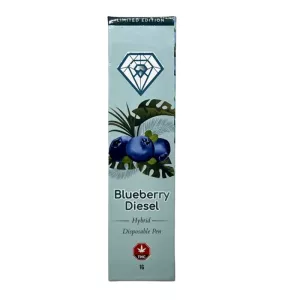
Modern blueberry cannabis products span multiple consumption methods, each highlighting different aspects of this strain's exceptional characteristics. Premium flower showcases the full terpene profile with immediate effects through smoking or vaping, while CONC-BLUE-ROSIN-1G preserves maximum flavor compounds through specialized extraction techniques. Infused edibles provide extended duration perfect for sustained therapeutic relief, and vape cartridges offer convenient portability without compromising the authentic berry taste. Each format serves different user preferences and medical needs while maintaining the strain's signature relaxing properties. 🔥
🌸 Craft Flower: Hand-trimmed buds displaying purple hues and heavy trichome coverage
💎 Live Concentrates: Flash-frozen processing retains volatile flavor compounds
🍭 Premium Edibles: Gummies and chocolates enhanced with natural berry terpenes
💧 Sublingual Tinctures: Precise micro-dosing for customized therapeutic effects
Blueberry Strain Effects and Benefits
Therapeutic Cannabinoid Activity
Medical Research and Applications
Blueberry strain effects provide documented therapeutic value beyond recreational enjoyment, offering relief for multiple medical conditions through its balanced cannabinoid and terpene profile. The strain's myrcene dominance contributes anti-inflammatory and muscle-relaxant properties, while linalool provides anxiety-reducing effects that complement conventional treatments. Clinical observations suggest effectiveness for chronic pain management, sleep disorders, and appetite stimulation in patients undergoing medical therapies. The gentle onset and predictable duration make it particularly suitable for medical users requiring consistent relief without overwhelming psychoactivity that impairs daily functioning. 🔬
Blueberry Strain Terpene Profile
Authentic Berry Flavor Chemistry
Aromatic Compound Effects
The distinctive blueberry strain achieves its legendary status through a unique terpene profile dominated by myrcene, linalool, and rare fruit esters that create genuine berry characteristics. Upon consumption, users experience immediate sweetness with vanilla undertones, followed by complex fruit notes and subtle earthy finishes that distinguish quality phenotypes from inferior imitations. These aromatic compounds produce pleasant fruity scents lacking typical cannabis harshness, making it appealing to users sensitive to strong marijuana odors. The exceptional flavor preservation has established Blueberry as the benchmark for fruit-forward strains, inspiring breeders worldwide to achieve similar authenticity. 🍇
Blueberry Strain Dosing Guide
Method-Specific Guidelines
Tolerance and Timing Factors
Effective blueberry strain dosing requires understanding individual tolerance levels and consumption methods to achieve desired effects safely and predictably. New users should start with 1-2 small inhalations when smoking or vaporizing, waiting 15 minutes between doses to assess tolerance before consuming additional amounts. For edible products containing Blueberry genetics, begin with 2.5mg THC and wait at least 2 hours before considering more to avoid uncomfortable overconsumption. Evening consumption works best, typically 2-3 hours before desired bedtime to allow complete relaxation without affecting next-day productivity. 📊
VAPE-BLUE-LIVE-0.5
Are Blueberry Strains Safe to Use
Common Side Effect Profile
Precautions and Medical Considerations
While blueberry strains are generally well-tolerated, users should understand potential side effects including dry mouth, red eyes, and mild dizziness, especially with higher doses or in cannabis-inexperienced individuals. The strain's sedating properties can cause drowsiness that makes it unsuitable for activities requiring alertness, coordination, or operating machinery. Some users report mild anxiety with excessive consumption, though appropriate doses typically produce calming rather than stimulating effects. Individuals taking medications for sleep disorders, anxiety, or blood pressure should consult healthcare providers before use, as cannabinoids may enhance sedative effects or interact with certain prescriptions. 🛡️
The blueberry strain represents cannabis breeding at its finest, combining exceptional flavor, reliable therapeutic effects, and consistent quality that has earned legendary status among enthusiasts and medical patients alike. Whether seeking natural sleep support, stress relief, or simply wanting to experience one of the most authentic fruit-flavored varieties available, this timeless classic delivers premium results that bridge recreational enjoyment and medical efficacy. As cannabis continues evolving, Blueberry remains an essential reference point for quality and a must-try experience for anyone exploring diverse cannabis genetics. 🌟
Frequently Asked Questions
What makes blueberry strain special compared to other cannabis?
Blueberry strain features authentic berry flavors from natural terpenes, not artificial additives. Created by DJ Short using landrace genetics, it delivers genuine fruit taste with reliable indica-dominant effects perfect for relaxation and sleep.
How strong is blueberry cannabis strain THC content?
Blueberry strain typically contains 16-24% THC, providing moderate potency suitable for both new and experienced users. This balanced strength offers therapeutic benefits without overwhelming psychoactivity when dosed appropriately.
What are blueberry strain effects like for sleep?
Blueberry strain produces gentle euphoria for 30-45 minutes, then transitions to deep body relaxation that naturally promotes sleep. Its high myrcene content and indica genetics make it excellent for treating insomnia and sleep disorders.
Which blueberry cannabis products work best?
Premium flower preserves full terpene profiles, live concentrates offer maximum potency, edibles provide extended duration, and vape cartridges deliver convenient portability. Each format maintains the strain's signature berry flavors and relaxing effects.
How do you dose blueberry strain safely?
New users should start with 1-2 small puffs when smoking or 2.5mg for edibles, waiting between doses to assess tolerance. Evening consumption 2-3 hours before bedtime provides optimal sleep benefits without morning effects.
What terpenes give blueberry strain its flavor?
Blueberry strain's authentic berry taste comes from myrcene, linalool, and rare fruit esters that create genuine blueberry characteristics. These natural compounds produce sweet vanilla undertones with complex fruit notes.
Are there side effects from blueberry strain?
Common blueberry strain side effects include dry mouth, red eyes, and drowsiness. The sedating effects make it unsuitable for daytime activities. Higher doses may cause mild anxiety in sensitive users.
What genetics created the original blueberry strain?
DJ Short developed blueberry strain by crossing Purple Thai, Thai, and Afghani landrace varieties over multiple generations. This genetic foundation combines uplifting Thai effects with relaxing Afghani body effects.
Why is blueberry strain good for medical use?
Blueberry strain offers anti-inflammatory and muscle-relaxant properties from myrcene, plus anxiety-reducing effects from linalool. It's effective for chronic pain, sleep disorders, and appetite stimulation with predictable, gentle effects.
How long do blueberry strain effects last?
Smoked blueberry strain effects typically last 2-3 hours, while edible forms can provide 4-6 hours of therapeutic benefits. The indica-dominant genetics create progressive relaxation that naturally leads to restful sleep.
Popular Categories
Canada's #1 Online Cannabis Dispensary: Over 600 Premium Products with Daily Deals
The Blueberry strain stands as one of the most influential and beloved cannabis varieties in modern history, representing a pivotal moment when cannabis breeding evolved from simple cultivation to sophisticated genetic artistry. This iconic indica-dominant strain revolutionized the cannabis world not only through its distinctive berry flavor profile but also through its role in legitimizing cannabis breeding as a serious horticultural practice. Understanding the origins of Blueberry provides insight into the foundations of modern cannabis genetics and the passionate dedication required to create truly exceptional strains.
The Legendary Breeder: DJ Short
The story of Blueberry begins with DJ Short, a visionary breeder whose work in the 1970s and 1980s fundamentally changed how the cannabis community approached strain development. Born from a background in organic farming and a deep appreciation for cannabis quality over quantity, DJ Short brought a methodical, almost scientific approach to cannabis breeding during an era when most cultivation remained underground and unrefined. His philosophy centered on preserving and enhancing the natural characteristics of cannabis rather than simply pursuing higher THC levels.
DJ Short's journey into cannabis breeding began in California during the counterculture movement of the 1970s, where he encountered imported landrace varieties from around the world. These exotic genetics, arriving through various channels from Afghanistan, Thailand, Mexico, and other cannabis-producing regions, provided the genetic foundation for what would become his life's work. Unlike many breeders of the time who focused primarily on yield and potency, DJ Short was captivated by the aromatic complexity and unique characteristics these landrace strains possessed.
His approach to breeding was revolutionary for its time, emphasizing sensory evaluation and the preservation of rare traits. DJ Short developed what he called the "true breeding" methodology, which involved extensive backcrossing and careful selection over multiple generations to stabilize desired characteristics. This patient, methodical approach would prove crucial in developing the consistent berry flavors and effects that made Blueberry legendary.
Genetic Foundation and Parent Strains
The genetic foundation of Blueberry rests on three distinct landrace varieties that DJ Short carefully selected and combined over several years of breeding work. The primary genetic contributors included an Afghani indica, a Thai sativa, and a Purple Thai variety, each bringing unique characteristics that would eventually blend into the complex profile we recognize as Blueberry today.
The Afghani indica component provided the structural foundation for Blueberry, contributing its characteristic short stature, broad leaves, and dense bud formation. This landrace variety, originating from the mountainous regions of Afghanistan, brought with it the robust genetics necessary for consistent indoor cultivation and the heavy, relaxing effects typical of indica varieties. The Afghani genetics also contributed to Blueberry's relatively short flowering time and high resin production, traits that would make it attractive to both commercial and home cultivators.
The Thai sativa elements introduced complexity and cerebral effects to balance the heavy indica characteristics. Thai landrace varieties were known for their energizing, creative highs and their ability to enhance sensory perception – qualities that would become integral to Blueberry's unique effect profile. The sativa genetics also contributed to the strain's aromatic complexity and helped create the uplifting mental effects that prevent Blueberry from being purely sedating.
Most crucially, the Purple Thai variety brought the distinctive color and flavor characteristics that would define Blueberry. This rare landrace possessed natural anthocyanin production that created purple coloration in the buds and leaves, along with fruit-forward terpene profiles that were virtually unknown in Western cannabis cultivation at the time. The Purple Thai genetics carried the precursors to what would become Blueberry's signature berry flavor and aroma.
The Breeding Philosophy Behind Blueberry
DJ Short's breeding philosophy for Blueberry represented a radical departure from the prevailing attitudes toward cannabis cultivation in the late 1970s and early 1980s. While most growers focused exclusively on maximizing THC content and yield, DJ Short pursued what he termed "connoisseur quality" – a holistic approach that valued aroma, flavor, effect quality, and overall experience above simple potency metrics.
Central to his philosophy was the concept of "organoleptic" breeding – selection based on sensory evaluation rather than laboratory analysis. DJ Short believed that the human nose and palate were more sophisticated instruments for evaluating cannabis quality than the rudimentary testing available at the time. He spent countless hours evaluating plants based on their aroma profiles, developing an almost encyclopedic knowledge of cannabis scents and their relationships to effects and growing characteristics.
This sensory-focused approach led to the development of detailed flavor and aroma categorization systems that DJ Short used to track genetic traits across generations. He identified specific terpene signatures that correlated with desirable effects and worked to amplify these characteristics through selective breeding. The berry flavors that would define Blueberry were identified and enhanced through this methodical sensory evaluation process.
DJ Short also emphasized what he called "true breeding" practices, which involved extensive inbreeding and backcrossing to create stable, consistent offspring. Unlike many breeders who released F1 hybrids with unpredictable traits, DJ Short worked his lines through multiple generations to ensure that Blueberry would produce consistent plants with predictable characteristics. This stability became one of Blueberry's greatest assets, allowing cultivators to reliably reproduce the strain's distinctive qualities.
Early Development and Selection Process
The early development of Blueberry spanned nearly a decade of careful breeding and selection work, beginning in the late 1970s and continuing through the mid-1980s. DJ Short's initial work focused on crossing the three foundational landrace varieties and evaluating the resulting offspring for desired traits. This process involved growing hundreds of plants and carefully evaluating each one for aroma, flavor, effect, and overall quality.
The first generation crosses revealed the potential for exceptional berry flavors but showed significant variation in expression. Some plants displayed strong fruit characteristics while others leaned toward their parent strains' original profiles. DJ Short meticulously documented each plant's characteristics, creating detailed notes on everything from stem rub aromas to finished flower flavors and effects.
Through careful selection and breeding, DJ Short began to identify specific phenotypes that consistently produced the desired berry characteristics. He focused particularly on plants that exhibited what he termed "true blueberry" flavors – not just sweet or fruity notes, but the complex, authentic blueberry taste that would become the strain's signature. This selection process required not only growing and evaluating plants but also processing and curing the flowers to assess their final quality.
The selection process was further complicated by the need to maintain the delicate balance between indica and sativa characteristics. DJ Short wanted to preserve the cerebral, creative effects of the Thai genetics while maintaining the physical relaxation and manageable growing characteristics of the Afghani line. This required careful evaluation of not just individual plants but also their offspring, ensuring that selected breeding stock would consistently pass on the desired trait combinations.
By the early 1980s, DJ Short had identified several exceptional breeding lines that consistently produced plants with strong berry flavors and balanced effects. These lines became the foundation for further refinement and the eventual stabilization of what would become the commercial Blueberry strain.
Stabilization and Refinement
The stabilization phase of Blueberry development represented perhaps the most crucial period in the strain's evolution, as DJ Short worked to create consistent, reproducible genetics from his most promising breeding lines. This process involved extensive backcrossing, inbreeding, and careful selection across multiple generations to eliminate unwanted variations while reinforcing desired traits.
During this period, DJ Short developed what became known as the "Blueberry line" – a carefully maintained breeding population that consistently produced plants with the characteristic berry flavors and balanced indica-sativa effects. The stabilization process required growing large numbers of plants from each generation and selecting only the most exceptional individuals for further breeding, a time-intensive process that demanded both patience and expertise.
The refinement work focused particularly on enhancing the berry flavor characteristics that had emerged in early generations. DJ Short identified specific phenotypes within his breeding lines that produced different berry flavors – some reminiscent of fresh blueberries, others more like berry pie or jam, and still others with complex multi-berry profiles. Through careful selection and breeding, he worked to amplify these characteristics while maintaining the strain's other desirable qualities.
Color development also became a focus during the refinement phase. The purple characteristics inherited from the Purple Thai genetics were carefully preserved and enhanced, with DJ Short selecting for plants that exhibited consistent color development under appropriate growing conditions. This work established the genetic foundation for the purple and blue colorations that became synonymous with high-quality Blueberry phenotypes.
By the mid-1980s, DJ Short had successfully stabilized several distinct Blueberry lines, each with slightly different characteristics but all sharing the fundamental berry flavor profile and balanced effects that defined the strain. These stabilized lines became the foundation for the Blueberry genetics that would eventually spread throughout the cannabis community and influence countless breeding projects.
Awards and Industry Recognition
The exceptional quality of DJ Short's Blueberry genetics began to gain recognition in the cannabis community during the 1980s, as samples of the strain circulated among connoisseurs and fellow breeders. The strain's unique combination of flavor, aroma, and effects represented something entirely new in cannabis cultivation, setting new standards for what high-quality cannabis could achieve.
Blueberry's breakthrough moment came in the 1990s when it began competing in formal cannabis competitions. The strain's first major victory occurred at the High Times Cannabis Cup in Amsterdam, where it won first place in the indica category. This recognition brought international attention to both the strain and DJ Short's breeding work, establishing Blueberry as one of the premier cannabis varieties in the world.
The Cannabis Cup victory was particularly significant because it represented validation from the global cannabis community. The competition brought together the best genetics from around the world, and Blueberry's victory demonstrated that American breeding work could compete with the finest European and international genetics. This recognition helped establish the legitimacy of modern cannabis breeding and highlighted the importance of flavor and overall quality in cannabis evaluation.
Following its Cannabis Cup success, Blueberry received numerous additional awards and recognition from cannabis publications and organizations. The strain was consistently ranked among the top cannabis varieties in various "best of" lists and became a standard by which other fruity strains were measured. This widespread recognition helped cement Blueberry's place in cannabis history and ensured its continued popularity among cultivators and consumers.
The awards and recognition also validated DJ Short's breeding philosophy, demonstrating that the focus on sensory qualities and overall experience could produce cannabis that was not only enjoyable but also commercially successful. This success inspired a generation of breeders to pursue similar quality-focused approaches and helped elevate the entire cannabis breeding community.
Global Spread and Adaptation
Following its initial recognition and awards, Blueberry genetics began to spread rapidly throughout the global cannabis community. The strain's exceptional qualities and stable genetics made it highly sought after by both commercial cultivators and home growers, leading to its cultivation in diverse environments around the world.
The spread of Blueberry was facilitated by the emergence of commercial seed companies in the Netherlands during the 1990s. These companies recognized the commercial potential of DJ Short's genetics and began producing and distributing Blueberry seeds to international markets. This commercial distribution network allowed Blueberry to reach cultivators in North America, Europe, Australia, and other cannabis-friendly regions.
As Blueberry genetics spread globally, cultivators began adapting the strain to local growing conditions and preferences. This adaptation process led to the development of regional variations and the selection of specific phenotypes that performed well in different climates and cultivation systems. Indoor cultivators particularly appreciated Blueberry's manageable size and relatively short flowering time, while outdoor growers in appropriate climates found that the strain could produce exceptional quality when given proper attention.
The global spread of Blueberry also facilitated its use in breeding projects around the world. The strain's stable genetics and distinctive characteristics made it an excellent parent for creating new varieties, and numerous breeders began incorporating Blueberry genetics into their own work. This breeding activity helped create the foundation for the modern cannabis industry's focus on flavor and terpene profiles.
International cultivation also revealed the full potential of Blueberry's genetic diversity. Different growing environments and techniques brought out various aspects of the strain's complex genetic makeup, leading to the identification of numerous distinct phenotypes and growing characteristics that continue to be explored and refined today.
Modern Blueberry Variations
The success and widespread cultivation of original Blueberry genetics led to the development of numerous variations and related strains that build upon DJ Short's foundational work. Modern breeders have used Blueberry as a parent strain in countless breeding projects, creating new varieties that preserve the characteristic berry flavors while introducing additional traits and characteristics.
Some of the most notable modern variations include crosses with contemporary high-THC strains that maintain Blueberry's flavor profile while increasing potency. These modern hybrids often combine Blueberry with popular strains like OG Kush, Cookies varieties, or other elite genetics to create new combinations of effects and characteristics. The stable genetics of Blueberry make it an excellent breeding partner that consistently passes on its distinctive traits.
Auto-flowering Blueberry varieties represent another significant modern development. These strains combine Blueberry genetics with ruderalis genetics to create plants that flower automatically regardless of light cycle. Auto-flowering Blueberry strains have made the distinctive flavors and effects of Blueberry accessible to cultivators in challenging climates and those seeking faster harvests.
CBD-rich Blueberry varieties have also emerged as breeders work to create therapeutic strains with reduced psychoactive effects. These varieties maintain the characteristic berry flavors while providing the potential therapeutic benefits of CBD, appealing to medical users who prefer the taste and aroma characteristics of Blueberry.
Modern extraction techniques have also revealed new dimensions of Blueberry's potential. The strain's complex terpene profile translates exceptionally well to concentrates, oils, and other extracted products, allowing consumers to experience intensified versions of the characteristic berry flavors and effects that made the strain famous.
Cultural Impact and Legacy
Beyond its direct influence on cannabis genetics and cultivation, Blueberry has had a profound cultural impact on how cannabis is perceived, discussed, and appreciated. The strain's introduction marked a turning point in cannabis culture, demonstrating that cannabis could be appreciated as a sophisticated, nuanced product comparable to fine wine or craft beer.
Blueberry's distinctive flavor profile helped legitimize discussions about cannabis taste and aroma, moving beyond simple descriptions of "skunky" or "piney" to more sophisticated flavor analysis. The strain proved that cannabis could deliver complex, appealing flavors that enhanced rather than dominated the consumption experience, helping to attract consumers who might have been deterred by harsher, less palatable varieties.
The strain's success also validated the artisanal approach to cannabis breeding, demonstrating that careful, quality-focused cultivation could create products of exceptional value. This philosophy has influenced the entire cannabis industry, contributing to the craft cannabis movement and the emphasis on quality over quantity that characterizes much of today's legal cannabis market.
Blueberry's legacy is also evident in the countless strains that have followed in its footsteps, incorporating fruit flavors and complex terpene profiles inspired by DJ Short's pioneering work. The modern cannabis market's emphasis on flavor, aroma, and overall experience can be traced directly back to the standards established by Blueberry and similar quality-focused strains.
The cultural impact of Blueberry extends beyond cannabis enthusiasts to influence broader perceptions of cannabis as a legitimate agricultural product. The strain's awards, recognition, and consistent quality helped demonstrate that cannabis cultivation could meet professional agricultural standards and produce products worthy of serious consideration and appreciation.
Today, Blueberry remains one of the most recognizable and respected names in cannabis, representing not just a particular strain but an entire approach to cannabis breeding and appreciation. The genetic legacy of DJ Short's work continues to influence modern cannabis development, while the cultural impact of Blueberry's success helps shape how cannabis is perceived and valued in legal markets around the world. For those exploring the diverse world of cannabis genetics, understanding Blueberry's origins provides essential insight into the foundations of modern cannabis breeding and the passion, skill, and dedication required to create truly exceptional strains.
Blueberry Strain Effects & Benefits
The Blueberry strain delivers a distinctive effects profile that has captivated cannabis enthusiasts for decades. As a predominantly indica variety, Blueberry produces deeply relaxing physical sensations combined with gentle mental euphoria, making it an excellent choice for evening use and therapeutic applications. Understanding these effects and their benefits helps consumers make informed decisions about incorporating Blueberry products into their wellness routines.
Primary Effects Profile
Blueberry strain produces a characteristic indica-dominant effect pattern that begins with gentle cerebral elevation before settling into profound physical relaxation. The initial onset typically brings a warm, euphoric sensation that spreads through the mind, creating feelings of contentment and mild happiness without overwhelming psychoactive intensity.
The mental effects of Blueberry are notably gentle and manageable, characterized by a soft cognitive shift rather than intense cerebral stimulation. Users frequently report enhanced mood, reduced anxiety, and a pleasant sense of mental ease that doesn't impair cognitive function significantly. This makes Blueberry particularly appealing for those seeking relaxation without complete mental incapacitation.
Physical effects dominate the Blueberry experience as the session progresses. The strain's indica genetics manifest as deep muscular relaxation, tension relief, and a general sense of physical comfort. Many users describe a "melting" sensation as stress and physical discomfort dissipate, making it highly effective for addressing various forms of bodily tension.
The sedative qualities of Blueberry become increasingly prominent as effects develop, often culminating in significant drowsiness or couch-lock for those consuming higher doses. This progression from mild euphoria to deep relaxation makes Blueberry an excellent choice for transitioning from active daily routines to restful evening activities.
Therapeutic Benefits
Blueberry strain offers numerous therapeutic applications, primarily centered around its exceptional stress-relief and relaxation properties. The strain's ability to reduce both mental and physical tension makes it valuable for addressing stress-related conditions, including general anxiety, work-related stress, and social anxiety. The gentle nature of its psychoactive effects allows many medical users to maintain functionality while experiencing therapeutic benefits.
Pain management represents another significant therapeutic application for Blueberry products. The strain's potent physical relaxation effects provide relief for various pain conditions, including chronic pain, muscle spasms, headaches, and arthritis-related discomfort. The anti-inflammatory properties associated with many cannabinoids present in Blueberry may contribute to its pain-relieving effects.
Sleep disorders benefit significantly from Blueberry's sedative properties. The strain's ability to promote relaxation and drowsiness makes it particularly effective for addressing insomnia, restless sleep, and difficulty maintaining sleep cycles. Many users find that Blueberry helps establish more regular sleep patterns when used consistently as part of an evening routine.
Appetite stimulation represents another notable benefit, as Blueberry typically produces mild to moderate increases in appetite. This effect can be beneficial for individuals dealing with eating disorders, medication-induced appetite loss, or conditions that affect normal eating patterns. The pleasant, fruity flavor profile of Blueberry products may enhance this appetite-stimulating effect.
Mental health applications include mood enhancement and emotional regulation. While not as potent as some sativa varieties for mood elevation, Blueberry's gentle euphoric effects can help alleviate symptoms of depression, particularly when combined with its stress-reducing properties. The strain's calming effects may also benefit individuals dealing with PTSD or trauma-related anxiety.
Onset Time & Duration
The onset characteristics of Blueberry strain vary significantly depending on consumption method, but generally follow predictable patterns that help users plan their experience effectively. When smoking or vaporizing Blueberry flower, initial effects typically become noticeable within 2-5 minutes, with peak effects developing over 15-30 minutes. This relatively quick onset allows for easier dose titration and immediate feedback.
Vaporizing Blueberry often produces a slightly delayed but more sustained onset compared to smoking, with effects building gradually over 5-10 minutes and reaching peak intensity within 20-45 minutes. The vaporization method tends to preserve more of the strain's subtle flavor compounds while providing a cleaner, more controlled effects profile.
Edible products containing Blueberry extract or infusion demonstrate dramatically different onset patterns, typically requiring 30-120 minutes before initial effects become apparent. The delayed onset of edibles requires careful patience to avoid overconsumption, as the effects can build substantially once they begin. Peak effects from Blueberry edibles often occur 2-4 hours after consumption.
Duration of effects varies considerably based on consumption method and individual factors. Inhaled Blueberry typically provides 1-4 hours of noticeable effects, with the most intense period lasting 1-2 hours followed by a gradual decline. Edible forms generally produce longer-lasting experiences, often extending 4-8 hours or more, with some residual relaxation effects persisting into the following day.
The comedown from Blueberry is typically gentle and gradual, without the abrupt cessation that characterizes some strains. Many users report a pleasant transition back to baseline that maintains some residual relaxation and mood benefits, making it suitable for use when next-day functionality is important.
Dosage Considerations
Determining appropriate dosage for Blueberry strain requires careful consideration of individual tolerance, experience level, desired effects, and consumption method. New users should begin with minimal doses to assess personal sensitivity, as the strain's relaxing effects can be quite potent for those unaccustomed to indica-dominant varieties.
For smoking or vaporizing Blueberry flower, beginners should start with just one or two small inhalations, waiting 10-15 minutes between doses to gauge effects before consuming more. This approach prevents overconsumption while allowing users to find their optimal dose range. Experienced users may require larger initial doses but should still exercise caution with unfamiliar Blueberry products.
Edible dosing requires even greater caution due to delayed onset and longer duration. First-time users of Blueberry edibles should begin with 2.5-5mg of THC, while experienced edible consumers might start with 5-10mg. The "start low and go slow" principle is crucial with edibles, as effects can continue building for hours after consumption.
Individual factors significantly influence optimal dosing, including body weight, metabolism, cannabis tolerance, medications, and overall health status. Some individuals may be particularly sensitive to Blueberry's sedating effects, while others with higher tolerance may require substantially larger doses to achieve desired benefits.
Time of day considerations are important for Blueberry dosing, as the strain's sedative properties make it generally unsuitable for daytime use when alertness is required. Evening and nighttime consumption typically provides the most appropriate context for experiencing Blueberry's full effects profile without interference from daily responsibilities.
Potential Side Effects
Like all cannabis varieties, Blueberry strain can produce unwanted side effects, particularly when consumed in excessive quantities or by sensitive individuals. Understanding these potential adverse reactions helps users make informed decisions and implement appropriate harm reduction strategies.
Dry mouth (cottonmouth) represents the most common side effect associated with Blueberry consumption, occurring in a significant percentage of users regardless of dose or tolerance level. This effect results from cannabinoids interacting with salivary gland receptors and can be managed through adequate hydration before, during, and after consumption.
Dry eyes similarly affect many Blueberry users, causing temporary discomfort, redness, or irritation. Over-the-counter eye drops can provide relief, while some users find that this side effect diminishes with regular use as tolerance develops. Contact lens wearers may experience particular discomfort and should consider removal before consumption.
Excessive sedation poses a significant concern with Blueberry, especially for inexperienced users or those consuming large doses. The strain's potent relaxing effects can progress to uncomfortable couch-lock, making it difficult to remain alert or engage in activities. This effect emphasizes the importance of appropriate dosing and timing.
Anxiety or paranoia, while less common with indica-dominant strains like Blueberry, can still occur in sensitive individuals or with high doses. These effects typically manifest during the initial onset phase and may be more likely in users prone to anxiety disorders or those consuming in uncomfortable environments.
Dizziness or lightheadedness can occur, particularly when standing quickly after consuming Blueberry. This effect, sometimes called "greening out," results from cannabinoids affecting blood pressure and circulation. Users should move slowly and remain seated if experiencing these sensations.
Increased appetite, while often desired, can become problematic for individuals trying to control food intake or those with certain medical conditions. The "munchies" effect from Blueberry can lead to overconsumption of food, particularly high-calorie snacks, which may conflict with dietary goals or health requirements.
Recreational Experience
The recreational appeal of Blueberry strain centers around its ability to provide deep relaxation and stress relief without overwhelming psychoactive intensity. This makes it particularly attractive for users seeking cannabis experiences that enhance relaxation and leisure activities rather than producing intense cerebral stimulation or creative enhancement.
Social consumption of Blueberry tends to promote calm, comfortable interactions rather than highly energetic or talkative experiences. The strain's gentle mood-enhancing properties can facilitate intimate conversations and relaxed social bonding while its sedative effects may make it less suitable for active group activities or party settings.
Evening entertainment becomes particularly enjoyable with Blueberry, as the strain enhances appreciation for movies, music, and other passive forms of entertainment. Many users report increased enjoyment of films, enhanced music appreciation, and deeper engagement with books or other media. The strain's relaxing effects complement these sedentary activities perfectly.
Creative activities may benefit from Blueberry's stress-reducing properties, though the strain typically doesn't provide the energetic inspiration associated with sativa varieties. Instead, Blueberry might enhance contemplative or meditative creative practices, such as journaling, gentle art projects, or musical appreciation rather than active composition.
Physical comfort activities pair excellently with Blueberry's effects profile. Warm baths, massage, gentle stretching, or other relaxation-focused physical activities become more enjoyable and effective when combined with the strain's muscle-relaxing properties. This makes Blueberry ideal for self-care routines and stress management practices.
The strain's pleasant flavor profile adds to the recreational experience, as the sweet, berry-like taste enhances consumption enjoyment compared to harsher or less palatable varieties. This flavor appeal can make Blueberry more accessible for users who find other strains unpleasant to consume.
Tolerance & Sensitivity Factors
Individual sensitivity to Blueberry strain varies considerably based on genetic factors, previous cannabis exposure, and personal physiology. Some users demonstrate high sensitivity to the strain's sedative effects, experiencing significant relaxation from minimal doses, while others require substantially larger amounts to achieve desired benefits.
Tolerance development follows typical patterns associated with regular cannabis use, though Blueberry's effects profile may influence tolerance differently than other strains. Users consuming Blueberry regularly may notice diminishing sedative effects over time, requiring dose increases to maintain the same level of relaxation and sleep-promoting benefits.
Cross-tolerance with other indica strains can affect Blueberry's effectiveness for experienced cannabis users. Those regularly consuming other relaxing varieties may require higher initial doses of Blueberry to experience its full effects profile. Conversely, users primarily familiar with sativa strains may be particularly sensitive to Blueberry's sedative properties.
Age-related sensitivity factors can significantly influence Blueberry's effects, with older users often experiencing enhanced benefits from lower doses while younger users may require larger amounts. Metabolism, body composition, and overall health status all contribute to these age-related differences in sensitivity and tolerance.
Medication interactions can alter sensitivity to Blueberry's effects, particularly for users taking sedatives, anti-anxiety medications, or sleep aids. These combinations may amplify the strain's relaxing effects, requiring careful dose adjustments and medical consultation. Blood pressure medications and other cardiovascular drugs may also interact with cannabis effects.
Gender differences in cannabis metabolism and sensitivity may influence Blueberry's effects, though individual variation typically outweighs gender-based patterns. Some research suggests women may be more sensitive to certain cannabinoids during certain phases of hormonal cycles, potentially affecting optimal dosing strategies.
Tolerance breaks can restore sensitivity to Blueberry's effects for regular users experiencing diminished benefits. Even short breaks of 2-7 days can significantly reduce tolerance, while longer tolerance breaks of several weeks can reset sensitivity to near-baseline levels, allowing users to achieve desired effects with lower doses.
Activities & Enhancement
Blueberry strain's effects profile makes it particularly well-suited for specific activities that benefit from relaxation, stress reduction, and gentle mood enhancement. Understanding which activities pair well with Blueberry helps users maximize their experience while avoiding situations where the strain's sedative properties might be problematic.
Meditation and mindfulness practices receive significant enhancement from Blueberry's calming effects. The strain's ability to reduce mental chatter and promote physical relaxation can deepen meditative states and make it easier to achieve focused awareness. Many users find that Blueberry helps overcome meditation obstacles like restlessness or racing thoughts.
Yoga and gentle stretching become more enjoyable and effective when combined with Blueberry's muscle-relaxing properties. The strain can enhance body awareness, reduce tension that limits flexibility, and promote the mind-body connection that enhances yoga practice. However, balance-challenging poses should be approached with caution due to potential dizziness effects.
Reading and literary activities pair excellently with Blueberry's gentle mental effects. The strain's ability to reduce stress and promote focus without overwhelming cognitive changes can enhance concentration and reading comprehension. Many users report increased emotional engagement with literature and enhanced appreciation for descriptive writing.
Music appreciation reaches new levels with Blueberry, as the strain can enhance audio perception and emotional connection to music. The relaxed mental state promotes deeper listening experiences, while reduced anxiety allows for more open reception to new musical styles or complex compositions. Live music events may be particularly enhanced, though the sedative effects make Blueberry less ideal for highly energetic concerts.
Culinary activities benefit from Blueberry's appetite-stimulating effects and enhanced sensory perception. Cooking becomes more enjoyable as the strain heightens taste and smell sensitivity, while the relaxed mental state can enhance creativity in recipe development. The increased appetite also makes dining experiences more satisfying and memorable.
Intimate activities and relationships can benefit from Blueberry's stress-reducing and mood-enhancing properties. The strain's ability to promote relaxation and reduce anxiety may enhance emotional intimacy and physical comfort. However, excessive doses should be avoided as heavy sedation can interfere with engagement and responsiveness.
Nature activities like gardening, bird watching, or gentle hiking can be enhanced by Blueberry's calming effects and sensory enhancement. The strain promotes patience and present-moment awareness that enhances appreciation for natural environments. However, more strenuous outdoor activities should be avoided due to potential coordination and alertness impacts.
Sleep preparation and bedtime routines represent ideal applications for Blueberry's effects profile. Consuming the strain 1-2 hours before intended sleep time can help establish relaxation, reduce bedtime anxiety, and promote more restful sleep cycles. The gentle transition from wakefulness to sleep becomes more natural and comfortable with appropriate Blueberry use.
Growing Blueberry Cannabis
Growing Blueberry cannabis successfully requires understanding this indica-dominant strain's unique characteristics and specific cultivation needs. Known for its compact structure, vibrant purple hues, and distinctive berry aroma, Blueberry presents both opportunities and challenges for cultivators. This comprehensive guide covers everything from germination through harvest, ensuring you can maximize both yield and quality when growing this legendary strain.
Growing Requirements & Environment
Blueberry cannabis thrives in controlled environments with specific temperature and humidity parameters. Indoor cultivation typically produces the best results, allowing for precise environmental control that brings out the strain's characteristic purple coloration and intense berry flavors. The ideal temperature range during vegetative growth is 70-80°F (21-27°C), dropping to 65-75°F (18-24°C) during flowering to encourage anthocyanin production responsible for purple hues.
Humidity control proves crucial for Blueberry cultivation success. Maintain 60-70% relative humidity during vegetative growth, gradually reducing to 40-50% during flowering to prevent mold and mildew issues. This strain's dense bud structure makes it particularly susceptible to moisture-related problems, making proper ventilation essential. Install adequate exhaust fans and oscillating fans to ensure constant air movement throughout the growing space.
Lighting requirements for Blueberry follow standard cannabis cultivation practices, but this strain responds exceptionally well to full-spectrum LED lighting that can enhance terpene development. During vegetative growth, provide 18-24 hours of light daily, switching to a 12/12 light cycle to trigger flowering. The strain's compact growth pattern makes it ideal for Sea of Green (SOG) setups, maximizing yield in limited space.
Growing medium selection significantly impacts Blueberry's development and final product quality. Soil cultivation tends to enhance flavor profiles, while hydroponic systems can increase yields and growth speed. When using soil, choose high-quality organic potting mix with excellent drainage properties. Coco coir mixed with perlite provides an excellent balance of water retention and aeration that Blueberry roots appreciate.
Germination & Seedling Care
Successful Blueberry cultivation begins with proper seed germination techniques. This strain typically shows good germination rates when seeds are fresh and properly stored. Use the paper towel method or direct soil germination, maintaining temperatures between 70-85°F (21-29°C) for optimal results. Germination usually occurs within 3-7 days, with healthy seeds showing white taproots emerging from the seed casing.
During the seedling stage, Blueberry plants require gentle care and minimal nutrients. Provide 18-24 hours of light daily using fluorescent or LED lighting positioned 12-18 inches above seedlings. Overwatering represents the most common mistake at this stage – allow soil to dry slightly between waterings while maintaining adequate humidity around 65-70%.
Blueberry seedlings may show early indica characteristics including broad leaves and compact internodal spacing. Some phenotypes display purple tinges in stems and leaf veins even during early development. These traits indicate healthy genetic expression and proper environmental conditions. Monitor for damping-off disease, which can affect seedlings in overly moist conditions.
Transplanting should occur when seedlings develop 3-4 sets of true leaves, typically 2-3 weeks after germination. Handle roots gently as Blueberry can be sensitive to transplant shock. Use appropriately sized containers – starting with 1-gallon pots before moving to final 3-5 gallon containers for optimal root development and plant size management.
Vegetative Stage Management
The vegetative stage allows Blueberry plants to develop strong structure and canopy before flowering begins. This strain typically exhibits classic indica growth patterns with short internodal spacing, broad leaves, and bushy development. Vegetative growth usually continues for 4-6 weeks in indoor setups, allowing plants to reach optimal size for flowering transition.
Training techniques prove particularly effective with Blueberry's naturally compact structure. Low Stress Training (LST) works excellently, gently bending branches to create an even canopy that maximizes light penetration. Screen of Green (SCROG) setups also perform well, as the strain's manageable height and multiple branching sites fill screens efficiently. Avoid high-stress techniques like topping too aggressively, as some Blueberry phenotypes can be sensitive to major structural changes.
Pruning during vegetative growth focuses on removing lower branches that won't receive adequate light, directing energy toward main colas. Remove yellowing or damaged leaves promptly to prevent pest and disease issues. Blueberry's dense growth pattern requires careful attention to interior air circulation – selectively remove fan leaves blocking airflow while preserving photosynthetic capacity.
Watering schedules during vegetative growth depend on environmental conditions and growing medium. Soil-grown plants typically require watering every 2-3 days, while hydroponic systems need daily monitoring and adjustment. Check soil moisture by inserting fingers 1-2 inches deep – water when soil feels dry but not completely parched. Blueberry prefers consistent moisture levels without waterlogged conditions that can lead to root problems.
Flowering Stage & Bud Development
Transitioning Blueberry to flowering requires switching to 12 hours of light and 12 hours of uninterrupted darkness daily. This strain typically shows pre-flowers within 7-10 days of photoperiod change, with female plants developing white pistils at branch junctions. Flowering duration ranges from 7-9 weeks, with most phenotypes finishing around week 8 for optimal potency and terpene development.
Bud development in Blueberry follows predictable patterns that help growers assess progress and harvest timing. Week 1-2 sees stretch growth and initial flower site formation. Weeks 3-5 feature rapid bud development and pistil production, while weeks 6-8 focus on trichome development and final swelling. The strain's characteristic purple coloration typically emerges during weeks 5-7 when nighttime temperatures drop appropriately.
Environmental control becomes critical during flowering, as Blueberry's dense bud structure increases susceptibility to mold and mildew. Reduce humidity to 40-50% and maintain excellent air circulation throughout the canopy. Temperature fluctuations between day and night periods (10-15°F difference) encourage purple coloration development and terpene production that gives Blueberry its distinctive aroma profile.
Support systems become necessary as Blueberry buds develop weight during later flowering weeks. Install bamboo stakes or plant yo-yos to prevent branch breakage, particularly for heavily loaded colas. The strain's compact structure usually prevents excessive height issues, but lateral branch support prevents loss of valuable buds to structural failure.
Nutrients & Feeding Schedule
Blueberry cannabis responds well to moderate feeding programs that avoid nutrient burn while supporting healthy growth and bud development. During vegetative growth, focus on nitrogen-rich nutrients with balanced phosphorus and potassium levels. Typical NPK ratios around 3-1-2 work well for establishing strong plant structure and vigorous growth rates.
Flowering nutrition shifts toward phosphorus and potassium emphasis while reducing nitrogen inputs. Transition to bloom nutrients with NPK ratios around 1-3-2 during the first weeks of flowering, supporting bud formation and essential oil production. Blueberry particularly benefits from calcium and magnesium supplements, especially under LED lighting that can increase these nutrient demands.
Feeding schedules vary based on growing medium and environmental conditions. Soil-grown plants typically require feeding every other watering, while hydroponic systems need daily nutrient monitoring and adjustment. Start with manufacturer's recommended dosages at 25% strength, gradually increasing based on plant response and avoiding nutrient burn symptoms like leaf tip browning or curling.
Organic nutrients often enhance Blueberry's flavor profile compared to synthetic alternatives, though both approaches can produce excellent results. Compost teas, fish emulsion, and bat guano provide slow-release nutrition that supports the strain's terpene development. Flush plants with plain water during the final 7-10 days before harvest to improve flavor and reduce harshness in the finished product.
Common Growing Issues & Solutions
Blueberry cultivation can present specific challenges that require proactive management and quick responses. Powdery mildew represents one of the most common issues, particularly in humid conditions or with inadequate air circulation. Prevent mildew through proper environmental control, preventive foliar sprays with neem oil or potassium bicarbonate, and immediate treatment at first signs of infection.
Nutrient deficiencies in Blueberry often manifest as yellowing lower leaves during flowering, which is normal, or purple stems and leaves from phosphorus deficiency rather than genetic coloration. True nutrient issues show distinct patterns: nitrogen deficiency causes overall yellowing from bottom up, while phosphorus deficiency creates dark purple stems with reduced growth rates. Calcium deficiency appears as brown spots on fan leaves and can lead to bud rot susceptibility.
Pest management requires integrated approaches combining prevention and treatment strategies. Spider mites thrive in warm, dry conditions and can quickly infest Blueberry plants. Maintain proper humidity levels, introduce beneficial insects like predatory mites, and use organic miticides when necessary. Aphids occasionally attack young growth, requiring systematic removal and beneficial insect introduction or organic insecticidal soap applications.
Root problems often stem from overwatering or poor drainage, leading to stunted growth and yellowing leaves despite adequate nutrients. Ensure proper drainage in containers, allow soil to dry between waterings, and consider beneficial bacteria and mycorrhizae inoculants to improve root health. Root bound plants show circular root growth in containers and require transplanting to larger pots for continued healthy development.
Harvest Timing & Techniques
Determining optimal harvest timing for Blueberry requires careful observation of trichomes, pistil coloration, and overall plant maturity indicators. Use a jeweler's loupe or digital microscope to examine trichomes on bud surfaces, looking for the transition from clear to cloudy white appearance. Harvest when 70-80% of trichomes appear cloudy with some amber development for balanced effects.
Pistil examination provides additional harvest timing cues, though trichome inspection remains more reliable. Mature Blueberry buds show 70-90% brown/orange pistils that have receded into calyxes. However, some phenotypes maintain white pistils longer than others, making trichome assessment the primary harvest indicator. Environmental stress can also affect pistil coloration timing.
Pre-harvest preparation includes flushing plants with plain water for 7-10 days to improve flavor and reduce nutrient content in buds. Some growers implement 24-48 hours of darkness before harvest to potentially increase trichome production, though scientific evidence for this practice remains limited. Ensure plants are dry (not recently watered) at harvest time to reduce drying duration and prevent mold issues.
Harvesting techniques impact final product quality and processing efficiency. Cut entire plants at the base for whole-plant drying, or harvest individual branches as they mature. Use sharp, clean pruning shears to prevent tissue damage and contamination. Handle buds minimally during harvest to preserve trichomes and maintain potency levels throughout the process.
Drying & Curing Process
Proper drying is essential for preserving Blueberry's distinctive flavor profile and preventing mold development in dense buds. Hang whole plants or individual branches in a dark, well-ventilated area with temperatures around 60-70°F (15-21°C) and humidity levels between 45-55%. Air circulation should be gentle but consistent, avoiding direct fan airflow on buds that can cause uneven drying.
Drying duration typically ranges from 7-14 days depending on environmental conditions and bud density. Monitor progress by checking stem flexibility – properly dried buds have stems that snap cleanly rather than bending. Outer leaves should feel crisp while inner bud material maintains slight moisture. Over-drying results in harsh smoke and terpene loss, while under-drying can lead to mold problems during curing.
Curing begins once buds reach appropriate moisture content, transferring them to glass jars filled 75% full to allow air circulation. Initial curing requires daily jar opening for 10-15 minutes during the first week, gradually reducing to weekly openings. Maintain 55-65% humidity inside jars using humidity packs if necessary to prevent mold while preserving moisture content.
Blueberry's curing process significantly impacts final flavor and smoothness, with minimum curing periods of 2-4 weeks recommended for quality results. Extended curing for 2-6 months can further enhance the strain's complex berry flavors and reduce harshness. Store cured buds in cool, dark locations in airtight containers to preserve potency and prevent degradation from light and air exposure.
Successfully growing Blueberry cannabis requires attention to environmental control, proper nutrition, and careful monitoring throughout all growth stages. This rewarding strain produces exceptional flowers when cultivated with patience and proper techniques, delivering the distinctive flavors and effects that have made Blueberry a legendary variety among cannabis enthusiasts. Following these detailed guidelines ensures optimal results whether you're a first-time grower or experienced cultivator seeking to master this classic strain.
Blueberry Strain Flavor Profile Guide
The Blueberry strain is renowned throughout the cannabis community for its exceptional flavor profile that closely mimics its namesake fruit. This comprehensive guide explores the complex flavor chemistry that makes Blueberry strains so distinctive, helping you understand what to expect from different products and how to maximize your flavor experience. Whether you're a connoisseur seeking the perfect berry-forward experience or new to cannabis flavors, understanding these nuances will enhance your appreciation of this legendary strain family.
Understanding Blueberry Flavor Chemistry
The distinctive blueberry flavor in cannabis results from a complex interplay of terpenes, flavonoids, and other aromatic compounds. Unlike artificial fruit flavoring, cannabis achieves its blueberry taste through naturally occurring molecules that create depth and complexity impossible to replicate synthetically.
The primary compounds responsible for blueberry flavors include myrcene, which contributes earthy undertones that ground the sweetness, and various esters that provide the bright, fresh fruit notes. Beta-caryophyllene adds subtle spicy complexity, while limonene contributes citrusy brightness that enhances the overall berry profile. These compounds work synergistically through the entourage effect, creating flavors more nuanced than any single compound could produce alone.
Temperature plays a crucial role in flavor expression. The volatile organic compounds that create blueberry flavors are released at specific temperatures, which is why the same strain can taste different when consumed through various methods. Lower temperatures tend to preserve delicate fruit notes, while higher temperatures may emphasize earthier, more robust flavors.
Genetics also influence flavor intensity and character. True Blueberry strains trace their lineage to DJ Short's original breeding work, which focused specifically on enhancing fruit flavors through selective breeding. This genetic foundation ensures consistent blueberry characteristics across different phenotypes, though individual plants may express unique flavor variations.
Primary Flavor Notes in Blueberry Cannabis
Authentic Blueberry strains exhibit a complex flavor profile that unfolds in distinct layers. The initial taste typically presents sweet, ripe blueberry notes that closely resemble fresh fruit. This sweetness isn't cloying or artificial but rather mirrors the natural sugars found in perfectly ripe berries, with subtle tartness that adds complexity and prevents flavor fatigue.
The mid-palate reveals deeper berry characteristics, often accompanied by vanilla and cream undertones that create a dessert-like quality. Many users describe this phase as reminiscent of blueberry pie or muffins, with warm, comforting notes that complement the fresh fruit flavors. These baked goods associations aren't coincidental – the same terpenes that create these flavors in cannabis also occur naturally in vanilla and baked items.
The finish typically introduces earthier elements that balance the sweetness. Pine notes may emerge, along with subtle floral undertones that add elegance to the overall profile. Some phenotypes exhibit slight spicy characteristics on the exhale, particularly when consumed at higher temperatures. These complex finishing notes prevent the flavor from becoming one-dimensional and contribute to the strain's reputation for sophisticated taste.
Texture also plays a role in flavor perception. Quality Blueberry strains produce smooth, creamy smoke or vapor that allows the delicate fruit flavors to shine without harsh interference. The mouthfeel should complement the taste, creating an overall sensory experience that enhances flavor appreciation.
Terpene Contributions to Flavor
Myrcene dominates most Blueberry strain profiles, typically comprising 30-60% of total terpene content. This terpene contributes earthy, musky undertones that provide foundation for the sweeter fruit notes. High myrcene levels also influence texture, creating the smooth, relaxing smoke character associated with quality Blueberry strains.
Pinene appears in moderate concentrations, adding fresh pine notes that brighten the overall profile. Alpha-pinene specifically contributes sharp, clean characteristics that cut through heavier flavors, while beta-pinene adds more subtle woody notes. These compounds help balance sweetness and prevent flavor oversaturation.
Limonene levels vary significantly between phenotypes but consistently contribute citrusy brightness that enhances berry flavors. Higher limonene concentrations create more vibrant, zesty profiles, while lower levels allow earthier notes to dominate. This variability explains why different Blueberry products can taste distinctly different despite sharing genetic lineage.
Less common terpenes like linalool and caryophyllene oxide contribute floral and spicy notes respectively. These minor compounds often determine the unique character that distinguishes exceptional Blueberry products from merely good ones. Premium cultivators focus on preserving these delicate compounds through careful growing, harvesting, and processing techniques.
Terpene ratios change throughout the flowering cycle, which is why harvest timing critically affects flavor. Early harvests may emphasize bright, citrusy notes, while later harvests develop deeper, more complex berry characteristics. Understanding these relationships helps explain flavor variations between different batches of the same strain.
Flavor Variations Across Blueberry Phenotypes
Different Blueberry phenotypes express distinct flavor characteristics despite sharing common genetics. The classic "Blueberry Muffin" phenotype emphasizes sweet, baked goods flavors with prominent vanilla and cream notes. These plants typically produce dense, resinous flowers with exceptional smoothness and dessert-like qualities that have made them highly sought after.
Wild berry phenotypes express more tart, complex fruit flavors reminiscent of mixed wild berries rather than cultivated blueberries. These variants often exhibit stronger purple coloration and more pronounced floral undertones. The tartness creates excellent balance and prevents flavor fatigue, making these phenotypes popular among connoisseurs who prefer complexity over pure sweetness.
Pine-forward phenotypes maintain berry characteristics while emphasizing forest-like undertones. These variants typically test higher in pinene and exhibit more robust, outdoorsy flavors. While still recognizably Blueberry, they appeal to users who prefer earthier, more grounded flavor profiles over candy-like sweetness.
Hybrid phenotypes that cross Blueberry genetics with other strains create unique flavor combinations. Blueberry Kush variants add hash-like depth, while Blueberry Diesel crosses introduce fuel undertones that create intriguing contrasts with berry sweetness.
Environmental factors also influence phenotypic expression. The same genetics grown in different conditions can produce markedly different flavors. Indoor cultivation typically emphasizes sweetness and fruit purity, while outdoor growing often develops more complex, terroir-driven characteristics that reflect local environmental conditions.
How Consumption Method Affects Flavor
Vaporization provides the most accurate representation of Blueberry strain flavors, particularly when using temperature-controlled devices. Low temperatures (315-350°F) preserve delicate fruit esters and terpenes, emphasizing sweet berry notes and floral undertones. Medium temperatures (350-385°F) develop more complex flavors, bringing out vanilla and cream characteristics while maintaining fruit clarity.
Higher vaporization temperatures (385-420°F) emphasize earthier, more robust flavors as heat breaks down lighter compounds and releases deeper terpenes. This temperature range often reveals the full complexity of quality Blueberry strains, though some delicate fruit notes may be lost. Many experienced users prefer starting low and gradually increasing temperature to experience the full flavor spectrum.
Traditional smoking through joints or pipes creates different flavor experiences due to combustion effects. The initial light often provides the purest berry flavors before heat builds up. Glass pieces tend to preserve flavors better than metal or wooden implements, while clean equipment is essential for accurate taste representation.
Water filtration through bongs or bubblers cools smoke and removes some harshness but may also filter out volatile flavor compounds. The trade-off between smoothness and flavor intensity depends on personal preferences and the specific product being consumed. High-quality Blueberry strains typically retain good flavor even through water filtration.
Dabbing concentrated Blueberry extracts intensifies flavors but requires careful temperature control. Low-temperature dabs preserve terpene profiles and create incredibly pure berry experiences, while high-temperature consumption may overwhelm delicate flavors with harsh vapor. Quality extraction methods preserve more original plant flavors in concentrated form.
Enhancing and Preserving Blueberry Flavors
Proper storage significantly impacts flavor preservation in Blueberry products. Airtight containers protect against oxidation and terpene loss, while temperature control prevents degradation of volatile compounds. Cool, dark storage conditions help maintain the delicate balance of flavors that makes Blueberry strains special.
Humidity levels between 58-62% preserve flower structure while preventing mold growth. Too much moisture can promote degradation, while excessive dryness causes terpene loss and harsh flavors. Quality storage containers with humidity control systems help maintain optimal conditions for flavor preservation.
Grinding immediately before consumption maximizes flavor impact by releasing fresh aromatics. Pre-ground material loses volatile compounds quickly, diminishing the characteristic berry notes that define quality Blueberry products. Fine grinding exposes more surface area and intensifies flavors, while coarser grinds provide more gradual flavor release.
Clean consumption equipment is essential for accurate flavor representation. Residue from other strains can mask or alter Blueberry flavors, preventing full appreciation of the strain's characteristics. Regular cleaning with appropriate solvents removes buildup without leaving chemical residues that could affect taste.
Palate preparation also enhances flavor appreciation. Staying hydrated and avoiding strongly flavored foods or drinks before consumption allows more sensitive flavor detection. Some connoisseurs recommend brief palate cleansing with neutral crackers or bread to optimize taste reception.
Comparing Blueberry to Other Fruity Strains
Blueberry strains offer distinctly different flavor experiences compared to other fruit-forward cannabis varieties. While Strawberry Cough provides bright, candy-like sweetness with energizing effects, Blueberry delivers deeper, more complex berry flavors with relaxing characteristics. The strawberry variety tends to be more one-dimensional, while Blueberry offers layered complexity that unfolds gradually.
Grape varieties like Grape Ape share some similarities with Blueberry in terms of deep fruit flavors and purple coloration, but grape strains typically exhibit more floral, wine-like characteristics. Blueberry maintains cleaner fruit expression without the sometimes overwhelming floral notes that characterize grape varieties. Both strain families tend toward relaxing effects, making them popular evening choices.
Citrus strains like Tangie or Lemon Haze provide sharp, acidic flavors that contrast dramatically with Blueberry's smooth sweetness. Citrus varieties often deliver energizing effects and clear-headed highs, while Blueberry tends toward relaxation and body effects. The flavor profiles complement each other well for users who enjoy variety.
Tropical fruit strains like Pineapple Express offer exotic sweetness but with more aggressive, sometimes harsh flavor characteristics. Blueberry's gentler profile makes it more accessible to users sensitive to strong flavors, while tropical varieties appeal to those seeking more intense sensory experiences.
Cherry and berry hybrids provide the closest comparison to pure Blueberry strains. Cherry Pie offers similar dessert-like qualities but with tarter, more acidic notes. Mixed berry strains attempt to combine multiple fruit flavors but rarely achieve the focused, authentic berry taste that defines quality Blueberry genetics.
Selecting Products Based on Flavor Preferences
Understanding your flavor preferences helps guide product selection within the Blueberry category. Users who prefer sweet, dessert-like experiences should seek products with high myrcene content and prominent vanilla undertones. These characteristics typically indicate phenotypes that emphasize the "blueberry muffin" flavor profile most associated with the strain.
Those favoring more complex, nuanced flavors should look for products with diverse terpene profiles including significant pinene and limonene content. These compounds create brighter, more layered experiences that reveal different notes throughout consumption. Laboratory testing information can help identify products with the terpene ratios that match your preferences.
Concentrated products like live resin or rosin typically provide the most intense Blueberry flavors, as extraction concentrates terpenes and aromatic compounds. These products work best for experienced users comfortable with potent flavors and effects. Quality extraction methods preserve more original plant characteristics.
Flower products offer the most traditional Blueberry experience, with natural terpene ratios and full-spectrum effects. Look for properly cured buds with strong berry aromas and appropriate moisture levels. Dense, resinous flowers typically indicate higher terpene content and more intense flavors.
Pre-rolls and ground flower products provide convenience but may sacrifice some flavor intensity due to processing and storage factors. When selecting these products, choose options with recent packaging dates and proper storage conditions to maximize flavor preservation.
The Blueberry strain's legendary flavor profile results from decades of careful breeding and cultivation focused on authentic fruit expression. Understanding the complex interplay of terpenes, genetics, and consumption methods helps you make informed choices that align with your flavor preferences. Whether you're drawn to sweet dessert notes or prefer more complex berry characteristics, the diversity within the Blueberry family offers something for every palate. By considering the factors outlined in this guide, you can select products that deliver the exceptional flavor experience that has made Blueberry strains beloved throughout the cannabis community.
Medical Applications of Blueberry Strain
The Blueberry cannabis strain has established itself as a cornerstone in medical marijuana therapy, offering patients a gentle yet effective option for managing various health conditions. Originally developed by DJ Short in the 1970s, this indica-dominant hybrid has gained widespread recognition in the medical community for its balanced therapeutic profile and minimal adverse effects. At BIRCH+FOG, we understand that medical cannabis patients require reliable, consistent products that deliver predictable therapeutic outcomes, which is why our Blueberry strain selection focuses on premium cultivars with verified cannabinoid and terpene profiles.
Therapeutic Compounds in Blueberry Cannabis
The medical efficacy of Blueberry strain stems from its unique combination of cannabinoids and terpenes that work synergistically to provide therapeutic benefits. Typically containing 15-24% THC and 0.1-1% CBD, Blueberry offers moderate psychoactivity while maintaining therapeutic potential. The strain's medical applications are enhanced by its dominant terpene profile, which includes myrcene for sedation and muscle relaxation, linalool for anxiety reduction, and beta-caryophyllene for anti-inflammatory effects.
Research indicates that myrcene, the most abundant terpene in Blueberry cultivars, contributes significantly to the strain's medical benefits. This monoterpene acts as a muscle relaxant and sedative, making it particularly valuable for patients dealing with chronic pain, muscle spasms, and sleep disorders. The presence of linalool, also found in lavender, provides anxiolytic properties that complement the strain's stress-relieving characteristics. Beta-caryophyllene uniquely interacts with CB2 receptors in the endocannabinoid system, offering anti-inflammatory benefits without psychoactive effects.
The entourage effect created by Blueberry's compound profile results in enhanced therapeutic outcomes compared to isolated cannabinoids. This synergistic interaction allows medical patients to achieve symptom relief with lower doses, reducing the risk of tolerance development and unwanted side effects. Our BIRCH+FOG laboratory testing ensures that each Blueberry product maintains consistent cannabinoid and terpene ratios, providing patients with reliable medicinal effects.
Anxiety and Depression Management
Blueberry strain has demonstrated remarkable efficacy in treating anxiety disorders and depression, conditions that affect millions of patients worldwide. The strain's balanced indica-dominant genetics provide calming effects without the overwhelming sedation associated with heavier indicas. Patients report significant reduction in anxiety symptoms, including racing thoughts, physical tension, and panic responses, typically within 15-30 minutes of consumption.
The anxiolytic properties of Blueberry stem from its interaction with the brain's GABA neurotransmitter system, which regulates anxiety and stress responses. THC and CBD work together to modulate serotonin receptors, potentially alleviating depressive symptoms while promoting a sense of well-being. The strain's terpene profile further enhances these effects, with linalool providing additional anxiety relief and myrcene contributing to overall relaxation.
Clinical observations suggest that Blueberry is particularly effective for patients experiencing social anxiety, generalized anxiety disorder, and mild to moderate depression. The strain's uplifting cerebral effects can help counter depressive episodes while maintaining mental clarity for daily functioning. Medical patients often prefer Blueberry over pharmaceutical alternatives due to its natural origin and lower risk of dependency or severe side effects.
For anxiety management, medical professionals recommend starting with low doses of 2.5-5mg THC equivalent, allowing patients to gauge their response before increasing dosage. The strain's gentle onset makes it suitable for daytime use in microdose applications, providing subtle anxiety relief without impairing cognitive function. Evening doses can be increased for more pronounced relaxation and stress relief.
Chronic Pain and Inflammation Relief
Chronic pain patients have found significant relief through Blueberry strain therapy, particularly for conditions involving inflammation, neuropathic pain, and musculoskeletal disorders. The strain's analgesic properties result from THC's interaction with CB1 and CB2 receptors in the central nervous system and peripheral tissues, effectively modulating pain perception and inflammatory responses.
Blueberry's effectiveness in pain management extends to various conditions including arthritis, fibromyalgia, chronic back pain, and neuropathy. Patients report sustained pain relief lasting 3-6 hours, with gradual onset that allows for precise dosing adjustments. The strain's anti-inflammatory terpenes, particularly beta-caryophyllene, provide additional therapeutic benefits by targeting inflammatory pathways independent of cannabinoid receptors.
The muscle-relaxing properties of myrcene make Blueberry particularly valuable for patients experiencing muscle spasms, tension headaches, and chronic muscle pain. This terpene works synergistically with THC to provide comprehensive pain relief while promoting physical relaxation. Patients with conditions like multiple sclerosis and spinal cord injuries have reported improved mobility and reduced muscle rigidity.
Medical pain management protocols typically recommend Blueberry for evening use due to its sedating effects at higher doses. However, daytime pain relief can be achieved through careful micro-dosing, allowing patients to maintain functionality while managing discomfort. The strain's consistent effects make it suitable for developing personalized pain management regimens under medical supervision.
Sleep Disorders and Insomnia Treatment
Sleep disorders represent one of the most common applications for Blueberry strain in medical cannabis therapy. The strain's sedating properties, primarily attributed to high myrcene content, make it highly effective for treating insomnia, sleep maintenance disorders, and poor sleep quality associated with chronic conditions.
Patients with insomnia often struggle with racing thoughts and physical restlessness that prevent sleep initiation. Blueberry's balanced cannabinoid profile addresses both mental and physical aspects of sleep disorders, promoting relaxation while reducing the anxiety that often perpetuates insomnia cycles. The strain typically induces drowsiness within 1-2 hours of consumption, making timing crucial for optimal sleep benefits.
Sleep studies involving cannabis patients have shown that indica-dominant strains like Blueberry can increase total sleep time while reducing sleep latency—the time required to fall asleep. The strain's effects on REM sleep appear minimal at therapeutic doses, allowing for natural sleep architecture while improving overall sleep quality. Patients report feeling more rested upon waking, with reduced morning grogginess compared to pharmaceutical sleep aids.
Medical sleep protocols recommend consuming Blueberry 1-2 hours before intended bedtime, allowing for gradual onset and peak effects during the desired sleep window. Patients with sleep maintenance insomnia may benefit from longer-acting consumption methods that provide sustained effects throughout the night. The strain's natural sleep-promoting properties make it a preferred alternative to habit-forming prescription sleep medications.
Appetite Stimulation and Nausea Control
Blueberry strain provides significant therapeutic benefits for patients experiencing appetite loss and nausea, conditions commonly associated with cancer treatments, HIV/AIDS, and various chronic illnesses. The strain's ability to stimulate appetite while controlling nausea makes it particularly valuable for patients struggling to maintain adequate nutrition during medical treatments.
THC's interaction with CB1 receptors in the brain's hypothalamic region triggers appetite stimulation, while also modulating the chemoreceptor trigger zone responsible for nausea and vomiting. Blueberry's balanced effects provide appetite enhancement without overwhelming psychoactivity, allowing patients to eat comfortably while maintaining mental clarity.
Cancer patients undergoing chemotherapy have reported significant improvements in appetite and reduced treatment-related nausea when using Blueberry strain therapeutically. The strain's gentle onset allows for precise timing around meal periods, maximizing nutritional intake during treatment windows. Patients often experience improved taste perception and reduced food aversions that commonly accompany medical treatments.
The anti-nausea properties of Blueberry extend beyond appetite stimulation, providing relief from motion sickness, medication-induced nausea, and digestive disorders. Patients with gastroparesis and other gastrointestinal conditions have reported improved symptom management and better quality of life through consistent Blueberry therapy.
Neurological and Mental Health Applications
Emerging research and patient reports indicate that Blueberry strain may offer therapeutic benefits for various neurological conditions and mental health disorders beyond anxiety and depression. The strain's neuroprotective properties and interaction with the endocannabinoid system suggest potential applications in managing epilepsy, PTSD, ADHD, and neurodegenerative diseases.
Patients with PTSD have reported reduced hypervigilance, improved sleep quality, and decreased flashback frequency with Blueberry therapy. The strain's calming effects help regulate the overactive stress response characteristic of trauma-related disorders, while promoting emotional stability and mental clarity. Veterans and trauma survivors often prefer Blueberry's gentle effects over more intense cannabis varieties.
Attention deficit disorders may benefit from Blueberry's balanced effects, which can provide mental relaxation without significant cognitive impairment. Some patients report improved focus and reduced hyperactivity, particularly when using low-dose therapeutic protocols. However, individual responses vary significantly, and medical supervision is essential for ADHD applications.
Preliminary observations suggest that Blueberry's anti-inflammatory and neuroprotective compounds may offer benefits for neurodegenerative conditions like Alzheimer's disease and Parkinson's disease. While research remains limited, patients and caregivers have reported improvements in agitation, sleep patterns, and overall quality of life. The strain's safety profile makes it a viable option for elderly patients who may not tolerate conventional medications.
Medical Dosage and Administration Guidelines
Proper dosing is crucial for maximizing Blueberry strain's therapeutic benefits while minimizing unwanted effects. Medical cannabis dosing follows the principle of "start low and go slow," allowing patients to find their optimal therapeutic dose through careful titration. Individual factors including body weight, tolerance, metabolism, and specific medical conditions influence ideal dosing protocols.
For new medical cannabis patients, initial Blueberry doses should begin at 1-2.5mg THC equivalent, typically consumed in the evening to assess tolerance and effects. Patients can gradually increase doses by 1-2.5mg increments every 2-3 days until achieving desired therapeutic outcomes. Most patients find effective relief with doses ranging from 5-20mg THC, though some conditions may require higher amounts under medical supervision.
Consumption timing significantly impacts therapeutic outcomes with Blueberry strain. Morning micro-doses of 1-2.5mg can provide subtle anxiety relief and mood enhancement without sedation. Afternoon doses of 2.5-5mg may offer pain and stress management for daily activities. Evening doses of 5-20mg are most appropriate for sleep disorders, severe pain, and conditions requiring substantial relaxation.
Different consumption methods alter Blueberry's onset time, duration, and intensity of effects. Inhalation methods provide rapid onset (5-15 minutes) with shorter duration (2-4 hours), ideal for acute symptom management. Oral consumption offers delayed onset (30-120 minutes) with extended duration (4-8 hours), better suited for chronic conditions requiring sustained relief. Sublingual administration provides intermediate onset (15-45 minutes) with moderate duration (3-6 hours).
Clinical Evidence and Patient Experiences
Clinical evidence supporting Blueberry strain's medical applications continues to grow through patient registries, observational studies, and anecdotal reports from medical cannabis programs worldwide. Patient testimonials consistently highlight the strain's effectiveness for multiple conditions, often describing improved quality of life and reduced dependence on pharmaceutical medications.
Medical cannabis clinics report high patient satisfaction rates with Blueberry strain therapy, particularly for anxiety, chronic pain, and sleep disorders. Patients frequently describe the strain's effects as "gentle but effective," appreciating its therapeutic benefits without overwhelming psychoactivity. Long-term patients often develop stable dosing regimens that provide consistent symptom management with minimal tolerance development.
Healthcare providers involved in medical cannabis programs note Blueberry's favorable safety profile and predictable effects, making it suitable for cannabis-naive patients and those transitioning from pharmaceutical treatments. The strain's balanced indica-dominant genetics provide therapeutic benefits while maintaining patient functionality, crucial for maintaining employment and daily responsibilities.
Ongoing research into Blueberry's specific cannabinoid and terpene profiles continues to validate patient experiences through scientific methodology. Laboratory analysis of therapeutic outcomes helps optimize cultivation and processing techniques to maximize medical benefits. As medical cannabis research expands, Blueberry strain remains a valuable tool in evidence-based therapeutic protocols.
The medical applications of Blueberry strain demonstrate the therapeutic potential of well-bred cannabis genetics in addressing diverse health conditions. From anxiety and chronic pain to sleep disorders and appetite issues, this versatile strain offers patients a natural alternative with a strong safety profile and consistent effects. At BIRCH+FOG, our commitment to quality medical cannabis ensures that patients receive premium Blueberry products with verified potency and purity, supporting their journey toward improved health and wellness through responsible cannabis therapy.
Blueberry Strain Consumption Methods
The Blueberry strain's distinctive sweet flavor profile and balanced indica effects make it suitable for multiple consumption methods, each offering unique advantages and experiences. Understanding how different consumption methods affect the onset, duration, and intensity of Blueberry's effects helps consumers make informed choices based on their preferences, tolerance levels, and desired outcomes. From traditional smoking to modern vaporizing techniques and innovative concentrate applications, each method unlocks different aspects of Blueberry's terpene profile and cannabinoid content.
Smoking Blueberry Cannabis
Smoking remains the most traditional and widely practiced method of consuming Blueberry cannabis, offering immediate onset and precise control over dosing. The combustion process activates the strain's THC and CBD content while releasing its characteristic berry aroma and flavor compounds. When smoking Blueberry flower, users typically experience effects within minutes, making it easy to titrate the desired intensity.
Joint smoking provides a convenient and portable option for Blueberry consumption, particularly suitable for social settings or outdoor activities. Rolling papers made from hemp or rice enhance the strain's natural flavors without adding harsh chemical tastes. The slow, even burn of properly cured Blueberry flower produces smooth, flavorful smoke that highlights the strain's sweet berry notes and subtle earthy undertones.
Pipe smoking offers another excellent method for enjoying Blueberry's flavor profile, with glass pipes providing the purest taste experience. The bowl size in pipes allows for better portion control, making it easier to consume smaller amounts throughout the day. Water pipes and bongs cool and filter the smoke, reducing harshness while preserving Blueberry's distinctive taste characteristics.
Temperature control during smoking significantly impacts the consumption experience. Lower flame temperatures preserve more delicate terpenes responsible for Blueberry's fruity aroma, while higher temperatures may produce more intense psychoactive effects but potentially compromise flavor quality. Using hemp wick instead of direct lighter flames helps maintain optimal combustion temperatures and reduces the intake of butane residues.
Vaporizing Methods
Vaporizing Blueberry cannabis offers a healthier alternative to smoking while maximizing flavor retention and efficiency. Vaporizers heat cannabis to temperatures below combustion points, typically between 315-440°F, activating cannabinoids and terpenes without producing harmful combustion byproducts. This method preserves Blueberry's delicate berry flavors and provides a cleaner, more controlled consumption experience.
Desktop vaporizers deliver superior vapor quality and temperature precision, making them ideal for home use when consuming Blueberry flower. These units typically feature advanced heating systems that maintain consistent temperatures throughout sessions, ensuring optimal extraction of the strain's beneficial compounds. The larger chamber sizes accommodate more material, making desktop units suitable for longer sessions or sharing among multiple users.
Portable vaporizers provide convenience and discretion for consuming Blueberry cannabis on the go. Modern portable units offer impressive temperature control and battery life, allowing users to customize their experience based on desired effects. Lower temperatures (315-350°F) emphasize flavor and produce lighter psychoactive effects, while higher temperatures (375-440°F) generate denser vapor and stronger therapeutic benefits.
Different vaporizer types suit various consumption preferences and lifestyles. Conduction vaporizers heat cannabis through direct contact, providing rapid heat-up times but requiring careful temperature management to prevent uneven heating. Convection vaporizers use heated air circulation, delivering more even extraction and better flavor preservation, though they typically require longer heat-up periods.
Temperature stepping represents an advanced vaporizing technique that maximizes Blueberry's therapeutic potential. Starting at lower temperatures to taste the strain's terpene profile, then gradually increasing heat levels throughout the session, extracts different compounds sequentially. This method extends session duration while providing evolving effects and flavors as different cannabinoids and terpenes activate at various temperature ranges.
Dabbing Blueberry Concentrates
Dabbing Blueberry concentrates delivers highly potent and flavorful experiences, concentrating the strain's essential compounds into powerful extracts. This consumption method requires specialized equipment including dab rigs, nails or bangers, and precise temperature control tools. Blueberry concentrates preserve the strain's distinctive terpene profile while providing significantly higher cannabinoid concentrations than traditional flower consumption.
Live resin extracts capture Blueberry's fresh-frozen terpene profile, maintaining the strain's authentic berry flavors and aromatic complexity. These concentrates typically contain 70-90% cannabinoids along with robust terpene profiles that closely mirror the original plant's characteristics. The extraction process preserves volatile compounds that might be lost during traditional curing, resulting in exceptionally flavorful and aromatic concentrates.
Shatter and wax concentrates offer different textures and consumption experiences while maintaining Blueberry's potent effects. Shatter's glass-like consistency provides easy handling and precise dosing, while wax's softer texture allows for easier manipulation with dabbing tools. Both concentrate types deliver rapid onset and intense effects, making them suitable for experienced consumers seeking powerful therapeutic benefits.
Rosin represents a solventless extraction method that maintains Blueberry's natural terpene and cannabinoid ratios without introducing chemical residues. Heat and pressure extraction preserves the strain's authentic flavor profile while producing clean, potent concentrates. Rosin's full-spectrum nature provides entourage effects that enhance Blueberry's therapeutic potential through synergistic compound interactions.
Low-temperature dabbing, typically between 450-550°F, optimizes flavor retention and reduces harsh vapor production. Cold-start dabbing techniques involve placing concentrate in a cool nail or banger, then applying heat gradually until vaporization occurs. This method maximizes terpene preservation and provides smoother, more flavorful vapor while reducing the risk of overheating delicate compounds.
Edibles and Infusions
Cannabis edibles infused with Blueberry strain provide long-lasting effects and discrete consumption options, though they require different dosing considerations and patience for onset. The digestive process converts THC into 11-hydroxy-THC, a more potent metabolite that produces stronger and more prolonged psychoactive effects. Blueberry's naturally sweet flavor profile makes it particularly suitable for edible applications, complementing various food preparations and beverages.
Decarboxylation activates Blueberry's cannabinoids for edible preparation, converting THCA into psychoactive THC through controlled heating. This process typically involves heating ground Blueberry flower at 220-240°F for 30-40 minutes, though precise temperatures and timing affect the final product's potency and flavor characteristics. Proper decarboxylation ensures maximum bioavailability when consuming Blueberry-infused edibles.
Cannabis-infused oils and butters serve as versatile bases for incorporating Blueberry into various food preparations. Coconut oil and butter effectively extract both cannabinoids and fat-soluble terpenes, preserving Blueberry's therapeutic compounds while providing cooking flexibility. Slow-cooking methods maintain lower temperatures that preserve delicate terpenes while ensuring complete cannabinoid extraction.
Commercial edible products offer consistent dosing and professional preparation standards, eliminating guesswork in homemade preparations. Gummies, chocolates, and baked goods infused with Blueberry extracts provide predetermined doses, typically ranging from 2.5-20mg per serving. These products undergo laboratory testing to ensure accurate potency labeling and consistent effects across batches.
Beverage infusions represent an increasingly popular edible category, with Blueberry-flavored cannabis drinks offering refreshing alternatives to traditional edibles. Nanoemulsion technology enables faster onset times in beverages, typically 15-30 minutes compared to traditional edibles' 1-2 hour delay. These products combine Blueberry's natural fruit flavors with cannabis effects in convenient, portion-controlled formats.
Topicals and Tinctures
Tinctures provide precise dosing control and rapid onset through sublingual absorption, making Blueberry's therapeutic compounds readily bioavailable. Alcohol or glycerin-based extractions preserve the strain's cannabinoid and terpene profiles while offering discrete consumption methods. Sublingual administration allows compounds to enter the bloodstream directly through mucous membranes, bypassing digestive processes and providing effects within 15-45 minutes.
Dosing flexibility represents tinctures' primary advantage, with dropper bottles enabling incremental dose adjustments from 1mg to higher concentrations as needed. This precision proves particularly valuable for medical users requiring consistent daily doses or those new to cannabis seeking gradual tolerance building. Blueberry tinctures can be added to beverages or food, though this method delays onset similar to traditional edibles.
Topical applications of Blueberry extracts provide localized therapeutic effects without psychoactive experiences, making them suitable for users seeking targeted relief. Cannabis topicals interact with CB2 receptors in skin and peripheral tissues without crossing the blood-brain barrier. Blueberry's anti-inflammatory terpenes enhance topical effectiveness while contributing pleasant aromatic qualities to balms, lotions, and salves.
Transdermal patches deliver consistent cannabinoid doses over extended periods, typically 8-12 hours, through controlled-release mechanisms. These applications provide steady therapeutic levels without dosing intervals required by other consumption methods. Blueberry-derived patches offer discrete, long-lasting relief suitable for chronic conditions requiring consistent medication levels throughout the day.
Topical preparation methods affect absorption rates and therapeutic effectiveness. Water-based formulations absorb quickly but may provide shorter-duration effects, while oil-based preparations penetrate more slowly but offer extended relief periods. Combining Blueberry cannabis with complementary ingredients like menthol, arnica, or essential oils can enhance therapeutic benefits and improve application experiences.
Dosage Guidelines
Establishing appropriate Blueberry dosage requires considering individual tolerance levels, consumption methods, desired effects, and personal sensitivity to cannabis compounds. New users should begin with minimal doses and gradually increase consumption until achieving desired effects, following the principle of "start low and go slow." Blueberry's balanced cannabinoid profile makes it generally well-tolerated, though individual responses vary significantly based on metabolism, body weight, and cannabis experience.
Inhalation methods typically require 0.1-0.5 grams of flower for new users, while experienced consumers might use 0.5-2 grams per session. The immediate onset of smoking and vaporizing allows for real-time dose titration, adding small amounts until reaching comfortable effect levels. This approach prevents overconsumption and allows users to find their optimal dose through gradual increases across multiple sessions.
Concentrate dosing requires more precision due to higher potency levels, with beginners starting with rice grain-sized amounts (25-50mg) for dabbing applications. Experienced concentrate users might consume 100-500mg or more, though tolerance breaks help maintain sensitivity and reduce required doses. High-quality concentrates typically contain 70-90% cannabinoids, making precise measurement tools essential for consistent dosing.
Edible dosing follows different guidelines due to delayed onset and prolonged duration, with standard recommendations of 2.5-5mg for new users and 10-20mg for regular consumers. The 2-hour onset delay requires patience to avoid accidental overconsumption through redosing before effects manifest. Blueberry edibles' pleasant taste can make it tempting to consume larger quantities, emphasizing the importance of predetermined portion control.
Microdosing approaches involve consuming minimal cannabis amounts (1-5mg) to achieve subtle therapeutic benefits without significant psychoactive effects. This strategy works particularly well with Blueberry tinctures, allowing users to maintain functionality while receiving consistent cannabinoid exposure throughout the day. Microdosing requires consistent timing and dosing to establish therapeutic benefits over extended periods.
Onset Times and Duration
Understanding onset times and effect duration helps consumers plan their Blueberry consumption around daily activities and responsibilities. Different consumption methods produce varying pharmacokinetic profiles, affecting when effects begin, peak intensity timing, and total duration. These factors significantly impact user experience and determine optimal consumption timing for recreational or therapeutic purposes.
Inhalation methods provide the fastest onset, with Blueberry's effects typically beginning within minutes of consumption. Smoking produces effects within 1-3 minutes, while vaporizing might take 2-5 minutes depending on temperature settings and inhalation techniques. Peak effects occur 10-30 minutes after consumption, with total duration lasting 1-3 hours. This rapid onset and relatively short duration make inhalation suitable for immediate relief or social consumption.
Sublingual tincture administration produces intermediate onset times, with Blueberry effects beginning 15-45 minutes after consumption. This method bypasses first-pass liver metabolism, providing more predictable effects than oral consumption. Peak effects occur 30-90 minutes after administration, lasting 2-4 hours total. Tinctures offer a compromise between inhalation's rapid onset and edibles' extended duration.
Edible consumption creates the longest onset delays but provides the most sustained effects, with Blueberry edibles taking 30 minutes to 2 hours to produce noticeable effects. Individual factors including metabolism, stomach contents, and liver function significantly influence onset timing. Peak effects typically occur 2-4 hours after consumption, with total duration lasting 4-8 hours or longer for high doses. This extended timeline requires advance planning but provides long-lasting therapeutic benefits.
Topical applications produce localized effects within 15-45 minutes, though onset timing varies based on formulation and application area. Effects typically peak within 1-2 hours and last 2-6 hours depending on product concentration and individual skin absorption rates. Topicals provide the most predictable onset and duration since they avoid systemic circulation and metabolic variables affecting other consumption methods.
Choosing Your Consumption Method
Selecting the optimal consumption method for Blueberry strain depends on individual preferences, lifestyle factors, therapeutic goals, and practical considerations. Each method offers distinct advantages and limitations that suit different situations and user needs. Understanding these differences helps consumers make informed decisions that maximize satisfaction and therapeutic benefits while minimizing potential drawbacks.
Medical users often prioritize consistent dosing and extended duration, making tinctures and edibles attractive options for managing chronic conditions. The precise dosing control offered by tinctures allows for gradual dose optimization, while edibles provide long-lasting relief suitable for all-day symptom management. Topical applications serve specific localized needs without systemic effects, making them ideal for targeted therapeutic applications.
Recreational users frequently prefer inhalation methods for their immediate effects and social aspects, with smoking and vaporizing providing quick onset and easy sharing capabilities. The rapid onset allows for precise effect control during social gatherings or entertainment activities. Concentrates offer intense experiences for users seeking powerful effects, though they require higher tolerance levels and specialized equipment.
Lifestyle considerations significantly influence consumption method selection, with discrete options like tinctures and edibles suiting professional environments or situations requiring privacy. Portable vaporizers provide compromise solutions, offering healthier consumption than smoking while maintaining portability and reasonable discretion. Home-based consumption allows for any method, with desktop vaporizers and dab rigs providing premium experiences when convenience isn't a primary concern.
Budget considerations affect method selection, with flower consumption generally providing the most cost-effective option per dose. Concentrates and specialized products typically cost more per unit but may offer better value for heavy users due to higher potency levels. Initial equipment investments for vaporizers or dab rigs should be considered alongside ongoing product costs when evaluating long-term consumption expenses.
The diverse consumption methods available for Blueberry strain ensure that every user can find approaches suited to their specific needs, preferences, and circumstances. Whether seeking immediate relief through inhalation, long-lasting benefits from edibles, precise dosing with tinctures, or targeted application through topicals, Blueberry's versatile profile adapts well to various consumption styles. Experimenting with different methods, while maintaining responsible dosing practices, helps users discover their optimal approaches for enjoying this exceptional strain's unique characteristics and therapeutic benefits.
Top 10 Blueberry Products
BIRCH+FOG's blueberry strain collection represents some of the finest cannabis products available, each showcasing the distinctive sweet berry flavors and balanced effects that have made this indica-dominant strain legendary. From premium flower to expertly crafted concentrates, our top 10 blueberry products offer something for every cannabis enthusiast, whether you're seeking relaxation, flavor exploration, or therapeutic benefits.
10. Blueberry Hash
Traditional blueberry hash delivers a concentrated experience with old-school charm, offering intensified berry flavors and potent effects in a classic format. This pressed concentrate showcases the strain's terpene profile through traditional extraction methods that preserve the authentic blueberry essence.
Perfect for experienced users who appreciate heritage consumption methods, blueberry hash provides long-lasting effects and can be enjoyed through various methods including smoking, vaporizing, or adding to flower. The compact format makes it ideal for discrete storage and portion control.
9. Blueberry Live Resin
Blueberry live resin captures the fresh-frozen essence of the plant, preserving volatile terpenes that deliver an incredibly authentic berry flavor profile. This extraction method maintains the plant's original chemical composition, resulting in a sauce-like consistency that's rich in both THC and flavor compounds.
The live resin format appeals to concentrate enthusiasts who prioritize flavor complexity and full-spectrum effects. Its versatile consistency works well for dabbing, vaporizing, or enhancing flower, providing flexibility in consumption methods while maintaining premium quality.
8. Blueberry Vape Cartridge
Blueberry vape cartridges offer convenient, discrete consumption with consistent dosing and pure flavor delivery. These cartridges utilize high-quality distillate or live resin combined with natural terpenes to recreate the strain's signature sweet berry taste and balanced effects.
The portable format makes these cartridges perfect for on-the-go use, providing precise control over dosage and immediate onset of effects. Compatible with standard vape batteries, they offer a clean, flavorful experience without the combustion byproducts associated with smoking.
7. Blueberry Shatter
Blueberry shatter presents a glass-like concentrate with exceptional purity and potency, delivering clean berry flavors through its crystalline structure. This stable concentrate format offers consistent dosing and long shelf life while maintaining the strain's characteristic sweet and fruity notes.
The brittle texture makes shatter easy to handle and portion, appealing to users who prefer precise dosing and clean consumption. Its high THC content and pure flavor profile make it ideal for dabbing or vaporizing, providing immediate and potent effects perfect for evening relaxation.
6. Blueberry Edibles
Blueberry-infused edibles combine the strain's therapeutic benefits with extended-release effects, offering a smoke-free consumption method that naturally complements the berry flavor profile. These products provide precise dosing and discreet consumption while delivering the strain's relaxing and mood-enhancing properties.
The edible format appeals to users seeking longer-lasting effects and those who prefer not to inhale cannabis. From gummies to chocolates, blueberry edibles offer various options that mask any cannabis taste while providing consistent, predictable effects that can last several hours.
5. Blueberry Rosin
Solventless blueberry rosin represents craft concentrate excellence, utilizing heat and pressure extraction to preserve the plant's natural compounds without chemical processing. This premium concentrate maintains the full spectrum of cannabinoids and terpenes, delivering exceptional flavor and effects.
The solventless extraction method appeals to health-conscious consumers and concentrate connoisseurs who appreciate pure, unadulterated products. Blueberry rosin's complex flavor profile and potent effects make it a premium choice for special occasions or when maximum quality is desired.
4. Blueberry Pre-Rolls
Premium blueberry pre-rolls offer convenience without compromising quality, featuring carefully selected flower that showcases the strain's signature berry aroma and balanced effects. These expertly crafted joints provide consistent burning and optimal airflow for an enjoyable smoking experience.
Pre-rolls eliminate preparation time while ensuring proper grinding and rolling technique, making them perfect for both novice users and experienced consumers who value convenience. The controlled portion size helps with dosage management, while the premium flower quality delivers the full blueberry strain experience.
3. Blueberry Diamonds
Blueberry THCA diamonds represent concentrate craftsmanship at its finest, featuring crystalline structures with exceptional purity and potency. These premium concentrates often come paired with high-terpene sauce that enhances the strain's natural berry flavors while providing intense effects.
The diamond format appeals to experienced concentrate users seeking maximum potency and flavor intensity. The combination of pure THCA crystals with terpene-rich sauce creates a full-spectrum experience that highlights why blueberry strain remains a cannabis classic.
2. Blueberry Flower
Premium blueberry flower represents the strain in its most natural form, showcasing dense, resinous buds with vibrant colors and the characteristic sweet berry aroma that made this variety famous. High-quality cultivation techniques preserve the strain's genetics while maximizing cannabinoid and terpene production.
The flower format offers versatility in consumption methods, from traditional smoking to vaporizing or creating homemade edibles. Premium blueberry flower provides the complete strain experience, allowing users to appreciate the visual appeal, aromatic complexity, and full effects profile that have made this indica-dominant strain a enduring favorite.
1. Blueberry Bubble Hash
Artisanal blueberry bubble hash claims the top position for its exceptional quality, purity, and flavor preservation achieved through ice water extraction methods. This solventless concentrate maintains the strain's full terpene profile while concentrating cannabinoids to premium levels, resulting in a product that exemplifies craft cannabis excellence.
The meticulous extraction process and hand-crafted quality make blueberry bubble hash the pinnacle of concentrate artistry, offering connoisseurs an unparalleled experience that combines potency, flavor, and purity. This premium product represents the ultimate expression of the blueberry strain, making it the ideal choice for special occasions or when seeking the finest cannabis experience available.
Each product in BIRCH+FOG's blueberry collection offers unique advantages, from the convenience of pre-rolls to the artisanal quality of bubble hash. Whether you're new to blueberry strain or a longtime enthusiast, these top 10 products provide options to suit every preference, tolerance level, and consumption style while showcasing why blueberry remains one of cannabis's most beloved varieties.