Trichome
Master the trichome: learn how these tiny resin factories control potency, flavor, and harvest timing.
A trichome is the single most important structure to understand if you want to know where cannabis gets its potency, aroma, and flavor. Those frosty, crystal-like hairs that coat a quality flower are not just for show — they are microscopic factories that produce nearly every compound that makes cannabis valuable. Learning to read trichomes turns you from a casual consumer into someone who genuinely understands the plant.
Whether you are a grower deciding when to harvest, a connoisseur evaluating bag appeal, or simply curious about why some flower sparkles while other batches look dull, the trichome holds the answers. This guide breaks down what these structures are, how they function, and how to use them to judge quality with confidence.
What Is a Trichome on Cannabis
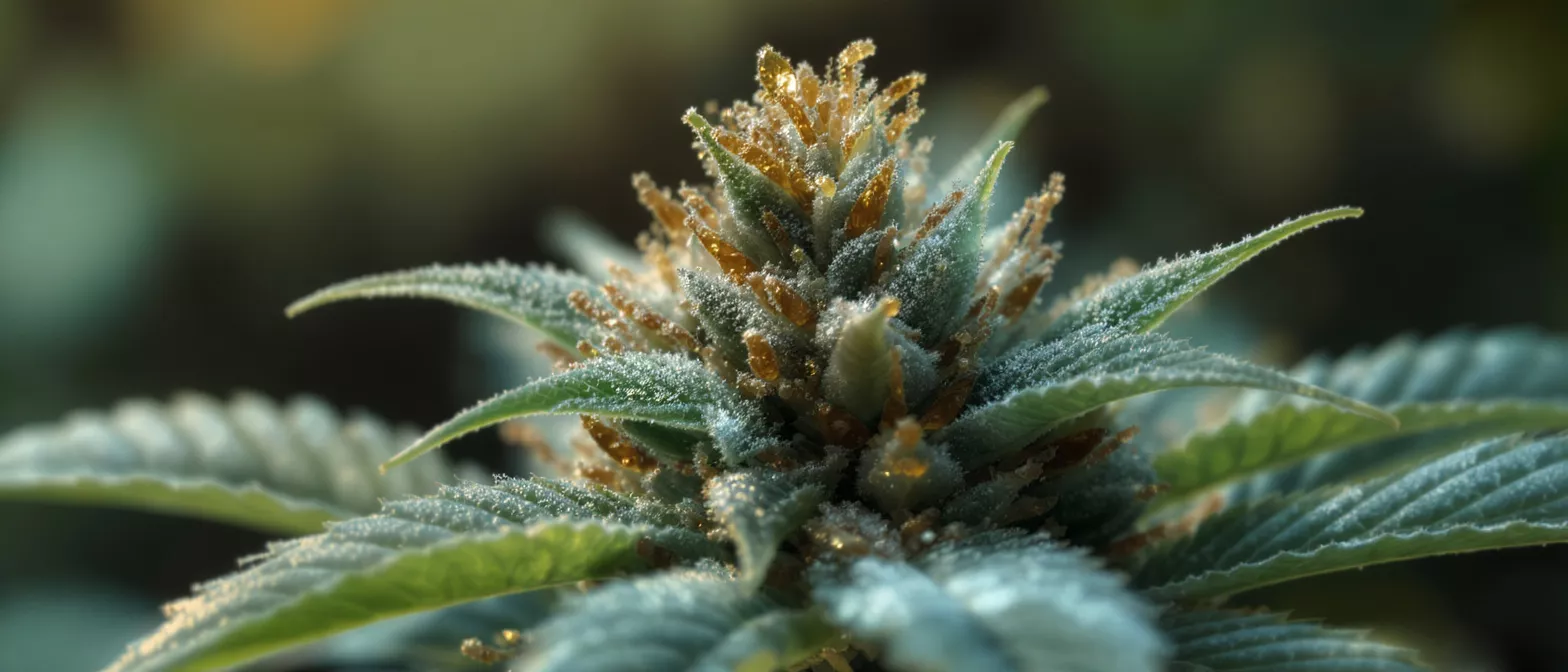
The word "trichome" comes from the Greek "trikhōma," meaning "growth of hair." On cannabis, trichomes are the tiny outgrowths that appear as a frosty, sticky coating across the flowers and surrounding leaves. Under magnification they look like translucent mushrooms — slender stalks topped with bulbous resin heads. These resin heads are where the plant manufactures and stores cannabinoids like THC and CBD, along with the aromatic terpenes that give each strain its signature scent.
Trichomes are not unique to cannabis. Many plants grow them as a defense mechanism, but cannabis has evolved an especially dense and chemically rich version. When you see a flower described as "frosty" or "crystally," that visual appeal is a direct reference to a heavy trichome coating, which usually signals a well-grown, potent batch.
It helps to think of the trichome as both a shield and a chemical lab. The plant uses these structures to protect itself, but in doing so it produces the exact compounds that humans have prized for thousands of years.
How Trichomes Work on the Plant
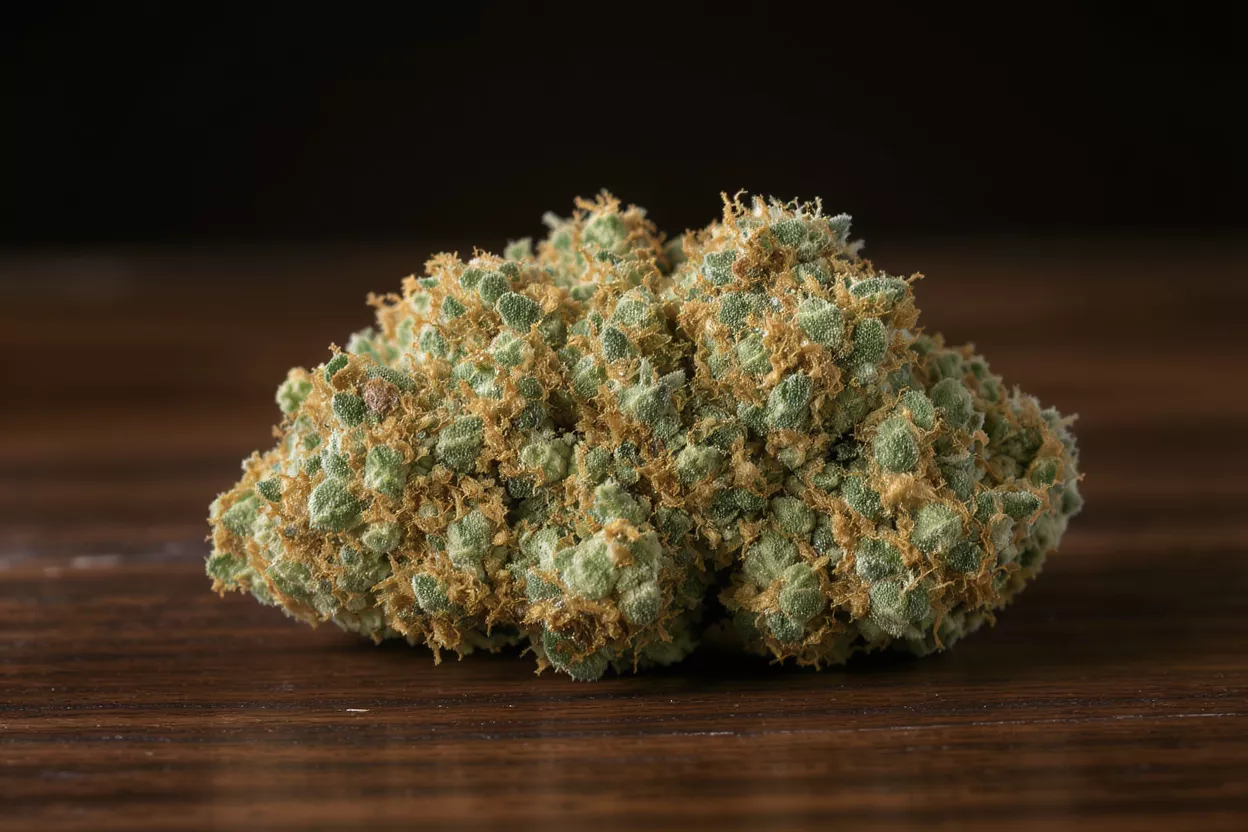
Trichomes evolved primarily as a survival tool. The sticky, bitter resin they secrete deters insects and grazing animals, traps would-be pests, and shields the plant's delicate flowers from damaging ultraviolet light. The cannabinoids and terpenes that we value are, from the plant's perspective, defensive chemistry. It is a happy accident of evolution that these compounds also interact with the human endocannabinoid system.
Inside each resin head, specialized cells convert sugars and precursor molecules into cannabinoids and terpenes. This production ramps up dramatically during the flowering stage, which is why mature buds glisten while young vegetative plants do not. Light intensity, temperature, and genetics all influence how many trichomes a plant produces and how rich they become.
The resin is also why cannabis flower feels sticky to the touch. That tackiness is concentrated trichome resin transferring to your fingers — a quick, low-tech indicator that a flower is loaded with the good stuff.
Types of Cannabis Trichomes
Not all trichomes are created equal. Botanists classify cannabis trichomes into several categories based on their shape and size, and only some of them carry the bulk of the plant's cannabinoid content. Knowing the difference helps you understand what you are actually looking at under a magnifier.
The three primary glandular types do the heavy lifting when it comes to resin production, while non-glandular hairs serve mostly structural roles.
- 🍄 Capitate-stalked: The largest and most abundant glandular trichomes. Their tall stalks and bulbous heads produce the majority of cannabinoids and terpenes.
- 🔬 Capitate-sessile: Smaller, with a short or absent stalk. Still glandular and resin-producing, just less prominent.
- ✨ Bulbous: The tiniest type, barely visible even under magnification, scattered across the plant surface.
- 🌿 Cystolithic (non-glandular): Hair-like structures that do not produce resin but help with defense and water retention.
When growers and consumers talk about "trichome coverage," they are almost always referring to the capitate-stalked variety, since these are the ones visible to the naked eye and packed with active compounds.
Why Trichomes Matter for Potency
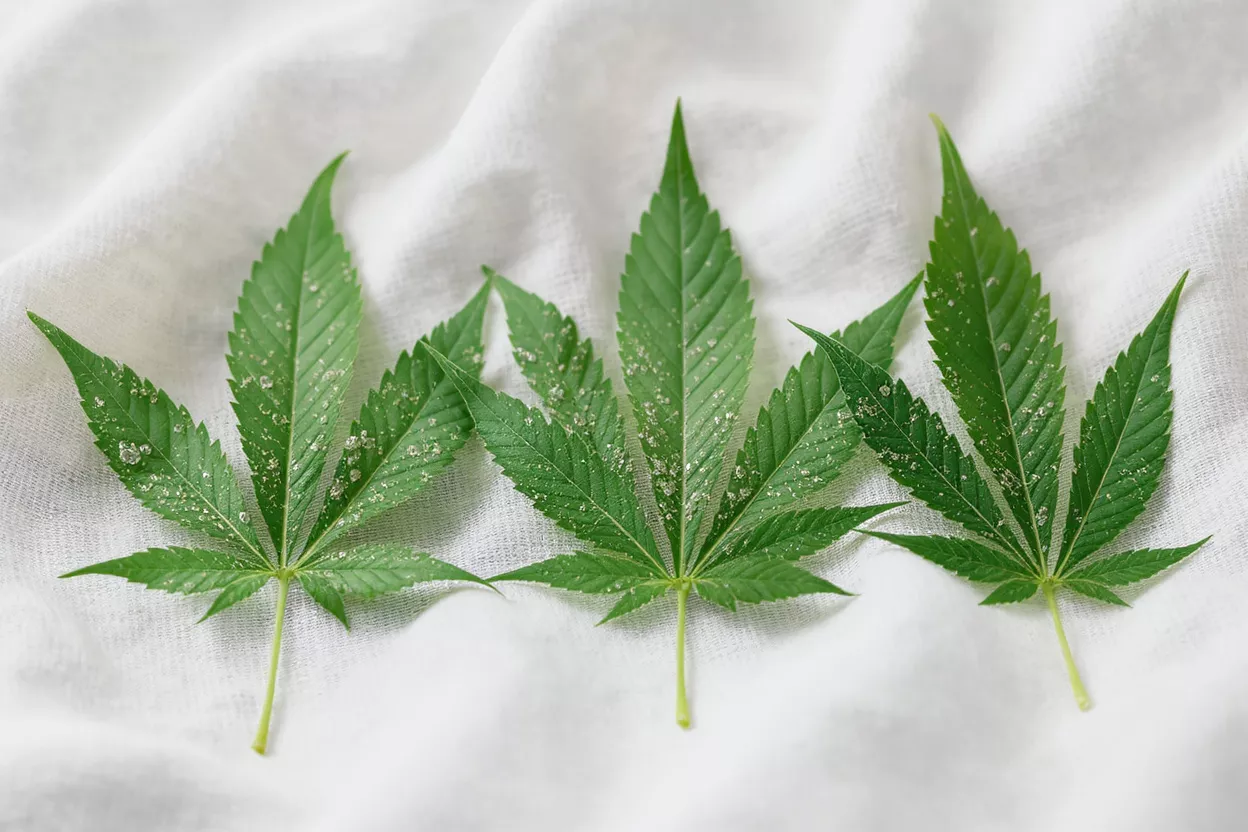
Potency lives almost entirely inside the trichome. When a lab tests a flower for THC or CBD percentage, it is essentially measuring how much cannabinoid-rich resin the trichomes have produced. A flower with dense, intact trichomes will test higher and deliver a stronger experience than a sparse, dull one — assuming the genetics are sound.
This is why physical handling matters so much. Trichome heads are fragile and break off easily when flower is roughly handled, over-trimmed, or jostled in transit. Every trichome that falls off is potency literally lost. Premium flower is handled gently specifically to preserve this delicate frost.
Beyond raw potency, trichomes shape the overall character of the high. The blend of cannabinoids and terpenes locked inside them produces the entourage effect, where compounds work together to influence whether a strain feels energizing, relaxing, or somewhere in between.
Trichome Colors and When to Harvest
Trichome color is the single most reliable signal of ripeness. As a cannabis plant matures, its trichome heads shift through a predictable color sequence, and experienced growers harvest based on this change rather than the calendar. Reading these colors lets you dial in the exact effect profile you want.
The progression moves from clear to cloudy to amber, and each stage corresponds to a different cannabinoid balance and resulting experience.
- 💎 Clear: Trichomes are still developing. Harvesting now yields a weak, underdeveloped product — too early.
- ☁️ Cloudy/milky: Peak THC content. Most growers target this window for the strongest, most cerebral effect.
- 🟠 Amber: THC is degrading into CBN, producing a heavier, more sedative, body-focused experience.
Most cultivators harvest when the majority of trichomes are cloudy with a small percentage turning amber, balancing potency with the desired effect. A higher amber ratio leans toward relaxation, while mostly cloudy trichomes favor an energetic, heady high.
How to Check Trichomes at Home
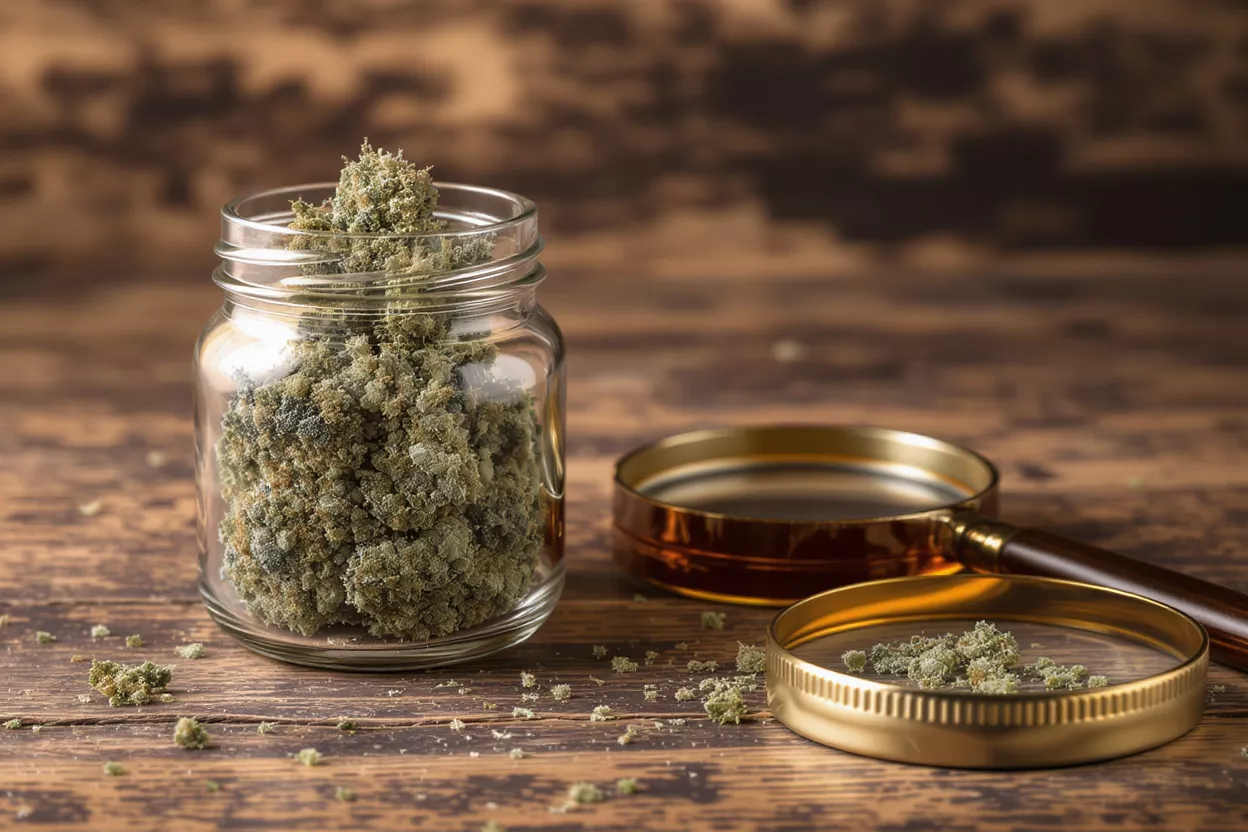
You do not need a laboratory to read trichomes — just a little magnification. The naked eye can spot general frostiness, but to judge color accurately you need to get up close. A jeweler's loupe, a USB microscope, or even a modern phone camera with a macro mode will reveal the individual heads clearly.
Lighting and patience matter. View trichomes under bright, neutral light and check multiple spots on several buds, since ripeness can vary across a single plant. Focus on the resin heads on the flower itself rather than the sugar leaves, which tend to mature faster and can mislead you.
Here is a simple checklist for evaluating trichomes whether you are growing or simply inspecting a purchase:
- 🔎 Magnify: Use a 30x–60x loupe or microscope for a clear view of individual heads.
- 💡 Light it well: Bright, even lighting reveals true color without distortion.
- 🎯 Check the flower, not the leaves: Sugar leaf trichomes ripen ahead of the bud.
- 📊 Sample widely: Inspect several spots to gauge overall maturity.
Trichomes and Terpene Production
The same trichomes that make cannabinoids also produce terpenes. These volatile aromatic compounds are responsible for the citrus, pine, fuel, and berry notes that distinguish one strain from another. Because terpenes are stored alongside cannabinoids in the resin heads, anything that damages trichomes also strips away aroma and flavor.
Terpenes are delicate and evaporate easily under heat and light. This is one more reason proper storage and gentle handling matter so much — a flower can keep its potency while losing the nuanced bouquet that makes it enjoyable. Preserving trichomes preserves the full sensory experience.
For anyone chasing the most flavorful, aromatic cannabis, trichome health is the whole game. A heavily frosted, well-cured flower will smell vivid and taste rich, while a battered or stale one will feel flat even at the same lab-tested potency.
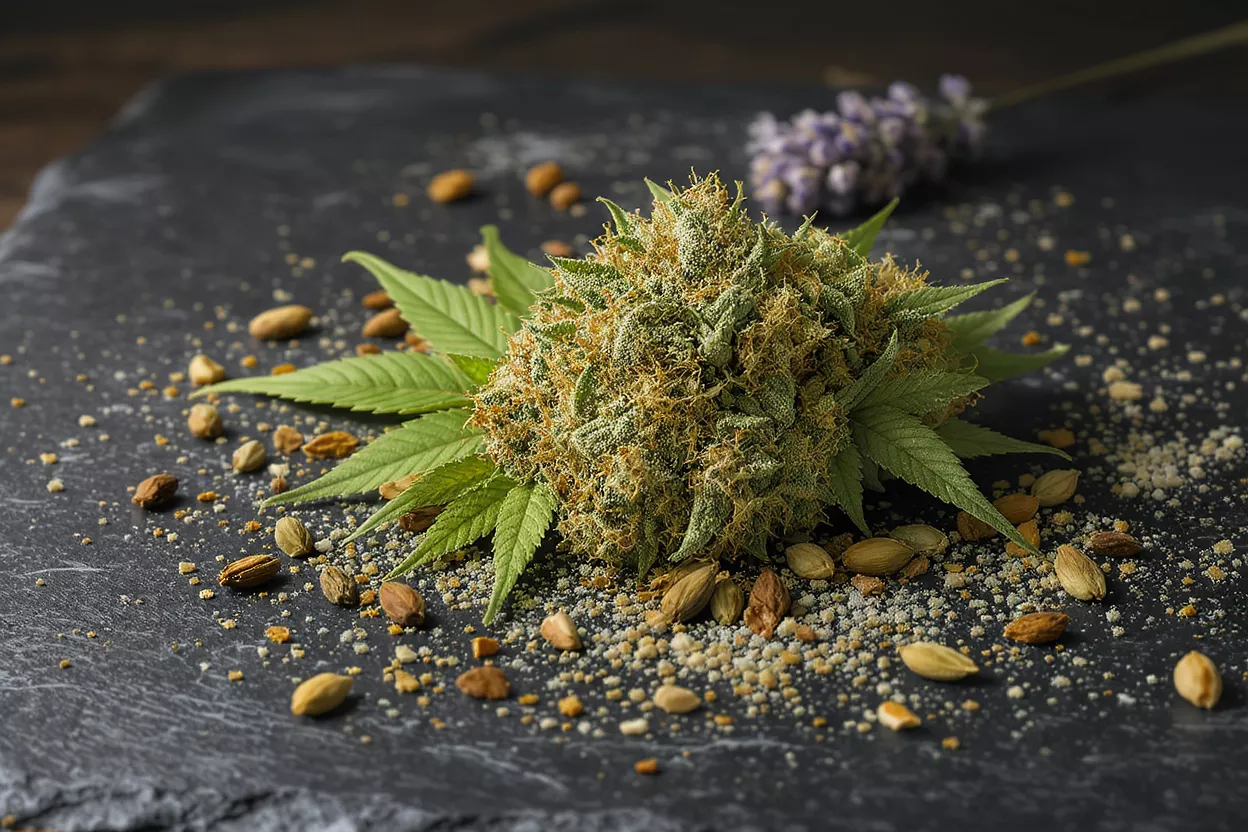
Protecting Trichomes After Harvest
Trichome preservation does not end at harvest — it continues through drying, curing, and storage. Once flower is cut, the goal shifts to keeping those resin heads intact and chemically stable for as long as possible. Excess heat, light, oxygen, and humidity are the four enemies that degrade trichomes over time.
Proper curing in controlled humidity allows terpenes to mellow and cannabinoids to stabilize without the trichomes drying out and shattering. After curing, storing flower in airtight glass containers away from direct light keeps the resin fresh for months. Plastic bags, by contrast, generate static that pulls trichomes right off the flower.
Follow these storage principles to keep trichomes intact:
- 🫙 Use glass: Airtight jars protect resin far better than plastic baggies.
- 🌡️ Stay cool and dark: Heat and UV light degrade cannabinoids and terpenes quickly.
- 💧 Control humidity: Aim for roughly 55–62% relative humidity to prevent both mold and brittleness.
- 🤏 Handle gently: Every rough touch knocks loose potency-rich trichome heads.
Trichomes in Concentrates and Hash
Concentrates are essentially trichomes separated from the rest of the plant. Hash, kief, rosin, and other extracts all work on the same principle: isolate the resin-packed trichome heads and discard the plant material that dilutes them. This is why concentrates test so much higher in potency than raw flower — they are a purified collection of the plant's most active part.
Traditional hash and kief are made by physically knocking trichomes off the flower using sieves, ice water, or dry sifting. Solventless options like rosin then press these collected trichomes with heat and pressure to release the resin inside. Solvent-based extracts use a different approach but share the same target.
The quality of any concentrate traces directly back to the quality of the trichomes that went into it. Starting material loaded with mature, intact resin heads produces flavorful, potent extract, while degraded trichomes yield a harsh, lackluster result no matter how skilled the maker.
Are Trichomes Safe to Consume
Trichomes are simply the natural resin glands of the cannabis plant, and consuming them is the entire point of consuming cannabis. Every time you smoke, vaporize, or eat properly prepared cannabis, you are ingesting the compounds those trichomes produced. There is nothing inherently unsafe about the structure itself — it is the source of the experience people seek.
The real safety considerations come down to how the flower was grown and processed. Clean cultivation, proper curing, and lab testing for contaminants like pesticides, mold, and heavy metals are what determine whether any cannabis product is safe. Trichome-rich flower from a reputable, tested source gives you both potency and peace of mind.
Understanding trichomes ultimately makes you a smarter consumer. From judging bag appeal and reading harvest readiness to appreciating why concentrates hit harder, these tiny crystals explain nearly everything about cannabis quality. The next time you admire a frosty flower, you will know you are looking at the plant's chemical heart — and the true measure of what is inside.