Ruderalis
Learn what ruderalis is, where it comes from, and why its genetics matter.
What Is Ruderalis in Cannabis?
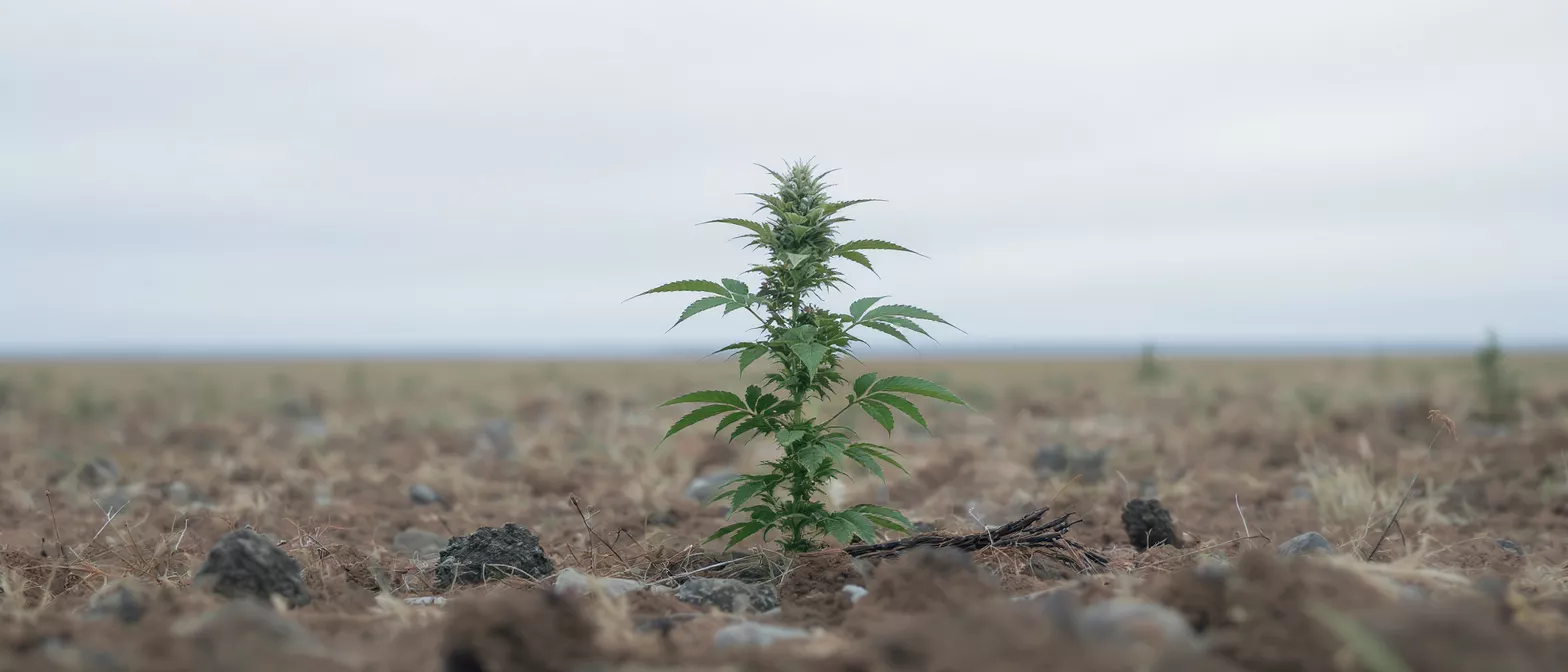
Ruderalis is the lesser-known third member of the cannabis family, often overshadowed by its famous relatives but quietly responsible for one of the most important breeding revolutions of the past two decades. When most people picture cannabis, they imagine towering sativas or bushy indicas — but ruderalis is the scrappy, weather-hardened survivor that thrives where other varieties would wither. Its name derives from "ruderal," a botanical term for plants that colonize disturbed ground, roadsides, and wild marginal land.
Why ruderalis matters today: for generations, growers dismissed ruderalis as a weed in the truest sense — low in potency, small in stature, and seemingly useless for recreational or medical purposes. That perception flipped entirely once breeders realized its single greatest trait could be inherited. The plant's ability to flower based on age rather than light cycles transformed it from a botanical curiosity into a cornerstone of modern autoflowering genetics.
Understanding ruderalis gives you a fuller picture of how the cannabis you find at any dispensary came to be. It is rarely sold on its own at the shelf, yet its DNA flows through countless beginner-friendly strains. Knowing what it contributes — and what it does not — helps you read seed labels with a more informed eye and choose plants suited to your climate and experience level.
Where Does Ruderalis Come From?
The geographic story: ruderalis evolved across the harsh northern latitudes of Russia, Siberia, Central Asia, and parts of Eastern Europe. These regions present brutal growing conditions — short summers, long winters, and dramatically fluctuating daylight hours. A plant relying on shrinking daylight to trigger flowering would never survive there, so ruderalis adapted to bloom based on its own internal clock instead.
The cannabis researcher Russian botanist D.E. Janischewsky first classified ruderalis in 1924 after studying wild-growing populations along the Volga River. He noted distinct differences from cultivated cannabis: smaller size, fewer branches, and an early, light-independent flowering response. For decades this classification remained an academic footnote, of interest mostly to taxonomists rather than growers. Today, organizations focused on plant science and public health like Healthline document how cannabis subtypes differ in their physical traits and chemical makeup.
The plants developed deep tolerance to frost, pests, and poor soil — survival traits born of necessity. This rugged constitution is exactly what made ruderalis valuable once breeders went looking for hardiness to cross into more potent but more fragile lineages. A grower in a cold or unpredictable climate may find a cold-hardy autoflower seed pack far more forgiving than a temperamental photoperiod sativa.
Ruderalis vs Indica and Sativa
To appreciate ruderalis, it helps to set it side by side with the two cannabis types everyone already knows. Each subtype evolved in a different part of the world and carries a distinct set of growth habits, chemistry, and effects. Indica and sativa dominate dispensary menus, while ruderalis works mostly behind the scenes.
The core differences: the contrast is most obvious in size and flowering behavior. Sativas stretch tall with airy buds and long flowering cycles; indicas grow shorter and denser with faster finishes; ruderalis stays compact and flowers automatically regardless of light. Here is how they stack up at a glance:
- 🌿 Sativa: Tall, lanky growth, narrow leaves, long flowering times, often energizing effects associated with classic Diesel-style genetics.
- 🪨 Indica: Short and bushy, broad leaves, faster flowering, typically heavier and more relaxing.
- ❄️ Ruderalis: Small and weedy, autoflowering, frost-tolerant, naturally low THC and often higher relative CBD.
None of these is inherently superior — they simply serve different goals. A connoisseur chasing dank, high-potency flower will lean toward indica or sativa genetics, while a hobbyist who wants a quick, low-maintenance harvest benefits from the ruderalis influence. The magic of modern breeding is that you no longer have to choose: hybrids blend the best of all three.
How Ruderalis Autoflowering Works
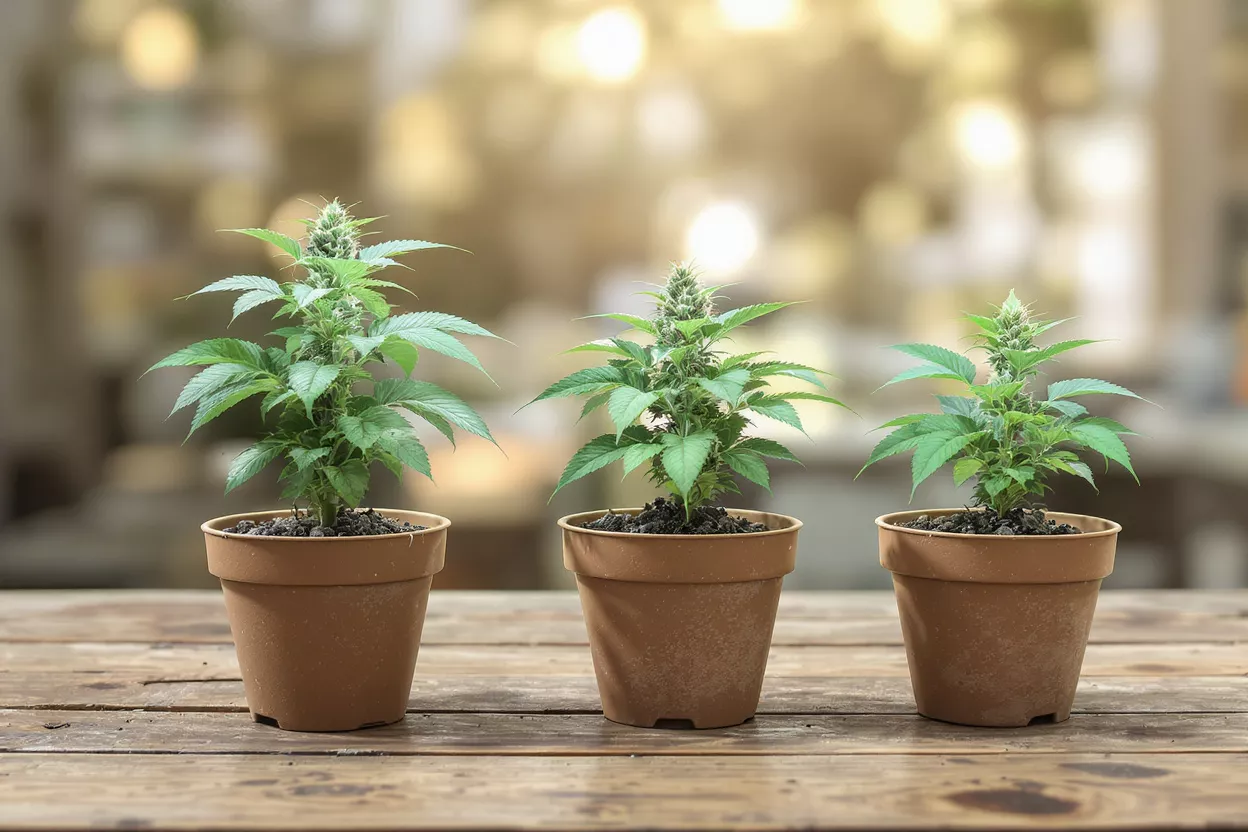
The light-independent trigger: the defining feature of ruderalis is autoflowering — the ability to transition from vegetative growth to flowering based on age rather than the photoperiod. Most cannabis is photoperiod-dependent, meaning it begins flowering only when daily light drops to roughly 12 hours. Ruderalis ignores this signal entirely and simply blooms after a few weeks of growth.
This trait is governed by genetics rather than environment, which is why it passes reliably to offspring when bred into other lines. According to plant-science overviews from Healthline, flowering responses in cannabis are tied to inherited regulatory pathways, and ruderalis carries the recessive-friendly traits that make autoflowering predictable in hybrids. For an indoor grower, that means no need to switch a timer or manage strict directional airflow around a rigid light schedule.
The practical upside is speed and simplicity. An autoflower can go from seed to harvest in roughly 8 to 11 weeks, compared to the months a photoperiod plant may demand. The trade-off is a smaller plant with a fixed timeline you cannot pause or extend, since the plant will flower on schedule no matter how much vegetative growth you wanted.
What Is the Ruderalis Cannabinoid Profile?
Pure ruderalis is not prized for its potency, and that is precisely why it spent so long in obscurity. Wild ruderalis typically produces very low levels of Delta-9 THC — often under 3% — making it weak by recreational standards. What it lacks in THC, however, it frequently makes up for with a comparatively higher proportion of CBD.
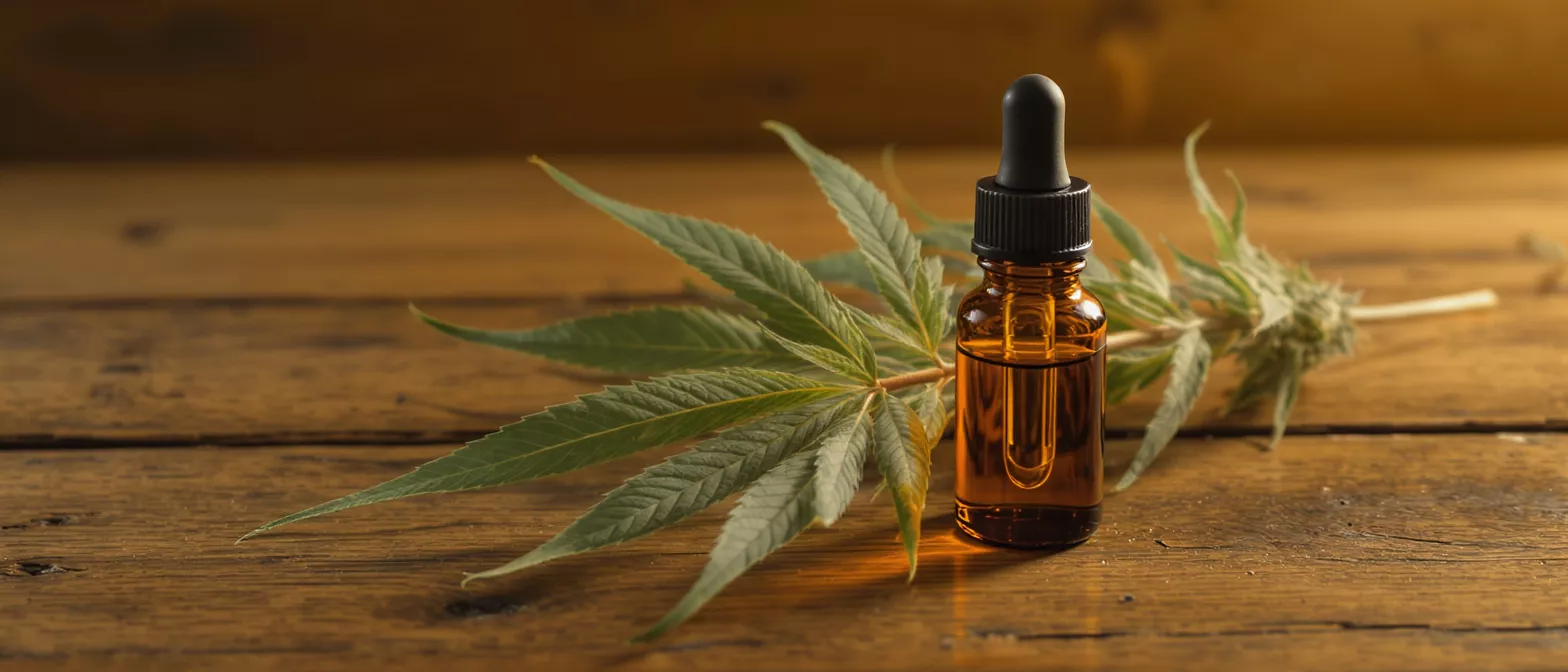
Why the CBD ratio matters: this naturally balanced or CBD-leaning profile has made ruderalis genetics attractive to breeders developing wellness-focused strains. Drawing on research summarized by Healthline, CBD has become a focal point for those seeking the plant's effects without strong intoxication. A ruderalis cross can lower a strain's THC ceiling while preserving a useful cannabinoid spread, which suits products like a gentle low-dose CBD wellness tincture or mild elixir.
It is worth noting that ruderalis itself rarely produces the trichome-heavy resin you would associate with diamonds or premium concentrates. Its terpene output is modest, and you will not find it touted as a source of bold flavor. Its contribution to any blend is structural and chronological — hardiness and timing — far more than aroma or knockout strength.
Ruderalis Growing Guide for Beginners
Few plants are as forgiving for a first-time grower as a ruderalis-derived autoflower. Because flowering is hardwired, you skip one of the most common beginner mistakes — botched light schedules. Plant the seed, give it consistent light, and the plant largely takes care of its own timeline.
Setting yourself up for success: while ruderalis hybrids are tolerant, a few habits will maximize your yield. Keep these fundamentals in mind:
- 🌱 Use the right pot: autoflowers dislike transplant shock, so start them in their final container when possible.
- ☀️ Give generous light: 18–20 hours of light daily throughout the whole cycle suits autoflowers since the photoperiod does not trigger flowering.
- 💧 Avoid overwatering: let the topsoil dry between waterings; the compact root systems are easy to drown.
- ✂️ Train gently: heavy defoliation or aggressive pruning can stunt a fast-cycling plant that has no time to recover.
Because the timeline is short and fixed, planning matters. There is little room to fix a mistake mid-flower, so stable conditions from day one pay off. A beginner who wants quick gratification and minimal fuss is an ideal candidate for these genetics, and a quality beginner autoflower grow kit removes most of the guesswork from that first run.
Benefits of Ruderalis Genetics in Breeding
The real value of ruderalis reveals itself in the breeding room rather than the dispensary jar. By crossing ruderalis with potent indica or sativa lines, breeders pass the autoflowering trait into plants that otherwise would have remained slaves to the light cycle. The result is a strain with respectable potency and ruderalis's effortless timing.
What ruderalis brings to a cross: beyond autoflowering, it contributes resilience that growers genuinely prize. According to general botanical reporting echoed by Healthline, hardy parent genetics often translate to plants better equipped to handle environmental stress. The standout advantages include:
- ⏱️ Speed: faster seed-to-harvest cycles allow multiple harvests per season.
- 🧊 Cold tolerance: inherited frost resistance opens up cooler climates for outdoor growing.
- 📏 Compact size: discreet, manageable plants ideal for small or hidden spaces.
- 🛡️ Pest and mold resilience: rugged constitution reduces crop losses.
These traits are why nearly every reputable seed bank now offers an autoflowering catalog. From the breeder to the distributor and finally the home grower, ruderalis genetics quietly underwrite a huge share of the modern beginner market — an unglamorous but indispensable workhorse.
Popular Ruderalis Hybrid Strains
You will almost never see a pure ruderalis strain for sale, but its descendants are everywhere. Modern autoflowering hybrids combine ruderalis timing with the flavor and potency of classic photoperiod lines, giving growers the best of both worlds without the steep learning curve.
What the labels really mean: when a seed listing reads "auto" before a familiar strain name, ruderalis is the reason. The original strain has been crossed with a ruderalis line to confer autoflowering, usually with a modest dip in potency in exchange for ease. Reputable resources such as Healthline stress that potency and effect vary widely between cultivars, so reading lab results matters more than chasing a name.
Many of the most popular autoflowers descend from heavyweight genetics — fuel-forward Diesel crosses, dessert-sweet hybrids, and balanced CBD lines among them. These plants make it possible to grow genuinely dank flower on a windowsill timeline, no e-nail or fancy hardware required to enjoy the final product. For the casual grower, that accessibility is the entire appeal.
Is Ruderalis Worth Growing?
Whether ruderalis is worth your time depends entirely on what you want from the experience. If your goal is maximum potency and the absolute highest yield per plant, pure ruderalis will disappoint — and even its hybrids generally produce a touch less than top-shelf photoperiod plants grown to their full potential.
The case for growing it: for the right grower, the advantages overwhelmingly outweigh the trade-offs. Speed, stealth, resilience, and forgiveness make ruderalis hybrids the obvious first choice for beginners, balcony growers, and anyone in a short-season climate. There is real satisfaction in pulling a harvest in under three months with minimal intervention.
The honest verdict is that ruderalis is a means rather than an end. Few people set out to grow ruderalis for its own sake; they grow the autoflowering hybrids it makes possible. Viewed that way, ruderalis is not just worth growing — it is arguably the most quietly influential genetic in the entire cannabis world, even if it never headlines the menu the way trendy concentrates and Delta-8 products do.
The Future of Ruderalis in Modern Cannabis
As cannabis breeding grows more sophisticated, ruderalis is shedding its weed-of-the-roadside reputation. Breeders have spent years narrowing the potency gap between autoflowers and photoperiod plants, and each generation of seeds closes that distance further. What was once a compromise is increasingly a legitimate competitor.
Where the genetics are heading: expect to see autoflowers that rival photoperiod cousins in both THC and terpene richness, alongside more CBD-balanced and minor-cannabinoid lines aimed at the wellness market. As reporting from outlets like Healthline highlights, consumer demand is shifting toward variety, transparency, and tailored chemical profiles — all areas where flexible ruderalis crosses can shine.
Ruderalis began as a hardy survivor on the fringes of the cannabis family and has quietly become one of its most consequential members. It will likely never dominate a dispensary shelf on its own, yet its fingerprints are on a growing share of the seeds people plant every year. For new growers especially, the humble ruderalis remains the unsung hero that turned cannabis cultivation from an exacting craft into something almost anyone can do at home.