Loud
Discover what loud weed really means, why it smells so strong, and how to spot top-shelf loud cannabis.
What Is Loud Weed and Where Did the Term Come From
When someone calls a bag of flower "loud," they aren't talking about sound — they're talking about smell. Loud is street slang for cannabis so aromatic and potent that the scent practically announces itself the moment a jar cracks open. The term emerged from hip-hop culture and dispensary counters alike, used as shorthand for top-shelf, pungent, high-quality bud that stands apart from anything mediocre. If a strain is loud, it's loud because you can smell it through the bag, across the room, and sometimes down the hall.
The word gained traction in the late 2000s, particularly in the southern United States, and quickly spread through music and online cannabis communities. It became a badge of quality. Saying a strain was loud was a way of vouching for its strength without needing a lab report. Over time, the term broadened from describing one specific aroma to encompassing any cannabis considered premium, dank, and richly fragrant.
Loud as a quality benchmark: Today, calling weed loud signals more than smell — it implies dense buds, frosty trichome coverage, careful curing, and a robust terpene profile. It's the opposite of "reggie," the slang for low-grade, brick-pressed cannabis. The shift in language reflects how much the legal market has elevated consumer expectations, with people now scrutinizing flower the way wine drinkers scrutinize a vintage.
Why Loud Cannabis Smells So Strong
The intense aroma of loud cannabis comes almost entirely from terpenes — the volatile aromatic compounds produced in the same trichome glands that make THC and other cannabinoids. Terpenes like myrcene, limonene, caryophyllene, and pinene give each strain its signature scent, whether that's fuel-like Diesel, citrus, pine, or skunk. The more abundant and well-preserved these terpenes are, the louder the flower smells. According to Healthline, terpenes may also influence the effects of cannabis through what researchers informally call the entourage effect.
Genetics set the ceiling: A strain's terpene potential is written into its DNA. Cultivars descended from pungent lineages — think old-school Diesel or skunk genetics — are naturally inclined to produce louder profiles. No amount of growing skill turns a genetically mild strain into a screamer, but poor cultivation can absolutely silence a loud one.
Curing is where many growers either capture or lose that loudness. Slow, controlled drying followed by weeks of curing in sealed jars preserves volatile terpenes that would otherwise evaporate. Rushed drying bakes off the very compounds that make dank flower smell so aggressive. This is why two grows of the same genetics can smell worlds apart — one whispers while the other shouts.
How Loud Weed Differs From Mids and Reggie
Cannabis quality has long been described on an informal three-tier scale, and loud sits firmly at the top. Understanding the hierarchy helps you know what you're actually paying for when you walk into a dispensary or browse a menu.
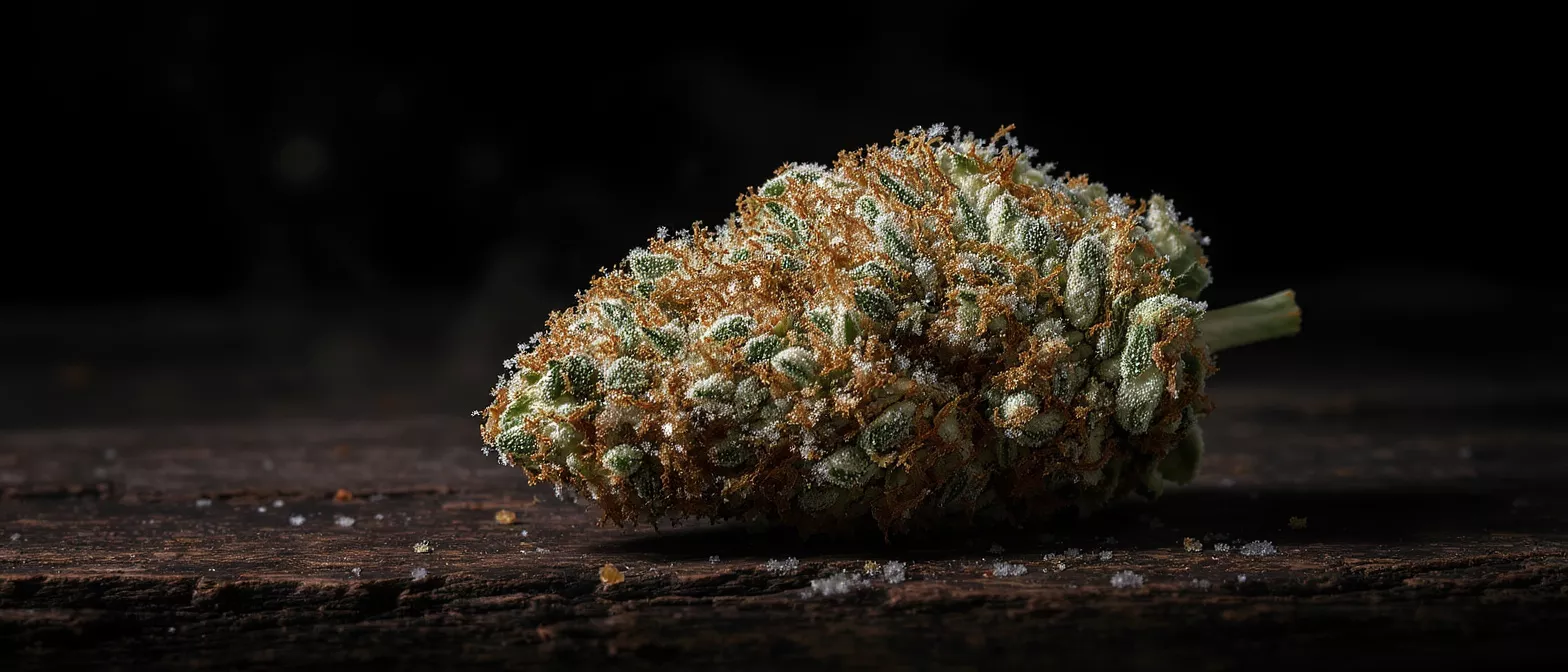
- 🔥 Loud (top shelf): Dense, sticky, frost-covered buds with an overpowering aroma and high cannabinoid content. This is the "dank" tier — the flower people photograph and brag about.
- 🌿 Mids (middle grade): Decent flower with moderate potency and aroma. Smokeable and pleasant, but lacking the trichome density and pungency that define loud.
- 🧱 Reggie (bottom shelf): Often called "dope" in a dismissive sense, this is dry, brown, seedy, sometimes brick-pressed cannabis with little smell and weak effects.
The gap between these tiers is not just marketing. The difference shows up in trichome coverage, bud structure, moisture content, and the way the flower burns. Loud weed tends to burn slowly to a clean white ash, while reggie often burns harsh and uneven. For anyone exploring quality, a premium top-shelf flower jar is the clearest way to experience the loud end of the spectrum firsthand.
It's worth noting that the dispensary system has somewhat formalized these distinctions. Where you once relied on a friend's word or your own nose, modern legal menus display lab-tested cannabinoid and terpene percentages, letting you verify loudness with data rather than slang alone.
What Makes a Strain Loud: Terpenes and Trichomes
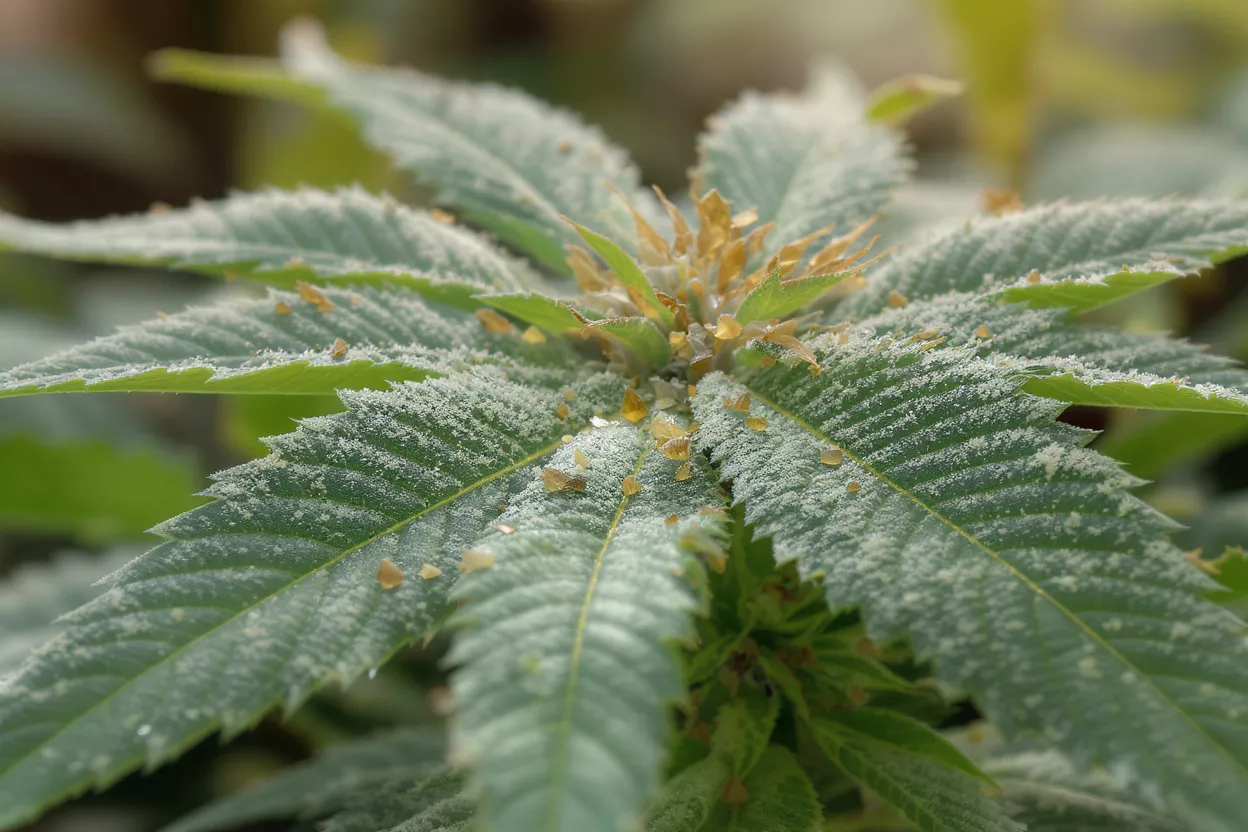
Loudness is a sensory signal of a deeper biological story. The trichomes — those tiny, frosty, mushroom-shaped glands coating the buds — are the factories where both cannabinoids and terpenes are made. Dense trichome coverage is one of the most reliable visual cues that a flower will be loud, because more glands mean more aromatic compounds and more THC.
The terpene-cannabinoid partnership: Loud flower typically pairs high THC with a rich, layered terpene profile. The terpenes do more than smell good; research summarized by Healthline suggests they may shape the texture of the high — relaxing, energizing, or somewhere in between. A strain can be potent without being loud, but the most celebrated cultivars deliver both at once.
Beyond genetics, several cultivation factors push a strain toward its loudest expression:
- 💡 Light intensity: Strong, properly spectrum-balanced lighting drives trichome and terpene production in the final weeks of flower.
- 🌬️ Directional airflow: Steady air movement keeps humidity in check, prevents mold, and helps plants build resin.
- 🌡️ Cool finishing temps: Slightly lower temperatures late in flowering can intensify color and aroma.
- ✂️ Defoliation: Strategic leaf removal improves light penetration to lower buds, raising overall quality.
Best Loud Strains Worth Knowing
Certain strains have earned reputations as reliably loud, generation after generation. These cultivars tend to come from pungent genetic lines and consistently produce the dense, aromatic flower that defines the category. While individual grows vary, these names are a solid starting point for anyone chasing the loudest smoke.
Classic loud genetics: Sour Diesel remains a benchmark for fuel-forward loudness, with a sharp, gassy aroma that fills a room instantly. OG Kush brings a heavy, earthy pungency that many associate with the very definition of dank. GMO, Runtz, and Gelato descendants have pushed loudness into sweet, dessert-like territory while keeping the intensity sky-high.
If you're shopping for loud, prioritize strains with documented terpene percentages above two percent and visible frost in product photos. A well-curated terpene-rich flower selection will usually highlight these details up front. Keep in mind that the same strain name can smell radically different depending on the grower, so reputation of the cultivator matters as much as the genetics on the label.
Hash and concentrate makers prize loud flower as well. The same trichome density that makes bud aromatic also makes it ideal for producing Diamonds, live resin, and other terpene-rich extracts. When you see a strain consistently turned into premium concentrates, that's often a quiet endorsement of its loudness.
How to Tell if Weed Is Loud by Sight and Smell
Evaluating loud weed is a skill anyone can develop, and it relies mostly on your eyes and nose rather than a lab report. The most experienced buyers can assess a jar in seconds, but the cues are learnable for everyone.
The visual checklist: Loud flower looks alive. Look for dense, tightly packed buds blanketed in frosty trichomes that sparkle under light. Vibrant greens, purples, and bright orange pistils signal healthy plants and careful curing. Avoid flower that looks brown, dry, dusty, or shot through with stems and seeds — those are reggie warning signs.
Smell is the truest test, and it's where the term loud literally comes from. Crack the jar and the aroma should hit you immediately, whether it's gas, citrus, skunk, or sweet candy. A faint or hay-like smell suggests degraded terpenes and lackluster flower. According to Healthline, that distinctive scent reflects the terpene content that often correlates with a more robust experience.
- 👀 Trichome frost: Heavy, crystalline coverage across buds and sugar leaves.
- 👃 Immediate aroma: Scent that escapes the bag and fills the room.
- 🤏 Proper moisture: Buds that are sticky and spring back, never crumbling to dust.
- 🔍 Clean structure: Minimal stems, no seeds, well-trimmed flower.
Does Loud Weed Actually Hit Harder
Loudness and potency are related but not identical. A loud aroma strongly suggests well-preserved terpenes and careful cultivation, which usually accompanies higher cannabinoid content — but smell alone doesn't measure THC. It's entirely possible for a wildly aromatic strain to test moderate in THC while delivering a remarkable, full-bodied high thanks to its terpene complexity.
Why loud often feels stronger: The entourage effect describes how terpenes and cannabinoids may work together to shape and amplify the overall experience. Because loud flower is rich in both, the high frequently feels more rounded and intense than a high-THC strain with a flat terpene profile. Quality of experience, not just raw THC numbers, is what separates memorable flower from forgettable flower.
That said, tolerance and dosing still matter. A loud strain can hit hard, so newer consumers should start low and go slow regardless of how impressive the bag smells. The pungency is a signal of quality, not an invitation to overconsume. If you're sensitive to strong effects, a measured approach with a balanced low-dose option can let you enjoy the aroma and flavor without being overwhelmed.
How to Store Loud Weed and Keep It Potent
You can buy the loudest flower on the menu and still ruin it within weeks through poor storage. Terpenes are volatile and degrade with exposure to heat, light, oxygen, and improper humidity. Protecting your investment is mostly about controlling those four variables.
The storage essentials: Keep loud weed in an airtight glass jar, not a plastic bag that lets terpenes escape and static cling steal trichomes. Store the jar somewhere cool and dark, away from windows and heat sources. A two-way humidity pack holding around 58 to 62 percent relative humidity keeps the flower from drying out or growing mold, preserving both aroma and smoothness.
Avoid the common mistakes that silence loud flower fast:
- 🌞 Sunlight exposure: UV light degrades cannabinoids and terpenes quickly — keep jars in a cabinet.
- 🔥 Heat: Warm storage evaporates terpenes; aim for a cool, stable room temperature.
- ❄️ Freezing fresh flower: Freezing makes brittle trichomes snap off when handled; reserve that only for extraction-bound material.
- 💨 Leaving jars open: Air exposure dulls aroma fast, so seal it immediately after each use.
Done right, properly stored loud flower can hold its character for months. The same care extracts apply if you keep concentrates, though those have their own temperature needs depending on whether you're storing live resin, Diamonds, or sauce.
Loud Weed Slang and Street Terms Explained
Cannabis culture is rich with slang, and loud sits within a whole vocabulary that can confuse newcomers. Understanding the lingo helps you navigate conversations, dispensary menus, and online communities without missing a beat.
The quality vocabulary: Words like dank, fire, and gas all overlap with loud, each emphasizing top-tier flower. Dank specifically conjures that pungent, sticky, high-quality character. On the opposite end, dope can mean either cannabis generally or, dismissively, low-grade weed, depending on context and region.
Beyond quality descriptors, you'll encounter terms tied to consumption and culture. A dugout is a compact one-hitter storage box. An eighth refers to an eighth of an ounce, the most common purchase size. Dispensary and distributor describe the legal supply chain, while the gear-focused crowd talks about an e-nail, e-rig, domeless nail, and dewaxing when discussing concentrate setups. Even cannabinoid variants get nicknames — Delta-8, Delta-10, and Delta-9 THC each carry their own slang and reputation.
- 🔊 Loud / Dank / Gas: Premium, pungent, top-shelf flower.
- 🧱 Reggie / Dope: Low-grade, often brick-pressed cannabis.
- 📦 Eighth / Dugout: Purchase size and portable storage box.
- 🏪 Dispensary / Distributor: Legal retail and supply terms.
Is Loud Weed Worth the Higher Price
Loud flower commands premium pricing, and whether it's worth the extra money depends entirely on what you value. Top-shelf cannabis costs more because it represents better genetics, careful cultivation, slow curing, and meticulous trimming — labor and expertise that mid-grade flower simply doesn't receive. You're paying for the trichome density, the terpene loudness, and the elevated experience that follows.
When loud is worth it: For flavor chasers, flower smokers, and anyone who values aroma and a nuanced high, loud is absolutely worth the premium. The smoother smoke, richer taste, and fuller effects justify the cost for connoisseurs. If you're rolling flower into a joint or packing a bowl, that quality is front and center every session.
For budget-conscious consumers or those making edibles and extracts, the calculus shifts. When cannabis gets cooked into an elixir or infused product, much of the delicate terpene loudness cooks off anyway, so paying top dollar for aroma you'll lose makes less sense. Mid-grade flower or trim can be the smarter choice for infusions where potency matters more than fragrance.
Ultimately, loud weed is shorthand for everything the modern cannabis market has learned to celebrate: pungent aroma, dense trichome-frosted buds, and a layered, satisfying experience. Whether or not you chase it every time, understanding what makes flower loud gives you the knowledge to judge quality for yourself, spend wisely, and appreciate the craft behind a truly dank jar. Trust your nose, read the labels, and let the loudness guide you toward flower worth bringing home.