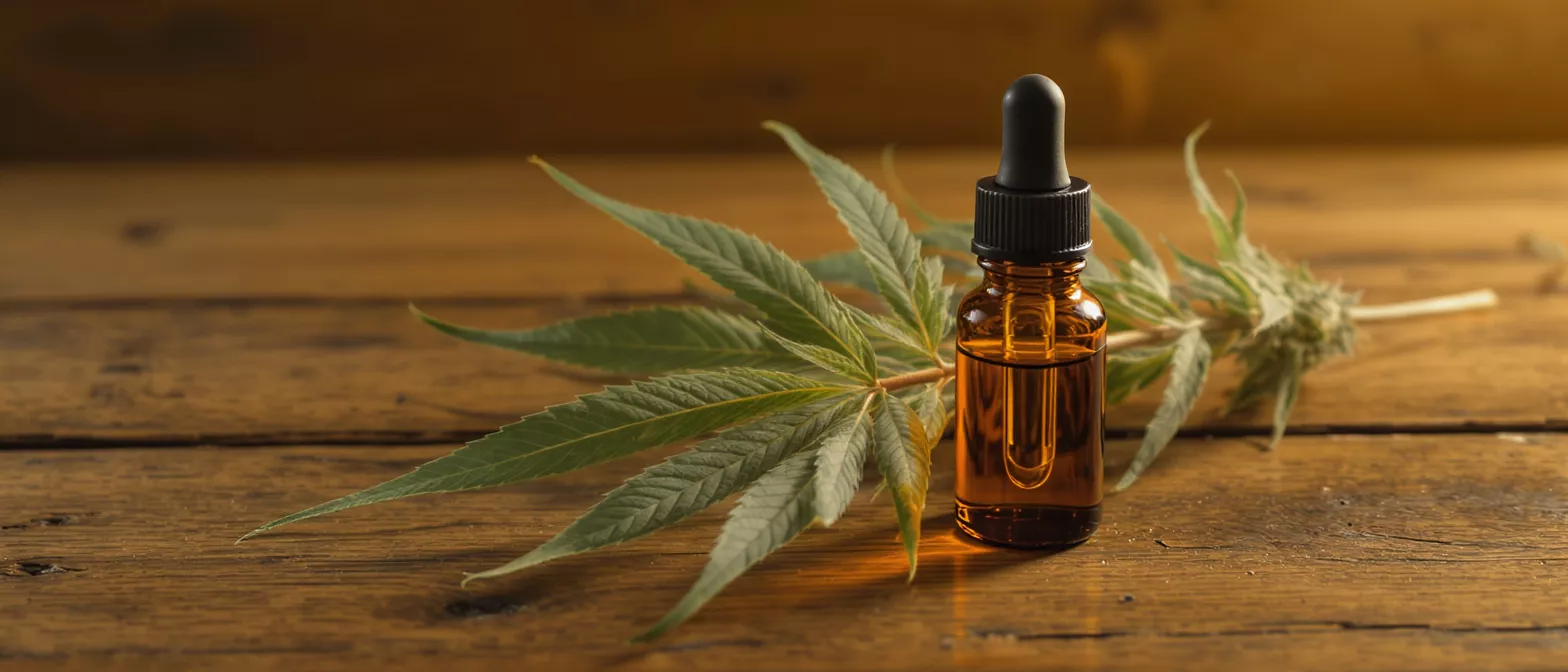
cedrene terpene effects
Discover cedrene terpene effects in cannabis — aroma, benefits & the entourage effect.
What Are Cedrene Terpene Effects?
The cedrene terpene effects that intrigue cannabis enthusiasts begin with a compound most people have already smelled without realizing it. Cedrene is a sesquiterpene — a larger, heavier aromatic molecule than the more familiar monoterpenes like limonene or pinene — and it carries the unmistakable woody, cedar-like scent of a freshly sharpened pencil or a cedar chest. In cannabis, it appears in trace amounts alongside dozens of other terpenes, contributing both to aroma and to the subtle character that distinguishes one cultivar from another.
Why cedrene matters in a terpene profile: while it rarely dominates a strain the way myrcene or caryophyllene might, cedrene adds depth and grounding to the overall bouquet. Its larger molecular structure means it evaporates more slowly than lighter terpenes, so its woody notes tend to linger after the brighter citrus and pine elements have faded. That persistence makes it a quiet but meaningful player in the sensory experience of cannabis.
Understanding cedrene requires separating folklore from evidence. Much of what circulates about minor terpenes online is extrapolated from research on essential oils, aromatherapy, or animal studies rather than direct human cannabis trials. Throughout this guide we will distinguish what is genuinely documented from what remains plausible but unproven, so you can form realistic expectations about what this terpene can and cannot do.
Where Cedrene Comes From in Cannabis and Nature
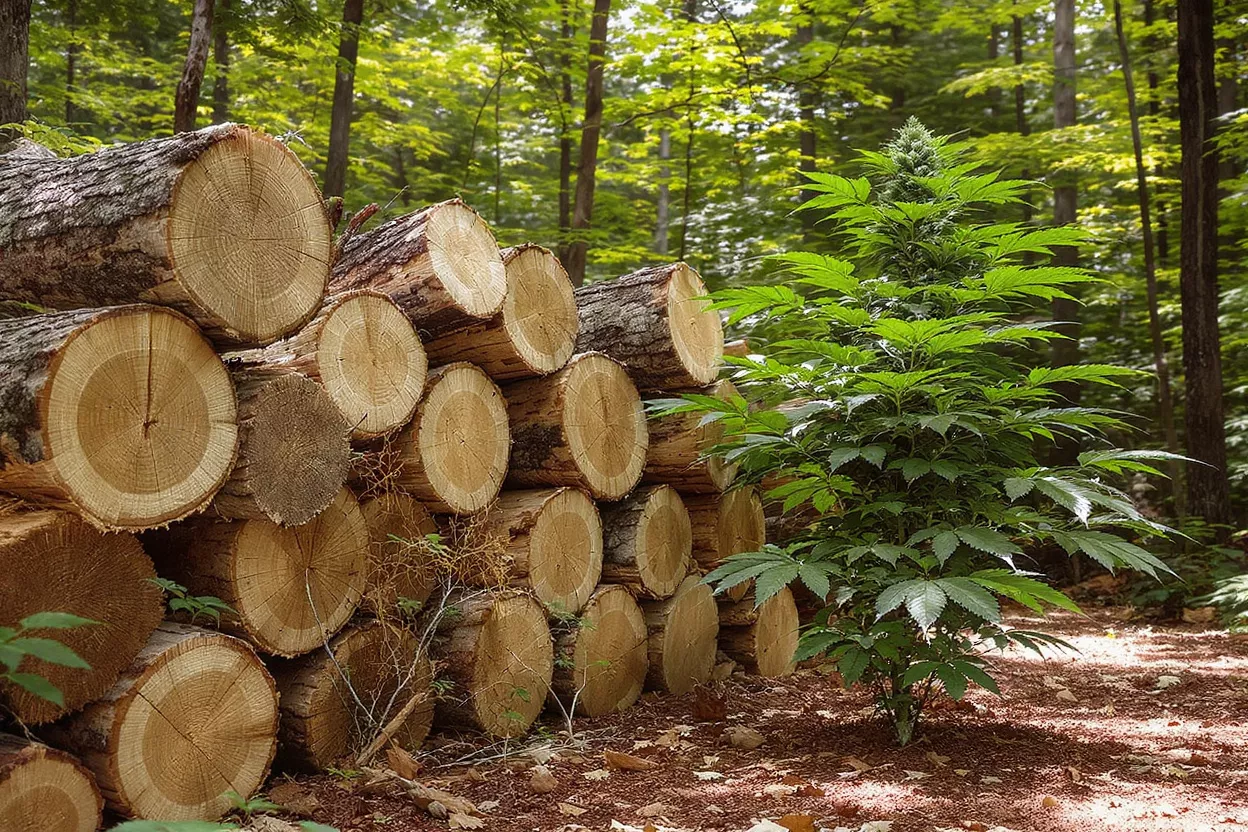
Cedrene is named for its most famous source: cedarwood. It is a primary constituent of cedar essential oils and appears in the wood, bark, and foliage of numerous coniferous and aromatic plant species. Beyond cedar, you will find related sesquiterpenes in juniper, cypress, and various herbs, which is why these plants share that dry, resinous, forest-floor character. In the broader botanical world, cedrene functions partly as a defense compound, helping plants deter insects and resist microbial growth.
How cedrene shows up in cannabis cultivation: a cannabis plant synthesizes terpenes in the same glandular trichomes that produce cannabinoids. The exact terpene fingerprint of any harvest depends on genetics, growing conditions, light exposure, and the timing of curing. Because cedrene is a minor terpene, its concentration varies widely between phenotypes of the same cross, and careful cultivation practices can either preserve or diminish it. Growers focused on full-spectrum aromatics often pay attention to these trace compounds.
It is worth noting that cedrene's prevalence in everyday products extends well past plants. According to Prevention, cedarwood-derived aromatics are common in personal care and household goods precisely because of their pleasant, calming scent profile. That familiarity is part of why cedrene-forward cannabis can feel so soothing and recognizable to first-time users — the nose already associates it with comfort.
How Cedrene Terpene Effects Work in the Body
To understand how cedrene might influence your experience, it helps to know how terpenes interact with human physiology in general. Terpenes are volatile aromatic molecules that bind, however loosely, to receptors throughout the body and can cross into the bloodstream through inhalation and absorption. Some terpenes appear to modulate neurotransmitter activity, while others show anti-inflammatory or antioxidant behavior in laboratory settings.
The challenge of isolating one terpene's effect: in a real cannabis product, cedrene never acts alone. It works inside a complex slurry of cannabinoids and dozens of other terpenes, making it nearly impossible to attribute a specific sensation to cedrene by itself. What researchers can study more cleanly is the isolated compound in controlled conditions, and even then most data comes from animal or in-vitro models rather than human trials.
Several sesquiterpenes, including cedrene relatives, have demonstrated mild interactions with inflammatory pathways and have shown calming behavior in preliminary studies. These findings are promising but preliminary; they suggest a direction for research rather than a guarantee of results. If you are exploring cannabis for relaxation, a balanced full-spectrum hemp oil may deliver cedrene alongside the supporting cast of compounds that give it context.
Cedrene Aroma and Flavor Profile
The sensory signature of cedrene is its most reliable, well-documented trait. The dominant note is dry cedar — think freshly cut pencil shavings, a cedar-lined closet, or a walk through a dense conifer forest. Underneath that woodiness sit subtle hints of sweetness and a faint camphoraceous edge that can read almost medicinal in concentrated form.
In a cannabis context, cedrene rounds out and grounds a strain's overall aroma. When it pairs with citrusy terpenes carrying citronellol-like sweetness, the result is a balanced bouquet that feels both bright and earthy. When it sits alongside pine-forward pinene and the peppery bite of caryophyllene, the combination can evoke a complete forest-floor experience — resinous, herbaceous, and grounding.
Here is how cedrene's aromatic character typically presents across different contexts:
- 🌲 Dominant cedar: dry, woody, reminiscent of sharpened pencils and cedar chests.
- 🍃 Herbal undertone: a faint green, resinous quality shared with juniper and cypress.
- ✨ Subtle sweetness: a soft, balsamic edge that keeps the woodiness from turning harsh.
- 🧊 Cool camphor hint: a slight cooling, almost menthol-adjacent note in concentrated form.
- 🌿 Lingering finish: its heavier molecular weight makes the aroma persist longer than lighter terpenes.
Potential Benefits of Cedrene
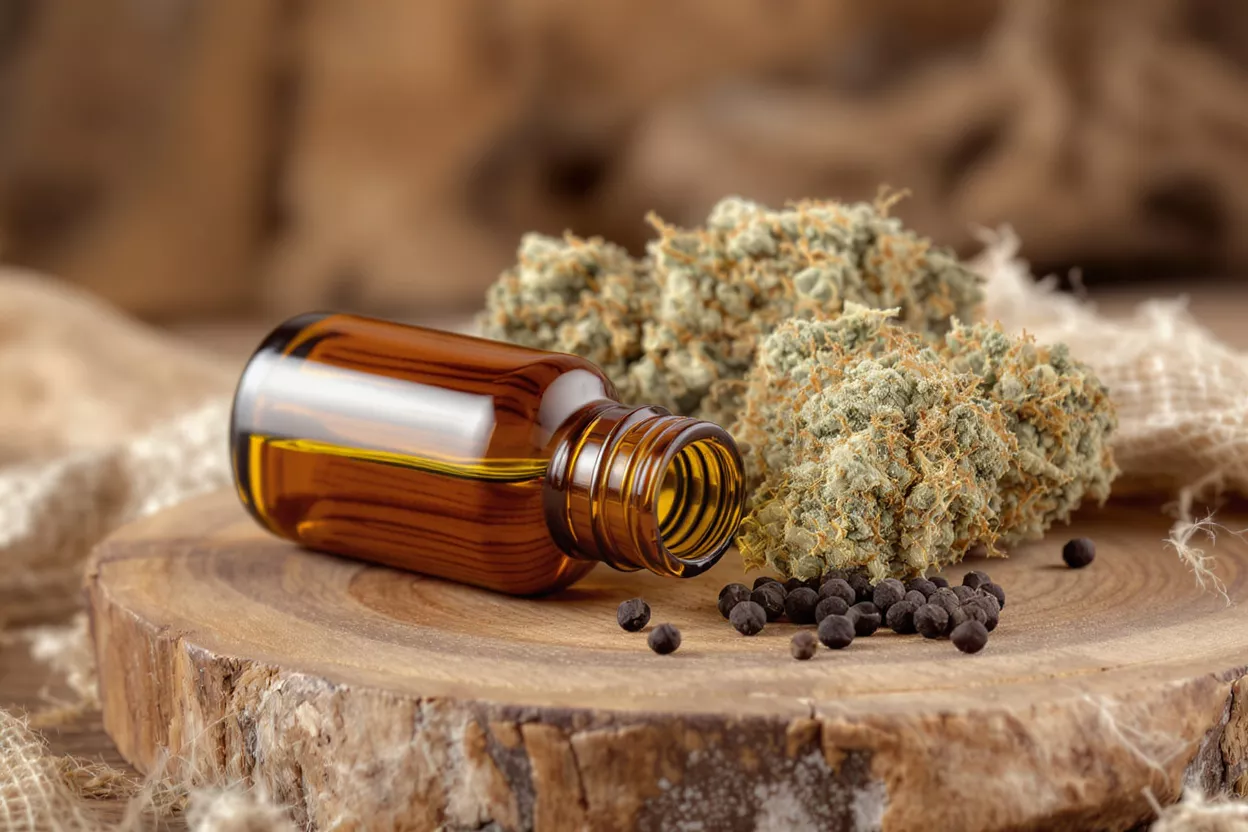
The potential benefits attributed to cedrene draw largely from research on cedarwood oil and related sesquiterpenes rather than direct cannabis studies. With that caveat firmly in place, several recurring themes appear across the literature. The most consistently discussed is a calming, grounding quality — the same reason cedarwood scents are popular in relaxation and sleep products.
Anti-inflammatory and antioxidant potential: like many sesquiterpenes, cedrene has shown anti-inflammatory and antioxidant behavior in laboratory and animal studies. These are mechanisms shared broadly across the terpene family rather than unique to cedrene, but they help explain why terpene-rich, full-spectrum products are valued over isolated cannabinoids. Curcumin, the active compound in turmeric, is often discussed in the same breath because it travels similar anti-inflammatory pathways.
Possible insect-repellent and antimicrobial properties: cedrene's natural role as a plant defense compound translates into documented insect-repellent activity, which is why cedar products have long been used to protect stored fabrics. Reporting from Prevention on natural wellness ingredients reflects the growing consumer interest in plant-derived compounds for everyday comfort. For those drawn to soothing, woody profiles, a thoughtfully formulated calming terpene blend can bring cedrene's grounding character into a daily routine.
Cedrene and the Entourage Effect
No discussion of terpene benefits is complete without the entourage effect — the theory that cannabis compounds work better together than in isolation. Under this model, cedrene is not a soloist but a member of an ensemble, subtly shaping how cannabinoids and other terpenes express themselves. Its woody, grounding character may temper brighter, more stimulating profiles and contribute to a more rounded overall experience.
Think of it like a crossfade between flavors: as the sharp citrus terpenes fade, cedrene's lingering wood notes carry the experience forward, smoothing transitions rather than dominating any single moment. This blending is why connoisseurs increasingly value full-spectrum products and concentrates that preserve the complete terpene fingerprint rather than stripping it down to one or two headline compounds.
Below is a quick comparison of how cedrene tends to behave relative to more dominant cannabis terpenes:
- 🌲 Cedrene: minor, woody, grounding — a supporting note that adds depth and persistence.
- 🥭 Myrcene: often dominant, earthy and sedating — frequently associated with couch lock.
- 🍋 Limonene: bright and citrusy — uplifting, mood-forward character.
- 🌲 Pinene: sharp and piney — pairs naturally with cedrene's forest profile.
- 🌶️ Caryophyllene: peppery and spicy — the only terpene known to bind cannabinoid receptors directly.
Strains and Products High in Cedrene
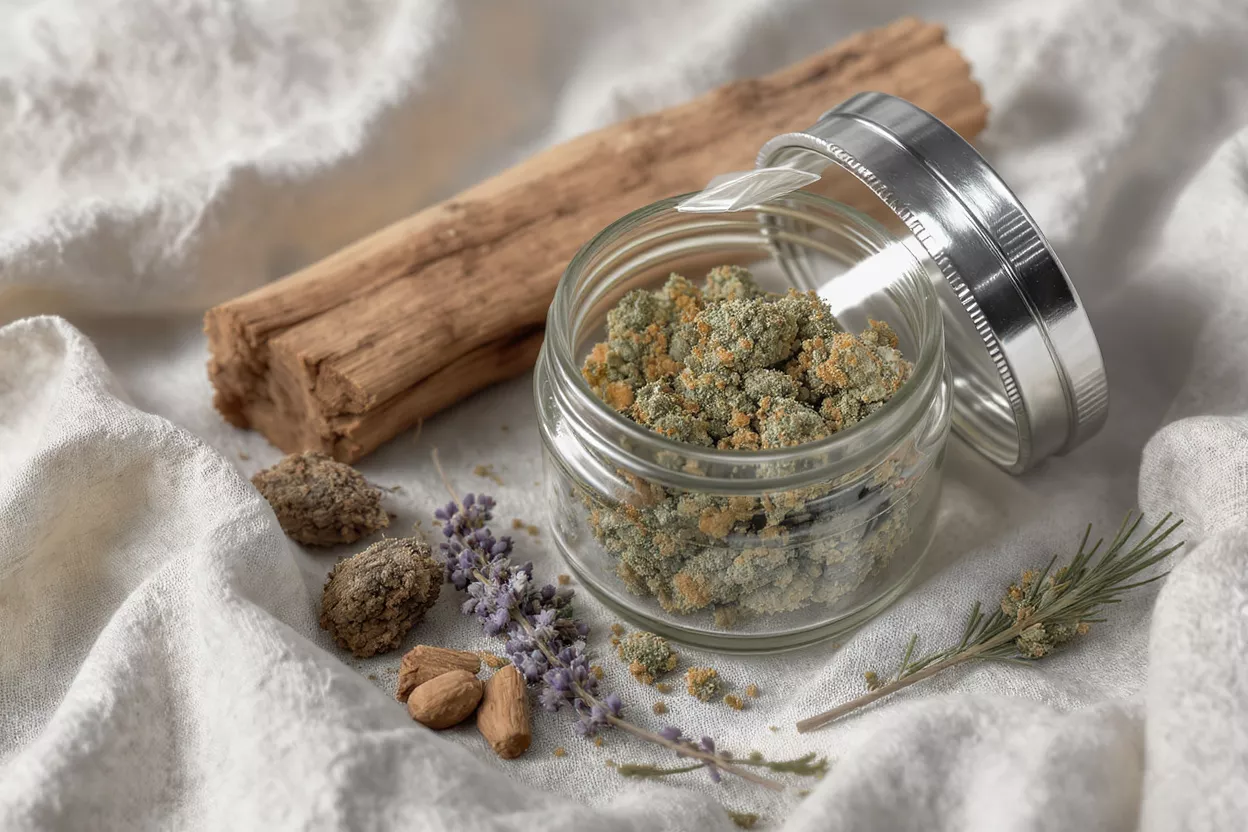
Because cedrene is a minor terpene, no widely available cultivar is built around it the way some strains are bred for high limonene or myrcene. Instead, cedrene tends to appear as a background note in earthy, woody, forest-leaning genetics. Strains described by reviewers as having pine, sandalwood, or dry-wood characteristics are the most likely candidates to carry meaningful cedrene.
How to find cedrene-rich options: the most reliable approach is to request a certificate of analysis or terpene panel from a dispensary or producer. A lab report breaks down the full terpene profile by percentage, letting you confirm cedrene's presence rather than guessing from aroma alone. When a panel is unavailable, trust your nose — a pronounced dry-cedar or pencil-shaving scent is a strong clue that cedrene is in play.
Cultivation and processing choices heavily influence the final result. A grower who manages a careful cure, harvests at the right time, and uses gentle extraction such as CO2 extraction will preserve more of the delicate sesquiterpene fraction. Live resin and properly handled CO2 oil tend to retain a richer terpene spectrum than aggressively processed distillates, so they are a better bet for tasting cedrene's contribution. Enthusiasts wanting maximum aromatic fidelity often reach for a live resin concentrate to experience the full terpene ensemble.
Are Cedrene Terpene Effects Safe?
For most healthy adults, cedrene encountered through normal cannabis use is considered low-risk, simply because it appears in such small concentrations alongside other naturally occurring terpenes. Cedarwood and cedrene-containing oils have a long history of use in cosmetics, aromatherapy, and household products without widespread safety concerns at typical exposure levels.
Where caution makes sense: concentrated terpenes are a different matter from trace amounts in flower. Undiluted terpenes can irritate skin and mucous membranes, and inhaling highly concentrated aromatic compounds is not advisable. Anyone using terpene isolates for blending, vaping, or topical formulation should follow proper dilution guidelines rather than treating them as harmless. According to Prevention, even widely used natural ingredients warrant sensible handling and patch testing for those with sensitive skin.
As with any botanical compound, individual responses vary. People who are pregnant, nursing, managing a medical condition, or taking medications should consult a healthcare professional before deliberately adding concentrated terpene products to their routine. The bottom line is reassuring for casual cannabis users: cedrene in flower poses minimal concern, while concentrated forms simply call for the same respect you would give any potent essential oil.
How to Preserve Cedrene in Cannabis
Terpenes are fragile, and cedrene — despite its relatively heavy molecular weight — degrades over time when exposed to heat, light, oxygen, and rough handling. If you want to experience a strain's full aromatic character, storage and consumption habits matter as much as the genetics themselves.
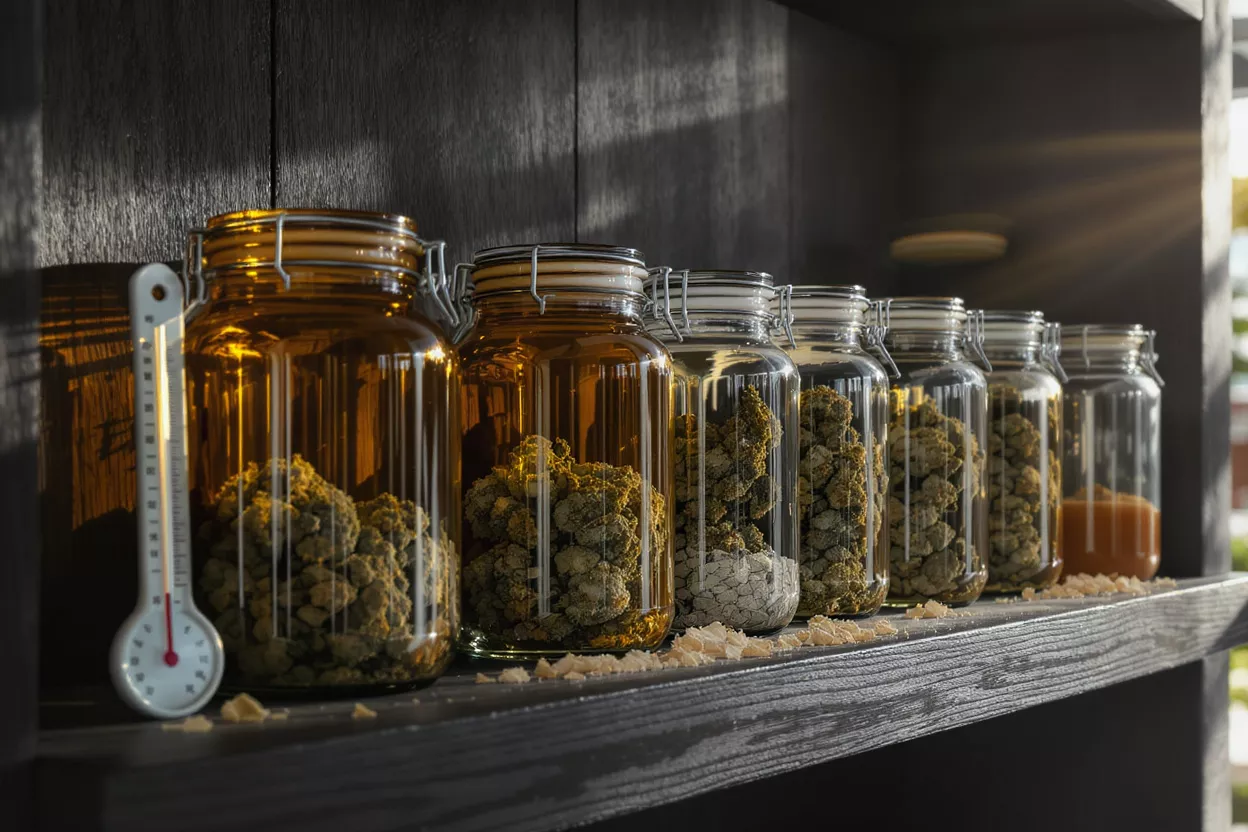
Storage best practices: keep cannabis in airtight glass containers, away from direct light, in a cool and stable environment. Excess heat accelerates terpene loss, while too much moisture invites mold. Proper curing before storage locks in the terpene profile, and humidity-control packs help maintain an ideal balance. The goal is to slow oxidation so the cedar notes survive as long as possible.
Consumption method also shapes how much cedrene you actually taste. Lower-temperature vaporization — gentle convection heating rather than harsh combustion — preserves heavier terpenes that would otherwise burn off. Here are practical steps for protecting your terpene profile:
- 🫙 Use airtight glass: jars with good seals limit oxygen exposure far better than plastic bags.
- 🌡️ Control temperature: store in a cool, dark place; avoid windowsills and warm cabinets.
- 💧 Manage humidity: two-way humidity packs keep flower in the ideal 58–62% range.
- 🔥 Vape low and slow: convection heat at moderate temperatures preserves delicate sesquiterpenes.
- ⏱️ Consume reasonably fresh: terpene content declines steadily once a harvest is months old.
Careful curing is the single most underrated step. A slow, controlled cure not only preserves cedrene but improves the entire smoking experience, smoothing harshness and deepening flavor.
Cedrene Terpene Effects FAQ
Does cedrene get you high? No. Cedrene is a non-intoxicating terpene and does not produce a psychoactive effect on its own. Any "high" associated with cannabis comes from cannabinoids like THC. Cedrene's contribution is aromatic and potentially modulatory — it may shape the texture of an experience through the entourage effect, but it will not alter consciousness by itself.
What does cedrene smell and taste like? Cedrene's signature is dry cedarwood — the scent of sharpened pencils, cedar chests, and conifer forests — with subtle sweet and faintly camphoraceous undertones. In cannabis it reads as a grounding, woody background note rather than a dominant flavor, lingering after lighter citrus and pine terpenes fade.
Is cedrene the same as cedrol? They are closely related but distinct. Cedrene is a hydrocarbon sesquiterpene, while cedrol is the alcohol form derived from similar cedarwood sources. Both contribute to the characteristic cedar aroma and often appear together, which is why the two are frequently mentioned side by side in discussions of woody terpene profiles.
To wrap up, the cedrene terpene effects most worth remembering are aromatic and supportive rather than dramatic. This minor sesquiterpene brings a grounding, woody depth to cannabis, likely contributes to the entourage effect, and carries the same gentle calming associations that make cedarwood a fixture in wellness products. While direct human research remains limited, cedrene's safety profile at normal exposure is reassuring, and preserving it through careful storage and low-temperature consumption lets you appreciate everything this quiet but characterful compound has to offer.