


Edibles
Explore edibles: how they work, dosing tips, and safety for beginners.
What Are Cannabis Edibles
Edibles are foods and beverages infused with cannabis extracts, allowing cannabinoids like THC and CBD to be absorbed through the digestive system rather than the lungs. Instead of lighting up a joint or filling a vaporizer, you simply eat or drink a product that has been carefully dosed to deliver a predictable amount of active compound. This makes edibles one of the most approachable entry points into cannabis for people who would rather not inhale anything at all.
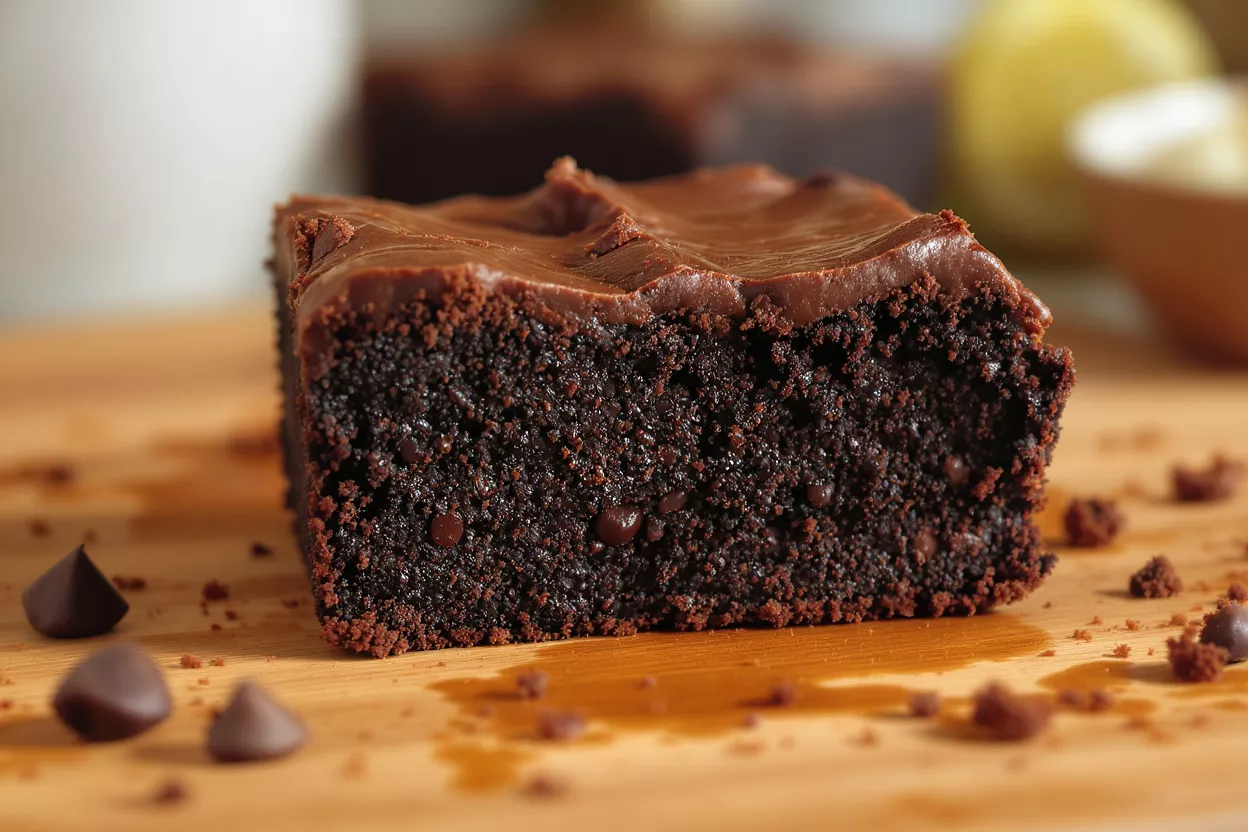
The category is enormous and growing. It spans everything from classic pot brownies to precisely measured gummies, chocolates, hard candies, mints, capsules, teas, sodas, and even savory items like infused olive oil or honey. What unites them is a process called decarboxylation, where raw cannabis is gently heated to convert the inactive acids in the plant into the active cannabinoids your body responds to. Without that step, an edible would do very little.
Why edibles have become so popular: Modern legal markets have transformed the homemade brownie into a tightly regulated, lab-tested product. Today's consumer can read a label that states exactly how many milligrams of THC sit inside a single piece, which removes most of the guesswork that made early edibles so unpredictable. That consistency, combined with discretion and a smoke-free experience, has pushed edibles to the front of the modern cannabis aisle.
How Do Edibles Work in the Body
When you inhale cannabis, cannabinoids pass almost instantly from your lungs into your bloodstream. Edibles take a longer, more complex route. After you swallow, the product travels to your stomach and intestines, where it is digested and absorbed, then carried to the liver before it ever reaches your brain. This detour is the single most important reason edibles feel so different from smoking.
The role of the liver: During this first pass through the liver, THC is metabolized into a compound called 11-hydroxy-THC. This metabolite is more potent than ordinary THC and crosses into the brain more readily, which is why a modest dose of an edible can produce effects that feel stronger and more body-centered than the same amount of inhaled THC. It also explains the longer, slower arc of an edible high.
Cannabinoids interact with the endocannabinoid system, a network of receptors that helps regulate mood, appetite, pain perception, and sleep. THC binds to these receptors to create its characteristic effects, while CBD works more indirectly, often softening the intensity of THC and contributing its own calming, non-intoxicating qualities. The balance between these two compounds shapes the entire experience.
Types of Cannabis Edibles
The word "edible" covers a surprising range of formats, and the one you choose has a real impact on how fast and how strongly you feel the effects. Some products are absorbed partly through the tissues of the mouth, giving a quicker onset, while others must travel all the way through digestion before anything happens.
The most common edible formats: Each category below offers a different balance of speed, convenience, and flavor. Understanding the distinctions helps you match the product to the occasion.
- 🍬 Gummies and chews: The best-selling format thanks to precise per-piece dosing, portability, and a wide range of flavors and cannabinoid ratios.
- 🍫 Chocolates: Often scored into segments for easy dosing; the fat content can aid cannabinoid absorption.
- 🥤 Beverages: Infused sodas, teas, and seltzers that tend to act faster than solid food because they move through the stomach quickly.
- 💊 Capsules and tablets: Flavorless, highly consistent, and favored by wellness-focused users who want a supplement-style routine.
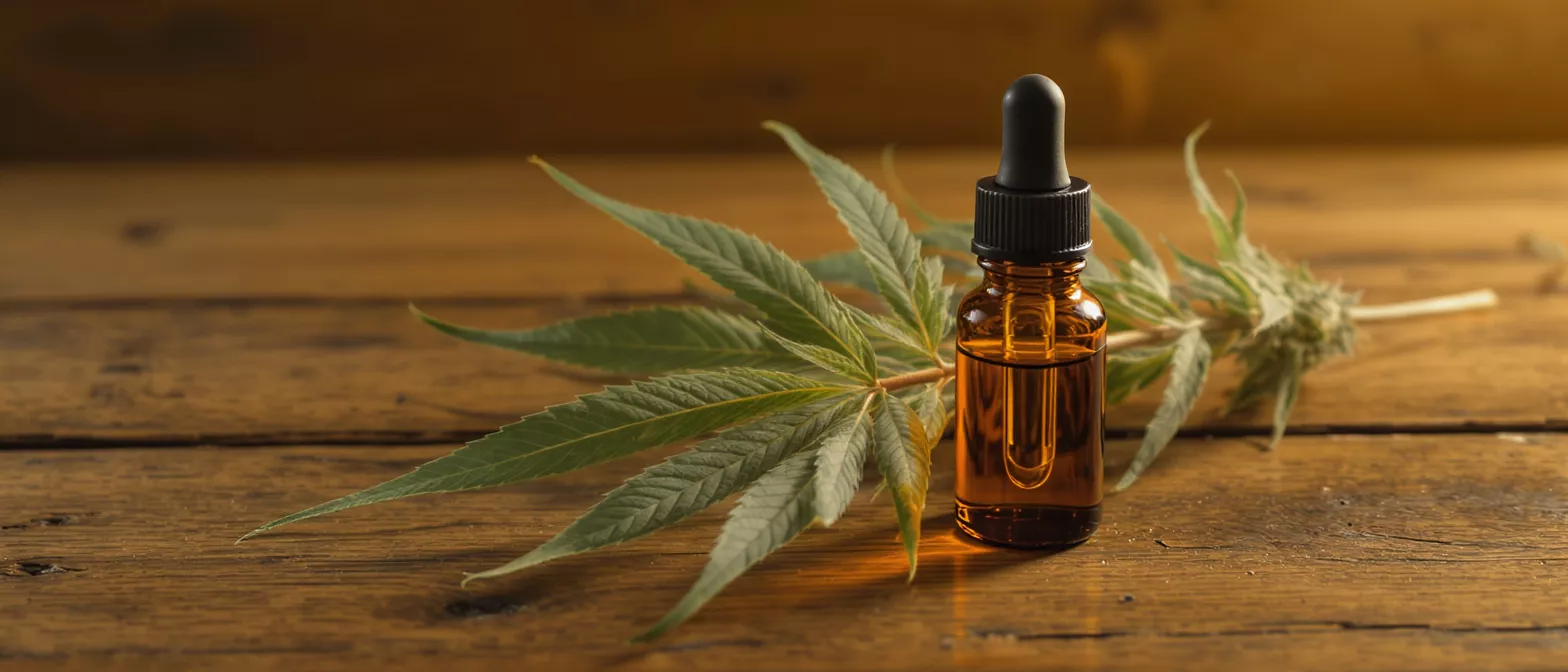
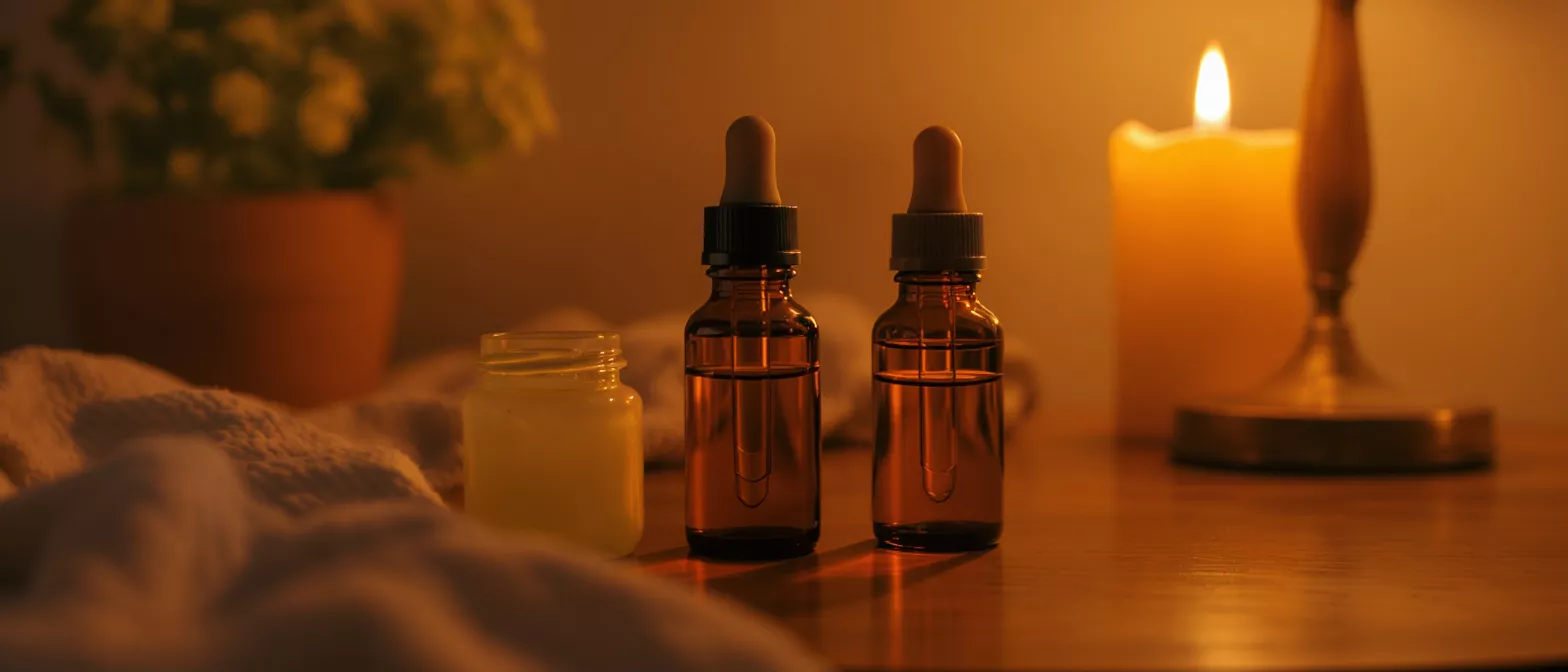
- 🍯 Tinctures and infused staples: Oils, honey, and sublingual drops that blur the line between edible and fast-acting product.
Sublingual products such as drops, lozenges, and dissolvable strips deserve a special mention. Because some of the cannabinoid content absorbs directly through the lining of the mouth before swallowing, they often produce a faster onset than a gummy or brownie while still delivering the long, gentle tail that defines the edible experience.
Edibles Dosing Guide for Beginners
Dosing is where edibles demand the most respect. Because the effects arrive slowly and build over time, it is easy to assume nothing is happening and take more, only to be hit by a much stronger experience an hour later. The golden rule of edibles is simple: start low and go slow.
A practical starting framework: The figures below are general guidance for THC-dominant products and assume an average tolerance. Your ideal dose depends on body chemistry, experience, and whether CBD is part of the mix.
- 🌱 1 to 2.5 mg: Microdose territory, ideal for first-timers or daytime use where you want subtle relief without impairment.
- 🙂 2.5 to 5 mg: A standard beginner dose that produces mild euphoria and relaxation for most people.
- 😌 5 to 15 mg: A moderate dose suited to those with some experience seeking stronger effects.
- 🔥 15 to 30 mg: A strong dose reserved for experienced consumers with an established tolerance.
- ⚠️ 30 mg and above: High-dose territory best left to medical patients or seasoned users who know exactly how they react.
If you do take too much, remember that the discomfort is temporary and not dangerous. Find a calm space, stay hydrated, and rest. Some people find that a CBD-rich product can take the edge off an overwhelming THC experience. The single most reliable safeguard, however, is patience: wait at least two hours before considering a second dose.
How Long Do Edibles Take to Kick In
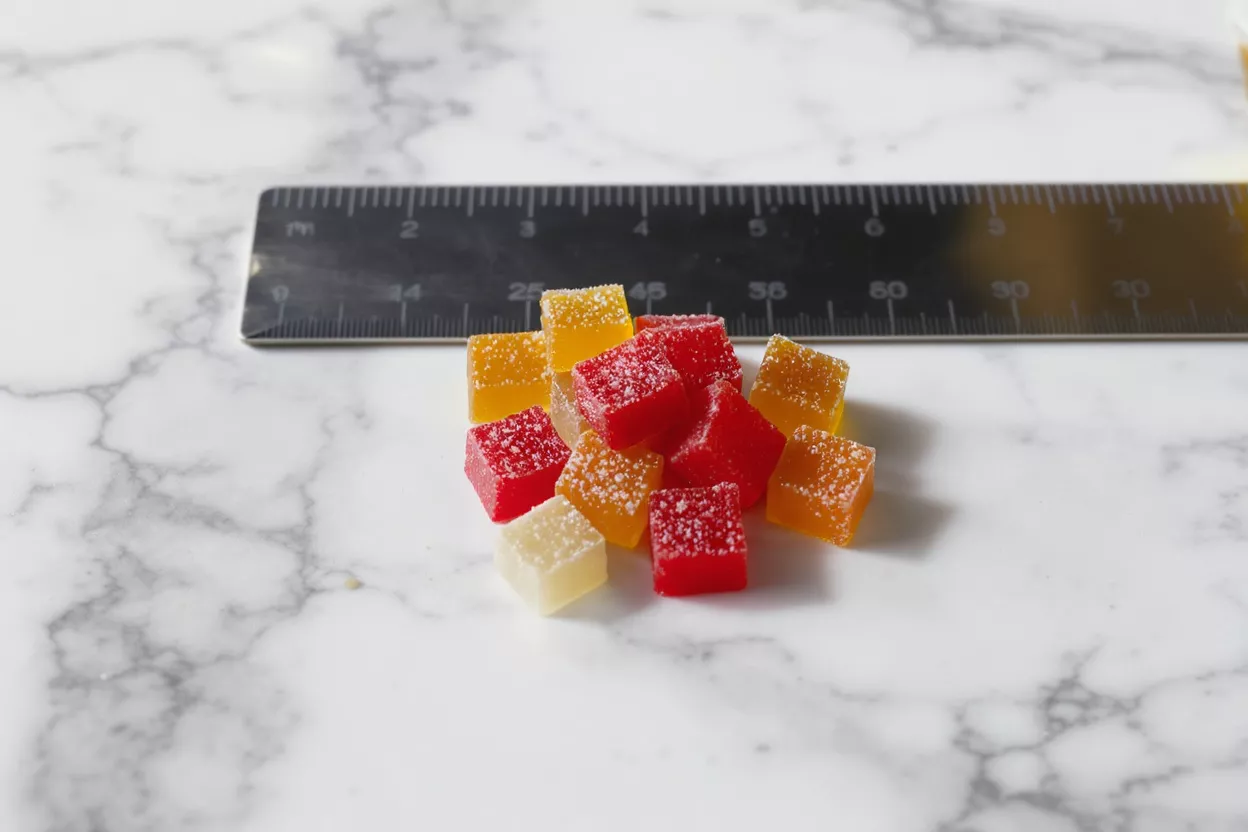
Onset time is one of the biggest sources of confusion for new edible consumers. Where inhaled cannabis works within minutes, a standard edible typically takes anywhere from 30 minutes to two hours to make itself felt. That gap exists because the product must be digested and processed by the liver before the active metabolite reaches your brain.
Factors that change your onset time: Several variables influence how quickly an edible takes hold. An empty stomach generally speeds things up, while a large meal slows absorption. Your metabolism, body weight, and personal enzyme activity all play a part, which is why two people can eat the identical gummy and feel it on completely different timelines.
Just as the onset is slow, the duration is long. The effects of an edible commonly last four to eight hours, and residual effects can linger even longer at higher doses. This extended profile is a genuine advantage for anyone seeking sustained relief from pain or sleeplessness, but it also means timing matters. Eating an edible too late in the evening can leave you feeling groggy the next morning.
Edibles vs Smoking: What Is the Difference
The contrast between eating and inhaling cannabis goes well beyond personal preference. The two methods deliver fundamentally different experiences because of how the body absorbs and processes the cannabinoids in each case.
Speed and control: Smoking and vaping offer near-immediate feedback, letting you titrate your dose puff by puff. Edibles trade that real-time control for convenience and longevity. You commit to a dose up front and then wait, which rewards planning and punishes impatience.
Strength and character of the high: Thanks to that liver conversion into 11-hydroxy-THC, edibles often feel more physical and sedating, with many users describing a heavier body sensation. Inhaled cannabis tends to feel more cerebral and hits its peak quickly before tapering off. Neither is better in absolute terms; they simply suit different goals.
- ⏱️ Onset: Inhalation is minutes; edibles are 30 minutes to 2 hours.
- ⌛ Duration: Inhalation lasts 1 to 3 hours; edibles last 4 to 8 hours or more.
- 🫁 Lung impact: Edibles involve no combustion or inhalation of smoke.
- 🎯 Dose control: Smoking allows fine adjustment; edibles require commitment to a measured dose.
Are Edibles Safe to Consume
For healthy adults, edibles are widely considered safe when consumed responsibly. There is no known lethal dose of cannabis, and the most common negative experiences come from accidentally taking too much rather than from any inherent danger in the product itself. Still, safe enjoyment depends on respecting a few important boundaries.
Overconsumption and how to avoid it: The classic edible mistake is impatience. Because effects are delayed, inexperienced users sometimes redose before the first dose has fully kicked in. The result can be intense anxiety, dizziness, nausea, or a racing heart. These symptoms are unpleasant but temporary. Sticking to a low starting dose and waiting the full onset window prevents nearly all of these situations.
Keeping edibles away from children and pets: Because many edibles resemble ordinary candy, accidental ingestion is a serious concern. Always store products in clearly labeled, child-resistant packaging and keep them well out of reach. Anyone taking prescription medication should also speak with a healthcare provider, since cannabis can interact with certain drugs metabolized by the liver.
Benefits of Cannabis Edibles
Beyond simply avoiding smoke, edibles offer a distinct set of advantages that have earned them a loyal following among both recreational and medical consumers. The combination of long duration and precise dosing makes them uniquely suited to certain needs.
Long-lasting, steady relief: For people managing chronic pain, inflammation, or insomnia, the extended effect profile of an edible can mean fewer doses across the day and a smoother, more sustained sense of comfort. A single nighttime dose may carry someone through to morning without the need to redose at 3 a.m.
Edibles are also remarkably discreet and convenient. There is no smoke, no odor, and no equipment to carry. A gummy or capsule looks like an ordinary snack or supplement and can be taken almost anywhere without drawing attention. Combined with the accuracy of lab-tested, milligram-labeled dosing, this makes edibles especially appealing to those who value consistency and privacy.
- 🌙 Sustained effects: Ideal for overnight relief and long stretches of comfort.
- 🔒 Discretion: No smoke or odor, easy to use without notice.
- 📏 Precise dosing: Lab-tested labels remove the guesswork from each serving.
- 🫁 Lung-friendly: A smoke-free option for the health conscious.
How to Store Edibles Properly
Proper storage keeps your edibles potent, fresh, and safe. Like any food product, infused items degrade over time, and exposure to heat, light, and air can accelerate the breakdown of cannabinoids and shorten shelf life. A little care preserves both flavor and effect.
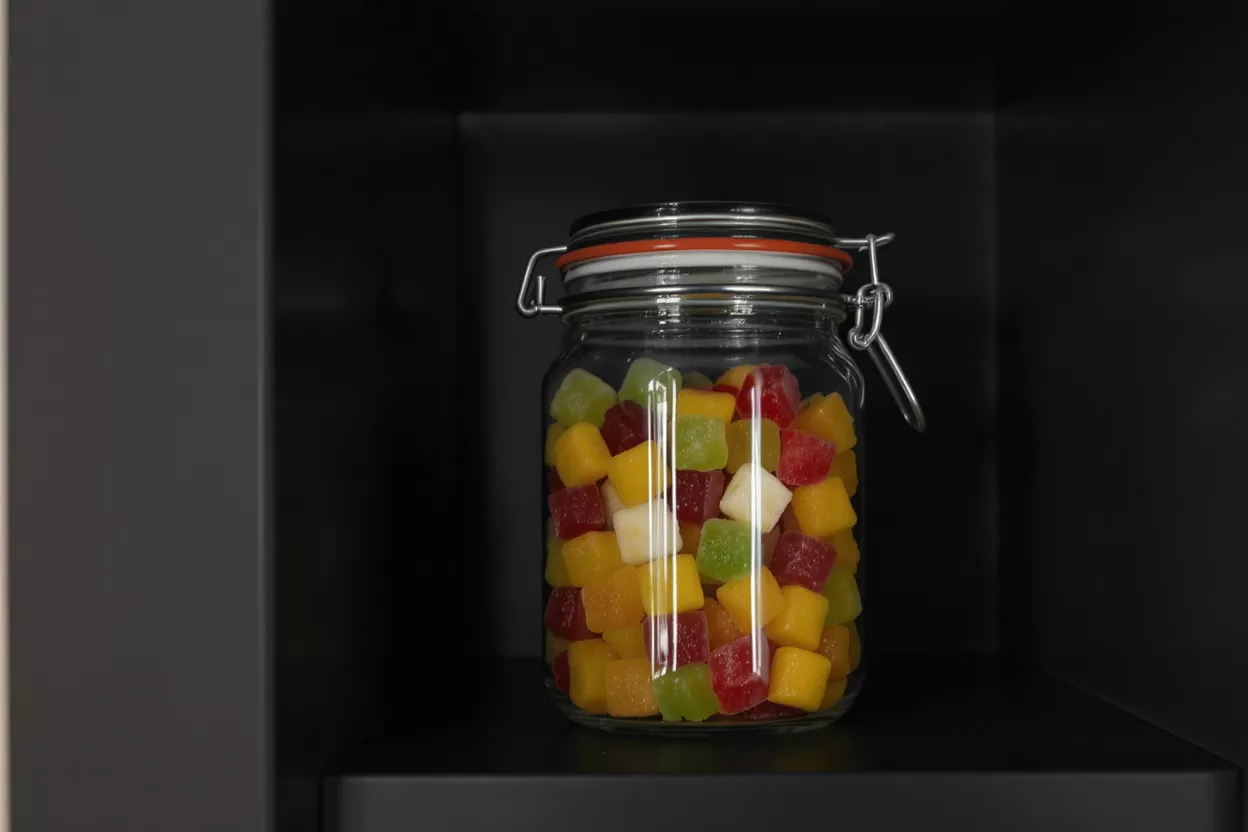
The ideal storage environment: Keep edibles in a cool, dark, dry place such as a cupboard away from the stove or a dedicated drawer. Heat is the enemy of chocolate and gummies alike, and prolonged light exposure gradually degrades THC into less desirable compounds. An airtight container helps maintain texture and prevents stale flavors.
Always retain the original child-resistant packaging or transfer products into clearly labeled, lockable containers. This serves two purposes at once: it preserves the product and it dramatically reduces the risk of accidental ingestion by children, guests, or pets. For long-term storage, many edibles freeze well, though it is wise to check the manufacturer's guidance first.
Tips for a Better Edibles Experience
A great edible experience comes down to preparation and mindset. Whether you are completely new to cannabis or simply want a more reliable session, a handful of practical habits can make all the difference between an enjoyable evening and an overwhelming one.
Set yourself up for success: Choose a comfortable, familiar environment and clear your schedule, especially the first few times. Because edibles last for hours, you do not want to commit to anything demanding once the effects arrive. Having water and a light snack on hand makes the whole experience more pleasant.
Pay attention to what you pair with your edible. Some users find that a product rich in terpenes or balanced with CBD offers a smoother, more manageable effect. Keeping a simple journal of what you took, how much, and how you felt is one of the fastest ways to dial in your personal ideal dose over time.
- 📓 Track your doses: Note the product, milligrams, and effects to refine future sessions.
- ⏳ Respect the wait: Give it a full two hours before considering more.
- 💧 Stay hydrated: Water on hand keeps the experience comfortable.
- 🧘 Mind your setting: A relaxed, familiar space makes for a better high.
Cannabis edibles have evolved from unpredictable homemade treats into one of the most refined and accessible ways to enjoy cannabis. By understanding how they move through the body, starting with a low dose, respecting the slow onset, and storing them safely, you can unlock the long-lasting, smoke-free relief that has made edibles a cornerstone of the modern cannabis world. Take your time, learn your personal sweet spot, and the experience will reward your patience.

Comments