Stoner
Discover what it means to be a stoner — history, slang, etiquette & myths debunked.
What Is a Stoner? Defining the Term
The word stoner carries decades of cultural baggage, but at its core it simply describes someone who enjoys cannabis as a regular part of their life. The term emerged from mid-century slang and has since woven itself into music, film, and everyday conversation. Whether you picture a couch-bound philosopher or a creative artist sketching ideas at 2 a.m., the stoner identity is far broader than any single image suggests.
Where the word actually comes from: "Stoner" derives from being "stoned," a slang expression for the heavy, relaxed feeling cannabis can produce. By the 1960s it had become shorthand for the counterculture crowd who embraced the plant as a lifestyle rather than an occasional indulgence. The label has softened over the years, shifting from a mild insult toward something many people now wear proudly.
Stoner versus casual user: Not everyone who consumes cannabis identifies as a stoner. The distinction tends to rest on frequency, attitude, and how central the plant is to a person's routine and self-image. A casual consumer might enjoy an eighth over a month, while a dedicated stoner integrates cannabis into hobbies, social rituals, and creative work. Neither approach is inherently better — it comes down to personal preference and how the plant fits your life.
The Stoner Stereotype and Its History
The stoner stereotype didn't appear overnight. It was carefully constructed through decades of media, propaganda, and pop culture that often painted cannabis users in a particular, frequently unflattering light. Understanding that history helps explain why the term still raises eyebrows in some circles even as legalization spreads.
From reefer madness to the lovable goofball: Early anti-cannabis campaigns of the 1930s framed users as dangerous and unstable. By the 1970s and 80s, that fear-based image gave way to the comedic stoner — the bumbling, snack-obsessed character who couldn't remember where he parked. Films like those starring Cheech and Chong cemented this archetype, and it stuck for generations.
The stereotype was never accurate, but it was sticky. Research has increasingly challenged old assumptions about cannabis and motivation, and outlets like Healthline have documented how the plant affects different people in different ways. The reality is that stoners come from every profession, income level, and background — including doctors, engineers, teachers, and athletes.
Stoner Slang Every Newcomer Should Know
Few subcultures have produced as colorful a vocabulary as cannabis culture. If you're new to the scene, the slang can feel like a foreign language. Learning a few key terms helps you navigate conversations at a dispensary or a casual hangout without feeling lost.
Some words describe the cannabis itself, while others refer to gear, effects, or social rituals. Here's a quick starter glossary of terms you'll hear often:
- 🌿 Dank: High-quality, potent, aromatic cannabis — the good stuff.
- 💨 Dope: An older catch-all term for cannabis, still used affectionately.
- 📦 Eighth: An eighth of an ounce, one of the most common purchase sizes.
- 🛢️ Diesel: A pungent, fuel-scented strain family beloved for its punch.
- 💎 Diamonds: Crystalline THCA concentrates prized for purity and potency.
- 🏪 Dispensary: A licensed retail shop where legal cannabis is sold.
You'll also hear product-specific lingo as you explore concentrates and edibles. Terms like Delta-8, Delta-9 THC, and Delta-10 describe different cannabinoids with varying effects, while words like dewaxing and diamonds point to extraction techniques and concentrate textures. Picking up this vocabulary makes shopping and socializing far smoother.
How Stoner Culture Has Changed Today
Stoner culture in the legalization era looks dramatically different from the back-alley days of prohibition. What was once hidden is now celebrated openly, with wellness branding, sleek packaging, and a growing emphasis on intentional consumption. The modern stoner is just as likely to track terpene profiles as they are to roll a joint.
The wellness pivot: A significant portion of today's cannabis community frames consumption around relaxation, sleep, and recovery rather than purely recreation. Products marketed as a daily wellness elixir sit beside traditional flower on dispensary shelves. This shift has attracted older consumers and first-timers who once would have avoided the scene entirely.
Technology and the connoisseur: Gear has gotten serious. The casual lighter-and-pipe setup now shares space with an e-nail or a portable e-rig that lets enthusiasts dial in precise temperatures for concentrates. Directional airflow designs and domeless nail attachments have turned dabbing into a hobby with the depth of craft coffee or home brewing.
Types of Stoners: A Lighthearted Breakdown
No two stoners are exactly alike, and part of the fun of cannabis culture is recognizing the archetypes that show up at any gathering. While these categories are playful rather than scientific, most regular consumers can spot a little of themselves in at least one of them.
Here's a tongue-in-cheek taxonomy of the personalities you might encounter:
- 🧪 The Connoisseur: Knows every strain lineage, owns a domeless nail, and judges cannabis like fine wine.
- 🛋️ The Couch Captain: Master of the indica session, snacks, and the perfect playlist.
- 🎨 The Creative: Uses cannabis to unlock art, music, and writing in late-night bursts.
- 🌱 The Wellness Seeker: Focused on sleep, anxiety relief, and microdosing routines.
- 🎒 The Minimalist: Carries a trusty dugout and keeps things simple and discreet.
These types aren't mutually exclusive, and most people drift between them depending on mood and circumstance. A weekday wellness seeker can easily become a weekend creative or couch captain. The point is that the stoner identity is flexible, personal, and far richer than the one-dimensional stereotype suggests.
Stoner Essentials: The Gear That Defines the Lifestyle
Every stoner accumulates a collection of tools over time, and the gear someone keeps says a lot about how they consume. From simple grinders to elaborate dab rigs, the right equipment can elevate the experience and make sessions more enjoyable and consistent.
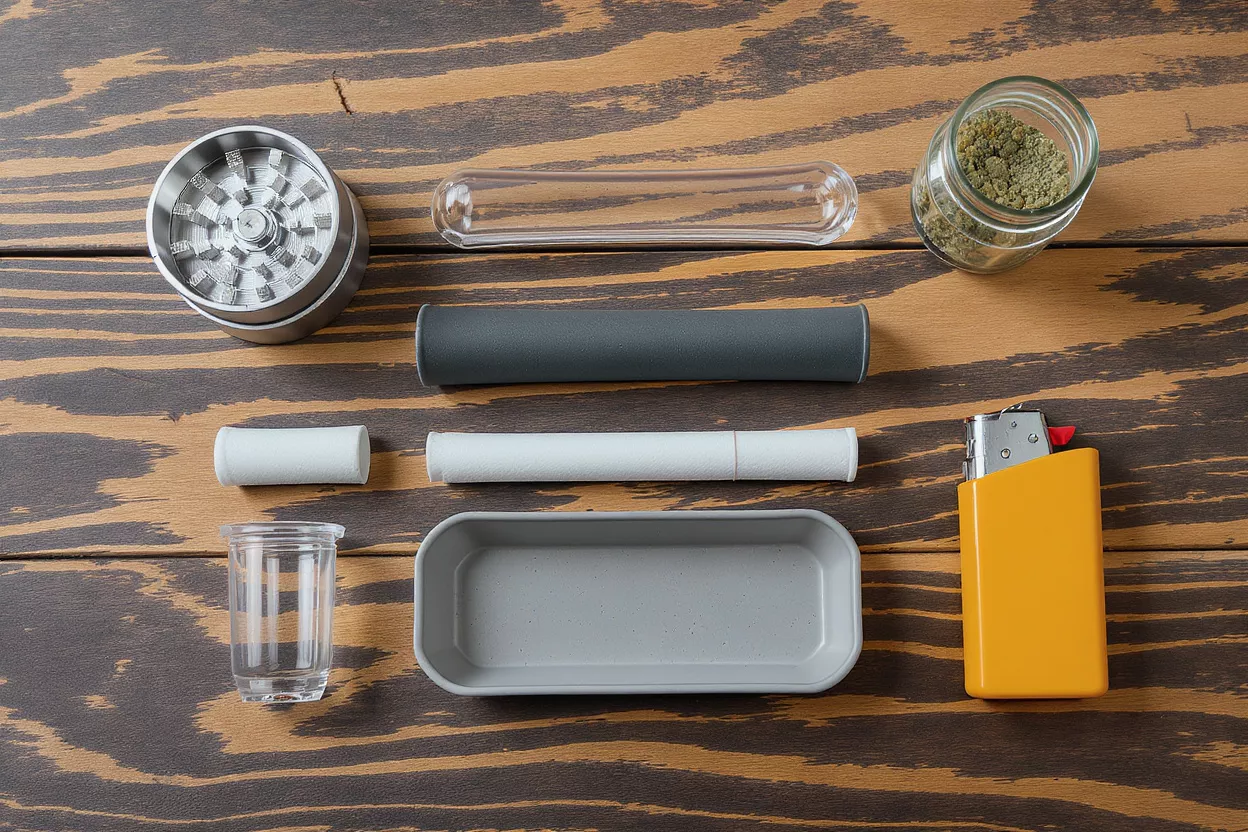
The starter kit: Beginners usually start with the basics — a grinder, rolling papers or a pipe, and a lighter. A compact dugout is a favorite for discretion and portability, keeping everything in one pocket-sized package. For those who prefer not to fuss with rolling, a quality dry herb vaporizer offers a cleaner, more controlled experience.
Leveling up to concentrates: As tastes mature, many stoners explore concentrates like diamonds and wax, which require dedicated gear. An e-nail eliminates the torch-and-guesswork of traditional dabbing, while a portable e-rig brings that precision on the go. Enthusiasts chasing flavor often invest in a premium quartz banger to preserve terpene character at lower temperatures.
The plant's effects also depend heavily on how it's processed. Techniques like dewaxing remove unwanted lipids for a smoother concentrate, and the resulting purity is part of why diamonds command such respect. Even edible fans benefit from understanding production, since enteric coating on some capsules changes how and where cannabinoids absorb — a detail that can prevent the dreaded edible hangover when products are dosed thoughtfully.
Are Stoners Actually Lazy? Separating Myth From Fact
The "lazy stoner" trope is perhaps the most persistent myth in cannabis culture. It's the punchline of countless jokes and the basis of decades of stigma. But how much truth is there to it, really? The answer is more nuanced than either critics or defenders often admit.
What the research suggests: The relationship between cannabis and motivation is complex and highly individual. Some studies point to short-term effects on drive, while others find that regular consumers maintain active, productive lives indistinguishable from non-users. Health resources like Healthline note that strain choice, dosage, and timing all play major roles in how cannabis affects energy and focus.
Strain selection matters enormously here. A heavy indica enjoyed before bed produces a very different result than a bright, uplifting sativa used during a creative project. Many productive consumers reach for an energizing daytime sativa specifically to stay focused, debunking the idea that all cannabis flattens ambition. The "lazy" image often reflects poor timing or product choice rather than an inherent trait of the plant or its fans.
Stoner Etiquette: Unwritten Rules of the Session
Cannabis culture has its own code of conduct, an informal etiquette that keeps group sessions friendly and fair. Newcomers who learn these unspoken rules quickly earn respect, while those who ignore them risk a few raised eyebrows. Good manners go a long way in any social circle.
Puff, puff, pass: The most famous rule of all dictates that you take two pulls before passing to the next person. Hogging the joint, or "bogarting" it, is a classic faux pas. Rotation keeps the session flowing and ensures everyone gets their fair share.
Beyond the rotation, there are smaller courtesies that seasoned consumers observe instinctively. Whoever brings the cannabis is generally treated with extra appreciation, and offering to contribute — whether flower, snacks, or gear — is always welcome. Respecting someone's tolerance and never pressuring a guest to consume more than they want are marks of a thoughtful host.
- 🔄 Rotate properly: Two puffs, then pass to the left.
- 🍕 Bring something: Flower, snacks, or gear — contribute when you can.
- 🔥 Mind the corner: Light only one edge to leave fresh hits for others.
- 🙏 Respect limits: Never pressure anyone to keep up.
Stoner Wellness Habits and Responsible Use
The modern stoner increasingly approaches cannabis with the same mindfulness applied to diet, exercise, and sleep. Responsible use isn't about restriction — it's about getting the most from the plant while minimizing downsides. Building good habits keeps the experience sustainable over the long term.
Hydration and the munchies: Cannabis commonly causes dry mouth and stimulates appetite, so keeping water nearby and having healthy snacks on hand makes sessions more comfortable. Planning ahead turns the munchies from a diet derailer into a chance to enjoy good food intentionally.
Tolerance and taking breaks: Regular consumers build tolerance over time, which can lead to using more for the same effect. Periodic tolerance breaks reset sensitivity and often restore the magic of a single session. Many wellness-minded users also favor a measured low-dose edible to maintain control over their experience, especially when potency is hard to gauge. As Healthline points out, starting low and going slow remains the safest approach, particularly with edibles where onset can be delayed and effects intense.
Stoner FAQ: Common Questions Answered
As cannabis becomes more mainstream, curious newcomers and longtime fans alike have plenty of questions about stoner culture, terminology, and habits. Below are answers to some of the most common ones that come up in conversations and at the dispensary counter.
Is "stoner" an insult? It depends entirely on context and tone. Historically the term carried a negative edge, but within the community it's largely been reclaimed as a badge of identity. Many consumers use it affectionately to describe themselves and their friends, much like other reclaimed cultural labels.
What's the difference between Delta-8 and Delta-9? Both are cannabinoids that produce psychoactive effects, but Delta-9 THC is the classic, more potent compound found abundantly in cannabis, while Delta-8 tends to be milder. Delta-10 sits in a similar lighter category. Understanding these differences helps consumers choose products that match their desired intensity, and a knowledgeable distributor or dispensary budtender can point you toward the right fit.
The stoner identity has traveled a remarkable distance — from a fear-mongering caricature to a diverse, increasingly respected community of enthusiasts who value the plant for relaxation, creativity, and wellness alike. Whether you're a seasoned connoisseur with a shelf full of e-rigs or a curious newcomer learning your first slang terms, there's room for you in modern cannabis culture. Approach it with curiosity, consume responsibly, and the experience tends to reward you. The label may have started as a stereotype, but today it represents something far more interesting: a thoughtful, evolving relationship between people and a plant that's been part of human life for thousands of years.