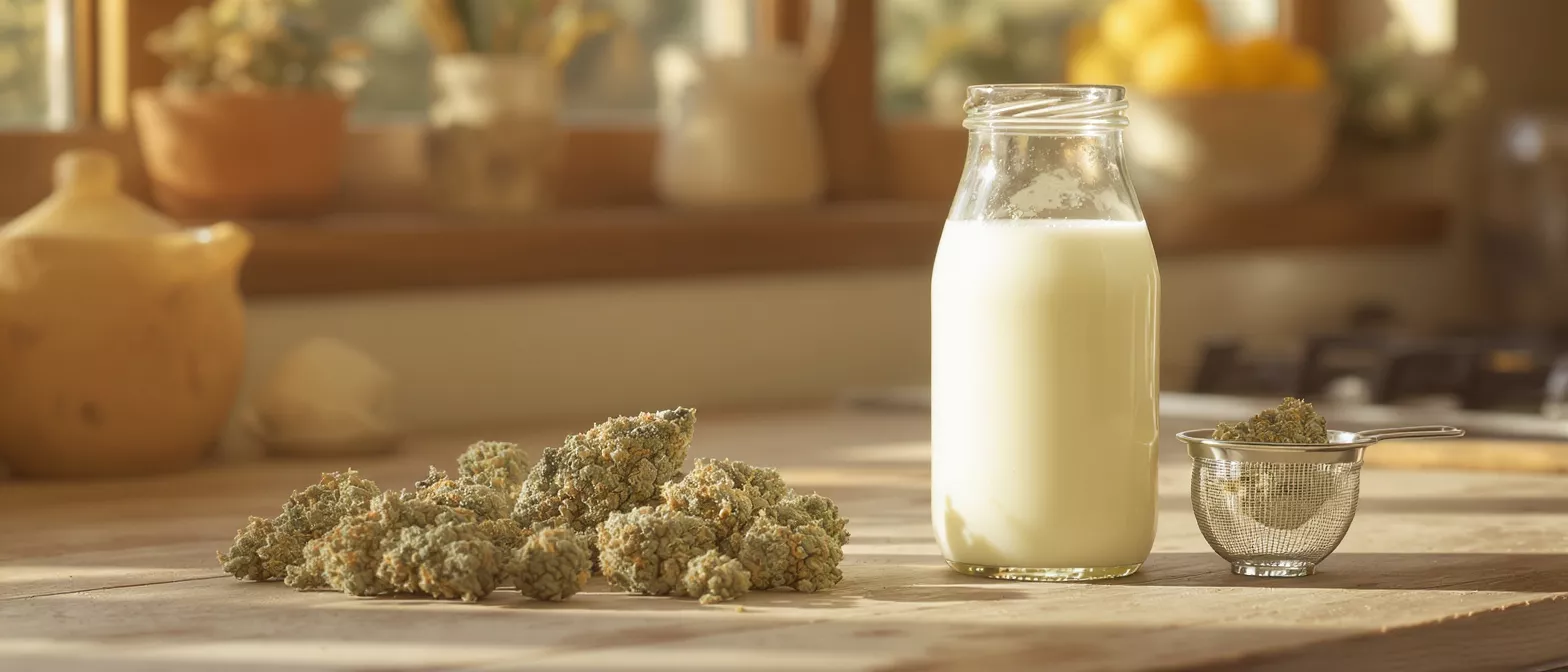
thc milk
Learn how to make THC milk at home, dose it safely, and use it in recipes.
If you have ever wondered whether your morning latte or evening hot chocolate could double as a cannabis delivery system, THC milk is the answer that has been hiding in plain sight. This dairy-based infusion blends the relaxing properties of cannabinoids with the rich, fat-laden body of milk or cream, creating a versatile base that slips into recipes both sweet and savory. Because cannabinoids bind so readily to fat, milk turns out to be one of the most natural carriers for THC you can keep in your refrigerator.
Unlike a quick puff from a cone or a dab of crumble on a rig, THC milk works through digestion, producing a slower, longer-lasting experience. That difference shapes everything about how you make it, dose it, and enjoy it. In this guide we will walk through the chemistry, the kitchen technique, the dosing math, and the small mistakes that trip up first-timers, so you can craft a reliable infusion every single time.
What Is THC Milk and How Does It Work
The basic concept of THC milk is deceptively simple: you gently heat dairy that contains fat alongside decarboxylated cannabis, and the cannabinoids migrate out of the plant material and dissolve into the fat molecules suspended in the milk. The result is a liquid that carries THC, CBD, and other compounds in a form your body can absorb through digestion rather than the lungs.
To understand why milk works at all, it helps to know that THC is lipophilic, meaning it loves fat and avoids water. Cannabinoids attach themselves to the fat globules that give whole milk and cream their richness. According to Cannigma, the body processes ingested THC through the liver, where it converts into a more potent metabolite that explains the deeper, more sedating effect many people notice from edibles compared with smoking.
Before any infusion can happen, the raw cannabis must go through decarboxylation, the heating step that activates the THC. Skipping this turns your effort into a glass of grassy-tasting milk with almost no effect, since the plant naturally stores its cannabinoids in an inactive acidic form. Proper curing of the flower beforehand also improves flavor and consistency in the final product.
How THC Milk Is Made at Home
Decarboxylation comes first in any successful batch. Spread ground flower on a lined baking sheet and warm it in the oven at a low temperature, usually around 220 to 240 degrees Fahrenheit for thirty to forty minutes, until it turns a toasty brown. This converts the acidic precursor into active THC without scorching the delicate terpenes that give your milk its aroma.
Once your cannabis is decarbed, the infusion itself is a slow simmer. Combine the flower with whole milk, cream, or a high-fat plant alternative in a saucepan and keep it at a gentle heat well below boiling for thirty to sixty minutes, stirring often. A double boiler offers even more control and protects against scorching the milk. When the time is up, strain the mixture through cheesecloth to remove the spent plant material, leaving you with a smooth infused liquid.
Here is a quick checklist to keep your first batch on track:
- 🥛 Use full-fat dairy: Whole milk, cream, or coconut milk give cannabinoids enough fat to bind to.
- 🌡️ Keep the heat low: Never let the milk reach a rolling boil, which degrades both THC and flavor.
- ⏱️ Mind the timer: Thirty to sixty minutes of gentle simmering extracts the most without burning.
- 🧈 Strain thoroughly: Cheesecloth catches the plant matter and leaves a clean, drinkable result.
Why Fat Matters for THC Milk Infusion
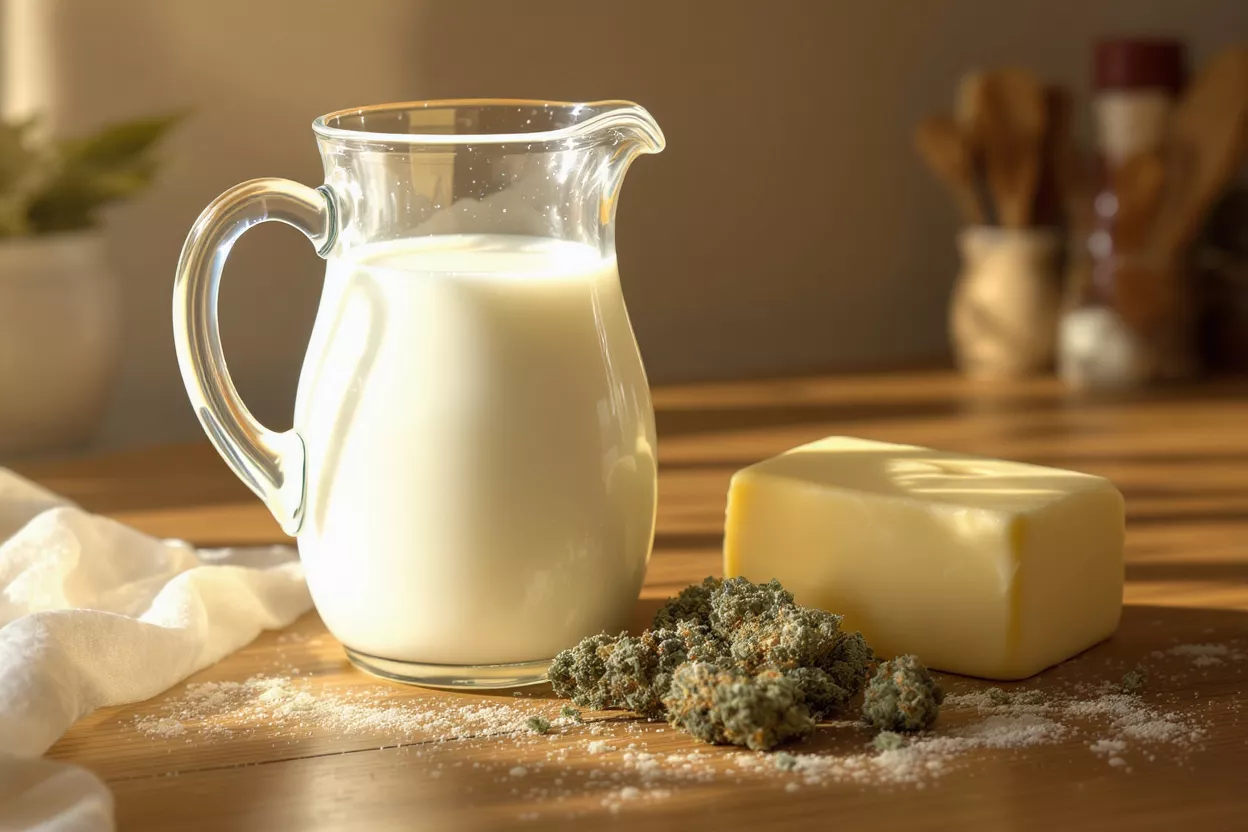
Fat content is the single biggest variable that determines how strong your THC milk turns out. Skim milk simply does not have enough lipid content to capture a meaningful amount of cannabinoids, which is why experienced makers reach for whole milk, half-and-half, or heavy cream. The more fat present, the more THC the liquid can hold in suspension.
This is the same principle behind cannabutter and CO2 oil products, where a fatty carrier acts as a sponge for cannabinoids. A CO2 extraction concentrate already isolates those compounds, but with milk you are performing a gentler, kitchen-friendly version of the same chemistry. Plant-based drinkers are not left out, since full-fat coconut milk rivals dairy in lipid content and makes an excellent vegan base.
If you want to boost potency, a small spoon of a fat-rich cannabis tincture for cooking can be stirred in after straining, though this changes the onset profile. The takeaway is straightforward: choose the richest dairy or plant milk you reasonably can, because the fat is what physically transports the THC from the plant into your glass.
THC Milk vs Other Cannabis Edibles
THC milk occupies a unique niche among edibles because it is a liquid base rather than a finished treat. Gummies and baked goods deliver a fixed dose in a single bite, while infused milk lets you control exactly how much you pour, making it easy to scale up or down depending on the day. That flexibility appeals to people who like to fine-tune their intake.
Compared with smoking flower or vaporizing a concentrate slurry, the milk route trades speed for staying power. A convection vaporizer delivers effects in minutes that fade within an hour or two, whereas ingested THC milk can take forty-five minutes to two hours to arrive and then linger for four to six hours. Research summarized by Cannigma notes that this extended duration comes from the liver metabolizing THC into a longer-acting compound.
Below is a quick comparison of common consumption methods to help you decide where THC milk fits in your routine:
- 🥛 THC milk: Slow onset, long duration, fully adjustable dosing, versatile in recipes.
- 🍬 Gummies: Fixed dose, easy to carry, slow onset similar to milk.
- 💨 Vaping or smoking: Near-instant onset, short duration, less precise on total dose.
- 🧈 Cannabutter baked goods: Long onset and duration, dose locked into each portion.
THC Milk Dosing Guide for Beginners
Start low and go slow is the golden rule of any edible, and THC milk is no exception. Because the effects build gradually, it is dangerously easy to assume nothing is happening and pour a second glass too soon, leading to the dreaded couch lock that pins you to the sofa for hours. A modest starting dose of five milligrams or less lets you learn how your body responds.
Calculating dose in homemade milk is admittedly imprecise. If you know the rough THC percentage of your flower and the amount you used, you can estimate total milligrams and divide by the number of servings, but home infusions vary. For predictable results, many people prefer a low-dose infused beverage with lab-tested potency before experimenting with their own batches.
Patience prevents the most common edible misadventure. Wait at least two full hours before deciding whether to consume more, since onset can be delayed by a recent meal or individual metabolism. Keep notes on how much you drank and how you felt, building a personal reference that takes the guesswork out of your next glass.

Best Uses for THC Milk in the Kitchen
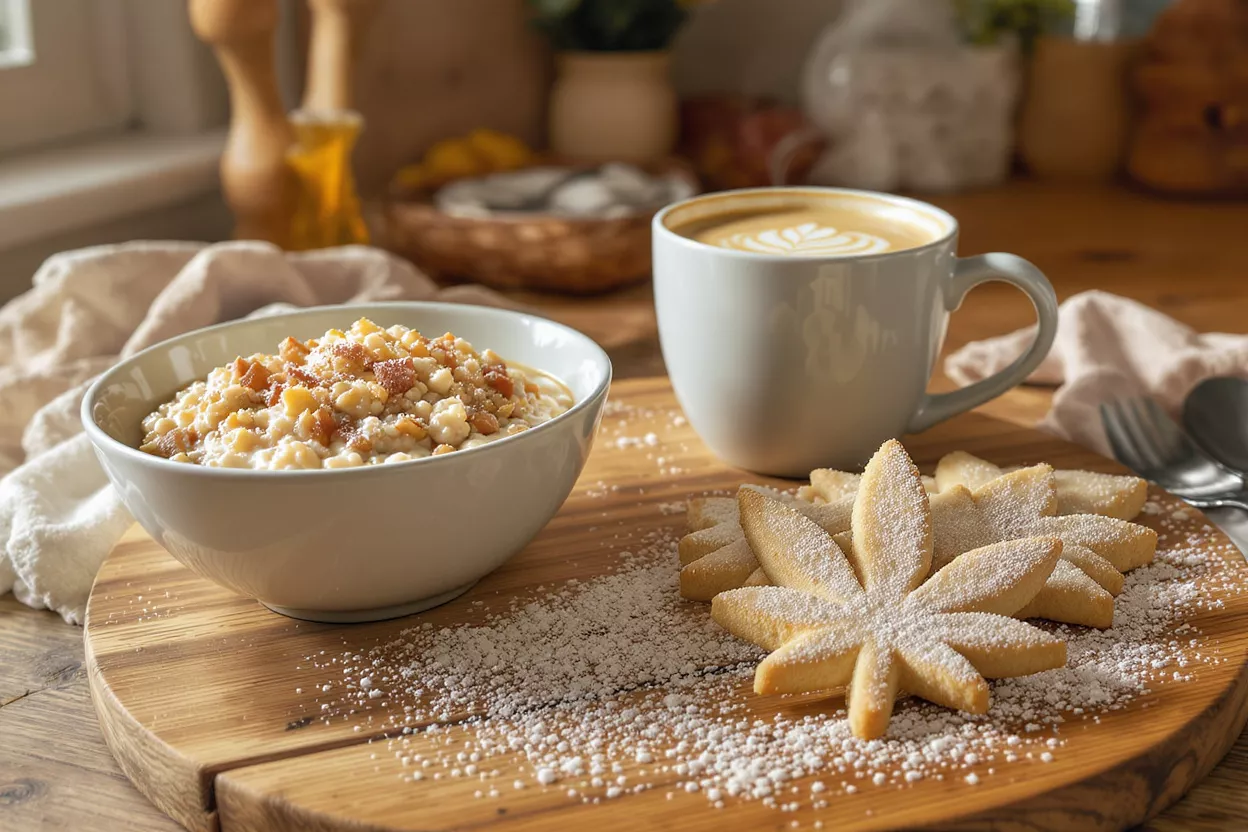
THC milk shines in warm drinks where its richness and the gentle warmth complement each other. A mug of golden milk built around turmeric, which delivers curcumin, pairs beautifully with infused dairy, as does a classic hot chocolate or a chai latte. The fat in the milk carries the cannabinoids while the spices mask any lingering herbal flavor.
Beyond beverages, infused milk slips quietly into countless recipes. Use it as the dairy base in custards, ice cream, mashed potatoes, creamy soups, or béchamel sauce, keeping in mind that high heat can degrade potency, so add it toward the end of cooking when possible. Savory dishes hide the cannabis taste especially well, making them a smart choice for sensitive palates.
For a relaxing nightcap, some people blend their THC milk with adaptogens such as cordyceps or a pinch of warming citronellol-rich herbs for aroma. A frothy cannabis-infused latte blend rounds out an evening wind-down, though combining it with alcohol creates a crossfade effect that can intensify both substances unpredictably, so moderation matters.
THC Milk Onset and Effects Explained
The waiting game defines THC milk more than any other characteristic. Because the cannabinoids must travel through your digestive tract and liver before reaching the bloodstream, the first effects typically appear between forty-five minutes and two hours after drinking. A full stomach slows this further, while an empty one speeds it up but can make the experience more intense.
The effects themselves often feel heavier and more body-centered than inhaled cannabis. This is the metabolite at work, and it explains why a glass of THC milk can leave you pleasantly sedated rather than buzzy. Many users report dry mouth, sometimes called cottonmouth, so keeping water nearby is wise. The Cannigma resource library covers how individual tolerance and body chemistry shape these outcomes.
Duration is the trade-off for the delayed start. Effects commonly last four to six hours and may leave a mild afterglow into the next morning, which is why an evening dose suits most people better than a midday one. Understanding this timeline lets you plan around the experience rather than being caught off guard by it.
Is THC Milk Safe to Make and Drink
Homemade THC milk is generally safe when you respect both food-safety basics and sensible dosing. The biggest risks come from over-consumption rather than the milk itself, since taking too much THC can cause anxiety, rapid heartbeat, and disorientation that, while not life-threatening, can feel genuinely unpleasant. Starting with a small dose sidesteps almost all of this.
Food safety deserves equal attention because you are working with dairy. Keep your infused milk refrigerated, use it within a few days, and never leave it at room temperature for long, since milk spoils quickly regardless of what is dissolved in it. According to Cannigma, drug interactions are also worth considering, as THC can affect how the liver processes certain medications.
Keep infused milk clearly labeled and well out of reach of children and pets, who cannot tell it apart from the ordinary kind. Treat it with the same caution you would any cannabis product, and the practice of making and drinking THC milk becomes a low-risk part of a thoughtful routine rather than a source of worry.
Storing THC Milk for Freshness and Potency
Refrigeration is non-negotiable for THC milk because it is perishable dairy first and a cannabis product second. Store it in an airtight, opaque container in the coldest part of your refrigerator and plan to use it within three to five days, the same window you would give any opened carton of fresh milk.
Light and heat are the enemies of cannabinoid potency over time. An opaque container shields the THC from light degradation, while consistent cold slows both spoilage and the gradual breakdown of active compounds. If you have made more than you can use quickly, freezing is an option; pour the milk into an ice cube tray so you can thaw single servings without wasting the whole batch.
Label every container with the date you made it and a rough potency estimate so future-you is not left guessing. A little organization here protects both your safety and your investment, ensuring that each glass tastes fresh and behaves predictably rather than surprising you with diminished or uneven effects.
Common THC Milk Mistakes to Avoid
Skipping decarboxylation tops the list of errors that doom a batch. Without that initial bake, the cannabis never activates and you end up with weak, grassy milk that disappoints. The second most common mistake is boiling the milk, which both scalds the dairy and burns off the very cannabinoids you worked to extract.
Using the wrong fat content trips up many beginners as well. Reaching for skim or low-fat milk leaves the cannabinoids with nowhere to bind, dramatically reducing potency, so always choose whole milk, cream, or full-fat coconut milk. Impatience is another pitfall; dosing again before the first serving has fully kicked in is the single fastest route to an uncomfortably strong experience.
A few final reminders keep your results consistent batch after batch:
- 🔥 Always decarb first: No activation means no effect, no matter how good your technique.
- 🥛 Never boil the milk: Gentle, sub-boiling heat preserves both flavor and potency.
- ⚖️ Choose high-fat dairy: Fat is the carrier, so low-fat milk yields weak results.
- 📝 Track your dose: Notes turn guesswork into a repeatable, reliable routine.
THC milk rewards a little patience and care with one of the most flexible cannabis bases you can keep on hand. By decarbing properly, choosing fat-rich dairy, simmering gently, and dosing conservatively, you can craft an infusion that slips seamlessly into lattes, soups, and desserts. Respect the slow onset, store your milk like the perishable it is, and you will have a versatile, dependable way to enjoy cannabis that fits naturally into everyday cooking and quiet evenings alike.