Suppository
Learn how a cannabis suppository works, its benefits, dosing, and safe use.
What Is a Cannabis Suppository
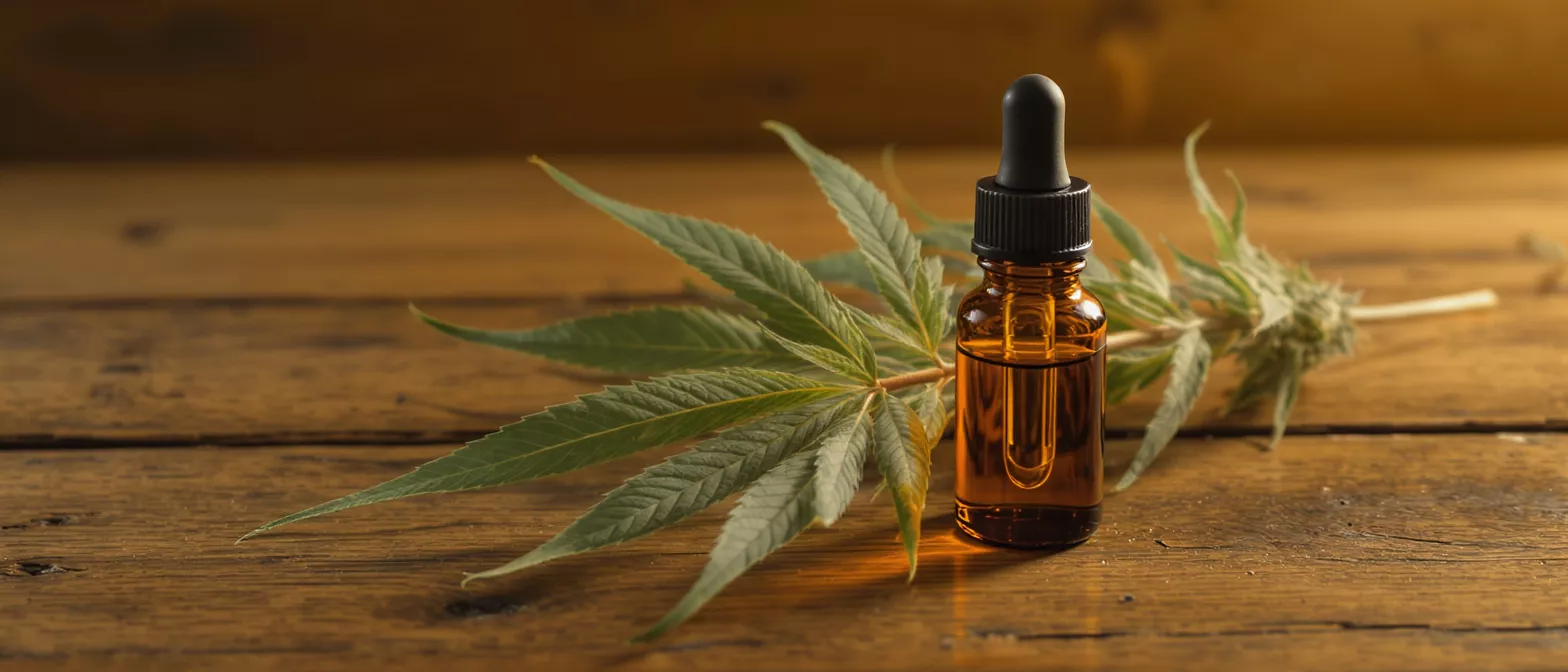
A cannabis suppository is a solid, dose-measured insert designed to dissolve inside the body and deliver cannabinoids like Delta-9 THC, CBD, and minor compounds such as Delta-8 directly through mucosal tissue. Unlike a tincture or an edible, it bypasses the digestive tract and the heavy first-pass metabolism that happens in the liver, which fundamentally changes how the compounds behave once they reach the bloodstream.
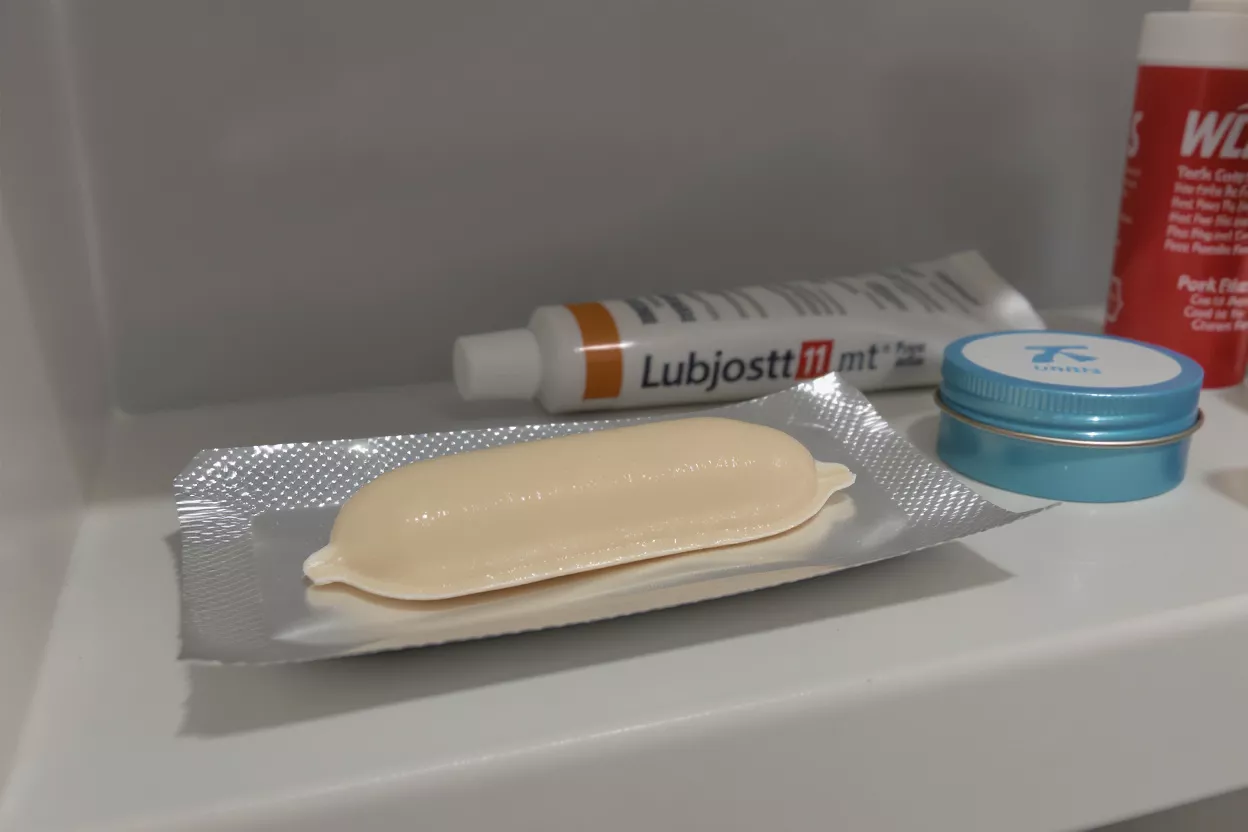
The format usually takes the shape of a small torpedo or bullet, formulated with a fat base — commonly cocoa butter or coconut oil — that stays firm at room temperature but melts at body heat. Suspended inside that base is a precise amount of cannabis oil, sometimes a full-spectrum elixir and sometimes an isolate. This is a deliberate delivery method, not a novelty, and it occupies a serious place in the conversation around alternatives to inhaled or oral cannabis.
Why people turn to suppositories in the first place: patients who cannot swallow capsules, who experience nausea, or who want relief concentrated in the pelvic region often find this format solves a problem other products cannot. For someone managing chronic discomfort who also dislikes the foggy Consumer Reports often references when discussing edible side effects, a suppository sidesteps the unpredictable timing of digestion entirely.
How Do Cannabis Suppositories Work
Once inserted, the fat base begins to melt and releases its cannabinoid payload across a dense network of blood vessels lining the rectal or vaginal walls. These tissues are highly vascularized, meaning a large share of the active compounds can enter circulation locally and systemically without first passing through the stomach acid and liver enzymes that degrade so much of an oral dose.
The first-pass metabolism question: when you swallow a cannabis edible, the liver converts a meaningful portion of Delta-9 THC into 11-hydroxy-THC, a more potent and longer-lasting metabolite responsible for the intense, sometimes overwhelming body high — and the dreaded edible hangover. Rectal absorption partially routes around this conversion, which is why many users report less intoxication and more localized, functional relief.
It's worth being honest about the science here. Human absorption data for cannabinoid suppositories remains limited, and some compounds are poorly water-soluble, which affects how efficiently they cross the mucosal barrier. Organizations like the Consumer Reports have repeatedly emphasized that cannabis product claims often outpace the clinical evidence, so realistic expectations matter more than marketing promises.
Types of Cannabis Suppositories
Suppositories vary widely in their cannabinoid profile, base material, and intended target area. Understanding the categories helps you match a product to your actual goal rather than guessing from the packaging.
- 🌿 THC-dominant: built around Delta-9 THC for stronger systemic and pain-focused effects, often chosen for severe discomfort.
- 💧 CBD-dominant: non-intoxicating, favored for inflammation and tension without the head change.
- ⚖️ Balanced ratio: a 1:1 blend of THC and CBD that many find smoother and more functional.
- 🧪 Minor cannabinoid blends: formulas featuring Delta-8, Delta-10, CBN, or CBG for targeted, milder effects.
- 🌸 Vaginal-specific formulas: designed for menstrual and pelvic relief, sometimes paired with soothing botanicals.
The base oil matters as much as the cannabinoid. Cocoa butter melts cleanly and predictably, while coconut-based formulas may feel softer at room temperature. For shoppers comparing options, a balanced THC:CBD ratio suppository is often the most forgiving starting point because it blunts intoxication while preserving therapeutic reach.
Quality also tracks closely with extraction method. Products made from clean CO2 or ethanol hash oil (EHO) extractions tend to carry a more complete cannabinoid spectrum than crude preparations, and reputable brands publish lab results confirming exactly what's inside.
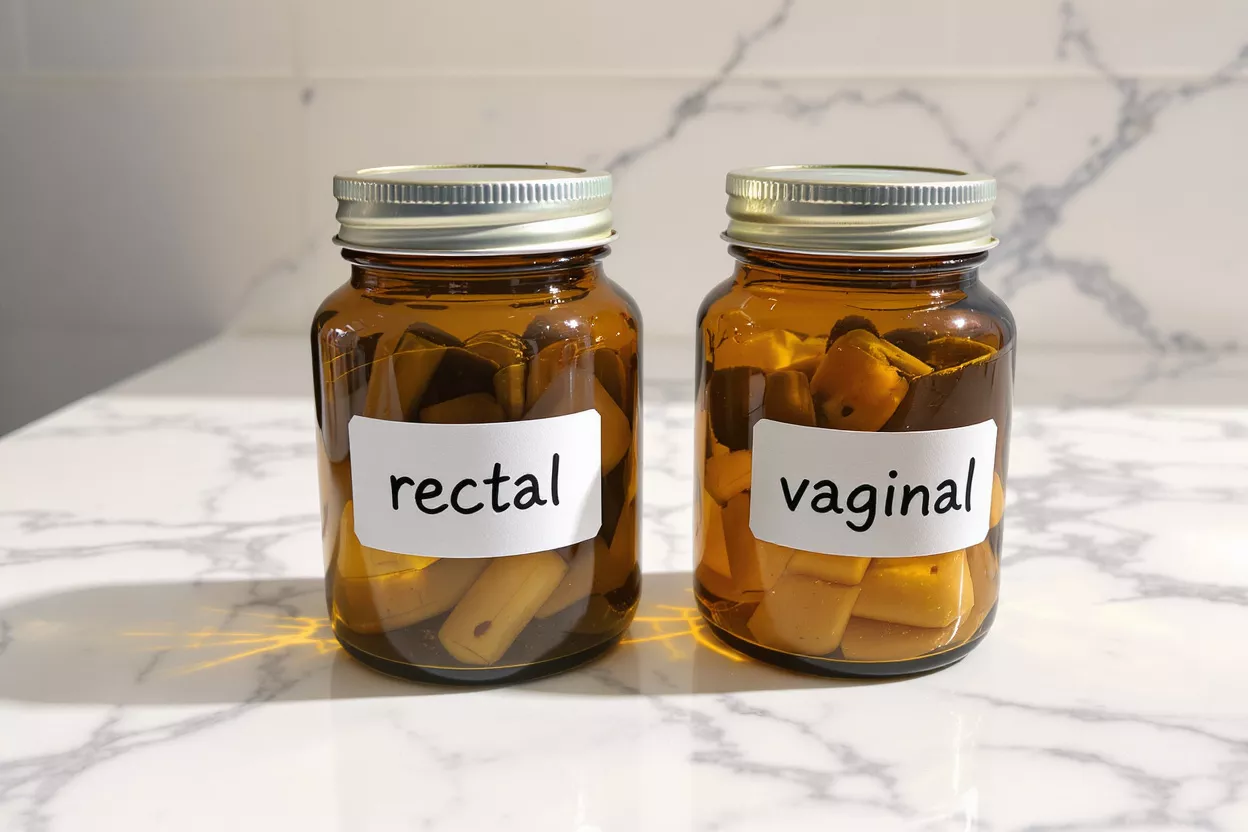
Rectal vs Vaginal Suppository Absorption
The two insertion routes are not interchangeable, and choosing between them depends on your goal. Rectal suppositories are the more studied and versatile option, drawing on a broad venous network that can deliver both localized and whole-body effects. Vaginal suppositories tend to concentrate their action in the pelvic region, which is why they're so often reached for during menstrual cramping.
Where systemic effects come from: the rectal route taps into veins that partially bypass the liver, which is the central reason it appeals to patients seeking relief without strong intoxication. The vaginal route, by contrast, shows more variable systemic uptake and is generally chosen for its targeted local action rather than full-body coverage.
Neither route should be confused with the enteric coating used on some swallowed cannabis capsules, which is engineered to survive stomach acid and dissolve further down the digestive tract. A suppository skips that journey altogether. The Consumer Reports consistently advises consumers to verify a product's intended use route before purchase, since formulation and base material are tuned to a specific tissue type.
Cannabis Suppository Benefits People Search For
The appeal of this format comes down to a handful of practical advantages that other delivery methods struggle to match. For the right person, those advantages are the difference between functional relief and a dose that knocks them out for the afternoon.
- 🎯 Targeted pelvic relief: proximity to the source makes suppositories popular for menstrual, prostate, and lower-back discomfort.
- 🧠 Lower intoxication: reduced first-pass conversion means less of the heavy head high than an equivalent edible.
- 🤢 Nausea-friendly: nothing to swallow makes them viable when the stomach won't cooperate.
- ⏱️ Predictable onset: no waiting on digestion, so timing is steadier than an oral dose.
- 💊 High-dose tolerance: users often handle larger cannabinoid amounts with fewer psychoactive surprises.
Who benefits most: patients in palliative care, people managing endometriosis or severe period pain, and anyone whose treatment leaves them unable to eat comfortably tend to gravitate toward this format. A discreet CBD-rich relief suppository can be especially appealing for those who want inflammation support without any mental cloudiness.
That said, the benefits are real but not magical. Absorption varies between individuals, and the localized effects, while genuine, are not a guaranteed substitute for medical care. Sober expectations make for better outcomes.
How to Use a Cannabis Suppository
Proper use is straightforward but rewards a little preparation. Because the fat base softens at body temperature, most suppositories are kept refrigerated until shortly before use so they stay firm enough to insert comfortably.
A simple step-by-step approach: wash your hands, keep the suppository cold until the last moment, and lie on your side or squat to insert it gently past the muscular ring. Staying reclined for fifteen to twenty minutes afterward helps the base melt in place rather than slipping out before it fully releases. Many users prefer to use a suppository at night so absorption happens while they rest.
Timing expectations differ from other formats. Onset typically lands somewhere between fifteen and ninety minutes depending on the formula and your physiology — slower than inhalation but often steadier than an edible. If you're transitioning from another product type, treat the first few uses as calibration. A gentle nighttime cannabis suppository routine works well for people targeting sleep and overnight recovery.
Cannabis Suppository Dosing Guide
Dosing a suppository is less standardized than dosing an edible, partly because absorption efficiency varies and partly because the format is often used for stronger therapeutic goals. The universal rule still applies: start low and go slow.
Starting points for newcomers: a beginner-friendly dose often falls in the 5 to 25 mg range of total cannabinoids, with CBD-heavy or balanced formulas being the gentlest place to begin. Experienced patients managing serious pain sometimes work up to 50 mg or more, but that escalation should happen gradually and ideally under medical guidance.
Because rectal absorption can deliver cannabinoids more efficiently than a degraded oral dose, the same milligram count may feel different than it would in gummy form. The Consumer Reports has long stressed reading the certificate of analysis so you actually know the dose you're working with rather than trusting front-label claims. Keep a simple log of dose, timing, and effect during your first week to find your personal sweet spot.
Are Cannabis Suppositories Safe
For most healthy adults, cannabis suppositories are considered low-risk when used as directed, but safety hinges on product quality and sensible practice. The mucosal tissues involved are delicate, so formulation purity matters more here than with some other formats.
The most common side effects: mild local irritation, leakage from the melted base, and — at higher doses — the usual cannabinoid effects like drowsiness or lightheadedness. Allergic reactions to a base oil are possible, so patch-test logic applies if you have sensitive skin or known allergies. Anyone pregnant, nursing, or managing a serious medical condition should consult a clinician before starting.
Drug interactions deserve respect, since cannabinoids can influence how the body processes certain medications. The Consumer Reports regularly highlights that lab-tested, contaminant-free products are non-negotiable for any item making contact with internal tissue. Steer clear of unregulated or homemade preparations where solvent residue and inaccurate dosing are genuine hazards.
Choosing the Best Cannabis Suppository
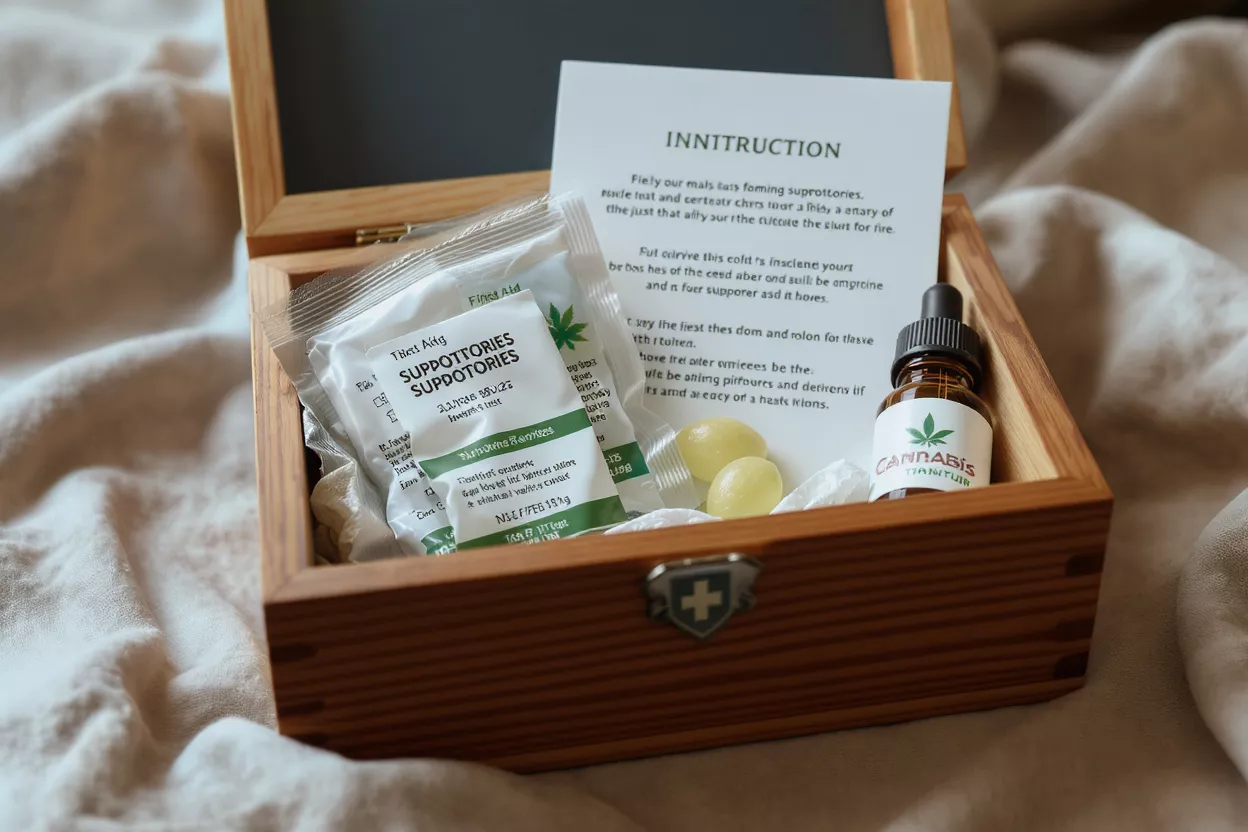
The market spans everything from premium pharmacy-grade formulations to dubious products dressed up in slick packaging. Knowing what separates the two protects both your wallet and your health.
- 🔬 Third-party lab results: a current certificate of analysis confirming potency and screening for solvents, pesticides, and metals.
- 🥥 Clean base oil: food-grade cocoa butter or coconut oil with no questionable fillers.
- 📊 Clear cannabinoid ratio: precise THC and CBD milligram counts printed per unit, not vague totals.
- 🌱 Quality extraction: CO2 or properly purged ethanol hash oil (EHO) over crude, untested oil.
- 🏷️ Transparent brand: a distributor that publishes sourcing and testing rather than hiding it.
Avoid products that lean on vague hype words — "dank," "dope," or "diesel"-grade marketing — without any lab data to back the claims. Flashy language is no substitute for a verifiable certificate of analysis, and the best brands let their testing do the talking.
Match the formula to your goal as well. Someone chasing systemic relief wants a rectal-oriented full-spectrum product, while a person targeting menstrual pain may prefer a vaginal-specific formula with soothing botanicals. The right choice is the one engineered for your tissue and your intended effect.
Cannabis Suppository Storage and Shelf Life
Because the fat base is temperature-sensitive, storage is more than an afterthought — it's part of keeping the product usable and effective. A suppository left in a warm car will melt into a shapeless puddle long before you need it.
How to store them properly: keep suppositories refrigerated or, for long-term storage, in the freezer, and protect them from light and air. A cool, dark, consistent environment preserves both the structural integrity of the base and the stability of the cannabinoids inside, which slowly degrade when exposed to heat and oxygen.
Shelf life typically runs six months to a year for properly stored products, though the certificate of analysis date and any manufacturer guidance should guide you. If a suppository changes color sharply, smells rancid, or won't hold its shape even when cold, it's past its prime and worth replacing.
Cannabis suppositories occupy a genuinely useful niche: a discreet, lower-intoxication, region-targeted way to use cannabinoids that solves real problems for patients who struggle with edibles, inhalation, or swallowing. The format isn't for everyone, and the clinical evidence is still maturing, but for the right person it delivers steady, functional relief that's hard to replicate elsewhere. Prioritize lab-tested products, start with a conservative dose, store them cold, and treat the first week as a calibration period — do that, and you'll know quickly whether this quiet workhorse of a delivery method belongs in your routine.