thc intimacy
Discover how THC intimacy can deepen connection and sensation.
What Is THC Intimacy and Why People Explore It
THC intimacy describes the deliberate use of cannabis to enhance connection, sensation, and presence between partners. It is not a single product or a single experience, but rather an umbrella concept covering everything from a shared edible before a quiet evening to topical oils designed for sensual touch. As cannabis legalization spreads and stigma fades, more couples are curious about how the plant might soften tension, heighten awareness, and create the kind of unhurried closeness that busy schedules tend to crush.
The interest is not purely recreational. Many people report that the right dose helps them quiet a racing mind, sink into the moment, and feel more attuned to their partner's cues. That said, the experience is deeply individual. The same flower that relaxes one person can leave another feeling foggy or anxious, which is why understanding your own tolerance and intentions matters far more than chasing what worked for someone else.
Modern THC intimacy spans a wide spectrum of formats and intentions. Some prefer the slow, full-body warmth of an edible, while others reach for fast-acting tinctures or topicals that act locally. Throughout this guide we will untangle the science, the products, the dosing, and the honest caveats so you can decide whether bringing cannabis into your intimate life makes sense for you.
How THC Intimacy Works in the Body
At the center of the conversation is the endocannabinoid system, a network of receptors that helps regulate mood, stress, pain, and sensory processing. When Delta-9 THC binds to CB1 receptors in the brain, it can shift perception, slow the sense of time, and dampen the mental chatter that often gets in the way of relaxation. The National Center for Complementary and Integrative Health notes that cannabis affects these receptors in ways researchers are still actively mapping.
Why low doses often feel different from high doses: THC follows a biphasic curve, meaning a small amount can reduce anxiety and increase sociability while a large amount may flip that effect entirely, producing self-consciousness or sedation. For intimacy, less is frequently more. A modest dose tends to lower inhibition and heighten touch sensitivity without tipping someone into a couch-locked, unresponsive state.
How topicals work without a head high: Cannabis applied to the skin interacts with localized receptors and does not reliably cross into the bloodstream in meaningful amounts. This means a sensual topical can increase warmth and blood flow at the point of contact while leaving the mind clear. For couples wary of feeling impaired, this distinction is one of the most useful things to understand about THC intimacy.
Benefits of THC Intimacy for Connection
The most commonly cited benefit is reduced anxiety. Performance pressure, intrusive thoughts, and the stress of daily life are major barriers to closeness, and a measured amount of THC can quiet that noise. When the mind stops narrating, partners often find it easier to be present with one another rather than stuck in their own heads.
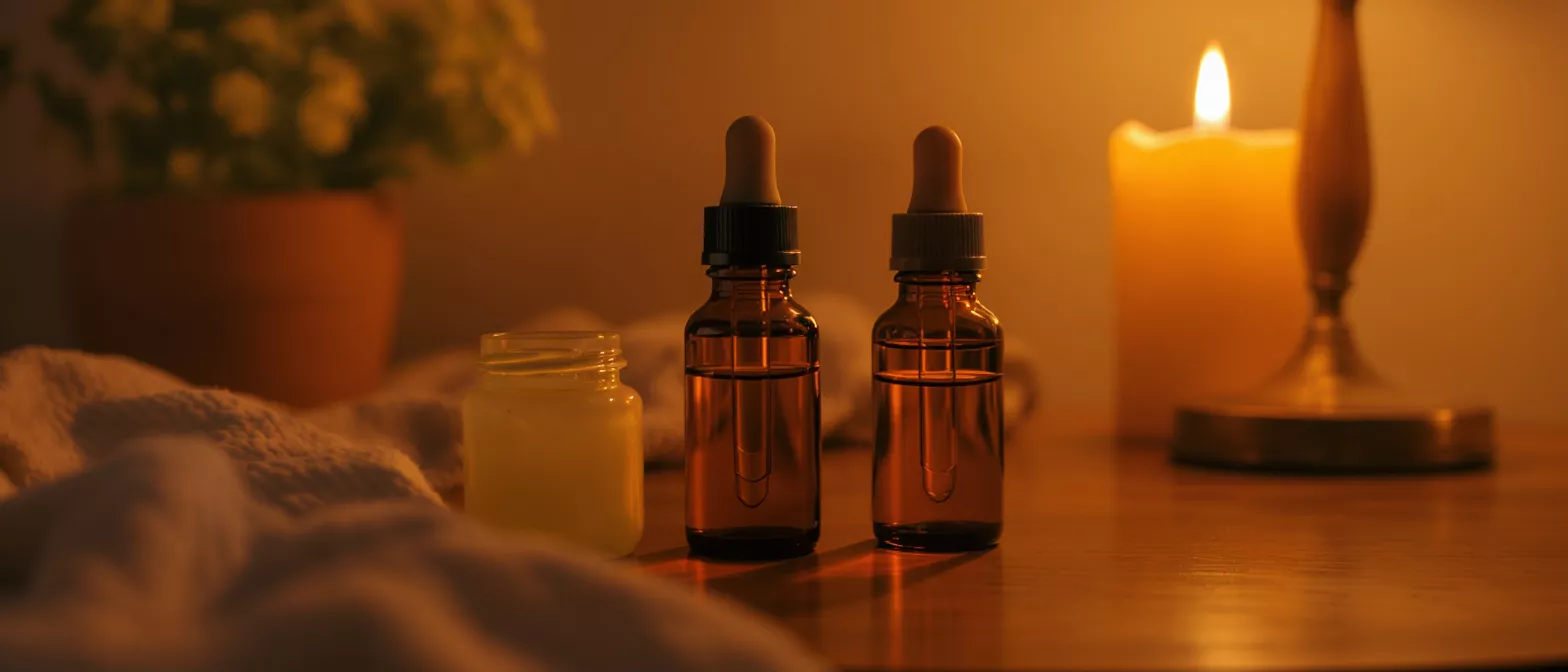
Heightened sensory experience: Many users describe touch, taste, and sound as richer and more vivid after a modest dose. This sensory amplification can make familiar moments feel novel again, which is part of why couples in long relationships sometimes turn to cannabis to break out of routine. A quality sensual cannabis massage oil can deepen this effect when applied as part of unhurried foreplay.
There is also a relaxation benefit that extends beyond the bedroom. Lower muscle tension and a calmer nervous system create the physical conditions for comfort and ease. For some, that simply means a more enjoyable shared evening rather than a performance-focused one.
Worth noting honestly: the research base is still thin. Most evidence is anecdotal or drawn from survey data, and individual results vary widely. Cannabis is a tool, not a cure for relationship or sexual difficulties that may have deeper roots.
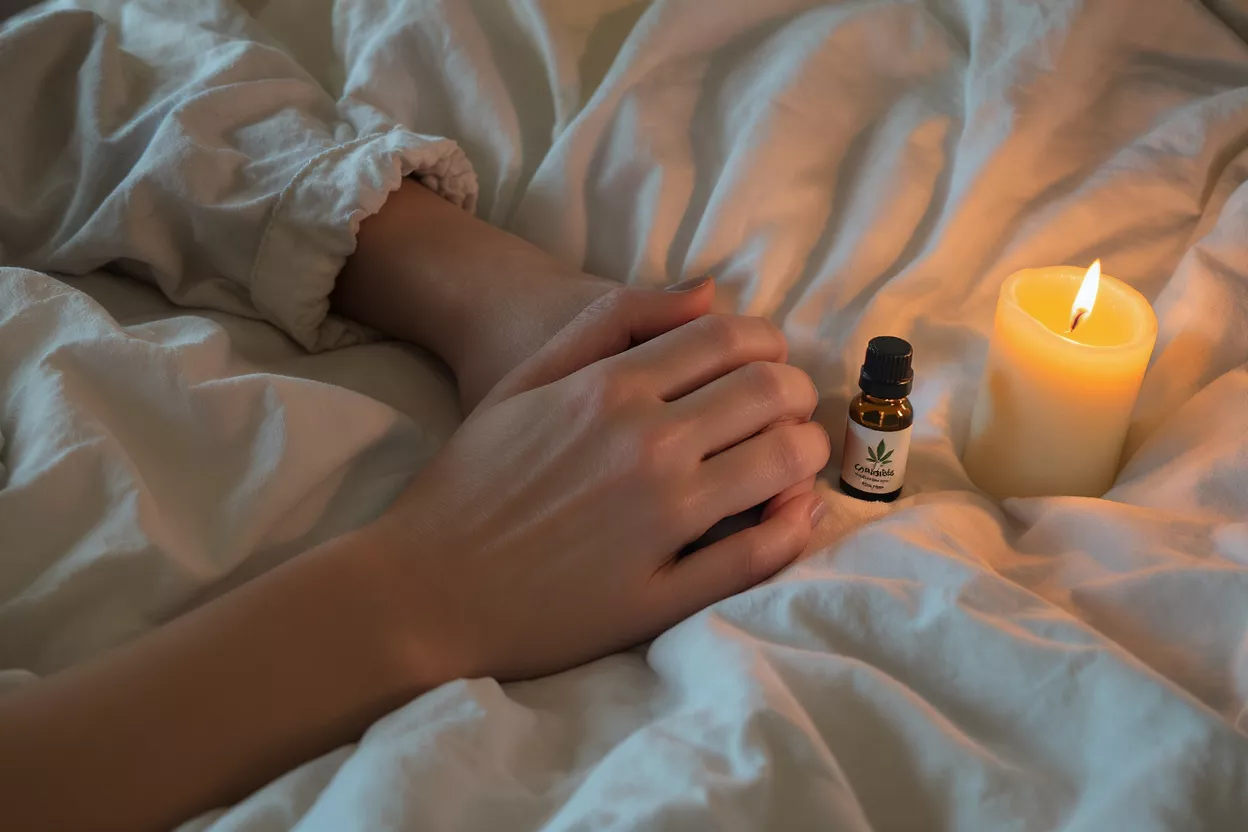
Types of THC Intimacy Products
The category has matured well beyond simply smoking a joint. Today's offerings are formulated with intention, ranging from ingestible products to skin-applied formulas. Understanding the differences in onset and duration helps you match the format to the moment.
- 🌿 Edibles and gummies: Slow onset (45–90 minutes) but long, full-body effects. Best planned ahead, not used spontaneously.
- 💧 Tinctures: Faster than edibles when held under the tongue, with easy dose control by the drop.
- 🔥 Topical oils and lubricants: Localized warmth and sensation without a significant head high.
- 🍃 Vapes and flower: Near-instant onset for precise, in-the-moment titration.
- ✨ Distillate-infused elixirs: Drinkable options that blend social ritual with effect.
Beyond classic Delta-9: Newer cannabinoids have entered the space. Delta-8 offers a milder, less anxious high that some find more manageable for intimacy, while Delta-10 leans more energetic. These alternatives give cautious users a gentler on-ramp, though their long-term research remains limited.
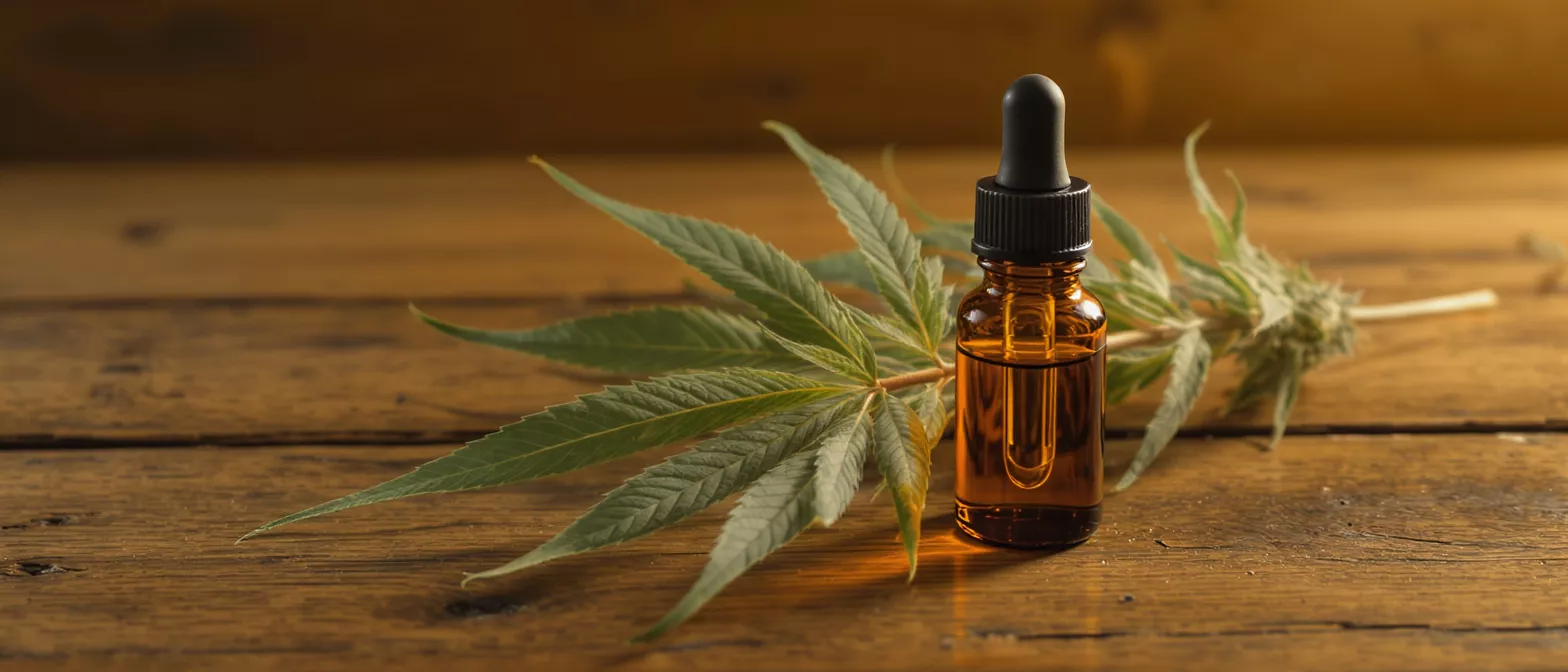
Formulation quality matters as much as cannabinoid choice. Products made with clean extraction methods such as ethanol hash oil or careful dewaxing tend to taste better and feel cleaner. A well-made low-dose THC tincture gives you the control that high-potency concentrates like diamonds simply do not offer for this purpose.
THC Intimacy vs CBD for Closeness
People often assume THC and CBD are interchangeable, but they play very different roles. THC is psychoactive and drives the mood-shifting, perception-altering effects that define cannabis intimacy. CBD is non-intoxicating and works more quietly, easing anxiety and inflammation without the high.
When CBD alone might be the better pick: If your main barrier is stress or physical discomfort rather than a desire for altered sensation, CBD can take the edge off without impairment. It is also a safer starting point for anyone who has felt anxious from THC in the past.
Many of the most balanced experiences come from combining the two. CBD can temper the anxious edge of THC through what is informally called the entourage effect, letting you enjoy the heightened sensation with less risk of overshooting. The National Center for Complementary and Integrative Health emphasizes that both compounds continue to be studied for their distinct properties.
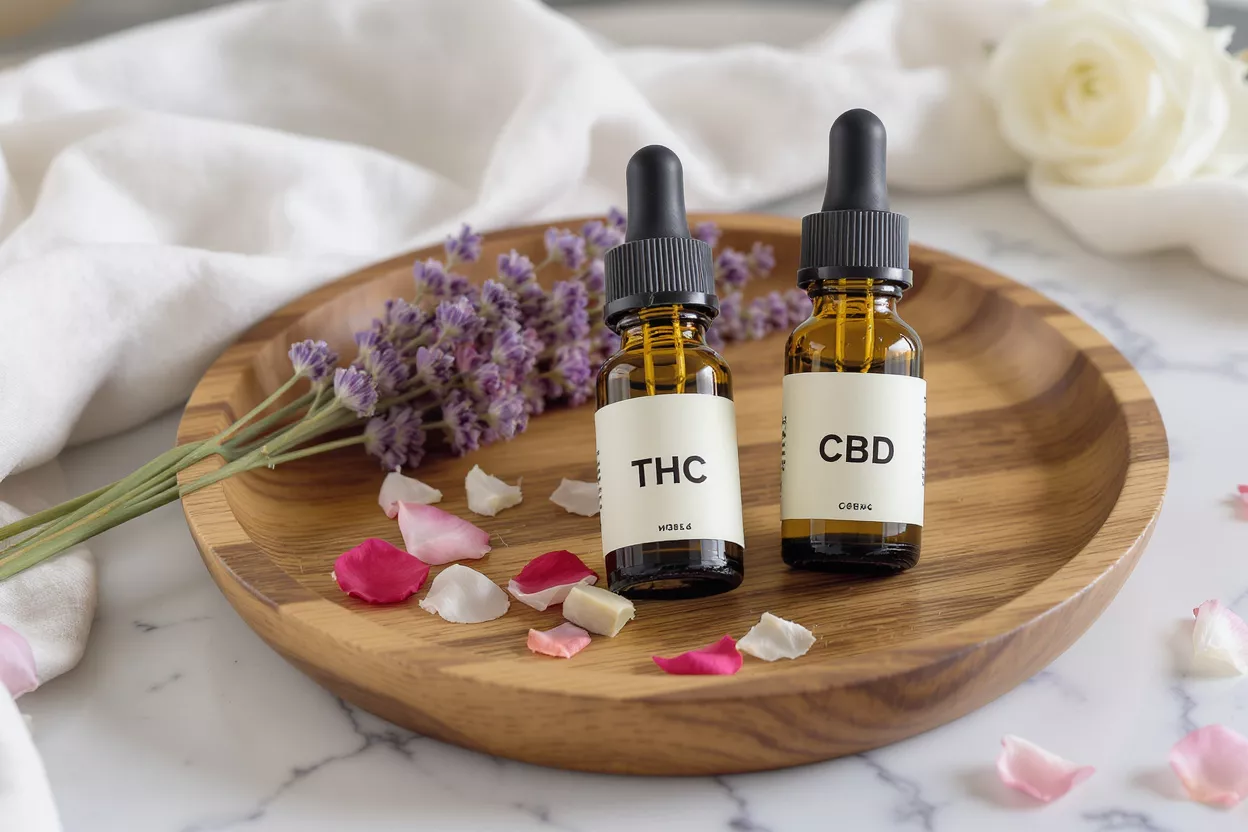
Best THC Intimacy Products for Couples
The "best" product is the one that matches your tolerance, your timing, and your comfort level. For couples just beginning, a low-dose, shareable format removes the guesswork and reduces the chance of one partner feeling overwhelmed while the other does not.
- 🍫 Microdose gummies (2.5–5 mg): Predictable, discreet, and easy to split. Ideal for a planned evening.
- 💆 THC-infused massage oil: Builds connection through touch with minimal psychoactivity.
- 🌬️ A clean vape for titration: Lets each partner find their own sweet spot in real time.
- 🥂 A shared elixir: Turns dosing into a relaxed ritual rather than a clinical measurement.
What separates a thoughtful product from a gimmick: Look for transparent lab testing, clear milligram labeling, and formulations designed for the body's intended contact point. A topical sold as an intimacy product should disclose whether it is body-safe and compatible with protection, since many oils degrade latex.
For variety without commitment, some couples enjoy a curated couples cannabis sampler set that lets them test several formats across a few evenings before settling on a favorite. Variety helps you learn what your bodies actually respond to.
THC Intimacy Dosing Guide for Beginners
The single most important rule is start low and go slow. For edibles, that means beginning with 2.5 mg and waiting a full two hours before considering more. Edible effects are notoriously delayed, and impatience is the most common cause of an unpleasant, overwhelming experience sometimes called an edible hangover the next day.
Why timing matters for intimacy specifically: You want the peak to align with the moment, not arrive after it has passed or hit so hard that connection becomes impossible. Inhaled products peak within minutes, making them easier to time, while edibles require planning around that 45-to-90-minute window.
Tolerance is intensely personal. A seasoned consumer may need ten times the dose of a newcomer to feel the same effect, so never match a partner's dose simply to keep pace. The National Center for Complementary and Integrative Health cautions that cannabis potency has risen sharply in recent years, making careful dosing more important than ever.
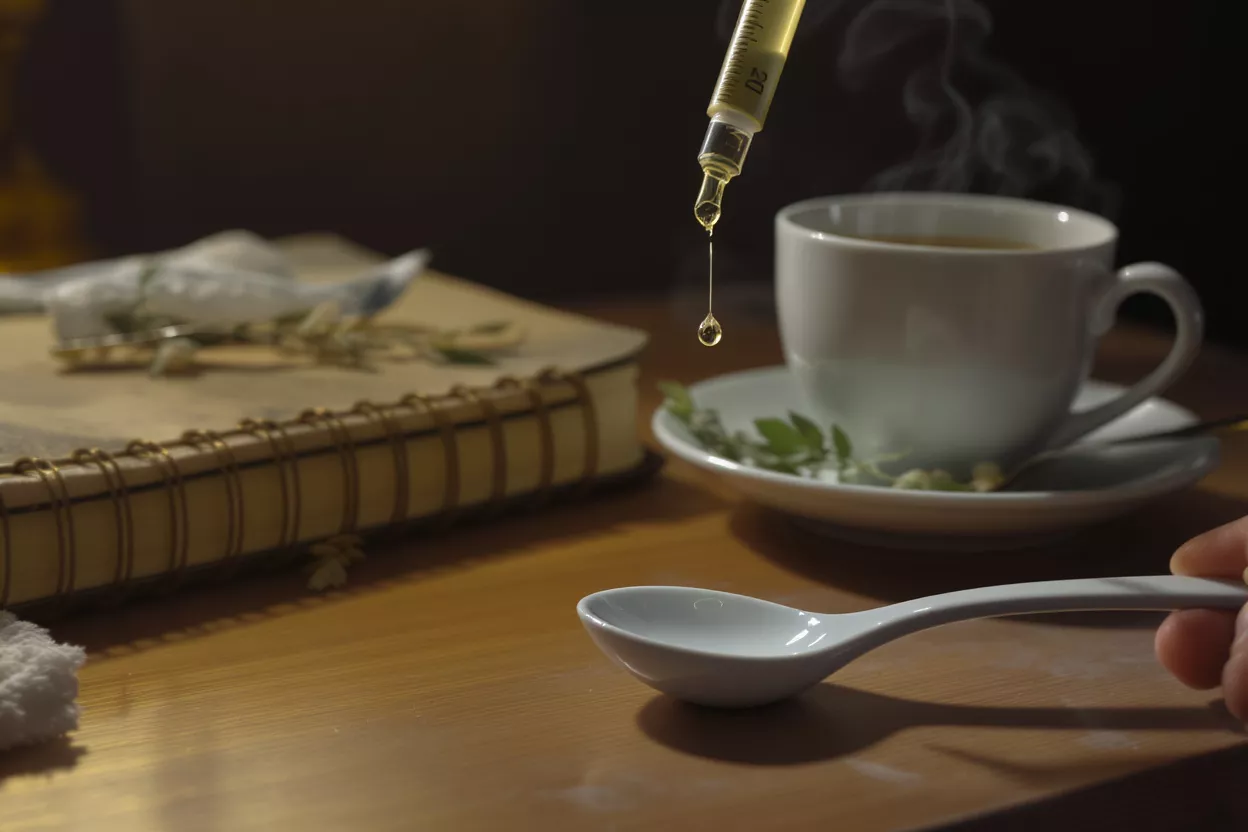
Keep these guideposts in mind when calibrating your approach:
- 📏 First-timer: 2.5 mg edible or one small inhalation, then wait and assess.
- ⏳ Patience window: Two hours for edibles, fifteen minutes for inhaled or sublingual.
- 💦 Hydration: Have water nearby; dry mouth is common and breaks the mood.
- 🚫 Avoid alcohol stacking: Mixing intensifies impairment unpredictably.
Are THC Intimacy Products Safe to Use
For most healthy adults, moderate cannabis use is generally well tolerated, but "safe" depends heavily on dose, format, and personal health history. The biggest risk in an intimate setting is overconsumption, which can swap relaxation for anxiety, dizziness, or sedation that ends the evening rather than enhancing it.
Topical and lubricant safety: Oil-based products can compromise latex condoms, reducing their effectiveness against pregnancy and infection. If you rely on latex protection, choose a water-based formula explicitly labeled compatible, or keep oil-based products away from contact with protection. This is a practical safety point that marketing copy often glosses over.
Who should be cautious: Anyone pregnant, breastfeeding, on interacting medications, or managing a heart or psychiatric condition should consult a clinician first. The National Center for Complementary and Integrative Health reports that cannabis can interact with certain medications and may not be appropriate for everyone.
THC Intimacy Tips for First-Timers
Set and setting shape the experience as much as the dose. A familiar, comfortable space where you both feel safe lets the relaxing effects take hold. Trying cannabis intimacy for the first time in a stressful or unfamiliar environment stacks the deck against a positive outcome.
Talk before you partake: Discuss intentions, boundaries, and a plan for if one of you feels too high. Knowing you can pause without disappointment removes the pressure that itself can sour the experience. Open communication is the foundation that any product merely supports.
Go in with realistic expectations. Cannabis is not an aphrodisiac in the pharmaceutical sense; it shifts your mindset and sensory awareness, but it will not manufacture desire that is not there. Treat it as one ingredient in a larger recipe for connection rather than the whole meal.

A few practical habits make first attempts smoother and more enjoyable:
- 🕯️ Lower the stakes: No goal beyond relaxation and presence.
- 🍵 Have snacks and water ready: Comfort keeps the mood intact.
- 📵 Silence distractions: Phones off, attention on each other.
- 🤝 Check in often: A simple "how are you feeling?" keeps you in sync.
Common THC Intimacy Myths Debunked
Myth: more THC equals more pleasure. This is backward for most people. Because THC is biphasic, overshooting the dose tends to dampen responsiveness and increase anxiety rather than amplify enjoyment. The sweet spot is usually lower than newcomers expect, and chasing intensity with potent concentrates often backfires.
Myth: any cannabis product works the same way. Format, cannabinoid profile, and onset speed all change the experience dramatically. An edible eaten on a whim behaves nothing like a measured tincture or a localized topical. Matching the product to the moment is half the battle, which is why understanding the categories pays off.
Another persistent myth is that cannabis is a guaranteed fix for low desire or sexual difficulty. In reality, it can complement a healthy connection but cannot substitute for communication, medical care, or addressing underlying issues. Used thoughtfully and in moderation, THC intimacy can be a genuine enhancement; used carelessly, it simply adds another variable to manage.
To sum up, THC intimacy is less about the plant and more about intention. Start with low, well-labeled doses, choose a format that fits the moment, talk openly with your partner, and treat cannabis as one supportive element rather than a magic switch. Approached with curiosity and care, it can help couples slow down, feel more present, and rediscover the kind of unhurried closeness that everyday life so often crowds out.