pinner joint
Learn what a pinner joint is, how to roll one, and why it's perfect for microdosing.
What Is a Pinner Joint
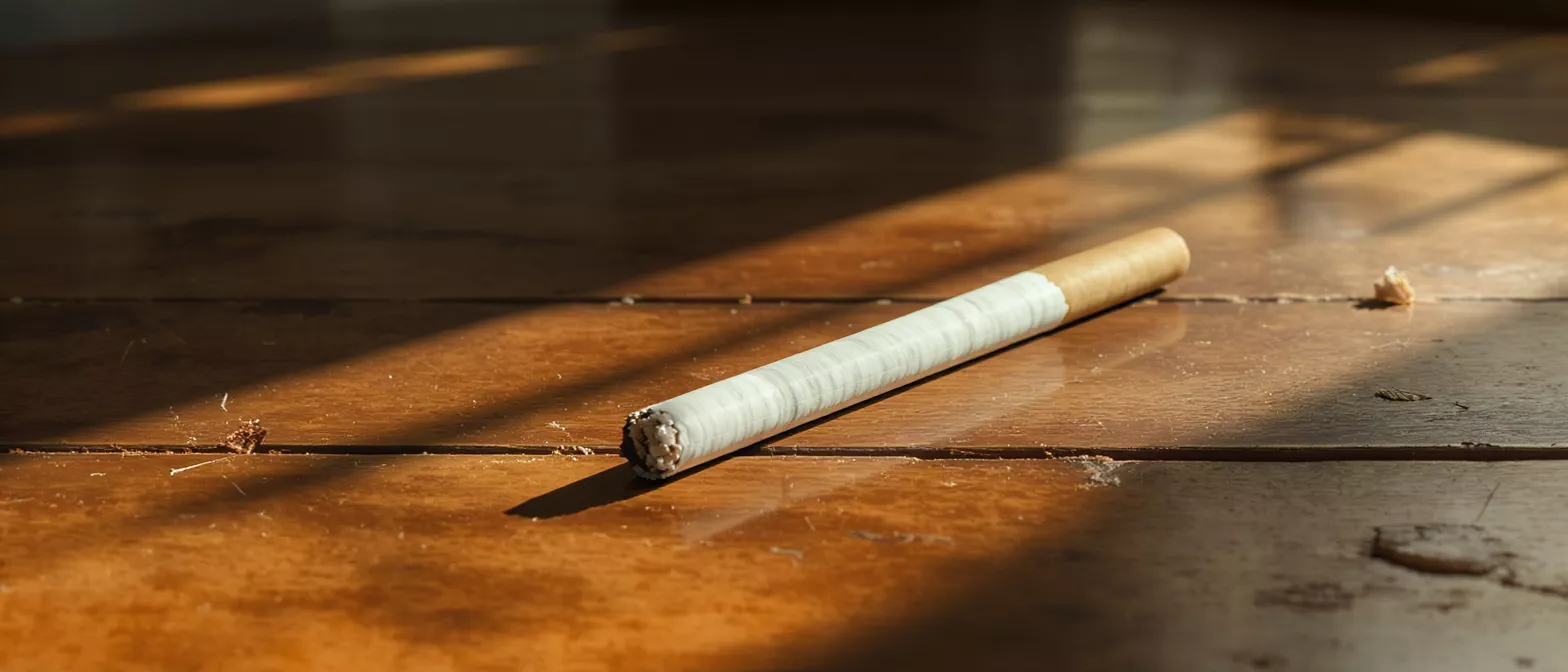
A pinner joint is a slender, tightly rolled cannabis cigarette built to be thin enough to resemble a pin or a toothpick. Where a standard joint might carry half a gram or more, a pinner is a deliberately lean roll designed to stretch flower, control dose, and burn slowly. The name has been part of cannabis slang for decades, and it survives because the concept it describes is genuinely useful for both new and experienced smokers.
The defining feature of a pinner joint is its diameter. Instead of packing the paper full, you lay down a thin, even line of ground flower and roll it tight. The result is a cone or straight tube that is noticeably narrower than the average joint. Because there is less plant material combusting at any moment, each draw delivers a smaller, more measured hit.
Where the term comes from: "Pinner" entered everyday cannabis vocabulary as a visual shorthand. A well-rolled example really does look about as thick as a sewing pin, and the word stuck because it is instantly descriptive. Today you will hear it used everywhere from dispensary counters to rolling tutorials, usually to signal a small, economical roll rather than a fat celebratory one.
Why People Roll a Pinner Joint
The most common reason people choose a pinner is conservation. Quality flower is not cheap, and a thin roll lets you enjoy the ritual of smoking while using a fraction of the material. For solo sessions, a pinner often makes more sense than a full-size joint that burns away in the ashtray between draws.
Dose control is the second big motivator. A thinner joint delivers less smoke per puff, which gives you finer command over how much you consume. That matters for anyone managing tolerance, easing back after a break, or simply wanting a light, functional buzz rather than the heavy couch lock that comes from over-indulging. Smaller, slower sessions also reduce the odds of an unpleasant crossfade if you are pairing cannabis with anything else.
There is a practical wellness angle too. Smoking less plant material means inhaling less combusted smoke overall, and reputable health resources such as GoodRx consistently note that reducing total smoke exposure is a sensible harm-reduction step for people who choose to inhale cannabis. A pinner is one simple way to dial that exposure down.
How to Roll a Pinner Joint Step by Step
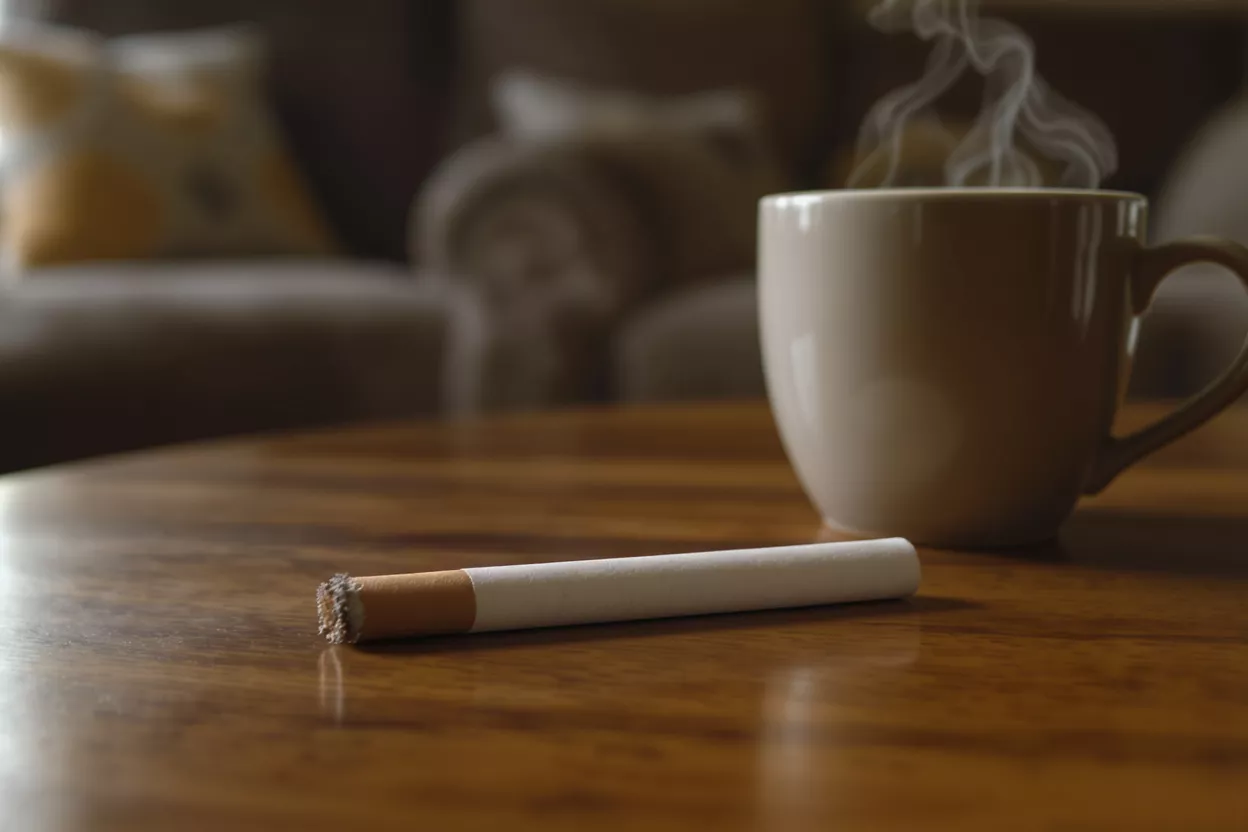
Start with a fine, even grind: Consistency is everything with a thin roll. Break your flower down with a grinder until it is fluffy and uniform, removing any stems that could poke through the paper. A clean grind from fresh, properly cured buds rolls far more smoothly than dense or sticky material, so good curing at the source pays off in the final product.
Lay a thin, straight line of flower along the crease of the paper. Resist the urge to overfill. Add a pre-rolled paper cone or a small crutch at the mouth end to keep the tip open and give the roll structure. The crutch, sometimes called a tip or filter, prevents flower from pulling into your mouth and makes the narrow tube easier to hold.
Tuck and roll tightly, then seal with a light pass of moisture along the glue line. The key with a pinner is even pressure: roll it firm so it holds its slim shape, but not so tight that air cannot pass. Here is a quick checklist to keep handy:
- 🌿 Grind fine: uniform flower packs evenly into a thin tube.
- 📏 Less is more: a pinch of flower is plenty for one pinner.
- 🧷 Use a crutch: keeps the tip open and the roll rigid.
- 💨 Test airflow: a gentle dry draw before sealing reveals blockages.
Pinner Joint vs Regular Joint
The clearest difference is volume. A regular joint is built to share and to deliver a generous experience, while a pinner is built to be efficient and personal. One is a cola of a roll; the other is a slim spear. Understanding when to reach for each makes you a more thoughtful smoker.
When a pinner wins: Solo sessions, microdosing, sampling a new strain, or stretching a small stash all favor the thin roll. Because it burns slower and cooler, a pinner can also taste cleaner, letting terpene notes like the lemony cymene or the rosy citronellol in certain cultivars come through without being buried under heavy smoke.
When a regular joint wins: Group sessions and celebrations call for something with more presence. A fatter joint passes well, lasts longer in rotation, and delivers the bigger hit some occasions warrant. Neither is objectively better; they simply serve different goals. Many smokers keep a stash of slim rolling papers for everyday pinners and reserve wider papers for company.
Best Papers for a Pinner Joint
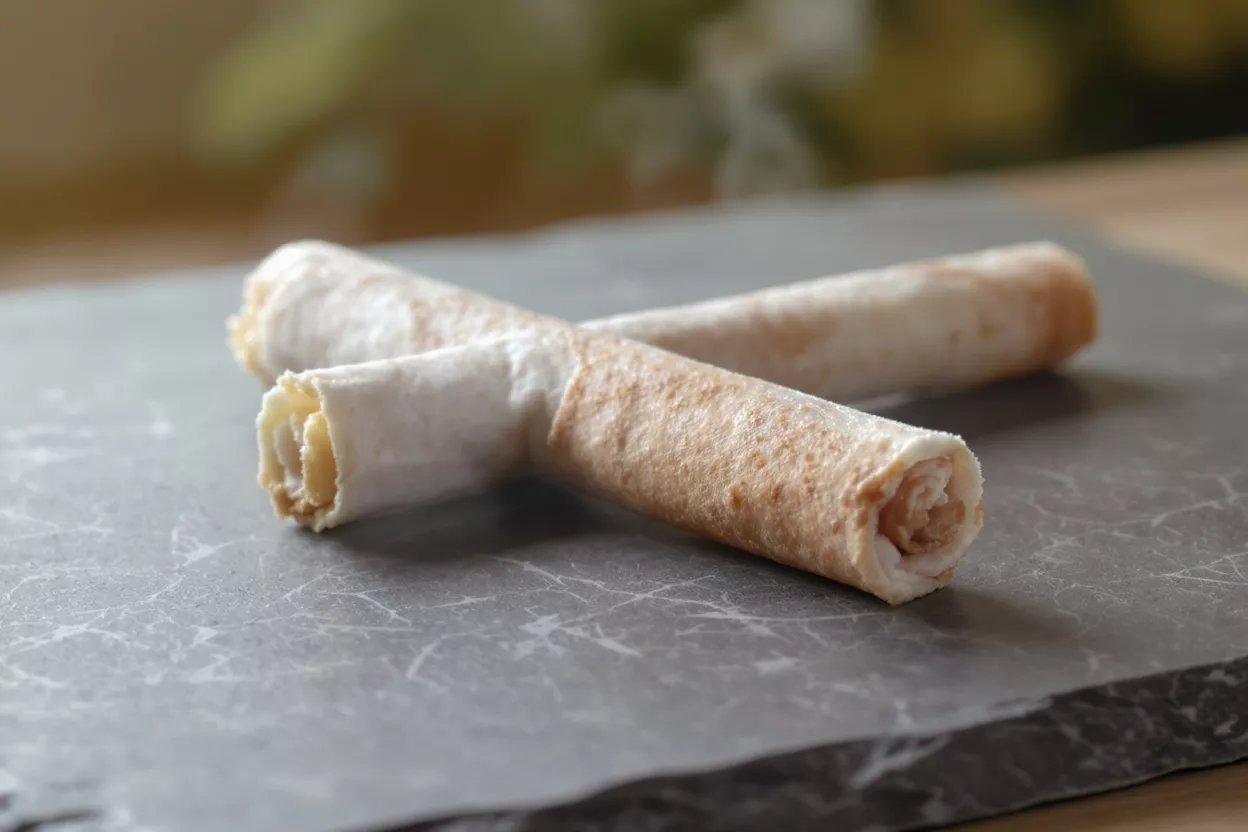
Paper choice has an outsized effect on a thin roll. Because there is so little flower inside, the paper itself contributes more to flavor and burn than it would in a fat joint. Ultra-thin rice or hemp papers are popular for pinners because they burn slowly, add minimal taste, and hug a slim profile cleanly.
Width matters as much as material. Single-wide papers are practically made for pinners, giving you just enough surface to wrap a thin line without excess paper bunching at the seam. Some rollers trim wider papers down for the same effect, though purpose-cut single-wides save fuss.
Consider the burn characteristics too. Slow-burning papers help a pinner last, while overly thick papers can cause uneven combustion and that telltale runaway burn on one side. According to consumer health guidance summarized by GoodRx, choosing simpler, additive-free smoking materials is generally the more cautious route, which makes clean, unbleached papers a sensible default for a pinner.
- 🍚 Rice papers: thinnest burn, near-neutral flavor, slow combustion.
- 🌱 Hemp papers: slightly more grip and a mild earthy note, easy to roll.
- 📐 Single-wide width: ideal footprint for a slim, even line of flower.
- ⚪ Unbleached: avoids extra additives and keeps the flavor clean.
How Much Flower Goes in a Pinner Joint
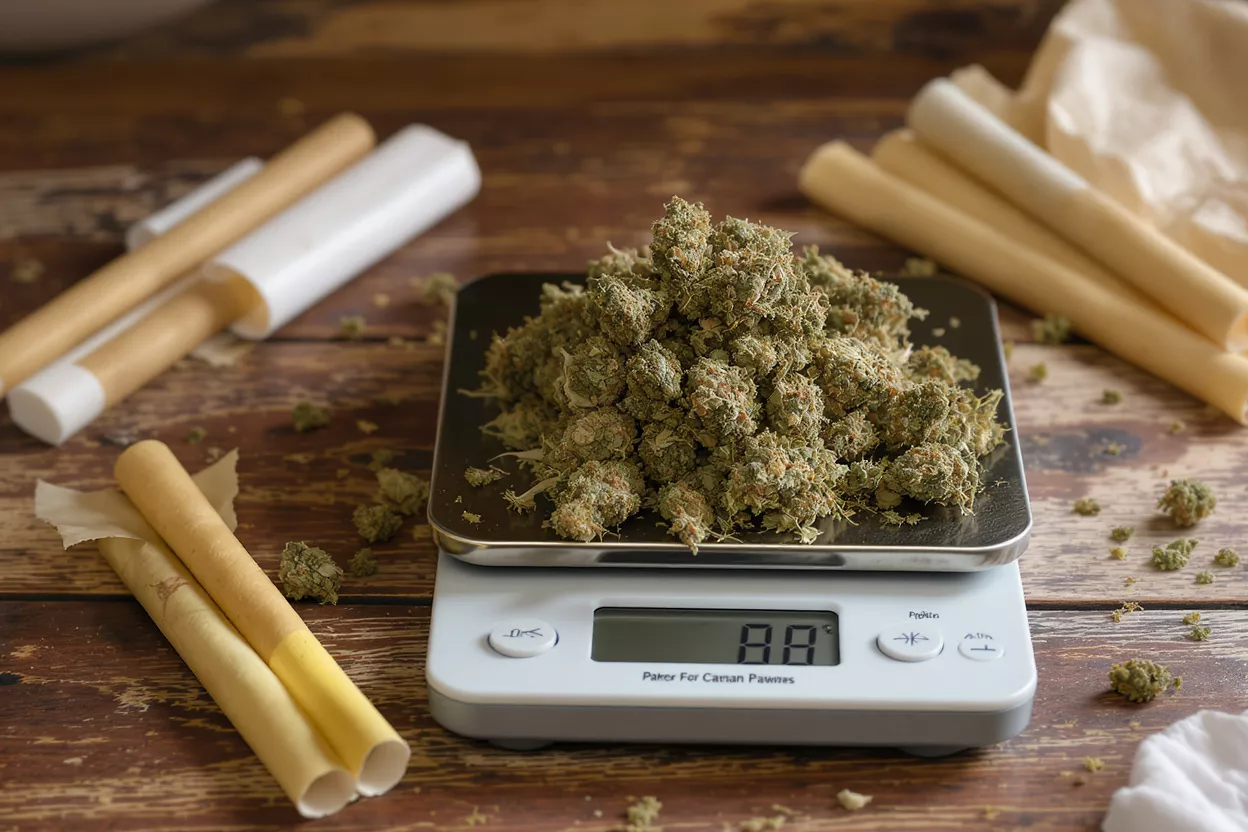
A typical pinner uses somewhere between a tenth and a quarter of a gram of flower. That is a meaningful contrast with a standard joint, which often carries a third of a gram to a full gram. The exact amount depends on your paper size and how lean you want the roll, but the guiding principle is restraint.
Because the quantity is small, the quality of what you load becomes more noticeable. A well-grown, carefully cured clone of a favorite cultivar will shine in a pinner where every milligram counts. Cheaper, harshly dried flower has nowhere to hide in such a thin roll, so the pinner format actually rewards good cultivation and patient curing.
Dose-wise, that smaller load translates into a gentler, more predictable session. If you are deliberately keeping things light, a pinner paired with mindful pacing is one of the easiest analog ways to manage intake without weighing concentrate slurry or measuring out a CO2 oil cartridge. The flower goes in, the dose stays modest, and you remain in control.
Pinner Joint Burn and Airflow Tips
Tightness governs everything: A pinner rolled too loose will burn fast and harsh; rolled too tight, it chokes airflow and goes out. The sweet spot is a firm, even pack that still lets a gentle test draw pull cleanly. Practice on a few rolls and your fingers will learn the right pressure.
Light it evenly. Because a pinner is narrow, an uneven light easily causes canoeing, where one side races ahead of the other. Rotate the tip slowly in the flame and take soft initial puffs to establish a level cherry. A clean, ringed ember at the tip is the sign you did it right.
Store and handle gently. Thin rolls are fragile, so a hard case or tube protects a pinner from getting crushed in a pocket. If you carry several, a small storage tin keeps them straight and ready, which is far better than fishing a bent, cracked pinner out of a bag. A purpose-made portable joint case earns its keep here.
Are Pinner Joints Better for Microdosing
For many people, yes. The whole appeal of microdosing is taking the smallest effective amount, and a pinner is naturally suited to that goal. Less flower, smaller draws, and a slower burn add up to a format you can stop at any point without feeling you wasted a fat joint.
The functional crowd appreciates this most. A couple of light puffs from a pinner can deliver clarity and ease without the heavy sedation or cottonmouth that a bigger session might bring. Pairing a low dose with hydration and even a wellness supplement like cordyceps or curcumin is a common routine among people who treat cannabis as part of a broader regimen rather than the whole event.
That said, individual responses vary widely, and tolerance, strain potency, and how deeply you inhale all shift the outcome. Health references such as GoodRx emphasize starting low and going slow whenever you are calibrating any cannabis routine, and the pinner is arguably the most beginner-friendly roll for following that advice honestly.

Common Pinner Joint Mistakes to Avoid
Overfilling the paper: The single most frequent error is treating a pinner like a regular joint and cramming in too much flower. That defeats the purpose and produces a lumpy, hard-to-light roll. Discipline with quantity is what makes a pinner a pinner.
Skipping the grind is another pitfall. Chunky, hand-broken flower with stems and uneven density rolls poorly into a thin tube and burns unpredictably. A proper grind, free of cone-clogging debris, is non-negotiable for a clean pinner. Likewise, rolling damp or improperly cured flower invites a sour taste and a stubborn, smoldering burn.
Finally, do not ignore the seal and the tip. A poorly licked glue line unravels mid-session, and a missing crutch lets flower migrate into your mouth. Take the extra few seconds to seal cleanly and add a crutch, and your pinner will reward you with a smooth, dependable smoke every time.
Pinner Joint FAQ
How long does a pinner joint last? Because it holds less flower and burns slowly, a single pinner usually lasts one short solo session of a few minutes, longer if you take spaced, gentle draws. Many people find one pinner is plenty for an evening when their goal is a light, controlled buzz.
Is a pinner joint better for beginners? In many ways, yes. The smaller dose makes it forgiving, helping new smokers avoid overconsumption while they learn their limits. Starting with a pinner and a freshly ground, well-cured cross of a mild cultivar is a sensible way to ease into the experience without overdoing it.
Can you roll a pinner with a cone? Absolutely. Slim pre-rolled cones exist specifically for this, giving you the pinner's thin profile with the convenience of a ready-made shape and built-in crutch. Whether you roll by hand or use a cone, the principles stay the same: grind fine, fill lean, pack evenly, and burn slow. Master those, and the humble pinner becomes one of the most economical and controllable ways to enjoy your flower.