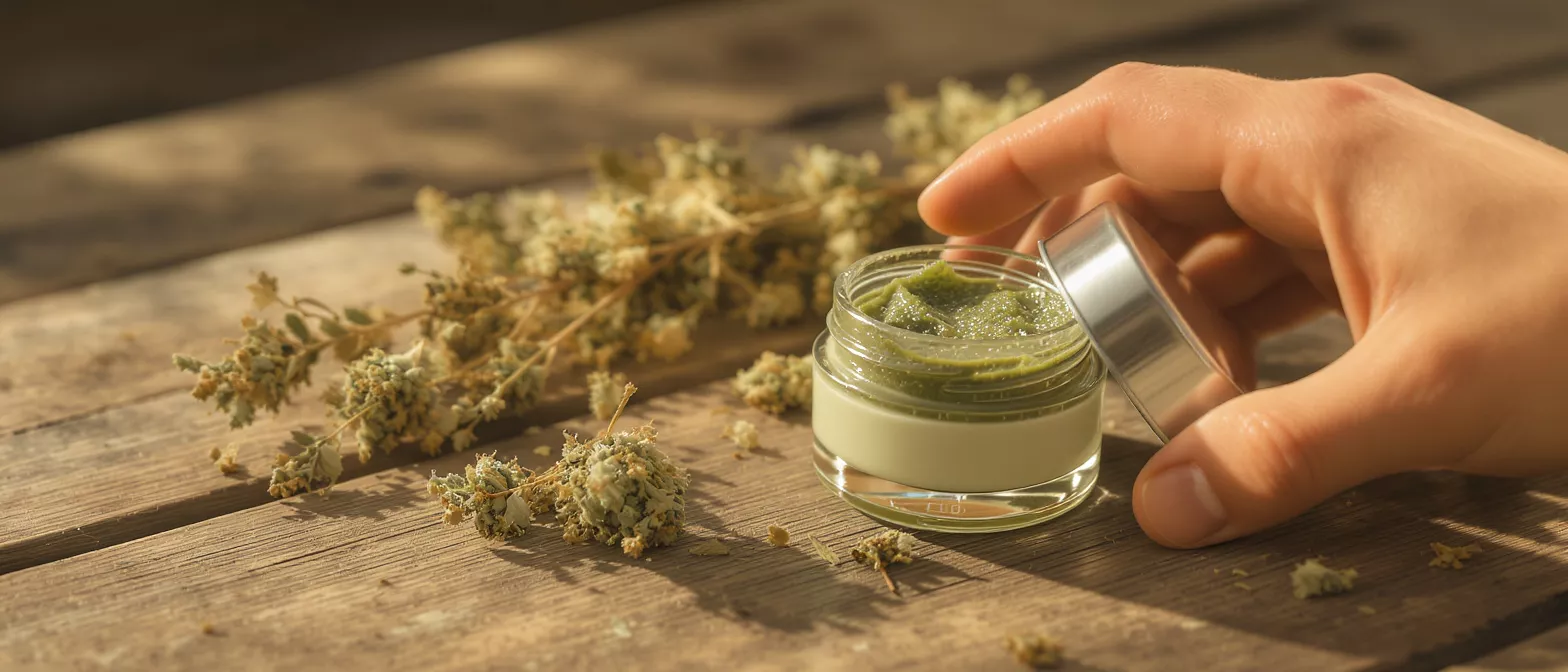
thc pain relief rub
Discover how THC pain relief rub targets sore muscles locally without the high.
What Is a THC Pain Relief Rub?
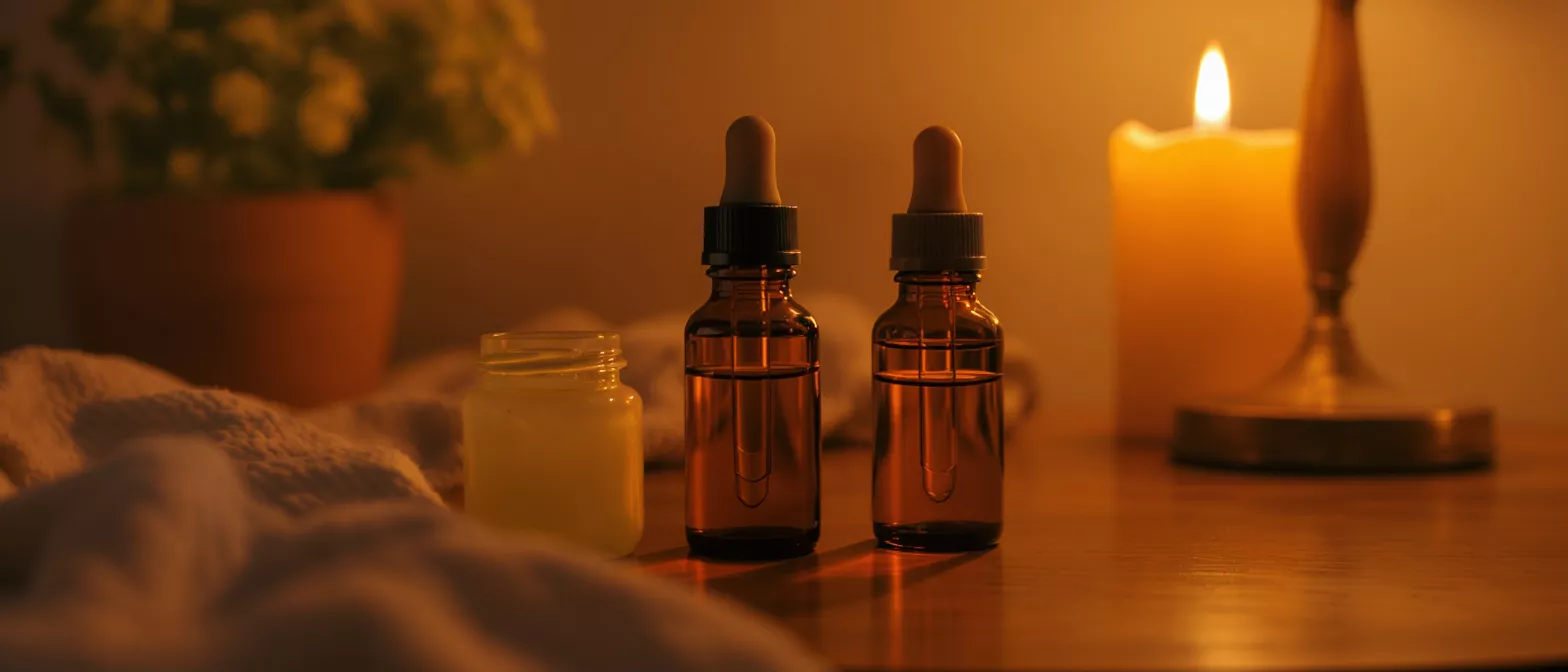
A THC pain relief rub is a cannabis-infused topical—usually a balm, salve, or cream—designed to be massaged directly into the skin over an area of discomfort. Unlike edibles or vapes, it targets localized aches without sending you into a haze. The product blends cannabis extract with carrier oils, plant butters, and aromatic compounds so the active ingredients can sit where they are needed: on a stiff shoulder, an arthritic knuckle, or a knot in your lower back.
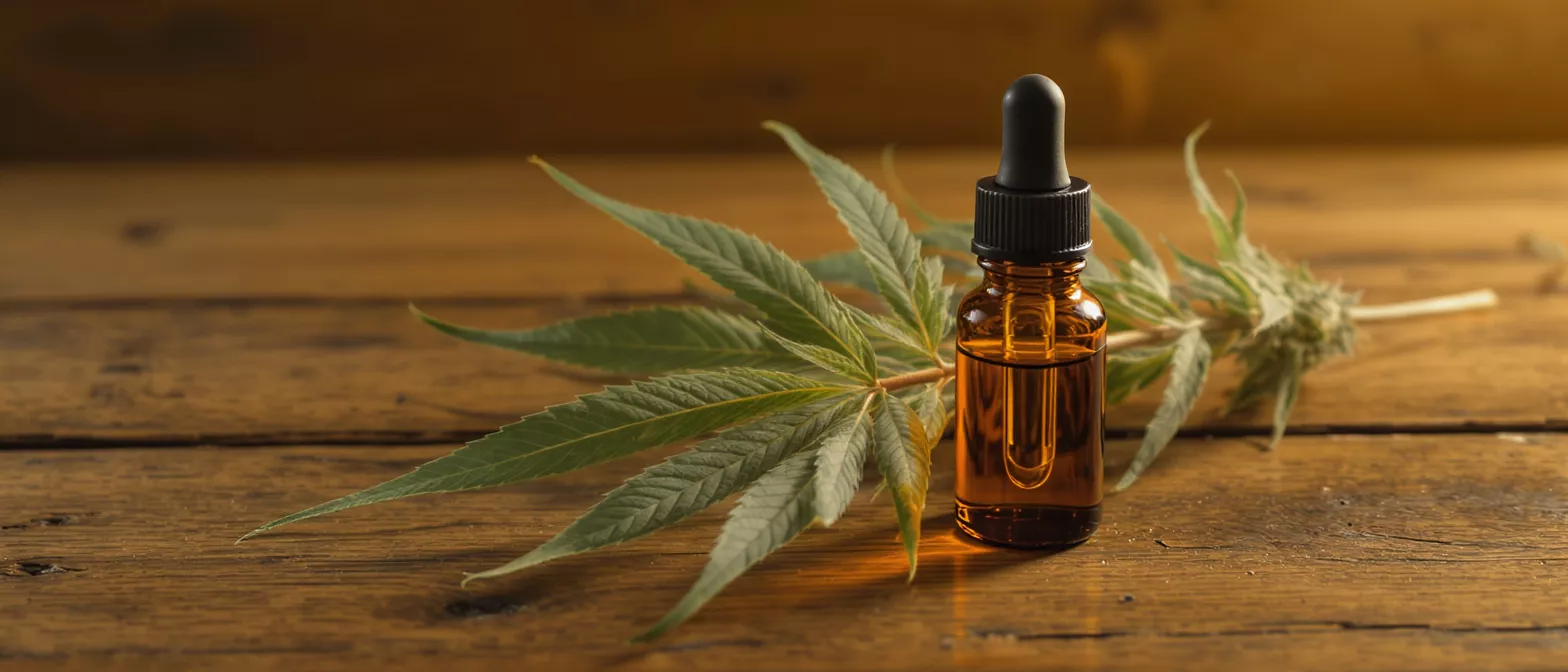
The cannabis component typically comes from a high-quality extraction process. Many premium rubs use CO2 extraction to pull cannabinoids cleanly from the plant without harsh solvents, producing a CO2 oil that carries THC, minor cannabinoids, and terpenes. That terpene profile matters more than people expect—compounds like citronellol and cymene contribute both aroma and their own soothing reputations.
Because the skin is the body's largest organ and is rich in cannabinoid receptors, a topical rub offers a route to relief that bypasses the digestive system entirely. People reaching for a fast-acting muscle recovery balm after a workout often prefer this format precisely because it goes to work right where it is applied. According to the Society of Cannabis Clinicians, topical cannabinoid products are among the most approachable entry points for patients new to cannabis.
How Does a THC Pain Relief Rub Work?
The endocannabinoid system in your skin: Your epidermis and the tissue beneath it contain CB1 and CB2 receptors that form part of the endocannabinoid system. When THC and other cannabinoids in a rub make contact, they interact with these local receptors to influence inflammation signaling and pain perception in that specific region rather than throughout the whole body.
This localized action is why a properly formulated rub rarely produces intoxication. The cannabinoids penetrate the upper layers of skin and surrounding tissue but, in most cases, do not reach the bloodstream in meaningful amounts. You get the soothing effect over a sore joint without the head change associated with inhaling or ingesting cannabis—no couch lock, no cottonmouth.
Why carrier ingredients matter: Cannabinoids are fat-soluble, so the oils and butters in a rub are not filler—they are delivery vehicles. A blend rich in ingredients like menthol or capsaicin adds a warming or cooling sensation that complements the cannabinoids, while emulsifiers help the concentrate slurry spread evenly. The result is a topical that absorbs rather than sitting greasy on the surface.
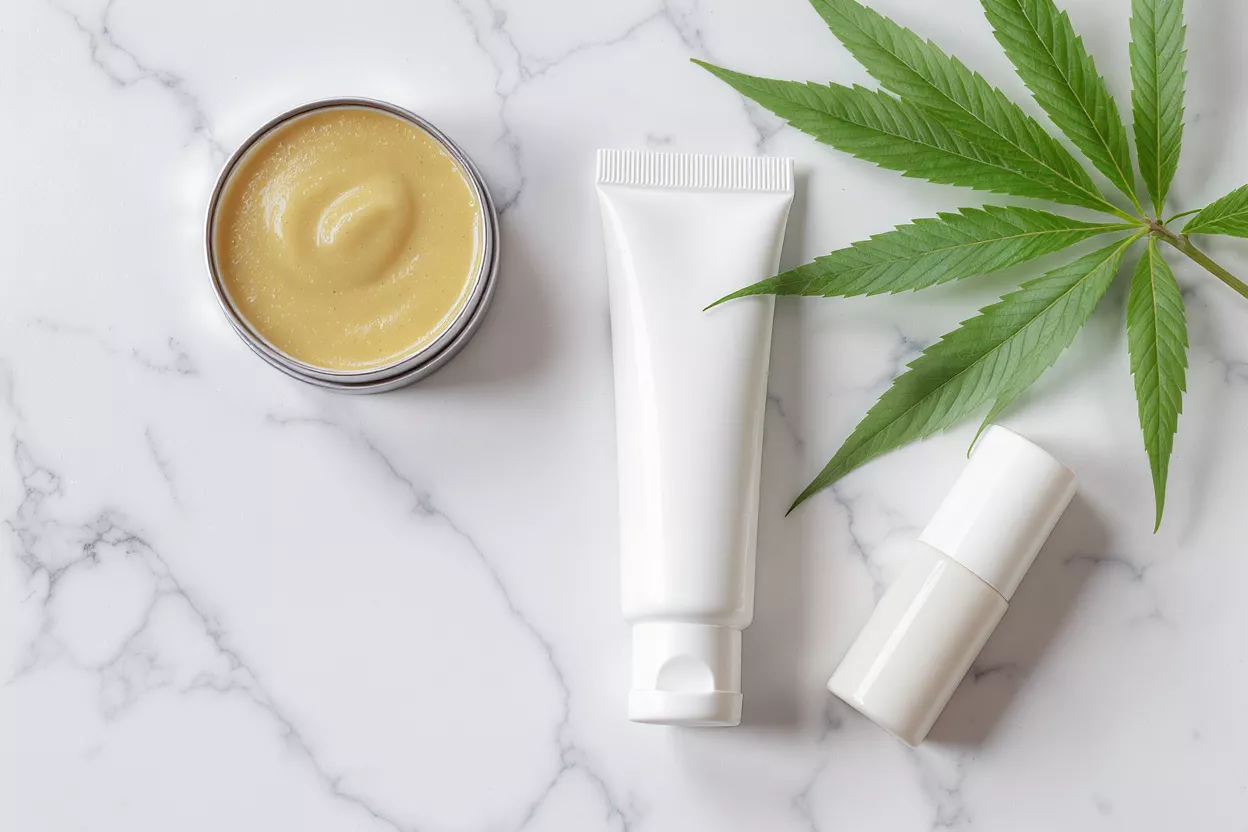
THC Pain Relief Rub Benefits for Sore Muscles
The appeal of a topical comes down to targeted, non-intoxicating relief. Athletes, gardeners, desk workers, and people managing chronic conditions all gravitate toward rubs for the same reason: they want to address one specific area without committing to a whole-body experience.
Here is what users most often report from a quality THC pain relief rub:
- 💪 Muscle recovery: Soothing relief for post-exercise soreness and tension knots after heavy cultivation work in the garden or a tough gym session.
- 🦴 Joint comfort: Many people with stiff, achy joints apply a rub to hands, knees, and elbows for localized ease.
- 🌿 Non-psychoactive use: Relief without the high, making it practical for daytime application before work or errands.
- 🔥 Warming or cooling sensation: Added menthol or capsaicin provides an immediate sensory cue that the product is working.
It is worth setting realistic expectations. A rub is a comfort measure, not a cure for the underlying condition. Pairing it with stretching, hydration, and rest tends to deliver the best outcomes, and many people keep a cooling joint relief salve in the gym bag for exactly those moments.
Types of THC Pain Relief Rub and Topicals
Not all topicals are built the same. The category spans light lotions to dense balms, and the texture you choose affects how it feels and how long it stays put.
Balms and salves are the densest options, built on beeswax and plant butters. They cling to the skin and are ideal for deep, stubborn soreness. Creams and lotions are lighter, water-based or emulsified, and absorb quickly for daytime use. Roll-ons and sticks offer mess-free application for hands-on-the-go relief.
Beyond texture, formulations vary by cannabinoid content:
- 🌀 Full-spectrum: Contains THC alongside CBD, minor cannabinoids, and terpenes for a fuller entourage effect.
- 💧 THC-dominant: Higher THC for those who want the cannabinoid front and center in their rub.
- 🍃 Botanical blends: Cannabis paired with arnica, curcumin from turmeric, or cordyceps mushroom extract for added plant synergy.
- ❄️ Cooling formulas: Menthol-forward rubs for a brisk, refreshing finish.
Some artisanal makers even start from a single clone or cross to control the terpene expression in their extract, ensuring batch-to-batch consistency in aroma and effect.
THC Pain Relief Rub vs CBD Topicals
One of the most common questions is whether a THC rub outperforms a CBD-only topical. The honest answer is that they serve overlapping but distinct purposes, and the best choice depends on your goals and local regulations.
THC topicals bring the psychoactive cannabinoid into the formula, which many users feel adds a more pronounced soothing quality for localized discomfort. Because absorption stays largely in the tissue, you still avoid the high. CBD topicals are non-intoxicating by nature and widely available, making them an easy first step. Research summarized by groups such as the Society of Cannabis Clinicians suggests both cannabinoids have anti-inflammatory potential when applied topically.
Many people find the sweet spot in a balanced rub that includes both. A 1:1 THC-to-CBD ratio gives you the contributions of each cannabinoid plus the surrounding terpenes—a small-scale entourage effect in a jar. If you are sensitive or simply curious, starting with a balanced product is a sensible way to gauge how your skin responds.
How to Use a THC Pain Relief Rub
Application is simple, but a little technique improves results. Start with clean, dry skin so nothing blocks absorption. Scoop a modest amount—roughly the size of a coin—and warm it briefly between your fingers before applying.
Massage the rub into the affected area using firm, circular strokes for thirty to sixty seconds. The mechanical action of massage boosts circulation and helps drive the cannabinoids into the tissue. Reapply every three to four hours as needed, and always wash your hands afterward to avoid transferring menthol or capsaicin to your eyes.
Dosing a topical rub: Unlike edibles, topicals are forgiving—there is no risk of "greening out" from too much. Still, a measured approach helps. Begin with a small amount on a single area, note how it feels over fifteen to twenty minutes, and increase coverage if needed. Keeping a simple log of what worked is invaluable if you manage recurring pain. After curing and proper storage, a well-made rub retains potency for many months, so a little goes a long way.
What Ingredients Are in a Good THC Pain Relief Rub?
The quality of a rub lives in its ingredient list. Beyond the cannabis extract itself, the supporting cast determines how it feels, smells, and performs on your skin.
Look for these hallmarks of a thoughtfully formulated topical:
- 🌱 Clean extract: Cannabis oil produced via CO2 extraction or a comparable clean method, free of residual solvents.
- 🐝 Natural base: Beeswax, shea or cocoa butter, and carrier oils like coconut or jojoba for smooth absorption.
- 🌶️ Active soothers: Menthol, camphor, capsaicin, or arnica for warming and cooling sensations.
- 🧡 Botanical boosters: Curcumin, citronellol-rich essential oils, and antioxidants that complement the cannabinoids.
Aromatic terpenes do double duty—citronellol lends a soft floral note while cymene contributes a sharper, herbal edge, and both have been studied for their own properties. A transparent maker will publish a certificate of analysis so you can verify cannabinoid content and confirm the product is free of contaminants. If you are shopping for a full-spectrum topical balm, that lab sheet is your best friend.
Is a THC Pain Relief Rub Safe?
For most adults, a topical THC rub is among the gentlest ways to use cannabis. Because it does not enter the bloodstream in significant amounts, it carries a very low risk of intoxication or impairment, even at generous application.
Patch testing and skin sensitivity: The main caution is the skin itself. Ingredients like capsaicin and menthol can irritate sensitive skin, so a patch test on the inner forearm before full use is wise. Never apply a rub to broken skin, open wounds, or mucous membranes, and keep it well away from your eyes.
A word on drug testing: while topicals rarely cause psychoactive effects, products with high THC content could theoretically register on a sensitive test, so factor that in if you are screened for work. The clinicians at the Society of Cannabis Clinicians recommend consulting a knowledgeable provider if you take other medications or manage a chronic condition. Used thoughtfully, a rub is a low-risk addition to a pain-management routine—and there is no crossfade concern since you are not combining it with anything ingested.
Choosing the Best THC Pain Relief Rub
With shelves and menus full of options, narrowing down the best THC pain relief rub for you comes down to a few practical criteria. Start with potency: check the milligrams of THC (and CBD) per jar so you can compare products fairly rather than guessing from marketing language.
Next, weigh the sensory experience and intended use. A cooling, menthol-forward formula suits a fresh-from-the-gym application, while a rich, buttery balm is better for nighttime joint care. Consider the supporting botanicals too—arnica, curcumin, and cordyceps each bring their own traditional reputations to the blend.
Finally, prioritize transparency and craftsmanship. The best makers share extraction details, terpene profiles, and third-party lab results without hesitation. A brand that talks openly about its cultivation, curing, and CO2 oil sourcing is one that stands behind its product. When the texture absorbs cleanly, the scent is pleasant, and the relief is real, you have found a keeper.
THC Pain Relief Rub Questions Answered
Will a THC rub get me high? In nearly all cases, no. A standard topical works locally and does not deliver enough THC into the bloodstream to cause intoxication. You get the soothing benefit without the head change, which is exactly why so many people choose this format for daytime use.
How long does relief last? Most users feel effects within fifteen to thirty minutes, with relief lasting two to four hours. Reapplication is safe and often welcome for stubborn discomfort, and the dense balm formats tend to linger longest because they cling to the skin.
A THC pain relief rub offers a refreshingly simple proposition: targeted, non-intoxicating comfort applied exactly where you need it. By choosing a product built on clean extraction, natural carriers, and transparent lab testing, you give yourself the best shot at meaningful relief. Whether you are easing post-workout soreness or managing day-to-day joint stiffness, a well-made rub earns its place in your wellness kit—a small jar with a big, focused job to do.