

Anther
Learn what an anther does in cannabis plants.
What Is an Anther in Cannabis
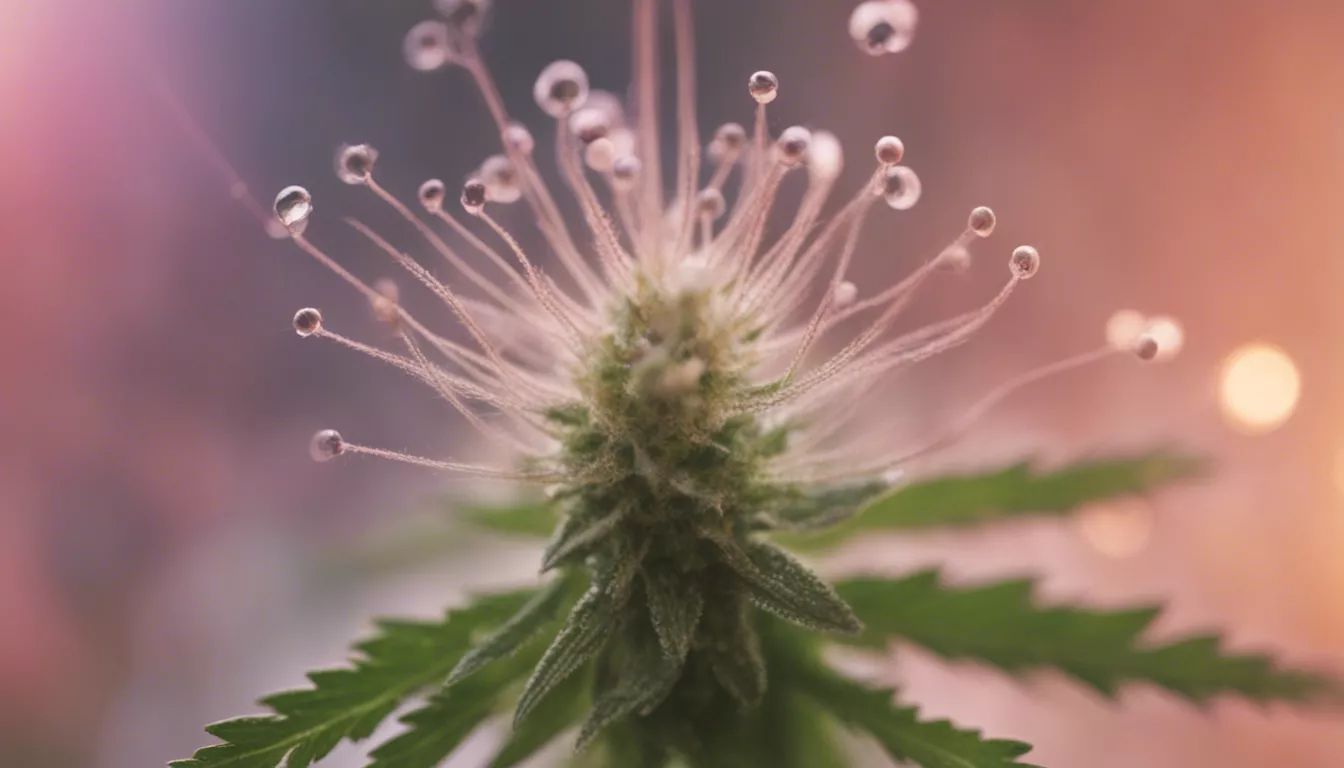
The anther is the pollen-producing organ found within the male flower of the cannabis plant, and understanding it unlocks a deeper appreciation for how this remarkable species reproduces. While most cannabis enthusiasts focus on the resinous buds of female plants, the anther plays an equally vital role in the life cycle of the plant. Without it, there would be no pollen, no fertilization, and ultimately no seeds to carry genetics forward to the next generation.
The botanical definition: In flowering plants, the anther is the part of the stamen that contains and releases pollen. In cannabis specifically, anthers form inside the small, ball-like male flowers that hang in clusters from the nodes of a male plant. Each anther is essentially a microscopic factory dedicated to manufacturing the genetic material needed for sexual reproduction.
For growers, breeders, and curious cultivators alike, recognizing what an anther is and how it behaves is foundational knowledge. It bridges the gap between casual cultivation and intentional, controlled breeding, where the timing and management of pollen release can make or break an entire harvest. This guide explores every facet of the anther, from its delicate structure to its outsized impact on cannabis genetics.
How Anthers Produce Pollen
Pollen production within the anther is a precisely orchestrated biological process that begins well before the male flower is visible to the naked eye. As the male cannabis plant transitions into its reproductive stage, specialized cells inside the developing anther undergo a series of divisions that eventually yield mature pollen grains. Each of these grains carries half the genetic blueprint required to create a new plant.
The role of sporogenous tissue: Deep within the anther lies sporogenous tissue, the cellular starting point for pollen. These cells multiply and then undergo meiosis, a form of cell division that halves the chromosome count and introduces genetic variation. The result is a population of pollen grains, each genetically unique, which is precisely why cannabis populations grown from seed display such striking diversity.
As pollen matures, it accumulates a tough outer coating designed to protect the delicate genetic cargo inside. This coating allows pollen to survive its journey through the air, across distances that can span meters or even kilometers under the right wind conditions. A single male cannabis plant can produce staggering quantities of pollen, releasing millions of grains during its reproductive window.
Anther Anatomy and Structure
To truly understand the anther, it helps to examine its physical architecture. The cannabis anther is typically composed of four pollen sacs, also called microsporangia, arranged in a symmetrical structure. These sacs are where pollen grains develop and mature, held in reserve until environmental and developmental cues trigger their release.
The four-lobed design: Most cannabis anthers exhibit a characteristic four-lobed shape when viewed under magnification. This structure maximizes pollen storage while keeping the grains protected within fibrous walls until the moment of release. The walls themselves contain specialized cell layers that contribute to the eventual splitting open of the anther.
The anther connects to the rest of the male flower through a slender stalk called the filament. Together, the anther and filament form the stamen, the complete male reproductive unit. In cannabis, these stamens are clustered inside small sepals that give immature male flowers their distinctive ball or bell shape before they open.
- 🌼 Pollen sacs: Four microsporangia hold and protect maturing pollen grains.
- 🧬 Sporogenous tissue: The cellular origin point where pollen grains begin developing.
- 🪢 Filament: The slender stalk connecting the anther to the flower base.
- 🛡️ Anther walls: Fibrous layers that protect pollen and later facilitate release.
Male vs Female Cannabis Flowers
Cannabis is a dioecious plant, meaning individual plants are typically either male or female, each producing distinct reproductive structures. The anther belongs exclusively to the male flower, while female plants develop pistils tipped with sticky stigmas designed to catch airborne pollen.
Spotting the difference early: One of the most valuable skills a grower can develop is distinguishing male from female plants during the pre-flowering stage. Male flowers form small, rounded pollen sacs that hang downward in grape-like clusters, and these sacs house the anthers. Female flowers, by contrast, produce slender white hairs emerging from a teardrop-shaped calyx.
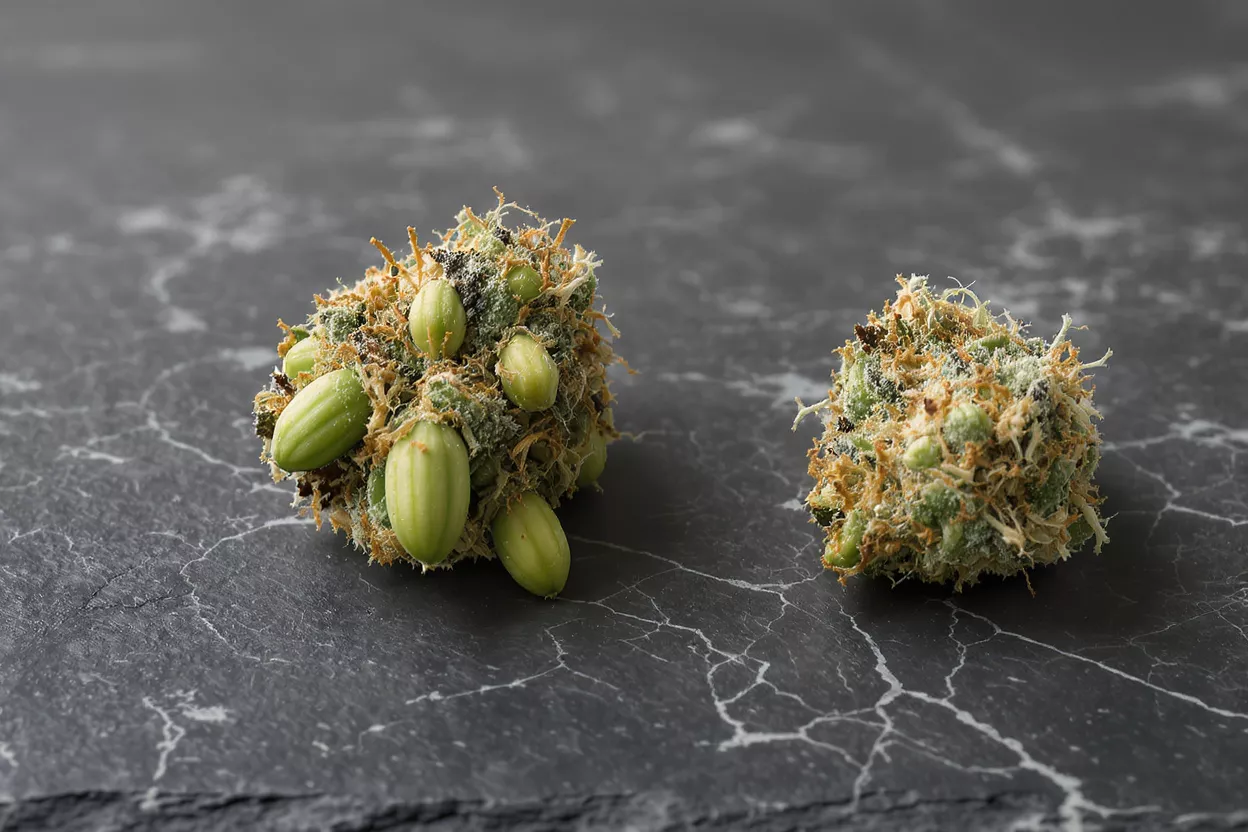
For most cultivators growing cannabis for consumption, female plants are the prize because they produce the resinous, cannabinoid-rich flowers prized in flower, concentrates, and edibles. Male plants, with their pollen-laden anthers, are usually removed early unless the grower specifically intends to breed and produce seeds. Knowing which is which, and acting quickly, protects a crop from accidental pollination.
How Anthers Release Pollen During Dehiscence
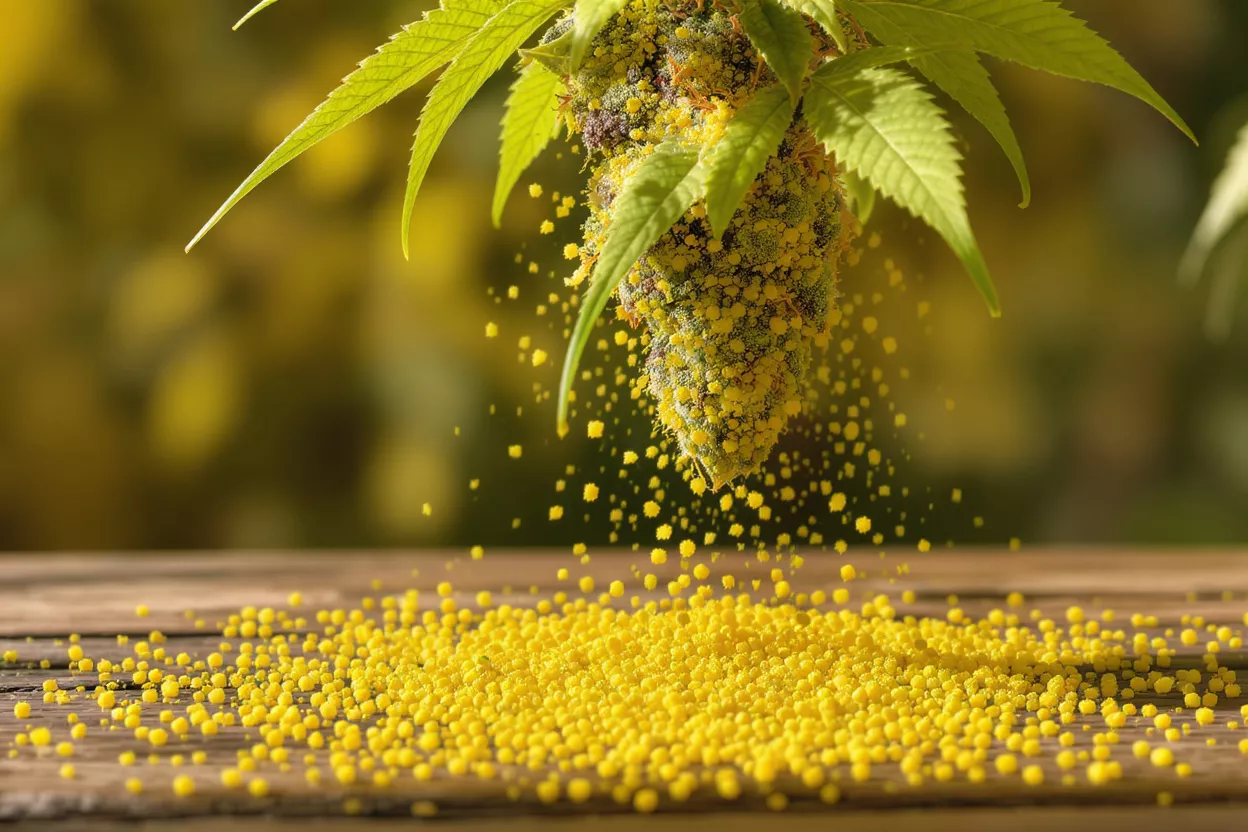
The dramatic moment when an anther splits open to release its pollen is known as dehiscence, a process driven by both internal cellular mechanics and external environmental conditions. As the male flower matures, the anther walls begin to dry and weaken along predetermined seams, eventually rupturing to expose the pollen within.
Environmental triggers: Humidity and temperature play significant roles in the timing of dehiscence. Lower humidity encourages the anther walls to dry and split, while warmth often accelerates the process. This is why male plants in a drying or warm environment can release pollen more readily, and why breeders carefully control these variables when they want to capture pollen at peak viability.
Once dehiscence occurs, pollen is carried away by even the slightest air movement. In an outdoor setting, wind disperses pollen across vast distances, while indoors, simple air circulation from fans can spread it throughout a grow room in moments. This is precisely why a single overlooked male plant can compromise an entire harvest if its anthers are allowed to open undetected.
Anthers and Hermaphrodite Cannabis Plants
Not every anther appears on a dedicated male plant. Hermaphroditic cannabis plants develop both male and female reproductive organs, meaning anthers can sprout directly among the buds of an otherwise female plant. These rogue anthers present one of the most frustrating challenges a grower can face.
Why hermaphroditism happens: Stress is the most common trigger for hermaphroditic anthers. Light leaks during the dark cycle, extreme temperature swings, nutrient imbalances, physical damage, and prolonged flowering beyond harvest can all push a female plant to produce male flowers as a survival mechanism. The plant, sensing a threat to its survival, attempts to self-pollinate and secure the next generation.
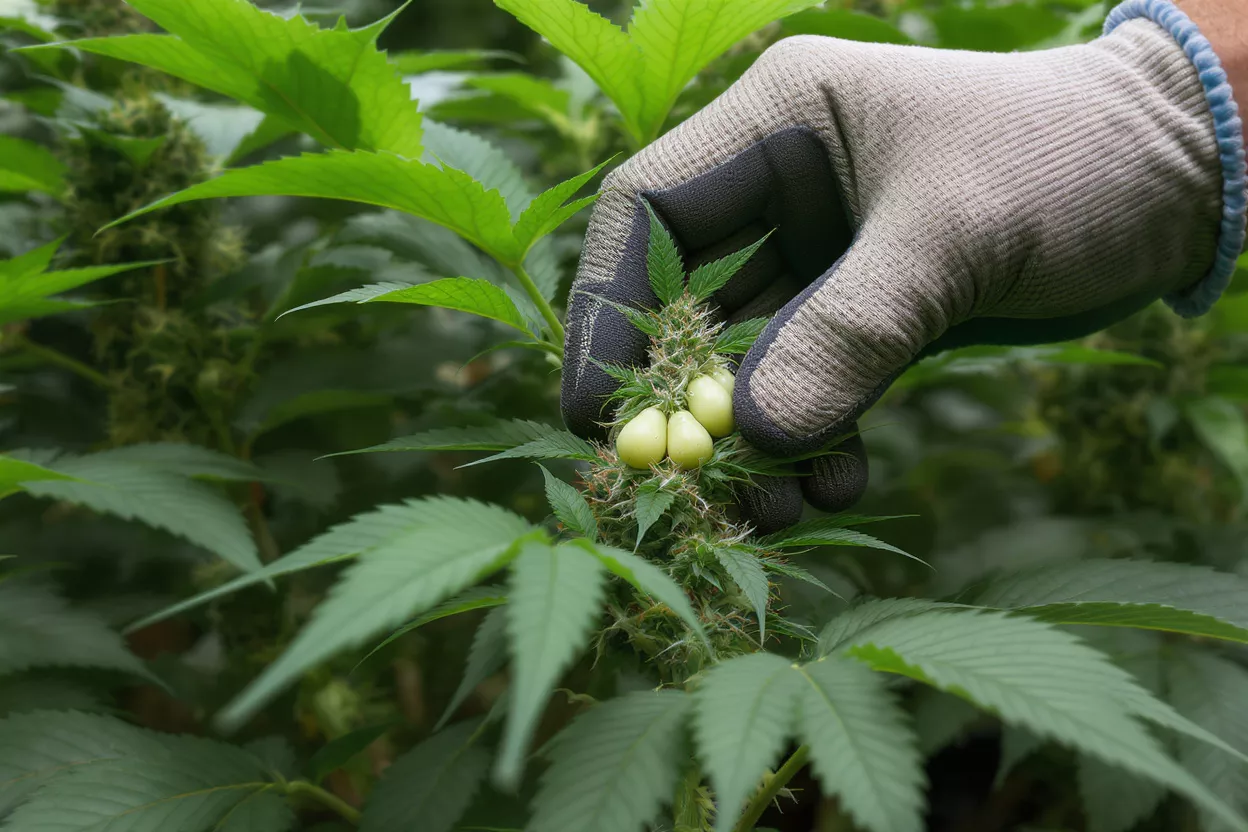
These stress-induced anthers often appear as small yellow or banana-shaped structures, sometimes called "nanners," emerging directly from the buds. Because they grow amid the flowers, they can self-pollinate the very plant they appear on, producing seeded buds with diminished quality. Vigilant inspection and stable growing conditions are the best defenses against this outcome.
Why Anthers Matter for Cannabis Breeding
For breeders, the anther is not a threat to be eliminated but a tool to be wielded with precision. Intentional breeding hinges on collecting viable pollen from selected male plants and applying it deliberately to chosen female flowers. The anther, as the source of that pollen, sits at the very heart of cannabis genetic development.
Selecting superior males: Experienced breeders evaluate male plants for traits like vigor, structure, disease resistance, and terpene production, even though males themselves produce little usable flower. The genetics carried within the anthers of a well-chosen male can dramatically influence the offspring, shaping everything from cannabinoid profiles to growth patterns.
By isolating a desirable male and collecting pollen directly from its anthers, breeders can perform controlled crosses that combine the best characteristics of two parent plants. This careful work is how new cultivars are born, how stable genetics are preserved, and how the diversity of modern cannabis continues to expand with each generation.
- 🔬 Trait selection: Choose males based on vigor, resistance, and aromatic potential.
- 🎯 Controlled pollination: Apply collected pollen to specific female branches only.
- 🧪 Genetic stability: Repeated selective crosses lock in desirable characteristics.
- 🌱 New cultivars: Deliberate anther management drives the creation of fresh strains.
Identifying Anthers in Your Grow
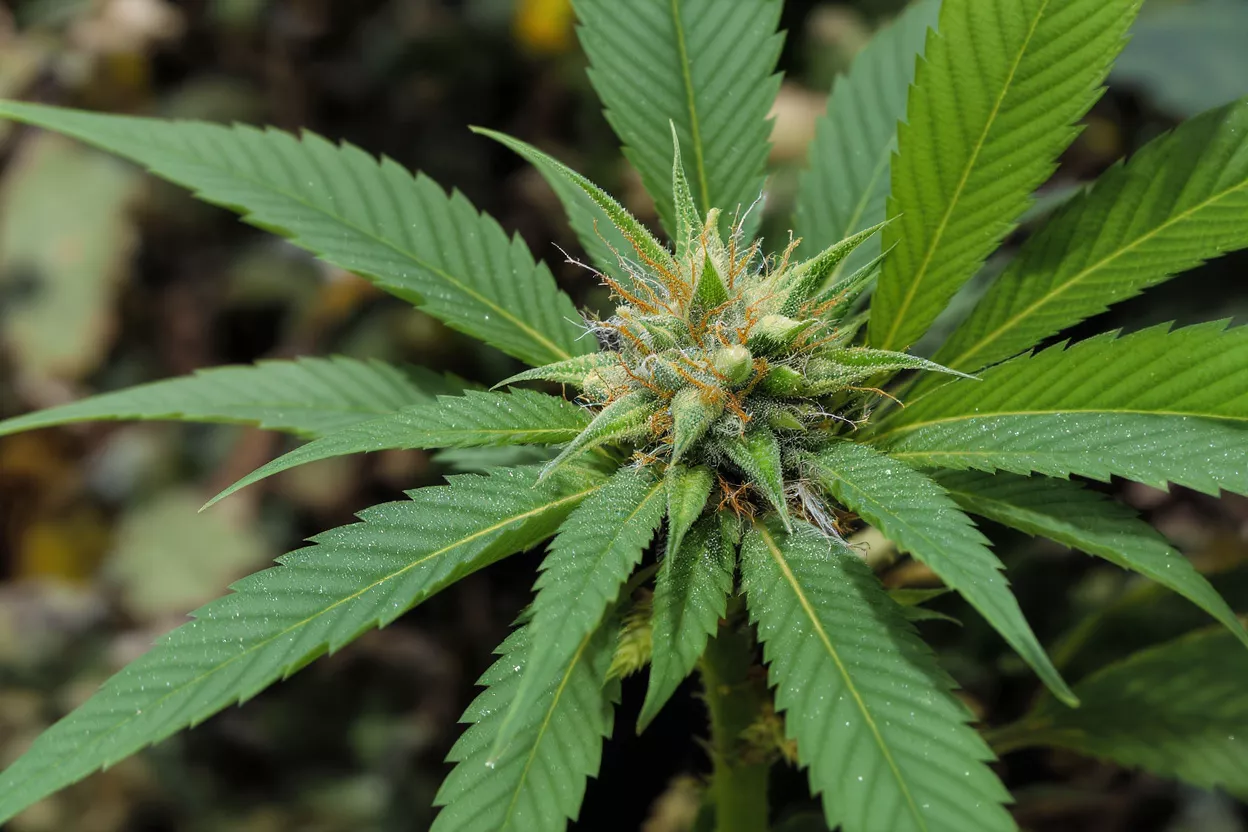
Recognizing anthers early can save a harvest, making identification a critical skill for any cultivator. Anthers reside inside the small pollen sacs of male flowers, and learning to spot these sacs before they open is the difference between a controlled grow and an accidentally seeded one. The earlier you identify them, the more options you have.
Where to look first: Male flowers and their anthers typically appear at the nodes, the points where branches meet the main stem. During pre-flowering, watch for small rounded structures that lack the white hairs characteristic of female flowers. A jeweler's loupe or a simple magnifying tool makes early identification far more reliable.
Timing matters enormously. Anthers do not release pollen the instant they form; there is usually a window of several days between the appearance of male flowers and the splitting of the anthers. Catching them within this window allows a grower to remove male plants or isolate them before any pollen escapes, preserving the integrity of the surrounding female plants.
Managing Anthers to Protect Your Crop
Once anthers are identified, the question becomes how to manage them effectively. For growers focused on producing seedless, resin-rich flower, the goal is to prevent anthers from releasing pollen anywhere near female plants. This requires both swift action and ongoing vigilance throughout the flowering cycle.
Removal best practices: When a male or hermaphroditic plant is discovered, the safest approach is often to remove it entirely and carefully, ideally before the anthers have opened. Handling the plant gently and removing it from the grow space prevents accidental pollen release. Some growers mist suspected anthers with water to neutralize loose pollen before extraction, since cannabis pollen loses viability when wet.
Prevention is always preferable to damage control. Maintaining stable environmental conditions, eliminating light leaks, avoiding plant stress, and inspecting regularly all reduce the likelihood of unwanted anthers appearing in the first place. A disciplined grower who checks plants consistently will rarely be caught off guard by an open anther releasing pollen across a flowering canopy.
Anthers in Seed Production and Genetics
When the goal shifts from seedless flower to deliberate seed production, the anther transforms from a liability into an indispensable asset. Seed production is the foundation of the entire cannabis industry, supplying the genetics that growers worldwide rely on, and it all begins with pollen released from carefully managed anthers.
Capturing and storing pollen: Breeders often collect pollen from anthers by gently tapping mature male flowers over wax paper or by enclosing flowering branches to catch the falling grains. Collected pollen can be dried and stored under cold, dry conditions, where it remains viable for extended periods, allowing breeders to cross plants that may not even flower at the same time.
The genetic diversity introduced through sexual reproduction is what keeps cannabis adaptable and resilient. Every pollen grain from an anther carries a unique recombination of parental genes, which means seed-grown populations naturally express variation that breeders can select from. This ongoing interplay between anther, pollen, and pistil is the engine that has driven thousands of years of cannabis evolution and continues to shape the cultivars of tomorrow.
From its microscopic four-lobed structure to its pivotal role in breeding, the anther proves that even the smallest part of the cannabis plant can carry enormous significance. Whether you are a grower racing to remove a male before pollen flies, or a breeder collecting that very pollen to craft a new cultivar, understanding the anther empowers you to work with the plant rather than against it. Master this knowledge, and you hold one of the keys to controlling and celebrating the full reproductive cycle of cannabis.
Comments