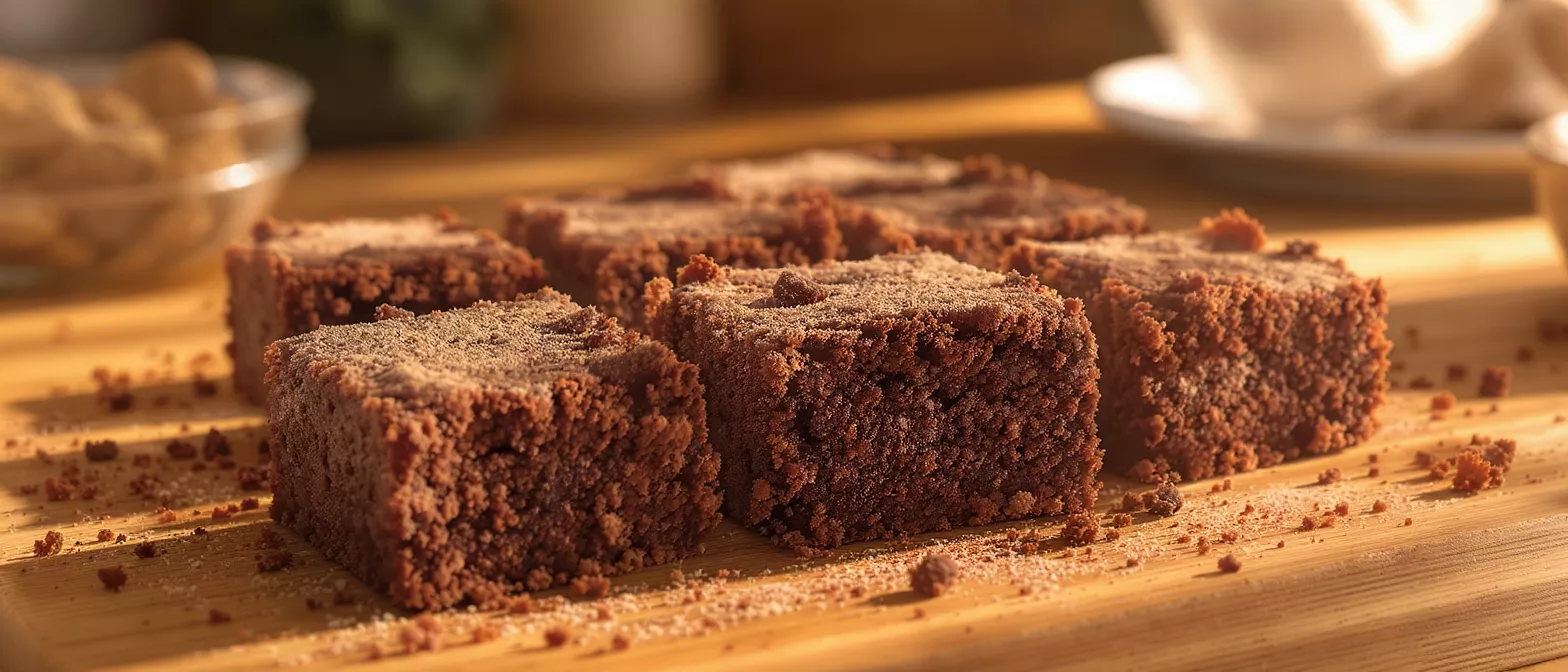
cannabis baked good
Learn how every cannabis baked good works, how to dose safely, and how to bake your own.
A cannabis baked good is one of the oldest and most beloved ways to enjoy the plant, blending the comfort of fresh-from-the-oven treats with the lasting effects of an edible. From the legendary brownie to artisan cookies, cakes, and breads, these infused creations have evolved from countercultural folklore into a sophisticated category found in dispensaries and home kitchens alike. Whether you are curious about how they work, how to dose them, or how to bake your own, this guide walks through everything you need to understand before you take that first bite.
Unlike inhaled cannabis, a baked good delivers its active compounds through your digestive system, which fundamentally changes the timing, intensity, and duration of the experience. That difference is exactly why edibles earn both their loyal following and their cautionary reputation. Understanding the science and the craft behind them turns an unpredictable snack into a reliable, enjoyable ritual.
What Is a Cannabis Baked Good?
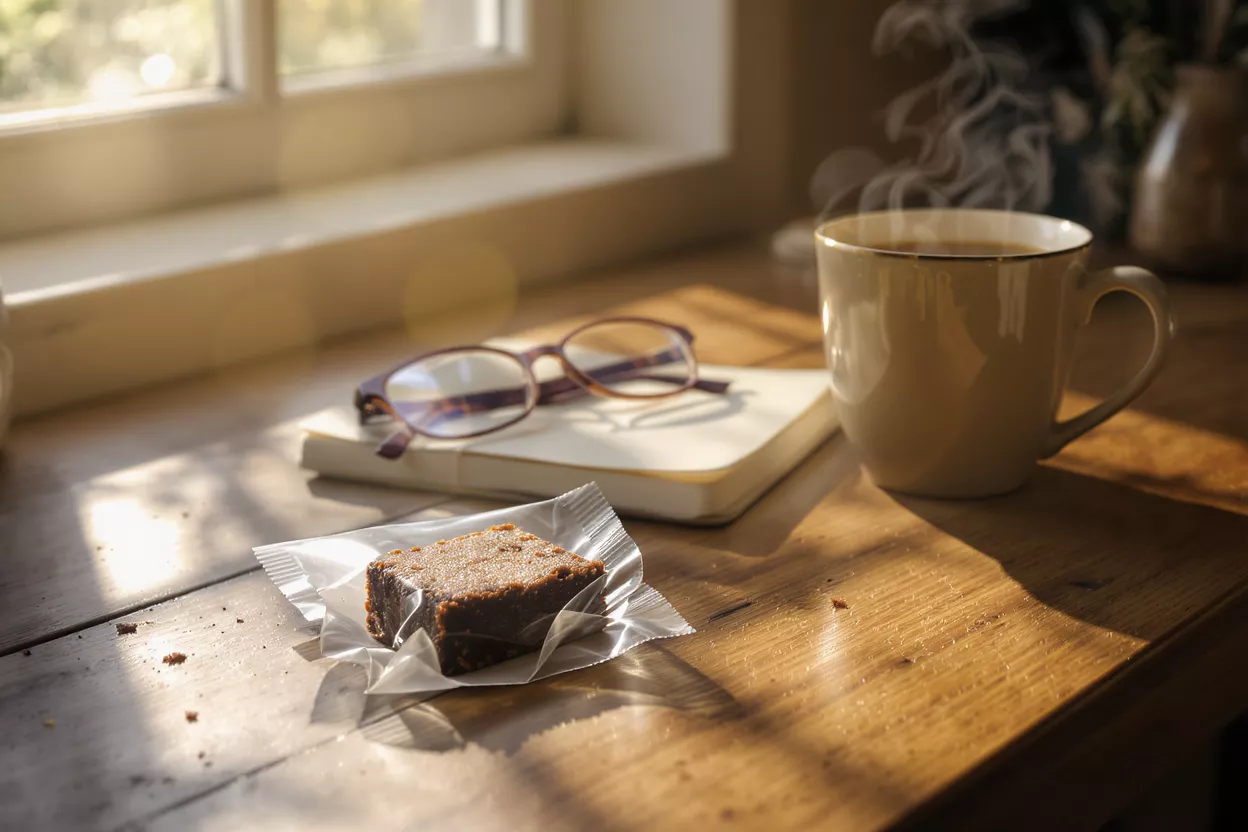
A cannabis baked good is any oven-prepared food product infused with cannabinoids, most commonly THC or CBD, using an infused fat such as cannabutter or cannabis oil. The category includes brownies, cookies, muffins, scones, and even savory breads. What unites them is the method: fat-soluble cannabinoids are dissolved into a butter or oil, which then carries them through the recipe and ultimately into your bloodstream after digestion.
Why fat matters so much: Cannabinoids like THC and CBD are lipophilic, meaning they bind to fats rather than water. This is why you cannot simply sprinkle ground flower into batter and expect consistent results. The plant material must first be decarboxylated and then steeped in a fatty medium. The quality of that infusion determines how evenly dosed and how potent your final treat will be.
The cultural backstory: The infused brownie became an icon in the 1950s and 60s, and the slang vocabulary that grew around cannabis cuisine, words like Cheeba for the flower itself, reflects how deeply baking became woven into cannabis culture. Today the craft has matured into a precise discipline backed by lab testing and standardized dosing. According to RxList, the way cannabinoids are metabolized through the liver after ingestion is a key reason edibles feel distinct from smoking.
How Cannabis Baked Goods Work in the Body
When you eat a cannabis baked good, the cannabinoids travel through your stomach and into the liver before reaching the bloodstream. This process, called first-pass metabolism, transforms a portion of THC into 11-hydroxy-THC, a more potent metabolite that crosses the blood-brain barrier readily. This conversion is the primary reason edible effects can feel stronger and more body-focused than inhaled cannabis.
The role of the endocannabinoid system: Once in circulation, cannabinoids interact with CB1 and CB2 receptors that regulate mood, appetite, pain perception, and sleep. Because the dose arrives gradually and lingers, the experience tends to build slowly and plateau for hours rather than peaking quickly.
Individual factors heavily influence the outcome. Metabolism, body weight, recent food intake, and tolerance all shape how a given dose feels. Eating a baked good on an empty stomach often produces a faster, sharper onset, while a full meal slows and softens the curve. For newcomers, a low-dose THC edible offers a far more forgiving introduction than a homemade brownie of unknown strength.
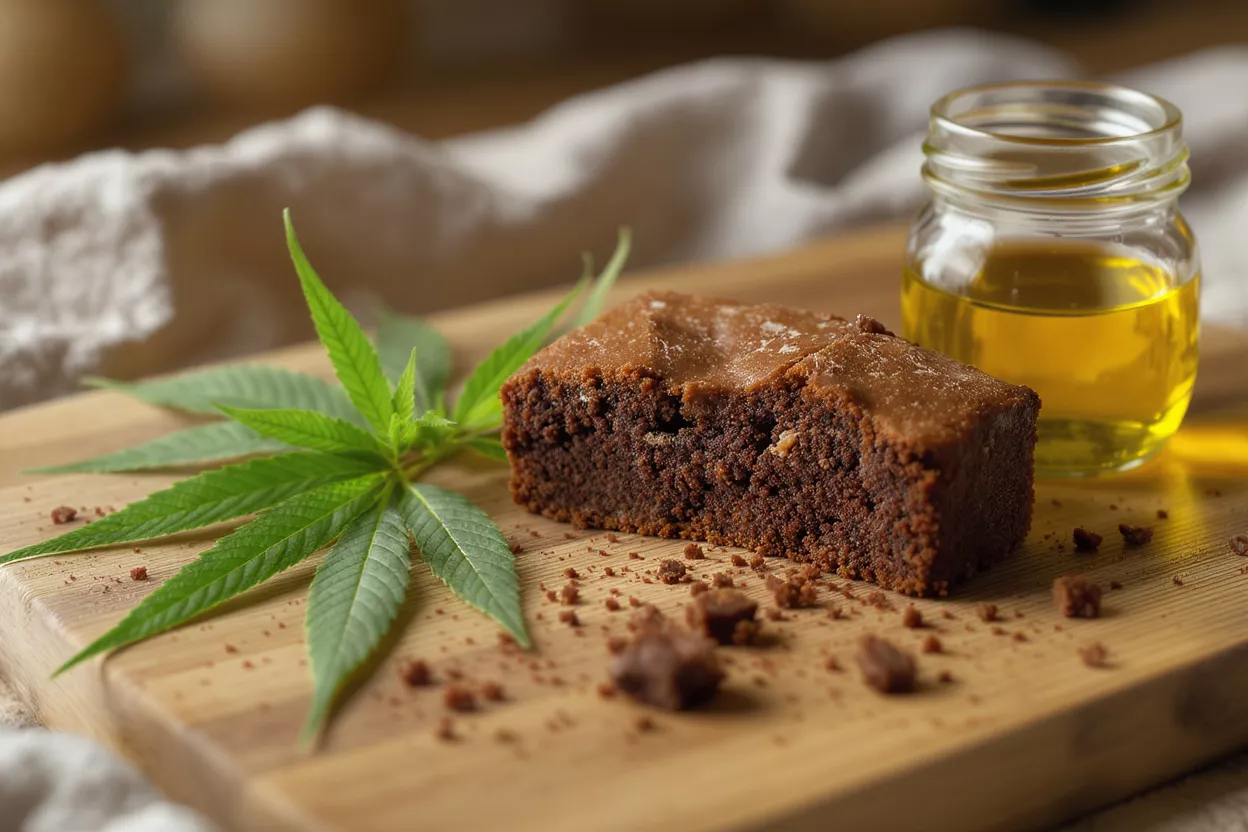
Types of Cannabis Baked Goods
The variety of cannabis baked goods has exploded as legal markets mature. What was once limited to a single hash brownie now spans an entire bakery case. Each format carries its own texture, flavor profile, and dosing considerations, giving consumers meaningful choice based on preference and occasion.
Popular formats you will encounter: The selection ranges from quick, snackable bites to celebratory desserts. Here is a scannable breakdown of the most common options:
- 🍫 Brownies: The classic. Dense, fudgy, and forgiving of cannabutter's grassy notes thanks to rich cocoa.
- 🍪 Cookies: Easy to portion into precise single doses, making them ideal for controlled experiences.
- 🧁 Muffins and cupcakes: Naturally portioned, great for grab-and-go dosing.
- 🍞 Breads and savory bakes: Lower in sugar, popular among wellness-focused consumers.
- 🎂 Cakes: Reserved for occasions, though even slicing is essential for consistent dosing.
Beyond the format, the cannabinoid profile distinguishes products. Some bakes lean entirely on THC for euphoria, while others blend in CBD, CBG, or CBN to create balanced or sleep-oriented effects. A bedtime cookie infused with CBN, for instance, targets relaxation rather than the heady high of a pure THC treat.
How Long Does a Cannabis Baked Good Take to Kick In?
Patience is the single most important skill when eating a cannabis baked good. Onset typically takes anywhere from 30 minutes to two hours, with most people feeling effects around the 60 to 90 minute mark. This delay is the root cause of the most common edible mistake: eating a second serving too soon because the first "did not work."
Why the wait varies so much: Digestion speed, whether you ate recently, and your individual metabolism all stretch or compress the timeline. A baked good eaten after a heavy meal may take the full two hours, while one consumed on a lighter stomach can hit closer to 30 minutes. The peak generally lands two to four hours after ingestion, and total duration can run six to eight hours.
Because the effects last so long, planning matters. Never eat an edible before driving, and give yourself a clear schedule with nothing demanding ahead. RxList notes that the prolonged duration of orally consumed cannabis is one of its defining pharmacological traits, which is precisely why dosing discipline is essential.
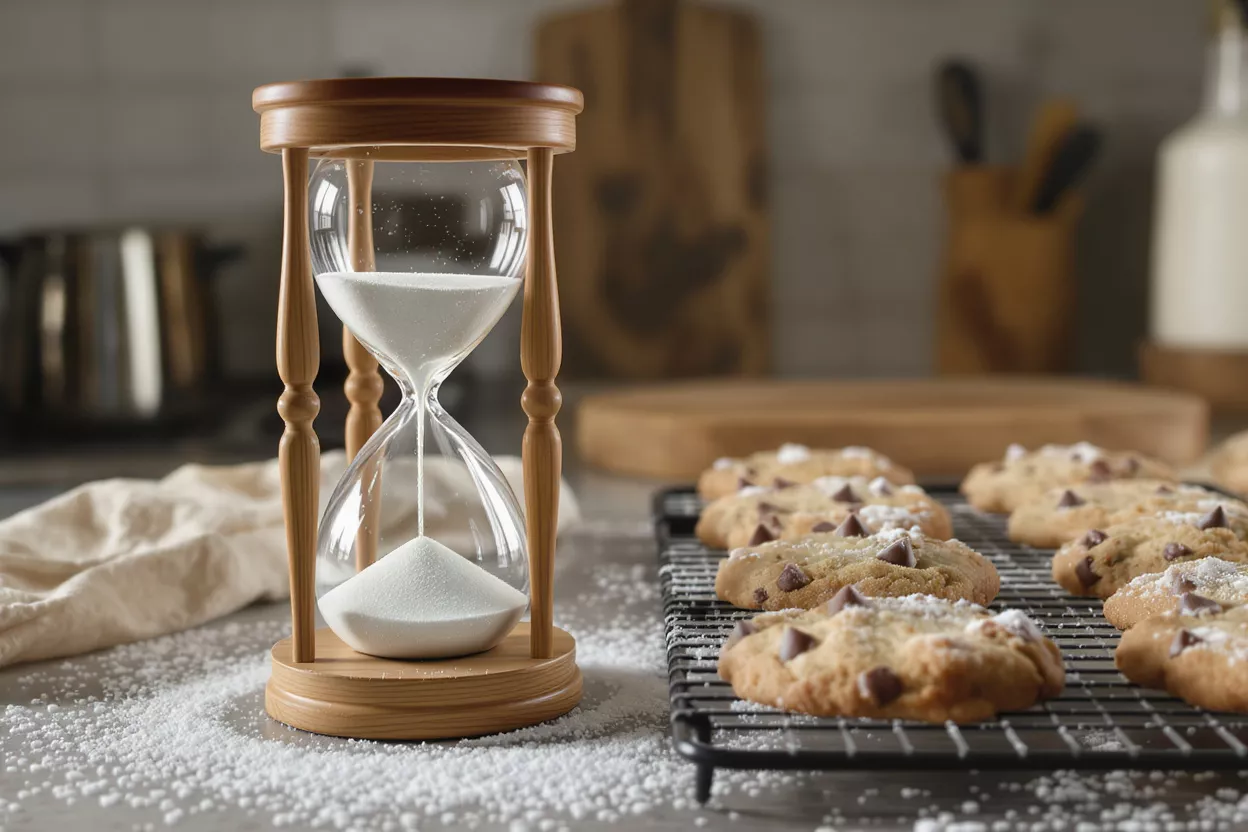
Cannabis Baked Good Dosing Guide
Dosing is where most edible experiences are won or lost. The standardized serving in many legal markets is 10mg of THC, but tolerance varies enormously. A seasoned consumer might find 10mg gentle, while a beginner could find it overwhelming. The guiding mantra remains timeless: start low and go slow.
A practical dosing ladder by experience level: Use the following as a starting framework, always erring toward caution with homemade goods where potency is harder to verify.
- 🌱 1 to 2.5mg: Microdose. Subtle mood lift, minimal impairment, ideal first-timer territory.
- 🌿 2.5 to 5mg: Low dose. Mild euphoria and relaxation for casual users.
- 🍃 5 to 10mg: Standard dose. Noticeable effects for those with some tolerance.
- 🔥 10 to 25mg: Strong dose. Reserved for experienced consumers seeking intense relief.
- ⚠️ 25mg and above: High dose. Only for high-tolerance medical users.
When in doubt, cut your portion in half and wait the full two hours before reaching for more. Pre-dosed retail products take the guesswork out of the equation, and a reliable pack of precisely dosed cannabis gummies can serve as a useful reference point for understanding your personal tolerance before you experiment with baking.
How to Make a Cannabis Baked Good at Home
Baking your own infused treats is deeply rewarding, but it demands respect for two crucial steps: decarboxylation and infusion. Skip either and you will produce either weak or wildly inconsistent results. The process begins long before you reach for the mixing bowl.
Decarboxylation comes first: Raw cannabis contains THCA and CBDA, the acidic precursors found alongside compounds like CBGA and CBLA. These must be heated to convert into the active THC and CBD your body responds to. Spreading ground flower on a tray and baking it at roughly 240°F for 30 to 40 minutes activates the cannabinoids without burning them off.
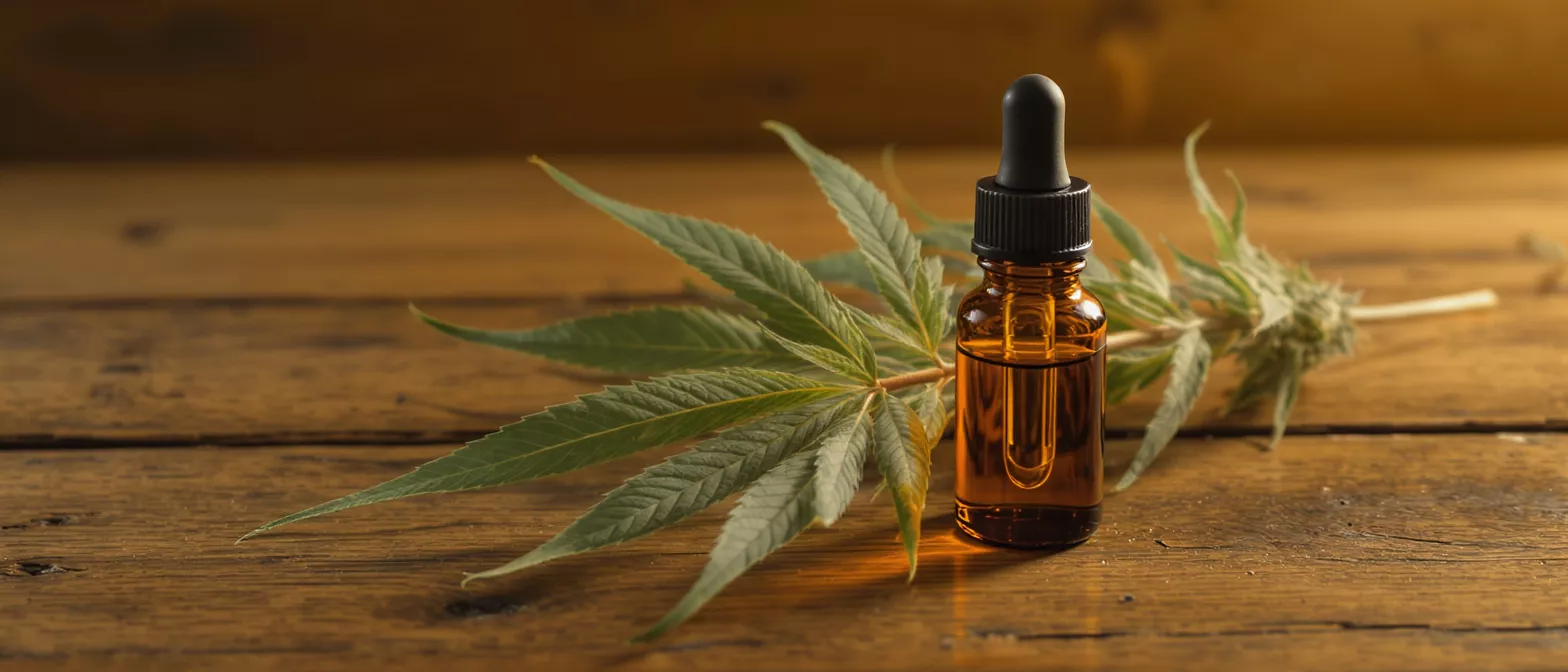
Infusing your fat: Once decarbed, the flower is gently simmered in butter or oil over low heat for several hours, allowing the cannabinoids to bind to the fat. Strain out the plant matter, and you have cannabutter ready to substitute into virtually any recipe. The key throughout is low, slow heat, because cannabinoids degrade at high temperatures.
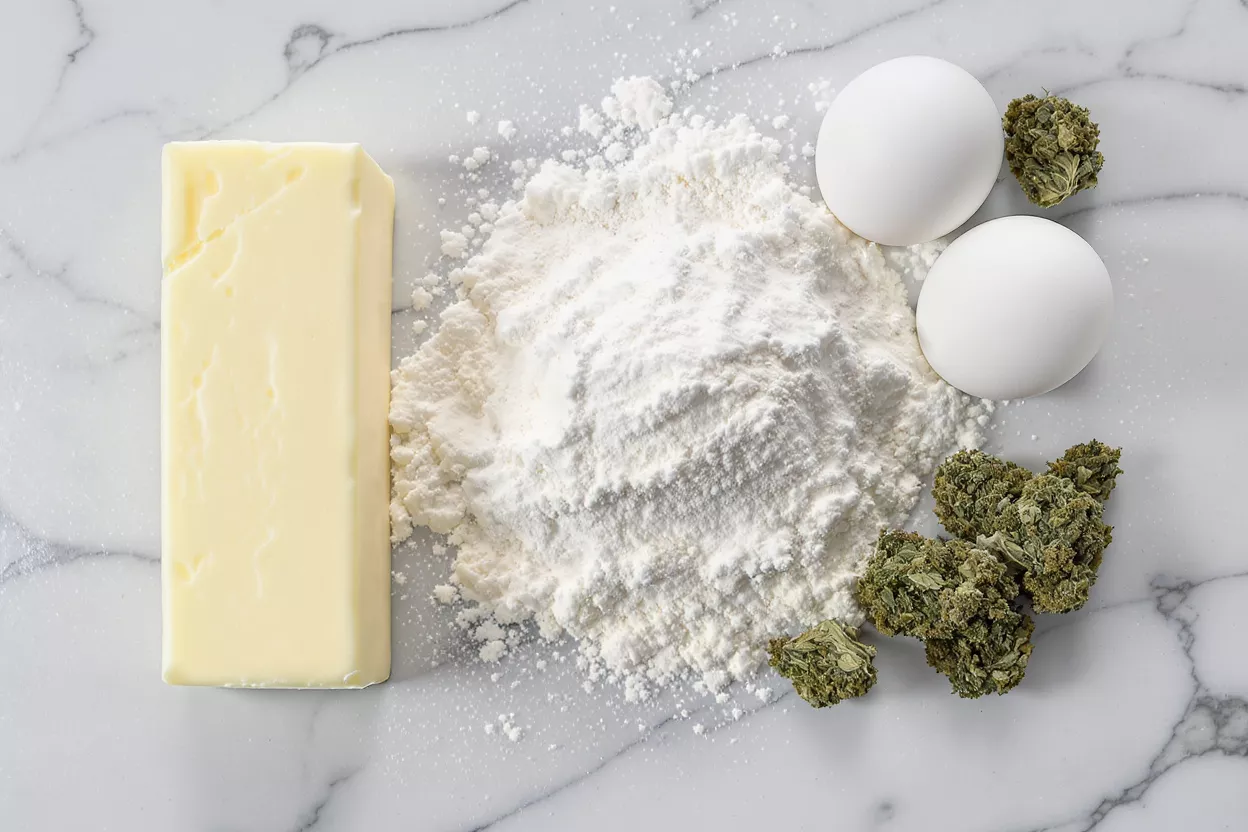
A few practical tips dramatically improve your results:
- 🧈 Calculate potency: Estimate total THC from your flower's percentage, then divide by the number of servings to know your per-piece dose.
- 🌡️ Watch oven temperature: Keep baking below 350°F to preserve potency; an accurate thermometer is worth the investment.
- 🥄 Mix thoroughly: Uneven distribution creates hot-spot servings. Stir your batter well so every bite is consistent.
- 🔪 Portion precisely: Score and cut evenly so each piece carries the same dose.
Cannabinoids Beyond THC in Baked Goods
While THC dominates the conversation, the modern cannabis baked good often features a richer cannabinoid lineup. Minor cannabinoids contribute distinct effects, and savvy bakers blend them to fine-tune an experience that no single compound could deliver alone.
The supporting cast worth knowing: CBN is prized for its sedative reputation and pairs beautifully with bedtime treats. CBG, often called the mother cannabinoid because it converts from CBGA into other cannabinoids, is researched for focus and anti-inflammatory potential. CBL, a lesser-known compound formed when CBC degrades, rounds out the spectrum of what a full-plant infusion can contain.
Terpenes also shape the final product, and even the aromatic compounds you might not expect, such as cedrene terpene effects that lean toward calm and grounding, can subtly color the experience. For those who want benefits without intoxication, a quality CBD wellness baked treat delivers relaxation and recovery support without any high. RxList documents that CBD and other non-intoxicating cannabinoids carry their own pharmacological profiles distinct from THC.
Are Cannabis Baked Goods Safe?
For most healthy adults, a properly dosed cannabis baked good is well tolerated, but safety hinges on discipline and awareness. The most common adverse experience is simply overconsumption, which produces anxiety, rapid heartbeat, nausea, and intense discomfort that, while frightening, is not life-threatening and resolves with time and rest.
The accidental ingestion risk: Because infused treats look identical to ordinary baked goods, they pose a genuine hazard to children and pets. Clear labeling and secure, out-of-reach storage are non-negotiable. This is the single most important safety practice in any home with edibles.
Drug interactions and medical caution: Cannabinoids can interact with blood thinners and other medications metabolized by the liver. Anyone pregnant, nursing, or managing a chronic condition should consult a healthcare provider first. If overconsumption occurs, the proven remedies are hydration, a calm environment, and patience; some find that black pepper or relaxation techniques help blunt the edge.
Cannabis Baked Good Benefits and Uses
The enduring appeal of a cannabis baked good lies in its combination of discretion, longevity, and lung-friendly delivery. For people who cannot or prefer not to inhale, eating offers all the therapeutic potential of cannabis without smoke or vapor. The extended duration also makes edibles particularly suited to certain wellness goals.
Why people reach for infused bakes: The long, steady effect profile lends itself to specific needs that a quick-acting method cannot serve as well. Common motivations include the following:
- 😴 Sleep support: The lasting body effects, especially with CBN, help many stay asleep through the night.
- 🩹 Chronic pain management: Sustained relief without redosing every couple of hours.
- 🍽️ Appetite stimulation: A well-documented effect valuable during certain medical treatments.
- 🧘 Relaxation and stress relief: A gradual, mellow unwind rather than an abrupt onset.
- 🌬️ Smoke-free delivery: Ideal for those avoiding respiratory irritation entirely.
It is worth noting that benefits depend heavily on responsible use and appropriate dosing. The same long duration that makes edibles excellent for sleep can be a drawback if you misjudge your dose and feel effects longer than intended. Matching the product to your goal, a THC treat for euphoria or a balanced bake for daytime calm, is the difference between a good experience and a regrettable one.
Storing and Labeling Your Cannabis Baked Goods
Proper storage protects both potency and safety. Cannabinoids degrade when exposed to light, heat, and air, so an airtight container in a cool, dark place preserves freshness far longer. For longer storage, most infused baked goods freeze well, allowing you to portion and thaw single servings as needed.
Labeling is a safety essential: Always mark homemade edibles clearly with the dose per serving and a warning that they contain cannabis. This simple habit prevents accidental ingestion and helps you and your guests dose accurately. Treat your infused bakes with the same care you would any potent substance in the home.
A cannabis baked good rewards knowledge and patience above all else. From understanding first-pass metabolism and onset timing to mastering decarboxylation and precise dosing, the difference between a delightful experience and an uncomfortable one comes down to preparation. Start low, wait long, label everything, and choose products and recipes that match your goals. With these fundamentals in hand, the humble infused brownie reveals itself as one of the most versatile and enjoyable ways to experience cannabis.