Mother plant
A mother plant keeps your best genetics alive indefinitely.
What Is a Mother Plant in Cannabis Cultivation
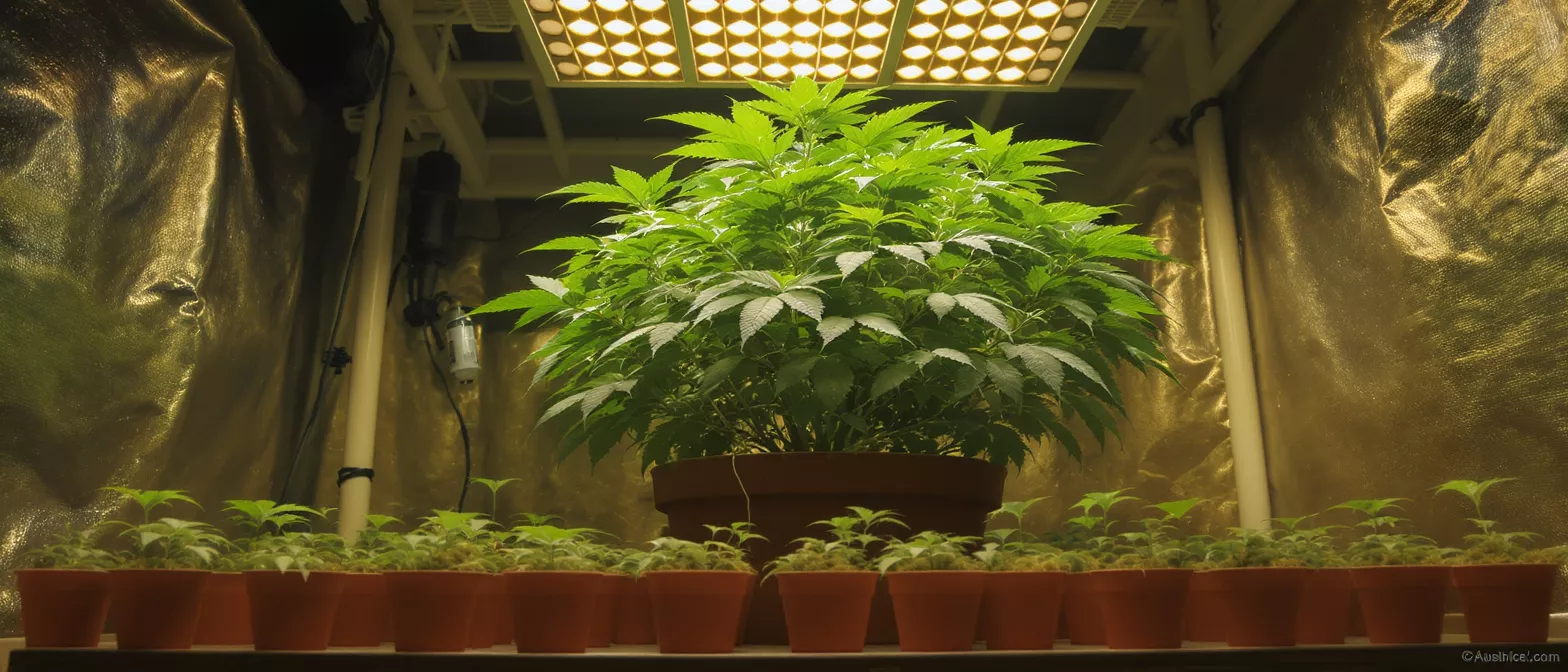
A mother plant is a healthy, vegetative female cannabis plant kept alive specifically so a grower can take cuttings, or clones, from it indefinitely. Rather than starting every grow cycle from seed, cultivators maintain a single robust specimen that serves as a genetic reservoir. Each clone taken from this plant is an exact genetic copy, which means the dank, resin-heavy buds you fell in love with last harvest can be reproduced batch after batch without the variation that seeds inevitably introduce.
The concept rests on a simple botanical truth: cannabis can reproduce sexually through seeds or asexually through cloning. When you take a cutting from a mother plant and root it, you are not creating a new genetic individual but rather extending the life of the original through a new set of roots and stems. This is why the mother plant sits at the center of so many serious cultivation operations, from home tents to large commercial facilities.
Keeping a mother plant in a permanent vegetative state requires holding it under a light schedule that never triggers flowering, typically 18 hours of light per day. As long as the plant never perceives the long nights of autumn, it will keep producing fresh growth you can harvest as cuttings. According to Everyday Health, interest in understanding cannabis cultivation has grown alongside expanding legal access, and the mother plant remains foundational to that knowledge.
Why Growers Keep a Mother Plant
Genetic consistency is the headline benefit. When every plant in your garden descends from the same mother, you eliminate the phenotype lottery that comes with germinating seeds. Two seeds from the same packet can grow into noticeably different plants, but every clone from one mother shares identical traits: the same growth rate, the same flowering time, the same flavor profile, and the same potency. For anyone selling a consistent product or simply chasing a flavor they adore, that predictability is invaluable.
There is also a meaningful time and cost advantage. Clones skip the germination phase and arrive already in vegetative growth, shaving one to two weeks off every cycle. You avoid buying seeds repeatedly, and you sidestep the disappointment of weak germination or accidental male plants. A grower who has dialed in a reliable mother and a clean cloning station can keep a perpetual harvest running with very little ongoing expense.
Finally, a mother plant lets you preserve a strain you might otherwise lose. Rare cuts of legendary genetics, the kind that produced those frosty diamonds at the bottom of a jar, often circulate only as clones. If you hold one of these cuts, your mother plant is the living archive that keeps that lineage alive. Many growers invest in quality cloning gel and rooting supplies precisely to safeguard these irreplaceable genetics.
How to Select a Mother Plant Worth Keeping
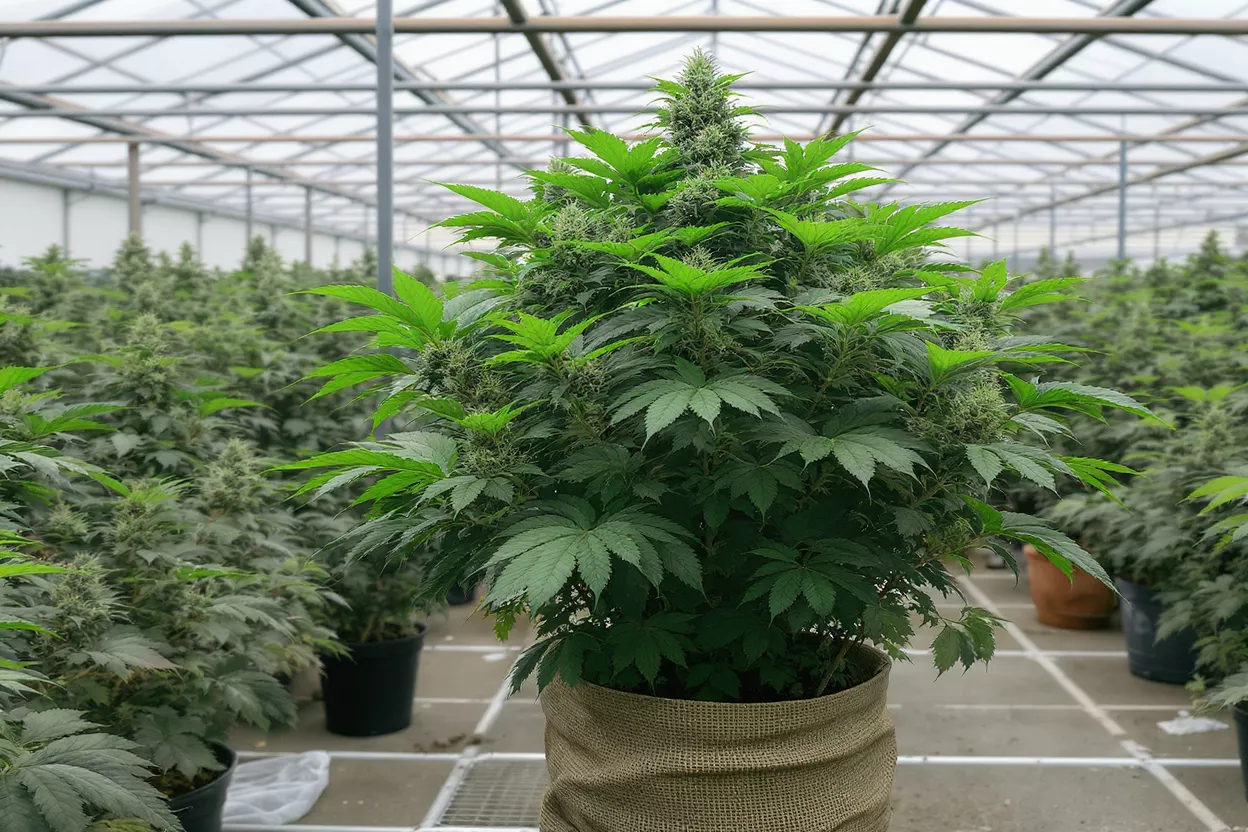
Choosing the right mother starts long before you commit. The smartest approach is to germinate several seeds, grow them out, and clone each one before flowering. Once those clones flower and you can evaluate the harvest, you keep the mother whose offspring produced the best results. This technique, sometimes called pheno-hunting, ensures you are not investing months of care into a plant that turns out to be mediocre.
Look for vigor, resilience, and structure. A strong mother candidate grows quickly, recovers fast from stress, resists pests and mildew, and develops a sturdy branching pattern that yields plenty of cutting sites. Avoid any plant showing signs of disease, nutrient sensitivity, or hermaphroditism, because every clone will inherit those weaknesses along with the good traits.
The qualities worth weighing when selecting your mother include:
- 🌱 Vigor: Fast, healthy vegetative growth signals a plant that will keep up with regular cloning demands.
- 🛡️ Pest and mold resistance: A naturally hardy plant means fewer interventions and cleaner clones.
- 💪 Structural strength: Plenty of branching gives you more viable cutting sites per session.
- 🍋 Terpene quality: The aroma and flavor, whether diesel funk or sweet citrus, carry through to every clone.
- ⚖️ Stability: No hermaphrodite tendencies and consistent expression across cuttings.
Mother Plant Care Requirements
A mother plant lives in permanent vegetation, so its care differs from a flowering plant. Keep it under at least 18 hours of light daily to prevent it from flipping into flower. Many growers run 18/6 or even 24/0 schedules. The light does not need to be as intense as flowering light, but it must be consistent, because a single accidental dark stretch can stress the plant and trigger unwanted hormonal shifts.
Nutrition should favor nitrogen-rich vegetative feeding, since the plant is constantly pushing new leaves and shoots. Avoid overfeeding, though, because a stressed or nutrient-burnt mother produces weaker clones that root slowly. Steady, moderate feeding with good drainage keeps the plant productive for the long haul. Regular defoliation of older, shaded leaves improves airflow and channels energy toward the new growth you will actually be cutting.
Environmental stability matters enormously over the months or years a mother plant lives. Aim for temperatures in the low-to-mid 70s Fahrenheit, moderate humidity, and good directional airflow to discourage mold and pests. The Everyday Health guidance on indoor air quality applies loosely here too: stagnant, humid air breeds problems, while gentle circulation keeps tissue healthy and disease at bay.
How to Take Clones From a Mother Plant
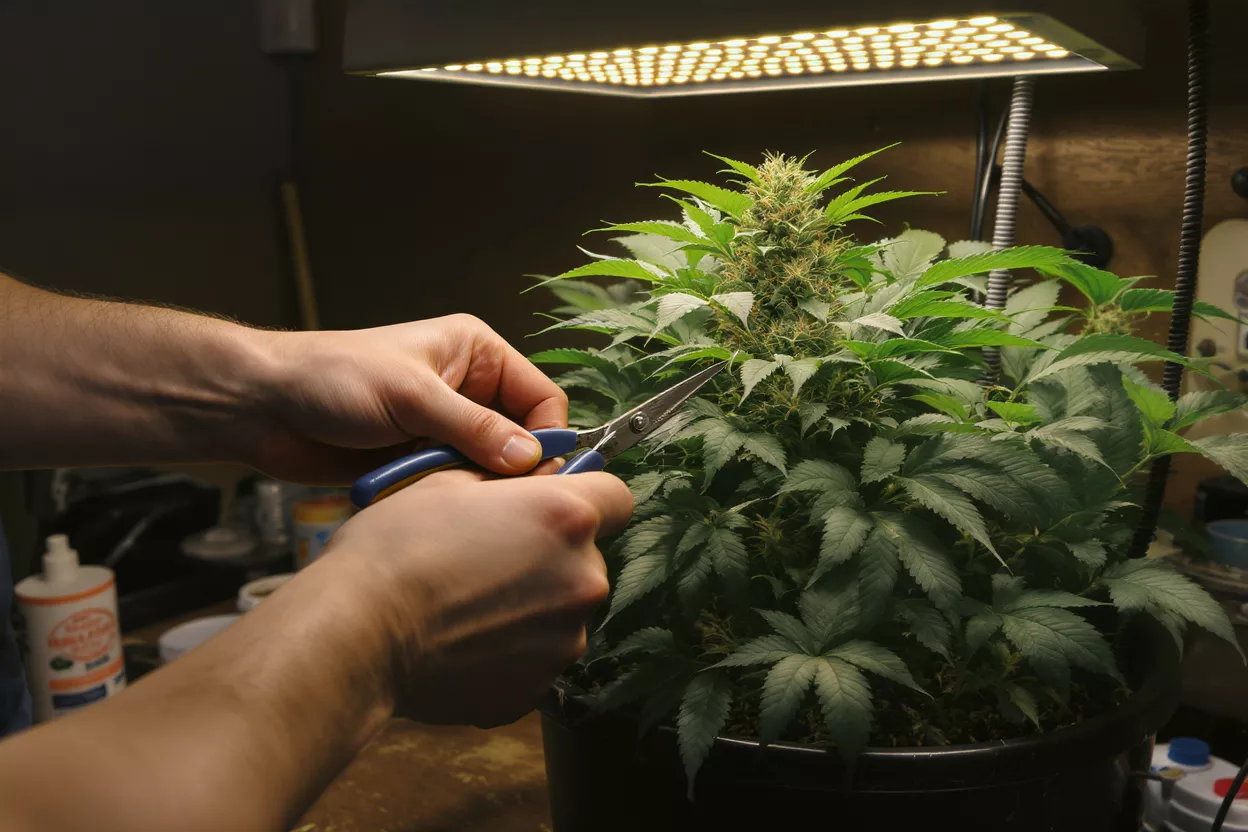
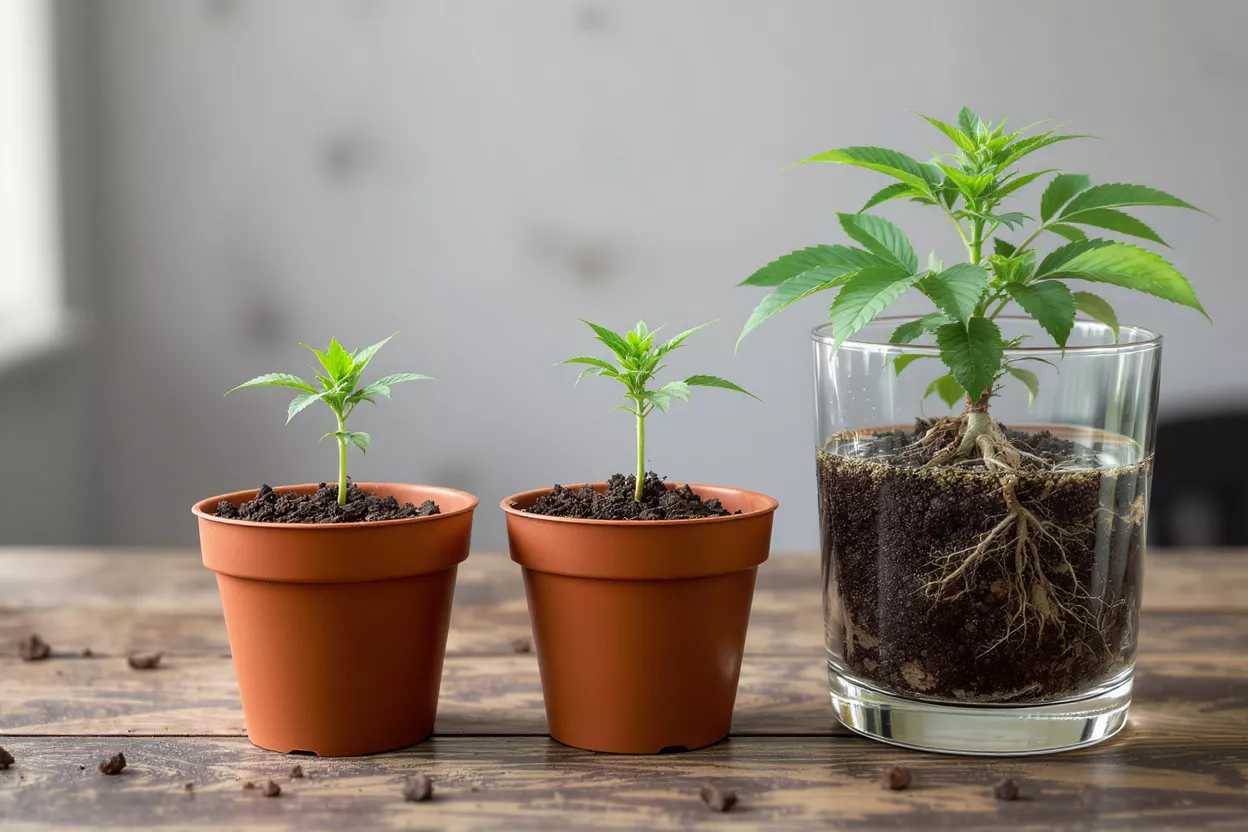
Taking clones is a quick but precise process. Using a sterilized blade, cut a four-to-six-inch branch just below a node at a 45-degree angle to maximize the rooting surface. Immediately dip the cut end in rooting hormone, then place it into a moist medium such as a rockwool cube, peat plug, or aeroponic cloner. The goal is to keep the cutting alive on stored energy and humidity until new roots form.
Humidity is the make-or-break factor in the first week. Until roots develop, the cutting cannot draw water efficiently, so a humidity dome and gentle, indirect light prevent it from wilting. Most clones root within seven to fourteen days, at which point you can harden them off and transplant. A good propagation dome and heat mat dramatically improves success rates for beginners and pros alike.
Timing your cuts thoughtfully keeps the mother healthy. Quick guidelines to follow:
- ✂️ Sterilize everything: Clean blades and surfaces prevent disease from entering the open cut.
- 💧 Cut at a 45-degree angle: More surface area means faster, more reliable rooting.
- 🌡️ Maintain high humidity: Keep cuttings domed until roots appear, usually within two weeks.
- 🔄 Rotate cutting sites: Take from different branches so no single area of the mother is overworked.
Mother Plant vs. Seeds: Which Is Better
Both paths have their place, and the right choice depends on your goals. Seeds offer genetic diversity, a fresh start free of accumulated pests or viruses, and the thrill of discovering new phenotypes. A taproot from seed often produces a more robust, vigorous plant than a clone. For growers who enjoy the hunt, seeds are an adventure with the potential to uncover the next great cut.
Clones from a mother, by contrast, deliver speed and certainty. You know exactly what you are getting, the plants mature uniformly, and you skip weeks of germination and early growth. The trade-off is that clones inherit any problems the mother carries, and over many generations some growers report a gradual loss of vigor, though this remains debated among cultivators.
For most hobby growers seeking reliable results, a mother plant strategy wins on convenience once you have found genetics worth keeping. Commercial operations almost universally rely on mothers and clones to guarantee a uniform product. According to Everyday Health, consistency in any wellness product builds consumer trust, and uniform cannabis is no exception. Many growers keep a small seed starter kit on hand to pheno-hunt for future mothers even while running an established clone garden.
Common Mother Plant Problems and Fixes
The single greatest risk to a mother plant is pest or disease buildup over time. Because the plant lives for months or years in the same spot, spider mites, thrips, aphids, and powdery mildew can establish footholds that pass directly into every clone you take. Regular inspection, preventive sprays between cycles, and strict sanitation are your best defenses. A sick mother is a liability that infects an entire garden.
Another frequent issue is woody, overworked growth. When you take too many cuttings from the same sites repeatedly, branches thicken and produce fewer, weaker shoots. Rotate where you cut, prune strategically, and give the plant recovery time between harvest sessions. Light defoliation encourages fresh, supple growth that roots more readily than tough, lignified stems.
Nutrient lockout and salt buildup also creep in on long-lived mothers. Periodic flushing of the medium with plain water clears accumulated salts and resets the root zone. Watch for clawing leaves, tip burn, or unusual discoloration, all signs that your feeding regimen needs adjustment before the problem reaches the clones.
How Long Can a Mother Plant Last
With proper care, a mother plant can thrive for several years. There is no hard expiration date; growers have kept productive mothers alive for a decade or more. The limiting factors are usually space, accumulated pests, or a gradual decline in vigor rather than any inherent lifespan. As long as you manage health and prune to control size, the plant keeps producing.
Size management is the practical constraint most home growers hit first. A mother left unpruned will balloon, demanding more light, space, and water than a tent can spare. Aggressive topping and training keep it compact and bushy, which conveniently also multiplies the number of cutting sites. Some growers keep two mothers and rotate, retiring the older one once a fresh clone has matured into its replacement.
If you ever notice a slow decline, the simplest insurance is to clone your mother and grow that clone into a new mother. This refreshes the root system and resets the plant's clock without losing the genetics. Everyday Health notes that proactive maintenance generally outperforms reactive fixes across health contexts, and the same wisdom applies to keeping a genetic line robust for years.
Mother Plant Genetics and Strain Preservation
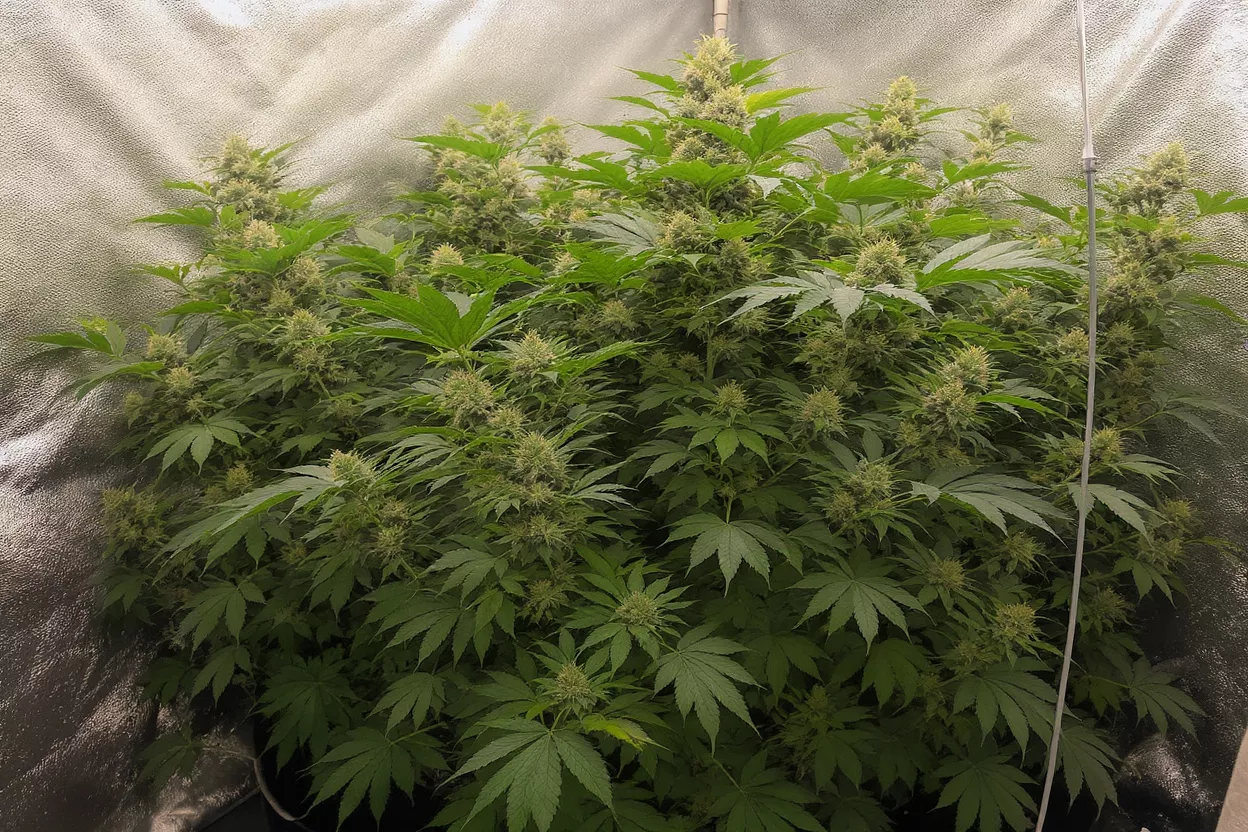
A mother plant is essentially a living library for cannabis genetics. Elite cuts of famous strains, the lineages behind today's most sought-after Delta-9 THC flower and concentrate extractions, often exist only as clones passed grower to grower. Without a healthy mother, a unique phenotype can vanish entirely. Preserving these cuts is one of the most rewarding aspects of maintaining a mother for serious cultivators.
For long-term preservation beyond a single mother, some growers use tissue culture, a laboratory technique that stores genetics in tiny sterile vials and can even clean a plant of viruses. Tissue culture is more technical and equipment-heavy than traditional cloning, but it represents the gold standard for archiving prized genetics indefinitely without dedicating tent space to a full-sized plant.
Whether your goal is preserving a rare diesel cut, a dessert strain dripping with terpenes, or simply the reliable producer you trust, the mother plant is the anchor of that effort. Every clone you take is a backup, so keeping multiple rooted copies in different locations protects you against the loss of a single plant to pests, power failure, or accident.
Is Keeping a Mother Plant Right for You
A mother plant makes the most sense when you value consistency and grow regularly. If you run back-to-back cycles and want every harvest to match the last, the modest space a mother occupies pays for itself many times over. For perpetual-harvest setups, where a new batch flowers every few weeks, a mother is practically essential to keep the clone pipeline flowing.
On the other hand, if you grow once or twice a year, or you genuinely enjoy exploring new genetics each cycle, dedicating a tent corner and continuous electricity to a non-producing plant may not be worth it. In that case, buying clones from a trusted source or popping fresh seeds each season can be the more efficient route. There is no wrong answer, only the setup that fits your space, goals, and enthusiasm.
Ultimately, a mother plant rewards growers who treat cultivation as an ongoing craft. It demands consistent care and a permanent footprint, but in return it delivers predictable, repeatable results and the priceless ability to preserve genetics you love. Whether you are safeguarding a legendary cut or simply locking in your favorite flavor, a well-kept mother plant turns a fleeting great harvest into a renewable one for years to come.