


Bisabolol
Discover bisabolol, the calming cannabis terpene with anti-inflammatory, antimicrobial, and skin-healing benefits.
What Is Bisabolol in Cannabis
Bisabolol is a sesquiterpene that appears in cannabis as a minor but meaningful aromatic compound. While headline molecules like myrcene and limonene dominate most strain conversations, bisabolol works quietly in the background, contributing soft floral notes and a surprising list of therapeutic credentials. Chemically it belongs to the sesquiterpene family, meaning it is built from three isoprene units rather than the two found in lighter monoterpenes. That extra structural weight makes it less volatile, so it lingers longer in both aroma and effect.
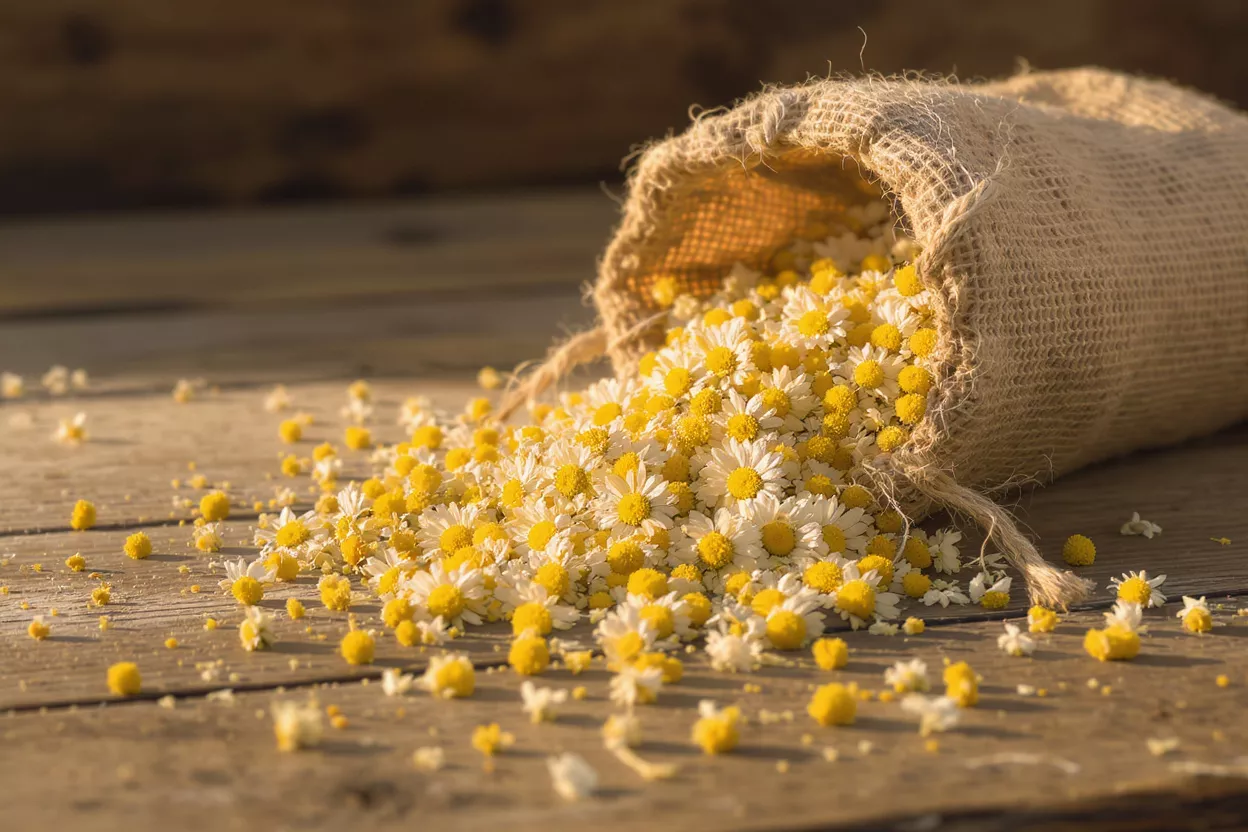
Most people encounter bisabolol long before they ever read its name on a lab certificate. It is the primary active constituent in German chamomile, the same plant brewed into calming bedtime teas for centuries. When you smell that gentle, slightly sweet warmth rising from a chamomile cup, you are smelling bisabolol at work. In cannabis, the same molecule rounds out the harsher edges of a strain's profile and adds a delicate herbal softness.
Within the broader family of terpenes, bisabolol stands out for its dual identity as both a fragrance ingredient and a studied therapeutic agent. Cosmetic chemists have valued it for decades, and now cannabis researchers are revisiting it with fresh interest as the science of minor terpenes matures.
Where Does Bisabolol Come From
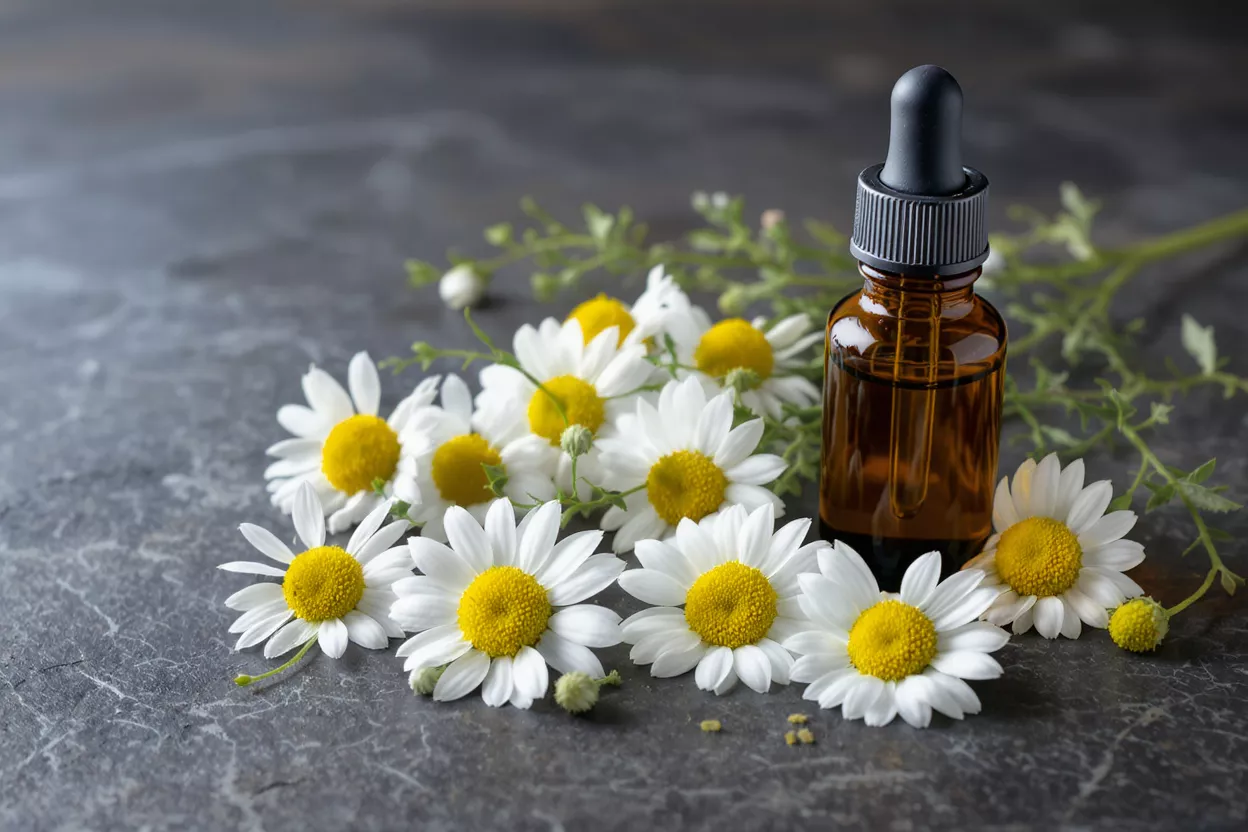
The richest natural source is chamomile, specifically Matricaria chamomilla, where alpha-bisabolol can make up a substantial fraction of the essential oil. It also occurs in the bark of the South American candeia tree, Eremanthus erythropappus, which has become a major commercial source for the cosmetics and fragrance industries. In cannabis, bisabolol is synthesized within the same trichome glands that produce cannabinoids, forming part of the resin that coats mature flower.
There are two mirror-image forms of the molecule, known as alpha-bisabolol and its isomers. The alpha form is the one most prized for its purity, gentleness, and biological activity. The natural levodextro configuration found in chamomile and quality cannabis tends to be more active than synthetic racemic mixtures, which is one reason naturally derived bisabolol commands a premium in skincare formulations.
Because it is a sesquiterpene, bisabolol sits among the heavier aromatic compounds in the plant. This influences how it behaves during extraction and curing. Lower-temperature processes preserve it better, while aggressive heat can drive off the lighter, more fragile terpenes around it and shift the overall profile of a concentrate or distillate.
How Bisabolol Smells and Tastes
The aroma of bisabolol is best described as soft, floral, and faintly sweet, with a nutty or honeyed undertone that feels warm rather than sharp. It lacks the citrus brightness of limonene or the pine bite of pinene, instead offering a rounded, calming character that many people associate with herbal teas and gentle floral perfumes.
On the palate, bisabolol contributes a smooth, lightly sweet impression that softens the overall flavor of a strain. It rarely announces itself loudly; instead it tempers and harmonizes, filling the gaps between more assertive terpenes. This subtlety is part of why it is so valuable in both cannabis and cosmetics, where a clean, non-irritating background note is often more useful than a dominant one.
For consumers learning to identify terpenes by nose, bisabolol-rich flower often reads as mellow and approachable. Strains carrying notable amounts tend to smell less aggressive, with a powdery floral quality that sits underneath fruit, gas, or earth notes contributed by other compounds.
Bisabolol Anti-Inflammatory Benefits
Anti-inflammatory activity is bisabolol's best-documented property. Decades of research into chamomile extracts pointed to bisabolol as a key driver of their soothing effects, and isolated studies have since confirmed that the molecule can reduce inflammatory signaling in laboratory and animal models. It appears to dampen the production of pro-inflammatory mediators, which is the same general mechanism that makes many botanical anti-inflammatories useful.
This matters in cannabis because inflammation underlies so many of the conditions people seek relief from, including arthritis, inflammatory skin disorders, and post-exercise soreness. When bisabolol is present alongside cannabinoids like CBD that carry their own anti-inflammatory reputation, the combination may contribute to a more rounded, calming therapeutic experience.
It is worth keeping expectations grounded. Most of the strongest evidence comes from preclinical research using concentrated bisabolol, not from the trace amounts inhaled from a single joint. The molecule is genuinely promising, but the clinical picture in humans is still being filled in, and responsible discussion of its benefits should reflect that.
Bisabolol Benefits for Skin and Healing
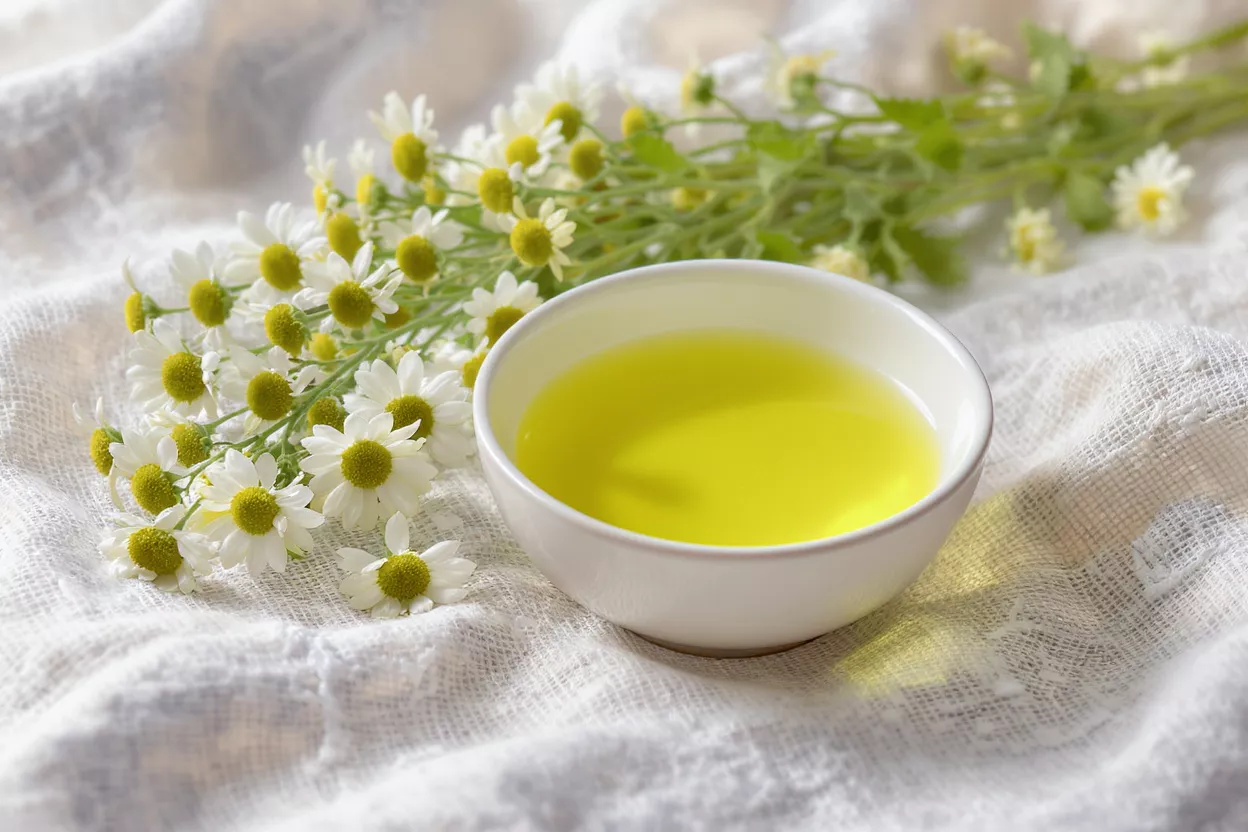
Skincare is where bisabolol has earned its commercial reputation. Formulators add it to creams, serums, and after-sun products precisely because it is gentle, soothing, and well tolerated even on sensitive or irritated skin. It is widely used to calm redness, reduce the sting of minor irritation, and improve the overall comfort of a formulation.
One particularly useful property is its ability to enhance skin penetration. Bisabolol can help other active ingredients move more effectively through the skin barrier, which makes it valuable as a supporting actor in topical blends. In a cannabis context, this hints at why bisabolol-containing topicals and balms may feel especially soothing when applied to sore joints or irritated patches of skin.
Research has also explored its role in wound healing and tissue recovery. Bisabolol has shown the ability to support the skin's natural repair processes in laboratory settings, complementing its anti-inflammatory and antimicrobial actions. Taken together, these qualities explain why it appears so frequently in products aimed at calming and restoring stressed skin.
- 🌼 Soothes irritation: calms redness and the sting of minor skin reactions without harshness.
- Boosts absorption: helps companion ingredients penetrate the skin barrier more effectively.
- Supports repair: assists the skin's natural healing processes in laboratory studies.
- Gentle profile: tolerated well even on sensitive skin, making it a formulator favorite.
Bisabolol Antimicrobial and Antioxidant Properties
Bisabolol carries measurable antimicrobial activity. Studies have shown it can inhibit the growth of certain bacteria and fungi, which partly explains its long history in skin preparations meant to keep minor wounds clean and comfortable. This antimicrobial character pairs naturally with its soothing qualities, reinforcing why it shows up in products designed for compromised or irritated skin.
Alongside its antimicrobial side, bisabolol acts as an antioxidant, helping to neutralize the reactive molecules that contribute to cellular stress and visible aging. Antioxidant activity is a common thread among many terpenes, but bisabolol's combination of gentleness and effectiveness makes it especially attractive for sensitive applications where stronger compounds might cause irritation.
Some of the most intriguing early research has examined bisabolol in the context of cellular health more broadly, including laboratory investigations into how it affects abnormal cells. These studies are preliminary and far from clinical recommendations, but they signal why scientists continue to find this unassuming terpene worth a closer look.
How Bisabolol Works in the Entourage Effect
The entourage effect describes how cannabis compounds work together. Rather than acting in isolation, cannabinoids and terpenes appear to influence one another, shaping the overall character of a strain in ways no single molecule could achieve alone. Bisabolol's calming, anti-inflammatory leanings make it a natural contributor to the soothing end of this spectrum.
When bisabolol sits alongside relaxing terpenes like myrcene and linalool, the combined profile tends to lean toward comfort and ease rather than stimulation. Its soft floral aroma also blends smoothly with these companions, reinforcing the gentle, mellow signature that bisabolol-rich strains often display.
This interplay is why experienced consumers increasingly read full terpene panels rather than fixating on THC percentage alone. A modest amount of bisabolol can meaningfully shape how a strain feels, nudging the experience toward calm and rounding off any rough edges in the aroma and effect.
Cannabis Strains High in Bisabolol
Several well-known strains carry notable bisabolol content. High-CBD varieties in particular tend to express it, and cultivars like Harle-Tsu and ACDC are frequently cited for their bisabolol presence alongside their balanced cannabinoid profiles. These strains are popular among wellness-focused consumers who prize gentle effects over intensity.
Because bisabolol is a minor terpene, its concentration varies considerably from harvest to harvest and even between phenotypes of the same strain. Growing conditions, curing methods, and genetics all influence how much ends up in the final flower, which is why lab testing is the only reliable way to confirm a meaningful amount.
If you want to seek out bisabolol-forward cannabis, the strains below are a useful starting point, though terpene results should always guide the final decision.
- 🌿 Harle-Tsu: a high-CBD cross often noted for soft, soothing terpene expression.
- ACDC: a famously balanced, low-THC strain favored for gentle wellness use.
- Pink Kush: sometimes reported with floral, bisabolol-leaning aromatic notes.
- Master Kush: earthy genetics that can carry supporting amounts of the terpene.
Is Bisabolol Safe to Use
Bisabolol enjoys a strong safety reputation. Its decades of use in cosmetics, skincare, and chamomile-based products speak to a well-tolerated profile, and it is generally recognized as gentle even on sensitive skin. Regulatory bodies in the cosmetics world have long accepted it as a safe ingredient at typical concentrations.
As with any botanical compound, individual sensitivities exist. People with chamomile or ragweed allergies should approach chamomile-derived bisabolol with caution, since cross-reactivity is possible. When inhaled as part of cannabis, the amounts are small, but anyone with respiratory sensitivities should be mindful of how smoke or vapor affects them generally.
The most important caveat is dosage and context. The therapeutic effects discussed in research typically involve concentrated, isolated bisabolol rather than the trace levels present in flower. Treat the terpene as one helpful contributor to a strain's character rather than a standalone medicine, and consult a healthcare provider before using cannabis to address a specific condition.
Bisabolol Research and What Comes Next
Scientific interest in bisabolol is growing steadily. As cannabis research expands beyond cannabinoids into the supporting cast of terpenes, molecules like bisabolol are receiving overdue attention. Its established anti-inflammatory, antimicrobial, and skin-soothing credentials make it an obvious candidate for deeper study within the cannabis context.
Much of the existing evidence comes from chamomile and cosmetic research rather than controlled human cannabis trials. Bridging that gap is the next frontier: understanding how the small amounts of bisabolol in flower interact with cannabinoids and other terpenes in real-world use, and whether those interactions produce measurable effects. The early signals are encouraging, but rigorous clinical work is still needed.
For now, bisabolol stands as a quietly impressive example of why whole-plant cannabis is more than its cannabinoid numbers. Its soft floral aroma, gentle therapeutic profile, and long track record in wellness products make it a terpene worth knowing. As lab testing becomes more detailed and consumers grow more sophisticated, expect bisabolol to move further into the spotlight it has long deserved.
Comments