Functional mushroom
Explore what a functional mushroom is, how it works, and its wellness benefits.
What Is a Functional Mushroom?
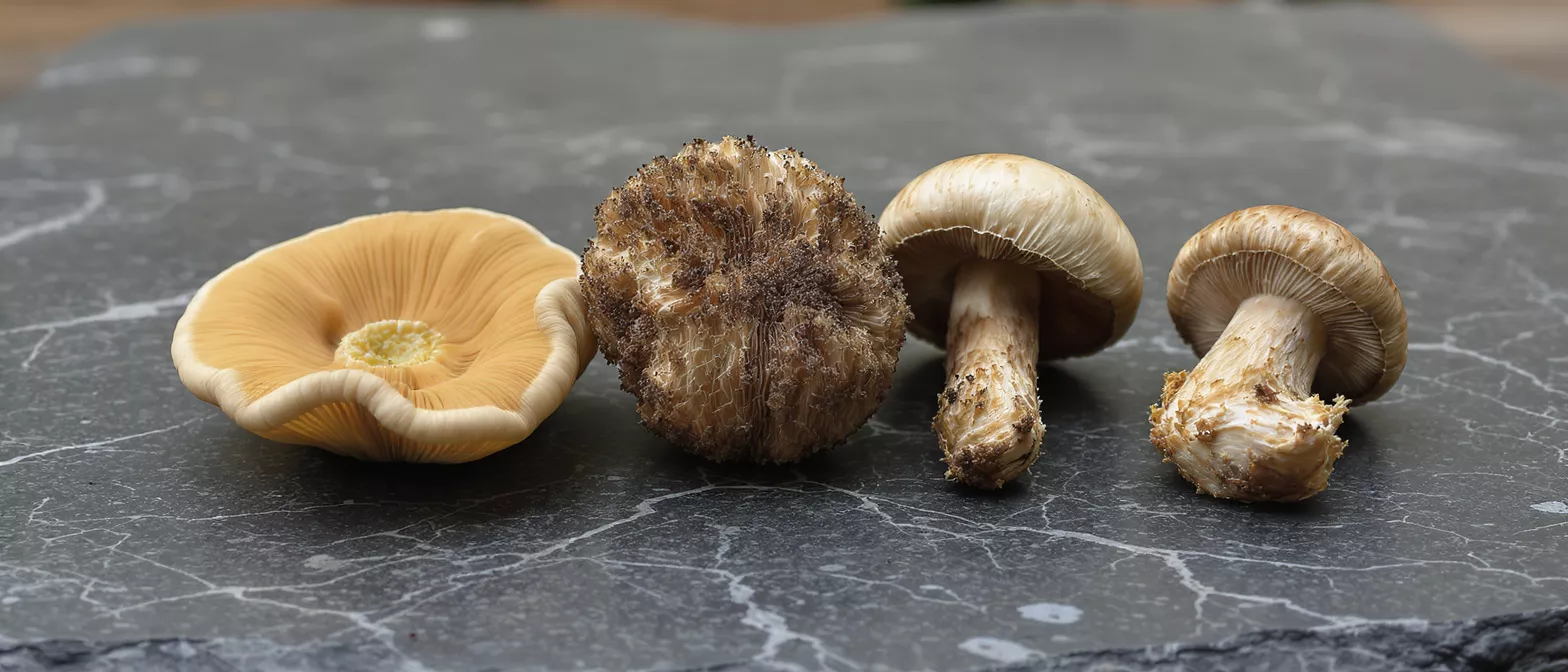
A functional mushroom is a type of fungus valued not for its culinary flavor but for the bioactive compounds it delivers to the body. Unlike the button mushrooms tossed into a salad, these varieties have been studied for their potential to support immunity, cognition, stress resilience, and recovery. The term "functional" signals intent: people reach for them to accomplish something specific, the way someone might reach for a vitamin rather than a snack.
These mushrooms have deep roots in traditional medicine systems across Asia, where species like reishi and lion's mane were brewed into teas and tinctures centuries before laboratories could isolate their compounds. Modern interest has surged as supplement brands package them into capsules, powders, gummies, and even coffee blends. According to Cannigma, the growing overlap between botanical wellness and cannabis culture has pushed functional mushrooms into the same conversations as terpenes, cannabinoids, and other plant-derived actives.
Why the sudden mainstream attention? Part of it is timing. Consumers increasingly want natural, multi-purpose products that fit a holistic routine, and a functional mushroom checks several boxes at once. The category has also benefited from rigorous-sounding marketing, though not every claim holds up under scrutiny. Throughout this guide, the goal is to separate genuine, research-backed value from hype so you can make decisions grounded in evidence rather than packaging.
How Functional Mushrooms Work in the Body
The biological activity of a functional mushroom comes largely from a class of compounds called beta-glucans, which are complex polysaccharides found in the cell walls. Beta-glucans interact with receptors on immune cells, essentially priming the body's defenses to respond more efficiently. This is the mechanism behind most immune-related claims, and it is one of the better-documented areas of mushroom research.
Beyond beta-glucans, many species contain triterpenes, antioxidants, and unique molecules like the hericenones and erinacines found in lion's mane. These compounds are thought to influence nerve growth factor, a protein involved in maintaining and repairing neurons. The Cannigma team and other wellness educators often emphasize that absorption matters as much as content: a compound only helps if your body can actually use it, which is why extraction method and preparation are so important.
Adaptogens versus stimulants. Many functional mushrooms are classified as adaptogens, meaning they help the body modulate its stress response rather than forcing it in one direction. This is a different mechanism from caffeine or other stimulants, which push the nervous system into overdrive. The adaptogenic effect tends to build gradually, so a daily mushroom wellness blend often works best when taken consistently over weeks rather than as a one-time dose.
Types of Functional Mushrooms Explained
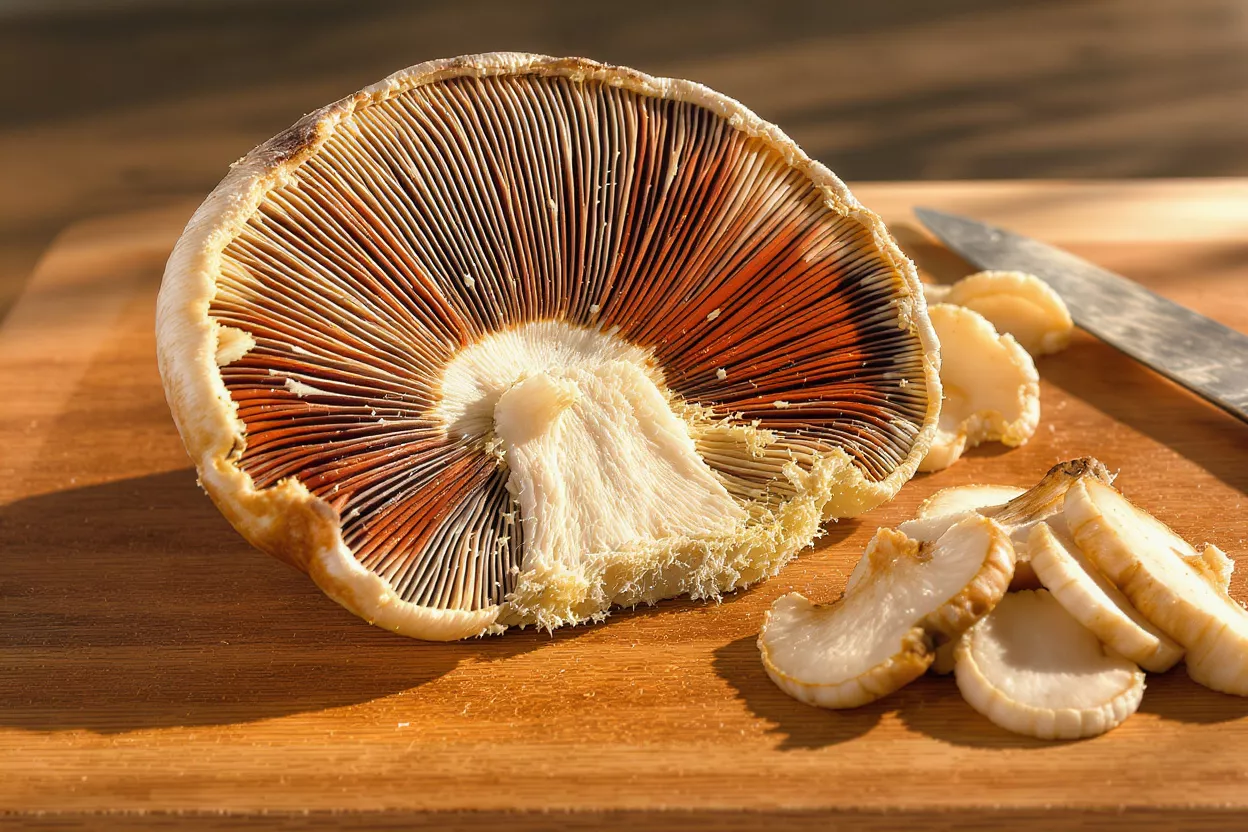
Not all functional mushrooms do the same thing, and understanding the major players helps you match a product to your goals. Each species carries a distinct profile of compounds and a different body of supporting research, ranging from centuries of traditional use to emerging clinical trials.
Below is a quick reference to the most widely used species and what people typically take them for. Treat these as starting points rather than guarantees, since individual responses vary and research is ongoing in many areas.
- 🦁 Lion's Mane: prized for cognitive support, focus, and nerve health thanks to its hericenone and erinacine content.
- 🍄 Reishi: the classic calming adaptogen, often used for stress, sleep, and immune balance.
- ⚡ Cordyceps: associated with energy, stamina, and oxygen utilization, popular among athletes.
- 🛡️ Turkey Tail: rich in beta-glucans and studied heavily for immune support.
- 🧠 Chaga: a dense antioxidant source often brewed as a tea or elixir.
Single species or blends? Beginners sometimes do better starting with one mushroom so they can gauge how their body responds, while experienced users often gravitate toward blends that target multiple goals at once. A combination product can be efficient, but it also makes it harder to identify which ingredient is doing the heavy lifting if you notice an effect.
Functional Mushroom Benefits for Everyday Wellness
The most credible functional mushroom benefits cluster around immune support, cognitive clarity, stress modulation, and recovery. These are not overnight miracles. Instead, they represent gentle, cumulative shifts that many users describe as feeling more resilient, more focused, or less frazzled over time.
Immune support is the most heavily researched category, with beta-glucans from species like turkey tail and reishi showing measurable effects on immune cell activity in numerous studies. Cognitive benefits, particularly from lion's mane, have generated excitement, though human trials remain smaller and more preliminary. As Cannigma notes in its coverage of plant-based wellness, responsible consumers should weigh promising early data against the reality that mushroom science is still maturing.
Managing expectations. A functional mushroom is a supplement, not a pharmaceutical, and it works best as part of a broader lifestyle that includes sleep, movement, and nutrition. People who expect a dramatic, dose-by-dose effect like the dank punch of a strong edible are often disappointed; the value here is subtle and steady. Pairing a quality powder with a balanced routine yields the most noticeable results.
Functional Mushroom and Cannabis Pairings
The cannabis and functional mushroom worlds have grown increasingly intertwined, and for good reason. Both are plant-derived, both rely on bioactive compounds, and both attract consumers interested in natural wellness. Many brands now formulate products that combine cannabinoids like Delta-8 or Delta-9 THC with mushroom extracts, aiming for complementary effects.
The logic behind these pairings is balance. A calming reishi blend might soften the edge of a more energizing Delta-10 product, while lion's mane is sometimes added to cannabis edibles to support focus and counter the foggy feeling some users dislike. The interplay is still being explored, and there is no guarantee of synergy, but the conceptual fit is strong enough that a mushroom and hemp gummy has become a popular category.
What to watch for in combo products. When mushrooms and cannabinoids share a formula, transparency becomes even more important. You want to know the exact dose of each active, the extraction method, and whether the product has been third-party tested. Avoid anything that lists "proprietary blend" without amounts, since that obscures how much functional mushroom you are actually getting versus filler.
Best Functional Mushroom for Focus and Energy
If your goal is mental clarity and sustained energy, two species rise to the top. Lion's mane leads the pack for cognitive support, with research pointing to its potential role in nerve health and focus. Cordyceps, meanwhile, is the go-to for physical energy and endurance, making it a favorite among athletes and anyone facing a demanding day.
The beauty of these two is that they work through different pathways, so they can be stacked. Lion's mane supports the brain over the long term, while cordyceps offers a more immediate lift in stamina and oxygen efficiency. A focus-boosting mushroom capsule that combines both is a sensible choice for people who want all-day cognitive and physical support without relying on caffeine alone.
Here is a simple comparison to help you choose based on your primary need:
- 🧠 For sharp focus: lion's mane, taken daily, builds cognitive support gradually.
- ⚡ For physical energy: cordyceps offers stamina and endurance benefits.
- 🌗 For balanced support: a lion's mane and cordyceps stack covers both bases.
- ☕ For caffeine reduction: mushroom coffee blends ease the transition off heavy stimulants.
Functional Mushroom Dosing Guide for Beginners
Dosing a functional mushroom depends on the species, the concentration of the extract, and your individual goals. As a general rule, most powdered extracts are taken in doses ranging from one to three grams per day, though concentrated extracts standardized for beta-glucan content may require less. Always start low and increase gradually to gauge tolerance.
Extraction strength matters enormously. A raw, unextracted mushroom powder contains far less bioavailable compound than a dual-extracted product that uses both water and alcohol to pull out polysaccharides and triterpenes. Reading the label for "extract ratio" and "beta-glucan percentage" tells you more about potency than the raw weight alone. According to Cannigma, standardization is one of the clearest markers separating a serious product from marketing fluff.
Timing and consistency. Because functional mushrooms work cumulatively, the most important factor is taking them regularly. Energizing species like cordyceps are best in the morning, while calming reishi suits the evening. Lion's mane is flexible and can be taken any time. Consistency over several weeks reveals the true effect far better than an occasional large dose.
Are Functional Mushrooms Safe to Take Daily?
For most healthy adults, a functional mushroom taken at recommended doses is considered safe for daily use, with a long history of traditional consumption supporting this. Side effects, when they occur, are usually mild and digestive, such as bloating or an upset stomach, and often resolve by lowering the dose or taking the product with food.
That said, certain populations should exercise caution. People on blood thinners, immunosuppressants, or those who are pregnant or nursing should consult a healthcare provider before starting, since some mushrooms can influence immune activity and blood clotting. The Cannigma resource library and other reputable health sources consistently stress that supplements interact with medications more often than people assume.
Quality and contamination concerns. Safety also depends on sourcing. Mushrooms can absorb heavy metals and contaminants from their growing environment, so reputable third-party testing is essential. A product grown on clean substrate and verified by an independent lab carries far less risk than an untested import. When in doubt, prioritize brands that publish their certificates of analysis openly.
How to Choose a Quality Functional Mushroom Product
The functional mushroom market is crowded, and product quality varies wildly. The single most important distinction is whether a product uses fruiting bodies or mycelium grown on grain. Fruiting bodies typically contain higher concentrations of the beneficial beta-glucans, while grain-based mycelium products can be diluted with starchy filler from the substrate.
Look for transparency at every step. A trustworthy brand will state the species, the part of the mushroom used, the extraction method, and the beta-glucan percentage, and will back it all with third-party lab results. Vague terms and proprietary blends are red flags that often hide low active content behind impressive-sounding language.
- ✅ Fruiting body extract: higher beta-glucan content than mycelium-on-grain.
- 🔬 Third-party testing: confirms potency and screens for heavy metals.
- 📊 Beta-glucan percentage: listed clearly, not hidden in a blend.
- 🌱 Clean sourcing: verified growing conditions and substrate.
Form factor is a matter of preference. Capsules offer convenience and precise dosing, powders blend into coffee or smoothies, and tinctures absorb quickly. Whichever you choose, the underlying quality markers stay the same, so let the certificate of analysis guide you more than the format.
Functional Mushroom FAQs and Final Thoughts
A few questions come up repeatedly. Can you take multiple functional mushrooms together? Yes, and many blends are designed precisely for that, though starting with one species first helps you understand individual effects. How long until you notice results? Most people report subtle shifts within two to four weeks of consistent use, with cumulative benefits building from there.
Do functional mushrooms get you high? No. Unlike psychedelic mushrooms, the functional varieties discussed here contain no psilocybin and produce no intoxicating effect. They sit firmly in the wellness supplement category, which is why they pair so comfortably with hemp-derived cannabinoids without compounding any high.
The bottom line is that a functional mushroom can be a genuinely valuable addition to a wellness routine when chosen carefully and used consistently. Prioritize fruiting-body extracts, demand third-party testing, match the species to your goals, and give the regimen time to work. Approached with realistic expectations and a critical eye for quality, these remarkable fungi offer a research-supported, plant-derived path to better daily resilience, sharper focus, and steadier energy.