Regular seeds
Discover what regular seeds are, how they work genetically, and why breeders trust them.
What Are Regular Seeds in Cannabis Cultivation
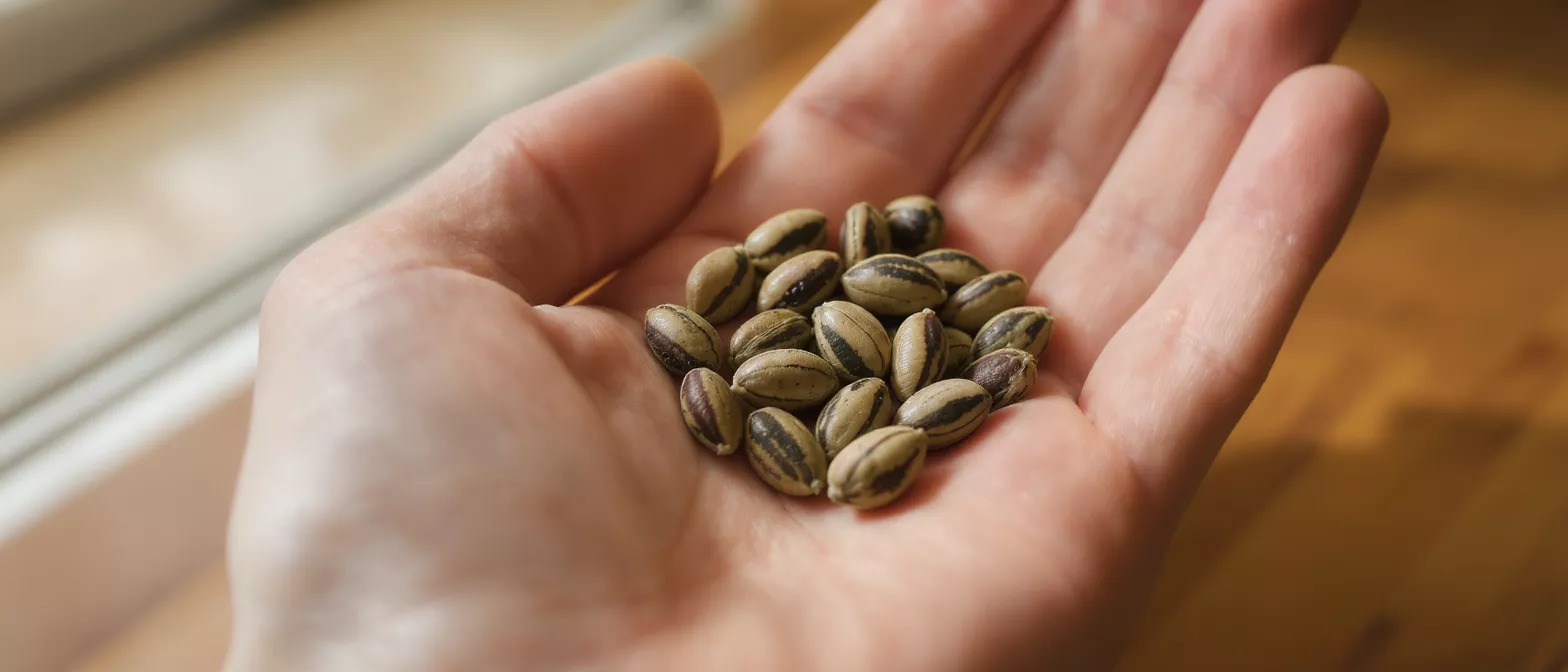
Regular seeds are the original, unaltered form of cannabis seed, produced when a male plant pollinates a female plant in the way nature intended. Unlike their feminized counterparts, regular seeds carry a roughly even chance of growing into either a male or a female plant. This 50/50 split is not a flaw — it is the genetic foundation that breeders, hobbyists, and preservationists have relied on for decades to keep cannabis lineages alive and evolving.
For anyone new to the glossary of growing, the word "regular" can be misleading. It does not mean basic or low quality. In fact, regular seeds often represent the purest expression of a strain's genetics, untouched by the chemical or stress-based processes used to force feminization. When you plant a pack of regular seeds, you are essentially planting a small population of distinct individuals, each one a unique combination of the parent plants' traits.
Why "regular" still matters today: Despite the surge in popularity of feminized and autoflowering options, regular seeds remain the backbone of serious breeding. They preserve the full chromosomal picture, including the male genetics that feminized lines simply discard. Without regular seeds, there would be no new crosses, no stabilized hybrids, and no way to recover heirloom dank that might otherwise vanish from the gene pool. Their continued relevance is a quiet reminder that the foundations of cultivation are worth protecting.
How Regular Seeds Work Genetically
At the chromosomal level, cannabis sex is determined much like it is in mammals. Female plants carry two X chromosomes, while male plants carry one X and one Y. When a male pollinates a female, the resulting regular seeds inherit one sex chromosome from each parent, producing the characteristic near-even split between males and females. This mechanism has been studied extensively in plant biology, and resources like Examine illustrate how genetic inheritance shapes observable traits across organisms.
The role of environment: Genetics set the stage, but environmental stress can influence sexual expression. Light interruptions, extreme temperatures, and nutrient imbalances can occasionally push a plant toward hermaphroditism, where it develops both male and female parts. Regular seeds from stable, well-bred parents tend to resist this far better than poorly stabilized stock, which is one reason experienced growers gravitate toward reputable genetics.
Understanding this inheritance is what makes regular seeds so powerful for breeders. Because both parents contribute a full and honest set of genes, the offspring display the natural range of variation hidden within a strain. Some plants will lean toward the mother's diesel funk, others toward the father's structure or resin production. This genetic diversity is the raw material from which every famous cultivar was eventually selected and stabilized.
Regular Seeds vs Feminized Seeds
The most common question newcomers ask is whether they should buy regular or feminized seeds. The honest answer depends entirely on your goals. Feminized seeds are bred to produce almost exclusively female plants, which is ideal for growers who only want flower and do not intend to breed. Regular seeds, by contrast, give you both sexes and therefore the ability to create your own crosses.
Here is a quick comparison to clarify the practical differences between the two:
- 🌱 Sex outcome: Regular seeds yield roughly 50% male and 50% female; feminized seeds yield nearly all females.
- 🧬 Breeding value: Regular seeds are essential for breeding and preserving lines; feminized seeds are a dead end genetically.
- 💪 Genetic stability: Regular lines avoid the hermaphroditic tendencies sometimes introduced during feminization.
- 💰 Cost efficiency: Feminized seeds reduce wasted grow space, while regular seeds require culling males.
- 🔬 Phenotype hunting: Regular packs expose the full range of expression hidden in a strain.
For many cultivators, the decision is not either/or. Plenty of growers keep feminized seeds for guaranteed harvests while reserving regular seeds for experimental projects. If you want consistent buds without the guesswork, a pack of feminized photoperiod seeds covers the everyday grow, leaving regular packs for your breeding bench.
Why Growers Still Choose Regular Seeds
Preservation of heirloom genetics: The most compelling reason to grow regular seeds is to protect rare and historic lines. Landrace strains and old-school heirlooms — the genetic ancestors of today's elixir of designer hybrids — exist in their truest form only as regular seeds. Feminizing them would strip away the male contribution and break the chain of preservation. Growers who care about cannabis history treat regular seeds as living archives.
Healthier mother plants: Some cultivators report that females selected from regular seeds make more vigorous, longer-lived mother plants for cloning. Because these plants were not subjected to the stress hormones used in feminization, their genetics are arguably less prone to instability. This matters when you intend to take cuttings for years rather than months. Research collected by Examine consistently shows that organisms grown under low-stress conditions tend to express more stable, predictable traits.
There is also a philosophical pull toward growing the way nature does. For purists, watching a population of regular seeds reveal its males and females feels like participating in the plant's natural life cycle rather than overriding it. That connection to the craft is intangible but real, and it keeps many seasoned growers loyal to regular genetics even when convenience points elsewhere.
Best Regular Seeds for Breeding Projects
If your ambition is to create something new — your own signature cross, a stabilized hybrid, or a recovered heirloom — regular seeds are non-negotiable. Breeding requires both a male and a female, and only regular seeds reliably supply healthy males with desirable traits. Choosing the right starting genetics determines everything that follows.
When selecting regular seeds for a breeding project, prioritize these qualities:
- 🔥 Stable parentage: Choose lines with documented, consistent lineage to reduce unwanted surprises.
- 🌿 Vigor: Look for genetics known for strong germination and aggressive early growth.
- 💎 Resin and aroma: Select for the diamonds of trichome production and a terpene profile you want to pass on.
- 🛡️ Disease resistance: Mold and pest resilience are heritable and worth selecting for.
- 📋 Reputable source: Buy from breeders who maintain transparent records of their work.
Beginners interested in breeding should start small with one cross rather than attempting an elaborate project. A single well-chosen pair of plants from quality regular seeds will teach you more about phenotype selection than any guide can. For those building a serious garden, pairing regular stock with a reliable set of organic living soil amendments gives your future generations the healthiest possible start.
Identifying Male and Female Plants From Regular Seeds
Spotting pre-flowers early: The single most important skill when growing regular seeds is sexing your plants. Around four to six weeks into vegetative growth, plants begin showing pre-flowers at the nodes where branches meet the main stem. Females develop small teardrop-shaped calyxes with a pair of white pistils, while males form rounded pollen sacs that resemble tiny clusters of grapes.
Timing your inspection matters. If you wait too long, males can release pollen and accidentally seed your entire crop — a frustrating waste of months of work. Check daily once pre-flowers appear, using a magnifier or jeweler's loupe for clarity. The earlier you identify and isolate males, the safer your female flowers remain.
Once identified, you have choices. Most flower-only growers cull males immediately to prevent pollination and conserve resources. Breeders, however, isolate promising males in a separate space to collect pollen for controlled crosses. Whichever path you take, accurate sexing transforms regular seeds from a gamble into a deliberate, manageable process.
Germinating Regular Seeds Step by Step
Germination is identical for regular and feminized seeds, but consistency is everything when you want a strong population to phenotype hunt through. The goal is to provide warmth, moisture, and darkness until the taproot emerges, then transfer the sprout to its growing medium without damaging that delicate root.
The paper towel method remains a favorite for its reliability. Follow these steps for the best results:
- 💧 Soak: Place seeds between damp paper towels on a plate, kept evenly moist but never waterlogged.
- 🌡️ Warmth: Maintain a stable temperature around 70–77°F in a dark, undisturbed spot.
- ⏳ Patience: Most viable seeds crack open within two to seven days.
- 🌱 Transplant: Move sprouts taproot-down into soil or a starter plug once the root reaches a quarter inch.
- 💡 Light: Provide gentle light immediately after the seedling breaks the surface.
Handle germinating seeds with clean hands and avoid touching the taproot directly. A consistent environment is far more important than any single trick, and quality genetics germinate readily under reasonable care. If you want to give every seedling the best odds, a set of seedling propagation domes holds humidity steady during those vulnerable first days.
Are Regular Seeds More Stable
The stability argument: A long-running belief among veteran growers is that regular seeds produce more genetically stable plants than feminized ones. The reasoning is sound: feminization relies on stressing or chemically treating a female plant to produce pollen, and any tendency toward hermaphroditism in that mother can be passed to her seeds. Regular seeds skip this process entirely, inheriting genetics through normal pollination.
That said, stability ultimately comes down to the breeder, not the seed type alone. A poorly bred regular line can be just as unpredictable as a sloppy feminized one. The advantage of regular seeds is that they don't add an extra layer of induced stress to the genetic equation — they simply pass along whatever the parents carried. Scientific overviews of plant genetics, such as those compiled by Examine, reinforce that inherited stability depends on careful parent selection above all.
For growers chasing repeatable results across multiple harvests, this matters. Selecting a strong female from regular seeds and keeping her as a mother plant lets you clone a known, stable phenotype indefinitely. In this way, regular seeds become the entry point to a consistent garden, not a source of chaos as some beginners fear.
Common Mistakes When Growing Regular Seeds
Missing the males: The most costly error with regular seeds is failing to identify and remove males before they release pollen. A single overlooked male can seed an entire room, leaving you with flowers full of unwanted seeds rather than smokable buds. New growers sometimes underestimate how quickly pollen sacs mature, so vigilance during the pre-flower window is essential.
Another frequent misstep is overcrowding. Because regular seeds will lose roughly half their number to culled males, beginners often plant too few and end up disappointed with only one or two females. Plant more than you think you need, knowing that the population will thin itself out naturally once sexing begins. This planning prevents the frustration of a sparse final garden.
Finally, many growers neglect record-keeping. When you are phenotype hunting through regular seeds, tracking which plant showed the best diesel aroma, the densest structure, or the heaviest resin is invaluable. Without notes, the standout dope you discover this run may be impossible to identify or reproduce next time. Treat your grow journal as part of the equipment, not an afterthought.
Choosing Regular Seeds for Your Grow
Match the seed to the mission: Before buying, be honest about what you want. If you only want a quick personal stash, feminized or autoflowering seeds may serve you better. But if you want to breed, preserve genetics, or simply experience cannabis cultivation in its most authentic form, regular seeds are the right call. There is no universal best choice — only the best choice for your specific goals.
Source matters enormously. Reputable seed banks and breeders document their lineage, test germination rates, and stand behind their genetics. Cheap, unverified regular seeds may carry unstable traits or poor viability, undermining the very stability that makes them attractive. Spend a little more on trusted genetics and you will save yourself months of disappointment down the line.
In the end, regular seeds represent the heart of cannabis cultivation — the unaltered genetic blueprint from which every modern strain descends. They demand a bit more attention, some patience with sexing, and a willingness to embrace nature's coin flip. In return, they offer the purest genetics, the deepest breeding potential, and a genuine connection to the craft. Whether you are preserving an heirloom or chasing your own perfect phenotype, regular seeds reward the grower who respects them with results no shortcut can match.