Hotboxing
Learn everything about hotboxing - the cannabis practice, science, safety risks, and legal considerations.
Hotboxing is one of cannabis culture's most enduring rituals, equal parts shared experience and folk science. At its core, the practice involves consuming cannabis in a small, enclosed, unventilated space so that the smoke lingers and fills the air around everyone present. For decades, friends have piled into cars, closets, tents, and bathrooms to do exactly this, convinced that the trapped haze amplifies the entire experience. But how much of the hotboxing legend holds up under scrutiny, and how much is simply tradition passed down through generations of smokers?
In this guide we will unpack the real mechanics of hotboxing, separate fact from folklore, and walk through the practical, legal, and health considerations every curious reader should understand before sealing the windows. Whether you are a newcomer trying to make sense of the slang or a seasoned consumer looking for a deeper explanation, the sections below cover the practice from every meaningful angle.
What Is Hotboxing and Where Did It Come From
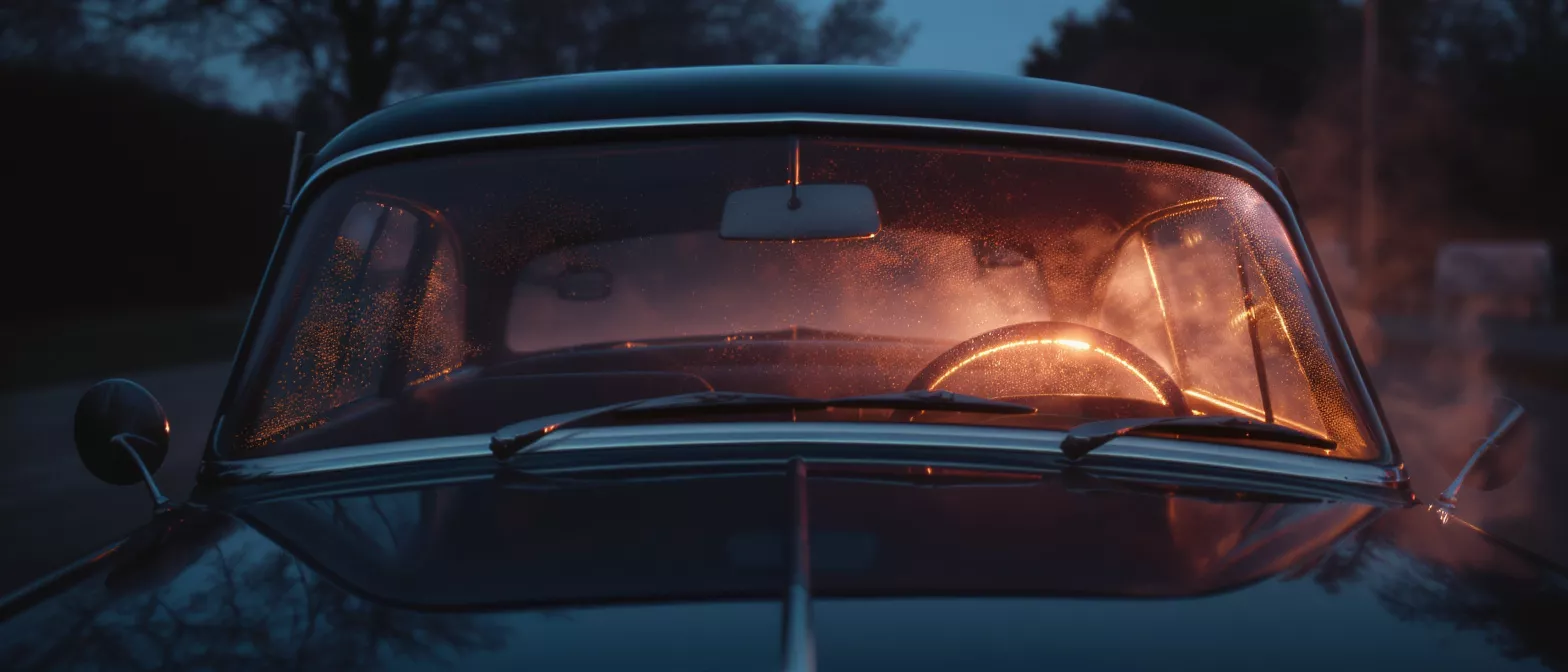
The simple definition: hotboxing refers to smoking cannabis inside a confined, poorly ventilated space until the area fills with lingering smoke. The space might be a parked car, a small bedroom, a shower stall, or even a custom-built tent. The defining feature is the deliberate lack of airflow, which keeps the smoke suspended rather than letting it dissipate the way it would in an open room.
The term itself has fuzzy origins, but it became firmly embedded in cannabis vernacular through the latter half of the twentieth century. It spread alongside car culture, where a vehicle parked in a quiet lot offered privacy, mobility, and a perfectly sized enclosed chamber. Over time, hotboxing grew from a practical discretion strategy into a social ritual with its own etiquette and mythology.
Today the word appears everywhere from film comedies to casual conversation, often with a wink. While the practice is most associated with cannabis flower, the underlying concept applies to any combusted material that produces lingering smoke in a sealed environment.
How Does Hotboxing Actually Work
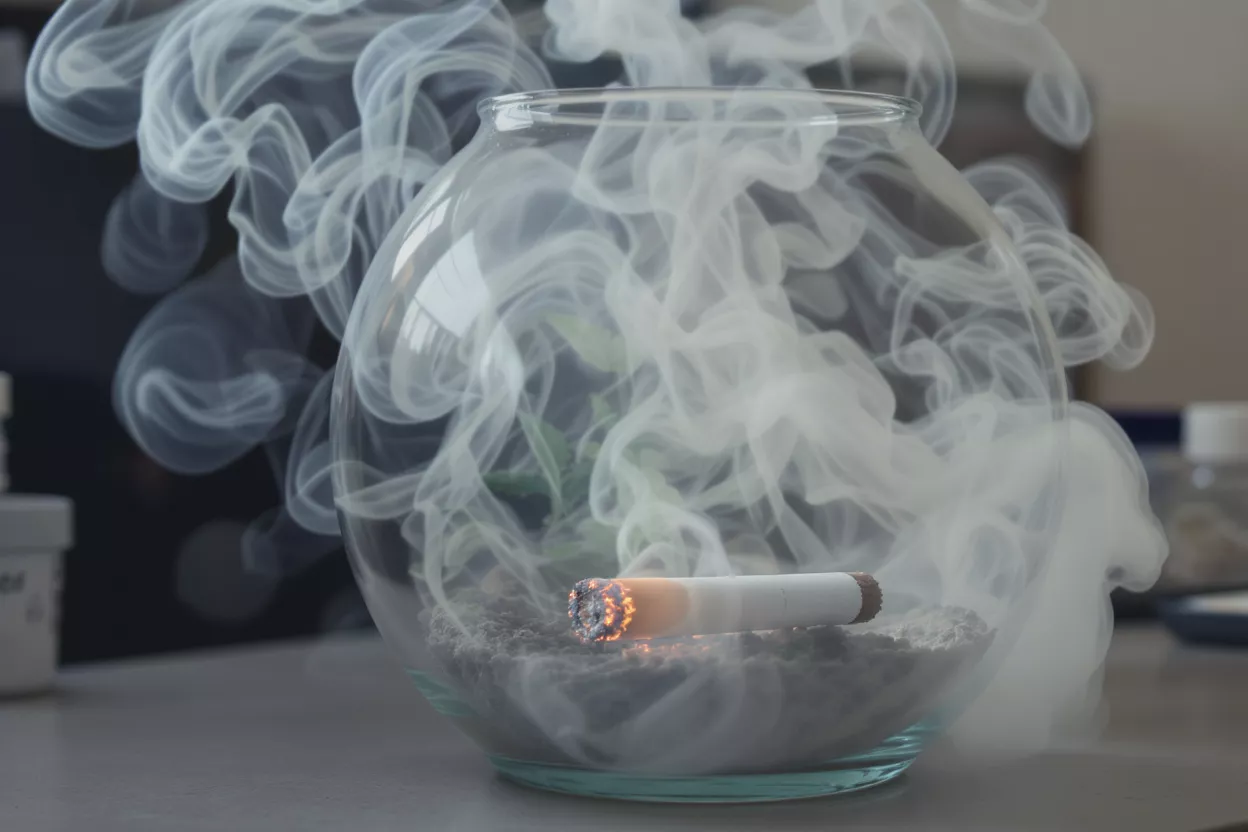
The mechanics of hotboxing come down to basic chemistry and physics. When cannabis is combusted, it releases smoke containing THC and other cannabinoids bound to tiny particulate matter. In an open space, ventilation and air currents quickly disperse these particles. In a sealed environment, they have nowhere to go, so concentration in the surrounding air rises with every exhale.
The smoke saturation effect: as a session continues, the air becomes increasingly dense with cannabinoid-carrying particles. Anyone breathing that air inhales a portion of those compounds whether or not they are actively taking a hit from a joint or pipe. This is the foundation of the entire hotboxing concept and the source of its reputation for intensity.
It is worth understanding that the amount actually absorbed through ambient air is far smaller than what you get from a direct draw. The smoke is diluted across the volume of the space, and casual breathing draws in far less than a deliberate lungful. The effect is real but generally modest compared to direct consumption.
Does Hotboxing Get You Higher
This is the question at the heart of hotboxing mythology, and the honest answer is nuanced. Direct inhalation from your own smoking device is overwhelmingly the dominant factor in how high you get. The ambient smoke in a hotboxed space contributes some additional cannabinoid exposure, but research on secondhand cannabis smoke suggests that meaningful effects from ambient air alone require extreme, unrealistic conditions.
What the science says: controlled studies on secondhand cannabis exposure have found that detectable effects and positive drug tests in non-smoking participants only occurred in unventilated rooms with very high smoke concentrations over extended periods. Under typical, more moderate hotboxing conditions, the contribution to your overall high is real but minor.
Much of the perceived boost is likely a combination of factors: the social setting, the sensory immersion of being surrounded by aroma and haze, slightly elevated ambient exposure, and the psychological expectation that hotboxing intensifies everything. That expectation effect is genuine and should not be dismissed, but it is distinct from a purely pharmacological explanation.
Best Places for Hotboxing and What to Avoid
People hotbox in all sorts of spaces, and some are far better suited to the practice than others. The ideal choice balances privacy, comfort, and crucially, the ability to ventilate afterward. The most common and least advisable locations carry real risks that are easy to overlook in the moment.
Here is a quick comparison of popular hotboxing spaces and their practical tradeoffs:
- 🚗 Parked car: private and enclosed, but raises serious legal and safety concerns, especially if anyone might drive afterward.
- 🚿 Bathroom with shower running: a classic discreet choice, though steam and moisture can make the air uncomfortable.
- ⛺ Tent: intentionally enclosed and easy to air out, but fabric absorbs odor heavily.
- 🚪 Closet or small bedroom: convenient, but lingering smell soaks into clothing and furnishings.
- 🏠 Garage: roomy and ventilatable, generally one of the more sensible options when permitted.
The most important rule transcends location: never hotbox in a space where carbon monoxide could accumulate, never combine it with a running engine, and never do it anywhere that someone might need to operate a vehicle or machinery shortly after.
Hotboxing and Secondhand Cannabis Smoke
Because hotboxing concentrates smoke in shared air, everyone present is exposed to secondhand cannabis smoke whether or not they choose to participate directly. This matters for several reasons, from drug testing implications to genuine health concerns for non-consenting bystanders.
The contact high question: a true contact high from ambient smoke is possible but requires the kind of dense, sustained exposure that only a sealed space can produce. This is precisely why hotboxing is the scenario most likely to cause measurable effects in people who never took a direct hit. Anyone in the space who does not want cannabinoid exposure should simply not be there.
Drug testing is the most practical concern for many. While extreme secondhand exposure can theoretically produce a positive test, realistic hotboxing conditions rarely reach that threshold for an occasional bystander. Still, if you face testing, the safest approach is to avoid enclosed smoke-filled environments entirely rather than gamble on the margins.
Health Risks of Hotboxing You Should Know
Beyond the cannabis itself, hotboxing introduces a distinct set of health considerations rooted in the smoke and the enclosed environment. Combusted plant material produces tar, fine particulates, and combustion byproducts that are not gentle on the respiratory system, and an unventilated space concentrates all of it.
The key health considerations worth keeping in mind include:
- 🫁 Respiratory irritation: concentrated smoke aggravates the lungs and airways, which can trigger coughing, congestion, and discomfort.
- ⚠️ Carbon monoxide: any combustion releases CO, and a sealed space allows it to build, a danger compounded enormously if an engine is running.
- 👁️ Eye and sinus irritation: dense smoke stings the eyes and inflames nasal passages.
- 😵 Lightheadedness: reduced fresh air combined with cannabis effects can cause dizziness or a green-out.
None of this means a single session is inherently dangerous, but it does mean ventilation, moderation, and never mixing hotboxing with running engines are non-negotiable safety practices. People with asthma or other respiratory conditions should be especially cautious.
Is Hotboxing a Car Legal
Legality is one of the most misunderstood aspects of hotboxing, and getting it wrong carries real consequences. Even in jurisdictions where adult-use cannabis is fully legal, consuming it in a vehicle is almost universally prohibited, frequently treated under open-container and impaired-driving statutes.
Public consumption laws: most legal-cannabis regions restrict consumption to private property and explicitly forbid it in motor vehicles, whether the car is moving or parked. A parked car on a public street or in a public lot typically does not qualify as private space, meaning a hotbox session there can draw the same penalties as smoking while driving.
The driving impairment angle is even more serious. Driving after a hotbox session, or even being a passenger who later takes the wheel, raises both safety and legal red flags. Cannabis impairment behind the wheel is illegal everywhere and dangerous regardless of the law. When in doubt, keep cannabis consumption in a private, stationary space and never connect it to operating a vehicle.
Hotboxing Etiquette and Group Sessions
Hotboxing is fundamentally a social activity, and like any shared ritual it comes with unspoken rules. Respecting them keeps sessions comfortable, considerate, and welcoming for everyone in the circle.
A few etiquette principles that seasoned consumers tend to honor:
- 🙋 Consent first: confirm everyone present actually wants to be in a smoke-filled space before sealing it up.
- 🤝 Contribute fairly: if you partake, bring your share of the flower rather than only consuming others'.
- 🔄 Pass courteously: follow the rotation, do not hold the joint while telling a long story, and mind the classic puff-puff-pass rhythm.
- 🌬️ Mind tolerance: check in with less experienced friends who may be overwhelmed by the concentrated environment.
Reading the room: good hosts pay attention to comfort levels throughout a session. If someone goes quiet, looks pale, or asks to crack a window, respond immediately. The point of the gathering is collective enjoyment, not endurance, and the social fabric of cannabis culture rests on this kind of mutual care.
Safer Alternatives to Hotboxing
For those who love the communal aspect of hotboxing but want to sidestep the smoke saturation and enclosed-space risks, plenty of alternatives deliver the shared experience with fewer downsides. The social ritual matters more than the haze, and there are many ways to preserve it.
Consider these approaches when you want the togetherness without the trapped smoke:
- 💨 Vaporizing: a quality dry-herb vaporizer produces far less particulate and odor while still being passable in a group.
- 🍬 Edibles: sharing edibles eliminates smoke entirely while keeping the social rhythm intact.
- 🪟 Ventilated group smoking: simply opening windows preserves most of the experience while reducing the worst air-quality issues.
- 🏞️ Outdoor sessions: smoking outside where legal removes enclosed-space hazards completely.
None of these require giving up the camaraderie that makes group consumption appealing. They simply shift the emphasis away from concentrated smoke and toward comfort, health, and sustainability of the experience over time.
Hotboxing FAQs Answered
To round out this guide, here are concise answers to the questions readers most often ask about hotboxing. These address the practical curiosities that tend to come up after the basics are covered.
How long does a hotbox last? The dense smoke in a sealed space lingers as long as it remains unventilated, which can be many minutes to hours. Once you open a door or window, fresh air clears the bulk of the haze relatively quickly, though odor on fabric and surfaces persists far longer.
Will hotboxing make my car or room smell forever? Cannabis smoke odor clings stubbornly to upholstery, carpet, and clothing. Hard surfaces clean up more easily than soft ones, but a heavily hotboxed interior may need thorough cleaning and extended airing to fully neutralize. This is one reason vaporizing or outdoor consumption appeals to people who value a fresh-smelling space.
Hotboxing remains a defining piece of cannabis culture, blending genuine chemistry with a healthy dose of folklore. Understanding how it actually works, where its risks lie, and how to do it considerately allows you to make informed choices rather than relying on myth. Whether you embrace the tradition, modify it with better ventilation, or skip the enclosed smoke altogether, the most important takeaways are simple: prioritize consent, never mix it with driving, respect everyone's comfort, and keep the air, and the company, healthy.