

Delta-10
Discover what Delta-10 THC is, how it feels, and how to dose it safely.
What Is Delta-10 THC?
Delta-10 THC is a minor cannabinoid found naturally in the cannabis plant, though only in trace amounts. Like its more famous relatives, it interacts with the body's endocannabinoid system to produce psychotropic effects — but those effects tend to be noticeably gentler than what most people associate with traditional THC. For anyone curious about the expanding world of hemp-derived compounds, Delta-10 has become one of the most talked-about newcomers.
The compound shares the same molecular formula as delta-9 and delta-8 THC, but the position of one chemical double bond is different. That subtle structural shift is what gives Delta-10 its distinct character. Because the plant produces so little of it on its own, virtually every Delta-10 product on the market is created through careful laboratory processing rather than simple extraction.
Why Delta-10 is suddenly everywhere: The 2018 U.S. Farm Bill opened the door to hemp-derived cannabinoids, and manufacturers responded by developing ways to convert abundant CBD into rarer molecules like Delta-10. The result is a cannabinoid that delivers a lighter, more functional experience — appealing to people who find delta-9 too intense or anxiety-provoking.
How Delta-10 Is Made From Hemp
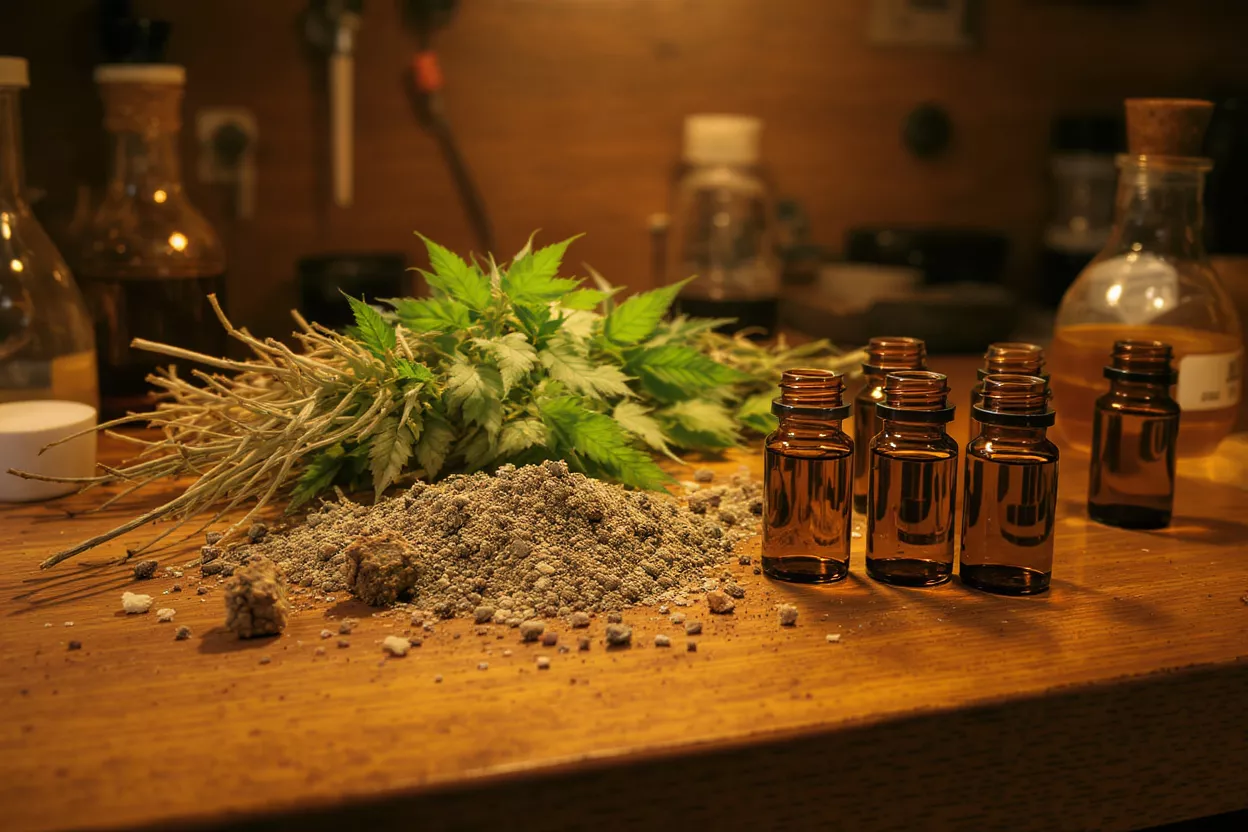
Because Delta-10 exists in such small concentrations in raw cannabis, producers rely on conversion chemistry to manufacture it at scale. The process typically begins with hemp-derived CBD, which is extracted from legal hemp and then refined into a concentrated isolate. From there, chemists use acids, catalysts, and controlled conditions to rearrange the molecule into Delta-10.
The role of isomerization: The technical term for this conversion is isomerization, a chemical reaction that shuffles atoms into a new arrangement without changing the overall formula. Interestingly, Delta-10 was reportedly discovered by accident when a cannabis company processed material that had been contaminated with fire retardant, producing unexpected crystals that were later identified as this novel cannabinoid.
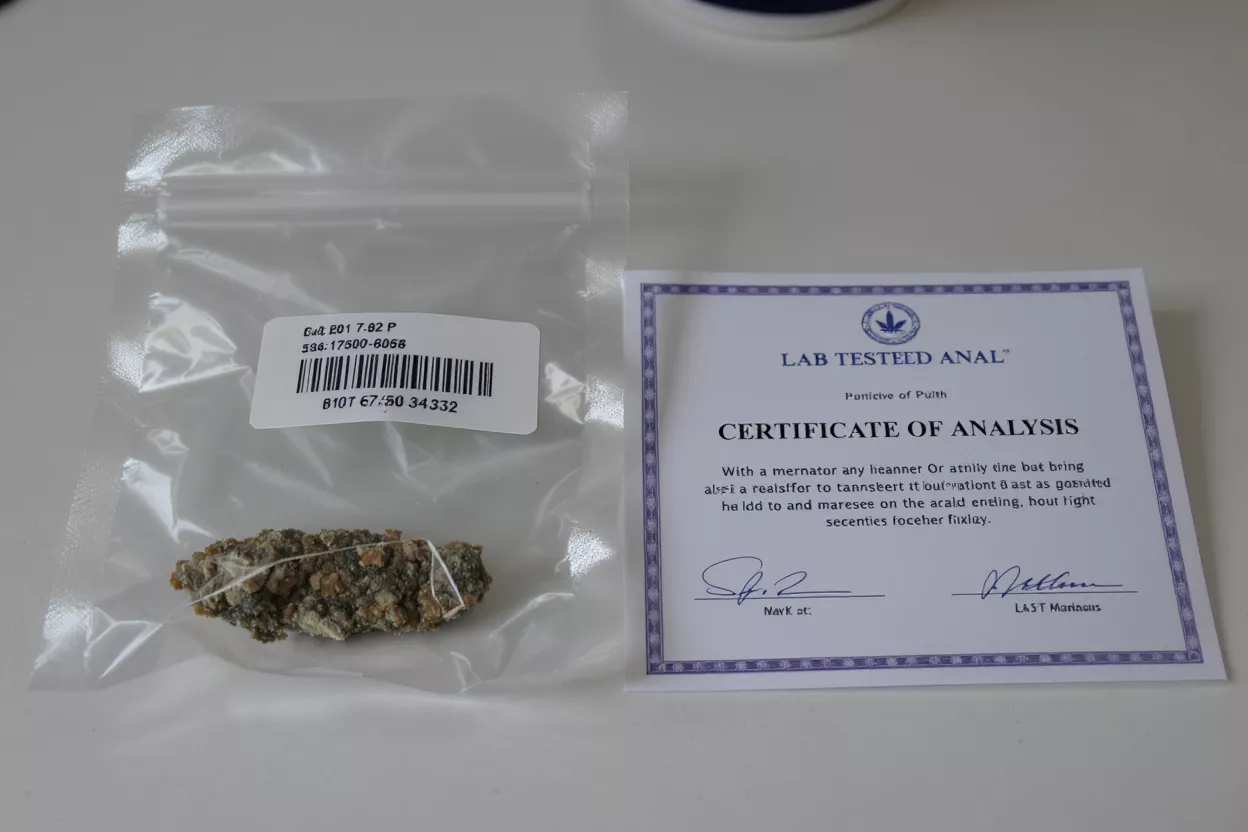
Quality control matters enormously here. The conversion process can leave behind residual reagents or unwanted byproducts if it is not done properly, which is why reputable producers invest in thorough purification and third-party lab testing. When you see a certificate of analysis attached to a product, it confirms the final extract has been screened for purity, potency, and contaminants.
Delta-10 vs Delta-9 vs Delta-8
Understanding where Delta-10 fits requires a quick comparison with its better-known cousins. All three are forms of THC, and all three are psychoactive, but they differ in intensity and the type of experience they tend to produce.
The simplest way to think about it is on a spectrum of strength. Delta-9 sits at the potent end, delta-8 occupies the mellow middle, and Delta-10 lands as the lightest of the trio. Many users describe the differences in terms of mood and body sensation rather than raw power alone.
- ⚡ Delta-9 THC: The most potent and widely studied. Strong euphoria, vivid sensory effects, and a higher chance of anxiety or sedation at larger doses.
- 🌙 Delta-8 THC: Roughly half to two-thirds the strength of delta-9. Known for a relaxed, body-heavy, calming feel that many find soothing.
- ☀️ Delta-10 THC: The mildest of the three. Reported to be more energizing and uplifting, often compared to a daytime, sativa-leaning experience.
These comparisons are based largely on user reports rather than extensive clinical trials, so individual responses vary. Still, the general consensus is consistent: Delta-10 is the gentle, clear-headed option for people who want a touch of euphoria without feeling overwhelmed.
What Does Delta-10 Feel Like?
One of the most common questions about Delta-10 is what the actual experience is like. Users frequently describe it as bright, social, and stimulating — a buzz that lifts mood and sparks creativity without the heavy fog or couch-lock associated with stronger cannabinoids. If delta-8 is the cannabinoid you reach for before bed, Delta-10 is the one you might choose for a productive afternoon.
The "sativa-like" reputation: Many people compare Delta-10 to the effects of a sativa-leaning strain. Reported effects include a gentle lift in energy, sharper focus, and an upbeat mood. Because the high is milder, many users also report a lower likelihood of paranoia or anxiety, which makes it approachable for cannabis newcomers.
That said, set and setting still matter. The experience can shift depending on your dose, your tolerance, and even the other cannabinoids and terpenes present in a given product. Starting low and paying attention to how your body responds is the surest way to find your sweet spot.

Delta-10 Effects and Potential Benefits
While rigorous clinical research on Delta-10 is still in its early stages, anecdotal reports and what we understand about the broader cannabinoid family point to several potential benefits. Because it engages the same receptors as other forms of THC, many of its effects overlap — just at a softer intensity.
- 🌿 Mood elevation: Users often report a noticeable uplift in mood and a sense of ease without heavy intoxication.
- 🎯 Focus and motivation: The energizing profile may support concentration during daytime tasks.
- 😌 Stress relief: A gentle calming of mental tension without the sedation of stronger cannabinoids.
- 🍽️ Appetite stimulation: Like other THC variants, it may encourage hunger in some users.
It is worth emphasizing that these observations come primarily from user experience rather than large-scale studies. The cannabinoid is simply too new for the scientific literature to have caught up. Anyone considering Delta-10 for a specific wellness goal should treat it as a complementary option and consult a healthcare provider when appropriate.
What makes Delta-10 genuinely interesting is its position in the daytime niche. Where many cannabinoids push toward relaxation or sleep, Delta-10's lighter, more stimulating character fills a gap for users who want the gentle edge of THC while staying functional and alert.
Types of Delta-10 Products
As demand has grown, Delta-10 has appeared in nearly every product format you would expect from the hemp market. The right choice depends on how quickly you want effects to arrive, how long you want them to last, and how discreet you need your routine to be.
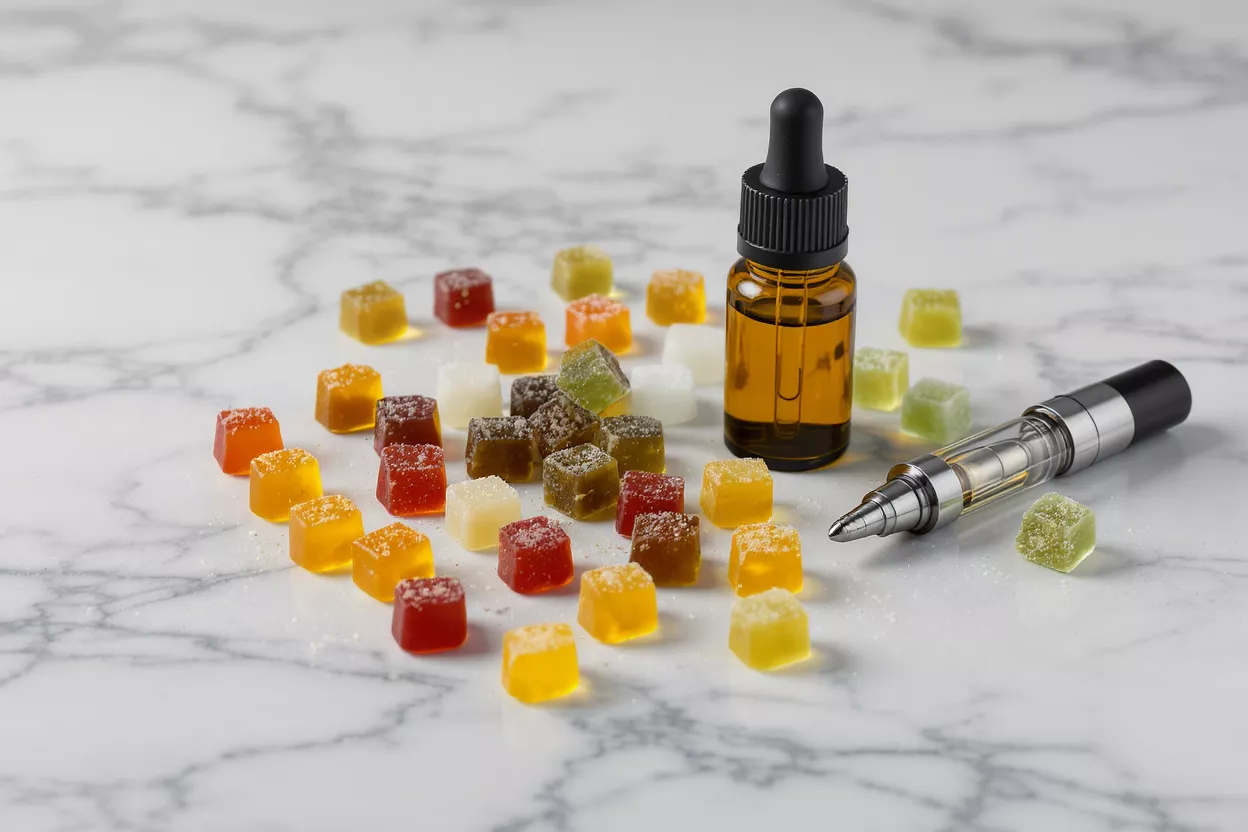
Edibles and gummies: Delta-10 gummies are among the most popular options thanks to their precise dosing and convenience. Effects take longer to set in — often 45 minutes to two hours — but they tend to last considerably longer than inhaled forms. They are ideal for users who prefer a smoke-free experience.
Vapes and cartridges: For those who want rapid onset, vaporizer cartridges and disposables deliver effects within minutes. This format offers the most control over dosing, since you can take a small puff and wait to gauge the result.
- 🍬 Gummies & edibles: Slow onset, long-lasting, precise per-piece dosing.
- 💨 Vape carts & disposables: Fast onset, easy to titrate, shorter duration.
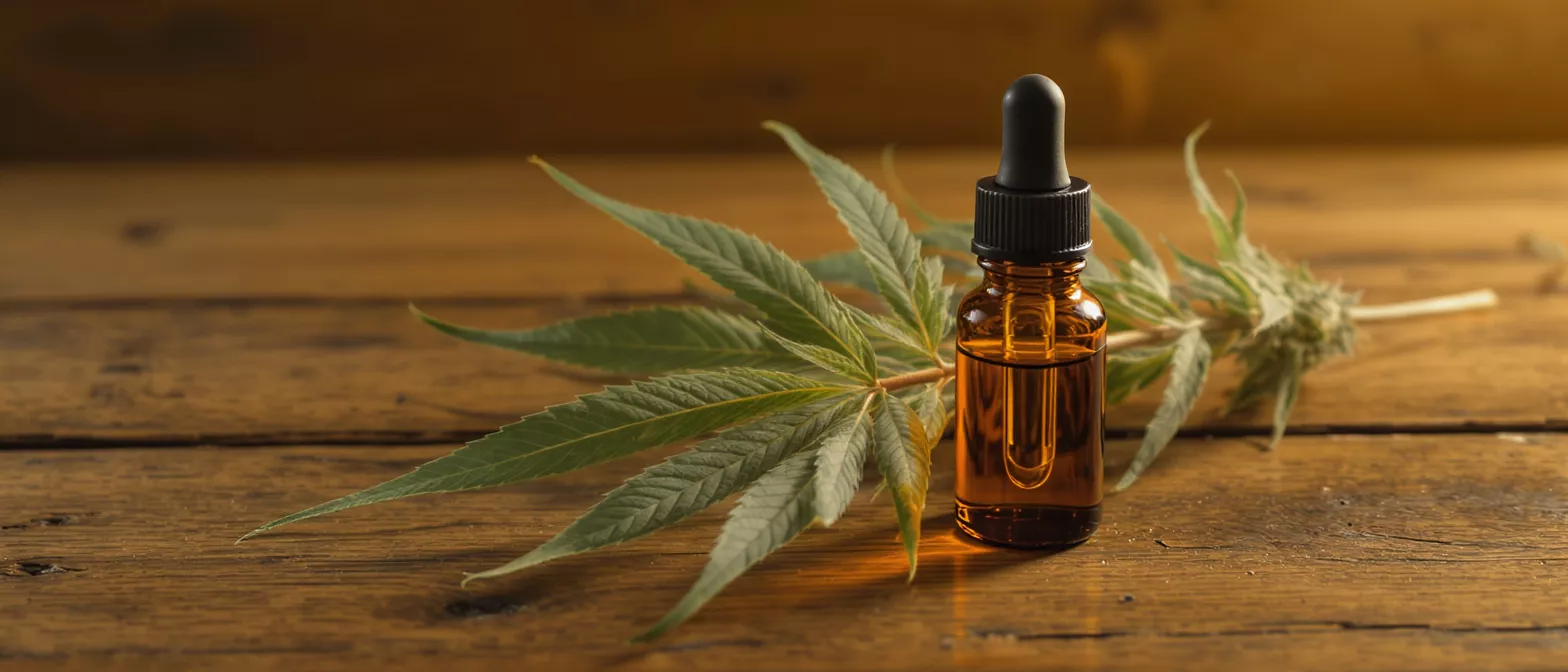
- 🛢️ Tinctures & oils: Flexible dosing taken sublingually for a middle-ground onset.
- 🌬️ Flower & pre-rolls: Hemp flower coated or infused with Delta-10 distillate.
Delta-10 Dosing Guide for Beginners
Because Delta-10 is milder than delta-9, some users assume they can take more freely. While the gentler profile does offer a wider comfort zone, the smart approach is still to start low and go slow. Your ideal dose depends on body weight, metabolism, tolerance, and the product format you choose.
A practical starting point: Many newcomers begin with around 10 milligrams of a Delta-10 edible, then wait a full two hours before considering more. With vapes, a single small puff is enough to assess sensitivity. Experienced cannabis users may comfortably tolerate higher amounts, but there is no benefit to overshooting your sweet spot.
Keep a simple journal of what you take and how you feel. Tracking dose, timing, and effects helps you dial in a routine that works for your body. Remember that combining Delta-10 with alcohol or other substances can amplify effects unpredictably, so it is wise to keep early sessions simple and free of variables.
Is Delta-10 Safe to Use?
Delta-10 appears to be well tolerated by most users, with side effects that mirror those of other THC compounds — typically dry mouth, red eyes, mild dizziness, or an increased appetite. Because its potency is lower, the intensity of these effects is often reduced as well. Still, "milder" does not mean risk-free, and a few important considerations deserve attention.
The purity question: The biggest safety concern with Delta-10 is not the molecule itself but how it is manufactured. Since the compound is produced through chemical conversion, poorly made products can contain residual solvents, heavy metals, or unidentified byproducts. This is precisely why buying from brands that publish current third-party lab results is non-negotiable.
As with any psychoactive substance, certain groups should exercise caution or avoid it entirely — including people who are pregnant or breastfeeding, those with cardiovascular conditions, and anyone taking medications that interact with THC. Operating a vehicle or machinery while under the influence is never advisable, even with a lighter cannabinoid.
Delta-10 and Drug Tests
One of the most frequently overlooked aspects of Delta-10 is its impact on drug testing. Despite being a distinct cannabinoid with milder effects, Delta-10 can absolutely cause a positive result on a standard drug screen. This catches many users off guard.
Why it triggers a positive: Standard urine tests do not look for delta-9 THC specifically. Instead, they detect THC-COOH, a metabolite the body produces as it breaks down any form of THC — including Delta-10. Because your body processes these isomers similarly, the test cannot tell them apart.
If you are subject to routine or random drug testing for employment or other reasons, the safest assumption is that any THC product, Delta-10 included, may show up. The metabolites can linger for days or even weeks depending on frequency of use, body composition, and metabolism. When in doubt, abstain well before a scheduled screening.
Delta-10 Legal Status Explained
The legal landscape for Delta-10 is nuanced and continues to evolve. At the U.S. federal level, hemp-derived cannabinoids containing less than 0.3% delta-9 THC were legalized by the 2018 Farm Bill. Because most Delta-10 is synthesized from hemp-derived CBD, it falls into this category — at least in principle.
The state-by-state patchwork: Federal legality has not stopped individual states from drawing their own lines. A number of states have restricted or banned hemp-derived THC isomers like Delta-10, and the rules can change quickly. What is sold openly in one state may be prohibited just across the border, so checking your local regulations before purchasing is essential.
Regulators are also paying closer attention to how these cannabinoids are made. The synthetic conversion process has raised questions about whether lab-derived isomers should be treated the same as naturally occurring ones. As policy catches up with the market, expect the framework around Delta-10 to keep shifting.
Delta-10 represents a fascinating chapter in the rapidly expanding world of hemp-derived cannabinoids. It offers a lighter, more energizing alternative to traditional THC, appealing to users who want a functional, clear-headed experience with less risk of anxiety or sedation. As with any cannabinoid produced through conversion, quality and transparency are everything — so prioritize lab-tested products, start with a modest dose, and stay informed about the legal status where you live. Approached thoughtfully, Delta-10 can be a genuinely enjoyable addition to a modern cannabis routine.


Comments