canna chocolatier
Discover what a canna chocolatier does, how infusion works, and dosing tips.
What Is a Canna Chocolatier
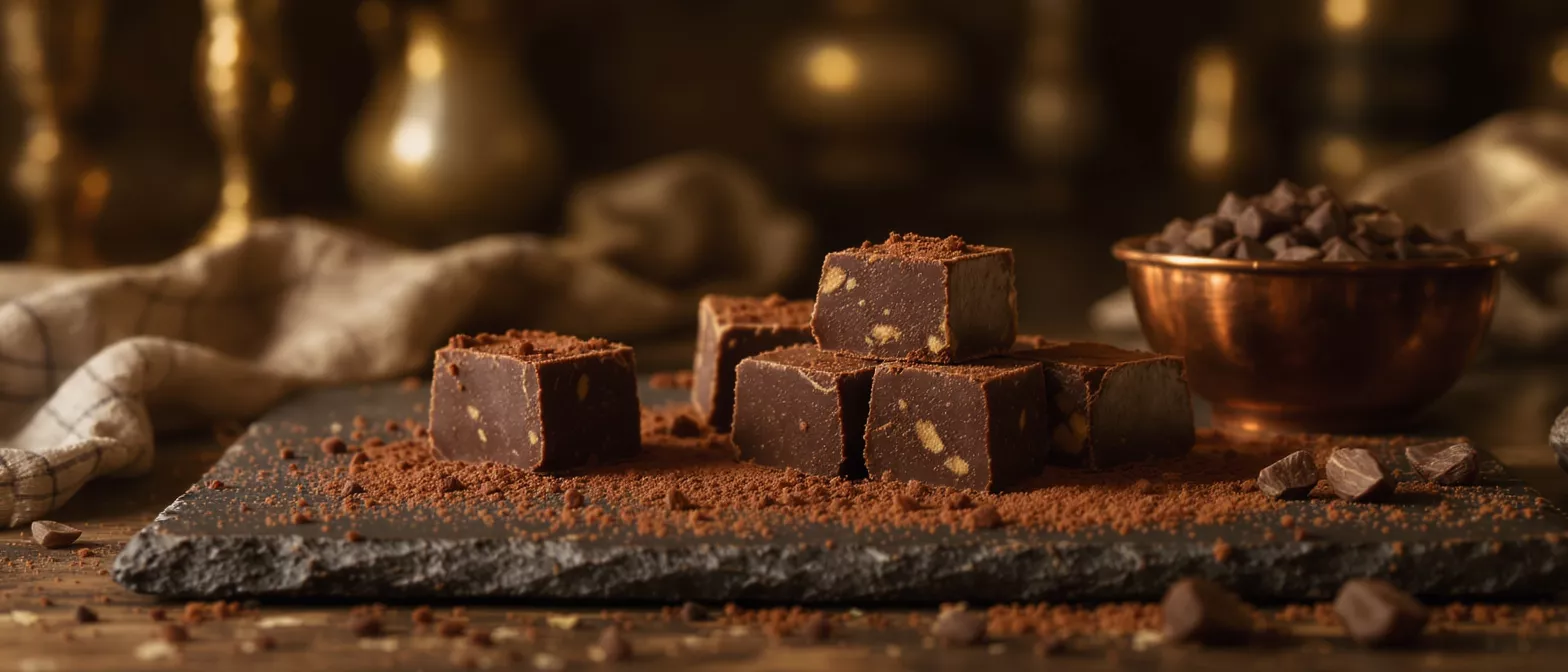
A canna chocolatier is part confectioner, part formulator — someone who marries the craft of fine chocolate making with the precision of cannabinoid infusion. Where a traditional chocolatier obsesses over temper, snap, and flavor, a canna chocolatier adds another layer of complexity: accurate, even dosing of compounds like THC, CBD, and minor cannabinoids across every piece. The result is an edible that looks and tastes like a luxury bonbon but carries a measured, repeatable effect.
The discipline sits at the intersection of culinary art and applied chemistry. Cacao itself contains compounds that may complement cannabinoids, and the smooth, fat-rich matrix of chocolate happens to be one of the best vehicles for carrying fat-soluble molecules. That natural synergy is part of why infused chocolate has become a flagship category for serious edible makers rather than a novelty.
For newcomers, the term "canna chocolatier" describes both a skill set and a small but growing profession. Some work in licensed commercial kitchens producing retail bars and truffles; others are home enthusiasts refining recipes for personal use. According to RxList, cannabinoids absorbed through the digestive tract are metabolized differently than those that are inhaled, which is exactly why dosing discipline defines this craft.
How Canna Chocolatier Infusion Works
Decarboxylation comes first. Raw cannabis flower is rich in acidic precursors like THCA and CBGA — compounds that are not yet active in the way most consumers expect. Gentle heating converts these into THC and CBG, while related minor cannabinoids such as CBN and CBL develop along the way. A canna chocolatier who skips or rushes this step ends up with chocolate that tastes herbal but delivers far less than the label suggests.
Infusing the fat is the second pillar. Cannabinoids bind to lipids, and chocolate is generously endowed with cocoa butter. By blending a decarbed concentrate, distillate, or infused oil into melted couverture at a controlled temperature, the maker distributes the active compounds evenly throughout the batch. Even distribution is the whole game — it is the difference between a truffle that doses reliably and one that delivers a surprise.
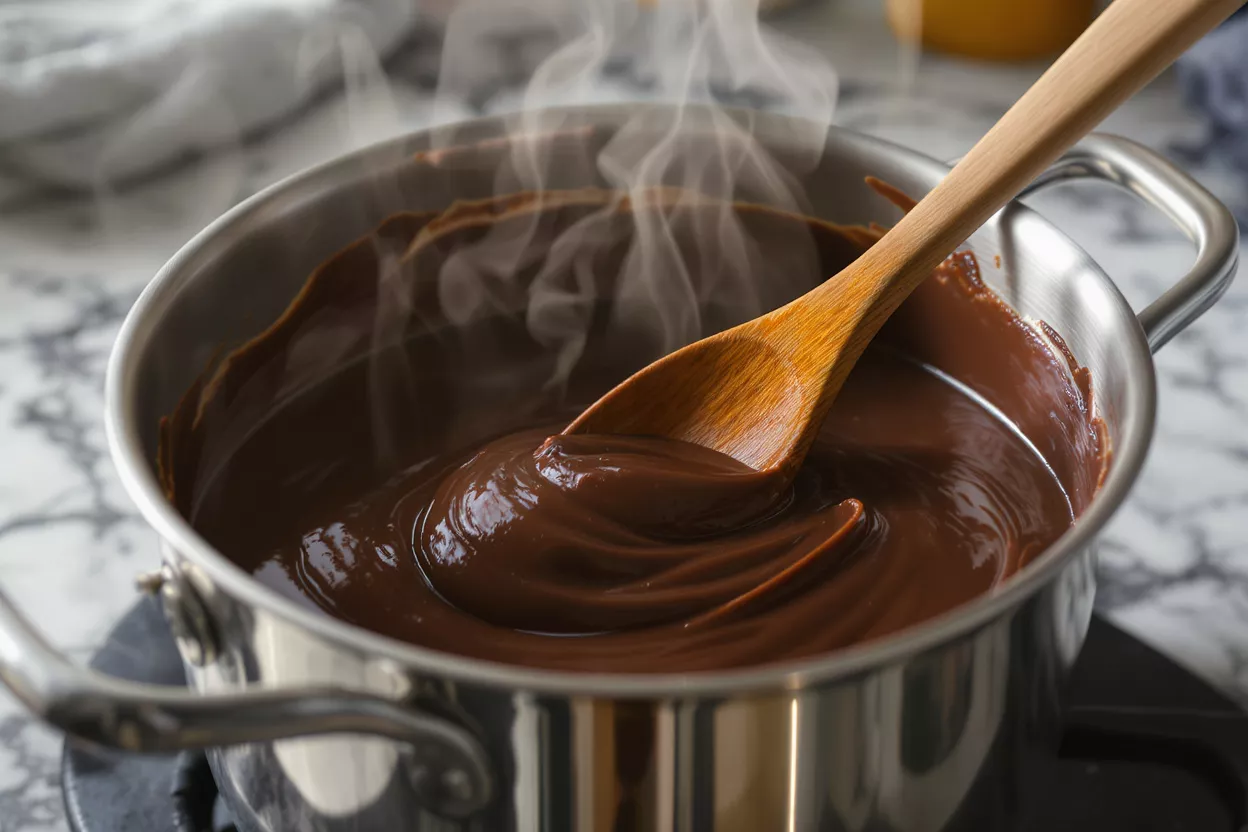
Temperature control ties it all together. Chocolate must be tempered to set with a glossy finish and crisp snap, but cannabinoids degrade if overheated. The skilled maker holds the chocolate in a narrow window — warm enough to flow and temper, cool enough to preserve potency. Many crafters who also experiment with a cbd vape pen for fast effects appreciate just how different the slow, fat-bound absorption of chocolate feels by comparison.
Types of Canna Chocolatier Creations
The format a canna chocolatier chooses shapes both the eating experience and the dosing precision. Molded bars scored into segments make portioning intuitive, while filled truffles and bonbons let the maker layer ganache, caramel, or fruit with the infused chocolate shell. Each style demands a slightly different approach to keeping cannabinoids evenly suspended.
Beyond the classics, modern makers borrow techniques from the wider edibles world. Some draw inspiration from the convenience of single-serving infused chocolate squares that travel well and dose predictably. Others apply a confectioner's flair to seasonal collections — a far cry from the rough homemade brownies of decades past.
- 🍫 Molded bars: scored into equal segments for easy, repeatable dosing.
- 🎁 Filled truffles: a thin infused shell around ganache, caramel, or fruit centers.
- ✨ Bark and clusters: rustic, fast to make, ideal for nuts and dried fruit.
- 🌙 Sleep-focused bites: built around CBN for evening, wind-down use.
Naming conventions in cannabis culture sometimes carry over too. Old slang like Cheeba lingers in product names, and the playful tradition of calling something "Baptize" a batch — a nod to dosing or blessing a recipe — shows how craft and culture intertwine in this space.
Choosing Cannabinoids for Chocolate
Major cannabinoids set the tone. THC delivers the classic psychoactive lift, while CBD offers a non-intoxicating, calming profile that pairs beautifully with dark chocolate. A thoughtful canna chocolatier often blends the two, using CBD to soften the edge of THC for a more balanced, approachable effect.
Minor cannabinoids add nuance. CBG, sometimes called the "mother cannabinoid" because it stems from CBGA, brings a clear-headed quality, while CBN is prized for evening and sleep formulations. Rare compounds like CBL — which forms from CBLA, or cannabicyclolic acid, as cannabis ages — are still being studied, but their presence reflects the full chemical richness of the plant.
Form factor matters as much as cannabinoid choice. Distillate offers near-flavorless potency, full-spectrum oils preserve terpenes and minor compounds, and isolates let the maker dial in a single cannabinoid precisely. As RxList notes, different cannabinoids interact with the body's receptors in distinct ways, so the choice is never purely about flavor.
Canna Chocolatier Dosing Guide
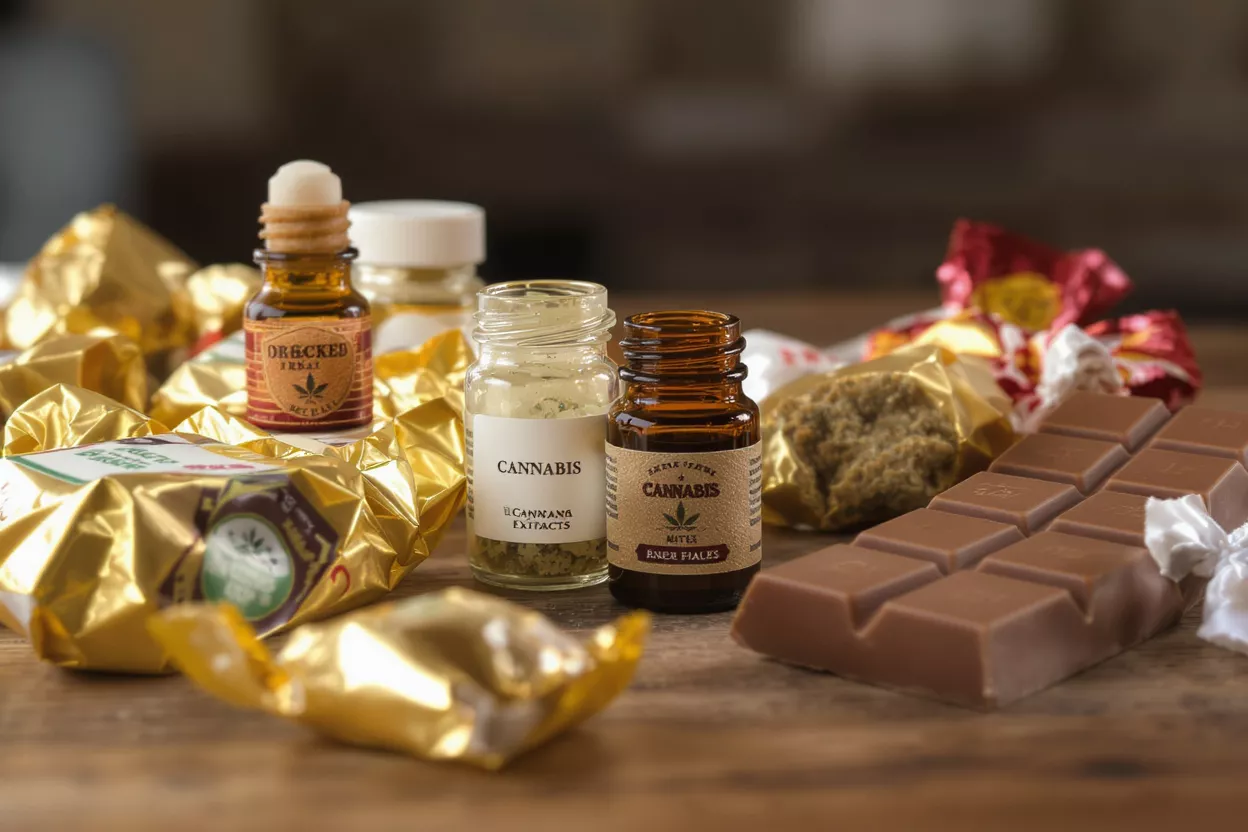
Dosing is where a canna chocolatier earns trust. Because edibles are metabolized by the liver into a more potent form, effects arrive slowly and last longer than inhaled cannabis. The cardinal rule — "start low, go slow" — exists precisely because impatient consumers often re-dose before the first piece takes hold.
Math before melting. Accurate dosing starts with knowing the total cannabinoid content of your infusion and dividing it evenly across the number of pieces. A bar containing 100 mg of THC scored into ten squares yields 10 mg per square — but only if the infusion was mixed thoroughly. This is why even distribution is non-negotiable.
- 🌱 2.5 mg: microdose — subtle, great for first-timers and daytime use.
- 🍃 5 mg: a gentle, common single serving for casual users.
- ⚖️ 10 mg: standard retail dose; noticeable for most consumers.
- 🔥 20 mg+: experienced users only — effects can be strong and long-lasting.
Wait at least 60 to 90 minutes before considering a second piece. RxList emphasizes that oral cannabis effects can take up to two hours to peak, a reality every responsible maker should print clearly on packaging.
Benefits of Chocolate as a Carrier
Chocolate is not an arbitrary choice — it is arguably the ideal cannabinoid carrier. Its high cocoa butter content provides abundant fat for cannabinoids to bind to, improving how the body takes them up. The dense, smooth matrix also masks the grassy bitterness of cannabis extract better than most foods, letting flavor and effect coexist.
There is also a sensory dimension that few carriers match. The ritual of letting a square melt slowly encourages mindful, measured consumption rather than mindless snacking. For those exploring wellness-oriented products — from CBD-forward dark chocolate to balanced daytime bites — that slow ritual reinforces intentional dosing.
Cacao brings its own naturally occurring compounds to the table, including theobromine and trace mood-supportive molecules. While research into how these interact with cannabinoids is ongoing, the pairing feels intuitive — two plant-based traditions, each with deep history, combined into one refined experience.
Terpenes and Flavor Pairing
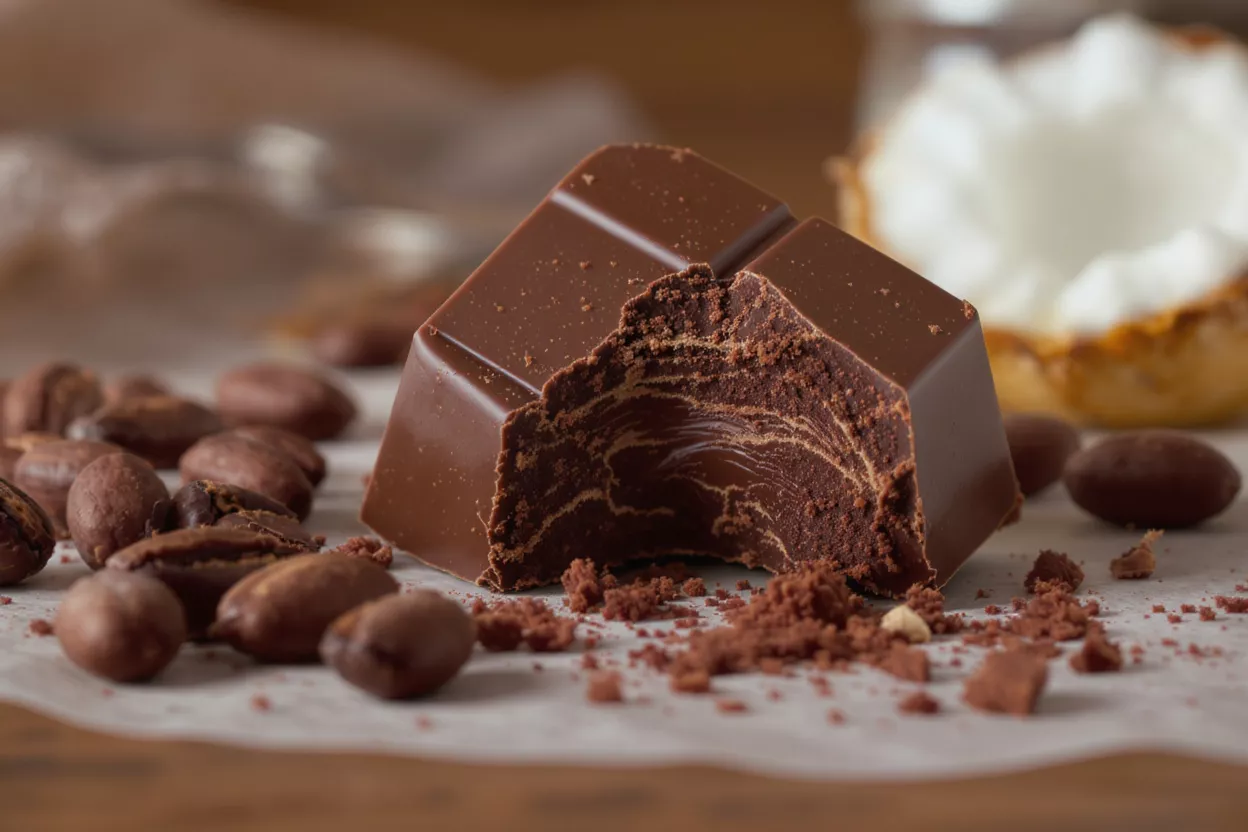
Terpenes are the bridge between flavor and effect. These aromatic compounds give cannabis strains their distinct scents and may subtly shape the experience. The woody, cedar-like quality of cedrene terpene effects, for instance, can complement the deep roast of dark chocolate beautifully, while citrus-forward terpenes brighten milk chocolate.
Smart pairing turns a competent bar into a memorable one. A canna chocolatier thinks like a sommelier — matching the earthy bitterness of 70% cacao with herbal, grounding terpenes, or pairing fruity profiles with white chocolate and berry inclusions. Even a touch of Capsaicin from chili can add a warming counterpoint that lingers pleasantly.
Inclusions extend the palette further. Sea salt, toasted nuts, dried fruit, and even mushroom extracts like Chaga have found their way into modern infused chocolate. These additions are not just decorative — they round out flavor, add texture, and can support the overall wellness positioning of a product line.
How to Store Infused Chocolate
Proper storage protects both flavor and potency. Cannabinoids degrade with exposure to light, heat, and oxygen, so finished chocolate should be kept in a cool, dark, airtight environment. Done right, a well-tempered bar holds its quality for months.
Avoid the fridge when possible. Refrigeration introduces moisture and can cause sugar bloom — that dusty gray film on the surface. A consistent pantry temperature around 60 to 68°F is ideal. If you must refrigerate, seal the chocolate tightly to prevent condensation and odor absorption.
- 🌡️ Cool and stable: aim for 60–68°F, away from ovens and sunlight.
- 🔒 Airtight: limits oxygen exposure that degrades cannabinoids.
- 🌑 Dark storage: light accelerates breakdown of THC into CBN.
- 🏷️ Label clearly: dose per piece and a make-date for tracking freshness.
Clear labeling is as much a safety measure as a freshness one. Infused chocolate is visually indistinguishable from ordinary candy, so every batch should be marked and stored well out of reach of children and pets.
Are Canna Chocolatier Edibles Safe
When made and consumed responsibly, infused chocolate is one of the more controllable ways to enjoy cannabis. The risks are well understood and largely manageable: overconsumption, delayed onset confusion, and accidental ingestion top the list. A skilled canna chocolatier mitigates all three through accurate dosing, clear labeling, and consumer education.
Overconsumption is the most common pitfall. Because effects are delayed, the temptation to eat more before the first dose registers is strong. The remedy is patience and honest packaging. As RxList documents, oral cannabis produces longer, more intense effects than many users anticipate, which is why measured pieces matter so much.
Quality sourcing rounds out safety. Reputable makers test their concentrates for potency and contaminants, avoiding pesticide- or solvent-laden extract. For consumers exploring the broader category — including lab-tested low-dose edibles — third-party testing is the single best signal that a product is both safe and accurately dosed.
Getting Started as a Canna Chocolatier
Becoming a competent canna chocolatier is a journey of incremental skill-building. Start by mastering plain chocolate tempering before you ever add cannabinoids — if you cannot reliably temper, infusion only compounds the difficulty. From there, practice decarboxylation and dosing math with small, inexpensive batches.
Tools make the difference. A reliable thermometer or tempering machine, accurate scales, polycarbonate molds, and lab-tested concentrate form the core kit. Many makers keep a Chillum or simple pipe nearby only to sample strain aromas, not to gauge edible strength — inhaled and eaten cannabis behave very differently, as the slow onset of chocolate makes clear.
The canna chocolatier craft rewards patience, precision, and genuine curiosity about both confectionery and cannabis chemistry. Master the fundamentals of temper and dosing, respect the plant's complexity from CBGA through CBN, and label every batch with care. Do that, and you transform a simple square of chocolate into a refined, reliable, and genuinely enjoyable experience — one that honors both the art of the chocolatier and the science of cannabis.