disposable vape
Learn everything about disposable vape devices — how they work, types, safety, and storage.
What Is a Disposable Vape
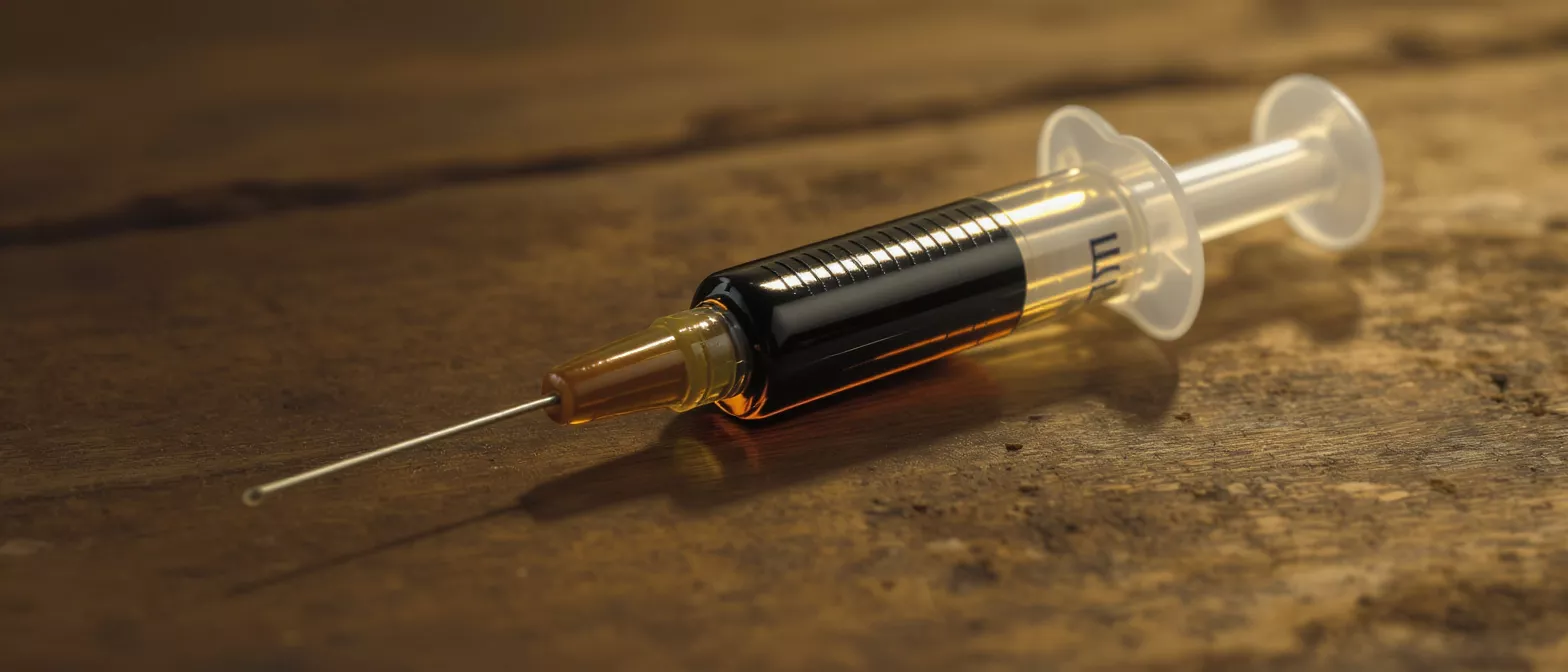
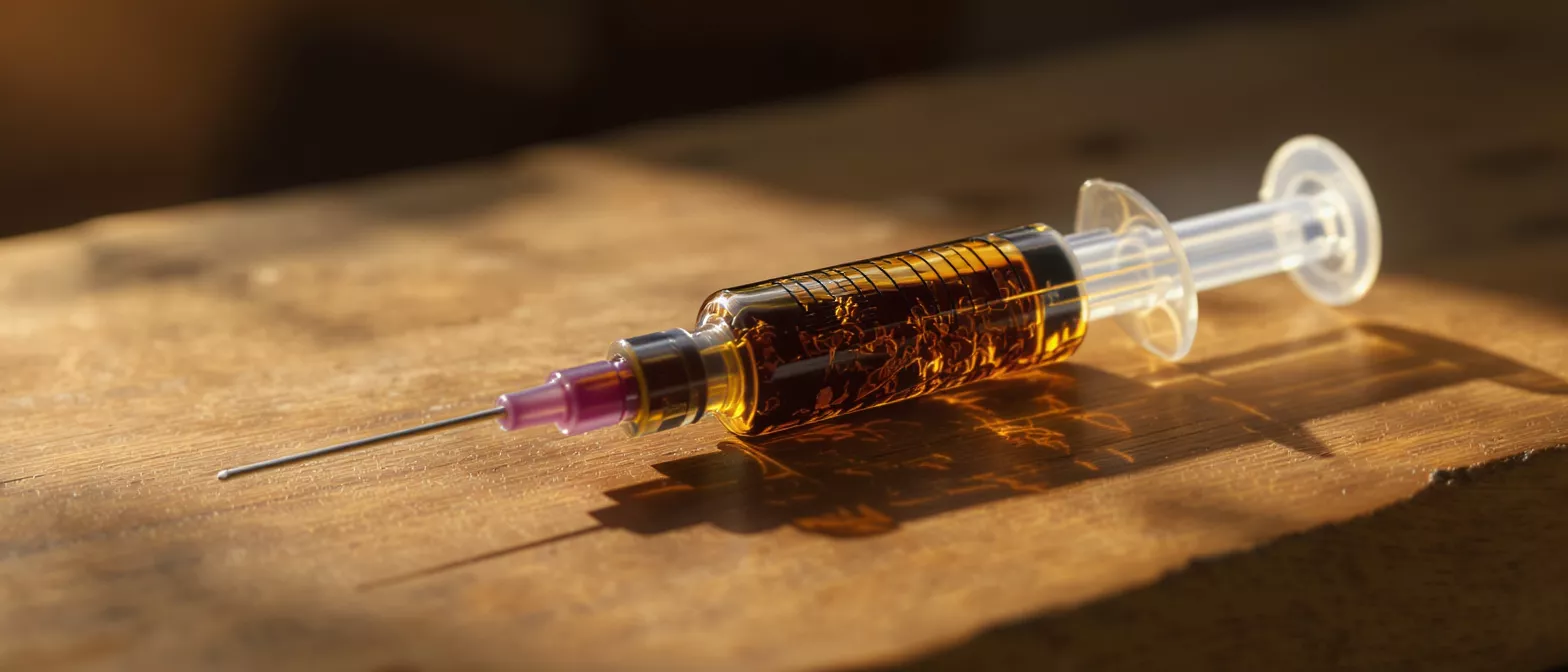
A disposable vape is a self-contained, ready-to-use vaporizer that arrives pre-filled with oil or distillate and pre-charged, requiring no assembly, refilling, or maintenance. From the first puff to the last, the device functions as a single sealed unit, which is precisely why it has become the entry point for so many people exploring cannabis and nicotine alternatives. The appeal is simplicity: unbox it, inhale, and you are done.
The format exploded in popularity because it removes nearly every barrier that intimidated newcomers. There is no separate battery to charge with a wall adapter, no concentrate slurry to load into a chamber, and no learning curve around temperature settings. For a category historically dominated by enthusiasts comfortable with dab rigs and loose flower, the disposable vape reframed the whole experience around convenience.
Why the disposable vape became the default starter device: Manufacturers realized that the friction of traditional vaping kept casual users away. By engineering a grab-and-go product, brands captured an audience that wanted the effects without the ritual. According to Drugs.com, inhaled formulations deliver active compounds rapidly compared with edibles, which partly explains why these pocket-sized devices resonate with people seeking quick, predictable onset.
How Disposable Vapes Work
At its core, a disposable vape pairs a small lithium battery with a heating element called an atomizer and a reservoir of oil. When you inhale—or press a button on draw-activated models—the battery sends current to the atomizer coil, which heats the oil just enough to produce an inhalable aerosol. This process is convection-adjacent: rather than burning material, the device warms it below combustion, releasing vapor instead of smoke.
The absence of combustion is the defining technical feature. Traditional smoking ignites plant matter and produces tar and a long list of byproducts; vaporization aims to volatilize only the target compounds. Terpenes like citronellol and cymene, which contribute aroma and character, survive better at these gentler temperatures than they would in an open flame.
Draw-activated versus button-activated firing: Most disposable vapes use a pressure sensor that fires the coil automatically when you inhale, eliminating buttons entirely. A minority include a small button for users who want manual control over heat-up timing. Neither approach is universally better—draw activation is more intuitive, while button firing can deliver a more consistent first pull.
Types of Disposable Vape Devices
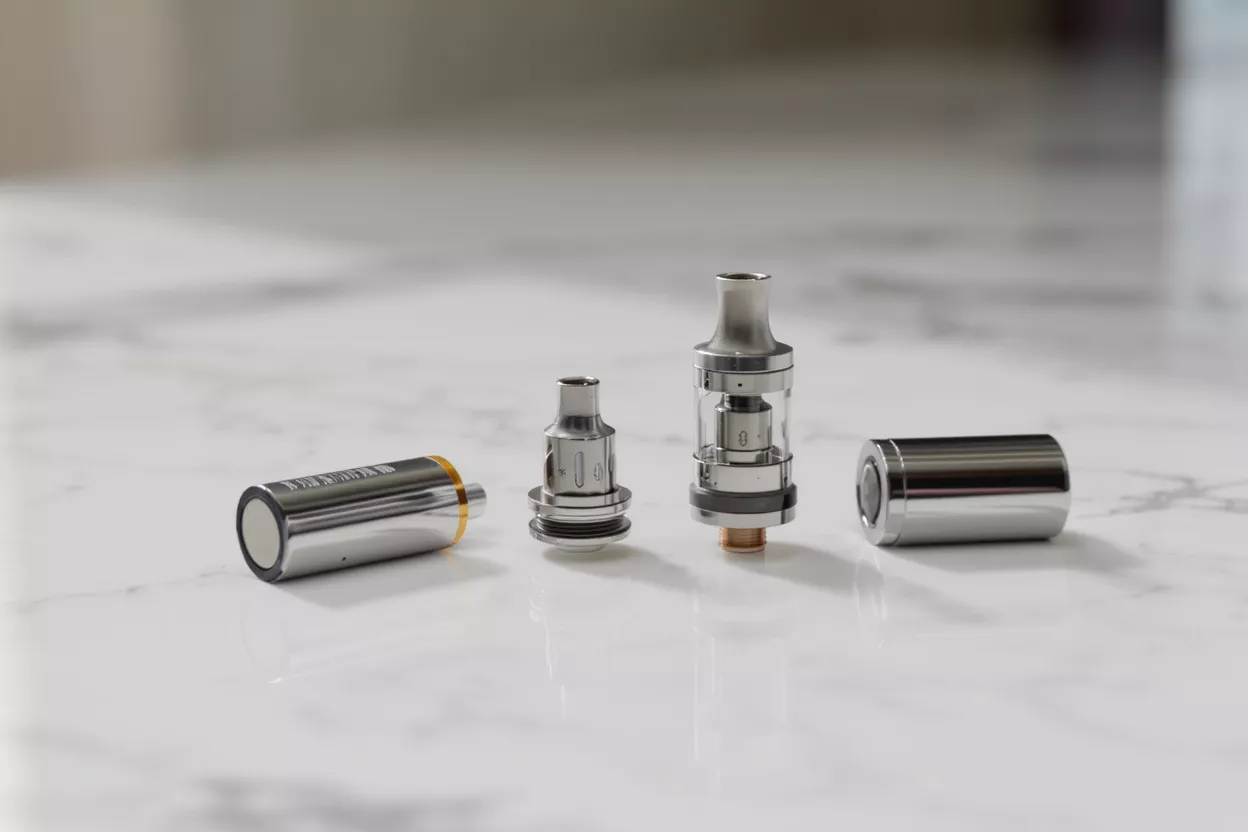
Not all disposable vapes are built the same, and understanding the categories helps you match a device to your goals. The market spans nicotine salt devices, CBD wellness pens, and THC-focused products filled with everything from CO2 oil to live resin. Each type targets a different need, and the oil inside matters as much as the hardware around it.
The extraction method behind the oil shapes the entire experience. CO2 extraction produces a clean, solvent-free CO2 oil prized for purity, while other processes yield concentrates with fuller terpene profiles. A device built around a high-quality full-spectrum vape oil will taste and feel noticeably different from one using thinned distillate.
- 🔋 Nicotine salt disposables: Smooth, high-strength nicotine designed for former cigarette smokers seeking a satisfying throat hit.
- 🌿 CBD disposables: Non-intoxicating wellness devices often blended with curcumin or other botanicals for calm without a high.
- 💨 THC distillate disposables: Potent, clear oil offering strong effects with minimal flavor unless terpenes are reintroduced.
- 🍃 Live resin disposables: Full-flavor devices that preserve the original cultivar's aroma through cold extraction.
Beyond the oil, hardware tiers vary widely. Entry-level pens offer a fixed draw, while premium devices may include adjustable airflow or even a small screen showing puff count and battery level. The right choice depends on how much control you want over each session.
Disposable Vape vs Refillable Pens
The most common question new buyers ask is whether to start with a disposable vape or invest in a refillable system. Disposables win on convenience and upfront cost, while refillable pens win on long-term economics and customization. Neither is objectively superior; the right answer depends on how often you vape and how much you value flexibility.
Cost over time tells the real story: A single disposable is cheap to buy but more expensive per milliliter than buying a cartridge and reusing a battery. Heavy users typically save money by graduating to a refillable battery paired with replacement cartridges, while occasional users rarely vape enough to justify the extra gear.
Refillable systems also let you swap between products freely—one session of a relaxing indica clone, the next a brighter sativa cross—without committing to a full device each time. That said, refilling introduces handling of sticky concentrate slurry and occasional cleaning, which is exactly the hassle disposables were designed to eliminate.
What Goes Inside a Disposable Vape
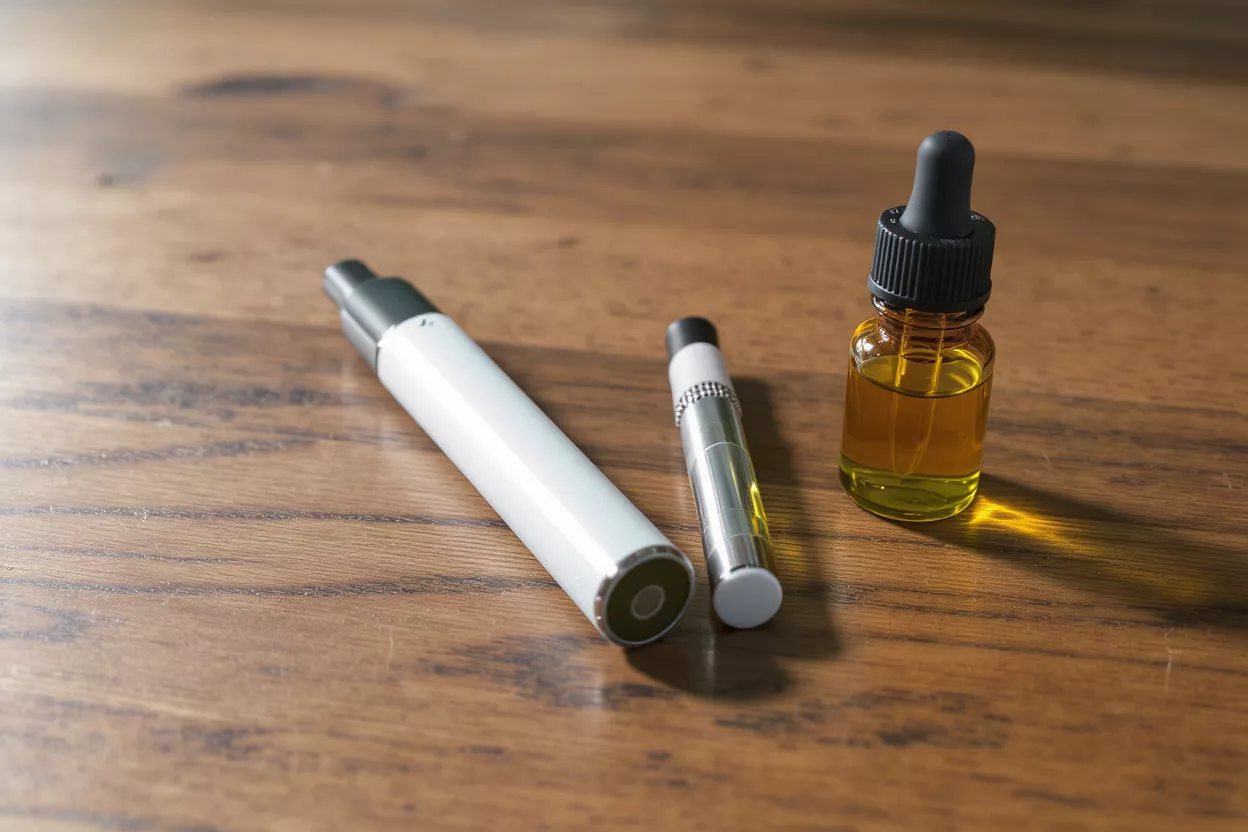
Understanding the ingredients inside a disposable vape separates informed buyers from those simply trusting packaging. A quality device contains cannabis or hemp oil, naturally occurring or reintroduced terpenes, and sometimes a thinning agent. The best products keep this list short and disclose every component through third-party lab testing.
Terpenes are the unsung heroes of flavor and effect. Compounds like citronellol lend floral notes, cymene adds a subtle spice, and the broader terpene profile influences whether a session feels uplifting or leans toward couch lock. A terpene-rich distillate cartridge reproduces the character of the original flower far better than a stripped-down distillate ever could.
- 🧪 Cannabinoids: THC, CBD, or minor cannabinoids that drive the primary effects.
- 🌸 Terpenes: Aromatic molecules such as citronellol and cymene that shape flavor and mood.
- 💧 Carrier or thinner: Used sparingly in some oils to adjust viscosity for smoother airflow.
- 📋 Lab certificate: A COA confirming potency and screening for residual solvents or pesticides.
What you do not want to see matters too. Cutting agents like vitamin E acetate drew regulatory scrutiny after being linked to lung injuries, and reputable brands have eliminated them entirely. Drugs.com notes that inhaled additives can behave unpredictably in the lungs, which is why solvent-free CO2 extraction and full-panel testing have become non-negotiable markers of quality.
Disposable Vape Benefits for New Users
For someone trying cannabis vaping for the first time, the disposable vape removes intimidation from the equation. There is nothing to assemble, no battery to monitor, and no risk of loading the wrong product. This low-commitment design makes it ideal for sampling a strain or cannabinoid before investing in pricier reusable hardware.
Predictable dosing helps beginners stay comfortable: Because each draw delivers a relatively consistent amount of vapor, newcomers can start with a single puff, wait, and gauge their response before continuing. Onset through inhalation is rapid, so the feedback loop is fast—unlike edibles, where delayed effects often lead to overconsumption and the dreaded crossfade when mixed with alcohol.
Discretion is another genuine advantage. A disposable vape produces less lingering odor than combusted flower, fits in a pocket, and resembles ordinary consumer electronics. For people who value privacy or vape in shared spaces, a low-odor pocket vape offers a level of subtlety that a joint with its visible cola and telltale smoke simply cannot match.
How to Choose the Best Disposable Vape
Choosing the best disposable vape comes down to matching potency, flavor, and trustworthiness to your needs. Start by reading the certificate of analysis—if a brand cannot show you lab results, treat that as a red flag. From there, consider the cannabinoid profile, terpene content, and the reputation of the extraction process behind the oil.
Flavor and effect should guide the rest of the decision. Live resin and CO2 oil products generally preserve more of the source plant's terpenes, delivering a richer experience than budget distillate. If you are after specific effects, look at the strain lineage—a well-documented cross or clone tells you what character to expect from curing and cultivation through to the final oil.
Battery capacity and oil volume should match: A common frustration is a device whose battery dies before the oil runs out, or vice versa. Quality manufacturers balance the two so the last puff is as satisfying as the first. Larger-capacity disposables suit regular users, while smaller ones make sense for sampling or occasional sessions.
Are Disposable Vapes Safe
Safety is the question every responsible buyer should ask, and the honest answer is that it depends entirely on the product. A lab-tested disposable from a licensed source is a very different proposition from an unregulated cartridge bought off the street. The hardware, the oil, and the testing behind both determine whether a device is reasonably safe or genuinely risky.
Vetted oil is the single biggest safety factor: The lung injuries that made headlines were overwhelmingly traced to illicit-market products containing thickening agents, not to regulated, tested oil. According to Drugs.com, the additives matter more than the act of vaping itself, which is why insisting on a full lab panel is the most protective habit a consumer can build.
That said, vaping is not risk-free, and no responsible guide pretends otherwise. Inhaling any aerosol introduces it into delicate lung tissue, and effects on respiratory health over long timelines are still being studied. Common short-term side effects include cottonmouth and mild throat irritation, both manageable with hydration but worth acknowledging honestly.
How to Store a Disposable Vape
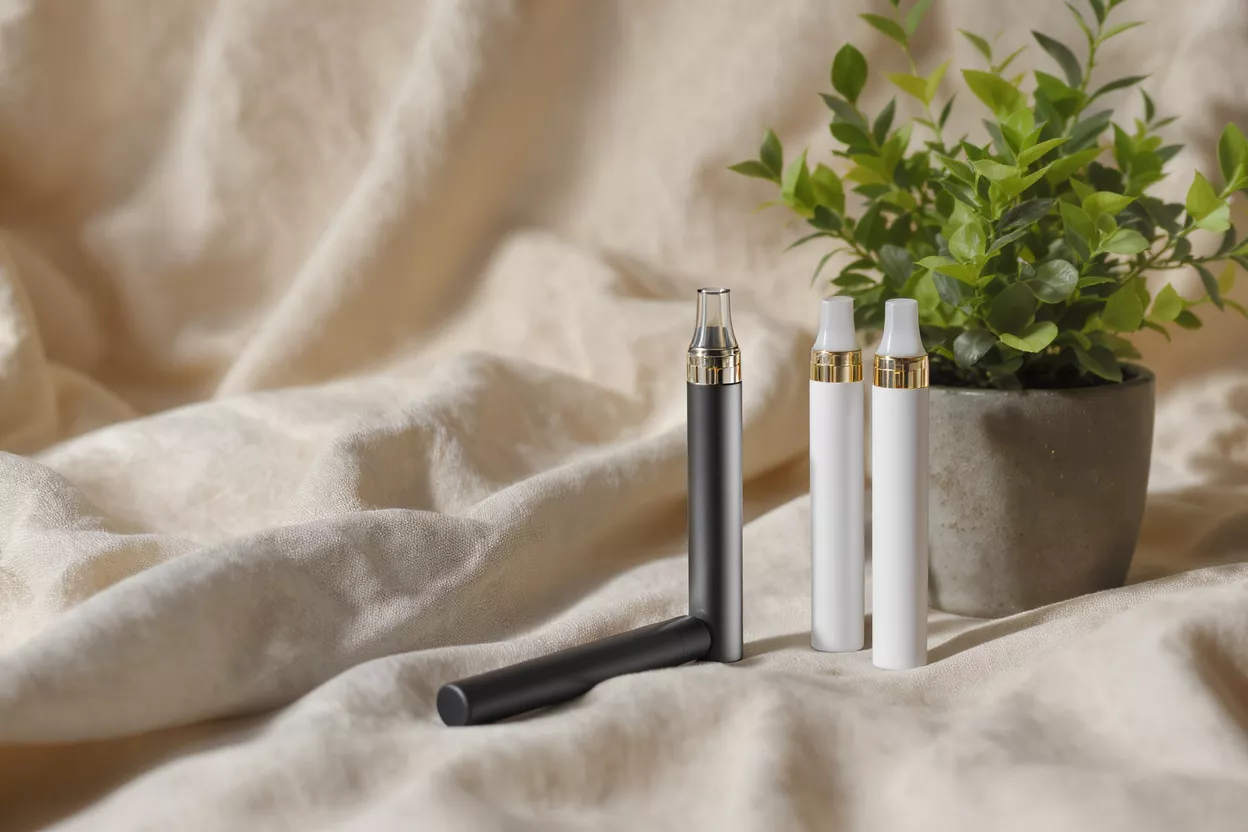
Proper storage extends the life and flavor of a disposable vape more than most users realize. Heat, light, and extreme cold all degrade cannabis oil and can damage the battery. Storing your device upright in a cool, dark place—away from a hot car or sunny windowsill—keeps the oil flowing smoothly and the terpenes intact.
Temperature swings are the main enemy. Excessive heat thins the oil and can cause leaking, while freezing temperatures thicken it and may produce harsh, uneven draws until it warms back up. Room temperature is the safe target, and keeping the device upright prevents oil from migrating toward the mouthpiece.
- 🌡️ Keep it cool: Store between roughly 60–70°F and avoid direct sunlight or heat sources.
- 🔼 Stay upright: Standing the device on its base prevents clogs and leaks at the mouthpiece.
- 🌑 Block light: UV exposure degrades cannabinoids and dulls flavor over time.
- 🔌 Mind the battery: Extreme cold reduces battery performance and shortens usable life.
If a device sits unused for a while and the first draw feels weak, a gentle warming in your hands often restores normal flow. Avoid artificial heat sources, which can damage both oil and electronics.
Disposable Vape Disposal and the Environment
The convenience of a disposable vape carries an environmental cost worth confronting. Each device contains a lithium battery, plastic, and metal components that do not belong in household trash. As these products proliferate, responsible disposal has become a genuine concern for both regulators and conscientious users.
Lithium batteries demand special handling: Tossing a spent disposable in the bin risks fires at waste facilities and leaches heavy metals into landfills. Many municipalities offer e-waste or battery recycling programs, and a growing number of dispensaries accept used devices for proper processing. Treat a finished vape like any other small electronic, not like ordinary garbage.
Some manufacturers have responded with take-back programs and more recyclable designs, and heavy users may find that refillable systems reduce waste substantially over time. Weighing convenience against environmental impact is a personal calculation, but being informed about it is part of using these products responsibly.
The disposable vape earned its popularity honestly: it is simple, portable, and forgiving for newcomers. Yet the best experience comes from looking past the convenience to what actually matters—lab-tested oil, clean extraction like CO2 or live resin, balanced hardware, and a brand willing to show its work. Store it sensibly, dispose of it responsibly, and choose products backed by transparent testing, and a disposable vape can be a genuinely reliable way to explore cannabis. Treat the certificate of analysis as your north star, and the rest of the decisions fall neatly into place.