

HTFSE
Discover what HTFSE is, how it's made, and why it delivers unmatched flavour.
What Is HTFSE in Cannabis Extraction?
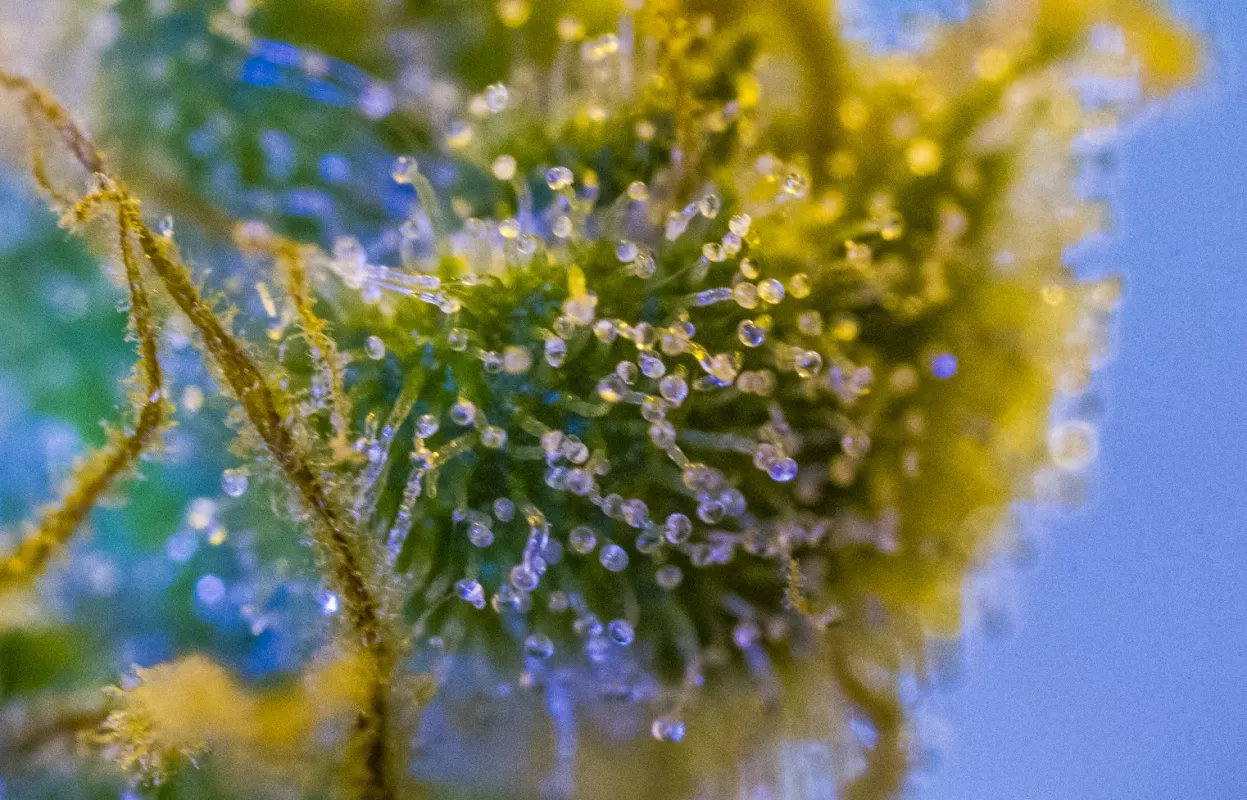
HTFSE stands for High Terpene Full Spectrum Extract, one of the most aromatic and nuanced products in the modern concentrate world. The "full spectrum" part of the name signals that the extract captures the broad range of compounds present in the living cannabis plant — cannabinoids, terpenes, and minor molecules — rather than isolating a single component. What sets HTFSE apart is its deliberate emphasis on preserving and concentrating the terpene fraction, the volatile aromatic oils responsible for the smell and flavor of every cultivar.
Why the "high terpene" distinction matters: Most concentrates lose a significant portion of their terpenes during processing because terpenes are delicate and evaporate easily under heat or pressure. HTFSE flips that priority. The extraction and post-processing are tuned specifically to retain terpene content that can reach 13% to 40% by weight — figures that dwarf what you find in conventional shatter or distillate. This terpene density is the entire point of the product.
Connoisseurs gravitate toward HTFSE because it tastes and smells like the plant it came from, capturing subtle floral, citrus, pine, or fuel notes that get flattened in coarser extracts. Rather than chasing raw THC numbers, HTFSE celebrates the full sensory profile of high-quality cannabis.
How HTFSE Is Made Through Fractioning
The starting point is fresh, high-grade material: Producing HTFSE almost always begins with carefully grown flower or fresh-frozen plant material that is rich in trichomes. Because the goal is to preserve fragile aromatic compounds, growers and extractors treat the input with the same care a vintner gives premium grapes. Poor starting material simply cannot yield a top-tier terpene profile, no matter how skilled the processing.
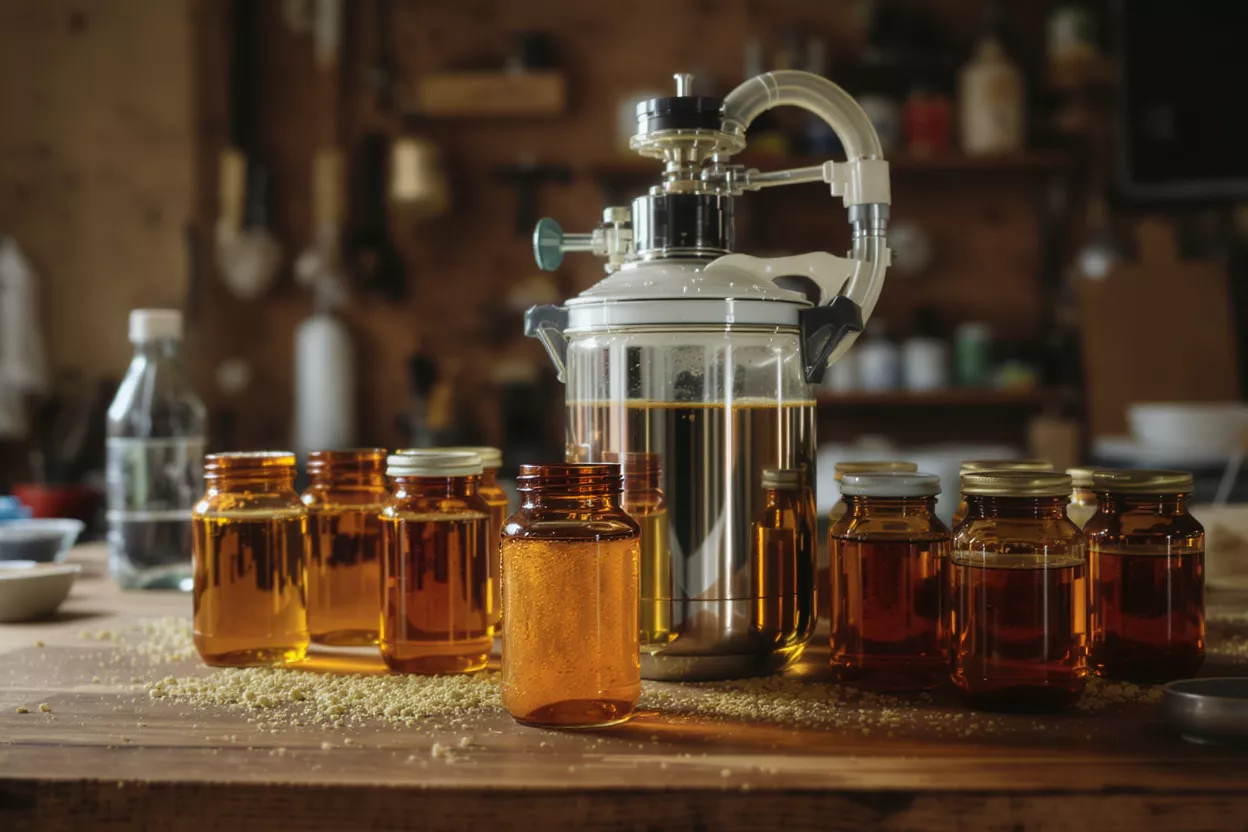
The signature step in making HTFSE is fractioning. After a hydrocarbon extraction — typically using butane or propane — the resulting solution is processed so that the cannabinoid-rich and terpene-rich portions separate into distinct fractions. The terpene fraction stays liquid and oily at room temperature, while the cannabinoid fraction tends to crystallize. This natural divergence is the foundation of the HTFSE/HTCSE pairing.
Extractors then recombine or isolate these fractions depending on the desired final product. For HTFSE, the focus rests on capturing the saucy, terpene-dense layer. Precise control over temperature, pressure, and purging time during this stage determines whether the terpenes survive intact or burn off into nothing.
HTFSE vs HTCSE: What Is the Difference?
People searching for HTFSE almost always encounter its sibling acronym, HTCSE — High Terpene Cannabinoid Spectrum Extract. The two come from the same extraction and fractioning process but represent opposite ends of the separation. Understanding the contrast clarifies what you are actually buying.
The core distinction is terpene versus cannabinoid emphasis: HTFSE prioritizes the aromatic terpene fraction, delivering intense flavor and a fuller entourage experience. HTCSE leans toward the cannabinoid-heavy fraction, often appearing as crystalline structures with higher raw potency but a more muted aroma. Neither is strictly superior — they simply serve different priorities.
Here is a quick comparison to keep the two straight:
- 🌿 HTFSE: Terpene-forward, sauce-like or oily texture, vibrant flavor, terpenes often 13–40%.
- 💎 HTCSE: Cannabinoid-forward, crystalline or diamond-like, higher THCA, comparatively subtle aroma.
- 🔬 Shared origin: Both derive from the same full-spectrum extraction split into fractions.
- ⚖️ The choice: Pick HTFSE for flavor and nuance, HTCSE for raw cannabinoid intensity.
Why Terpene Content Defines HTFSE
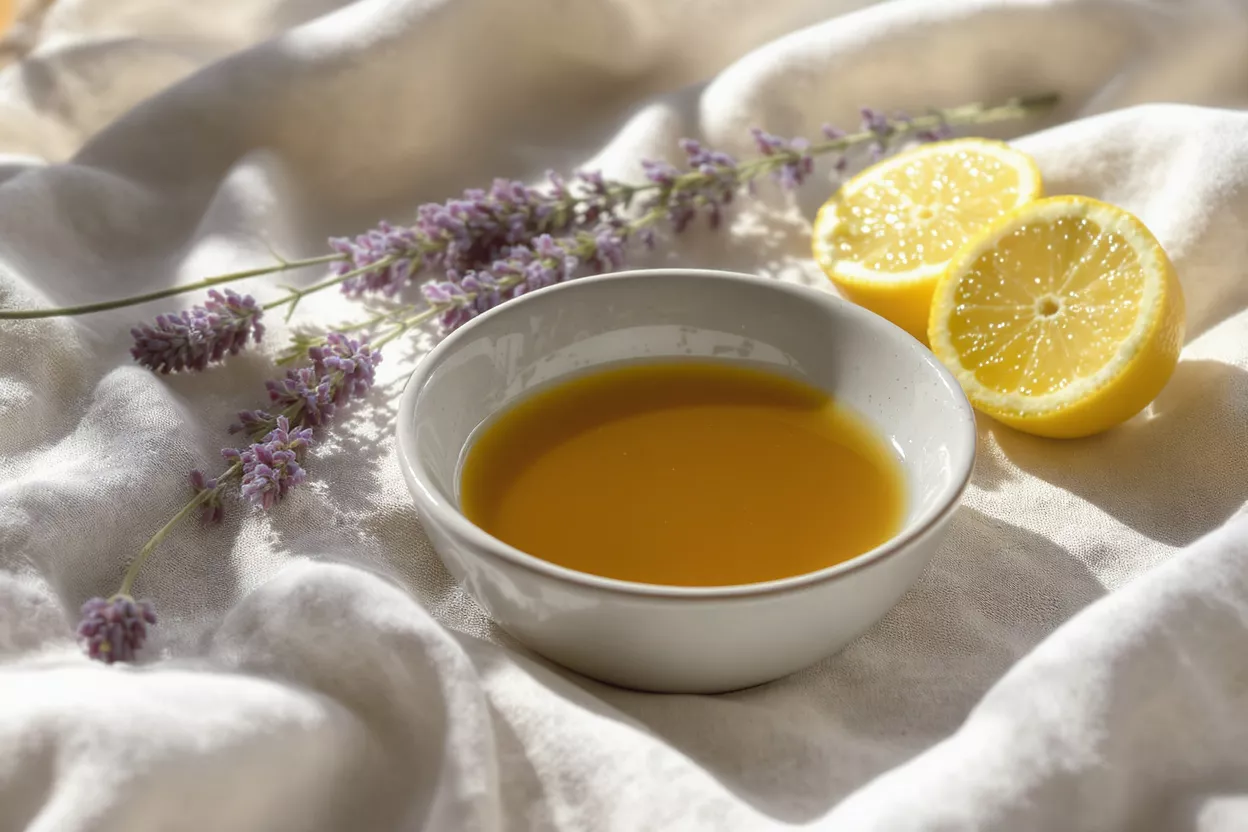
Terpenes are far more than scent: The terpenes concentrated in HTFSE are the same aromatic molecules found throughout the plant kingdom — in lavender, hops, citrus peel, and pine resin. In cannabis they shape not only flavor but potentially the character of the experience itself, interacting with cannabinoids in ways researchers continue to study.
Common terpenes you may find dominating an HTFSE profile include myrcene, limonene, and pinene. Each contributes its own aromatic signature — earthy and herbal, bright and citrusy, or sharp and resinous. The specific blend reflects the genetics of the source cultivar, which is precisely why HTFSE connoisseurs care so deeply about strain selection.
Because terpenes are so volatile, the percentage that survives into the finished extract is a genuine mark of craftsmanship. A terpene reading above 13% is impressive; figures in the 30s and 40s represent the pinnacle of careful, low-temperature processing. These numbers are not marketing fluff — they are measurable evidence of how gently the extract was handled.
What Does HTFSE Look Like and Feel Like?
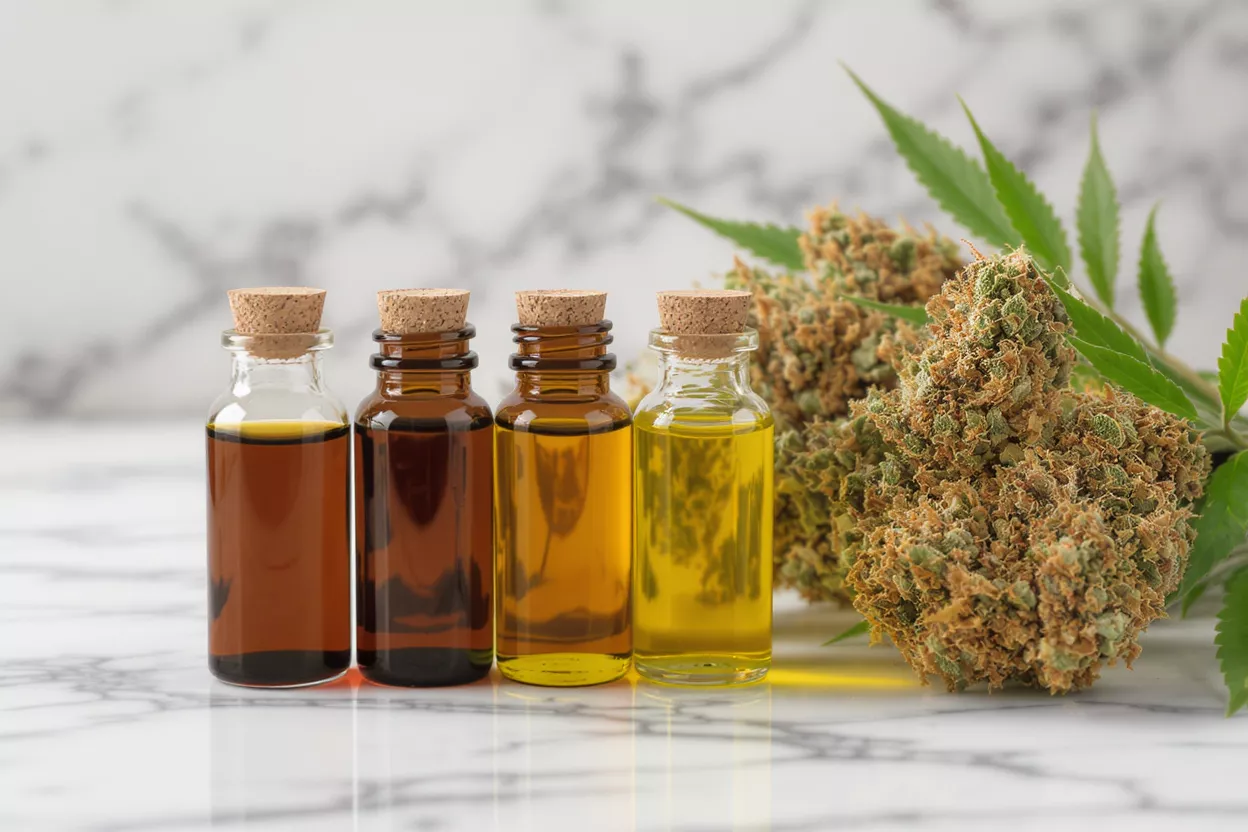
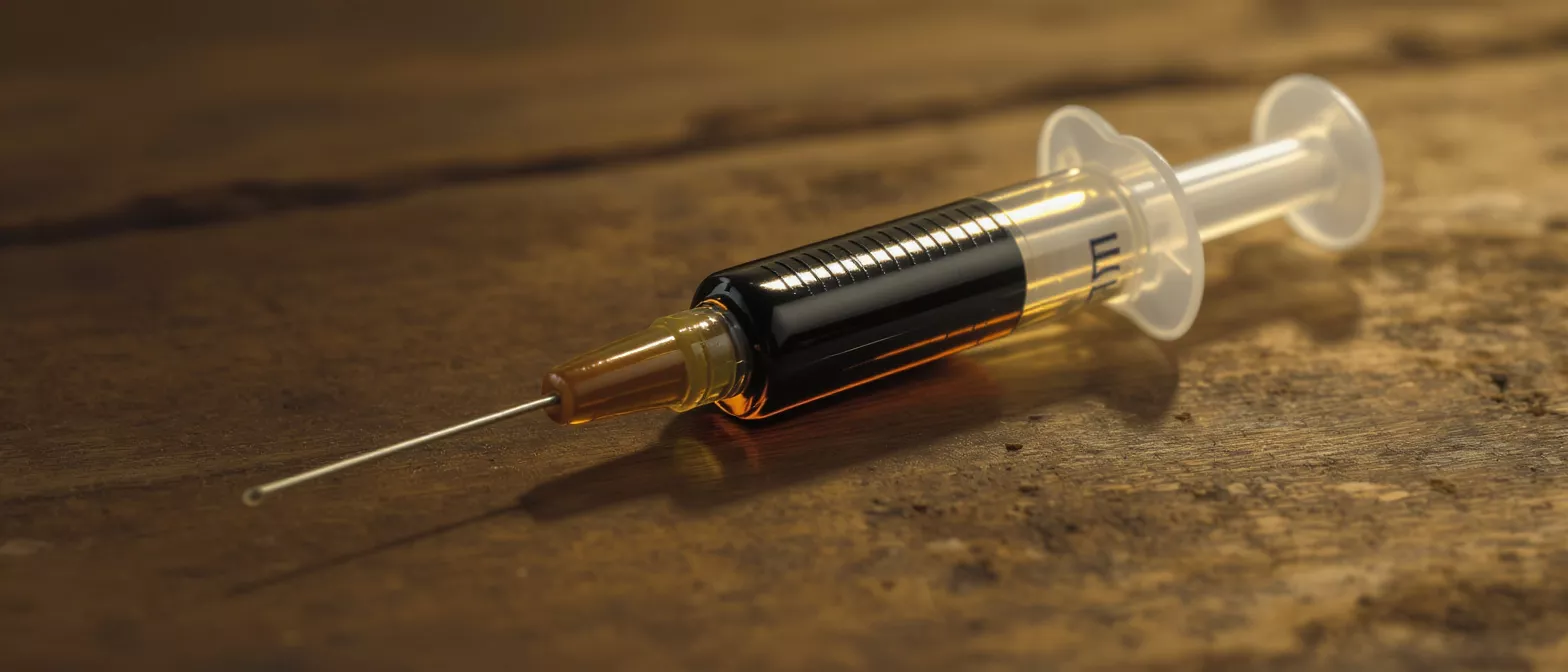
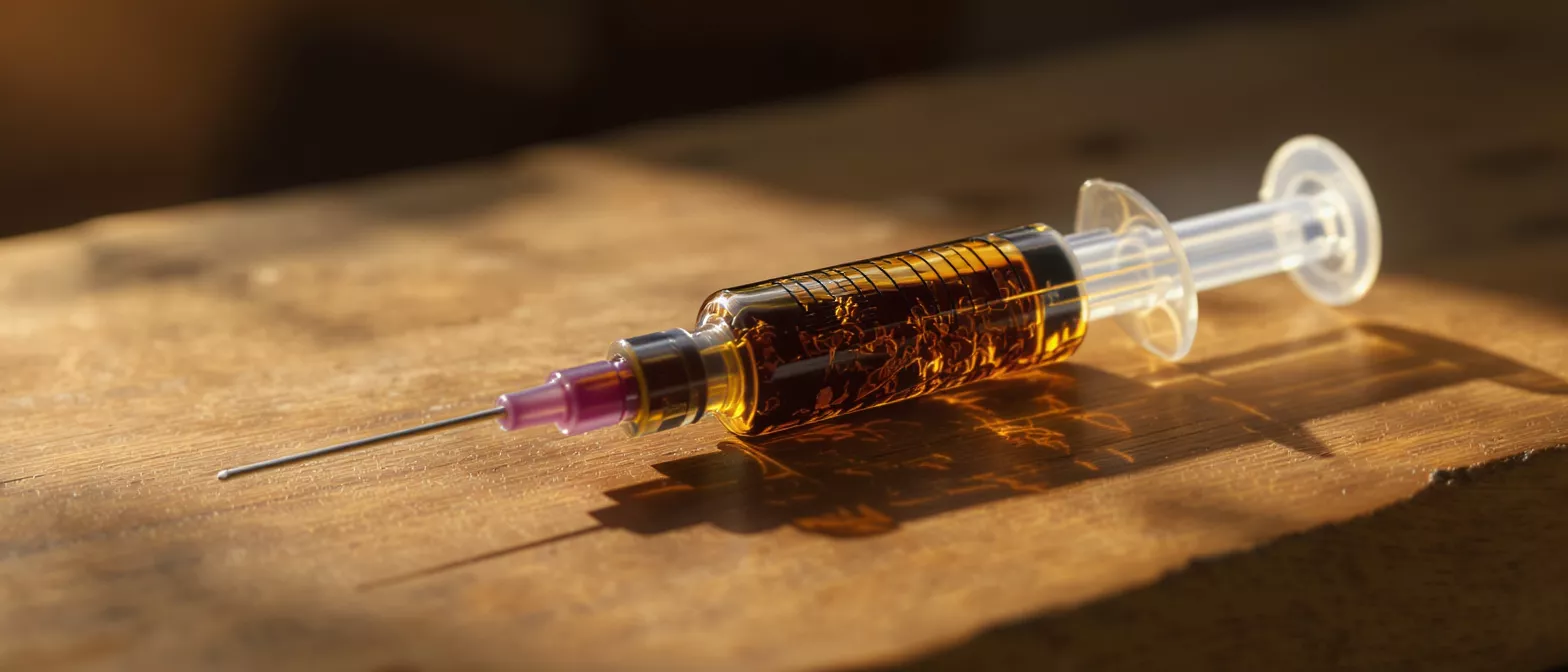
The texture tells the story: HTFSE typically presents as a viscous, golden to amber sauce — sometimes runny and glistening, sometimes thicker and more resinous. The oily consistency is a direct consequence of its high terpene load, since terpenes remain liquid at room temperature while cannabinoids tend to firm up or crystallize.
In many products you will see HTFSE alongside small crystalline formations, the cannabinoid fraction suspended within the terpene-rich liquid. This combination is often marketed as "sauce" or "terp sauce," where the glistening crystals sit in a pool of aromatic oil. The visual appeal is part of the draw — a well-made sauce looks alive with movement and clarity.
Color ranges from pale straw to deep gold, and clarity generally indicates clean processing. Cloudiness or dark, muddy tones can hint at residual plant matter or less refined technique, though some variation is perfectly normal depending on the source cultivar.
How to Use HTFSE for the Best Experience
The most popular way to enjoy HTFSE is dabbing, where a small amount is vaporized on a heated surface and inhaled. Because the terpenes are the star, low-temperature dabbing is strongly recommended — high heat scorches those delicate aromatic compounds and wastes the very quality you paid for.
Temperature is everything with terpene-rich extracts: Aim for a cooler dab in the range that preserves flavor rather than blasting the material. A lower-temperature approach produces a smoother, more flavorful vapor and lets the nuanced terpene profile express itself fully. Overheating not only destroys flavor but can create a harsher inhale.
Beyond dabbing, HTFSE can be used in a few other ways:
- 🍯 Dabbing: The classic method — low temp, small amounts, maximum flavor.
- 🌬️ Vaporizers: Many concentrate-compatible vape devices handle sauce well at controlled temperatures.
- ✨ Topping flower: A small dab added to a bowl or joint boosts both flavor and potency.
- 🧪 Infusing: Some enthusiasts incorporate HTFSE into homemade concentrates or edibles, mindful of terpene loss with heat.
HTFSE Benefits and the Entourage Effect
The full-spectrum advantage: The leading argument for HTFSE centers on the entourage effect — the theory that cannabinoids and terpenes work better together than in isolation. By preserving a wide array of compounds rather than stripping everything down to a single molecule, HTFSE aims to deliver a more complete, rounded experience.
Flavor is the most immediate and undeniable benefit. Where distillate often tastes flat or neutral, HTFSE bursts with the authentic character of its source cultivar. For people who appreciate cannabis the way a sommelier appreciates wine, this sensory richness is the whole reason to choose a high-terpene extract.
There is also a perception among many users that terpene-rich extracts feel more nuanced — that the experience carries more dimension than a terpene-stripped product of equal potency. While research into terpene-cannabinoid synergy is still developing, the consistent enthusiasm from experienced consumers speaks to something real in the sensory and subjective quality of full-spectrum extracts.
HTFSE Potency and Effects Explained
It is a common misconception that HTFSE is automatically the most potent concentrate available. Because so much of its mass is devoted to terpenes, the cannabinoid percentage is often lower than that of a crystalline HTCSE or a pure distillate. That said, HTFSE still delivers substantial potency — concentrates of any kind are far stronger than flower.
Effects feel different, not necessarily weaker: Many users describe the HTFSE experience as fuller and more balanced rather than blunt. The interplay of cannabinoids and terpenes is what shapes the character of the high, which is why two extracts with identical THC numbers can feel completely distinct.
For newcomers, the practical advice is to start small. A rice-grain-sized dab is plenty for a first session, and you can always add more. Because the flavor is so engaging, it is tempting to take large hits, but moderation lets you appreciate the nuance without overdoing the intensity.
How to Choose Quality HTFSE
Lab testing is non-negotiable: A reputable HTFSE comes with a certificate of analysis confirming its terpene and cannabinoid content and screening for residual solvents. Since hydrocarbon extraction is involved, verifying that the product has been properly purged of butane or propane is a basic safety step you should never skip.
Beyond the paperwork, your senses are reliable guides. Quality HTFSE should smell intensely of its source cultivar — bright, complex, and clean. A weak or chemical aroma suggests degraded terpenes or sloppy processing. Visually, look for clarity and a lively, glistening texture rather than dull, muddy material.
Use this quick checklist when evaluating a product:
- 📋 Lab results: Confirm terpene percentage, cannabinoid content, and a clean solvent screen.
- 👃 Aroma: Strong, true-to-strain fragrance signals well-preserved terpenes.
- 🔍 Appearance: Clear, golden sauce with visible movement beats dark, cloudy material.
- 🏷️ Source: Reputable producers using fresh, high-grade starting material consistently deliver better results.
Storing HTFSE to Preserve Terpenes
Because terpenes are so volatile, proper storage is essential to protect everything that makes HTFSE special. Heat, light, and air are the enemies — each accelerates terpene loss and degrades the extract over time. Treating your sauce with care keeps it vibrant for far longer.
Cool, dark, and airtight is the rule: Store HTFSE in an airtight non-stick container kept in a cool, dark place away from direct sunlight. Refrigeration can help in warm climates, though letting the extract return to room temperature before use makes it easier to handle and brings the aroma back to full life.
HTFSE represents cannabis extraction at its most expressive — a deliberate celebration of terpenes rather than a single-minded chase for the highest possible THC. By understanding how it is made, how it differs from cannabinoid-forward extracts, and how to use and store it properly, you can fully appreciate why this terpene-rich essence has earned its devoted following among connoisseurs. Whether you are drawn by the flavor, the entourage effect, or simply the craftsmanship behind a well-made sauce, HTFSE offers a richer, more complete window into the true character of the cannabis plant.

Comments