Photoperiod
Learn how photoperiod cannabis responds to light cycles.
What Is Photoperiod Cannabis?
The term photoperiod refers to a plant's response to the length of light and darkness it receives over a 24-hour cycle. In the cannabis world, photoperiod plants are the classic varieties that flower only when the daily light period shrinks below a certain threshold. This sensitivity to light is the single most important trait separating these strains from their automatic cousins, and understanding it gives a grower precise control over when a plant begins to produce buds.
Photoperiod cannabis has been cultivated for centuries, long before breeders isolated the ruderalis genetics that gave rise to autoflowering hybrids. Because the plant takes its cue from light rather than age, growers can hold a photoperiod plant in a growth stage almost indefinitely. That flexibility is precisely why most large-scale commercial operations and connoisseur home growers still favor these varieties for their premium, sometimes downright dank, finished flower.
At its core, the photoperiod response is a survival mechanism. In nature, cannabis evolved to read the shortening days of late summer as a signal that winter is approaching, prompting it to reproduce before the cold sets in. When you cultivate indoors, you become the seasons, switching the light schedule to tell the plant exactly when to shift from growing leaves to growing flowers. This is why so many growers reach for high-quality LED grow lights to mimic the sun with precision.
How Photoperiod Plants Respond to Light
The science of phytochrome: Photoperiod plants sense light through pigment proteins called phytochromes, which exist in two interchangeable forms depending on the wavelength of light they absorb. During long days, the plant accumulates the active form and stays vegetative. When nights grow longer, the balance shifts and the plant interprets it as a trigger to flower. Researchers at Medical News Today have documented how light-sensing mechanisms govern plant hormone signaling in broadly similar ways across many species.
It is technically the uninterrupted dark period, not the light period, that matters most. A photoperiod plant counts the hours of continuous darkness, and even a brief flash of light during the night can reset that internal clock and stall flowering. This is why a light-tight grow space and consistent directional airflow that does not require opening the tent are so valuable during the flowering window.
The threshold for most photoperiod cannabis hovers around 12 hours of darkness, though some equatorial sativa landraces need slightly longer nights before they commit to bloom. This is the practical reason the famous "flip" to 12/12 lighting exists. Once the plant registers those long nights consistently, hormonal cascades shift its entire energy budget toward reproduction.
Photoperiod vs Autoflower: Key Differences
Light dependence versus age: The defining contrast is simple. Photoperiod plants flower based on light schedule, while autoflowers bloom automatically after a set number of weeks regardless of the light cycle. This makes photoperiod strains more demanding but far more controllable, especially for growers who want to maximize plant size and yield before triggering bloom.
Photoperiod plants generally produce larger harvests and reach greater heights because you can keep them in vegetative growth as long as you like. Autoflowers trade that ceiling for speed and simplicity. Many beginners start with autos for their forgiving nature, then graduate to photoperiod genetics once they want bigger yields and the ability to clone, since a photoperiod mother plant can supply genetically identical cuttings indefinitely.
Here is how the two categories stack up across the traits growers care about most:
- 🌱 Trigger: Photoperiod flowers on a light schedule; autoflower blooms on a fixed internal timer.
- 📏 Size: Photoperiod plants grow larger with a longer veg; autos stay compact.
- ✂️ Cloning: Only photoperiod plants reliably produce stable clones from a mother.
- ⏱️ Speed: Autos finish faster seed-to-harvest; photoperiods take longer but yield more.
- 💡 Control: Photoperiod growers dictate exactly when flowering begins.
Light Cycles for Photoperiod Strains
The 18/6 vegetative schedule: During the growth phase, most indoor growers run photoperiod plants on 18 hours of light and 6 hours of darkness. This generous light period fuels rapid leaf and stem development while still giving the plant a rest period to process nutrients. Some growers push to 20/4 or even 24/0, but the marginal gains rarely justify the extra electricity, and a true dark period appears to support healthier metabolism.
When you are ready to bloom, you switch to a 12/12 schedule, splitting the day evenly between light and darkness. This abrupt change in the dark period is the universal signal that tells photoperiod cannabis to start flowering. The transition should be clean and immediate rather than gradual, because a wishy-washy shift can confuse the plant and produce uneven results.
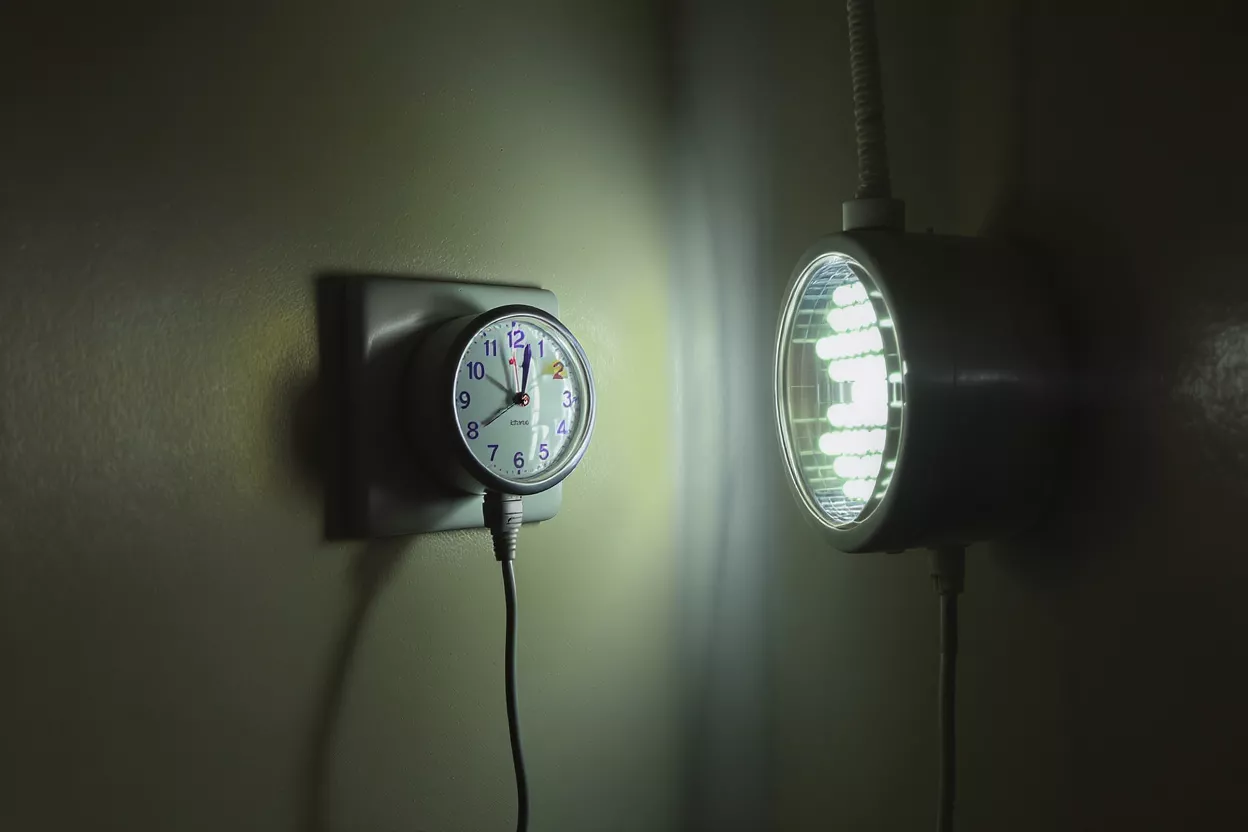
Consistency is everything once you flip. A reliable timer that never wavers protects your harvest, and pairing it with a dependable timer-controlled grow setup removes the risk of human error. Even one accidental light leak during a long night can cause a plant to revert or develop stress-related intersex traits that compromise the entire crop.
The Vegetative Stage of Photoperiod Plants
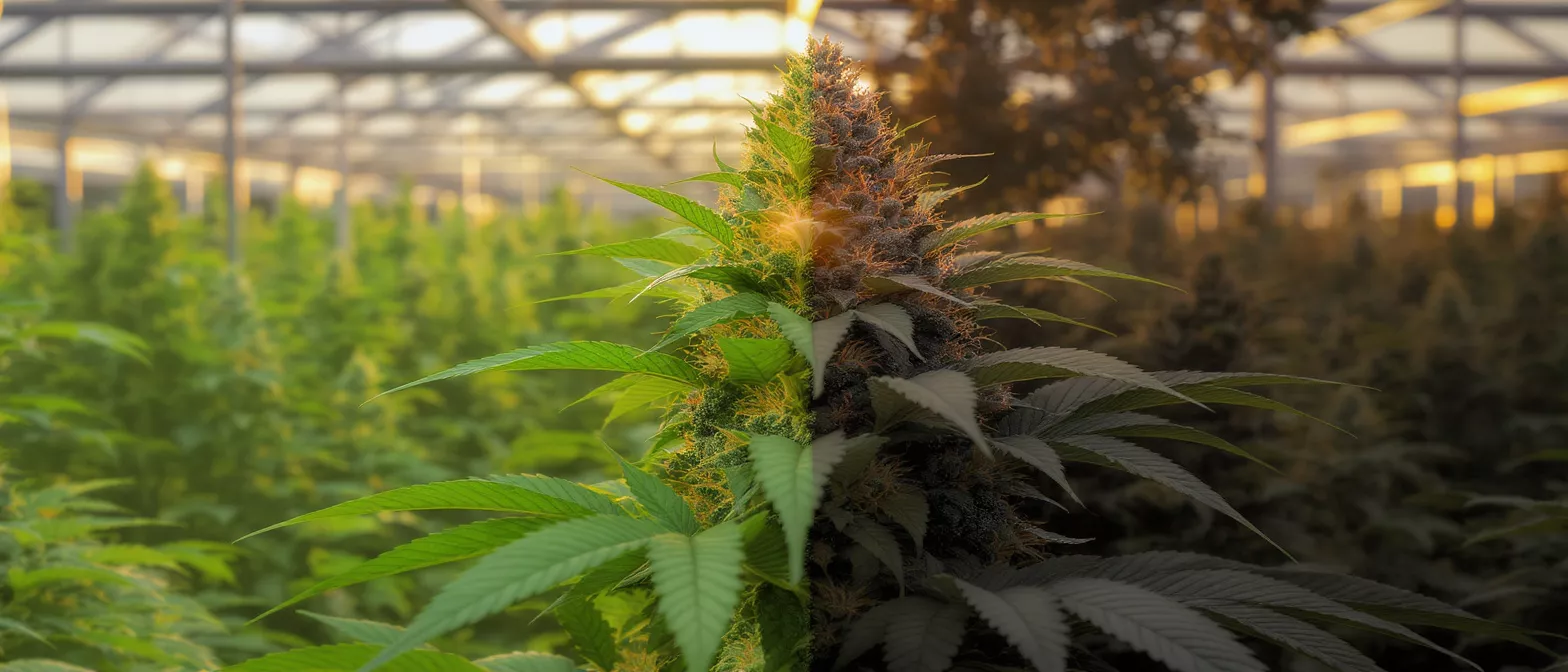
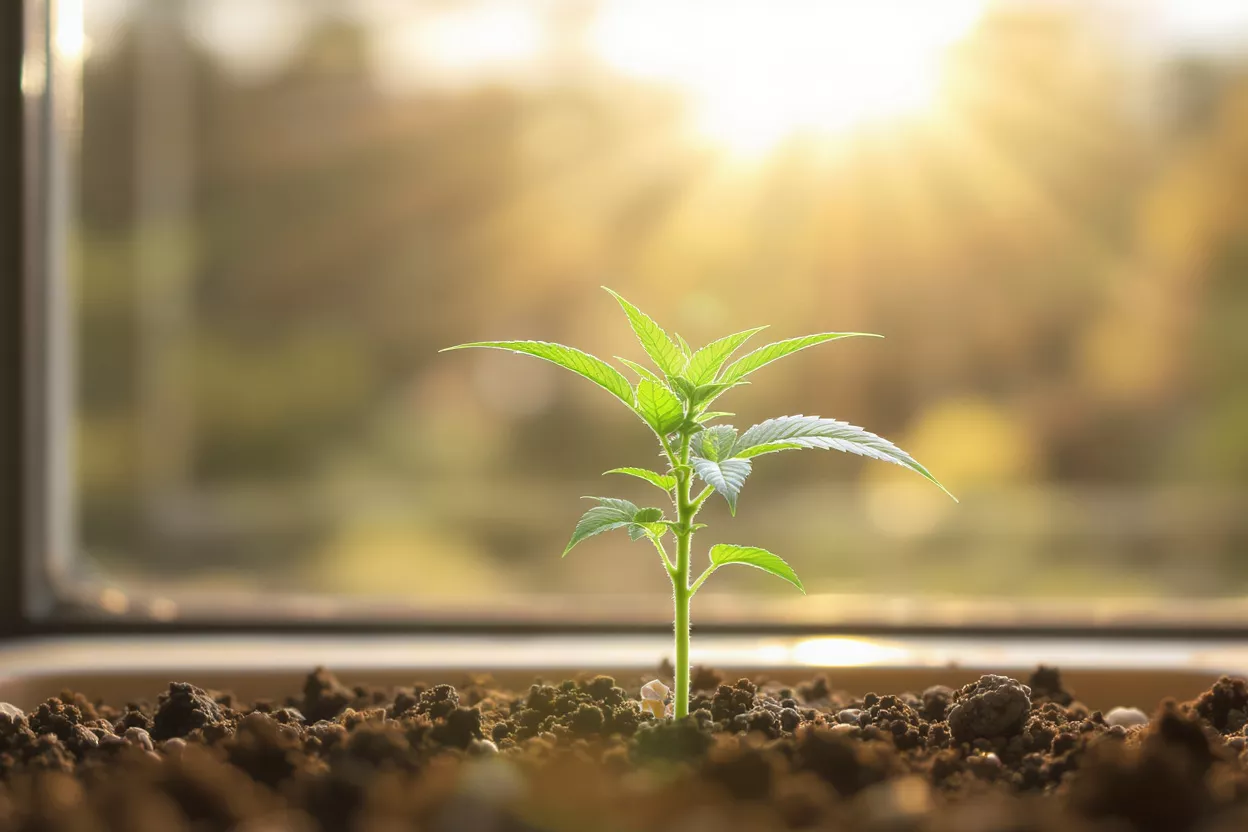
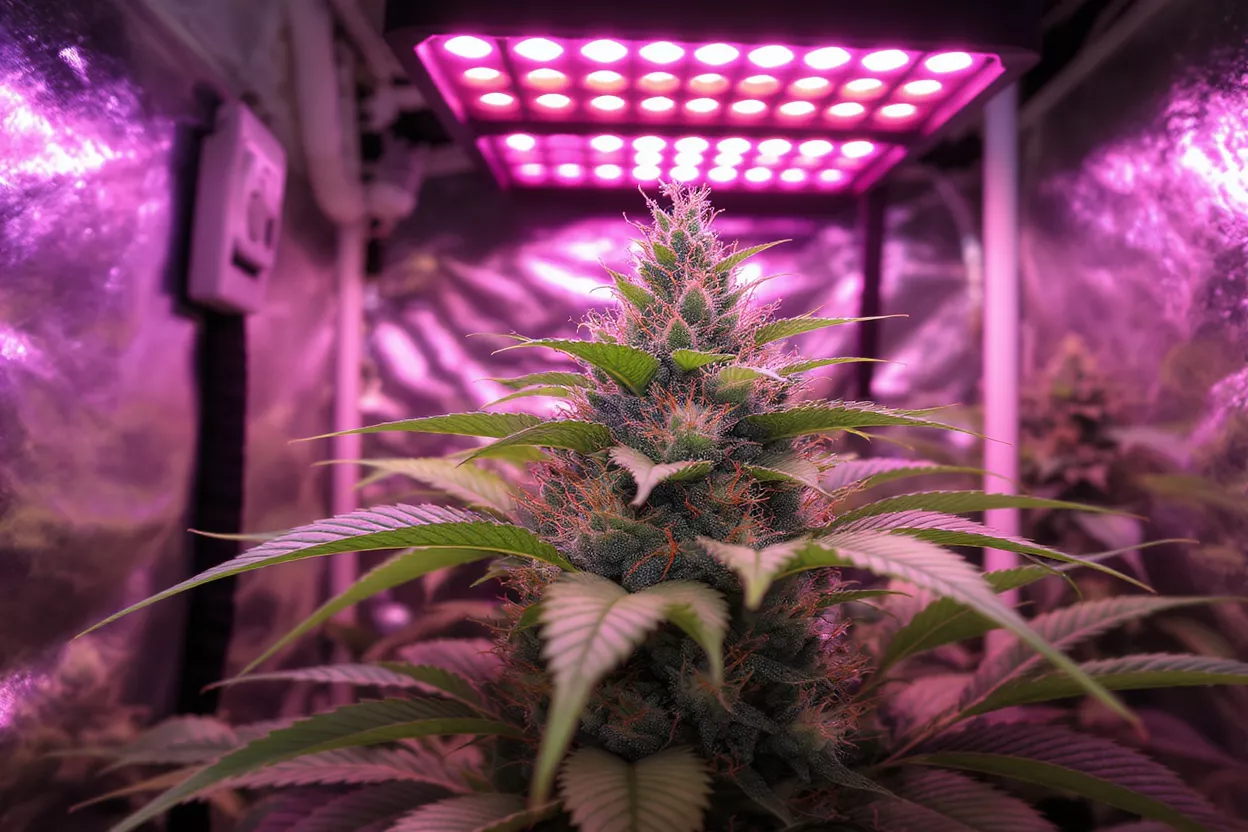
The vegetative stage is where photoperiod plants build the skeleton that will eventually support a heavy harvest. Under long light hours, the plant focuses entirely on roots, stems, and fan leaves, storing the energy reserves it will later pour into bud production. Because you control when flowering begins, you decide how big that frame becomes before the flip.
Training during veg: This stage is the ideal window for techniques like topping, low-stress training, and defoliation. Removing or bending growth while the plant is flexible encourages multiple colas and an even canopy, which translates directly into bigger yields. Strategic defoliation also improves airflow and light penetration, reducing the humidity pockets where mold loves to take hold.
Healthy vegetative growth depends on adequate nitrogen, stable temperatures, and strong lighting. According to research summarized by Medical News Today, plants channel light energy into the carbohydrate building blocks that fuel all later growth, which is why skimping on light intensity during veg quietly limits your final harvest weight.
Flowering Photoperiod Plants Indoors
What happens after the flip: Once you switch to 12/12, photoperiod plants undergo a dramatic transformation. Within the first two weeks, many strains stretch significantly, sometimes doubling in height as they prepare flowering sites. After this stretch settles, the plant shifts its full attention to packing on buds, frosting them with the resin glands that later become trichome-rich material for extracts and even diamonds.
Flowering typically lasts eight to ten weeks for indica-leaning photoperiod strains, while long-flowering sativas can stretch to twelve weeks or beyond. Throughout this period, the plant's nutritional needs shift away from nitrogen toward phosphorus and potassium, which support dense bud formation. Watching the trichomes change from clear to cloudy to amber tells you precisely when to harvest for the effect you want.
Maintaining a flawless dark period remains critical right up to harvest. A single recurring light leak can trigger stress that reduces potency and yield. Many growers invest in a light-proof grow tent specifically to guarantee those twelve hours of darkness stay genuinely dark, protecting weeks of careful work from a single avoidable mistake.
Photoperiod Growing Outdoors
Outdoors, the sun handles the photoperiod schedule for you. As summer fades into autumn, the naturally shortening days signal photoperiod plants to begin flowering without any intervention. This makes outdoor cultivation refreshingly hands-off compared to the precise timer management indoor growers must maintain, though it surrenders some control over harvest timing.
Latitude and timing: Where you live dramatically affects outdoor photoperiod results. Growers at higher latitudes enjoy long summer days that fuel massive vegetative growth, but they face an earlier autumn that forces flowering sooner. Choosing strains bred for your local climate ensures the plant finishes before frost arrives, since a slow-flowering diesel-scented sativa may not ripen in a short northern season.
Some experienced outdoor growers manipulate the natural cycle by covering plants to force an early flower or supplementing with light to delay it. Information published by Medical News Today on circadian and light-driven biological rhythms underscores how sensitive living organisms are to consistent light signals, which is exactly why these manual light-deprivation techniques work so reliably.
Common Photoperiod Light Mistakes
Light leaks during dark periods: The most common and costly error is allowing stray light into the grow space during the night cycle. Even the glow of a power strip LED or a gap in a tent zipper can disrupt the dark period enough to stress photoperiod plants. The fix is simple vigilance: enter the tent only during lights-on hours and seal every potential leak.
Another frequent mistake is flipping to flower too early. New growers often switch to 12/12 before the plant has built enough vegetative mass, capping their potential yield. Because photoperiod plants stretch substantially after the flip, you should account for that growth and time the transition so the finished plant fits your space without crowding the lights.
Inconsistent timers and frequent schedule changes also confuse photoperiod cannabis. The plant relies on rhythm, and erratic light cycles can trigger stress responses that produce poor flowers or unwanted seeds. Set your schedule, lock it in, and resist the temptation to tinker once flowering is underway.
Benefits of Photoperiod Strains
The greatest advantage of photoperiod plants is control. Because you dictate when flowering begins, you can tailor plant size to your space, schedule harvests around your life, and squeeze maximum yield out of every square foot. Commercial growers prize this predictability, and serious hobbyists appreciate the ability to perfect a strain over multiple runs from the same mother plant.
Photoperiod genetics also tend to deliver superior quality. Many of the most celebrated cultivars, the ones connoisseurs describe as truly dank, are photoperiod varieties whose long flowering windows allow flavors and cannabinoids to develop fully. The resulting flower often makes the best raw material for premium concentrates, whether you are after live resin, distillate, or those coveted diamonds.
Here are the standout reasons growers choose photoperiod cannabis:
- 🎯 Total control: You decide exactly when the plant flowers and harvests.
- 🌳 Bigger yields: Extended veg time means larger plants and heavier harvests.
- 🧬 Stable cloning: Keep a mother plant and replicate elite genetics indefinitely.
- 🍇 Premium quality: Long flowering develops deeper flavor and potency.
- 🔁 Repeatability: Dial in a strain across multiple consistent grows.
Are Photoperiod Plants Right for You?
Photoperiod plants suit growers who want maximum control and the highest possible quality, and who do not mind managing light schedules carefully. If you have a light-tight indoor space and a reliable timer, or an outdoor plot with a suitable climate, photoperiod genetics reward your effort with bigger, better harvests. The learning curve is gentle once you understand the core principle that long nights trigger flowering.
Beginners who feel intimidated can ease in with a single plant and a simple 18/6 to 12/12 routine, building confidence before scaling up. The skills you develop, from managing the dark period to mastering defoliation, transfer directly to advanced techniques and translate into noticeably better results over time. Many growers find the extra attention genuinely rewarding rather than burdensome.
Ultimately, understanding the photoperiod response unlocks the full potential of cannabis cultivation. Whether you are chasing a massive outdoor harvest or a perfectly dialed-in indoor crop, the ability to command when your plants flower is one of the most empowering skills a grower can develop. Master the light, and you master the harvest.