Chillum
Learn what a chillum is, how it works, and how to choose the best chillum pipe for your routine.
What Is a Chillum and Where Did It Come From?
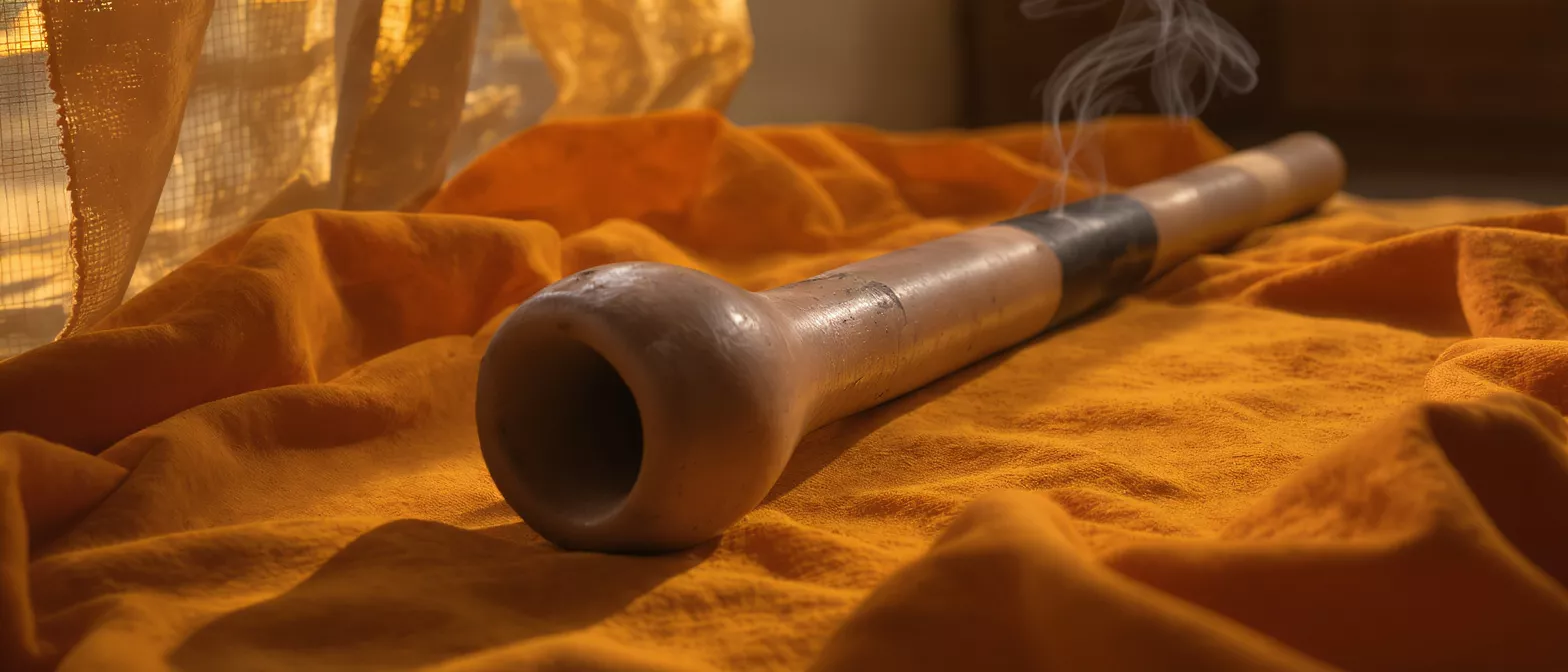
A chillum is one of the oldest and most elegantly simple smoking devices in human history — a straight, conical pipe with no carb hole and no water chamber, designed to deliver a clean, direct draw. If you have ever wanted a pocket-sized way to enjoy your favorite flower without the bulk of a bong or the fuss of rolling papers, the chillum is the answer that has stood the test of centuries. Its appeal lies in honest simplicity: pack one end, light it, and draw from the other.
The word itself traces back to the Indian subcontinent, where chillums have been used for ritual and recreation for hundreds of years. Historically associated with wandering ascetics and holy men, the chillum carried both spiritual and social weight long before it became a fixture in Western head shops. According to research published by MDPI, traditional cannabis use across South Asia has deep cultural roots that predate modern prohibition by centuries.
Why the chillum endures: In an era crowded with electronic gadgets and complex glass rigs, the chillum's no-frills design keeps it relevant. It requires no batteries, no water, and no learning curve. Whether you call your stash dank or dope, a chillum strips smoking down to its essentials, which is exactly why collectors, festival-goers, and minimalists keep one within reach.
How Does a Chillum Work?
A chillum works through the simplest mechanism imaginable: airflow pulled in a straight line from the bowl end to the mouthpiece. You pack ground flower into the wider end, apply flame, and inhale. Because there is no carb hole to cover and uncover, the draw is continuous and intuitive, making the chillum one of the most forgiving pipes for anyone who fumbles with more complicated hardware.
Most traditional chillums use a small stone, screen, or filter wedged inside the channel to stop debris from reaching your mouth. This little barrier — sometimes called a chillum stone — is the secret to a smooth pull, and for anyone tired of pulling ash through their teeth, a quality chillum filter screen set transforms the experience. The directional airflow inside the cone keeps combustion even and the hit consistent from start to finish.
The angle matters more than people think. Traditionally a chillum is held vertically or at a steep angle, which lets gravity help keep the ember seated against the screen. Research compiled in MDPI on combustion and inhalation behavior shows that draw angle and airflow restriction directly influence smoke temperature, which is why the chillum's open channel tends to produce a warmer, fuller-bodied hit than a heavily filtered piece.
Types of Chillum Pipes Explained
Not all chillums are cut from the same cloth. While the basic cone shape remains constant, the variations in size, material, and styling create meaningfully different experiences. Understanding the categories helps you match a piece to how and where you actually smoke.
The most common split is between traditional and modern designs. Traditional clay or stone chillums favor ritual and a softer, earthier draw, while modern glass versions prioritize easy cleaning and the ability to watch resin build up over time. A compact glass version makes a great everyday discreet pocket chillum for people who value portability above all else.
- 🏺 Clay chillums: The classic choice, prized for ritual use and a mellow, earthy flavor that purists love.
- 🔮 Glass chillums: Easy to clean, visually striking, and the most popular pick in modern head shops.
- 🪨 Stone chillums: Hand-carved from soapstone or similar materials, durable and heat-retaining.
- 🌳 Wooden chillums: Lightweight and warm to the touch, though they require more careful maintenance.
- 🎨 Decorative chillums: Artisan pieces that double as collectibles and conversation starters.
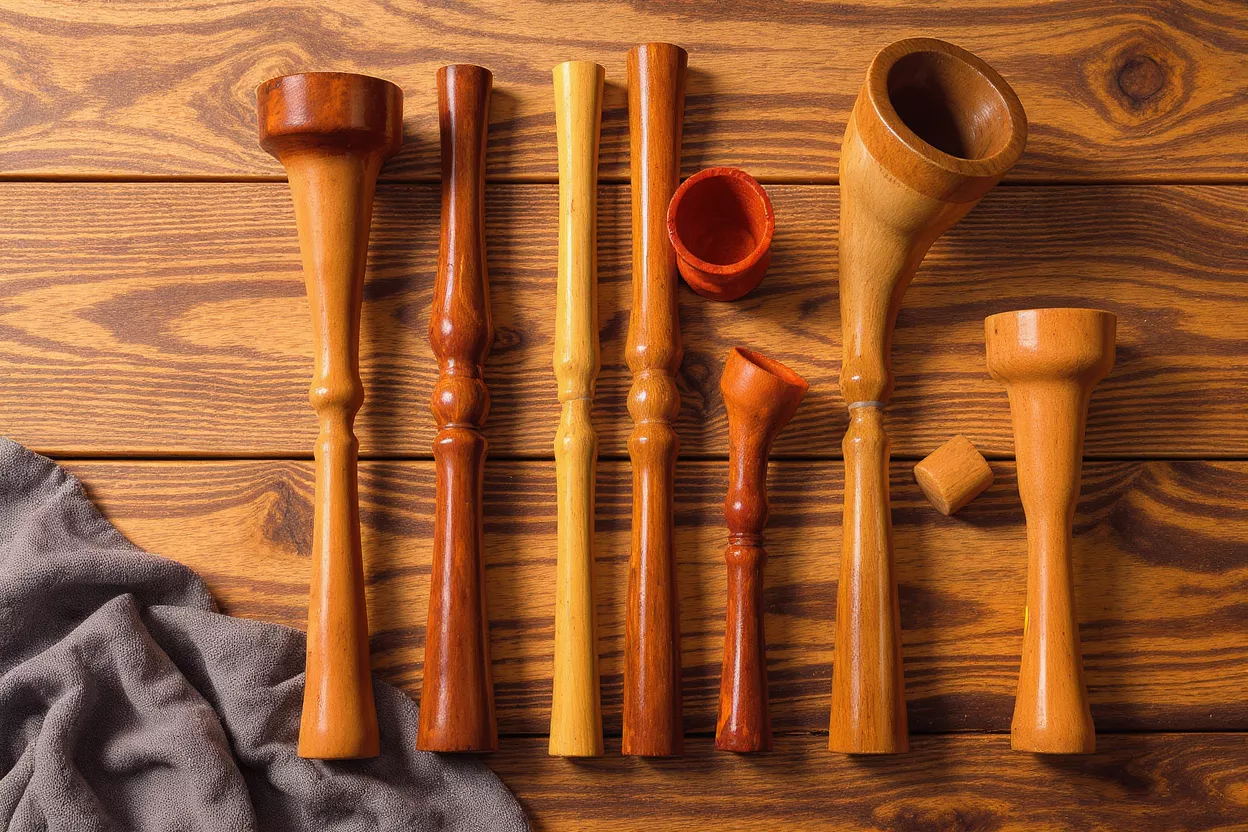
Specialty variations also exist, including chillums with built-in ash catchers and tapered designs meant to fit standard filter tips. Whatever the variation, the unifying trait remains that straight-line draw that defines the category.
Chillum vs. Other Pipes and Smoking Methods
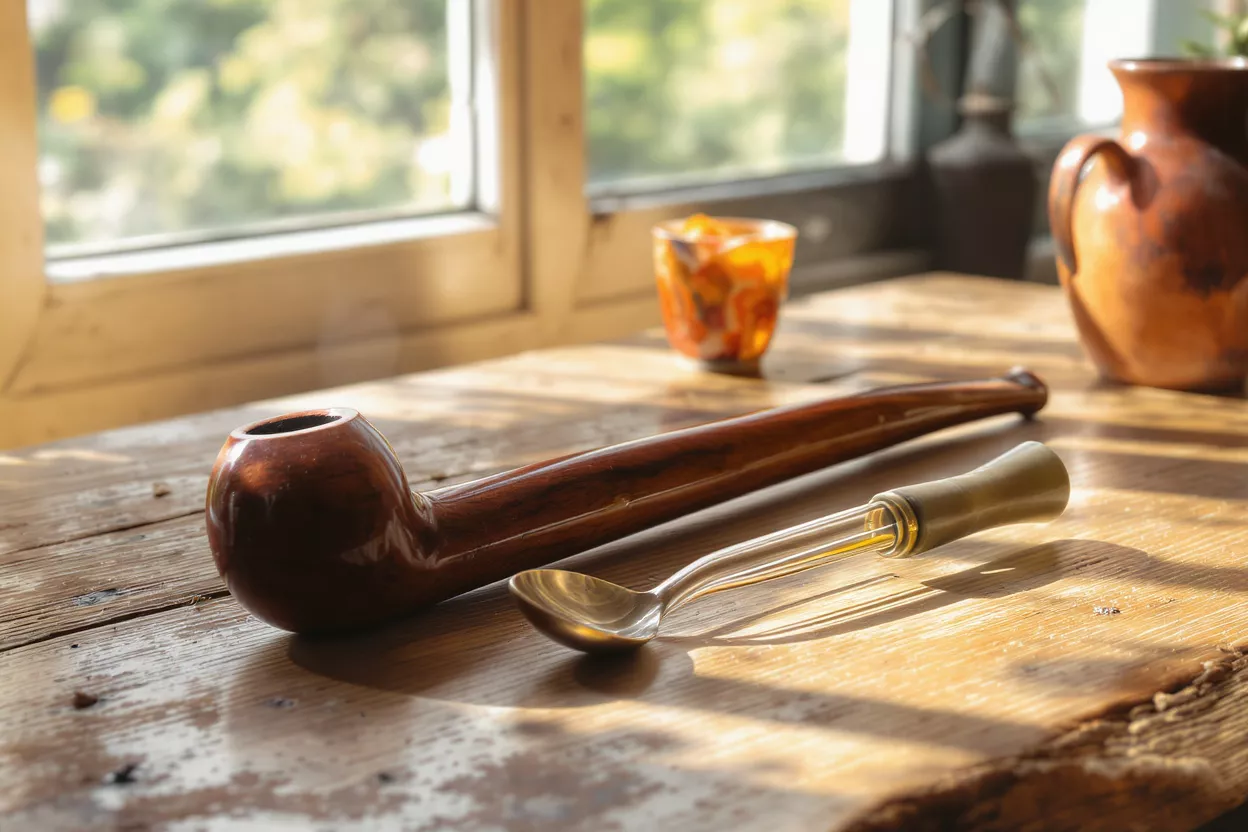
Comparing a chillum to other devices clarifies exactly what it does best. A spoon pipe offers a carb hole for clearing chamber smoke, while a bong adds water filtration that cools the hit dramatically. The chillum sacrifices both of those features in exchange for unmatched portability and a purer, unfiltered flavor profile.
Chillum versus joint: Rolling a joint with quality papers consumes both the paper and your flower, and an unevenly rolled diesel-scented hybrid can burn down one side. A chillum eliminates rolling entirely, lets you smoke smaller amounts, and never leaves you fishing for a lighter to fix a runaway burn. It also produces no soggy roach to dispose of.
Chillum versus glass spoon: The spoon's carb hole gives you control over clearing the bowl, but it also means resin and tar collect in a chamber you have to scrape. The chillum's open design routes everything through one straight channel, which according to MDPI research on particulate behavior tends to deposit less residue per session than chambered pipes. For travelers who want something nearly indestructible, a sturdy travel-friendly glass chillum outperforms fragile spoon pipes on the road.
How to Pack a Chillum the Right Way
Packing a chillum well is the difference between a smooth, even session and a frustrating one that keeps going out. Start by grinding your flower to a medium consistency — too fine and it clogs the screen, too coarse and it burns unevenly. A consistent grind is the foundation of every good chillum hit.
Insert your screen or chillum stone first, then load the ground flower into the wider bowl end. Pack it firmly enough to hold together but loose enough to let air pass freely. Overpacking is the single most common mistake, and it strangles the airflow that makes a chillum pleasant in the first place.
- 🌿 Grind evenly: Aim for a medium, fluffy texture that airflow can move through.
- 🪨 Seat the screen: Drop in your stone or screen to block debris before loading.
- 👐 Pack gently: Fill the bowl and tamp lightly — never cram it tight.
- 🔥 Corner the light: Touch the flame to one edge so you save fresh flower for later pulls.
Cornering the bowl — lighting only one section at a time — preserves flavor and stretches your material across multiple hits. This technique mirrors how careful smokers treat any premium product, the same way connoisseurs sip an elixir rather than gulping it.
Chillum Materials Guide: Glass, Clay, and Stone
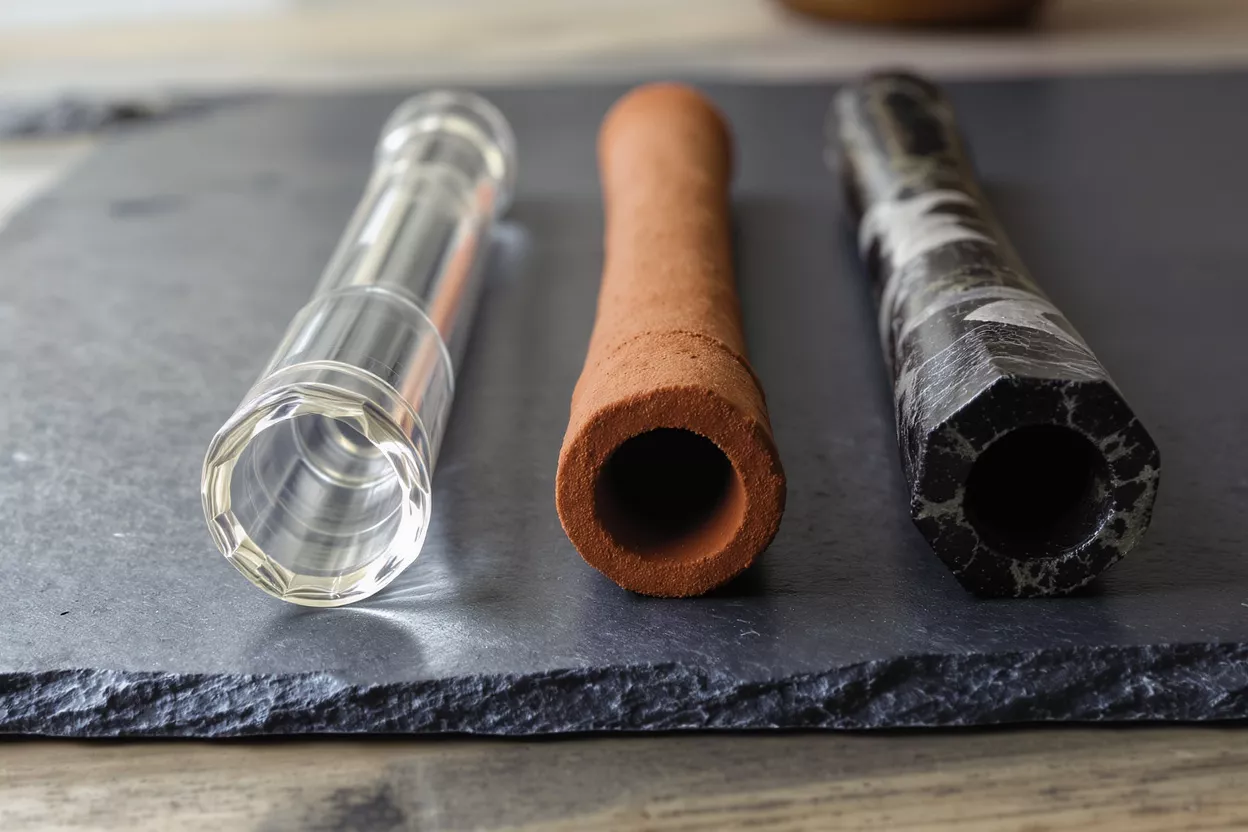
Material choice shapes everything about how a chillum feels, tastes, and ages. Glass remains the dominant modern material because borosilicate glass is heat-resistant, flavor-neutral, and lets you see exactly how dirty the piece is getting. It is also the easiest to clean thoroughly, which matters more than newcomers expect.
Clay and terracotta deliver the most authentic traditional experience and a subtly earthy flavor that glass cannot replicate. The tradeoff is porosity: clay absorbs oils and can be harder to deep-clean. According to MDPI studies on material safety, choosing fired, food-safe ceramics matters because low-quality clay can leach contaminants when heated repeatedly.
Stone and soapstone chillums occupy a middle ground, offering excellent heat retention and a hefty, premium feel in the hand. They resist breakage far better than glass, which makes them appealing for outdoor use, though their weight makes them less ideal for a discreet pocket carry. Each material rewards a different priority, so think about whether flavor, durability, or cleanability ranks highest for you.
Chillum Benefits for Everyday Smokers
The everyday benefits of a chillum come down to simplicity, portability, and control over dosing. Because you can pack as little as a pinch, a chillum is ideal for measured, low-waste sessions — there is no minimum bowl size to fill and nothing left smoldering when you set it down. This makes it a favorite for people who prefer small, deliberate hits over marathon sessions.
Portability is the headline feature. A chillum slips into a pocket, a dugout, or a small case without snagging or breaking the way a delicate spoon might. For festival season or hiking, that pocketability is genuinely freeing.
- 💨 Pure flavor: No water or long chambers means you taste the terpenes clearly.
- 🎒 Ultra-portable: Fits any pocket, bag, or dugout for grab-and-go convenience.
- ⚖️ Dose control: Pack a pinch or a full bowl — you decide the session size.
- 🧰 No accessories: No water, no batteries, no rolling papers required.
That control over portion size also makes the chillum a sensible tool for anyone managing tolerance. Unlike an edible, where an edible hangover can sneak up hours later, smoking gives you near-immediate feedback, letting you stop precisely when you have had enough.
How to Clean and Maintain a Chillum
Cleaning a chillum regularly keeps every hit tasting fresh and prevents the harsh, resinous buildup that ruins flavor over time. The most common method uses isopropyl alcohol and coarse salt: seal the chillum in a bag with both, shake, and let the abrasion and solvent action strip the resin away. For glass, this works remarkably fast.
How often should you clean it? A light rinse after every few sessions and a deep clean weekly keeps most chillums in top shape. Heavy resin buildup not only tastes acrid but also narrows the airflow channel, choking the draw that makes the pipe enjoyable. A simple pipe-cleaning brush handles routine maintenance between deep cleans.
For clay and stone chillums, avoid harsh solvents that the porous material can absorb. Instead, use warm water, gentle scrubbing, and thorough drying. Some enthusiasts intentionally season their clay pieces over time, but that is a matter of personal preference rather than necessity. A tidy piece simply performs better and lasts longer.

Are Chillums Good for Beginners?
Chillums are excellent for beginners precisely because there is so little to get wrong. With no carb hole to coordinate and no water to spill, a newcomer simply packs, lights, and draws. The learning curve is shorter than almost any other smoking method, which is why so many first pipes are chillums.
The one caveat is heat and strength. Because there is no water filtration, the smoke arrives warmer and more concentrated than from a bong, so beginners should take gentle, controlled pulls. Starting with a small pinch of flower lets a new smoker find their comfort level without overdoing it on the first try.
Beginners also benefit from the chillum's honest feedback loop. You see exactly how much you are packing, you taste the flower directly, and you control every variable. That transparency builds good habits early, teaching newcomers to respect dosing in a way that pre-rolled or chambered options often obscure.
Choosing the Best Chillum for Your Routine
Choosing the best chillum comes down to matching the piece to your real-world habits rather than chasing the flashiest design. If you mostly smoke at home, a heavier glass or stone chillum with a screen offers a satisfying ritual and easy cleaning. If you are constantly on the move, prioritize a compact, durable model that survives life in a pocket or bag.
Think about size, material, and whether you want a built-in filtration stone. A larger chillum holds more flower for shared sessions, while a slim one-hitter style suits solo, measured use. Material then dictates flavor and maintenance, so weigh whether glass cleanability, clay tradition, or stone durability fits your priorities best.
Ultimately, the chillum endures because it does one thing exceptionally well: it delivers a direct, flavorful hit with zero fuss. From its origins among South Asian ascetics to its place in modern collections, this humble cone has outlasted countless trends. Pick a quality piece, keep it clean, pack it with care, and a good chillum will reward you with simple, reliable enjoyment for years to come.