thc lube
Explore THC lube benefits, dosing tips, and how to use it for enhanced intimacy.
What Is THC Lube and How Does It Work
THC lube is a cannabis-infused personal lubricant designed to be applied topically to intimate areas, where it interacts with the dense network of cannabinoid receptors in those tissues. Unlike an edible you swallow or a joint you smoke, this product is built for localized effect rather than a heady, whole-body high. Many people discover it while searching for natural ways to enhance comfort and sensation, and the category has matured well beyond the novelty stage into a legitimate wellness segment.
The core idea is straightforward. A carrier oil — usually coconut, MCT, or another skin-friendly base — is infused with activated THC, sometimes alongside other cannabinoids and botanical ingredients. When applied, the cannabinoids absorb into the local tissue and engage receptors there. This is fundamentally different from the edible hangover some users dread after dosing too high orally, because the effect stays concentrated where the product is applied.
Because the cannabis world is full of slang and shorthand, you'll see THC lube discussed alongside terms like elixir, diamonds, and distillate. Most quality formulas rely on a clean distillate or full-spectrum oil rather than crude extract. According to the National Institute on Drug Abuse, THC acts on cannabinoid receptors throughout the body, which is exactly why a topical application can produce a noticeable local response.
How THC Lube Works on the Body
The endocannabinoid system extends far beyond the brain. Receptors line many of the body's tissues, including the sensitive areas where intimate products are applied, and this density of receptors is the reason a topical cannabis product can do anything at all. When THC contacts these receptors, it can promote vasodilation — increased blood flow — which many users report as warmth and heightened sensitivity.
Why THC lube feels different from smoking: Smoking or vaping sends THC into your bloodstream and across the blood-brain barrier quickly, producing the classic cerebral high. A topical product applied to intimate tissue largely stays local. Most of the THC does not cross into systemic circulation in significant amounts, so you typically won't feel "stoned" the way you would after dabbing diamonds on an e-rig.
Onset and timing: Topical intimate products usually need 20 to 30 minutes to take full effect, so patience matters. This is unlike the near-instant hit of an e-nail dab or the slow build of an edible. Research summarized by the National Institute on Drug Abuse notes that route of administration dramatically changes how cannabinoids behave, which is precisely why topical timing differs from inhaled or ingested methods.
THC Lube Benefits for Intimacy
The most commonly reported benefit is enhanced sensation. The localized increase in blood flow and the relaxation of surrounding tissue can heighten pleasure and reduce the kind of tension that interferes with intimacy. For people who experience discomfort, a quality cannabis-infused intimacy oil can make a meaningful difference in comfort and ease.
Relaxation without the heavy high: Because the effect is concentrated locally, users can enjoy the physical benefits without the cognitive fog that a strong edible or a hit of dank flower might bring. This appeals to people who want the body relief but not the mental impairment.
It's worth noting that experiences vary widely. Anatomy, individual receptor density, formula potency, and even hydration all play a role. Some people feel dramatic effects; others feel subtle warmth. Going in with realistic expectations — and treating the first use as an experiment — leads to a far better experience than expecting fireworks on the first try.
- 🔥 Heightened sensation: Local vasodilation can increase warmth and sensitivity in applied areas.
- 😌 Tension relief: Muscle relaxation may ease discomfort that interferes with intimacy.
- 🧠 Minimal head high: Topical absorption keeps most THC local, sparing you the cerebral effects.
- 💧 Added glide: The oil base doubles as a lubricant, improving comfort on its own.
Types of THC Lube Explained
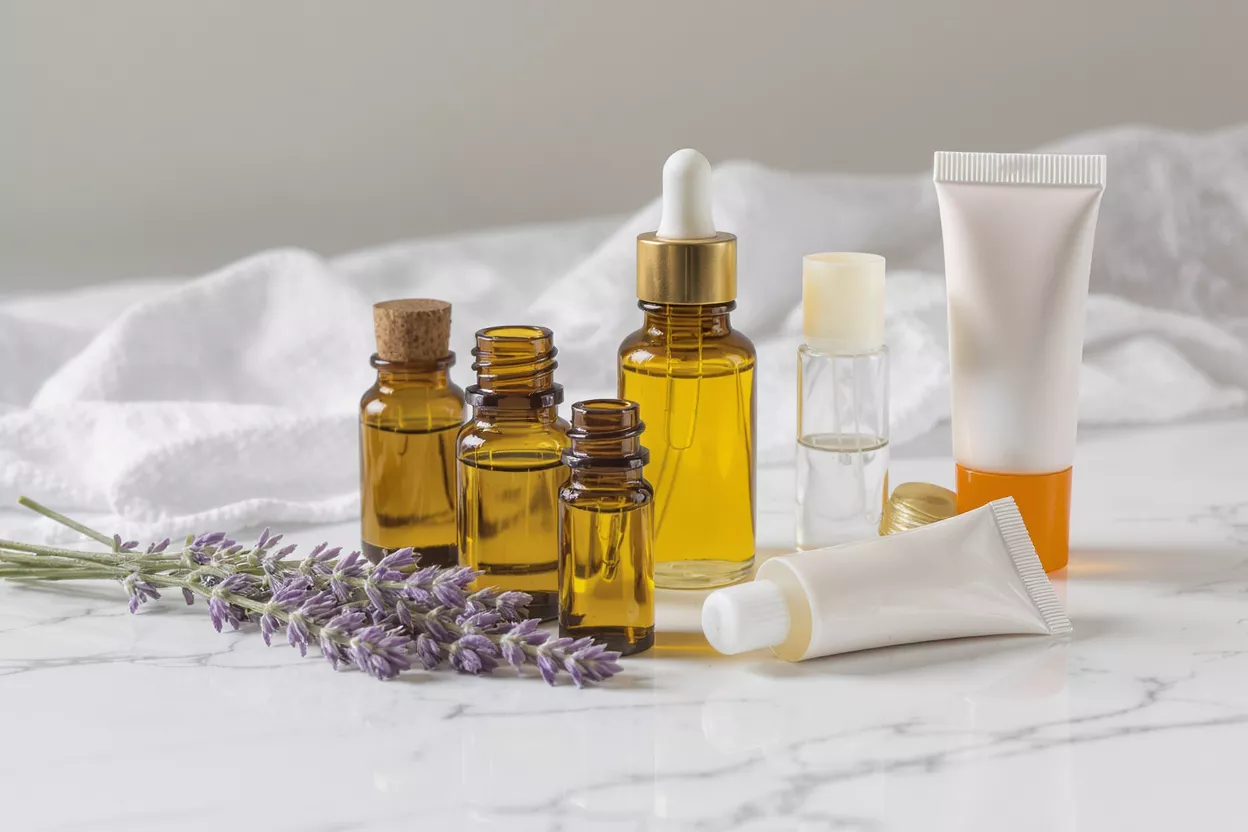
Not all THC lubes are built the same, and understanding the categories helps you shop intelligently. The biggest dividing line is the base: oil-based versus water-based formulas. Oil-based products dominate the market because cannabinoids are fat-soluble and dissolve readily into carrier oils like coconut or MCT.
Oil-based vs water-based: Oil-based formulas tend to be more potent and longer-lasting, but they are not compatible with latex condoms — the oil degrades latex. Water-based THC lubes are rarer and often use an emulsified or nano-cannabinoid technology to suspend THC in water, making them condom-safe but sometimes less intense.
Cannabinoid profile: Beyond the base, formulas differ by what's inside. Some use pure THC distillate, others blend in CBD, and newer products incorporate minor cannabinoids like Delta-8 or Delta-10 for a different character. A balanced THC and CBD full-spectrum wellness oil often feels gentler than a high-THC-only product.
- 🥥 Oil-based: Potent, long-lasting, not latex-safe — the most common type.
- 💦 Water-based: Condom-compatible, often nano-emulsified, gentler effect.
- 🌿 Full-spectrum: THC plus CBD and minor cannabinoids for a rounded profile.
- ⚗️ Distillate-based: Clean, high-purity THC with minimal plant character.
How to Use THC Lube Step by Step
Using THC lube well comes down to a few simple habits. Start by reading the product label for the cannabinoid concentration and any usage notes. Apply a modest amount to the intended area and, crucially, give it time. The 20-to-30-minute window is not a suggestion — applying more because "nothing happened in five minutes" is the most common rookie mistake.
Patch test first: Before any intimate use, dab a small amount on your inner forearm and wait an hour. This screens for sensitivity to the carrier oil or botanicals. Skin reactions are uncommon but easy to rule out, and a patch test costs you nothing but a little patience.
Communicate with your partner: If THC will transfer to a partner during intimacy, talk about it beforehand. Anyone subject to drug testing should be especially cautious, since transfer is possible. Open communication turns a potentially awkward surprise into a shared, intentional experience.
THC Lube Dosing Guide for Beginners
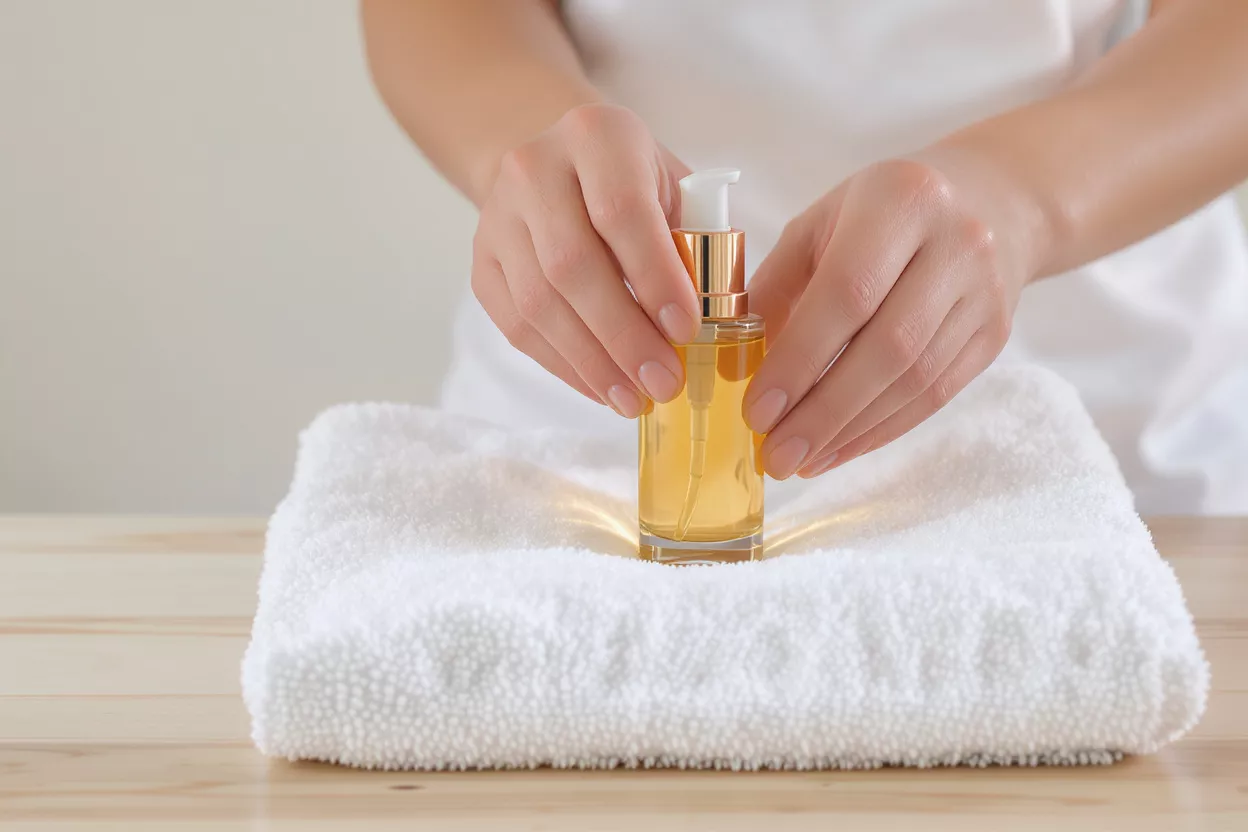
Dosing a topical is less precise than measuring out an edible, but the start-low-and-go-slow philosophy still rules. A product might list its total THC content in milligrams per bottle or per pump. For a first session, use the smallest suggested amount and assess how your body responds before escalating.
Reading potency labels: A reputable brand provides lab-verified cannabinoid content. Look for a milligram figure and, ideally, a Certificate of Analysis. If a product hides its potency or skips third-party testing, treat that as a red flag — quality matters here just as much as it does when choosing a clean distillate cartridge.
Remember that tolerance from smoking or edibles doesn't map cleanly onto topicals. A seasoned consumer who dabs ethanol hash oil daily may still find a topical's effect distinct and surprisingly subtle. Judge each format on its own terms rather than assuming your usual dose translates.
- 🟢 Start small: Use the minimum suggested amount for your first session.
- ⏳ Wait fully: Allow 20–30 minutes before deciding whether to add more.
- 📈 Adjust gradually: Increase only after you understand your baseline response.
- 📋 Track it: Note amount and effect so you can dial in your ideal dose.
Is THC Lube Safe to Use
For most healthy adults, a well-made THC lube from a reputable source is considered low-risk when used as directed. The primary safety concerns are not about the THC itself but about formula quality, material compatibility, and individual sensitivity. Choosing products that are third-party tested removes a great deal of uncertainty.
Latex and material compatibility: The single most important safety note is that oil-based lubes degrade latex condoms and some silicone toys. If condoms are part of your protection plan, either choose a water-based formula or use a non-latex barrier. The National Institute on Drug Abuse emphasizes that cannabis products vary enormously in composition and potency, underscoring why label-reading is essential.
Who should be cautious: Anyone pregnant, breastfeeding, prone to skin sensitivities, or subject to workplace drug testing should approach with care or consult a healthcare provider. THC can transfer to partners and, in some cases, may be detectable. When in doubt, a conversation with a medical professional beats guesswork.
THC Lube vs CBD Lube Compared
THC lube and CBD lube are often shelved side by side, but they serve different goals. THC engages cannabinoid receptors in a way that can produce the warmth, heightened sensation, and mild euphoric edge many users seek. CBD, by contrast, is non-intoxicating and is typically chosen for its calming, anti-inflammatory reputation rather than for sensation enhancement.
Many of the best products actually combine both. A blended formula leverages CBD's soothing qualities alongside THC's stimulating effects, and the two cannabinoids are widely thought to complement one another. If you're sensitive to THC or simply curious, starting with a balanced ratio is a smart, low-pressure entry point.
Legality is the other practical difference. Hemp-derived CBD products are broadly accessible, while THC products fall under tighter, state-by-state rules. Always confirm what's legal where you live before ordering. A trustworthy balanced CBD and THC blend can offer the best of both worlds where regulations permit.
Choosing the Best THC Lube
The market has expanded quickly, and quality varies. Your shortlist should prioritize transparency above marketing. A brand that publishes lab results, lists every ingredient, and explains its extraction method earns trust; one that leans on vague hype does not. Think of it the way a connoisseur evaluates flower — you want to know exactly what you're getting, not just that it's "dope."
Ingredient quality: Look for clean carrier oils, no unnecessary fillers, and skin-safe botanicals. Avoid products with fragrances or additives that could irritate sensitive tissue. Simpler ingredient lists are usually a good sign.
Lab testing and sourcing: A current Certificate of Analysis confirming cannabinoid content and screening for pesticides, solvents, and heavy metals is non-negotiable. Reputable extractors who use clean methods — proper dewaxing and solvent purging — produce safer, better-tasting, better-feeling products.
- 🔬 Third-party tested: Insist on a recent, accessible Certificate of Analysis.
- 🧴 Clean base: Prefer simple carrier oils over additive-heavy blends.
- 📊 Clear potency: Cannabinoid content should be stated in milligrams.
- ⚖️ Legal compliance: Confirm the product is legal in your state.
THC Lube Frequently Asked Questions
Will THC lube get me high? Generally, no. Because the effect stays largely localized, most users do not experience the cerebral high associated with smoking or edibles. You feel the physical effects in the applied area rather than a whole-body buzz, which is a key part of the appeal for many people.
How long does it take to work? Plan for 20 to 30 minutes. Topical absorption is gradual, so resist the urge to reapply too soon. Building that wait into your routine is the simplest way to get a satisfying result instead of a frustrating one.
THC lube occupies a unique and genuinely interesting corner of the cannabis wellness world, offering localized effects that swallowed and smoked products simply can't replicate. The keys to a good experience are choosing a transparent, lab-tested product, respecting material compatibility with condoms and toys, dosing conservatively, and giving the formula time to work. Approach it with curiosity, honor your body's signals, and always confirm what's legal where you live — do that, and THC lube can be a rewarding addition to your wellness toolkit.