cannabis candy
Discover everything about cannabis candy — how it's made, dosed, and used for wellness.
What Is Cannabis Candy
Cannabis candy is a category of edible confection infused with cannabinoids extracted from the hemp or cannabis plant, designed to deliver a measured dose through something that tastes like an ordinary sweet. Instead of inhaling smoke or vapor, you simply eat a piece, and the active compounds travel through your digestive system into your bloodstream. The format has exploded in popularity because it strips away the harsh ritual of smoking and replaces it with something familiar, portable, and easy to dose.
The appeal goes beyond convenience. For people who associate cannabis with a Chillum or a hand-packed pipe, candy feels approachable and discreet. There is no smell clinging to clothing, no need for a Carb cap or specialized hardware, and no learning curve around inhalation technique. A gummy or hard sweet looks like anything else in your bag, which is part of why edibles have become a default entry point for newcomers.
Why cannabis candy differs from other edibles: While brownies and baked goods belong to the same broad family, candy offers far tighter dose control. Manufacturers can portion cannabinoids precisely into individual pieces, so each gummy or lozenge carries a consistent milligram count. According to RxList, consistent dosing is one of the most important factors in using any cannabinoid product safely, and candy's uniform format makes that consistency achievable for the average person.
How Cannabis Candy Is Made
The production of cannabis candy begins with an extract rather than raw flower. Processors pull cannabinoids out of the plant using methods like CO2 or ethanol extraction, producing a concentrated oil or distillate. That distillate is then decarboxylated, a heating step that converts the acidic precursors such as CBGA into their active forms. Without this step, the candy would carry little of the effect people expect.
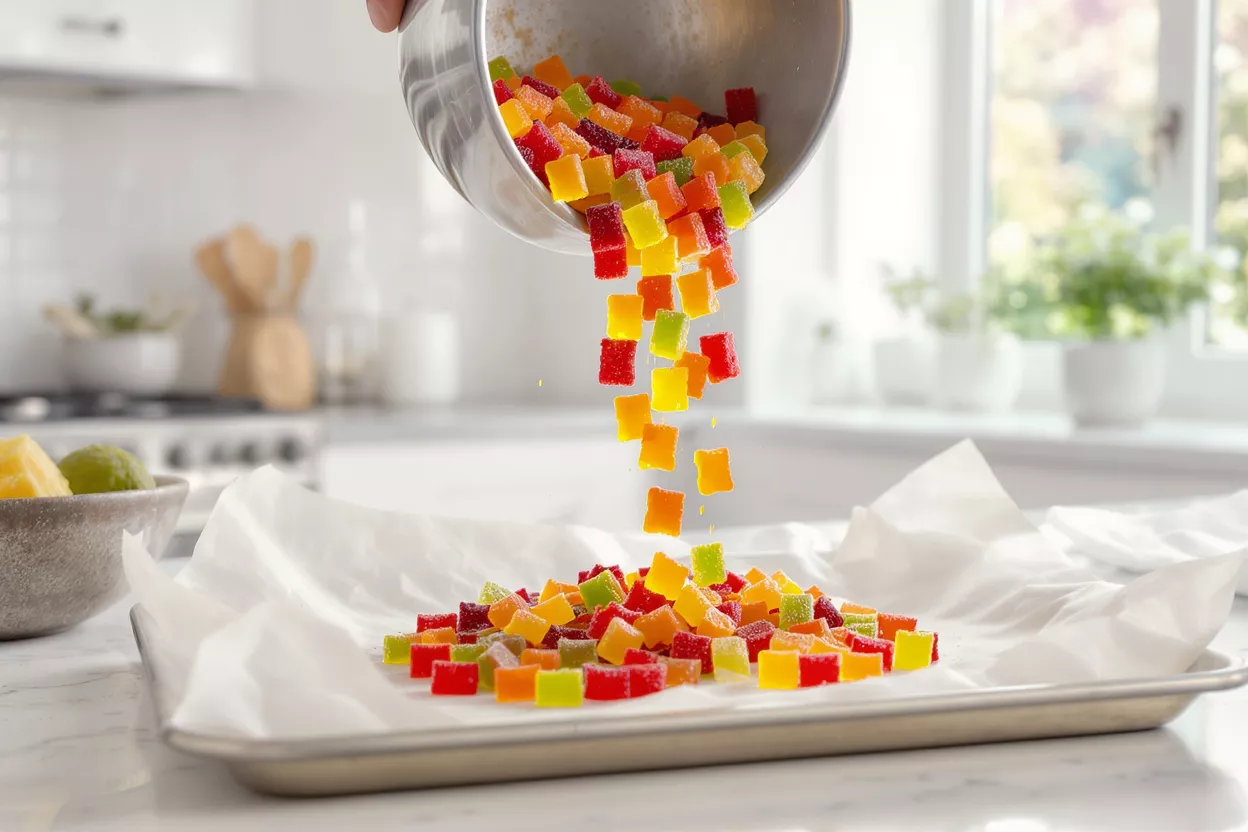
Once the active extract is ready, it gets blended into a candy base. For gummies, that base is typically a mix of pectin or gelatin, sweeteners, and flavoring heated to a precise temperature before the infused oil is folded in. Even distribution is the hard part: if the oil pools, some pieces become far stronger than others. Reputable makers use emulsifiers and careful mixing to guarantee that every piece in a batch carries the same potency, which is why third-party lab testing matters so much.
The role of terpenes and flavor: Beyond cannabinoids, many producers reintroduce terpenes to shape both taste and effect. Compounds like the cedrene terpene effects researchers study can subtly influence aroma and the overall experience. Some candies lean on natural fruit flavors to mask the earthy, grassy notes of full-spectrum extract, while others embrace that botanical character. If you enjoy a more natural profile, a batch of full-spectrum hemp gummies often retains the plant's original terpene fingerprint rather than scrubbing it away.
Types of Cannabis Candy
The cannabis candy aisle has grown remarkably diverse. What started as a handful of crude homemade treats has become a refined product category with formats engineered for different speeds, flavors, and occasions. Understanding the main types helps you match a product to your needs rather than buying blind.
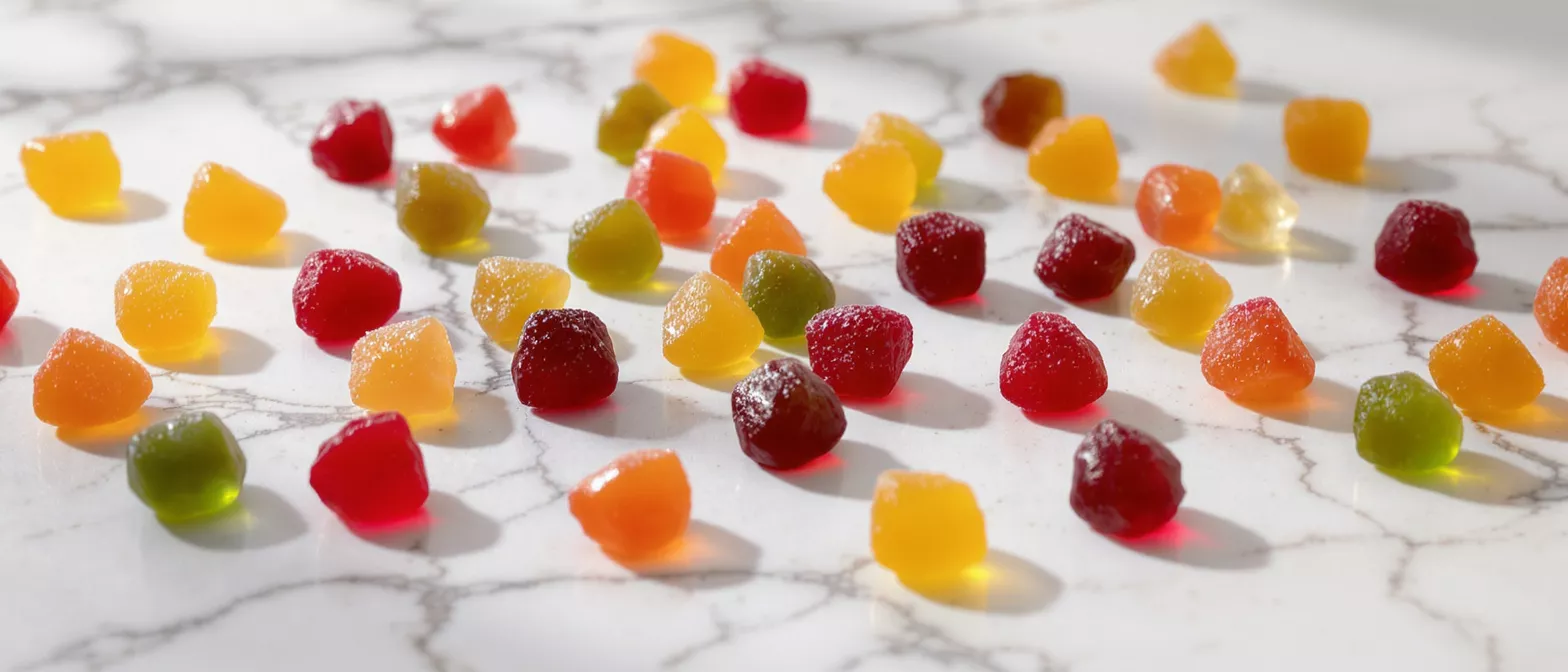
Gummies dominate the market, but they are far from the only option. Hard candies, lozenges, and lollipops dissolve slowly in the mouth, allowing some absorption through the tissues there before the rest is swallowed. Chocolates blend cannabinoids into a fat-rich base that many people find easier on the stomach. Each format carries its own onset timing and mouthfeel.
- 🍬 Gummies: The most popular format, offering precise per-piece dosing and a huge range of flavors, from classic fruit to sour and tropical blends.
- 🍭 Lollipops and hard candy: Slow-dissolving sweets that provide a longer, more gradual release and a discreet, familiar look.
- 🍫 Chocolates: Fat-based confections that pair well with cannabinoids and tend to feel gentler on an empty stomach.
- 🌿 Pectin-based vegan options: Plant-derived alternatives to gelatin gummies for those avoiding animal products.
Specialty and novelty formats: Beyond the staples, you will find caramels, taffy, mints, and even infused honey sticks. Some brands borrow slang from cannabis culture, naming products with terms like Cheeba to nod at the plant's heritage. Novelty matters less than testing and consistency, but the variety means there is genuinely something for every palate, including those who never enjoyed the taste of smoking a Cannon-sized joint.
How Cannabis Candy Affects the Body
When you eat cannabis candy, the experience differs meaningfully from inhalation. The cannabinoids pass through your stomach and into the liver, where THC is converted into 11-hydroxy-THC, a metabolite that is often more potent and longer-lasting than what you get from smoking. This is why edibles feel stronger and last longer despite an identical milligram count on the label.
Onset is the trade-off. Where a vape pen delivers effects within minutes, candy typically takes 30 minutes to two hours to kick in, depending on your metabolism and whether you have eaten recently. This delay is the single most common reason people overconsume: they feel nothing, take more, and then both doses arrive at once. Patience is the cardinal rule of edibles.
Why effects last longer: The liver-first metabolic pathway means cannabis candy can produce effects lasting four to eight hours, far longer than the one-to-three-hour window typical of inhalation. The medical reference site RxList notes that this extended duration makes edibles attractive for sustained relief but also demands more respect for timing, since you cannot simply stop inhaling once the dose is committed.
Cannabis Candy Dosing Guide
Dosing cannabis candy correctly is the difference between a pleasant experience and an uncomfortable one. The golden rule, repeated by clinicians and seasoned users alike, is "start low and go slow." A standard beginner dose sits around 2.5 to 5 milligrams of THC, and many products are scored or pre-portioned to make that easy.
Your ideal dose depends on body weight, tolerance, metabolism, and what you have eaten. A regular consumer might comfortably take 10 to 20 milligrams, while that same dose could overwhelm someone new. Because of the delayed onset, the cardinal mistake is redosing too early. Wait at least two full hours before considering another piece.
- 🌱 Microdose (1–2.5 mg): Subtle, functional effects with minimal impairment, ideal for daytime calm or first-timers.
- 🙂 Standard (2.5–5 mg): A balanced recreational or wellness dose for most occasional users.
- 💪 Moderate (5–15 mg): Stronger effects suited to experienced consumers with established tolerance.
- ⏳ Wait time: Always allow two hours before taking more — onset is slow and stacking doses is the top cause of discomfort.
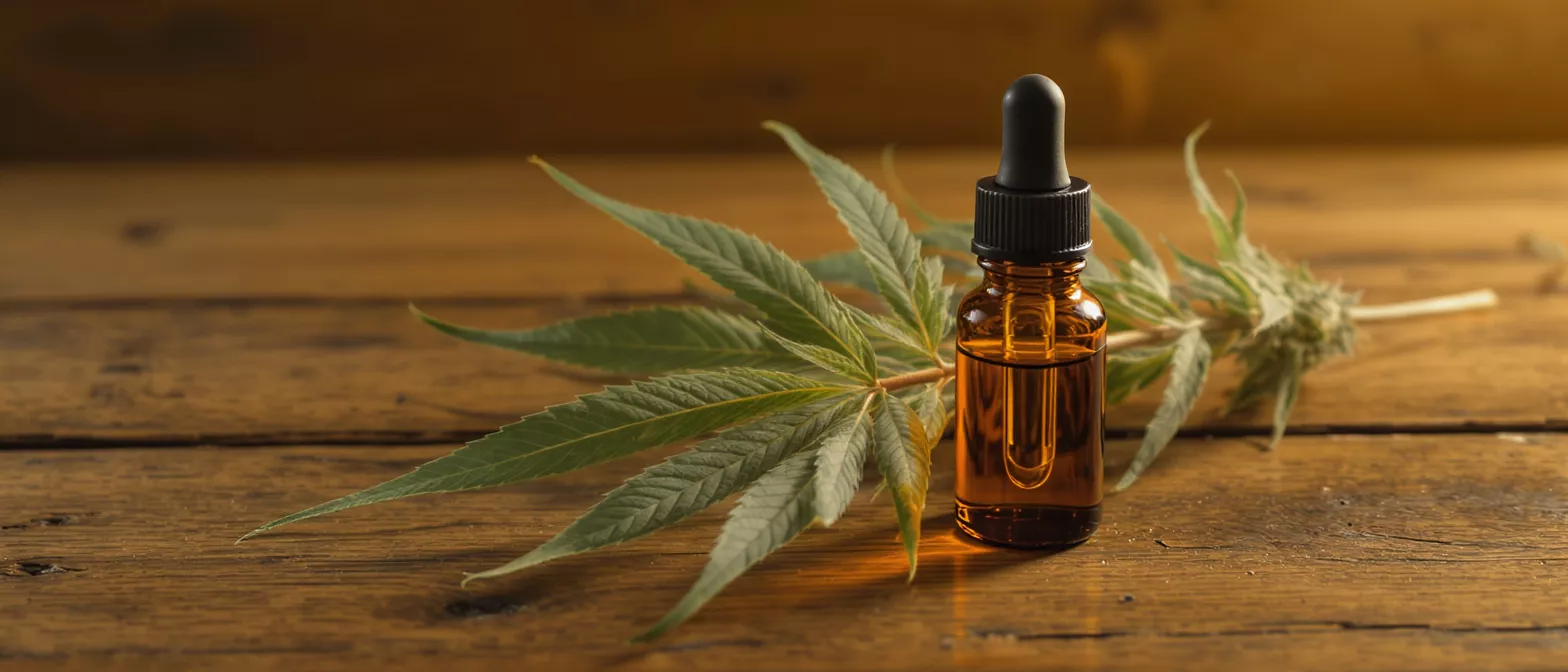
If you do take too much, remember that the experience, while unpleasant, is not dangerous. Find a calm space, hydrate, and rest. Many people keep a CBD-forward product on hand, and a balanced CBD tincture can help temper an overwhelming high for some users. The discomfort always passes.
Cannabis Candy Benefits for Wellness
People reach for cannabis candy for reasons that range from recreation to genuine wellness support. The discreet, smoke-free format makes it especially attractive to those who want the potential benefits of cannabinoids without inhaling anything into their lungs. For many, that single distinction is decisive.
Among the most commonly cited reasons are relaxation, support for restful sleep, and relief from everyday aches and tension. Because edibles last so long, a single evening dose can carry someone through the night, which is why CBN-enhanced sleep candies have carved out their own niche. According to RxList, cannabinoids interact with the body's endocannabinoid system, which helps regulate mood, appetite, and pain perception.
Beyond the high — broader cannabinoid wellness: The same plant that fills candy jars also fuels a wider wellness movement. Topicals like a cbd exfoliating scrub or a cbd infused face oil bring cannabinoids into skincare, while products around cbd intimacy and cbd lube show how broadly these compounds have spread. Candy remains the most beginner-friendly entry point, but it sits within a much larger ecosystem of cannabinoid wellness.
Are Cannabis Candy Edibles Safe
For most healthy adults, cannabis candy is considered safe when used responsibly and purchased from a reputable, lab-tested source. There is no known lethal dose of THC, and the most common adverse experiences — anxiety, dry mouth, dizziness, or grogginess — are temporary and resolve on their own. The real risks come from overconsumption and from untested products of unknown potency.
The single biggest safety concern is accidental ingestion, particularly by children who may mistake infused candy for ordinary sweets. Always store cannabis candy in clearly labeled, childproof containers, well out of reach. This is non-negotiable. The colorful, familiar appearance that makes candy approachable for adults is precisely what makes it dangerous around kids.
- 🔒 Childproof storage: Keep all infused candy locked away and clearly labeled, never in shared snack containers.
- 🧪 Lab testing: Buy only products with a Certificate of Analysis confirming potency and screening for contaminants.
- 🚗 Never drive impaired: Edibles last hours; plan accordingly and never get behind the wheel.
- 💊 Check interactions: Consult a clinician if you take prescription medications, especially blood thinners.
People who are pregnant, nursing, or managing serious medical conditions should speak with a healthcare provider before using any cannabinoid product. As the resource at RxList emphasizes, cannabinoids can interact with certain medications, so professional guidance matters when in doubt.
Cannabinoids Beyond THC in Cannabis Candy
Modern cannabis candy is no longer just about THC. The plant produces dozens of cannabinoids, and formulators increasingly blend them to target specific outcomes. CBD is the best known, prized for taking the edge off without intoxication, but a whole supporting cast has entered the conversation.
CBN has become a favorite in sleep-focused candies, often described as mildly sedating, while CBG and its acidic precursor CBGA are studied for potential focus and anti-inflammatory properties. Rarer compounds like CBL and its precursor CBLA, known as cannabicyclolic acid, appear as the plant ages and certain cannabinoids degrade. These minor cannabinoids are reshaping how candy is formulated.
The entourage effect explained: Many users prefer full-spectrum candy because cannabinoids and terpenes appear to work together synergistically, an interaction often called the entourage effect. A product that pairs THC with CBD, CBN, and CBG may feel more rounded than an isolate-based sweet. For those seeking targeted rest, a CBN sleep gummy blends these minor cannabinoids into a format built specifically for nighttime use, leaning on compounds that the body responds to differently than THC alone.
How to Store Cannabis Candy
Proper storage protects both the potency and the texture of your cannabis candy. Cannabinoids degrade when exposed to heat, light, and air, so the same conditions that ruin ordinary candy will also weaken the active compounds. Over time, THC can convert into CBN, which is why an old, neglected stash may feel more sedating than it did when fresh.
Keep your candy in an airtight container stored in a cool, dark place such as a pantry or a dedicated drawer. Avoid the temptation to leave gummies in a hot car or on a sunny windowsill, where they will melt, fuse together, and lose potency. Refrigeration can help in warm climates, though condensation can make gummies sticky if they are not properly sealed.
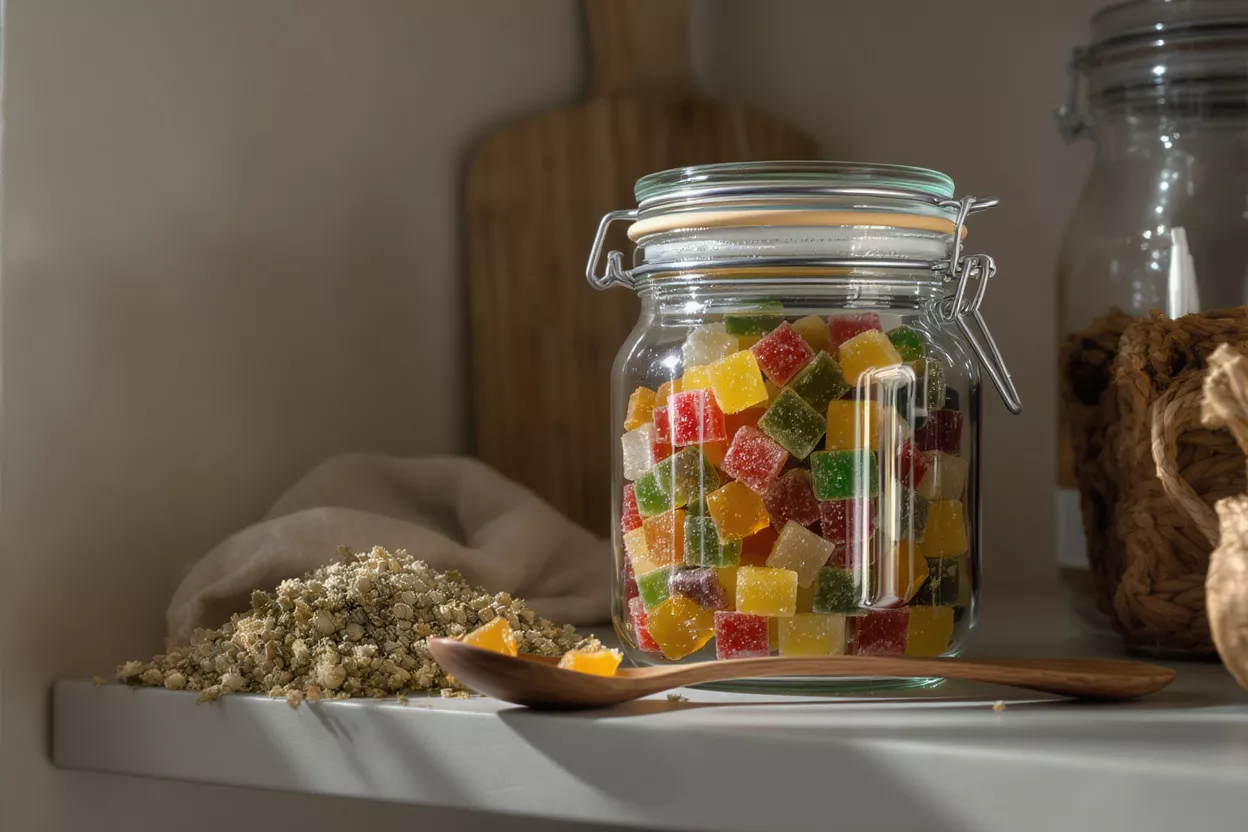
- ❄️ Cool and dark: Store between 60–70°F away from direct light to preserve cannabinoid potency.
- 💨 Airtight seal: Keep candy in its original packaging or a sealed container to block moisture and air.
- 📅 Check the date: Use products within their recommended window for best flavor and consistent strength.
- 🔐 Secure location: A locked, labeled spot keeps candy fresh and safely away from kids and pets.
Choosing the Best Cannabis Candy
With so many products on the shelf, choosing the best cannabis candy comes down to a few reliable signals of quality. The first and most important is third-party lab testing. A reputable brand publishes a Certificate of Analysis for every batch, confirming the cannabinoid content and screening for pesticides, heavy metals, and residual solvents.
Beyond testing, look at the ingredient list and the cannabinoid profile. Clean, recognizable ingredients and natural flavors signal care, while a clearly stated milligram count per piece lets you dose with confidence. Consider whether you want a THC-dominant, CBD-dominant, or balanced blend, and match the format to your routine — a fast-melting lozenge for daytime, perhaps, or a chocolate for a relaxed evening at home.
Reading reviews and brand reputation: Established brands with transparent sourcing and consistent reviews are worth the modest premium over bargain options of unknown origin. Avoid being baptized into a brand by marketing alone; let the lab results and customer feedback guide you. Cannabis candy delivers a discreet, precisely dosed, and genuinely enjoyable way to experience cannabinoids — but only when you choose products built on transparency and quality. Start low, store smart, and let the slow onset do its work, and this approachable format can become a dependable part of your wellness routine.