THC-B
Discover what THC-B is, how it works, and why it matters.
What Is THC-B and Where Does It Come From
THC-B, or tetrahydrocannabutol, is one of the lesser-known minor cannabinoids that has captured attention as interest in the cannabis plant's full chemical spectrum continues to grow. While most people are familiar with the headline compounds, THC-B sits among a class of rare molecules that exist in trace amounts and only became widely discussed after analytical advances let researchers identify them. It is a naturally occurring relative of the more famous psychoactive cannabinoids, sharing a similar backbone but carrying a small structural difference that meaningfully changes how it behaves.
The compound was first formally documented alongside another rare cannabinoid in research published around 2019, when scientists isolated it from a cannabis sample and confirmed its distinct molecular fingerprint. Because it appears in such tiny concentrations in raw plant material, most THC-B available today is produced through careful extraction and conversion processes rather than being pulled directly from a typical harvest. This places it in the same broad commercial category as other novel cannabinoids that have moved from the lab bench into the dispensary case.
Why THC-B suddenly matters: The cannabis market has shifted from a near-exclusive focus on Delta-9 THC toward a wider appreciation of the plant's chemical diversity. As consumers learn that compounds like Delta-8, Delta-10, and THC-B each carry their own character, demand has grown for products that explore these subtler corners of the cannabinoid family. THC-B represents that frontier — a molecule that delivers a recognizable experience while remaining genuinely novel.
How THC-B Works in the Body
Like its better-known cousins, THC-B interacts with the endocannabinoid system, the vast signaling network that helps regulate mood, appetite, pain perception, and sleep. The compound is believed to bind to the CB1 receptors concentrated in the brain and central nervous system, which is the same pathway responsible for the intoxicating effects of Delta-9 THC. This shared mechanism is why THC-B produces a psychoactive experience rather than a purely background effect.
The role of the butyl side chain: What sets THC-B apart structurally is its butyl side chain, a four-carbon tail in place of the longer pentyl chain found on conventional THC. Early laboratory observations suggested this shorter chain may allow the molecule to fit into cannabinoid receptors with notable affinity, which is part of why some early research and anecdotal reports describe it as surprisingly active for a minor cannabinoid. According to NORML, the body of research on rare cannabinoids is still expanding, and much of what we understand about receptor binding comes from preliminary studies.
Because THC-B engages the same receptors as familiar cannabinoids, the overall arc of its effects tends to feel recognizable to anyone who has used THC before. The differences show up in the texture and balance of the experience rather than in a completely alien sensation. For people who enjoy exploring nuance, a quality full-spectrum cannabinoid tincture can be a useful way to experience how minor compounds layer alongside the familiar ones.
THC-B vs Delta-9 THC and Other Cannabinoids
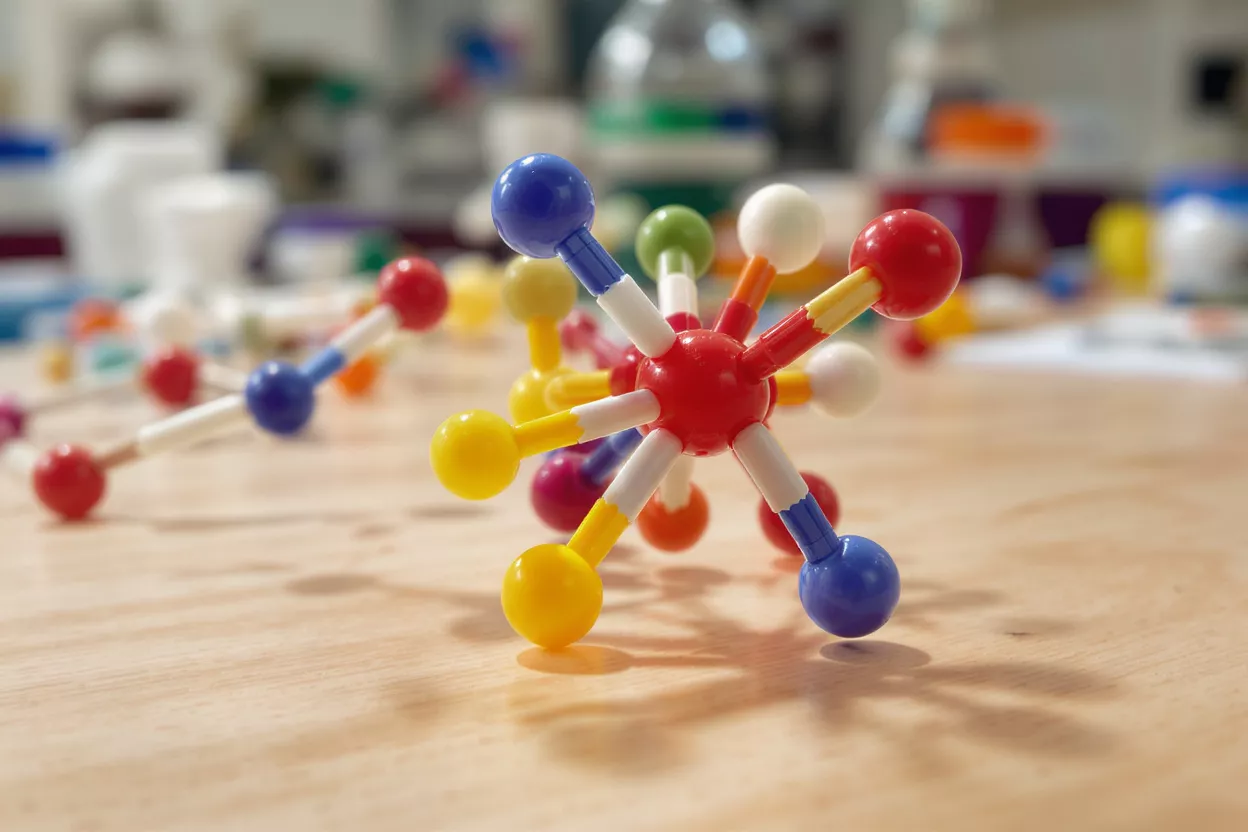
Understanding THC-B is easier when you place it next to the cannabinoids people already know. Delta-9 THC is the classic intoxicating compound that defines what most people picture as a cannabis high. Delta-8 and Delta-10 are positional isomers that tend to feel milder or more clear-headed, while THC-B is a distinct molecule defined by its shortened side chain rather than by a shifted double bond.
Here is how THC-B compares to the cannabinoids you are more likely to recognize from a dispensary menu:
- 🧬 Delta-9 THC: The benchmark psychoactive cannabinoid, abundant in most cannabis and the reference point all others are measured against.
- 🌗 Delta-8: A gentler isomer often described as smoother and less anxious than Delta-9.
- 🌓 Delta-10: Frequently reported as more uplifting and energetic, sometimes compared to a sativa-leaning feel.
- ⚡ THC-B: A minor cannabinoid with a butyl chain that may bind strongly to CB1 receptors, giving it a noticeable presence despite its rarity.
The practical takeaway is that THC-B is not simply a clone of Delta-9 with a new label. Its structural identity gives it a personality of its own, and the way it sits among the broader cannabinoid lineup is part of what makes the modern cannabis space so interesting to explore.
What Are the Effects of THC-B
The reported effects of THC-B fall squarely in psychoactive territory, meaning users can expect a genuine high rather than a subtle, non-intoxicating shift. Anecdotal accounts describe a relaxing, body-forward experience often paired with a sense of mental calm. Because formal human trials remain limited, much of what circulates about THC-B's effect profile comes from consumer reports and the structural parallels it shares with established cannabinoids.
How the experience tends to unfold: Many users describe an onset that builds into a mellow, soothing state, sometimes accompanied by the appetite stimulation and mood lift familiar to THC veterans. The texture is frequently characterized as dank and full-bodied rather than racy. As with any cannabinoid, individual chemistry, tolerance, and dose dramatically shape the outcome, so two people can report meaningfully different experiences from the same product.
It is worth approaching novel cannabinoids with the same respect you would give any potent compound. The NORML resource library underscores that even well-studied cannabinoids vary in their effects from person to person, and that caution is wise whenever a compound has a thinner research record behind it.
Is THC-B More Potent Than Regular THC
One of the most common questions about THC-B is whether its unique structure makes it stronger than conventional Delta-9 THC. The honest answer is that the science is not yet settled. Some early binding studies hinted that the butyl side chain could grant the molecule strong receptor affinity, which fueled a popular narrative that THC-B is unusually potent, but affinity in a lab setting does not always translate cleanly into a stronger felt experience.
Why potency claims deserve scrutiny: Marketing around novel cannabinoids often runs ahead of the data, and bold potency claims should be read with healthy skepticism. What matters most for the average user is not a theoretical potency ranking but the actual dose, the product format, and personal tolerance. A modest serving of a well-made product will tell you far more about how THC-B affects you than any headline percentage on a label.
For those who want a measured way to gauge their response, starting with a low-dose THC-B vape cartridge and waiting to assess the effect is far smarter than chasing the strongest option on the shelf. Potency is only useful when it is paired with control.
Types of THC-B Products You Can Find
As THC-B has moved from research curiosity to consumer product, it has appeared in most of the formats people already use for other cannabinoids. The right choice depends on how quickly you want to feel effects, how long you want them to last, and how discreet you need the experience to be. Walking into a dispensary or browsing an online distributor, you will encounter several familiar categories.
These are the most common ways THC-B is sold today:
- 💨 Vapes and cartridges: Fast onset and easy dose control, popular with people who want to titrate carefully.
- 🍬 Edibles and gummies: Longer-lasting effects with a slower onset, though they can sometimes lead to an edible hangover if overdone.
- 💧 Tinctures and elixirs: A flexible, measurable format that sits between inhalation and edibles in onset speed.
- 🌿 Infused flower and pre-rolls: Traditional smoking experiences enhanced with THC-B distillate.
Each format carries its own rhythm. Inhaled products act quickly and fade sooner, making them easier to dose by feel, while edibles demand patience because the liver converts the cannabinoid into a longer, often stronger experience. Some users keep a small dugout or a measured tincture on hand precisely so they can stay consistent from session to session.
Potential THC-B Benefits and Uses
People gravitate toward THC-B for many of the same reasons they reach for other cannabinoids: relaxation, mood support, appetite stimulation, and a general sense of ease at the end of a long day. Because rigorous clinical research on THC-B specifically is still in its infancy, any discussion of benefits should be framed as preliminary and grounded in how closely related cannabinoids behave rather than as settled medical fact.
What early interest centers on: Much of the enthusiasm focuses on potential relief from everyday tension, support for restful evenings, and the comfort that comes with a gentle body high. Researchers studying the wider cannabinoid family have repeatedly emphasized that the entourage effect — the idea that compounds work better together — may amplify what any single minor cannabinoid offers, which is one reason full-spectrum products remain popular. The NORML archives reflect how much active investigation surrounds these therapeutic possibilities.
For users curious about wellness-oriented routines, a thoughtfully formulated nighttime relaxation gummy can be a comfortable entry point. Just remember that benefit claims for novel cannabinoids should always be weighed against the limited evidence available, and that personal results vary widely.
Is THC-B Safe and What Are the Risks
Safety is a fair concern with any compound that has a short research history, and THC-B is no exception. As a psychoactive cannabinoid, it can produce the same side effects associated with THC overconsumption: dry mouth, red eyes, dizziness, elevated heart rate, anxiety, and impaired coordination. These effects are usually temporary, but they are a reminder that THC-B should be treated as a genuinely intoxicating substance.
The product quality factor: Because most THC-B is produced through chemical conversion, the purity and cleanliness of the final product depend heavily on the manufacturer. Reputable brands publish third-party lab results, often called a certificate of analysis, that confirm potency and screen for residual solvents and contaminants. Buying from a trustworthy dispensary or distributor that provides this documentation is the single most important step you can take to protect yourself.
It is also wise to avoid mixing THC-B with alcohol or other substances, to never drive while impaired, and to keep all products safely away from children and pets. Anyone who is pregnant, nursing, or managing a medical condition should consult a healthcare provider before trying any new cannabinoid.
THC-B Dosing Guide for Beginners
Dosing THC-B well comes down to a single guiding principle that experienced users repeat for good reason: start low and go slow. Because individual tolerance varies so dramatically and because THC-B's exact potency is still being characterized, conservative dosing protects you from an uncomfortable experience while you learn how your body responds.
A sensible starting framework: With inhaled products, a single small puff followed by a ten to fifteen minute wait gives you time to gauge the effect before deciding whether to continue. With edibles, patience matters even more, since the onset can take one to two hours and the effects last considerably longer. Taking a half-dose of a gummy and waiting a full two hours before considering more is the safest path for newcomers.
Keep these dosing principles in mind as you build a routine:
- ⏳ Wait before redosing: Give inhaled products at least fifteen minutes and edibles at least two hours before taking more.
- 📋 Track your dose: Note how much you took and how you felt so you can refine your ideal amount over time.
- 🍽️ Mind your stomach: An empty stomach intensifies edibles, while food slows and softens onset.
- 💧 Stay hydrated: Water helps with dry mouth and keeps the experience comfortable.
The goal is never to find your limit but to find the amount that feels good and sustainable. A measured approach turns experimentation into something pleasant rather than overwhelming.
Is THC-B Legal and What to Know Before Buying
The legal status of THC-B is nuanced and depends heavily on where you live and how the product is derived. Many novel cannabinoids on the market are produced from hemp, which occupies a different legal lane than marijuana under federal law in the United States. That distinction has allowed a wide array of hemp-derived cannabinoids to reach consumers, though individual states have moved to regulate or restrict them at their own pace.
Why local rules matter most: A product that is freely sold in one state may face restrictions in another, and the regulatory picture continues to evolve. Advocacy and policy organizations like NORML track these shifting laws closely, and checking your local regulations before purchasing is always the responsible move. Never assume that availability in an online store guarantees legality where you live.
THC-B sits at the intersection of cutting-edge cannabis science and a fast-changing marketplace, offering a genuinely novel experience for those curious about the plant's lesser-known compounds. By choosing lab-tested products from reputable sellers, starting with modest doses, and staying informed about both the limited research and your local laws, you can explore this rare cannabinoid thoughtfully. As the science matures, THC-B may well earn a clearer place in the broader cannabinoid story — but for now, an informed and measured approach is the best way to enjoy what it has to offer.