

Baptize
Learn how to baptize cannabis flower in concentrates and kief to create moon rocks.
What Does It Mean to Baptize Cannabis
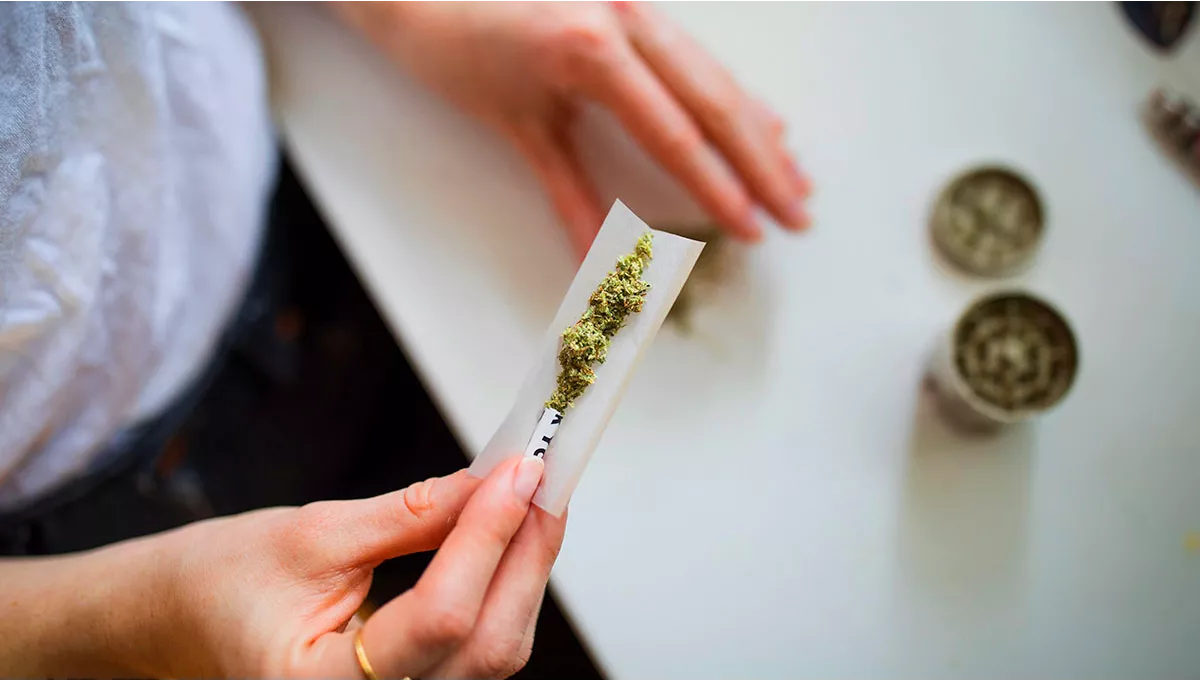
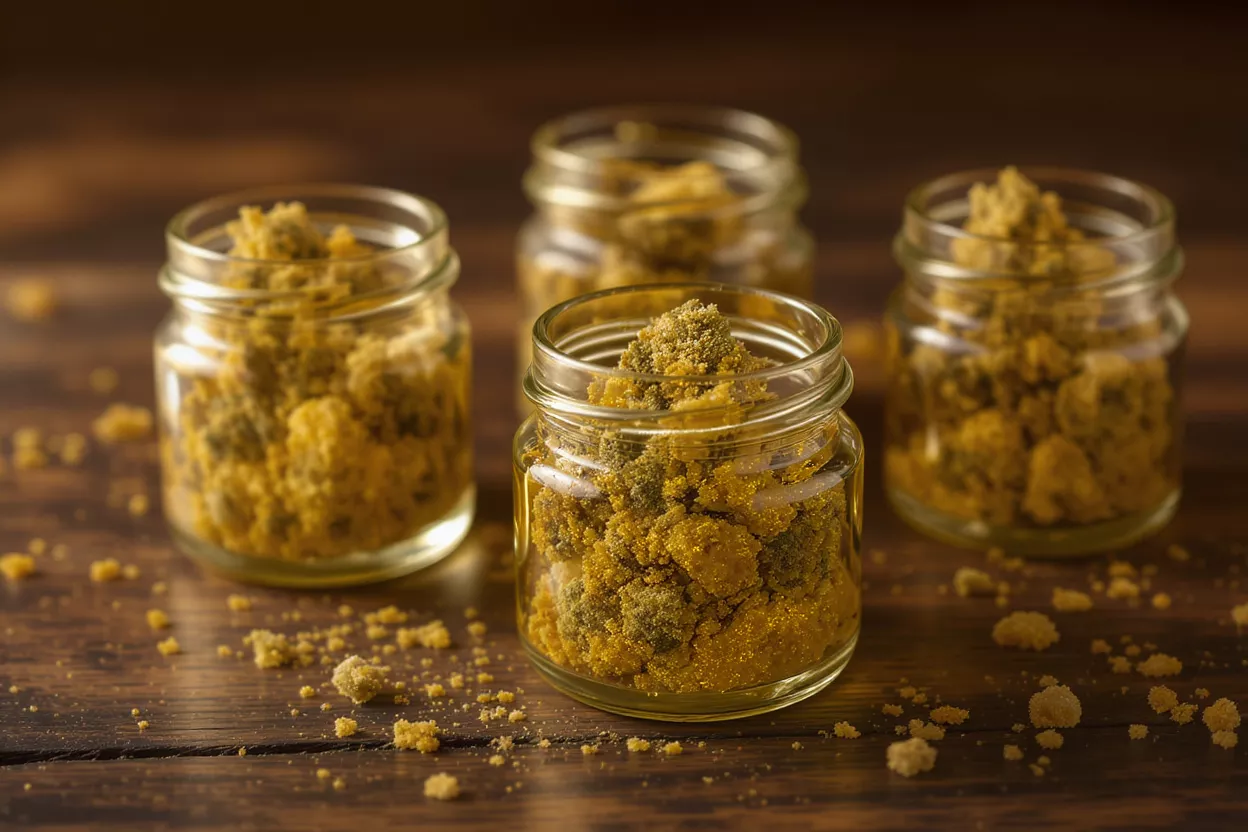
To baptize cannabis is to coat a nug of dried flower in cannabis concentrate and then roll it in a layer of kief, building a dense, potency-stacked product that smokers prize for its strength and flavor. The term describes the same craft that gives us moon rocks and caviar cannabis — flower elevated by an outer shell of sticky oil and a frosting of trichome powder. The result looks almost mineral, like a small meteorite glittering with crystal, which is exactly where the moon rock name comes from.
The appeal is layered, both literally and figuratively. A standard flower bud might test somewhere in the high teens or low twenties for THC, but once you baptize it in concentrate and kief, the combined potency can climb dramatically. You are essentially fusing three forms of cannabis into one: the cured bud at the core, the concentrate in the middle, and the powdery kief on the outside.
This is a craft technique, not a casual habit. Baptizing flower takes intention, the right materials, and a little patience while the layers set. Most people approach it as a treat rather than an everyday smoke, reserving it for occasions when they genuinely want an elevated, concentrate-forward experience that ordinary bud cannot match on its own.
Where the Baptize Tradition Began
The practice of fortifying flower with concentrate predates legalization, growing out of dispensary culture and the West Coast hash scene where potency became a point of pride. As extraction techniques matured and high-quality concentrates became widely available, layering them over flower evolved from a back-room novelty into a recognized product category sold on dispensary shelves.
The vocabulary has always been colorful. "Moon rocks" became the dominant name after the term spread through hip-hop and cannabis media, while "caviar" emphasized the luxury, special-occasion framing. To baptize a nug carries that same celebratory spirit — the word borrows from ritual to signal that this is flower transformed into something more.
Regional recipes keep the craft varied. Some makers favor a particular concentrate over the classic combination, and the choice of kief — whether sifted from a single cultivar or blended — changes the final character. According to Harvard Health, the cannabinoid and terpene content of cannabis varies widely between products, which is exactly why two baptized nugs made with different inputs can deliver noticeably different experiences.
How to Baptize Cannabis Flower Step by Step
Baptizing a nug is straightforward in principle, but technique separates a clean, even coat from a sloppy, hard-to-smoke mess. Start by selecting a dense, well-cured bud — airy or fluffy flower does not hold the layers as gracefully and tends to fall apart once coated. Leave the nug whole rather than grinding it, because the entire point is to build layers around an intact core.
The concentrate layer demands the right consistency. A runny oil soaks in and never sets, while a rock-hard concentrate will not adhere. Many people warm a viscous extract slightly so it spreads, then use a dab tool to paint or drizzle it over the bud rather than dunking it. Distillate and warmed live resin both work well because they cling without flooding the flower.
Here is a simple framework many people follow when they baptize a nug:
- 🌿 Pick a dense bud: Choose a tight, well-cured nug that can support the weight of concentrate and kief.
- 💧 Coat with concentrate: Use a dab tool to apply warmed oil evenly, avoiding a soggy, oversaturated core.
- ❄️ Roll in kief: Press the sticky nug into a dish of kief until the surface is fully frosted.
- ⏳ Let it set: Give the layers time to firm up so the piece holds together when handled.
- 🔪 Break by hand: Tear it gently rather than grinding, preserving the layered structure for the bowl.
Baptize vs Moon Rocks vs Caviar Cannabis
These three terms describe overlapping ideas, and the distinctions are more about emphasis than rigid definitions. To baptize is the action — the verb for the coating process — while moon rocks and caviar are the nouns describing finished products. In practice, most baptized nugs are moon rocks by another name, but the terminology carries subtle shades of meaning worth understanding.
Moon rocks lean on the full triple-layer build. The classic moon rock is flower dipped in hash oil and rolled in kief, exactly the structure most people picture when they baptize a nug. The name emphasizes the cratered, mineral appearance and the heavyweight potency that follows.
Caviar can mean two different things. Some use caviar interchangeably with moon rocks, while others reserve it for flower coated only in concentrate without the kief frosting, or even for cannabis cured in a jar with concentrate. Here is how the terms generally compare:
- 🌙 Moon rocks: Flower plus concentrate plus a kief coating — the full triple-layer build.
- 🥄 Caviar: Often flower plus concentrate, sometimes with kief, sometimes without — definitions vary by region.
- 💦 Baptize: The verb describing the coating action itself, applicable to any of the above.
- 💎 The common thread: All three stack potency by fusing flower with extracted cannabis.
Choosing Concentrates to Baptize With
The concentrate you choose defines the flavor, aroma, and overall character of a baptized nug far more than the flower at its core. A solvent-stripped distillate brings raw potency but little terpene nuance, while a flavorful live resin layers in a rich aromatic profile that the kief and flower then amplify. This is where personal taste truly steers the result.
Consistency matters as much as quality. A concentrate that is too thin will saturate the bud and refuse to cure, leaving you with a damp piece that smokes poorly. Something balanced and tacky — warmed slightly to spread but firm at room temperature — gives the cleanest coat. According to Harvard Health, concentrated cannabis products can contain dramatically higher cannabinoid levels than flower, so the extract you select directly drives how strong the finished nug becomes.
When deciding what to baptize with, weigh these qualities:
- 🍋 Terpene richness: Live resin and rosin carry bold aroma that survives the layering process.
- 🧊 Workable texture: A tacky, spreadable consistency coats evenly without flooding the flower.
- 🔬 Lab-tested source: Concentrate from a licensed producer comes with verified potency and purity.
- ⚖️ Potency goal: Distillate maximizes strength, while full-spectrum extracts balance power with flavor.
How Potent Is Baptized Cannabis
Potency is the entire reason most people baptize a nug, and the numbers can be genuinely substantial. Where ordinary flower might sit in the high teens to low twenties for THC, a baptized piece combining concentrate and kief can push well past fifty percent total cannabinoids depending on the inputs. That stacking effect is the defining feature of moon rocks and caviar cannabis alike.
The layers each contribute differently. The flower core provides the cured-bud foundation, the concentrate layer adds a concentrated dose of cannabinoids, and the kief coating supplies pure trichome heads dense with both THC and terpenes. Together they produce an effect that arrives strong and lasts long, which is precisely why experienced users treat baptized cannabis with respect.
Tolerance should guide your approach. Someone new to high-potency products can be caught off guard by how intense a single small bowl of baptized flower can feel. According to Harvard Health, higher-THC products carry a greater chance of uncomfortable effects like anxiety or impairment, so starting with a tiny amount and waiting to gauge the impact is the sensible path.
Common Mistakes When You Baptize Flower
Even a simple technique can go wrong, and a few avoidable errors separate a great baptized nug from a frustrating one. The most frequent mistake is using too much concentrate, which oversaturates the flower, prevents it from ever drying, and creates a piece that smolders rather than burns. Restraint produces a far better smoke.
Grinding a baptized nug ruins the structure. The layered build is the whole point, and forcing it through a grinder gums up the teeth with sticky oil and collapses the careful layers into paste. Always break a baptized piece apart gently by hand, keeping the chunks loose enough to catch a flame.
Choosing the wrong concentrate undermines the effort. A concentrate that stays runny will never set, leaving a damp nug that tastes harsh and burns unevenly. Pairing a quality bud with a poorly chosen extract wastes both. Take the time to match a tacky, flavorful concentrate to a dense, well-cured flower, and the finished piece rewards that care every time you light it.
Best Ways to Smoke Baptized Cannabis
Baptized cannabis burns differently from ordinary flower, so the method you choose shapes the experience. Because the concentrate and kief layers do not combust the way dried bud does, a slow, steady heat works far better than a quick, hot flame. Patience while lighting pays off in flavor and a smoother draw.
Glass pieces handle baptized flower best. A bong or a clean pipe lets the dense smoke cool before it reaches you, which matters because baptized cannabis produces a thick, concentrate-heavy cloud. Pack a small amount over a layer of regular flower so the baptized nug has something to rest on and burn against, rather than dropping straight through the bowl.
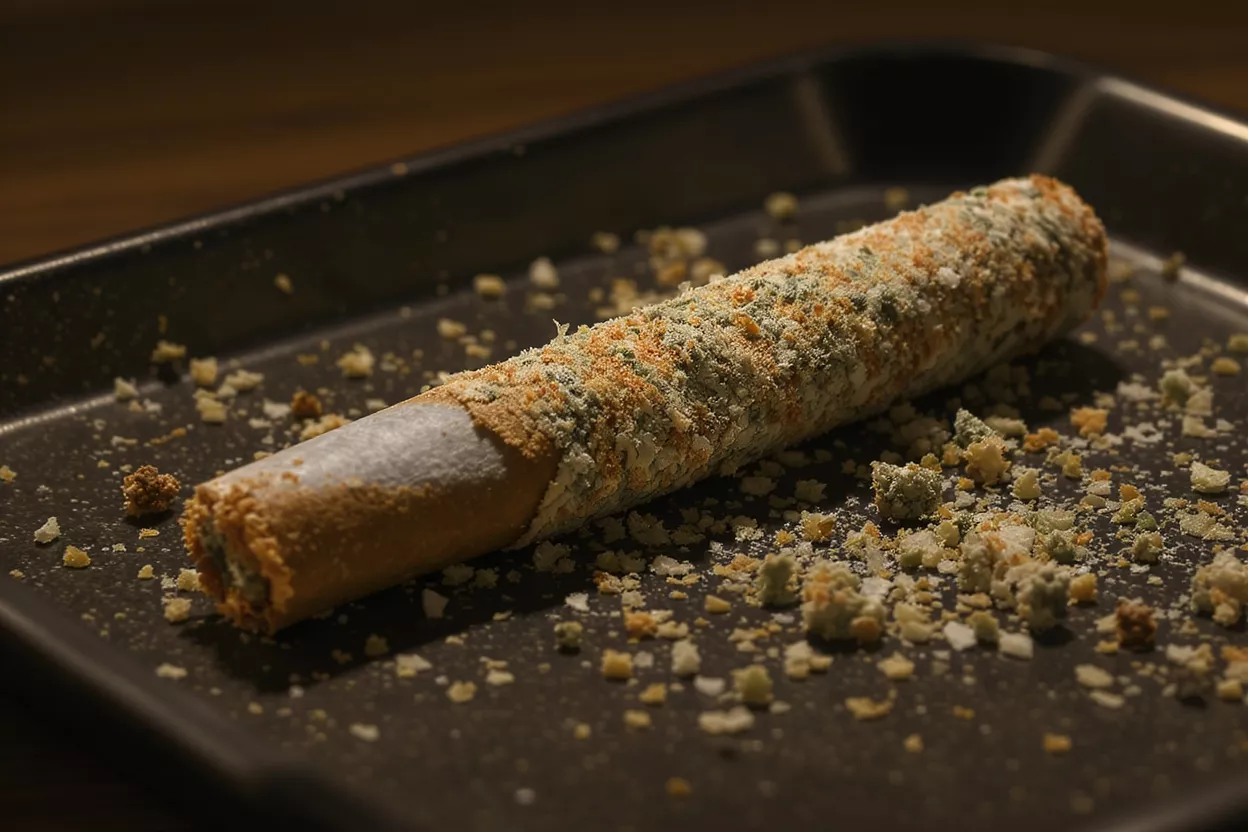
Rolling baptized flower takes finesse. Because it does not grind cleanly, baptized cannabis can be tricky to roll on its own. Many people layer hand-broken pieces into a joint alongside ground flower, or fold them into a blunt for a slow, potent burn. Whatever the vessel, keep the flame low and let the layers ignite gradually instead of torching them all at once.
Is Baptized Cannabis Safe to Use
Baptized cannabis is safe when it is made from clean, lab-tested ingredients and consumed with respect for its strength. The chief concern is not the technique itself but the potency, which can overwhelm someone unprepared for products testing far above ordinary flower. Knowing your tolerance and dosing conservatively keeps the experience pleasant.
Ingredient quality is non-negotiable. Concentrate and kief both concentrate whatever is in the original plant, so contaminants or residual solvents become more concentrated too. Sourcing from a licensed producer that publishes lab results protects you from pesticides, mold, and leftover extraction solvents. According to Harvard Health, the absence of consistent product standards across the market makes verified testing one of the most reliable safeguards a consumer has.
Overconsumption is the realistic risk. No one has overdosed fatally on cannabis, but greening out — the dizzy, nauseous, anxious state that follows too much THC — is genuinely unpleasant and entirely possible with high-potency products. Start with a fraction of what you would smoke of ordinary flower, stay hydrated, and give the effects time to develop before reaching for more.
Is the Baptize Method Worth It
For anyone who appreciates potency and the craft of cannabis, learning to baptize a nug is genuinely worth the effort. The technique transforms good flower into a special-occasion product with the strength of a concentrate and the ritual pleasure of smoking bud. It rewards attention to detail and gives you complete control over the inputs, from the cultivar at the core to the extract and kief layered around it.
The method is not for every session or every person. High-potency cannabis can be wasteful for a casual smoker and overwhelming for a low-tolerance one, and there is no shame in preferring everyday flower for everyday use. The baptize approach shines precisely because it stands apart — a deliberate, elevated experience rather than a daily routine.
Whether you buy ready-made moon rocks or build your own caviar cannabis from a favorite bud, the baptize method honors both potency and craft. It turns ordinary flower into something memorable, and for the smoker who values strength and flavor in equal measure, that transformation is well worth carrying forward into your next session.
Comments