cbd stick for pain relief
Discover how a cbd stick for pain relief targets sore muscles & joints.
What Is a CBD Stick for Pain Relief?
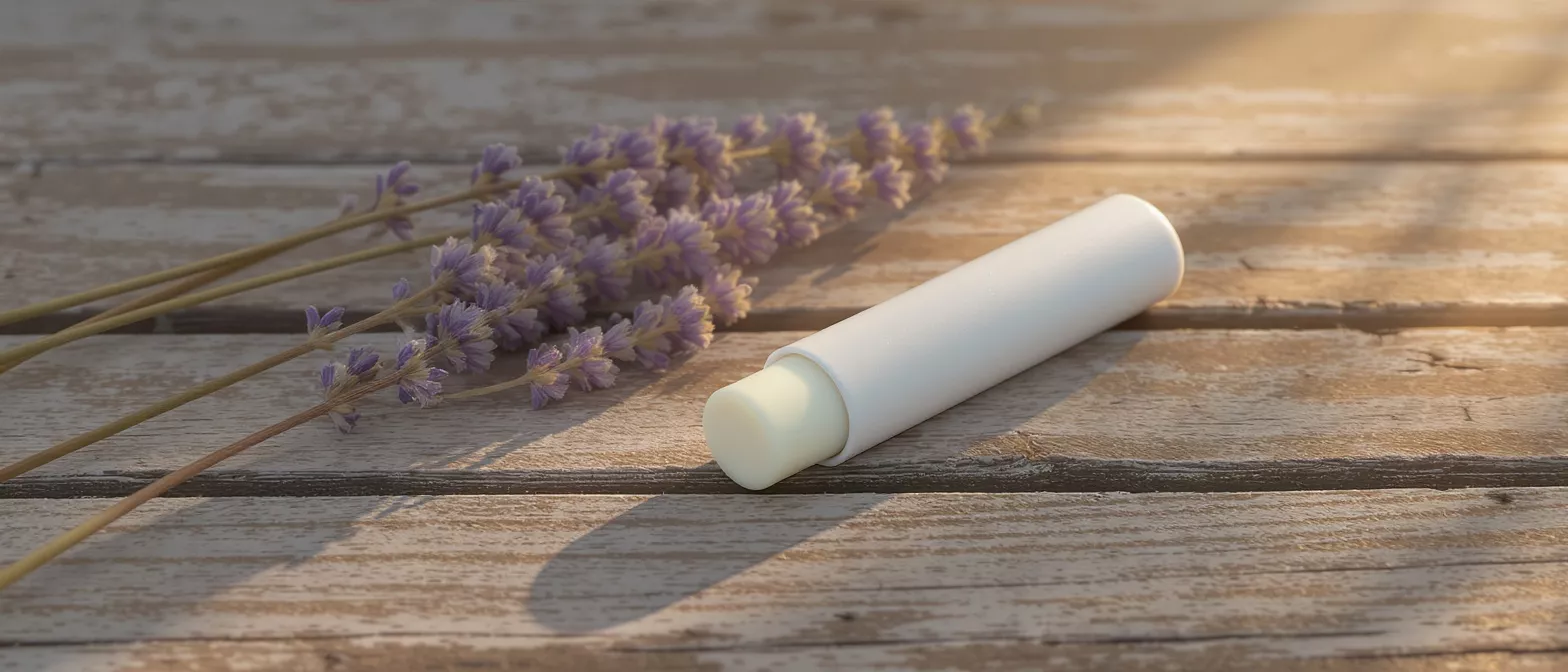
A CBD stick for pain relief is a solid topical balm packed into a twist-up applicator, designed to deliver cannabidiol directly to the skin over sore muscles and aching joints. Instead of squeezing cream from a tube or rubbing oil into your palms, you glide the stick across the affected area, leaving a measured layer of CBD-infused balm behind. The format borrows from the convenience of deodorant and lip balm packaging, making it one of the cleanest, most travel-friendly ways to apply cannabidiol topically.
The appeal comes down to precision and mess-free application. Athletes, weekend warriors, and people managing chronic discomfort gravitate toward stick formats because they can target a knee, elbow, or lower back without coating their fingers in product. The wax-and-oil base holds its shape at room temperature yet softens against body heat, releasing CBD alongside supporting botanicals as you roll it on.
Why the stick format is gaining ground: Topical CBD has surged in popularity as research into the endocannabinoid system has matured. According to Nature, cannabinoid receptors are densely expressed in skin tissue and peripheral nerves, which is part of why localized application has drawn so much scientific interest. A CBD stick simply packages that delivery method in the most user-friendly form available, and many people keep one in a gym bag the way they once kept a tube of muscle recovery balm.
How Does a CBD Stick for Pain Work?
When you apply a CBD stick, the cannabidiol does not enter your bloodstream the way an edible or tincture would. Instead, it interacts with cannabinoid receptors located in the skin, muscles, and nearby nerve endings. This localized action is why topical CBD is favored for spot-specific discomfort rather than whole-body effects. The balm base acts as a carrier, holding the CBD against the skin long enough for absorption into the upper tissue layers.
The endocannabinoid system at the surface: Your skin contains its own network of CB1 and CB2 receptors that help regulate inflammation, sensation, and immune response. Research published by Nature has documented how these peripheral receptors respond to cannabinoids, supporting the rationale behind topical formulations. When CBD binds to or influences these receptors, it may help modulate the local signaling that contributes to soreness and stiffness.
Penetration depth matters here. A well-formulated stick pairs CBD with carrier oils and warming or cooling agents that improve how far the active compounds travel into tissue. Many products use CO2 extraction to produce a clean CO2 oil free of residual solvents, and that purity influences how the balm feels and performs on the skin. The combination of cannabinoid plus delivery vehicle is what separates a genuinely useful stick from a glorified scented wax.
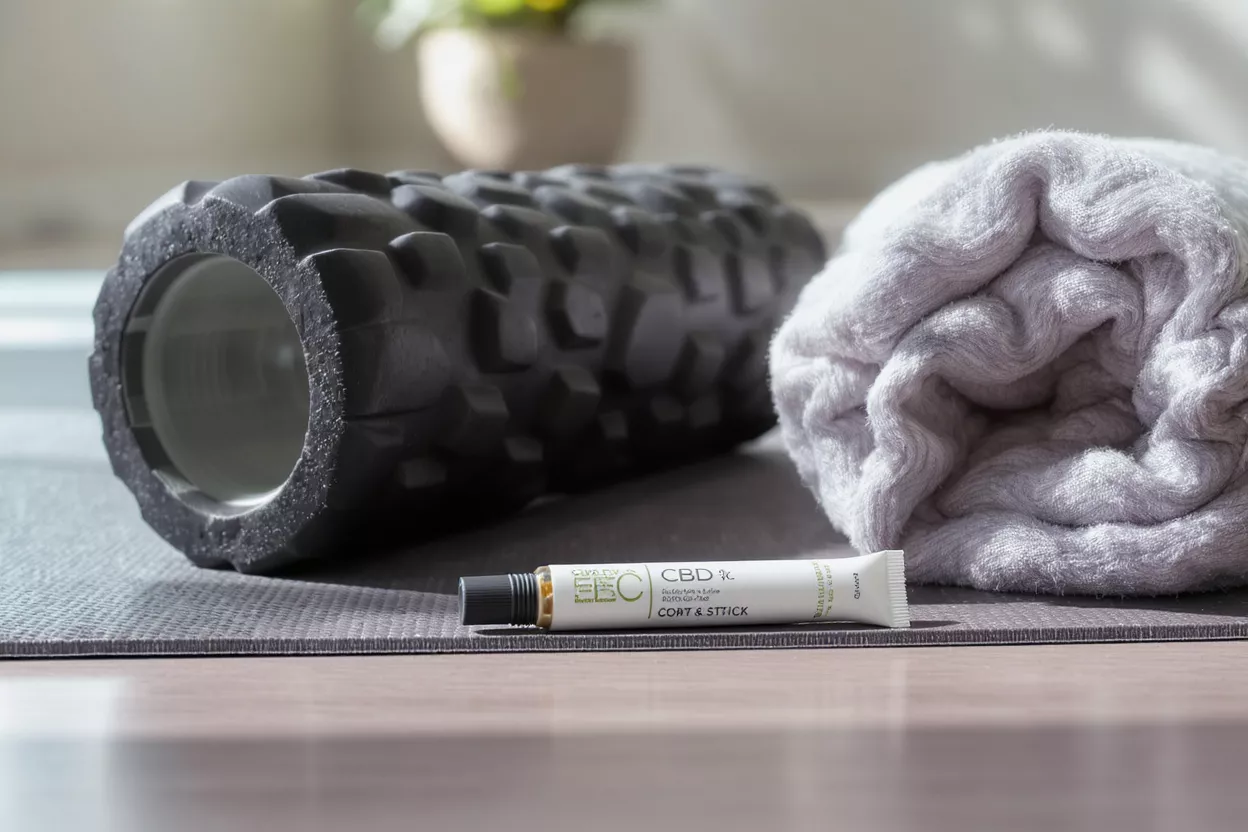
Types of CBD Sticks for Pain Relief
Not every CBD stick is built the same way, and the spectrum of CBD inside determines much of how the product behaves. Understanding the categories helps you match a stick to your needs rather than guessing at the checkout counter.
- 🌿 Full-spectrum: Contains CBD alongside trace THC and the full range of plant compounds, leveraging the entourage effect for potentially broader relief.
- 🍃 Broad-spectrum: Keeps the supporting cannabinoids and terpenes but removes detectable THC — a middle path for those avoiding THC entirely.
- 💧 CBD isolate: Pure cannabidiol with no other plant material, ideal for sensitive users who want a single, predictable compound.
- ❄️ Cooling formulas: Blended with menthol for an immediate icy sensation that distracts from acute soreness.
- 🔥 Warming formulas: Built with capsaicin or warming botanicals to encourage circulation in stiff areas.
The terpene profile also shapes the experience. Compounds like citronellol and cymene contribute aroma and may carry their own mild properties, while the base oil dictates glide and absorption. Some makers start from a concentrate slurry that is refined and decarboxylated before being blended into the balm, a process that influences the final cannabinoid content.
Choosing between these types is rarely about one being objectively superior. A construction worker with chronic knee strain might prefer a warming full-spectrum stick, while a runner managing post-race calf tightness may reach for a cooling broad-spectrum option or a dedicated cooling menthol roll-on instead.
CBD Stick Benefits for Muscle and Joint Pain
The headline benefit of a CBD stick for pain relief is targeted comfort without systemic effects. Because the cannabidiol stays largely in the local tissue, you can address a sore shoulder without feeling anything elsewhere in your body. This makes topical CBD attractive for people who want relief during the workday without altered focus or drowsiness.
Inflammation and recovery support: Localized inflammation drives a great deal of muscle and joint discomfort, and the skin's cannabinoid receptors are positioned to influence that response. Work cataloged by Nature on cannabinoid signaling in peripheral tissue helps explain why athletes increasingly fold topical CBD into their recovery routines alongside stretching and hydration. The goal is not to mask pain but to support the body's own regulation of it.
Beyond the active compound, the ritual itself has value. The act of massaging a stick into a tight muscle increases blood flow mechanically, and the warming or cooling agents provide immediate sensory feedback. That combination of physical action and topical cannabinoid is why many users describe sticks as more satisfying than swallowing a capsule and waiting.
How to Use a CBD Stick for Pain Relief
Using a CBD stick correctly maximizes the benefit you get from each application. Start with clean, dry skin so nothing blocks absorption. Twist the base to advance the balm slightly above the rim, then glide it across the sore area in firm, overlapping strokes until a visible layer remains.
Application frequency and technique: Most people apply two to four times daily, though you should follow the guidance on your specific product. After laying down the balm, massage it in with your fingertips for thirty to sixty seconds to drive the active ingredients into the tissue and stimulate circulation. Reapply after heavy sweating or showering, since water and friction reduce the surface film.
- 🧼 Clean the area: Wash and dry the skin so oils and sweat don't block absorption.
- 🔄 Advance the balm: Twist up just enough product to coat the target zone evenly.
- 💪 Apply and massage: Glide on, then rub in for thirty to sixty seconds.
- ⏱️ Reapply as needed: Repeat every few hours or after sweating heavily.
Avoid broken skin, open wounds, and your eyes, and wash your hands after use unless your hands are the area being treated. If you are layering a CBD stick with other topicals, give each product a few minutes to absorb before stacking the next.
What Ingredients Belong in a Quality CBD Stick?
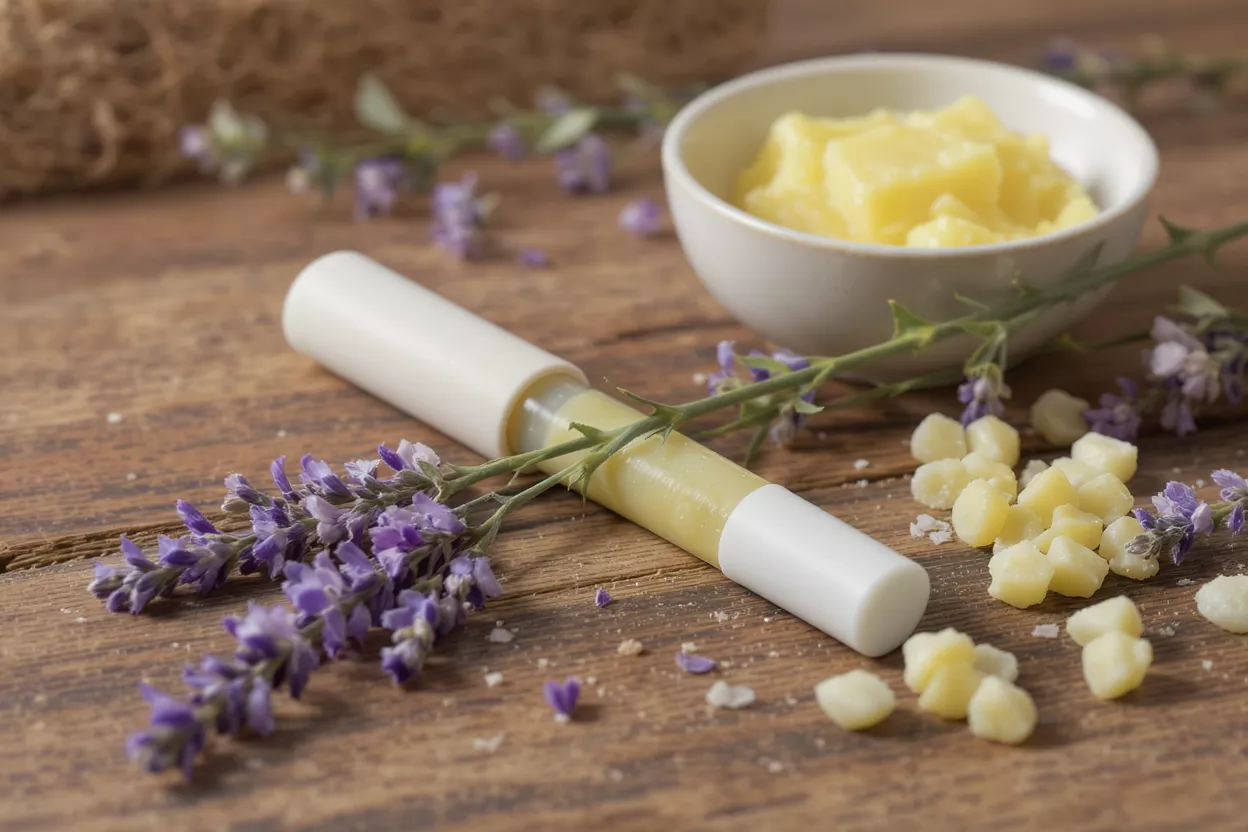
The CBD itself is only part of the formula. A quality stick relies on a thoughtful base of carrier oils, waxes, and supporting botanicals that determine glide, absorption, and skin feel. Beeswax or plant-based waxes give the stick its solid structure, while oils like coconut, jojoba, or shea butter carry the cannabidiol and condition the skin.
Supporting botanicals worth seeking: Menthol delivers cooling, capsaicin delivers warmth, and arnica is a longstanding favorite for bruising and soreness. Curcumin, the active compound in turmeric, appears in some formulas for its traditional association with inflammation support. Terpenes such as citronellol and cymene round out the aroma and may add subtle benefits of their own.
What to avoid: Steer clear of sticks heavy on synthetic fragrance, artificial dyes, or vague "proprietary blend" labeling that hides the actual CBD content. A trustworthy product lists milligrams of CBD per stick and backs it with third-party lab results. Research summarized by Nature underscores that purity and accurate dosing matter when evaluating any cannabinoid product, and a clean CO2 oil extraction is one signal of a careful manufacturer. Many shoppers also keep a separate arnica recovery cream for areas a stick can't reach easily.
Best CBD Stick for Pain Relief by Activity
The best CBD stick for pain relief depends heavily on what put the pain there in the first place. Matching the formula to your activity makes the product feel purpose-built rather than generic.
For runners and endurance athletes: Cooling menthol sticks shine after long sessions, calming hot, tired calves and quads. The icy sensation pairs well with the inflammation-modulating action of CBD, and the compact format slips easily into a race belt or gym locker. Look for higher CBD concentrations if you train hard and frequently.
For lifters and strength training: Warming formulas suit the deep, slow soreness of heavy resistance work. Capsaicin-based heat encourages circulation in the large muscle groups that take the brunt of squats and deadlifts. A full-spectrum stick may offer broader support here thanks to the entourage effect.
For desk-bound workers nursing neck and lower-back tension from poor posture, a neutral, fragrance-light stick applied during breaks can interrupt the cycle of stiffness. Curing tension before it compounds is easier than chasing it after a full day hunched over a keyboard. People who experience the dry-mouth cottonmouth feeling from oral cannabinoids often appreciate that topicals sidestep that side effect entirely.
Are CBD Sticks for Pain Relief Safe?
For most people, topical CBD sticks carry a favorable safety profile. Because the cannabidiol largely stays in the skin and local tissue rather than entering the bloodstream in meaningful amounts, the risk of systemic side effects is low. You won't experience couch lock, intoxication, or the crossfade sensation associated with combining substances, since a properly made topical doesn't deliver enough THC to alter your state.
Skin sensitivity and patch testing: The most common issue is a localized skin reaction to one of the supporting ingredients rather than the CBD itself. Menthol, capsaicin, and fragrance compounds can irritate sensitive skin. A patch test on the inner forearm twenty-four hours before broader use is a sensible precaution. Findings shared by Nature on cannabinoid tolerability generally support the strong safety record of topical application.
That said, topicals aren't a cure-all. If you have persistent or worsening pain, a CBD stick should complement professional medical guidance rather than replace it. People who are pregnant, nursing, or taking medication should consult a healthcare provider, and anyone subject to drug testing should choose a broad-spectrum or isolate product to avoid even trace THC.
CBD Stick vs Other Topical Pain Options
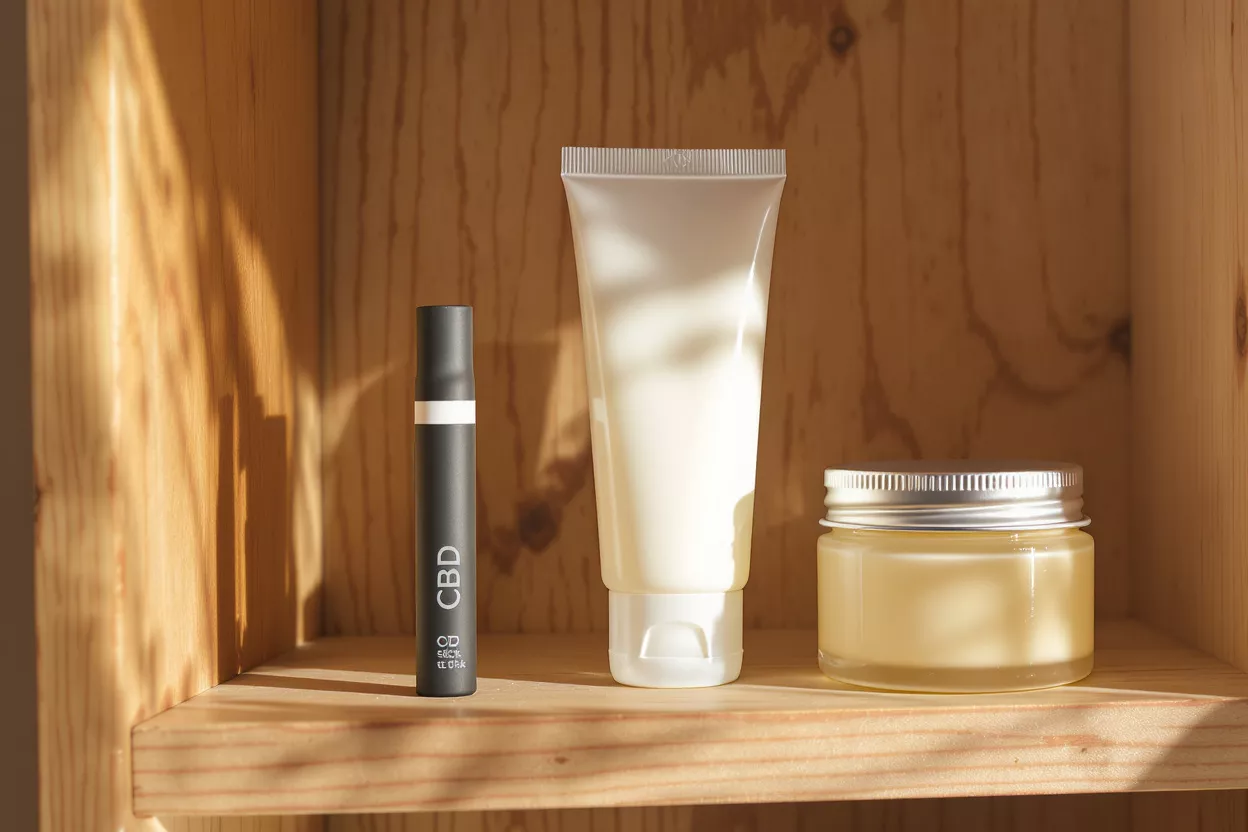
How does a CBD stick stack up against creams, balms in jars, roll-ons, and patches? Each format trades off convenience, dosing precision, and coverage area in different ways, and the right choice depends on where and how often you need relief.
- ✋ Sticks: Mess-free, precise, and portable — best for targeted spots and on-the-go reapplication.
- 🧴 Creams and lotions: Cover large areas easily but require hand application and absorb at different rates.
- 🎯 Roll-ons: Liquid format with a rolling ball applicator, great for cooling relief but prone to drips.
- 🩹 Patches: Deliver steady, slow-release CBD over hours but can't be repositioned once placed.
- 🫙 Jar balms: Often the most concentrated, though they demand finger application and can be messy.
The stick wins on cleanliness and travel readiness. Where a jar balm leaves residue on your hands and a roll-on can drip, a stick deposits product exactly where you guide it. That precision is precisely why the format has carved out a loyal following among athletes who reapply between sets or miles.
Cost and concentration are worth weighing too. Jar balms sometimes pack more CBD per ounce, but you may waste product on your fingers. A stick's controlled delivery often means each milligram of cannabidiol lands where it should, making the format efficient despite a sometimes higher upfront price.
How to Choose the Right CBD Stick for Pain
Choosing the right CBD stick for pain comes down to a handful of practical checks. Start with the CBD concentration, listed in total milligrams and ideally as milligrams per application, so you can compare products honestly rather than relying on marketing language.
Verify third-party testing: Reputable brands publish certificates of analysis confirming the cannabinoid content and screening for contaminants. This transparency, echoed in the rigorous standards described by Nature, separates serious manufacturers from opportunists. Look for a clean extraction method, ideally CO2 extraction, and a clear ingredient list free of mystery additives.
Match the sensory profile to your preference and pain type — cooling for acute, hot soreness and warming for deep, stiff aches. Consider scent, since some users dislike strong menthol or herbal aromas in shared spaces. Finally, factor in spectrum: full-spectrum for the entourage effect, broad-spectrum to skip THC, or isolate for the simplest possible formula.
A CBD stick for pain relief offers a clean, targeted, and genuinely convenient way to bring cannabidiol to sore muscles and stiff joints. By understanding how the format works, what ingredients to look for, and how to match the product to your activity, you can choose a stick that earns its place in your recovery routine. Pair it with smart movement, hydration, and professional guidance when needed, and you'll get the most from this increasingly popular topical.